
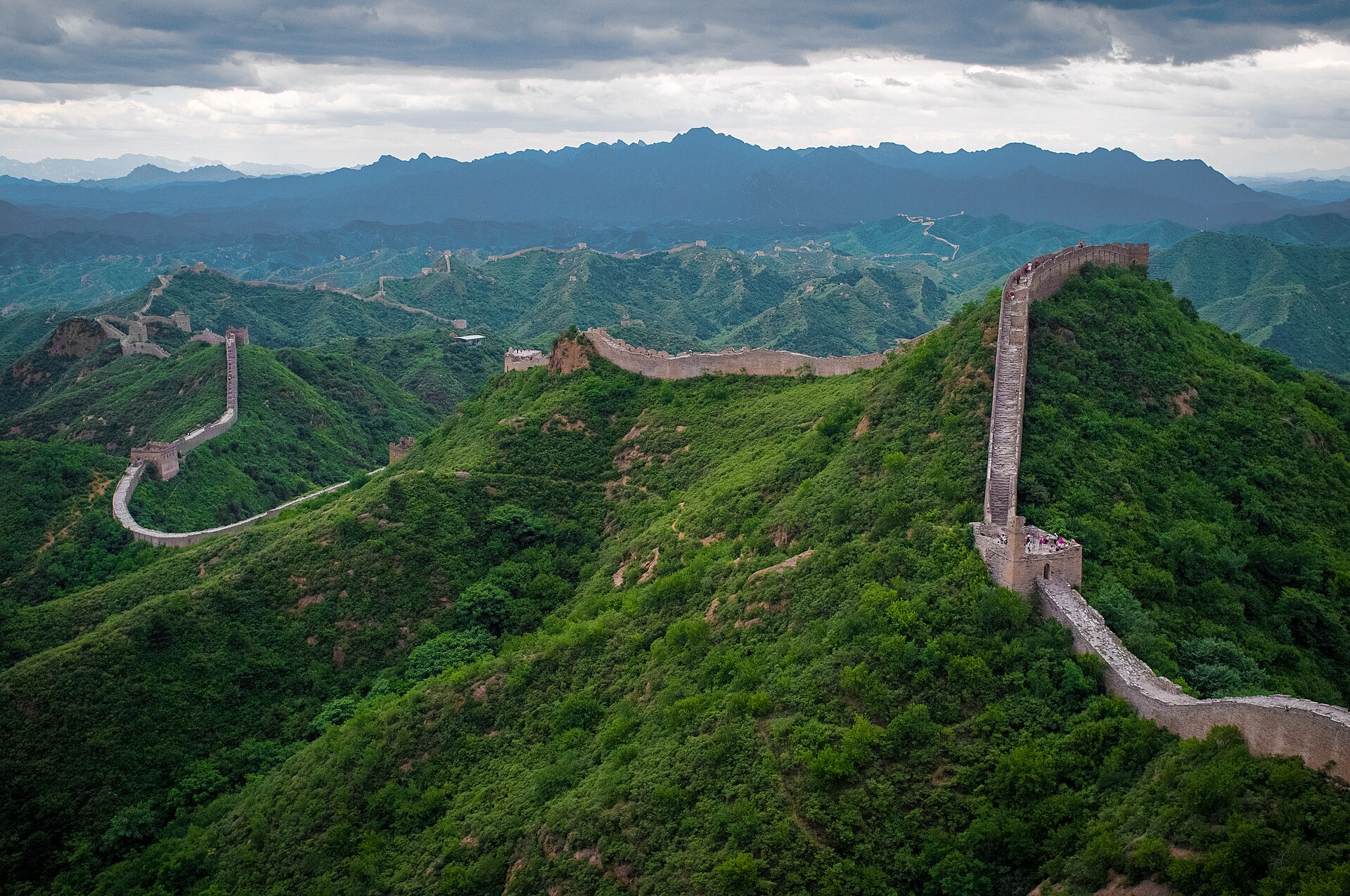
The trip's two anchors are both UNESCO World Heritage: the Great Wall was inscribed as a single listing spanning its many sections, and the Forbidden City is inscribed within the Imperial Palaces of the Ming and Qing Dynasties — five days is enough to treat each as a place, not a photo stop
Checked October 2026GUIDES / ITINERARIES
Beijing in Five Days: The Deeper First Visit
Five days is the first trip length where Beijing stops being a checklist: the imperial core, the Wall, ritual sites and gardens — then one whole day kept deliberately uncommitted.
City Beijing12 min read7 facts labeledChecked 2026-10-30
01 · IN BRIEF
The afternoon that changes the trip
By the third afternoon you are standing in the cypress shade at the Temple of Heaven, watching a circle of retirees argue happily over a card game while a shuttlecock group keeps a feather airborne in slow motion. Nobody here is sightseeing. Your group, unusually, is not either — because the morning's altar and hall are done, dinner needs no cross-city journey, and for the first time in the trip the plan has nothing to prove. A two-day visitor is at this hour trapped between a ticket slot and a transfer. A five-day visitor gets to watch Beijing do its own thing, and that watching — lanes at dusk, a park at full social throttle, noodles eaten where the day happens to end — is what turns the famous sights into a city you actually understand.
Five days does not mean five days of monuments. It means sequence and slack: the imperial core on day one, the Great Wall given the best weather in the window, ritual sites and old-town streets on day three, the Summer Palace or the museums on day four, and a fifth day that belongs to whoever the trip has turned you into by then. Two rules run the whole structure. The Forbidden City is anchored to the date its ticket confirms, not the date you first imagined. And the two heaviest walking days — the Wall and the Summer Palace — are never set back to back. Everything else in this guide is those two rules, applied.
02 · SEE IT
The five days, in running order
- Day 1 — The Forbidden City along its ceremonial axis, then up Jingshan hill for the roofline view; the evening drifts into the Shichahai lanes for dinner
- Day 2 — Great Wall day: one section, chosen once (Mutianyu suits most first-timers), with nothing scheduled after the return to the city
- Day 3 — Temple of Heaven during the park's busy morning hours, then the Qianmen and Dashilan streets; an evening performance only if the group still wants one
- Day 4 — The Summer Palace given the better part of a day on a lakeside route — or a museum pairing if the weather turns against gardens
- Day 5 — Open on purpose: hutong wandering and contemporary Beijing, a family anchor like Universal, the 798 art district, or the booking that slipped earlier in the week
- Base card — One central hotel for all five nights, in Dongcheng or around Wangfujing with a real metro connection; the plan moves, the luggage does not
- Food card — Roast duck once, lamb from a copper pot once, a serious bowl of noodles when the day invites it — and everything else eaten in the neighbourhood each day already ends in
03 · TRY IT YOURSELF
Plan it like a five-day local
Your ticks stay on this page only. No account or personal data is sent.
04 · THE PROOF
The facts this guide leans on
Summaries of traveller reports on five-day Beijing trips repeatedly name two regrets: time burned on repeated cross-city transfers, and days overloaded with reservation-heavy sights — the two failures this itinerary's structure is designed around
Checked July 2026The capital's two biggest museums — the Palace Museum and the National Museum of China — normally close on Mondays, public-holiday arrangements aside, so across a five-night span one weekday is shaped by closure calendars whether you plan for it or not
Checked October 2026The Summer Palace repays at least half a day, and the experience depends on the gate you choose: a route over Longevity Hill, a walk along Kunming Lake's shore and a family-paced circuit are three different visits wearing the same name
Checked October 2026Depth on a longer trip comes from dwell time rather than inventory: one side courtyard followed properly inside the Forbidden City, one gallery theme inside a museum, one stretch of lakeshore walked slowly — each teaches more than a third monument added at a run
Checked October 2026For five nights, one well-connected central base outperforms split stays: Dongcheng, Wangfujing, Dongdan and similar inner-city districts keep every heritage day reachable and leave several dinner districts in play; moving hotels mid-trip spends packing and check-in time the itinerary cannot recover
Checked October 2026The Beijing municipal visitor portal is the city's official channel for current opening arrangements, seasonal events and service changes — the reference point when a five-day plan has to absorb a closure or a weather change mid-trip
Checked October 202605 · STEP BY STEP
How to build the five days, in order
- Step 1 — Fix the two anchors before anything else
Start with the two days that cannot float. The Forbidden City goes on the date its reservation confirms — book it first, because every other morning rearranges more easily than a palace entry. The Great Wall goes on the day with the best forecast inside your window: visibility is the entire point of standing on a ridge, and a Wall day surrendered to fog or driving rain is the one loss a five-day plan cannot refund. Once those two are pinned, the week has a skeleton: one imperial day, one mountain day, and three days that can breathe around them.
- Step 2 — Lay the middle days by weight, not by fame
Day three pairs the Temple of Heaven with the old commercial streets of Qianmen and Dashilan — a morning of ritual architecture and park life, an afternoon at street level, an evening that can hold a performance or simply end. Day four carries the Summer Palace or, if the weather turns, the museums. The discipline is in the alternation: formal and vast, then human-scale; a garden day after a street day. Never place the Summer Palace directly after the Wall. Those are the two largest walking loads of the trip, and the second one, attempted on tired legs, is remembered as an obligation rather than a place.
- Step 3 — Defend the slow afternoon and the empty day
Between the monument days, deliberately spend one afternoon the way residents do: the lakes at Shichahai, the lanes around Gulou, a park with its card schools and kite flyers, a cafe with no agenda. Then defend day five as uncommitted capacity. Families may spend it on Universal Beijing or another child-led anchor; art travellers on the 798 district or a current exhibition; food travellers on a market morning and one historic neighbourhood; anyone can spend it recovering the booking that slipped on day two. An unassigned day is not a gap in the plan. It is the mechanism that keeps weather, fatigue and ticket luck from breaking the plan.
- Step 4 — Let food follow the day's geography
Give the trip three deliberate meals — roast duck once, done properly; a copper-pot lamb or a serious noodle meal once; and one dinner that is simply the best of wherever day four ends — and let every other meal come from the district you are already standing in. Beijing punishes restaurant pilgrimages: the celebrated room across the city costs an hour in traffic each way and an evening's energy. Choose the evening district to match the day's final sight, eat there, and let the night stay short or long on its own merits.
- Step 5 — Buy guiding where it earns, and only there
Five fully guided days usually deliver less than selective help. A knowledgeable guide transforms the Forbidden City, where the buildings do not explain themselves, and adds real value at the Wall, where transport, section choice and two thousand years of context arrive together. A complex museum or one hutong neighbourhood can justify a guide too. Park walks, temple mornings, shopping streets and dinners do not need narration — they need your own pace. For multi-generation groups, private transport on the longest transfer days can matter more than interpretation: it converts an exhausting logistics day into one the grandparents can still enjoy.
- Step 6 — Run the day-two review and the five-day checks
Longer itineraries rarely collapse at one point; they erode — a late start here, a queue there, a destination restaurant too far away, no laundry or recovery window anywhere. So audit the trip while it can still change. At the end of day two, measure the group honestly against the plan and, if it is slower, delete a day-five option on the spot rather than tightening every remaining day. Across the week, keep rechecking the unglamorous variables: weekly closure days at museums, ticket releases that open later than the rest of the plan, and the forecast that owns your Wall day. Modularity is the whole design — every day in this structure can move except the anchored palace date, and that is why it holds.
06 · WHERE THIS BREAKS
Where the advice stops working
A second day trip has to earn a Beijing day
Chengde, the Ming Tombs and other regional excursions are legitimate places — and each one deletes a day of the capital's own parks, museums, food and neighbourhoods. On a first visit of this length, keep four of the five days inside Beijing itself and hand the remaining one to the Wall. Add a second excursion only when the core is already protected and the interest is specific; distance travelled is not, by itself, a measure of a trip's quality.
The flexible day is not insurance you can spend twice
Day five cannot simultaneously be the Universal day, the shopping day, the weather backup and the recovery day. If you pre-commit it to a fixed attraction, the trip no longer has a pressure valve, and the first disruption — a sold-out slot, a rained-off Wall — lands on a day that cannot move. Choose at the day-two review, with the trip's real condition in front of you, not at home with the optimistic version.
Weather flexibility is a probability, not a promise
Keeping the Wall date movable raises your odds of a clear ridge; it does not guarantee one. A five-day window can be grey end to end, and summer heat can matter as much as visibility — the Summer Palace and the Wall both punish a scorching afternoon. Build the indoor substitutes in advance (a museum pairing, a hutong-and-food day) so a swap feels like a plan, not a consolation.
A hutong hotel is a trade-off, not a default upgrade
Staying inside the lanes can be the most memorable lodging of the trip — after you have verified the unglamorous details: whether a car can reach the door with luggage, how the room heats or cools, how far the walk to a main road really is, and how thin the walls are. Charm that fails on sleep or access taxes every following day of a five-day plan.
Is five days too long for Beijing?
Only if the days are filled the way a two-day trip fills them. Five days spent marching between monuments exhausts anyone; five days built on alternation — monument, mountain, street, garden, open — is the length at which the city becomes legible. If your group truly prefers intensity, the structure still works: spend day five on the second excursion. What five days cannot survive is five identical days.
How many Great Wall days does a first visit need?
One, for most travellers — done at a section matched to your legs and your appetite for company, with the evening kept free. Strong hikers and returning visitors are the exceptions who can justify a second day at a contrasting section, and they should take it from the flexible day knowingly, understanding that the trip's insurance is what they are spending.
07 · KEEP READING
Keep the trip moving
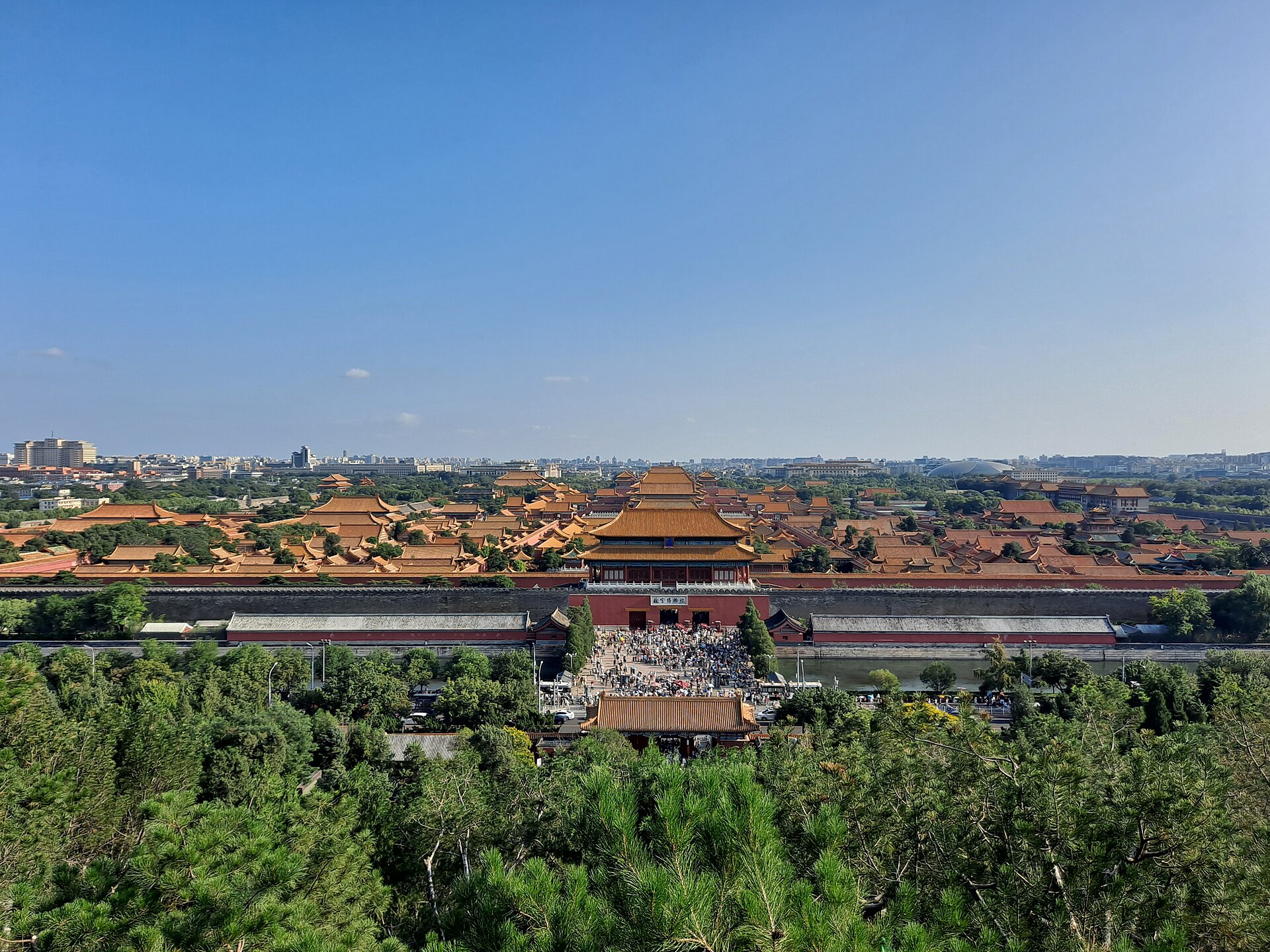 Beijing · DoBeijing in One Day: The Imperial Core, Walked in One DirectionOne day is enough for Beijing's imperial heart if you refuse to scatter it — the palace in the morning, the hill behind it, the lakes and lanes after lunch, and the Great Wall left honourably for another trip.Verified
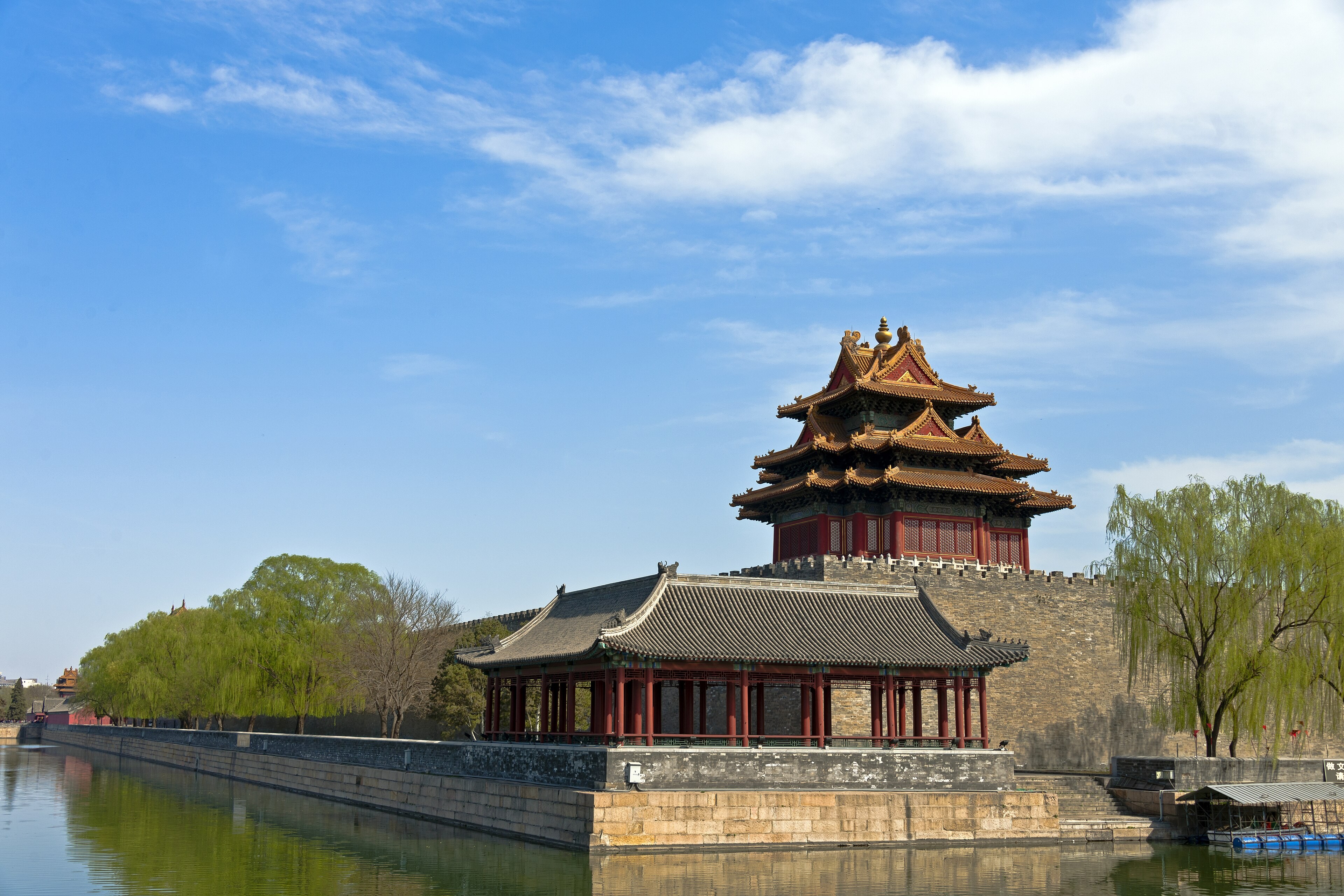 Beijing · DoBeijing in 2 Days: The Forbidden City, Then the WallDay 1 walks the imperial axis while you are fresh. Day 2 leaves the city entirely — one Wall, done properly, beats three sights done tired.Reference ~
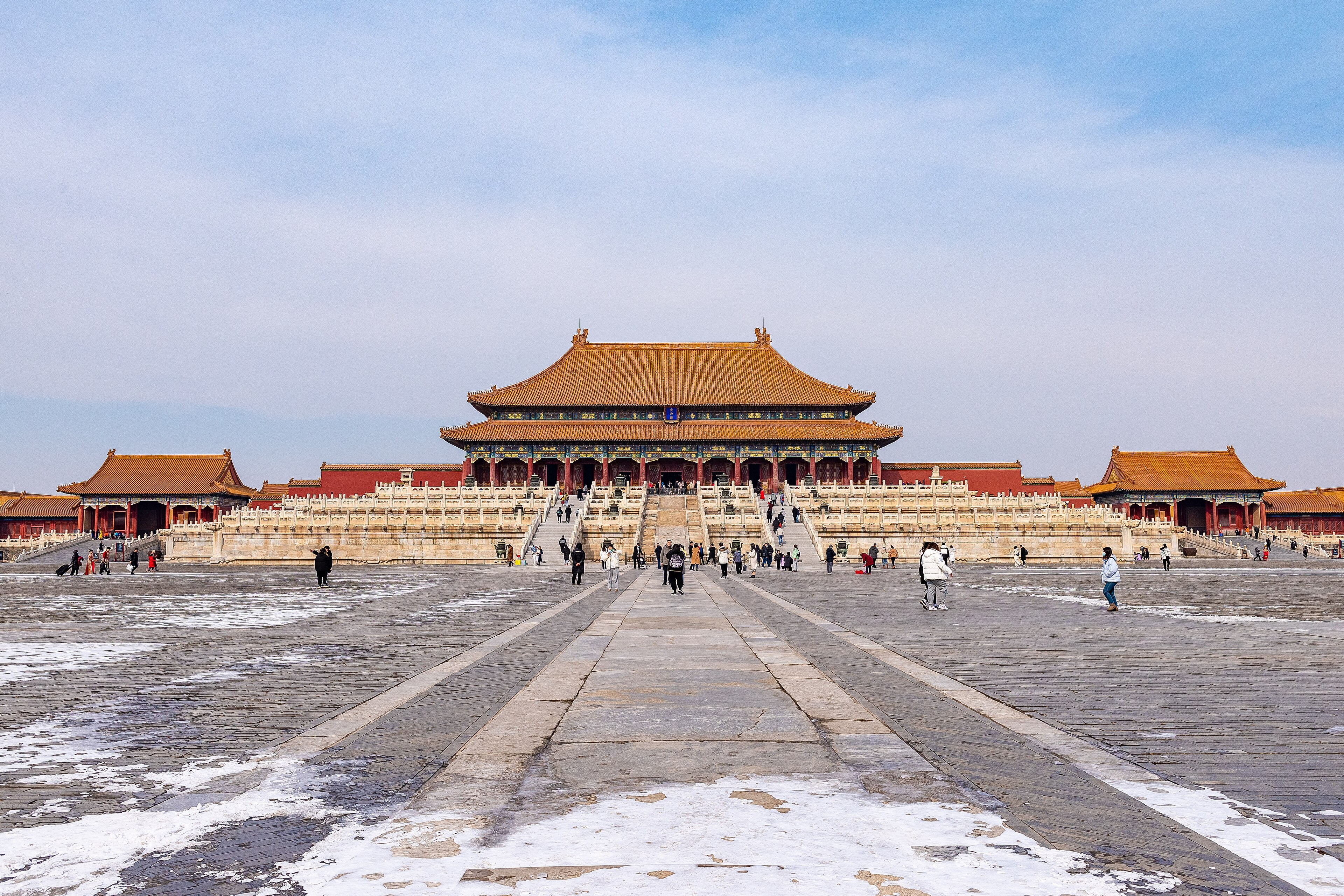 Beijing · DoForbidden City Tickets: How Booking Actually Works for Foreign VisitorsThere is no ticket window to fall back on. The Palace Museum is won or lost a week before your visit, on a phone screen, with your passport details typed exactly right.Reference ~
08 · SOURCES
Sources and status
Prices, schedules and booking channels change. Recheck the details that matter before you travel.
- UNESCO World Heritage List — The Great Wall (listing 438)VerifiedOfficial listing for the Wall's sections, history and protection status
- UNESCO World Heritage List — Imperial Palaces of the Ming and Qing Dynasties (listing 439)VerifiedOfficial listing covering the Forbidden City in Beijing
- Beijing Municipal Culture and Tourism Bureau — official visitor portalReference ~The city's official channel for current opening arrangements and seasonal events
- Dianping (Beijing restaurant reviews and local demand lists — local demand signal)Reference ~Local-signal patterns for food planning; no rankings reproduced or relied on