
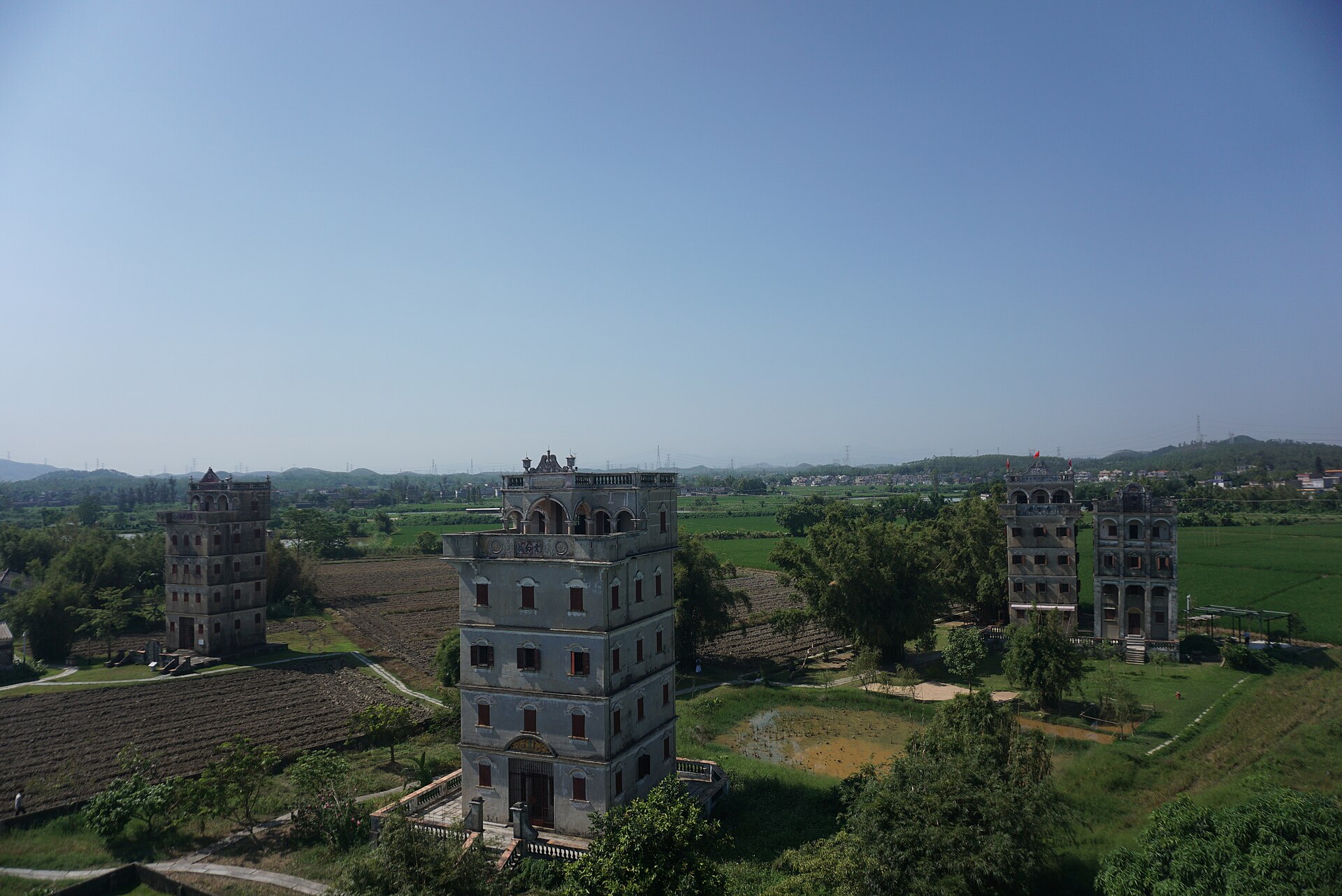
The Kaiping diaolou and their villages were inscribed by UNESCO in 2007: multi-storey fortified houses that fuse Chinese building traditions with Western forms, financed and shaped by emigrants who left for overseas and sent money and ideas home
Checked October 2026GUIDES / ITINERARIES
Day Trips from Guangzhou: Kaiping's Towers, Shunde's Tables, Foshan's Temple
Four escapes leave from the same city and only one of them is really decided by the train ride. The day is won or lost in the transfer after the station — here is how each trip actually works, and which one fits your group.
City Guangzhou13 min read8 facts labeledChecked 2026-10-30
01 · IN BRIEF
The 8 a.m. platform, and the two kinds of day trip
Stand on a Guangzhou South platform at eight in the morning and you can watch both versions of the Guangdong day trip board their trains. One couple carries nothing but a phone and a plan you could write on a receipt: metro across the border into Foshan, a temple, a bowl of something famous, home for dinner. Three seats away, a family of five is doing logistics out loud — a driver whose number was saved last night, a screenshot of a village order, a return train nobody intends to miss because the alternative is negotiating rural Guangdong at dusk with tired children. Both groups will have a wonderful day. Only one of them understood, before buying anything, that the train was the smallest part of their trip.
That is the honest secret of leaving Guangzhou for a day. The intercity network is fast, frequent and cheap, and it will happily deliver you to a station that is nowhere near the thing you came for. Kaiping's watchtower villages scatter across farmland. Shunde's best restaurants hide in whichever neighbourhood the last viral post pointed at. Zhaoqing's lake sits beyond a transfer nobody mentions. Foshan alone forgives improvisation. So this guide grades the four classic escapes not by distance but by friction: what the last mile demands, how much walking the day hides, and how hard the return is to protect. Choose by those, and the day trip becomes the best day of the trip instead of the most argued-about.
02 · SEE IT
Four days out, in running order
- Kaiping, the architecture day — out early, one anchor village such as Zili, one smaller village or old-town stop, a car arranged before any train is booked, home by evening with nothing planned after
- Shunde, the food day — one district, several small meals instead of one big reservation, a market or waterfront walk between courses, queues treated as part of the design
- Foshan, the easy day — metro or intercity train in, the Ancestral Temple quarter as the anchor, one extra stop chosen on the day, back in Guangzhou by late afternoon
- Zhaoqing, the scenery day — one anchor only, Dinghu Mountain or Seven Star Crags, with the hop from arrival station to scenic gate planned before any train ticket is bought
- Xiqiao Mountain, the nature wildcard — forested slopes and temple paths for the group that would rather climb than queue, one section of the park done properly
03 · TRY IT YOURSELF
Run the day like a local planner
Your ticks stay on this page only. No account or personal data is sent.
04 · THE PROOF
The facts this guide leans on
The diaolou are not a single site but clusters of towers and villages dispersed across Kaiping's countryside — Zili Village and the Majianglong cluster are the usual anchors — so the visit is inherently a route, not a pin on a map
Checked October 2026For nearly all of these escapes, the departure board that matters is Guangzhou South, the city's principal high-speed and intercity terminal — and the arrival names are a trap for the unwary: Kaiping South lies on the line running through Jiangmen toward Zhanjiang, Foshan is reached at Foshan West or along the intercity corridor, and Zhaoqing offers both a high-speed station called Zhaoqing East and a separate Zhaoqing station on the intercity line
Checked September 2026Guangzhou and Foshan are stitched together by the Guangfo metro line as well as intercity rail, which is what makes Foshan the one day trip that works comfortably with no car, no driver and no fixed schedule
Checked October 2026Shunde holds a UNESCO Creative City of Gastronomy designation and is treated across Cantonese food culture as a source kitchen of the cuisine — roast meats, congee, fish cookery and its signature double-skin milk are the home repertoire
Checked October 2026Foshan's Ancestral Temple quarter concentrates the city's signature traditions in one walkable core — Lingnan architecture, Cantonese opera, ceramics heritage and a deep martial-arts lineage — which is why the day stays compact
Checked October 2026Zhaoqing's two scenic anchors pull in different directions: Seven Star Crags is a lake-and-limestone circuit, Dinghu Mountain a forested reserve, and attempting both in one day converts a landscape trip into a transfer marathon
Checked October 2026When sixty recent traveller accounts of these routes were scanned for the research behind the source guide, no single destination emerged as a consensus winner. What recurred was process: a day felt easy or miserable according to the station-to-sight transfer, the walking hidden inside it, and whether the journey home had been protected in advance
Checked August 202605 · STEP BY STEP
How each trip actually works
- Step 1 — Plan backwards from the return
Every good Guangdong day trip is built in reverse. Decide the latest return you can comfortably accept — earlier with children, earlier still with an evening plan in Guangzhou — then work backwards through the last transfer, the final sight and the outbound train. Verify both station names printed on the ticket with your own eyes, because the map around Guangzhou is mined with near-identical names: two Zhaoqings, several Foshans, a Shunde served by intercity stations most visitors have never heard of. Save both station names and your hotel address in Chinese. Only when the return skeleton stands should you spend a minute choosing what to see.
- Step 2 — Kaiping: the great day that must be driven
Kaiping is the strongest day trip in the region and the least forgiving. The diaolou — part fortress, part family mansion, part remittance made solid — stand in working villages across open farmland, and the pleasure of the day is the sequence: one substantial village walked slowly, roofs and ancestral halls and Western balconies read properly, then one contrasting stop, perhaps another cluster or the old trading streets of Chikan. Zili Village is the natural anchor. Rail can technically start the day, running down to Kaiping South, yet it abandons you at the exact point the route begins, so the professional solution is a private car from Guangzhou with the village order, hours and return agreed in writing beforehand. Give it the whole day, leave early, and schedule nothing in Guangzhou that night; Chikan after dark is an overnight trip pretending to be a day trip, and belongs to a slower itinerary.
- Step 3 — Shunde: let lunch be the itinerary
Shunde asks a different discipline: restraint at scale. This is a district where the correct unit of planning is the small meal — double-skin milk still warm, a fish prepared three ways, congee, roast meats, a dessert shop older than your hotel. Anchor the day in one food neighbourhood, add a market wander or a waterside walk to reset appetites, and let queues flex the order rather than break it. The amateur failure is the viral-post grand tour, ricocheting across the district from famous address to famous address until the day is mostly driving and waiting. Intercity trains into the Shunde stations make the trip car-free if the route stays tight; a driver earns his fee only when the group insists on chasing several distant names, or when dietary negotiation in Cantonese-only kitchens is half the point.
- Step 4 — Foshan: the day that runs itself
Foshan is the trip you take when the group is tired, the weather is sulking or the start is late — and it is a genuinely good day, not a consolation. Ride the Guangfo metro or an intercity train in, walk to the Ancestral Temple quarter, and let one dense, storied neighbourhood carry the visit: temple architecture and Cantonese opera traditions, the ceramics heritage Foshan has exported for centuries, and a martial-arts lineage that runs through the city's most famous sons. Add exactly one satellite stop that matches the group's curiosity — a ceramics quarter, an opera museum, a serious lunch — and resist bolting Shunde onto the afternoon. Foshan plus Shunde as a checklist is two half-days and a lot of road; Foshan alone, done at walking pace, is a whole culture at low friction, with the easiest protected return of any trip in this guide.
- Step 5 — Zhaoqing: scenery, at the price of a transfer
Zhaoqing is where Guangzhou people go to look at water and limestone. Seven Star Crags arranges its peaks around a lake in a composition Chinese painters have praised for a thousand years; Dinghu Mountain offers forest, streams and temple shade. Pick one. The friction in this trip is not distance but ambiguity — two stations with different relationships to the sights, and a final transfer that must be mapped before the intercity ticket is bought, not discovered on arrival. Weather is the second variable: the crags in rain are a diminished painting, so keep this day swappable with Foshan in the trip plan. Groups with a fixed evening back in Guangzhou, or anyone already tired, should treat the protected return as the deciding argument and consider whether the scenery earns its transfers this trip.
- Step 6 — Know when to hire the day instead
Private support is not a luxury purchase on these routes; it is a sequence purchase. It earns its cost in Kaiping almost by default, where the product is the order of villages and the certainty of the ride home. It earns it in Shunde when ordering help, allergy negotiation or a route threaded between neighbourhoods is the difference between grazing and queueing. It earns it for families and older travellers anywhere the day hides transfer after transfer in the heat or the rain. It earns almost nothing in Foshan, where the metro and a compact temple quarter do the work for free. Judge the hire by the friction it removes, never by the kilometres it covers.
06 · WHERE THIS BREAKS
Where the advice stops working
There are no live times in this guide, on purpose
Intercity frequencies, first and last trains, and attraction hours all move with the calendar, and any printed timetable ages into a trap. The station patterns and planning shapes here were reviewed in autumn 2026; the specific train you ride exists only in the official 12306 result for your date. Build the day from that result, and re-verify the last-mile leg separately — the railway does not know about your village driver, and he does not know about your train.
Heat is a routing decision, not a discomfort
For much of the year, Guangdong's midday heat and sudden rain rewrite outdoor plans. Kaiping's villages and Zhaoqing's crags are exposed, walking-heavy days; a summer version needs an early start, shade stops, water carried rather than assumed, and a genuine willingness to cut the second village. Foshan and a Shunde food route survive weather that would ruin the other two — which is why flexible itineraries hold them in reserve.
Kaiping cannot be compressed
The most common Kaiping failure is optimism: every cluster, plus Chikan, plus a famous lunch, fitted into a day that physically contains about half of it. The towers reward slowness — interiors, inscriptions, the view from one roof across the paddies — and punish collecting. One anchor village properly seen beats four photographed from a car window, and an early return with energy left beats a heroic dusk arrival at Guangzhou South.
Viral restaurants distort Shunde
A single famous dish can bend a Shunde day out of shape — a cross-district drive, a ninety-minute queue, a sold-out signature by the time you sit down. Local grazing logic beats fame logic: eat where the neighbourhood eats, order several small things, and treat any individual shop as replaceable. The district's floor is so high that the third-best double-skin milk on a quiet street outperforms the famous one endured as an ordeal.
Families and older travellers pay double for transfers
What reads as a simple change of train on paper costs children and grandparents twice — in heat, in walking, in the mood the day runs on. For mixed groups, demote any route with more than two transfers, protect the return before protecting any sight, and price the private car honestly against the day it saves rather than the distance it drives. A shortened Foshan day that ends smiling beats a complete Kaiping day that ends in negotiation.
Some days should not be day trips at all
On peak public-holiday dates, every friction in this guide doubles: stations surge, village lanes clog, Shunde's queues become events. If your only available day falls inside a major holiday, the better move is to stay in the city — Guangzhou's own old-town lanes deliver most of the same Lingnan texture with none of the transfers — or upgraded to an overnight, which turns Kaiping and Zhaoqing from sprints into stays.
07 · KEEP READING
Keep the trip moving
 China · PrepareChina Trains: Your Passport Is the TicketNo paper, no ticket window — book on 12306, verify your identity once, and board on the document in your pocket. The system is simpler than the stations are big.Verified
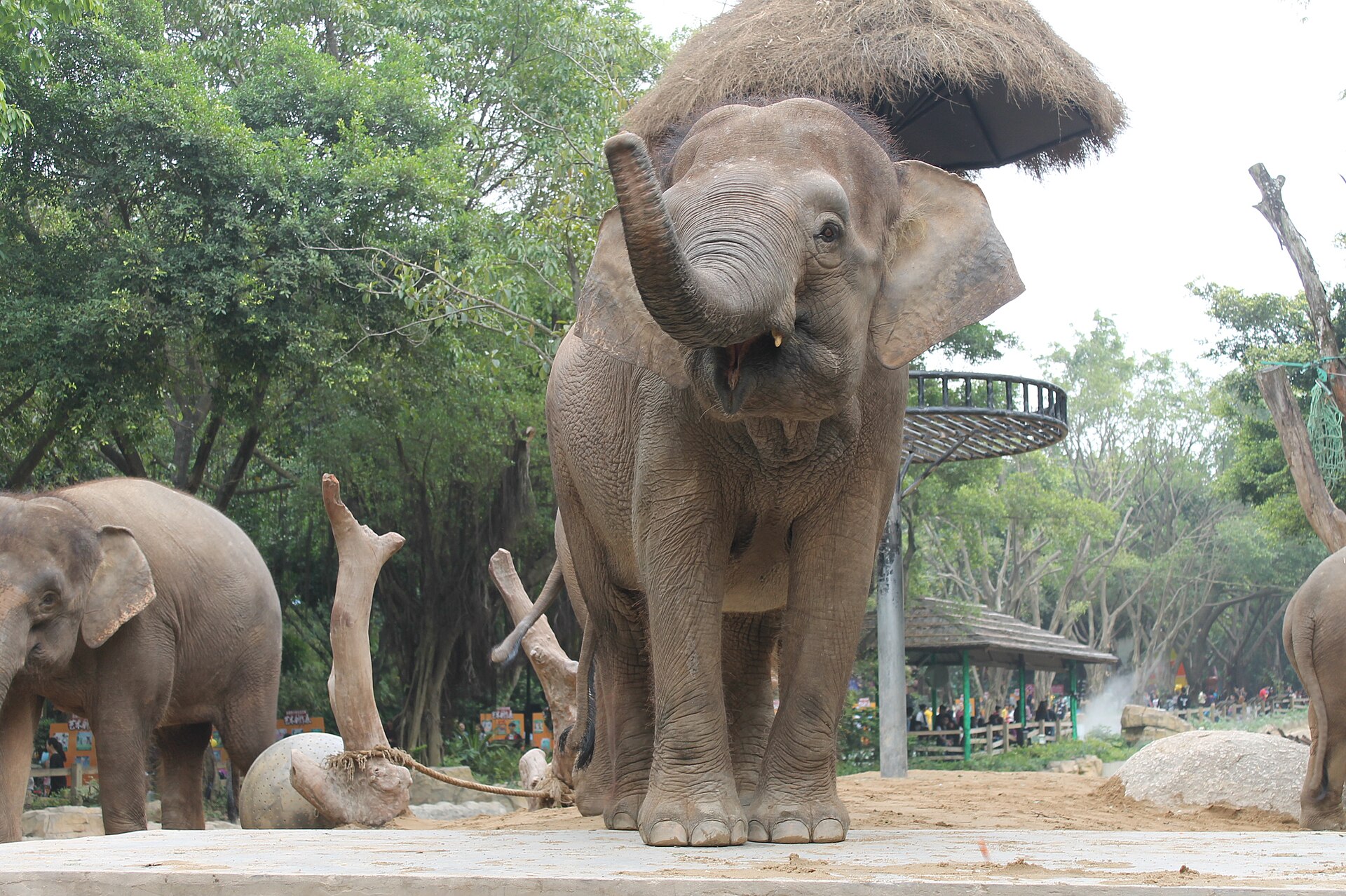 Guangzhou · DoGuangzhou with Kids: One Big Animal Day, One Quiet Museum, and Dim Sum DiplomacyGuangzhou is generous to families — a giant safari park, a superb free museum and a cuisine served in small, negotiable portions. The skill is not finding things to do. It is refusing to do two big things in a single day.Reference ~
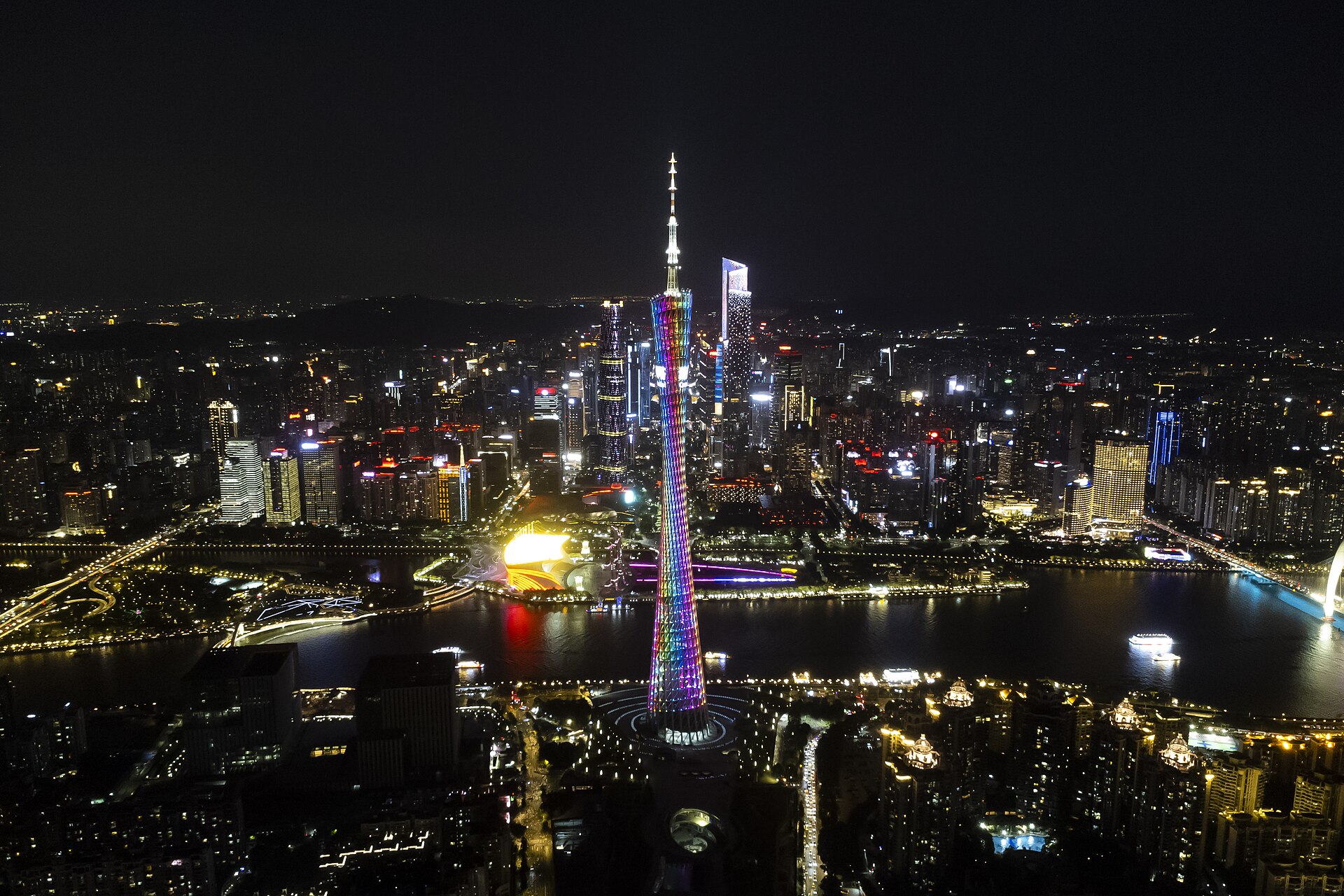 Guangzhou · PrepareGuangzhou Attraction Booking Guide: The Museum Slot, the Right Tower Ticket, the Correct ChimelongGuangzhou demands less paperwork than Beijing — right up until it demands all of it at once. Four anchors run on timed reservations, real names and exact product names. This is the order to book them in, and the mistakes each one punishes.Reference ~
08 · SOURCES
Sources and status
Prices, schedules and booking channels change. Recheck the details that matter before you travel.
- UNESCO World Heritage List — Kaiping Diaolou and Villages (listing 1112)VerifiedInscription, history and significance of the diaolou clusters in UNESCO's own wording
- China Railway 12306 (official booking channel)VerifiedThe only authoritative source for intercity trains, stations and times on your actual date
- Guangzhou Municipal People's GovernmentReference ~Municipal transport and visitor information used to review the station pattern for these routes
- Dianping (Guangzhou food and local listings — local demand signal)Reference ~Local-signal patterns for Shunde and Foshan eating only; no rankings reproduced or relied on