
China Railway's official 12306 English website states that valid foreign passports are accepted for booking, and the identity check behind an account can clear automatically, through a passport-photo upload reviewed by staff, or face to face at a station ticket office
Checked October 2026GUIDES / TRANSPORT
China Trains: Your Passport Is the Ticket
No paper, no ticket window — book on 12306, verify your identity once, and board on the document in your pocket. The system is simpler than the stations are big.
City China12 min read8 facts labeledChecked 2026-10-30
01 · IN BRIEF
The ticket window that barely exists
Beijing South at seven in the morning is a river of people moving in one direction, and almost none of them are holding a ticket. A student taps her identity card against a gate reader. A businessman walks at a screen that scans his face. A grandmother is waved through the one staffed lane. And you, on your first morning in China, are standing in the middle of the current with a screenshot of an order confirmation on your phone, scanning the hall for the ticket window where you are supposed to collect something. Nothing is broken and nobody is doing anything wrong. This railway retired paper years ago, and the document in your inside pocket — your passport — has been your ticket since the second you paid.
Once that clicks, everything else about Chinese rail falls into place. The network runs on identity: the document number you book under is the document you travel on, checked when the account is created, matched to the booking, and read again at the gate. The stations are built at airport scale because the crowds are airport scale. Hold those two ideas — identity and scale — and the trains stop being the intimidating part of a China trip and become the connective tissue of it: city centre to city centre, on the classic routes where a flight quietly loses its advantage to airport transfers at both ends. This guide walks the whole rail day in order: booking with a foreign passport, choosing between stations that share a city name, picking a class, and walking into the hall with the right things in your hand.
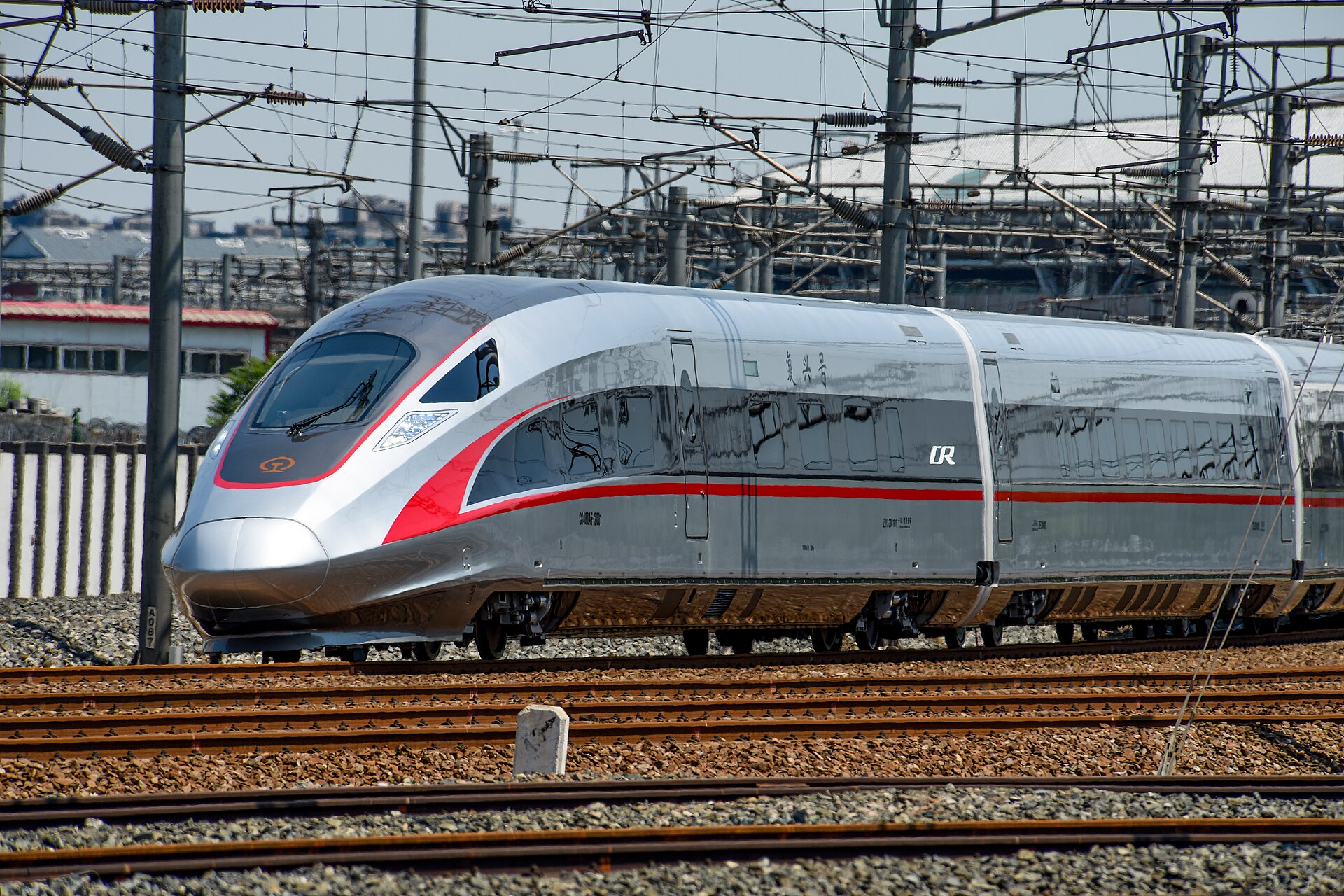
02 · SEE IT
One rail day, in running order
- Days before — Build your 12306 account and clear identity verification while nothing is urgent; a pending review is a bad surprise on a sold-out morning
- Booking — Search the city pair, then interrogate the stations: Hongqiao is not Shanghai Station, and choosing the wrong one can cost an hour of your day
- Departure minus one hour — Be inside the station. Security screening, a departures hall the size of an airport terminal and the walk to your waiting area all take longer than the European version of this moment
- At the gate — Passport in your hand, not in your bag. Foreign passports usually board through the staffed lane beside the automatic gates
- On board — Your seat is written as carriage, row and letter. Luggage racks fill early on busy trains, so be in the first wave through the gate
- Arrival — Follow the exit flow straight into the metro or the taxi rank, with the next hotel's address ready in Chinese characters
03 · TRY IT YOURSELF
Ride it like someone who lives here
Your ticks stay on this page only. No account or personal data is sent.
04 · THE PROOF
The facts this guide leans on
A foreign-passport booking produces no paper ticket to collect: the reservation is bound to the document number, and the original passport used for that passenger is what carries them through the gate
Checked October 2026Same-city stations are a real trap rather than a technicality — Shanghai Hongqiao and Shanghai Station sit across the city from each other, and Beijing, Xi'an, Chengdu and most large hubs repeat the pattern
Checked October 2026The working buffer at a major station is three-quarters of an hour to a full hour before departure: entry security, a very large departures hall and gate queues all stand between the front door and the train
Checked October 2026On the routes visitors actually ride — the capital's run down to Xi'an, the hop from Shanghai out to Hangzhou, the short spin over to Suzhou — the train generally wins door to door once airport transfers and early airport arrival are honestly priced in
Checked October 2026Second class is a sound default for short and medium sectors; first class buys legroom and quiet that pay off on longer legs; business class is a comfort upgrade, not a practical requirement
Checked October 2026Changes and refunds run on terms that vary with the individual ticket and how close departure has come — the conditions attached to your own booking inside 12306 are the operative ones
Checked October 2026Official online channels take several kinds of payment, including bank cards issued at home or abroad and mobile payment options, per the government's visitor guidance — though a given foreign card can still be refused by its own issuer's checks
Checked October 202605 · STEP BY STEP
From account to arrival, step by step
- Step 1 — Open the official channel and build the account
Download the Railway 12306 app or open its English website and register before you search for a single train. Add every traveller as a passenger with the details copied character by character from their passport. This account is not a formality: it is where the booking, any later change of train, and any refund will all be handled, and it is the only version of your reservation the gate will ever consult. Third-party sellers exist and mostly work, but they insert a stranger between you and the one system that can fix a problem on the day.
- Step 2 — Clear identity verification while it cannot hurt you
A new foreign-passport account usually needs its identity confirmed before it can buy freely. The railway offers three routes: an automatic check, uploading a passport photo and waiting for a staff review, or showing the document in person at a station ticket office. The review route takes time, and time is exactly what you will not have if you leave this until the week of a popular travel date. Do it the week you book your flights. If the app reports the account as verified and a test search lets you reach the payment page, the machinery is ready.
- Step 3 — Search stations, not just cities
Type the city pair, then slow down at the results. Chinese cities routinely operate several stations: Shanghai has Hongqiao out by the airport and Shanghai Station in the north of the centre; Xi'an's high-speed trains use Xi'an North, not the old walled-city station; Chengdu splits between East and South. Hold the map in your head as you choose — which station sits near the hotel you are leaving, and which one lands you near the hotel you are joining? An hour saved on the train can be handed straight back to a cross-city metro ride at the wrong end.
- Step 4 — Pick the train and the class by sector, not by habit
Trains carrying a G number are the fastest category and the default choice on trunk routes. Then decide the class the way locals with a budget do: by the length of the leg. Under two hours, second class is comfortable, clean and entirely adequate. Across three to five hours — Beijing to Xi'an is the textbook case — first class earns its premium in space and calm, particularly with children or grandparents in the party. Business class, with its lie-flat pods, is a treat to spend on once for the experience or the honeymoon, not a tax to pay on every sector.
- Step 5 — Pay, then prove the booking exists
Pay inside the official flow with a supported card or payment method, and treat the confirmation screen as a claim to be audited, not a celebration. Open the order list and find the booking sitting there with the right names, the right date, the right stations and a seat assignment. That order, joined to the physical passport it names, is your complete travel document — there is nothing to print and nothing to collect. If payment failed, the order list will be empty and you simply book again; never assume a spun-out payment screen quietly succeeded.
- Step 6 — Run the station like an airport, because it is one
Arrive with three-quarters of an hour to an hour in hand. You will pass a security check at the door, find your train on a departures board the size of a cinema screen, and settle in the waiting area signed for your train number. Boarding typically opens shortly before departure and the gates close a few minutes before the train leaves — this is not a European platform you can stroll onto at the last moment. Keep your passport out and ready; at the gate, travellers on foreign documents are commonly directed to the staffed lane, where an attendant scans the passport against the booking.
- Step 7 — Land the arrival as part of the same journey
The train is the calm middle of the transfer day; the edges are where trips fray. Decide the onward move before you stand up: which metro line, which exit, or the taxi rank with the hotel's name and address showing in Chinese characters. Move with the crowd through the arrival channels rather than improvising on the platform, and keep the passport out until you are fully clear of the station — spot checks happen. A rail day planned hotel-door to hotel-door, rather than station to station, is the difference between the train feeling effortless and feeling like a series of small emergencies.
06 · WHERE THIS BREAKS
Where the advice stops working
The document match is absolute
The booking belongs to one named person holding one named passport. Book a seat under a friend's document, let a passport be renewed between booking and travel without updating the booking, or arrive holding a photograph of the passport instead of the document itself, and the gate has nothing to let you through with. Treat the passport number in the order the way airlines treat the name on a ticket.
Holiday peaks break casual planning
Around Spring Festival, the May holiday and National Day week, desirable trains on popular routes can sell out at release. The system still works, but the strategy changes: book the moment sales open for your date, hold a second-choice departure, and never build a same-day chain — train into a city, last flight out — on a peak weekend.
Tight connections are unforgiving
A high-speed train runs to the minute, but the station around it does not shrink. Changing trains at the same station still means gates, halls and a second boarding cycle, and crossing a city between two of its stations can eat an hour. Build connections the way you would build flight connections, with margin that survives one thing going wrong.
There is no checked-baggage railway underneath you
Everything you bring, you carry, store and lift yourself — into racks that fill early, or into the spaces at the carriage ends. A traveller with two large suitcases and a sleeping child will experience a different railway from the one in this guide. Pack for the transfer you can physically perform, or use the station luggage services where they exist and verify them on the day.
Some hauls still belong to planes
When the rail journey stretches toward a full day — crossing the country rather than hopping its regions — a flight stops being the stressful option and becomes the sane one. The useful comparison is never trains versus planes in the abstract. It is this one route, on this one date, priced and timed from hotel door to hotel door.
Verification limbo is a departure-week problem
If the app routes your identity to manual review, the wait runs on the railway's clock, not yours. Accounts created months ahead sail through; accounts created the night before a holiday departure can strand a whole itinerary at the payment page. This is the one part of the system that cannot be hurried, which is why this guide puts it second, long before any train is chosen.
Print-era habits die hard at the gate
Travellers raised on paper tickets often arrive clutching a printout of the itinerary, expecting a counter somewhere to convert it into something official. The printout is genuinely useful — a readable summary on the day your phone dies — but it converts into nothing, because there is nothing to convert. The booking database plus the passport are the entire system. Carry the paper as a memory aid by all means; just never let its presence convince you the document check has somehow been done in advance, or that a lost passport can be talked around with a tidy folder.
07 · KEEP READING
Keep the trip moving
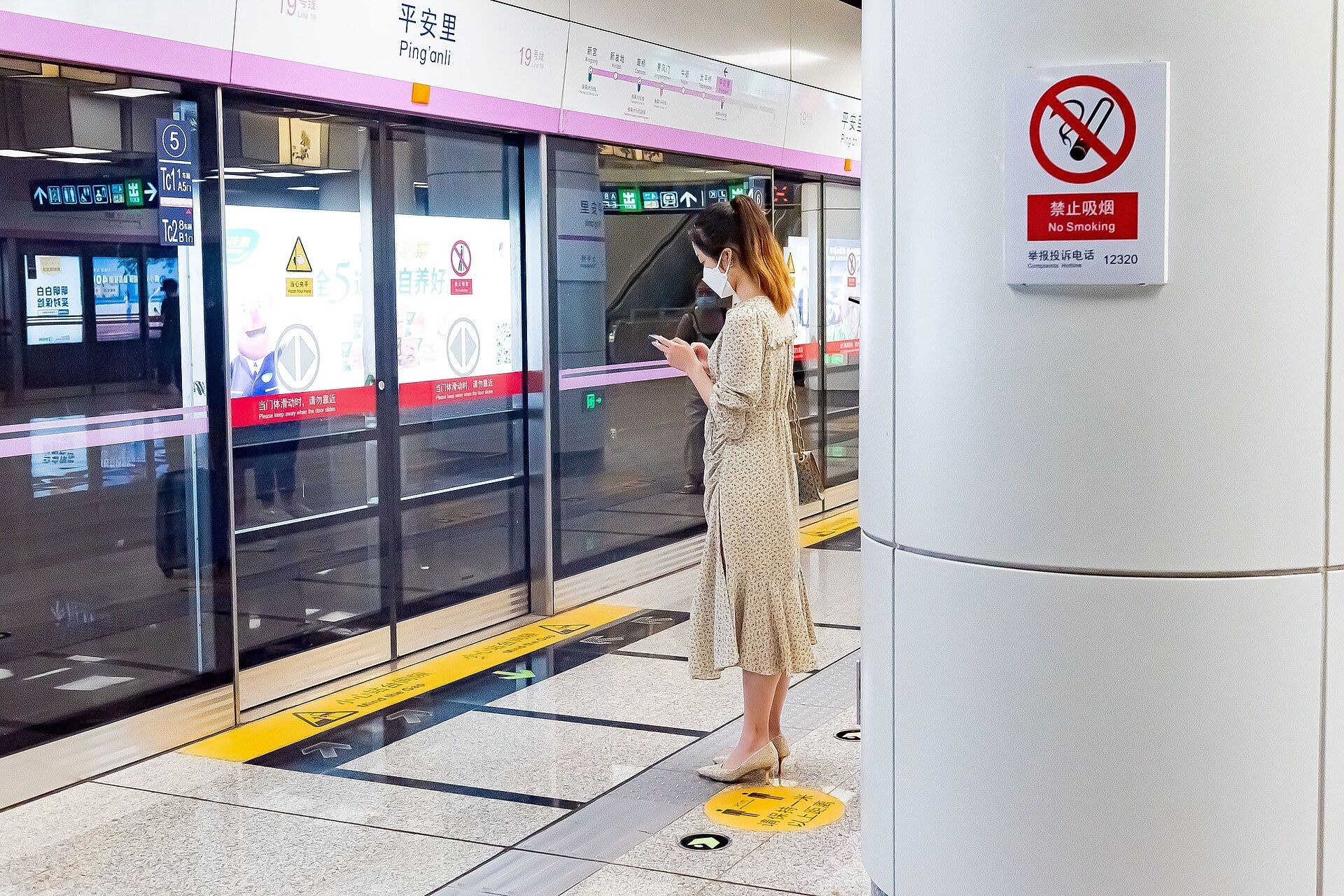 China · PrepareInternet & eSIM in China (2026): Roaming, Travel eSIM, Local SIM and Wi-Fi ComparedYour phone will work in China. The real question is which internet it connects to — every connectivity choice is a choice between two exits.Reference ~
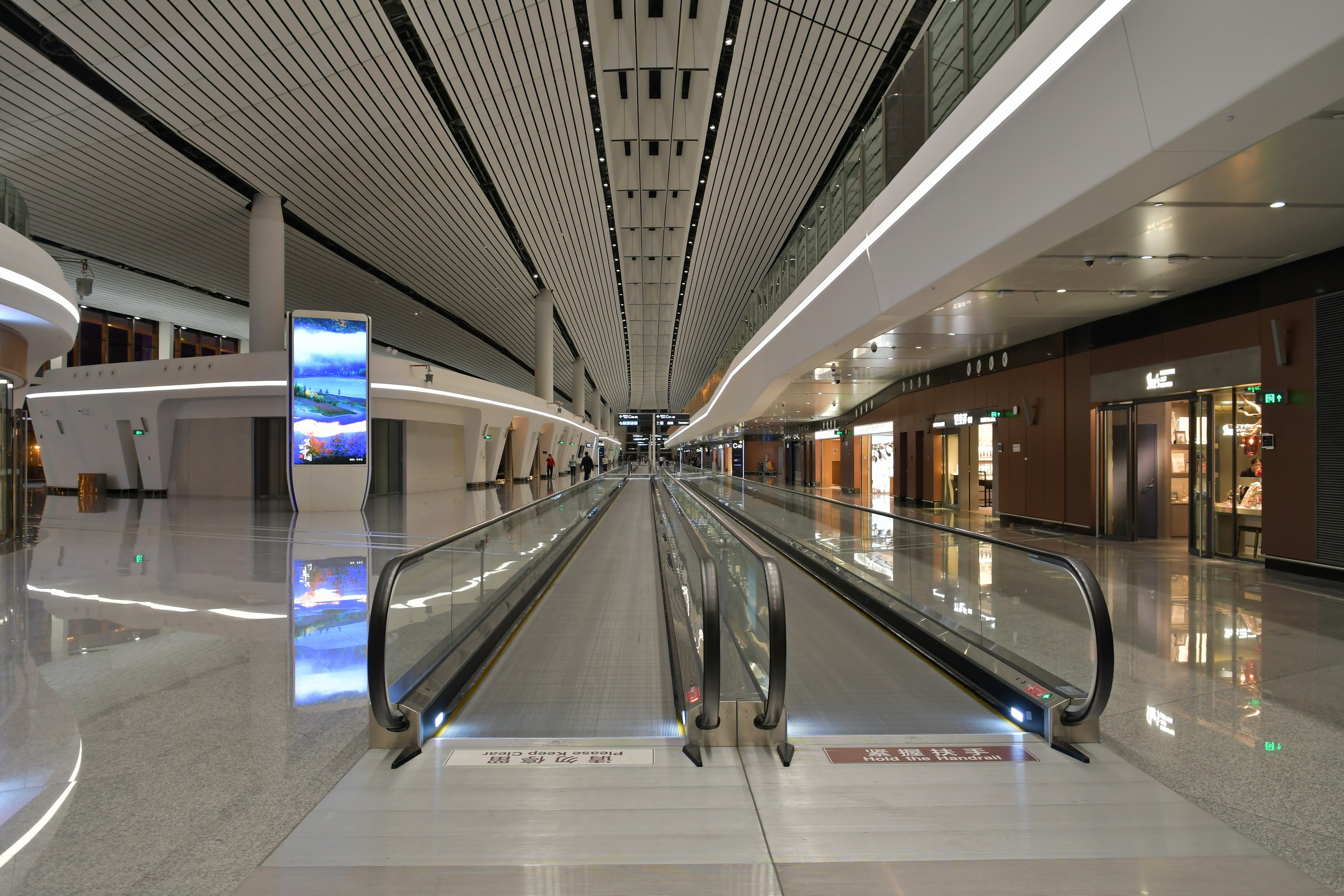 Beijing · PrepareArriving in Beijing: 240-Hour Visa-Free Transit, PEK vs PKX, and Getting Into the CityTwo airports, one ten-day visa-free clock, and a first ride that sets the tone — how to enter Beijing legally on a transit, choose between Capital and Daxing, and reach your hotel without the classic first-night mistakes.Verified
08 · SOURCES
Sources and status
Prices, schedules and booking channels change. Recheck the details that matter before you travel.
- China Railway 12306 — official English booking siteVerifiedPrimary source for passport booking, identity verification routes, and change/refund terms
- State Council English portal — services and visitor guidanceReference ~Government guidance for international visitors, including accepted documents and payment channels for rail booking
- Gov.cn — State Council portalReference ~Publisher of the official guide for international visitors referenced in the booking steps