
Foreign-card transactions of ¥200 or less carry no additional platform service fee on Alipay / WeChat Pay; above ¥200 the fee is about 3%, shown before you confirm
Checked 11 October 2026GUIDES / PAYMENTS
How to Pay in China (2026): Alipay, WeChat Pay, TenPayGo, Cards and Cash
Set up one wallet before you fly, add a second as backup, and understand the two numbers that explain most payment confusion.
City China9 min read3 facts labeledChecked 2026-10-11
01 · IN BRIEF
The short answer
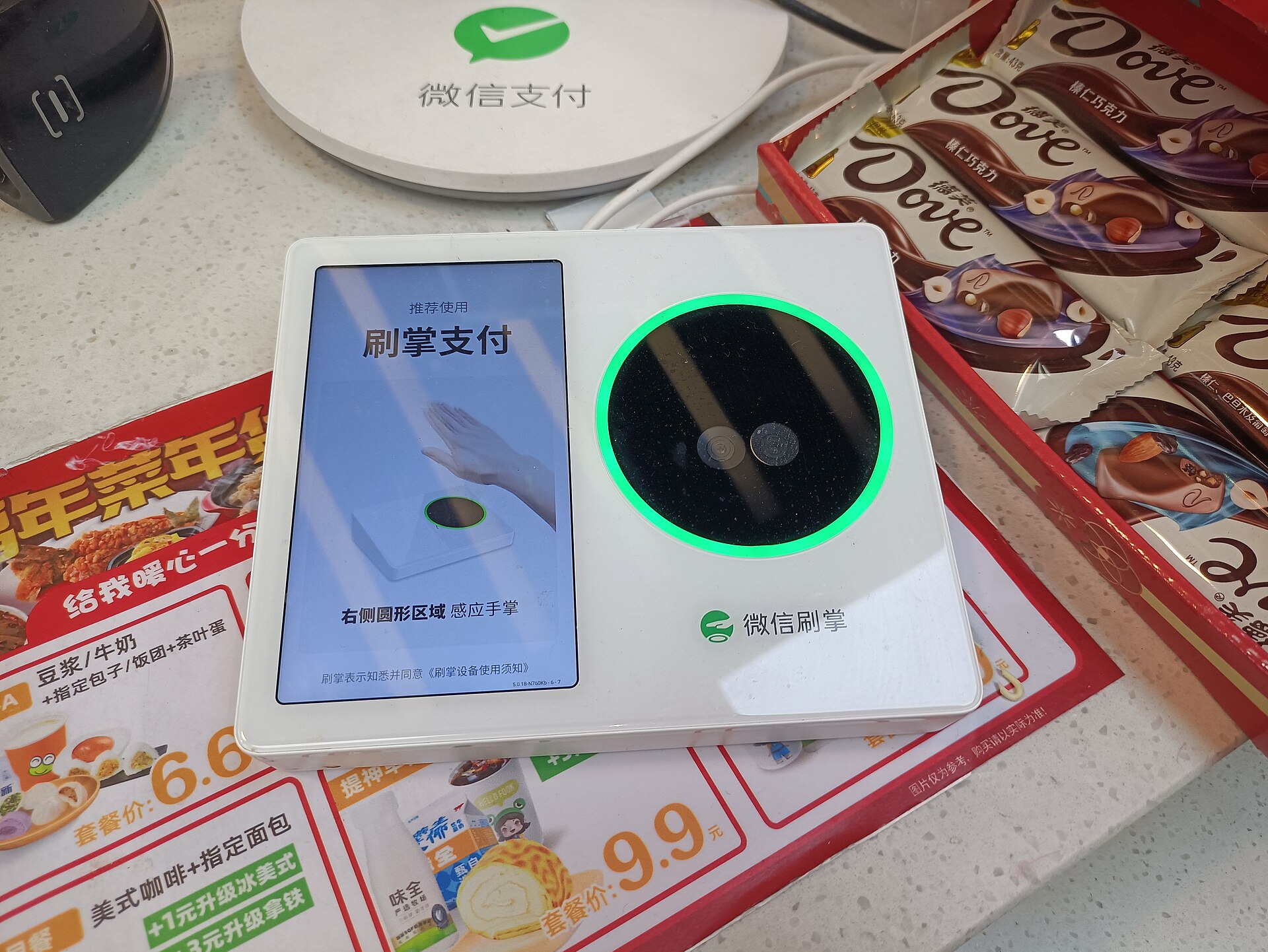
Convenience stores, noodle shops, metro gates, taxis and museum tickets all run on QR codes. You no longer need a Chinese bank account or a Chinese phone number — but 'I linked my card' and 'I can actually pay' are two different milestones, and the gap between them is where most first trips stumble.
Install Alipay first, add WeChat Pay as backup, and carry ¥300–500 in small notes for edge cases.
02 · SEE IT
The payment stack, in order
- Alipay (primary wallet)
- WeChat Pay (backup wallet)
- Physical card (hotels, malls, major attractions)
- Cash ¥300–500 (edge cases)
03 · TRY IT YOURSELF
Before you fly: the setup checklist
Your ticks stay on this page only. No account or personal data is sent.
04 · THE PROOF
Fees and limits: the two numbers
PBOC raised the single-transaction limit for overseas visitors from $1,000 to $5,000, and the annual limit from $10,000 to $50,000
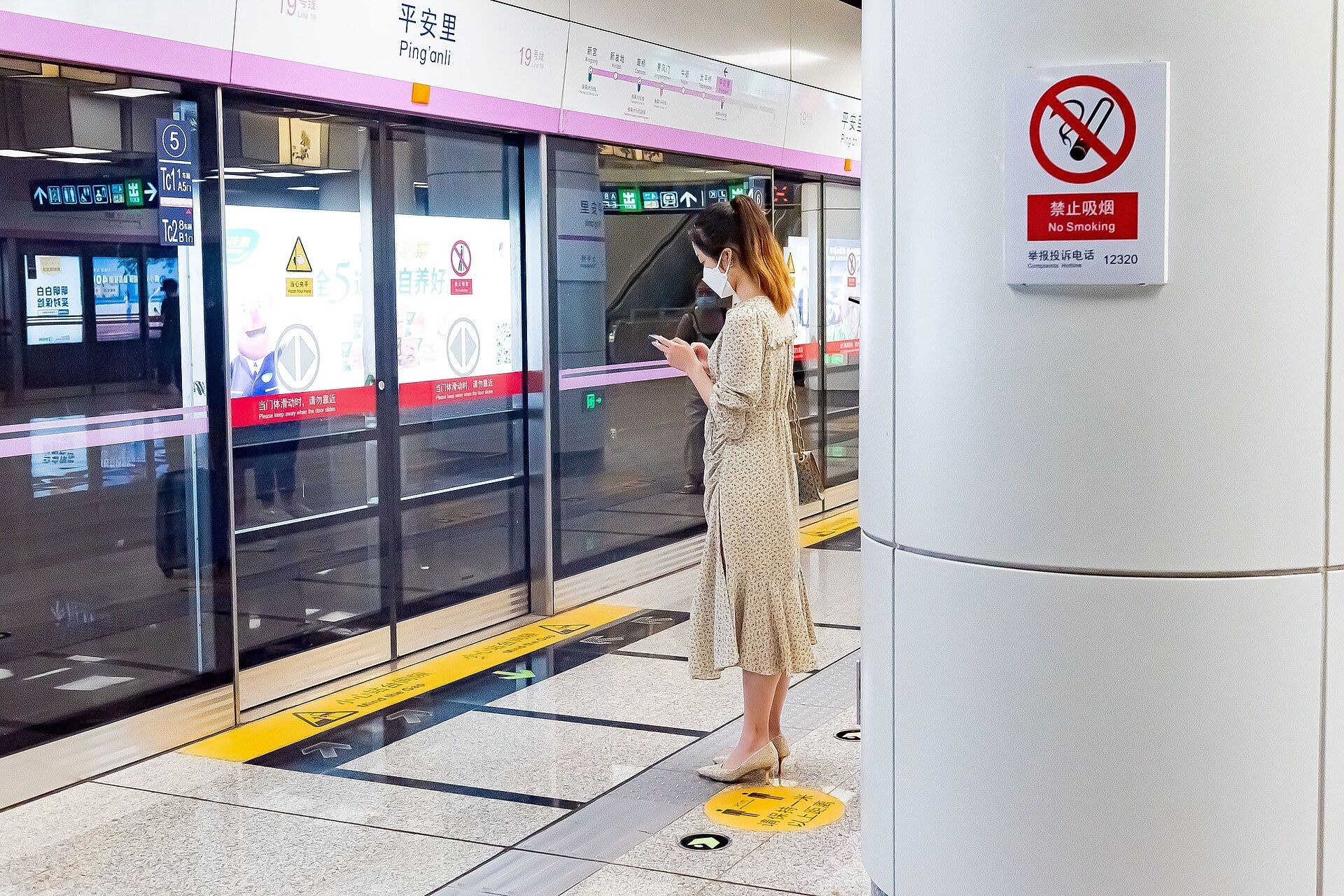
Checked October 2026In Beijing and Shanghai you can tap a foreign bank card directly at metro gates (Beijing: 29 lines / 523 stations; Shanghai: 21 lines / 517 stations)
Checked October 202605 · STEP BY STEP
Paying day to day
- Scan, or be scanned
Either tap Scan and point your camera at the merchant's printed code, or open your payment code and let the cashier scan you. If one screen stalls, switching to the other often clears it.
- Use business QR codes
A shop's business QR code works with a foreign-card wallet. A purely personal collection code is where foreign-card payments most often fail — fall back to the other app, a physical card, or cash.
- Activate transport codes per city
Your payment code is not your transport code: open Transport, select your city, and activate that city's transit QR before the gate will accept it.
06 · WHERE THIS BREAKS
When it will not work
No peer-to-peer
A foreign-card wallet is for consumption only: no transfers, no red packets, and you cannot withdraw a wallet balance back to a foreign card.
Personal collection codes
Street-level personal codes sit outside the wallet's scope and fail most often.
Issuer limits apply first
The $5,000 ceiling is regulatory; your own bank's limits and fraud checks bite earlier.
07 · KEEP READING
Keep the trip moving
 China · PrepareInternet & eSIM in China (2026): Roaming, Travel eSIM, Local SIM and Wi-Fi ComparedYour phone will work in China. The real question is which internet it connects to — every connectivity choice is a choice between two exits.Reference ~
 China · DoA traveler's field guide to China's high-tech experiencesTwelve real-world ways to explore transport, drones, robots, devices and space — with the steps and access checks that make them possible.Verified
08 · SOURCES
Sources and status
Prices, schedules and booking channels change. Recheck the details that matter before you travel.
- PBOC visitor payment guide (bank cards, cash, mobile payment, e-CNY)Reference ~Placeholder domain — replace with the exact PBOC/guide URL from the draft's source list before publishing