
UNESCO inscribed the Summer Palace on the World Heritage List in 1998, recognising the imperial garden as a masterwork of Chinese landscape design in which built structures and natural scenery were composed as one work
Checked October 2026GUIDES / ATTRACTIONS
Summer Palace Guide: Choose the Gate Before the Landmarks
The Summer Palace is not a checklist of halls — it is a lake, a hill and a designed sequence of views that takes half a day to cross honestly. Pick the route first, the gate second, and let the boat be a bonus rather than the plan.
City Beijing11 min read8 facts labeledChecked 2026-10-30
01 · IN BRIEF
The map lies politely, and everyone believes it once
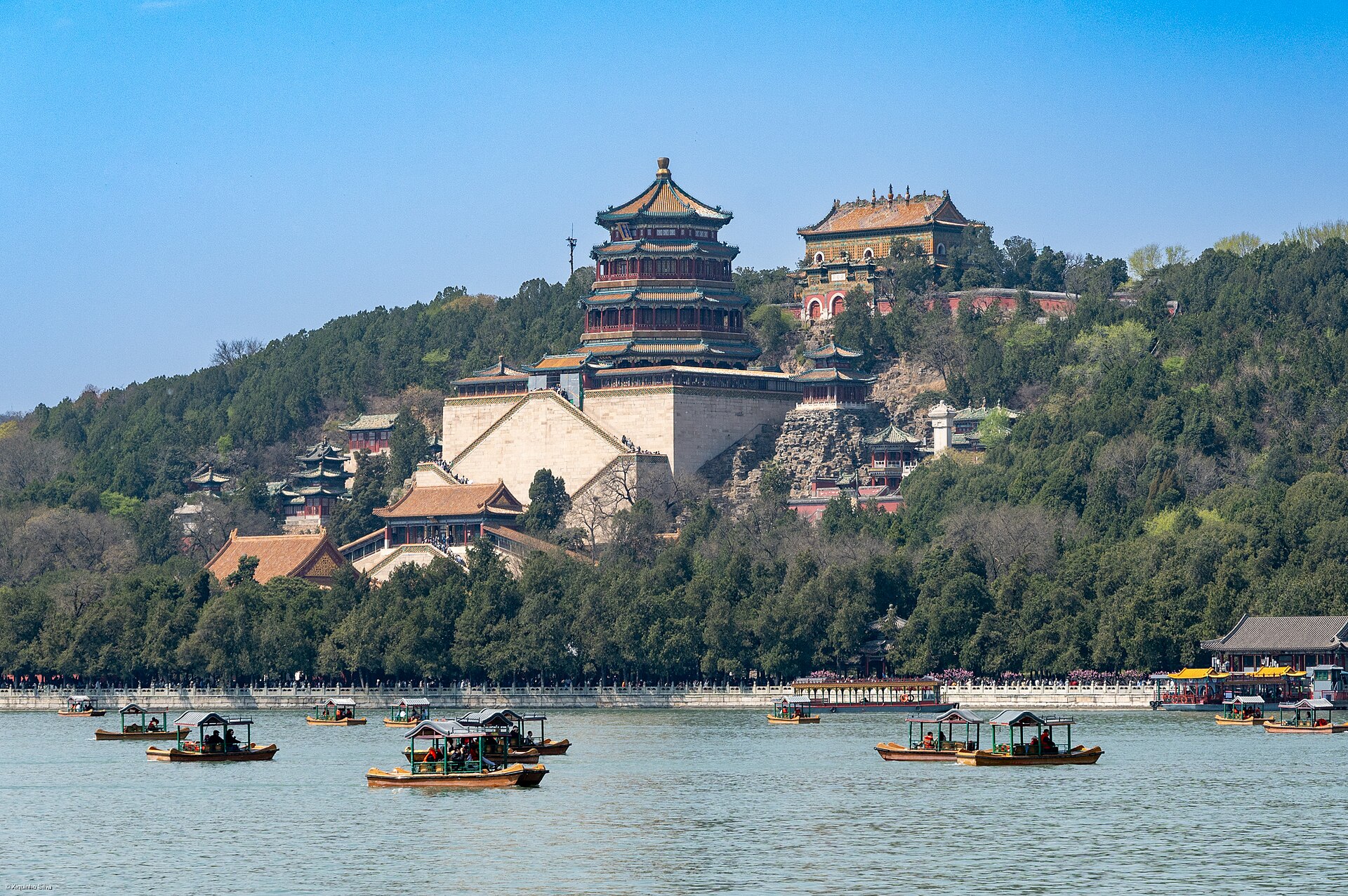
The first surprise is the water. Visitors arrive with a list — a corridor, a marble boat, a tower — and step through the gate into a landscape that refuses to behave like a list. Kunming Lake opens out ahead, wide enough that the far shore reads as countryside, and Longevity Hill stands over it stacked with roofs that all look close enough to walk to in twenty minutes. They are not. By early afternoon, somewhere on the far side of the lake, a family is doing the arithmetic every first-time visitor eventually does: the exit they need is behind them, the boat they counted on is not running, and the garden has quietly spent the whole day exactly as designed — on them.
The Summer Palace was built as a composition to be moved through, not a set of monuments to be collected. Its pleasures are sequential: a view framed, a corridor walked, a shoreline that keeps rearranging the hill against the water. This guide teaches the visit in the order the garden demands it — route style first, then the paired gates, then the four anchors worth building around, with boats, weather and walking load handled as the variables they are. Go in with a route and the place feels generous. Go in with a list and it feels like a beautiful trap.
02 · SEE IT
Three routes, three different gardens
- Lakeside essential — the lower ground: lake views, the Long Corridor and the shore pavilions, with climbing kept optional; the right route for families, older travellers and hot days
- First-time balanced — lake, corridor and a chosen slice of Longevity Hill's architecture; several hours, some slopes and stairs, the route most visitors should default to
- Garden-depth day — the hill's quieter paths, rear gardens and long sightlines; most of a day on foot, with the evening deliberately left empty
- Anchor 1 — Kunming Lake: the landscape itself, worth seeing from at least two shores before the day ends
- Anchor 2 — The Long Corridor: the designed transition along the north shore, a gallery you walk rather than a shortcut you take
- Anchor 3 — Longevity Hill: the architectural focus, climbed selectively — pick the buildings, skip the compulsion to climb every path
- Anchor 4 — The framed view: causeways, bridges and islands arranged so the composition changes every few hundred metres; stop and look back at least as often as you look ahead
03 · TRY IT YOURSELF
Walk it the way it was designed
Your ticks stay on this page only. No account or personal data is sent.
04 · THE PROOF
The facts this guide leans on
Kunming Lake covers roughly three-quarters of the grounds, with Longevity Hill rising on its northern shore — which is why water, not buildings, sets the walking distances for the whole visit
Checked October 2026The Long Corridor runs some 728 metres along the lake's northern shore, linking the lakeside to the hill in one covered, painted walkway
Checked October 2026Boat services on the lake depend on season, weather and daily operations; routes, queues and ticketing arrangements require confirmation on the day, and no crossing should be the only plan for reaching an exit
Checked October 2026For even the shortest sensible route, half a day is the floor; interpretation-rich routes occupy most of a day once the ride in from central Beijing, gate formalities, rests and the return are counted
Checked October 2026Each gate deposits visitors somewhere different inside a site large enough to swallow an afternoon, so the nearest gate to your hotel is not necessarily the nearest gate to the route you intend to walk
Checked October 2026Conditions on the ground vary sharply by season: summer heat on exposed stone, winter wind off the lake, and rain affecting both footing and boat operations are all planning inputs, not footnotes
Checked October 2026Local visitor accounts on Beijing platforms repeatedly single out gate choice and underestimated scale — not any missed pavilion — as the two decisions that shape whether the day felt relaxed or punishing
Checked October 202605 · STEP BY STEP
How to build the day, step by step
- Step 1 — Choose a route style before you choose anything else
Every later decision hangs off this one. The lakeside route keeps the group on lower ground among shore views and corridor shade, and it is the honest choice for hot days, young children and anyone whose knees are negotiating. The balanced route adds a deliberate slice of Longevity Hill — the tower complex and one or two halls — on top of the lake circuit, and it is where most first visits belong. The depth route takes the hill seriously, adds the quieter northern and rear areas, and consumes most of a day without apology. Naming the style out loud, in the hotel, prevents the slow drift into attempting all three.
- Step 2 — Pair the gates, and make transport serve the pair
A one-way crossing saves real energy, but only if both ends work. Choose the entrance that starts your chosen route — near the palace-and-lake core for the classic sequence, through the northern side if descending the hill toward the water is the shape you want — and choose the exit that hands you a practical ride home. Save both gate names in Chinese, confirm your metro line, taxi or driver is headed to the full name rather than the park in general, and remember that the walk from the station or drop-off to the actual gate is part of the day's distance. At busy exits, expect to stroll a little way from the gate to a pickup point where a car can legally wait.
- Step 3 — Build around four anchors, not forty labels
Inside the route, organise attention rather than mileage. The lake is the first anchor: see it from more than one angle, because the garden's whole trick is how the composition of water, causeway, island and hill keeps changing as you move. The Long Corridor is the second, a designed transition to be walked slowly, its painted beams doing the storytelling. Longevity Hill is the third: climb to the buildings that interest you, admire the rest from below, and let some paths stay unwalked without regret. The fourth anchor is the framed view itself — pause at bridges and shorelines, look back along the way you came, and notice the garden editing itself. Selected halls and pavilions earn their place inside this structure; treated as a checklist, they dissolve it.
- Step 4 — Let the boat be a bonus with a fallback attached
A lake crossing is one of the garden's genuine pleasures and can spare the group a long shore walk — on the days it runs. Wind, season and operations decide that, not your itinerary. So plan in two layers. If the boats are running and the landing point serves your exit, take the crossing and enjoy the hill rearranging itself across the water. If they are not, the fallback is already decided: the far detour or extra hill loop is dropped, and the shore route home begins while energy remains. Board only after checking the destination dock; a scenic crossing that lands you farther from your exit has cost you distance, not saved it. Anyone uneasy on water, or who needs step-free boarding, should ask at the dock about conditions before committing the group.
- Step 5 — Pace the body: distance, weather, food
Even a route that avoids the steepest paths accumulates: stone underfoot, stairs at thresholds, heat radiating off the courtyards in summer, wind funnelling across open water in winter. Build the defence into the schedule — water carried from the start, sun protection or layers as the season demands, benches used early and deliberately rather than in collapse, and a genuine meal placed before or after the visit rather than hunted mid-route. With children, give the walking a storyline of visual targets and plan an actual stop with food, instead of a continuous march lubricated by snacks. The garden rewards the unhurried so reliably that treating rest as waste is the one guaranteed way to enjoy it less.
- Step 6 — End at the exit like you planned it there
The visit is not over at the last pavilion; it is over when the group is moving toward the hotel with the day's remaining shape intact. Honour the exit chosen in Step 2, resist the extra shoreline because it happens to be pretty — it is all pretty, that is the problem — and keep the evening near the return route: a proper meal in a nearby district, a quiet night, nothing timed. In a Beijing itinerary, set this day after a heavier palace-core day rather than before one, while legs and attention stay fresh for the sights that demand them. A Summer Palace day done properly ends with the feeling that you saw a landscape whole. That feeling is the souvenir; the photographs are just evidence.
06 · WHERE THIS BREAKS
Where the plan breaks down
The boat is never guaranteed
Any itinerary whose accessibility, timing or morale depends on a lake crossing is one windy morning away from collapse. Boats pause for weather and operations without consulting your schedule, and queues at popular docks can eat the very time the crossing was meant to save. Groups with limited mobility need a land route that works on its own; the boat may improve it, but it cannot be the load-bearing wall.
Accessibility has to be judged segment by segment
Lakeside areas sit easier than hill routes, but the site still presents historic thresholds, slopes, uneven stone and long distances between rests and toilets. A generic accessible label on a map settles nothing. Check the specific gate, surface, unavoidable steps and exit pickup for the exact route you intend, and confirm current details with the attraction. For older travellers, a driver meeting the group at a pre-agreed exit often serves better than any addition to the route itself — and within a mixed family, a shared lakeside core plus one optional hill loop for the strong walkers beats dragging everyone up.
Haze quietly removes the point of the long views
Much of the garden's design lives in distance: the hill composed against water, causeways drawing lines to islands. When haze or storms flatten those views, pushing on to remote viewpoints buys exertion without the payoff. Shift the emphasis to corridors, painted detail and close architecture, shorten the far detours, and let the day become smaller and richer rather than longer and greyer.
Climbing everything is a failure mode, not thoroughness
The hill offers more paths than any single visit can honour, and the urge to summit each one converts a composed landscape into a stair-climbing obligation. The result is a group too tired to look at anything by the far shore. Deliberate omission is the skill this garden teaches: a good route leaves part of it unseen, on purpose, with the energy to appreciate what was chosen.
Do not bolt another timed attraction onto the afternoon
The ride in from central Beijing, the site's scale and the return trip make the Summer Palace a poor neighbour for anything with its own entry slot. Stacking it against a palace or museum reservation across the city produces two rushed visits and a transport marathon between them. Its correct companions are a nearby meal, a university-quarter wander or a calm evening — the day is the attraction.
07 · KEEP READING
Keep the trip moving
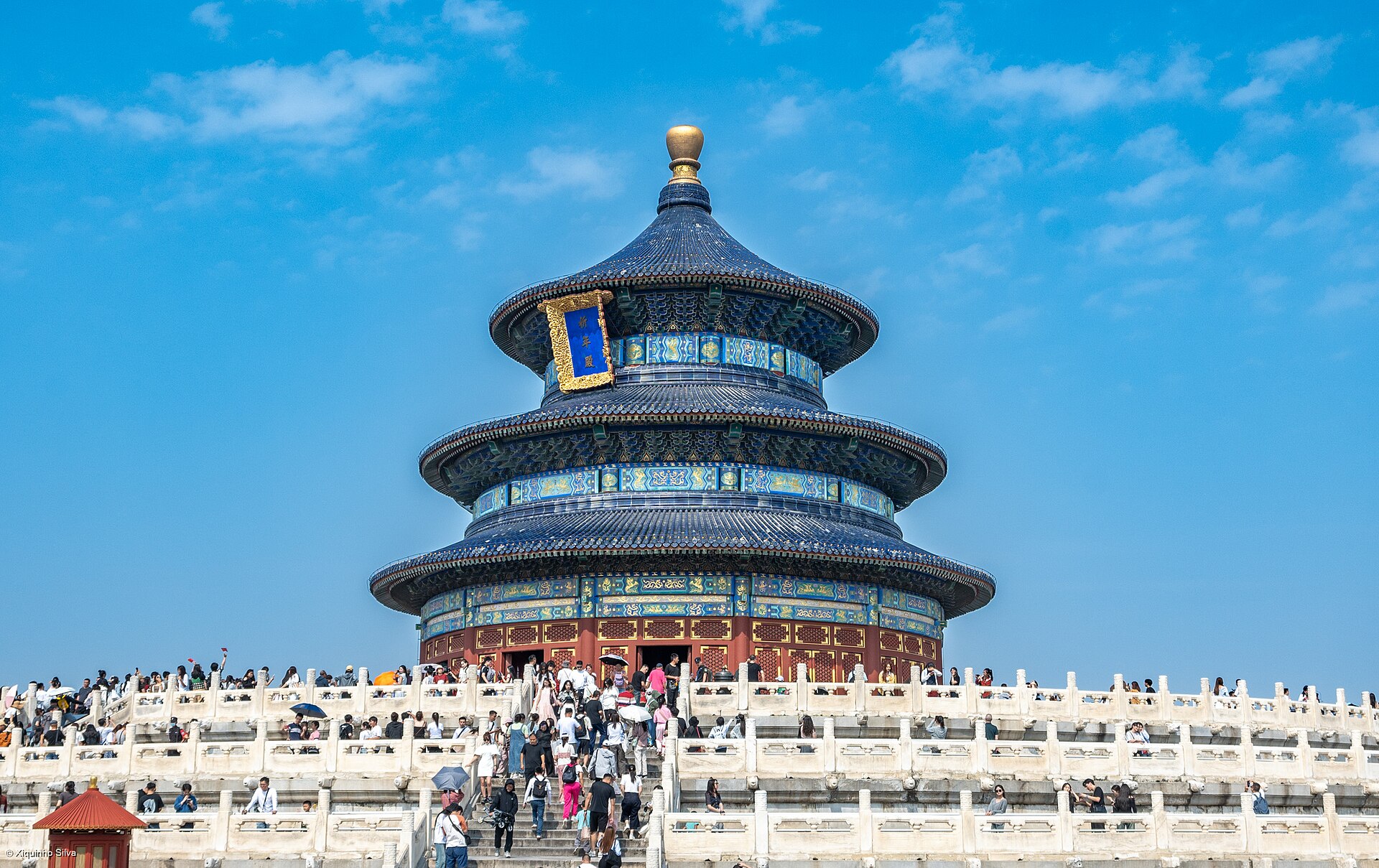 Beijing · DoTemple of Heaven Guide: The Park Before the PostcardEveryone comes for one blue-roofed hall. The better visit starts an hour earlier, among the kite flyers, card players and tai chi circles of a working Beijing park — then walks the ritual axis the slow way, in one direction.Verified
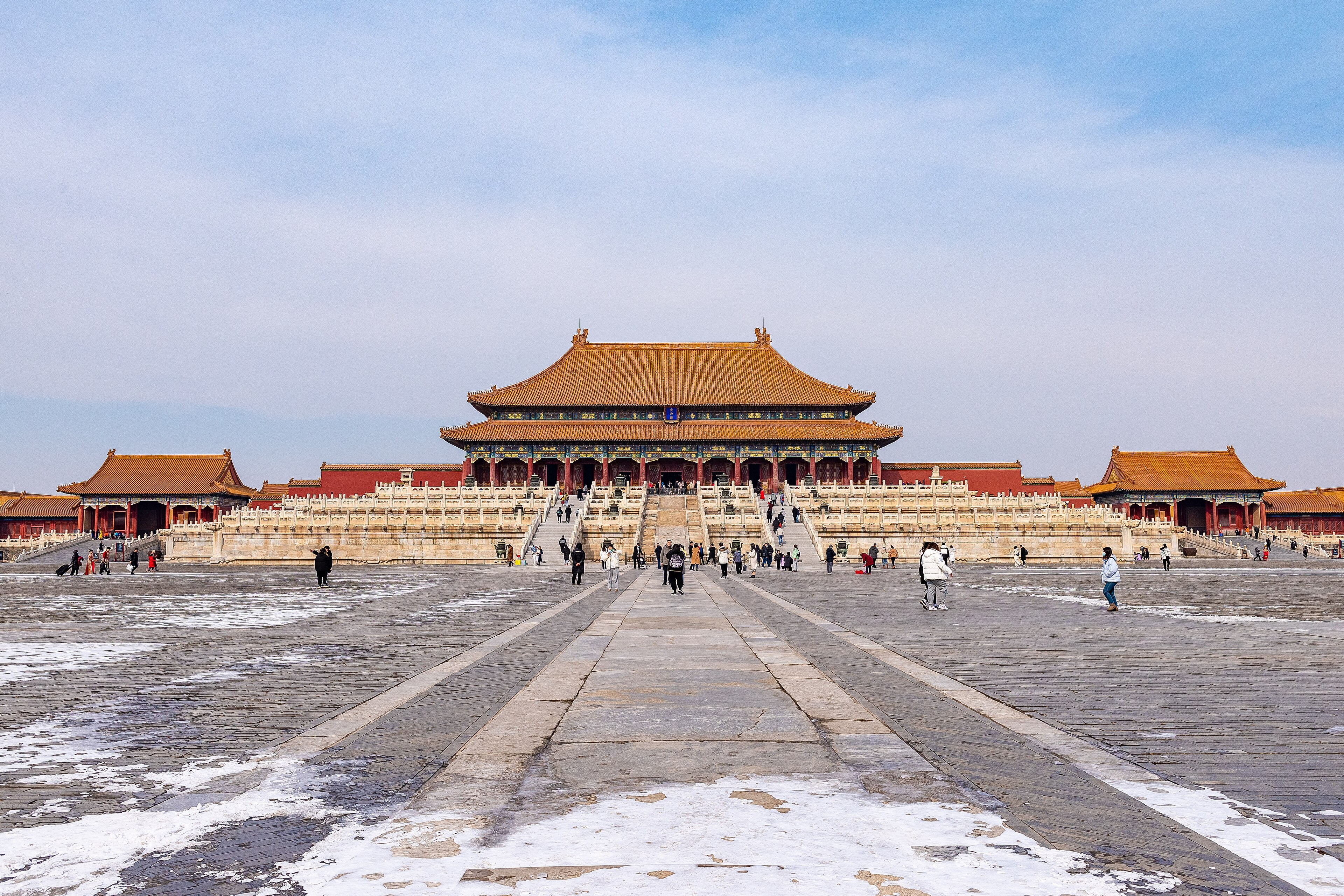 Beijing · DoForbidden City Tickets: How Booking Actually Works for Foreign VisitorsThere is no ticket window to fall back on. The Palace Museum is won or lost a week before your visit, on a phone screen, with your passport details typed exactly right.Reference ~
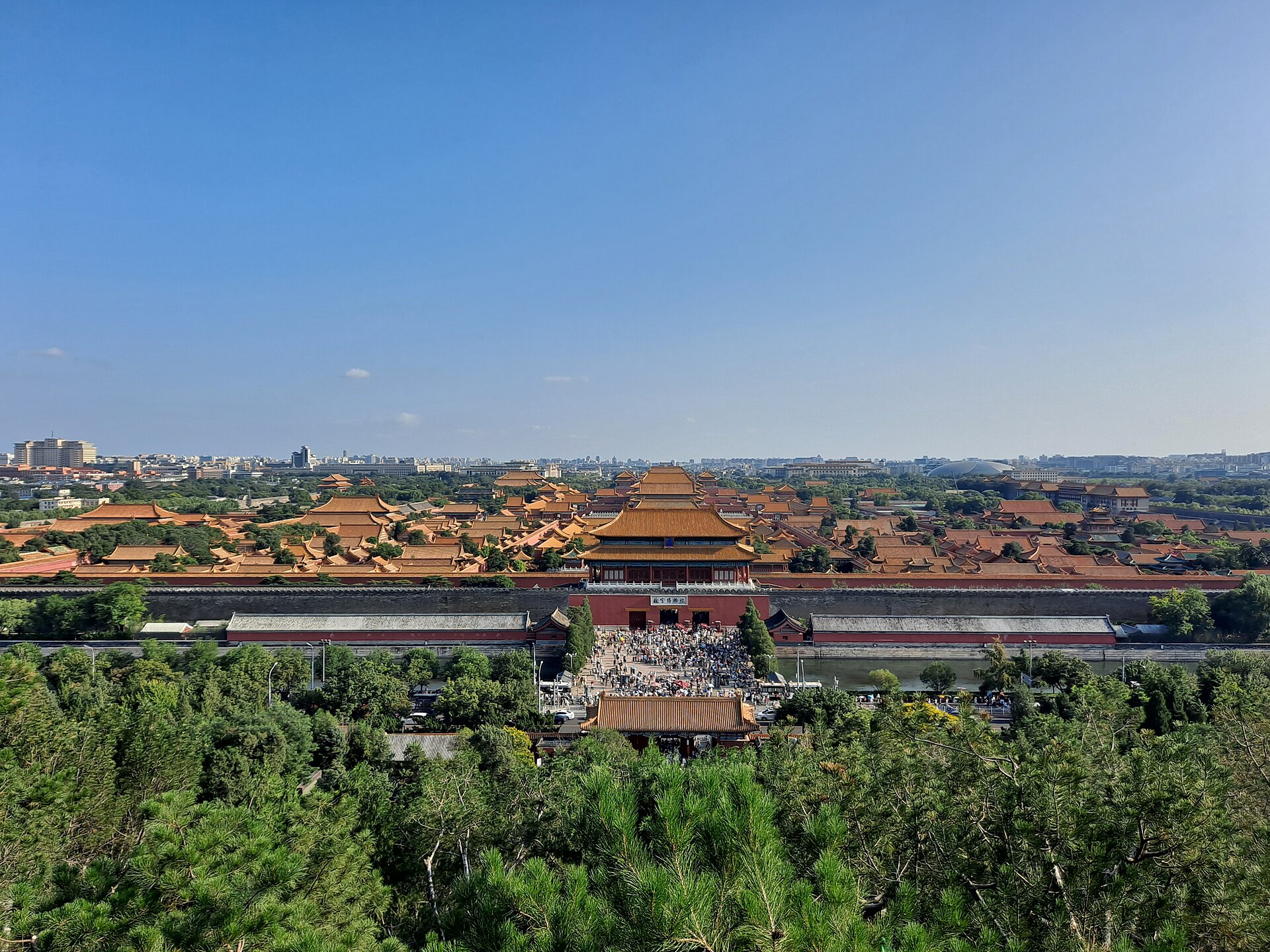 Beijing · DoBeijing in One Day: The Imperial Core, Walked in One DirectionOne day is enough for Beijing's imperial heart if you refuse to scatter it — the palace in the morning, the hill behind it, the lakes and lanes after lunch, and the Great Wall left honourably for another trip.Verified
08 · SOURCES
Sources and status
Prices, schedules and booking channels change. Recheck the details that matter before you travel.
- Summer Palace — official site (visitor information, gates, boats and notices)VerifiedOperator source for current admission, gate, boat-service and closure information; confirm boat operations on the day
- UNESCO World Heritage — Summer Palace, an Imperial Garden in Beijing (listing 880)VerifiedHeritage context: the garden as a composed landscape of lake, hill and architecture
- Beijing municipal government portal (city visitor information)Reference ~Municipal source for city-level visitor notices affecting major attractions
- Dianping — Beijing (Summer Palace reviews and local visitor reports)Reference ~Local-signal patterns on gate choice, crowding and scale; directional only, no rankings relied on