
Citizens of 57 countries are eligible for the 240-hour visa-free transit, following the National Immigration Administration's 2026 Announcement No. 4 (20 August 2026), which added Kyrgyzstan and Vietnam to the transit list
Checked October 2026GUIDES / VISA & ENTRY / AIRPORT TRANSFERS
Arriving in Beijing: 240-Hour Visa-Free Transit, PEK vs PKX, and Getting Into the City
Two airports, one ten-day visa-free clock, and a first ride that sets the tone — how to enter Beijing legally on a transit, choose between Capital and Daxing, and reach your hotel without the classic first-night mistakes.
City Beijing18 min read13 facts labeledChecked 2026-10-29
01 · IN BRIEF
The flight attendant hands you two forms — and one decision
Half an hour before landing in Beijing, the cabin crew walks the aisle with arrival cards, and the traveler in 34A discovers the question nobody warned them about: which line do I join when we land? They are entering China without a visa, on the 240-hour transit scheme, with an onward flight to Seoul in six days. The permit itself will take minutes at the transit counter. Everything that can go wrong with it was decided earlier — in the route they booked, the country list they half-checked, and the airport their ticket happens to use.
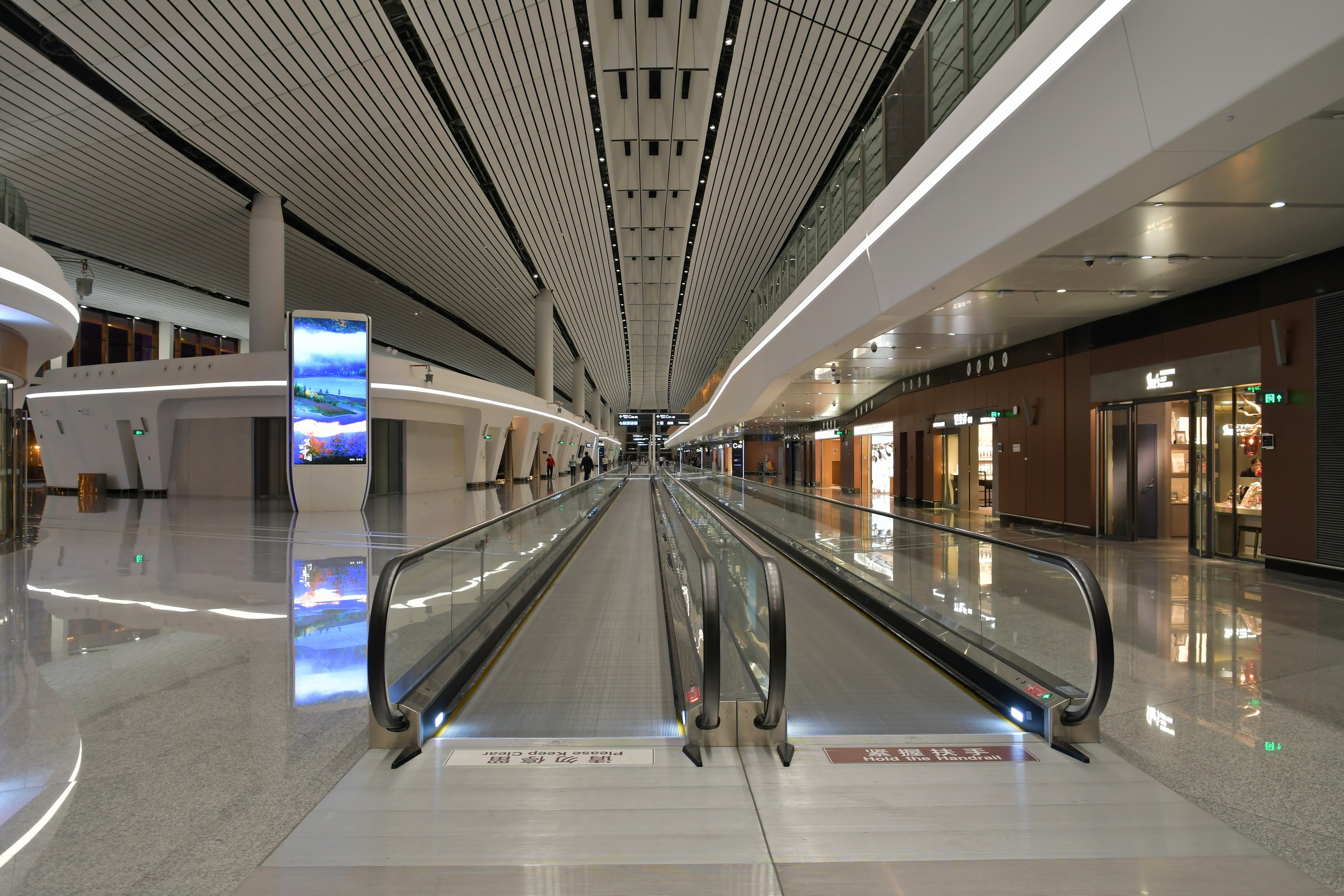
Because Beijing adds a twist Shanghai does not have: two international airports, an hour apart in spirit. Capital Airport (PEK) sits northeast, close to the old city and the embassy districts. Daxing (PKX) is the gleaming starfish far to the south, closer to almost nothing you have heard of — but with a faster, quieter express train. This guide covers the whole arrival in order: the visa-free rules first, then which airport you are actually landing at, then how to get from that airport to a hotel bed.
02 · SEE IT
Match the ride to the traveler — the transfer decision table
- One traveler, daytime landing, one carry-on: airport rail into the metro — cheapest and traffic-proof; the risk sits in the last walk from station exit to hotel door
- Three or more travelers, or a family with a child: a licensed taxi or a pre-booked car — one vehicle beats three rail fares plus herding; check the car is big enough before you land
- Wheels on the ground after 22:00: taxi or a confirmed pickup — rail is winding down; the detail that matters is an agreed meeting point, not the vehicle
- A train to catch the same day: plan backwards to the named station — Beijing South, West, North and Chaoyang stations sit in four different corners and no single route serves them all
- Sleeping in a hutong lane: rail or car gets you close, never to the door — lanes stop cars short, so agree the final approach on foot before you arrive
- Heavy or oversized bags: a direct car, with the bag count declared in advance — a standard sedan swallows less than holiday packing assumes
03 · TRY IT YOURSELF
Landing checks: sort these before the wheels touch down
Your ticks stay on this page only. No account or personal data is sent.
04 · THE PROOF
The rules and the rides, with the fine print
The 240 hours are counted from 00:00 on the day after entry, not from your landing time — so a late-night arrival effectively buys an extra partial day
Checked October 2026Both Beijing airports — Capital (PEK) and Daxing (PKX) — are designated ports for the 240-hour transit, among 65 ports across the permitted area
Checked October 2026Within the stay you may travel across a permitted area of 24 provincial-level regions, which includes Beijing, Tianjin and Hebei — but not the whole country
Checked October 2026Overstaying is fined at ¥500 per day, capped at ¥10,000 — cheap compared with what it does to your future visa applications
Checked October 2026PEK's Capital Airport Express runs to Dongzhimen in roughly 25 minutes for a flat fare in the mid-¥20s; from Dongzhimen, Metro Lines 2 and 13 spread you across the city
Checked October 2026PKX's Daxing Airport Express reaches Caoqiao (Metro Line 10) in roughly 20 minutes, with standard fares in the mid-¥30s; it is one of the fastest airport trains in China relative to distance
Checked October 2026Budget roughly ¥90–140 for a taxi from PEK to the central districts and roughly ¥160–220 from PKX, with times from about 45 minutes to well over 90 in bad traffic
Checked October 2026PEK sits northeast of the city and PKX far to the south, so the pair serve different halves of the metropolis; 'which airport is closer' has no answer until a hotel address exists
Checked October 2026Beijing's mainline stations are spread across the compass — South, West, North and Chaoyang — and an onward rail journey must be routed to the exact named station, not to 'Beijing station' generically
Checked October 2026At PEK Terminal 3, arriving passengers repeatedly report a long walk from the arrivals hall to some ride-hailing pickup zones, and level mix-ups between driver and passenger are a common failure mode
Checked July 2026Child seats are not fitted by default in Beijing taxis or transfer cars; a family that needs one must arrange it in advance with the provider
Checked October 2026Hotel shuttles at both airports keep limited hours and may serve only one of the two airports; a property marketed as airport-close can still strand an early departure
Checked October 202605 · STEP BY STEP
Landing to hotel door, step by step
- Win the check-in conversation at home
At check-in abroad, state plainly: 'I am using China's 240-hour visa-free transit, here is my confirmed onward ticket.' Show the onward booking first. If the agent hesitates, ask them to check the TIMATIC entry for China transit — this desk, not the Beijing border, is where these trips most often fail.
- Test the itinerary on one line before paying
Write the trip as airport codes: origin → PEK or PKX → destination. The places either side of China must differ. Then audit each element separately: passport on the country list, both flights through designated ports, onward departure inside the window, and every side trip inside the permitted area. A route can look right on a map and still fail on paperwork, port, or geography.
- Follow the transit signs on arrival
At either airport, head for the dedicated 240-hour visa-free transit counter rather than the regular foreigner lanes. Present your passport, completed arrival card and onward ticket. The temporary entry permit you receive defines your deadline — photograph it.
- Register where you sleep
Hotels register foreign guests with the police automatically. Staying in a private home? Registration within 24 hours is your responsibility, handled at the local police station or via the city's self-service channels. Keep the confirmation.
- From PEK: express train if your hotel is east or central
The Capital Airport Express serves Terminal 3 and Terminal 2, then runs toward Dongzhimen with a stop at Sanyuanqiao (Line 10). It suits Wangfujing, Sanlitun and the CBD well. Count the whole chain, though: the terminal walk, sorting out your fare at the gates, changing lines underground, and the last stretch from an exit to the hotel door. Two changes after a long flight can lose to one direct car.
- From PKX: the Daxing express is the default
Daxing is far south, and its express train is built for exactly that problem: about 20 minutes to Caoqiao on Line 10, then one metro ride to most southern and central districts. Taxis from PKX are a long, meter-heavy haul — reserve them for late arrivals and big luggage.
- Taking a taxi or DiDi: control the meeting, not just the ride
Use the official rank or the signed ride-hailing area, and ignore anyone offering a car inside the arrivals hall. Match plate and vehicle before loading bags. The classic failure is vertical: the driver waits on a parking level while you wait at arrivals. Fix it by sharing a door number, a floor, a zone, and a snap of a permanent sign. If contact collapses, walk back to a staffed information desk instead of touring the garages.
- Booking a private transfer: get five things in writing
A meeting point, flight tracking, a contact channel that works on arrival, the waiting policy if your flight runs late, and the vehicle size. 'Airport pickup included' answers none of those. Declare oversized bags in advance, and ask about child seats explicitly — neither is automatic.
- Budget the whole arrival, not the drive
Start from wheels-down and add: taxiing, the border queue, baggage delivery, customs, terminal walking, and the wait for your ride. A slow belt or a remote stand eats the buffer before the journey into town even begins. When the onward leg rides on a separate booking, widen the margin further and decide in advance what a missed departure would cost you.
- Landing late: brief the hotel before you fly
Certainty beats speed after dark. Tell the property your realistic arrival hour, ask whether its entrance stays reachable by vehicle at that time, and confirm a human will answer the phone if the driver cannot find the door. Never build the night around a last train whose timetable leaves no slack after baggage claim.
- Leaving early: plan backwards and verify the airport twice
For a dawn departure, count back from the airline's check-in deadline, add the road or rail time plus a contingency, and set the alarm from that. Hotels sold as 'near the airport' sometimes serve the other one, or run a first shuttle too late — confirm the airport code and the earliest shuttle in writing.
- Count your ten days the border's way
Worked example: you land on Monday at 22:15. The clock starts Tuesday at 00:00, and 240 hours runs to midnight at the end of the following Thursday. Plan the onward flight for the day before the deadline, and remember a Beijing stay on this permit can also take in Tianjin and Hebei inside the same window.
06 · WHERE THIS BREAKS
When this advice breaks
A round trip is not a transit
Flying in from Bangkok and back to Bangkok is not a transit, whatever the gap between flights. No third country, no permit.
The two airports are not interchangeable
An onward flight departing PKX after you arrived at PEK is legal — both are designated ports — but the cross-city transfer takes the better part of two hours. Never book a tight self-connection across the two airports.
After the last express trains
Land after roughly 23:00 and rail options mostly vanish at both airports. What remains is the taxi rank and, at PEK, limited night bus routes — decide this fallback before you fly, not at midnight with a suitcase. Ride-hailing still runs, but expect surge pricing and longer waits at that hour; the rank outside arrivals is the steadier bet, and a hotel warned of your timing will keep its door and its phone line open.
Beijing traffic does not care about your itinerary
Ring-road congestion at rush hour or in rain can double any taxi time in this guide. The airport expresses are unglamorous and immune — for a morning departure flight, sleep near the right airport side or leave brutally early.
Wandering outside the permitted area
The permit covers 24 provincial-level regions, not all of China. A spontaneous flight to a region outside the list breaks the terms of your stay, even if you return before the deadline.
Winter weather at a northern hub
Snow and fog can delay Beijing arrivals in winter, and a delay that pushes your onward departure past the 240-hour line is still your problem. Keep a buffer day, especially December to February.
Out and back through Beijing — does that count?
No. If the place before China and the place after China are the same, the route is a return, not a transit, whatever the gap between flights.
Can I arrive at one port and leave from another?
Movement between designated ports inside the permitted area can fit the scheme, and PEK-in/PKX-out is the local example — but the exact pairing must sit inside the current official appendix. Check before buying anything non-refundable.
Is entry guaranteed once the itinerary looks eligible?
No. The airline's boarding check and the border officer's decision both remain discretionary. Carry clean onward proof, the address of where you will sleep, a passport with validity to spare, and any entry paperwork your next destination demands — and keep a fallback plan.
Is a private transfer necessary?
No. It earns its money in four situations: families, late arrivals, accessibility needs, and hotels whose final approach is awkward. Everyone else is well served by rail or the official taxi rank.
PEK versus PKX: which one lands you nearer town?
The question only resolves against a specific hotel and onward route. PEK serves the northeast and the old city side; PKX anchors the south. Decide with the address in hand.
Rail or taxi, in one line?
Rail when the luggage is light, the operating window fits and the interchange is simple; a licensed car when the group is bigger, the hour is late or the hotel is hard to reach.
Separate tickets need extra proof
Two separate bookings can still form a valid transit, but carry both confirmations and leave real time for baggage and a fresh check-in. Thin documentation plus a thin margin is how valid routes get refused at desks.
Do not blend two visa-free schemes
The 240-hour transit runs alongside separate mutual and unilateral visa-free entry arrangements, each with its own conditions. Pick the single scheme that matches your passport and route; combining the friendliest clauses of two programs produces a third one that does not exist.
Verify through official channels before departure
Policy lists have changed before and can change again. The checking set: the National Immigration Administration, its 12367 service line, the Chinese embassy or consulate for your country, and your airline.
07 · KEEP READING
Keep the trip moving
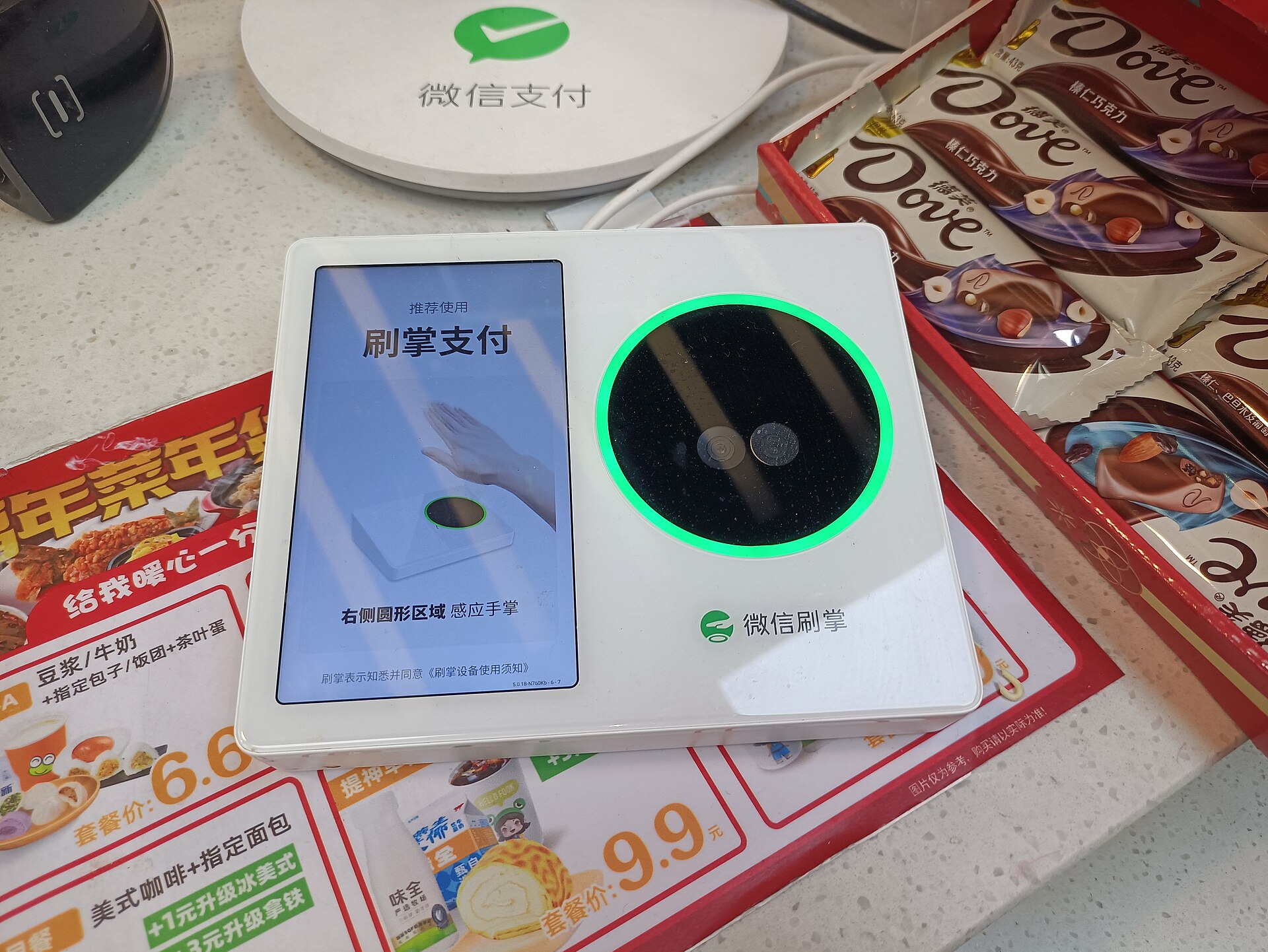 China · PrepareHow to Pay in China (2026): Alipay, WeChat Pay, TenPayGo, Cards and CashSet up one wallet before you fly, add a second as backup, and understand the two numbers that explain most payment confusion.Reference ~
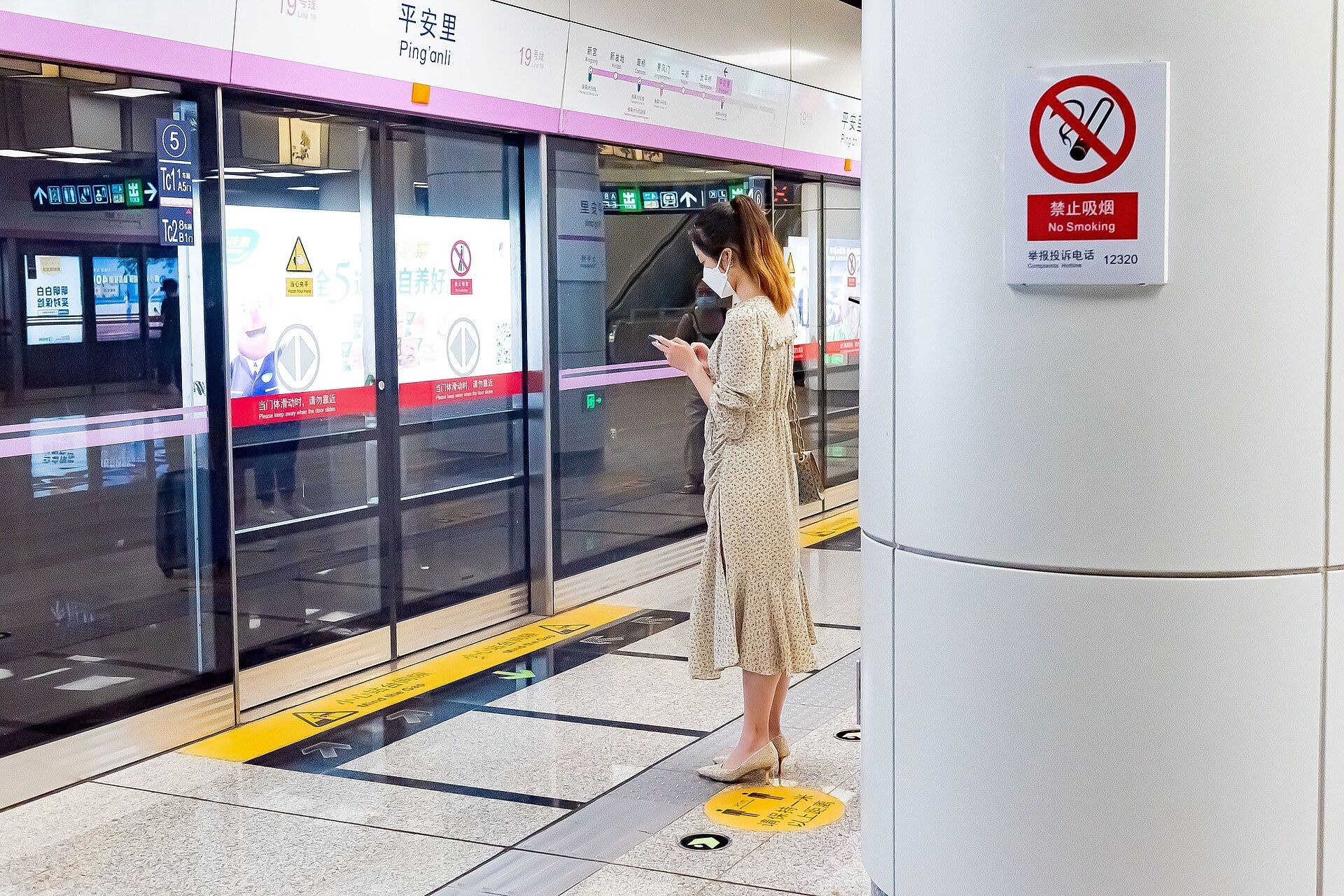 China · PrepareInternet & eSIM in China (2026): Roaming, Travel eSIM, Local SIM and Wi-Fi ComparedYour phone will work in China. The real question is which internet it connects to — every connectivity choice is a choice between two exits.Reference ~
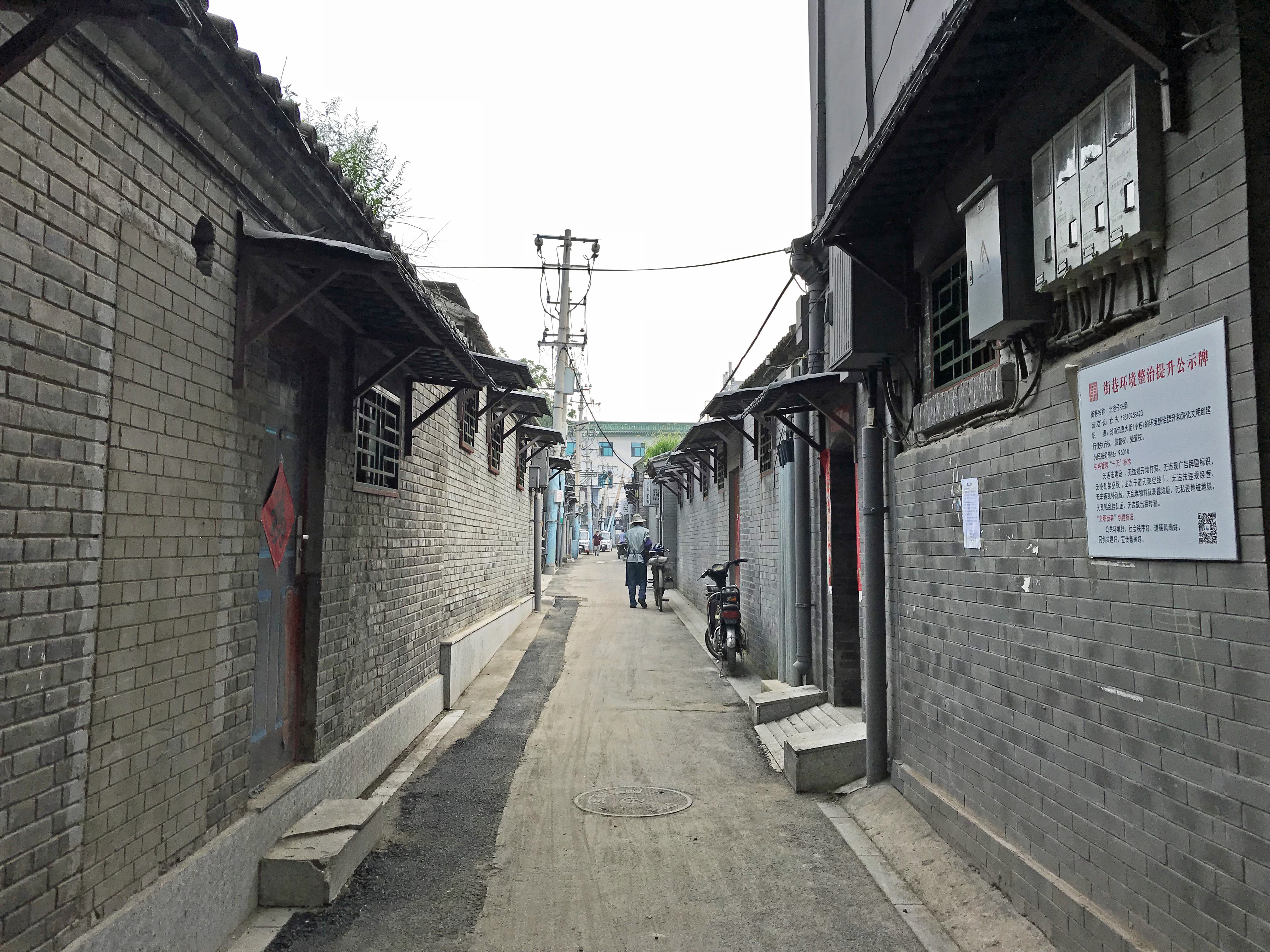 Beijing · PrepareWhere to Stay in Beijing: Wangfujing, the Hutongs, Sanlitun or the CBD?Wangfujing for the sights, the hutongs for the soul, Sanlitun for dinner, Guomao for work — each base trades something away, and the deciding factor is usually your departure airport.Reference ~
08 · SOURCES
Sources and status
Prices, schedules and booking channels change. Recheck the details that matter before you travel.
- National Immigration Administration — 2026 Announcement No. 4 (240-hour transit country list expansion)VerifiedOfficial announcement, 20 August 2026
- Beijing Capital International Airport — ground transportReference ~Reference retained from the source package
- Beijing Daxing International Airport — official siteReference ~Reference retained from the source package