
Peking duck is sold by the bird, not the portion: at the well-known houses a whole roast duck typically lands in a broad band around ¥200–400 before sides and pancakes, with half-duck options at some — per-person totals climb fast once drinks and extras land
Checked October 2026GUIDES / FOOD
Beijing Food Guide: Duck First, Then the Working Classics
Duck carved in the right order, noodles mixed violently, breakfast folded in forty seconds — Beijing food is ritual first, recipe second.
City Beijing12 min read8 facts labeledChecked 2026-10-29
01 · IN BRIEF
The duck is a ritual, not a dish
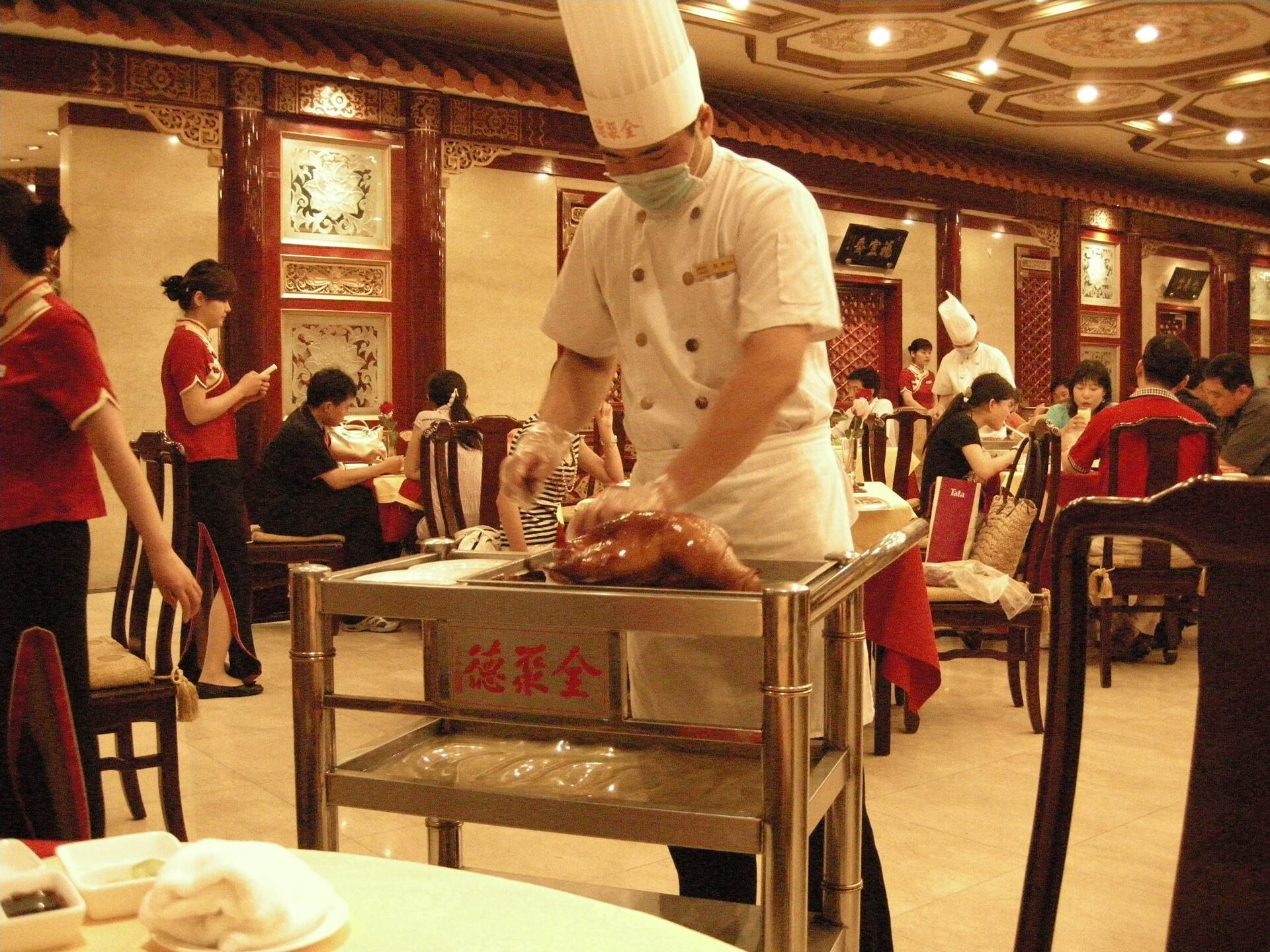
The duck arrives whole and burnished, and the foreign table goes quiet — not from reverence, but from not knowing what happens next. Do you grab a pancake? Carve it yourself? Eat the shiny skin plain? Around you, Beijing tables are already three wraps in, moving like people who have done this since childhood. Which, mostly, they have.
Beijing food rewards insiders because so much of it is ritual rather than recipe: duck carved in a set order, noodles judged by the chew of hand-pulled strands under a paste-black sauce, breakfast folded on a cart griddle in forty seconds. This guide walks the rituals in the order a local would teach them — duck first and properly, then the working foods that actually run the city.
02 · SEE IT
The first dishes: best moment, ordering note
- Peking duck — a shared lunch or dinner — reserve ahead at the popular dining rooms, and share one bird across the table
- Copper-pot lamb hotpot — a cool-weather dinner — thin slices, cooked in brief dips, sesame sauce for dipping
- Zhajiangmian — a casual lunch — mix the dark paste and the shredded vegetables through the noodles thoroughly
- Dumplings — breakfast or a simple dinner — order several fillings at once and share them across the table
- Halal breakfast — go early — the lamb-and-beef kitchens, flatbread and soup are morning food, sold to the morning crowd
- Jianbing — the 40-second street breakfast — a crepe folded on a cart griddle, eaten walking
- Door-nail meat buns — a snack with a technique — bite a corner, sip the juice, then eat
- Running order that works: duck on a booked evening, hotpot on the flexible one, noodles, dumplings and carts fill the gaps
03 · TRY IT YOURSELF
Do it like a local
Your ticks stay on this page only. No account or personal data is sent.
04 · THE PROOF
The facts this guide leans on
Local demand signal lives on Dianping: Beijingers use its reviews and 'must-eat' style lists to pick duck and hotpot houses, and the famous-name flagships carry queues that can pass an hour at weekend dinner peaks
Checked October 2026The duck ritual has a fixed order at traditional houses: the chef carves tableside, skin comes first (dipped in sugar), then meat for the pancakes with scallion, cucumber and sweet bean sauce, and the carcass returns as soup or a fried second course if you ask
Checked October 2026Beijing's working breakfasts are wheat-based and cheap: a jianbing from a street cart typically runs in the ¥8–15 band, and zhajiangmian — the city's noodle benchmark — usually lands around ¥20–35 a bowl
Checked October 2026The city's own cultural guidance singles out two experiences as defining local eating: roast duck and mutton hotpot — the pair a first visit should anchor on, with everything else arranged around them
Checked October 2026Four eating bases cover most first visits: Dongcheng for the imperial core and its established dining rooms; Shichahai and Gulou, where a hutong walk ends naturally at noodle shops, dumpling houses or a copper pot; Qianmen for famous names that are easy to reach but heavier on queues and tourist pricing; Sanlitun for contemporary rooms and the widest group-pleasing choice
Checked October 2026A local post on a social platform is a discovery signal, not a standing recommendation: branches open and close, hours shift and queues move faster than any list, so the current branch, today's hours and the reservation method all need checking on the day
Checked October 2026Allergy risk in Beijing kitchens concentrates in a short list — wheat, soy, sesame and peanuts turn up everywhere, and shared oils and utensils are normal — which is why a dietary restriction has to be stated as an allergy, separately from taste preferences
Checked October 202605 · STEP BY STEP
How to eat it, dish by dish
- Step 1 — Pick your duck strategy
Choose the house by what you value. The century-old flagships sell ceremony and a name to say at home — book them, expect theatre and a bill to match. The neighbourhood-famous names (the Siji Minfu and Da Dong style of house) sell a leaner, crisper bird that many Beijingers rate higher bite-for-bite — book those too, the queues say why. The honest local move for a second duck: a mid-tier house near your hotel, no queue, duck as dinner rather than event.
- Step 2 — Run the duck ritual in order
Say yes to the tableside carving — that is the show and the service in one. When the skin course comes, eat two or three pieces dipped in sugar exactly as served, before any pancake appears. Then wraps: one pancake, a swipe of sweet bean sauce, two or three slices, scallion and cucumber, roll once, eat in two bites. Ask for the carcass as soup (clear, milky) unless you want it fried with salt and pepper as a second course — decide when ordering, not after.
- Step 3 — Order around the bird, lightly
Order less around the duck than instinct says: one cold dish, one green, the soup. A second hot meat dish is the classic foreign-table mistake — the duck is the meal. If there are two of you, a whole bird plus soup is dinner; a half bird where offered is the saner lunch.
- Step 4 — Eat the city's noodle benchmark
Zhajiangmian is Beijing's home noodle: thick hand-pulled wheat noodles under a dark, salty-sweet fermented soybean paste, buried in a fan of shredded seasonal vegetables and, at old-school shops, a spoon of minced garlic in vinegar on the side. Mix violently, eat fast — the noodles wait for no one. This is lunch food, priced like it, in shops with no English and no need for it: point, pay, mix.
- Step 5 — Do hotpot the Beijing way
Pick your pot style first (clear lamb broth in a copper pot for the traditionalists, a split spicy/non-spicy pot for the table that disagrees), then order lamb by the plate and cook it in seconds-long dips — Beijing style is a quick swish, not a boil. Sesame sauce is the default dip and it is not negotiable at traditional houses. Frozen-then-sliced lamb rolls are standard; hand-cut fresh lamb, where offered, is the upgrade worth paying for.
- Step 6 — Breakfast like the commute
Breakfast is the two street rituals. Jianbing: a crepe spread on a round griddle, egg cracked over it, scallion and coriander, a crisp fried cracker or youtiao folded inside, chilli if you nod — eaten walking, costing loose change. Door-nail meat buns (men ding rou bing): pan-fried beef buns named for the studs on palace gates, juicy enough to demand a strategy — bite a corner, sip, then eat, or wear the soup. Find both near subway exits and old-neighbourhood corners between 6:30 and 9:00.
- Step 7 — Eat by neighbourhood, not by ranking
Let the day's sightseeing choose the restaurant. Around the imperial core in Dongcheng, established dining rooms sit close to the big sights. After a hutong walk in Shichahai or Gulou, stay local for noodles, dumplings or a copper pot. Qianmen's famous names are easy to reach and easy to regret at peak hour, when the queue and the tourist pricing arrive together. Sanlitun is the release valve: contemporary rooms, broader menus, groups with mixed demands. Whatever you pick, verify four things on a current map and the restaurant's own listing: the branch is the one you think it is, the hours still hold, how reservations actually work there, and that this branch serves the dish you are going for — famous brands run several formats under one name.
- Step 8 — Run the one-day rhythm
A workable Beijing food day has one heavy meal, not three. Start with a real breakfast: baozi, flatbread and soy milk, or the beef-and-lamb spread of a halal kitchen. Lunch is the noodle-or-dumpling slot — zhajiangmian or a spread of dumplings — eaten near the morning's heritage route, not across town. Keep the afternoon light: tea, a small snack, walking room. Then dinner is the decision: the duck, or the lamb pot — one of them, never both on the same day. The rhythm matters more than any single booking, because it leaves appetite — and legs — for the ordinary bowl that often explains the city best.
- Step 9 — Order with the words that matter
When English runs out, photograph the menu and translate the image — that handles ninety percent of ordering. What it does not handle is risk. State allergies separately from preferences, every time: asking for a dish without chilli says nothing about peanut, sesame, shellfish or gluten, and all four move through Beijing kitchens freely. Three requests cover most tables: no chilli, less salt, and a plain statement that you have an allergy — show them written, not just spoken. Looking for halal food, watch for the qingzhen sign on the door, then still ask about the ingredients of the specific dish. Eating vegetarian, confirm the hidden four before you trust a vegetable plate: lard in the cooking, oyster sauce in the glaze, a meat-based stock underneath, minced meat folded through the filling.
06 · WHERE THIS BREAKS
Where the advice stops working
The duck queue is real
The famous flagships at weekend dinner peak can quote waits past an hour even with a number, and the best-known neighbourhood names are little better. Defences, in order: reserve through the restaurant's channel days ahead; eat duck at lunch, when the same bird meets half the queue; or take the 17:00 seating like a Beijinger with a plan. A duck eaten relaxed at lunch beats a duck eaten angry at 21:00.
No English, no problem — mostly
At small noodle and bun shops, assume no English menu and no card terminal fantasy — payment runs on the usual phone rails, which is why the payment setup in our pay guide comes first. Pointing, photos of dishes, and the calculator app settle everything else. Allergies are harder: peanut, sesame and wheat run through this cuisine's core; carry the allergy card in Chinese and treat street carts as high-risk.
Duck prices that look too cheap
Menus on Dianping and delivery apps may show a duck price that turns out to be a deposit, a half portion, or a voucher with conditions. The band in this guide is for the bird at the table. Confirm 'whole duck, at the restaurant' before treating any strikingly low number as a discovery.
Vegetarian and halal realities
Beijing food is wheat, lamb and pork country. Vegetarian eating is entirely possible — Buddhist temple restaurants, cold vegetable dishes, tofu preparations — but the five rituals in this guide are meat-led, and 'vegetarian hotpot' means policing a shared pot. Halal options, by contrast, are historically strong: the city's Hui Muslim restaurants are some of its best lamb addresses.
Breakfast has a closing time
Street breakfasts wind down by mid-morning and vanish in rain. If jianbing matters to you, it is a tomorrow-morning plan made tonight, not a noon improvisation.
Bills that need confirming before you pay
Four situations produce almost every Beijing restaurant bill dispute: seafood priced by weight, tea charged as a service you did not notice ordering, a private room with a minimum spend, and anything listed at market price. Confirm the number before the dish is cooked, and keep the order where you can point at it — in the app, or on paper — through a busy meal.
Photogenic is not the same as local
A beautiful hutong snack stall is a photo first and a kitchen second; some of the most-photographed old-street snacks are recent inventions for visitors. Apply the same scepticism to street seafood and anything that has been sitting out at an uncertain temperature — skip it, however good it looks. The unphotogenic noodle shop two lanes over is usually the real thing.
Is Beijing food spicy?
Not in the way the southwest is. Traditional Beijing cooking leans salty, fermented and rich rather than chilli-hot — far less chilli-driven than Sichuan or Chongqing food — though the capital's restaurants cook dishes from every province, so a Sichuan kitchen in Beijing is fully Sichuan. If heat is a problem, ask at ordering rather than assuming from the city.
Does Peking duck need a reservation?
At the famous dining rooms, for busy dinner hours, on weekends and across holidays: yes, reserve. Outside those windows you have options — the same famous bird at lunch meets a fraction of the queue, and a less famous branch of a good house can often seat you with little drama. What does not work is walking into a flagship at 19:00 on a Saturday with a plan made of hope.
Is Beijing manageable for vegetarian travelers?
Possible, not automatic. Vegetable dishes may still be cooked with lard, oyster sauce, a meat broth or a little minced pork, and a shared hotpot is a shared hotpot. State the restriction clearly and specifically; when cross-contact genuinely matters — medical, religious — choose a specialist vegetarian restaurant, where the kitchen's defaults are on your side.
07 · KEEP READING
Keep the trip moving
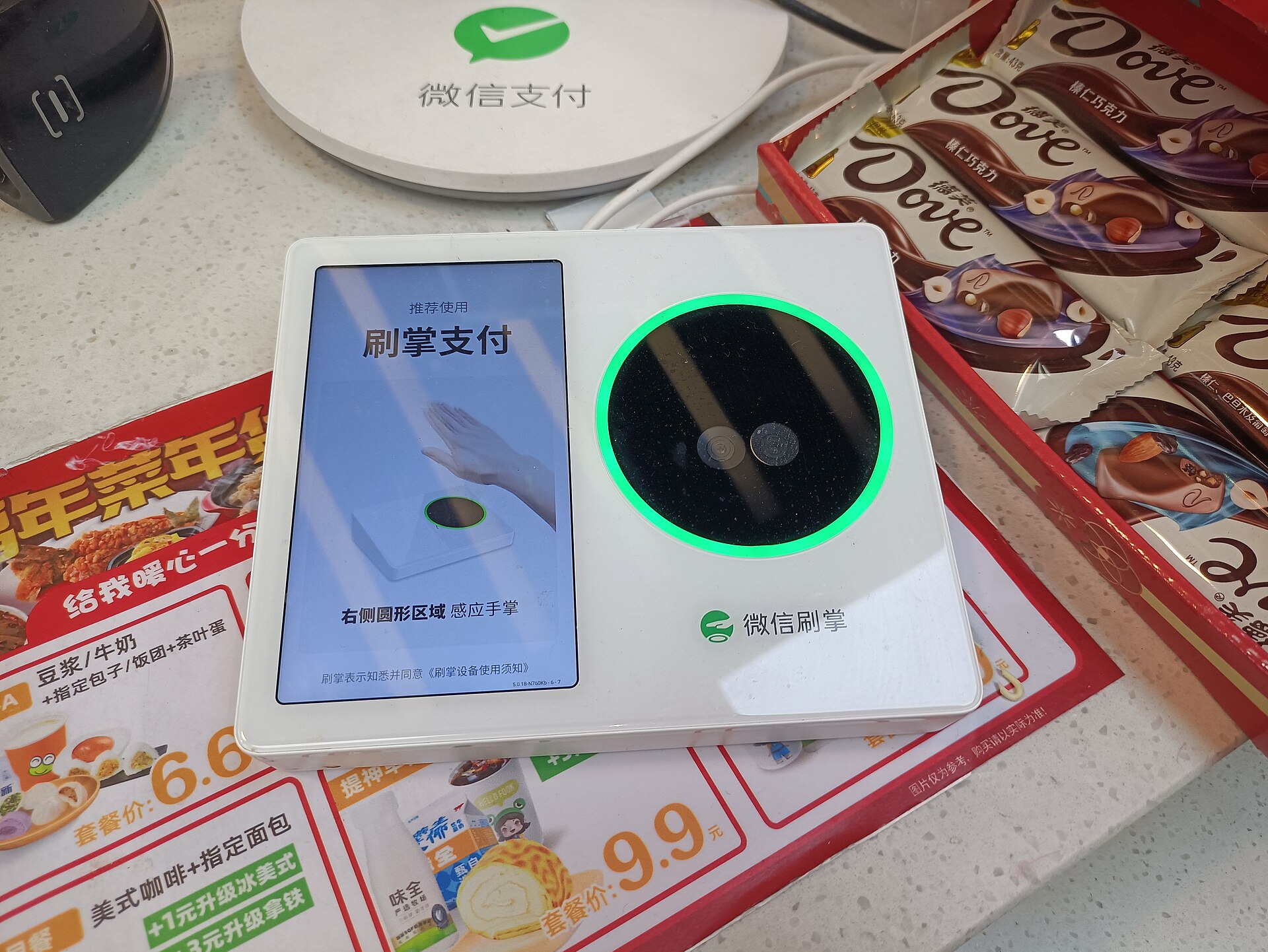 China · PrepareHow to Pay in China (2026): Alipay, WeChat Pay, TenPayGo, Cards and CashSet up one wallet before you fly, add a second as backup, and understand the two numbers that explain most payment confusion.Reference ~
 China · PrepareInternet & eSIM in China (2026): Roaming, Travel eSIM, Local SIM and Wi-Fi ComparedYour phone will work in China. The real question is which internet it connects to — every connectivity choice is a choice between two exits.Reference ~
 Beijing · DoBeijing in 2 Days: The Forbidden City, Then the WallDay 1 walks the imperial axis while you are fresh. Day 2 leaves the city entirely — one Wall, done properly, beats three sights done tired.Reference ~
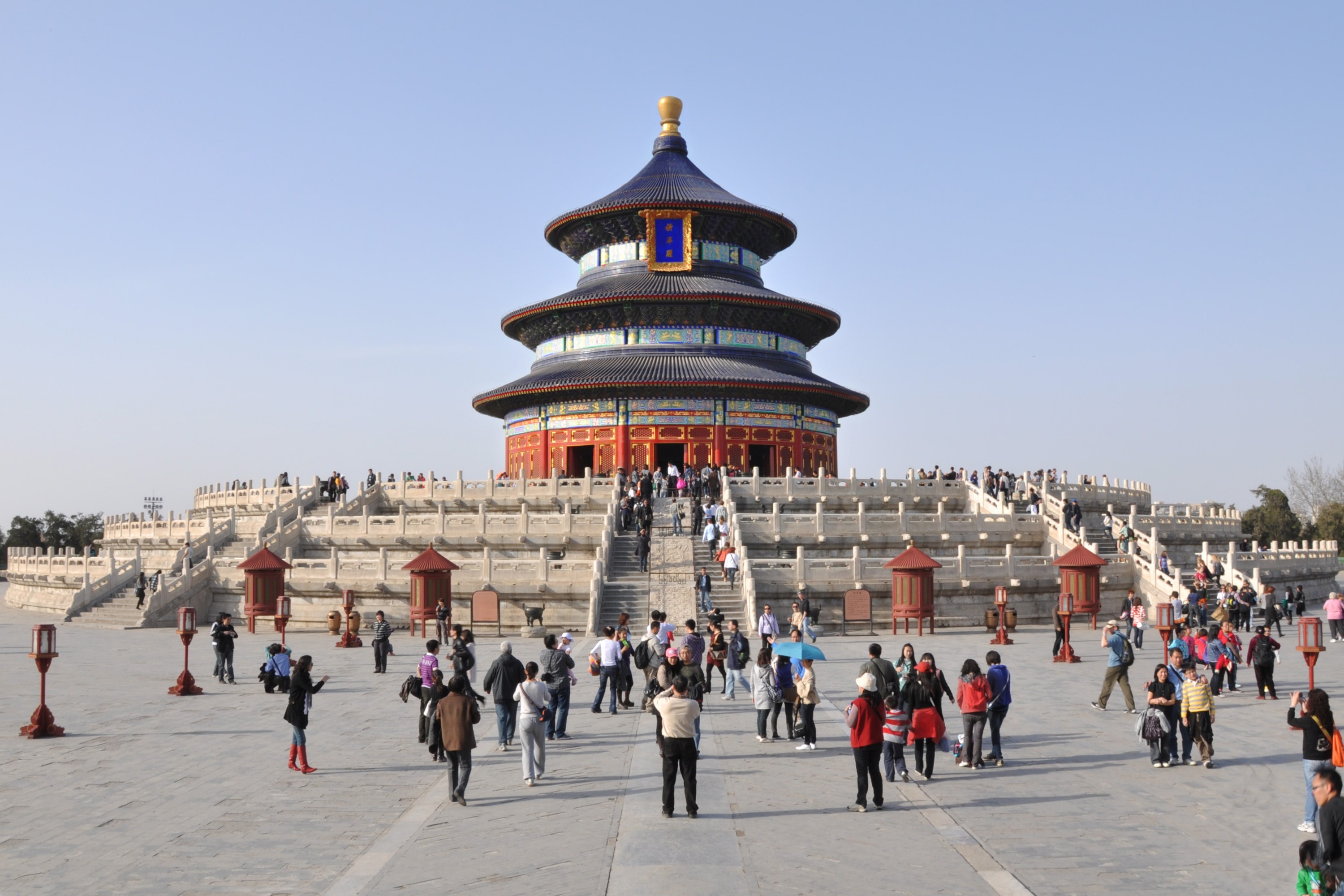 Beijing · DoBeijing in 3 Days: Icons, Then the City's Own MorningDays 1 and 2 take the icons. Day 3 changes tempo — a park at dawn, lanes at door height, and the Summer Palace as an honest choice, not a default.Reference ~
08 · SOURCES
Sources and status
Prices, schedules and booking channels change. Recheck the details that matter before you travel.
- Dianping (Beijing restaurant reviews and must-eat lists — local demand signal)Reference ~Local-signal patterns as described; no rankings reproduced or relied on