
The Canton Fair runs in phases within each session, and product categories are assigned to specific phases; the official Canton Fair website publishes the current edition's dates, category lists and exhibitor information, and it is the only version of that data worth planning against
Checked October 2026GUIDES / EVENTS
Canton Fair Guide: The Right Phase, the Right Badge, the Right Hotel
The fair is really three fairs sharing one name and one enormous complex. Match your product list to the correct phase, sort the buyer badge before you fly, and choose a hotel by metro corridor rather than by distance on a map.
City Guangzhou13 min read8 facts labeledChecked 2026-10-30
01 · IN BRIEF
The escalator test at Pazhou station
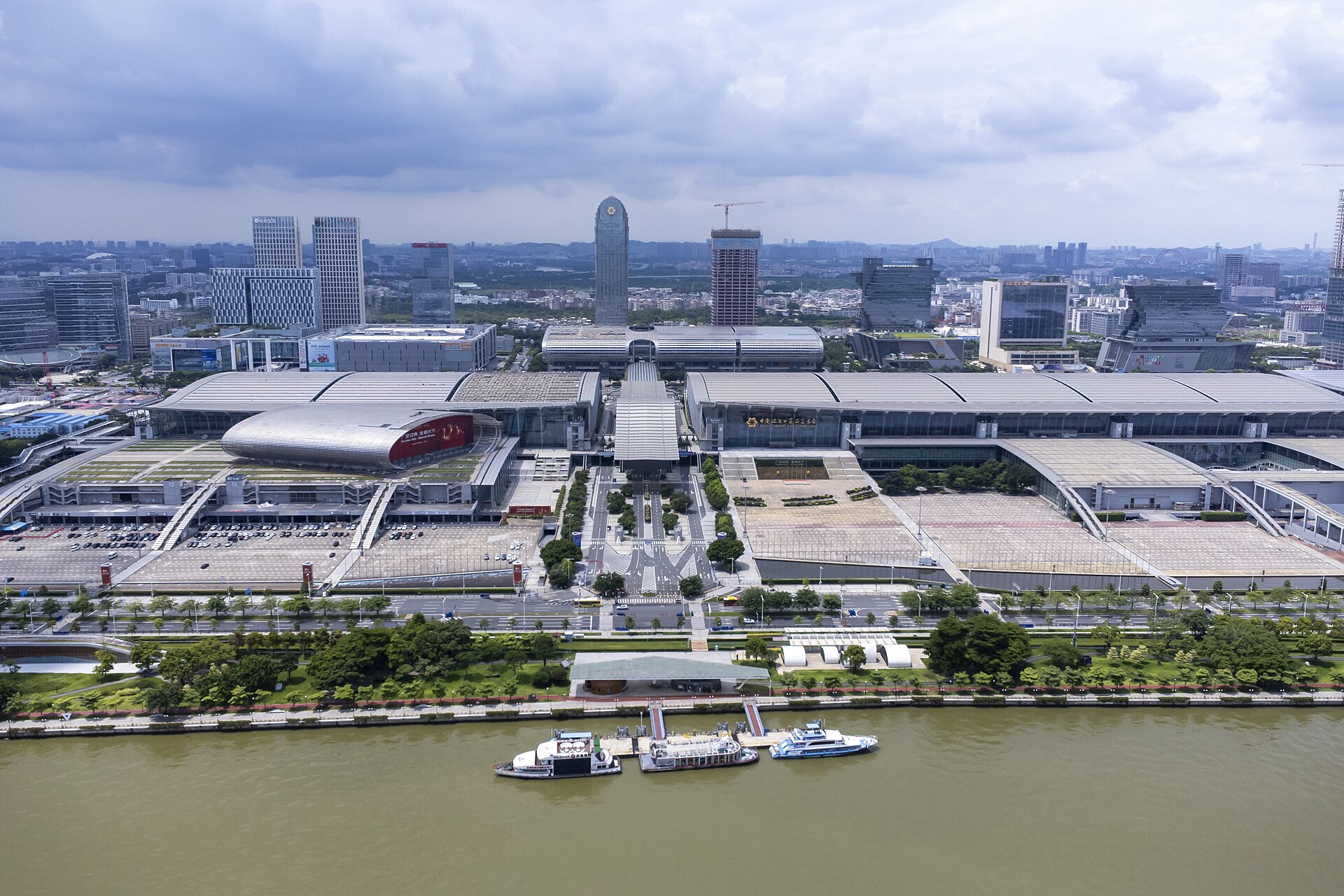
Rush hour at Pazhou metro station during fair week does not look like a commute; it looks like a trade route. The escalators deliver a continuous river of buyers — rolling sample cases, lanyard badges already swinging, catalogues tucked under arms in three languages — all moving toward the same glass wall of a complex so large that its halls have their own internal geography. Somewhere in that river, on most first mornings, is a buyer discovering the fair's oldest lesson the hard way: the product category he flew twelve hours to source is not in this phase. His dates are right. His hotel is fine. His badge is valid. The fair he needs starts after he leaves.
The Canton Fair rewards people who treat it as a system rather than an event. The system has four moving parts: a phase matched to a product list, a credential arranged through official channels before arrival, a hotel chosen for its transport corridor and its working services, and a daily rhythm that protects judgment across very long walking days. None of these is glamorous, and every failed fair trip fails on one of them. This guide walks the system in order — phase first, badge second, bed third, halls last — because that is the order in which mistakes become expensive.
02 · SEE IT
A fair trip, in running order
- T-30 days — Match your buying categories to a phase using the official exhibitor and category lists for the current edition
- T-21 days — Complete buyer registration online and assemble the documents the badge process asks for
- T-14 days — Book the hotel by corridor: Pazhou itself, or a direct metro line into Pazhou station
- T-2 days — Build the booth plan: must-visit suppliers grouped by hall and zone, not sorted by company name
- Day 0 evening — Arrive, eat near the hotel, test nothing ambitious; sleep is a business input tonight
- Day 1, 08:00 — On the metro early; badge, passport, power bank, cards and the hall plan in one light bag
- Day 1, 09:30 — Highest-priority hall first, while legs and judgment are fresh
- Day 1, 18:30 — Ten quiet minutes: notes filed, contacts backed up, samples labelled before dinner
- Each evening — One purposeful dinner at most; laundry, rest and tomorrow's shortlist on the other nights
- Fair +48 hours — Follow-ups sent, suppliers classified, verification tasks assigned while memories are still warm
03 · TRY IT YOURSELF
Work the fair like a returning buyer
Your ticks stay on this page only. No account or personal data is sent.
04 · THE PROOF
The facts this guide leans on
Overseas buyers obtain entry through the fair's official buyer registration and badge process; the badge is the working credential inside the complex, and unofficial sellers offering badges, invitations or guaranteed access sit outside that system and should be avoided
Checked October 2026The fair complex stands in Pazhou, in Haizhu district on the south bank of the Pearl River, and is served directly by Metro Line 8 at Pazhou and Xingang East stations — the two gates most fair routines are built around
Checked October 2026The fair is held twice a year, in spring and autumn sessions, and each session repeats the phase structure — which is why last session's dates and category graphics are a trap for this session's planning
Checked October 2026Fair-week hotel demand concentrates on Pazhou and on the metro corridors feeding it, and returning buyers rank working details — early breakfast, laundry, parcel receiving, desk space, reliable Wi-Fi — above lobby glamour, because sample boxes and 6 a.m. starts are the real routine
Checked October 2026Baiyun Airport connects into the city metro network, and fair-period arrivals should plan the airport-to-hotel leg as part of the fair plan rather than improvising it at the arrivals hall — the first morning's troubleshooting budget is better spent inside the complex
Checked October 2026Nothing said across a booth counter constitutes verification: a supplier's legal entity, whether it manufactures or trades, the scope of its certifications, its real capacity and its export record all have to be confirmed from documents and independent checks after the conversation
Checked October 2026Samples complicate luggage: batteries, liquids, magnets and unlabelled items all attract courier and customs questions, so sample cost, shipping method, duty responsibility and airline baggage rules need settling in writing before boxes start moving
Checked October 202605 · STEP BY STEP
How to run the trip, stage by stage
- Step 1 — Fix the phase before you fix the flights
Start from your product list, not from your calendar. Take the categories you actually buy, plus the adjacent categories worth one exploratory hall, and match them against the official category lists for the current edition. The phase whose dates contain your categories is your fair; the others are somebody else's. This ordering feels backwards to anyone used to booking travel first, but a wrong-phase trip is the one fair failure that perfect logistics cannot soften — every hotel, flight and dinner can be flawless and the business outcome is still zero. Once the phase is fixed, write the edition number and phase dates into every internal document, so nobody downstream plans against a screenshot from a different session.
- Step 2 — Register and prepare the badge like a document check
Complete buyer registration through the official Canton Fair website well before departure, following the current edition's instructions exactly: the accepted passport, any invitation or business documents requested, the photo specification, and your pre-registration record. Learn where and when the badge is collected and whether any step still happens on site, because arriving at the complex assuming a counter exists is a gamble that changes by edition. Keep digital and printed copies of everything in two separate places. And ignore the informal market entirely: nobody legitimate sells access to this fair, and a purchased invitation does not replace the identity, visa or entry requirements that apply to you.
- Step 3 — Choose the hotel by corridor, not by pin on the map
Three bases work, for different trips. Pazhou itself minimises the morning commute and suits buyers doing multiple full days with early starts — the price is peak demand and thinner evening choice. A hotel on a direct metro corridor into Pazhou trades a longer ride for better dining, better value and easier client meetings. Zhujiang New Town and Tianhe suit meeting-heavy trips, with a road-or-metro leg to the complex accepted as the cost. Whichever you choose, interrogate the working details before booking: when breakfast actually starts, whether laundry turns around overnight, whether the desk will receive and store parcels, whether there is a real desk and dependable Wi-Fi, and whether the hotel will give you a clean Chinese address card for drivers. A hotel shuttle only counts if its departure times, return times and drop-off points are stated in writing.
- Step 4 — Spend the night before Day 1 on boring certainties
The evening before your first hall day has one job: removing tomorrow's unknowns. Confirm badge status and collection point. Lay out passport, business cards, chargers, power banks, your product brief and the supplier shortlist. Check the exact entrance your plan uses and the metro ride that gets you there, and set two alarms rather than trusting one phone. Pack light — you will walk further inside the complex than most tourists walk in a day, and every extra kilo rides along. Then stop. Eat near the hotel, drink water, and sleep. The classic arrival-night river cruise is a fine idea for Day 4; on the night before Day 1 it spends the alertness the first morning needs.
- Step 5 — Work the halls with a geographic plan and one note template
Divide your floor plan into three tiers before you enter: the suppliers you must see, the category exploration that justifies the trip, and a small discovery allowance for the unexpected. Order the must-sees by hall and zone so the day flows in one direction, and give appointment windows real margins — halls are bigger than they look on the diagram and conversations run long. Keep the same record for every meeting: booth, contact, category, price basis, minimum order, certification position, lead time, packaging, sample status and the named owner of the next step. Photograph with permission and connect each photo to its record the same day. A buyer who walks the halls with this structure leaves with a comparable supplier set; a buyer who wanders leaves with a camera roll.
- Step 6 — Verify suppliers like an auditor, not a fan
A polished booth proves the company can rent a polished booth. The verification list is separate and unglamorous: legal entity name, manufacturer or trading company, the real specification behind the display model, quality system and test reports, the exact scope of any certification, who owns the intellectual property, true capacity and subcontracting, payment terms and export history. Ask for documents, then check documents through channels that do not involve the supplier's own sales team. Do not send deposits or release sensitive designs because a stand looked professional. This guide covers logistics; where the money at stake is material, qualified legal and inspection advice is part of the trip budget, not an optional extra.
- Step 7 — Move samples and shipping on paper, not on memory
Every sample you accept starts a chain of custody. Label it on the spot with supplier, booth and the follow-up you owe. For anything being shipped, settle the questions while the exhibitor is in front of you: who pays the courier, who pays duties, how batteries, liquids or magnets in the product are declared, and what the customs classification is. Confirm before sending anything to your hotel that the property will receive and store parcels — and how it charges for doing so. If samples fly home with you, check the carrier's baggage rules and the customs position before the suitcase is full. Whoever forwards your freight — an agent or a courier company — should give you terms in writing plus a tracking reference; an unlabeled box accepted casually at a booth can become unidentifiable exactly when an inspector asks about it.
- Step 8 — Pace the days, then close the loop within 48 hours
Inside the complex, walking and talking drain attention faster than an office day, so manage it like a physical event: supportive shoes, the highest-priority hall first, short seated breaks, food before fatigue, and a buffer between your last booth and any evening meeting. End each day with ten organised minutes — notes completed, contacts backed up, tomorrow's list cut down — before any social plan starts. Evenings alternate: one client or supplier dinner with a clear purpose is business; three in a row is erosion, and Day 3 decisions are where tired buyers overpay. After the fair, move within a day or two: classify suppliers, request the missing documents, send the concise follow-ups while faces are still attached to names, and keep one flexible Guangzhou day for a factory visit only when the host, the site and the purpose are all confirmed in advance.
06 · WHERE THIS BREAKS
Where fair trips quietly fail
The wrong phase cannot be fixed on the ground
Every other fair problem has a workaround; this one has none. If your categories sit in another phase, the trip becomes expensive sightseeing with a badge. The defence is entirely upstream: official category lists for the current edition, checked against your buying list before anything is booked.
Registration rules move between editions
Badge collection points, document requirements and on-site steps are set per edition and can change. Advice from a colleague's previous session — including anything in this guide about process — is a starting hypothesis. The current edition's official instructions are the only version that counts, checked close to departure.
Fair-week hotel prices surge and value hides
Rates around Pazhou spike during fair weeks and the most expensive room is not automatically the most useful one. A slightly further hotel with a 5:30 breakfast, overnight laundry and parcel storage will outperform a glamorous address that treats your sample boxes as an inconvenience. Book early, read the service details, and judge by corridor rather than by star count.
Verbal promises are not contracts
Prices quoted over a noisy counter, capacity claimed in conversation and delivery times offered with a handshake are openings for negotiation, not commitments. Deposits, designs and payment should move only against written terms and verified banking details supplied through your company's normal anti-fraud process. This guide is a logistics document; it is not legal advice, and significant orders deserve professional review.
Exhaustion is a commercial risk, not a comfort issue
The pattern repeats every session: buyers who spend every evening socialising arrive at Day 3 unable to evaluate, and make their worst commitments then. Protect sleep the way you protect the sample budget. If alcohol is part of an evening, keep confidential pricing and designs out of casual earshot, and keep the route back to the hotel simple.
A spontaneous factory invitation needs a cold check
A final-day factory visit can be the most valuable part of the trip — when the host company, the facility's identity and location, the transport and the business purpose are all confirmed beforehand. An invitation that cannot survive those four questions before you get in the car should be declined politely and followed up in writing instead.
07 · KEEP READING
Keep the trip moving
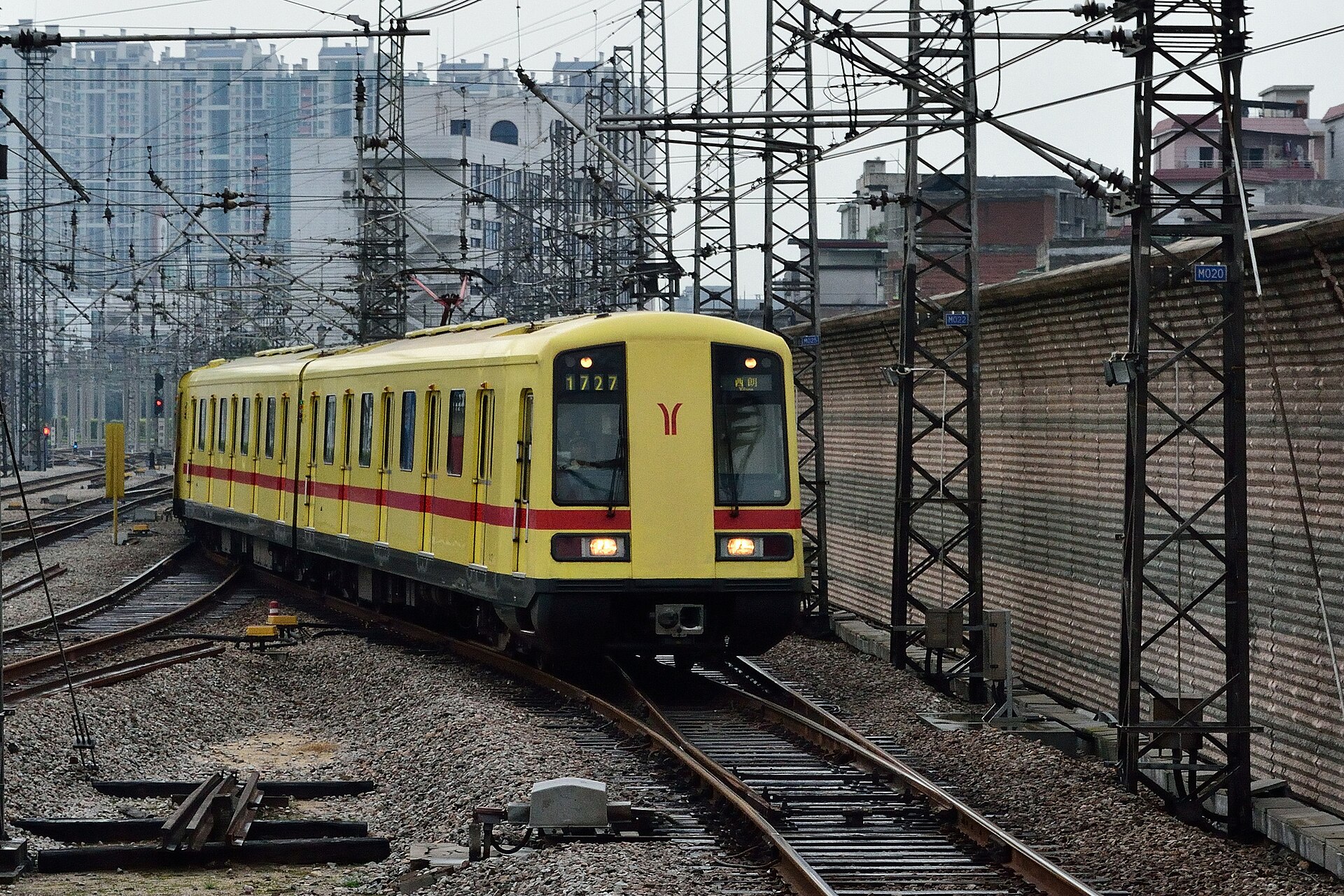 Guangzhou · PrepareGetting Around Guangzhou: Metro First, and Respect the Last 500 MetresThe network itself is fast, bilingual and forgiving. What actually decides your day is which terminal you land at, which station name is printed on your ticket, and which exit you climb out of — here is the system, leg by leg.Verified
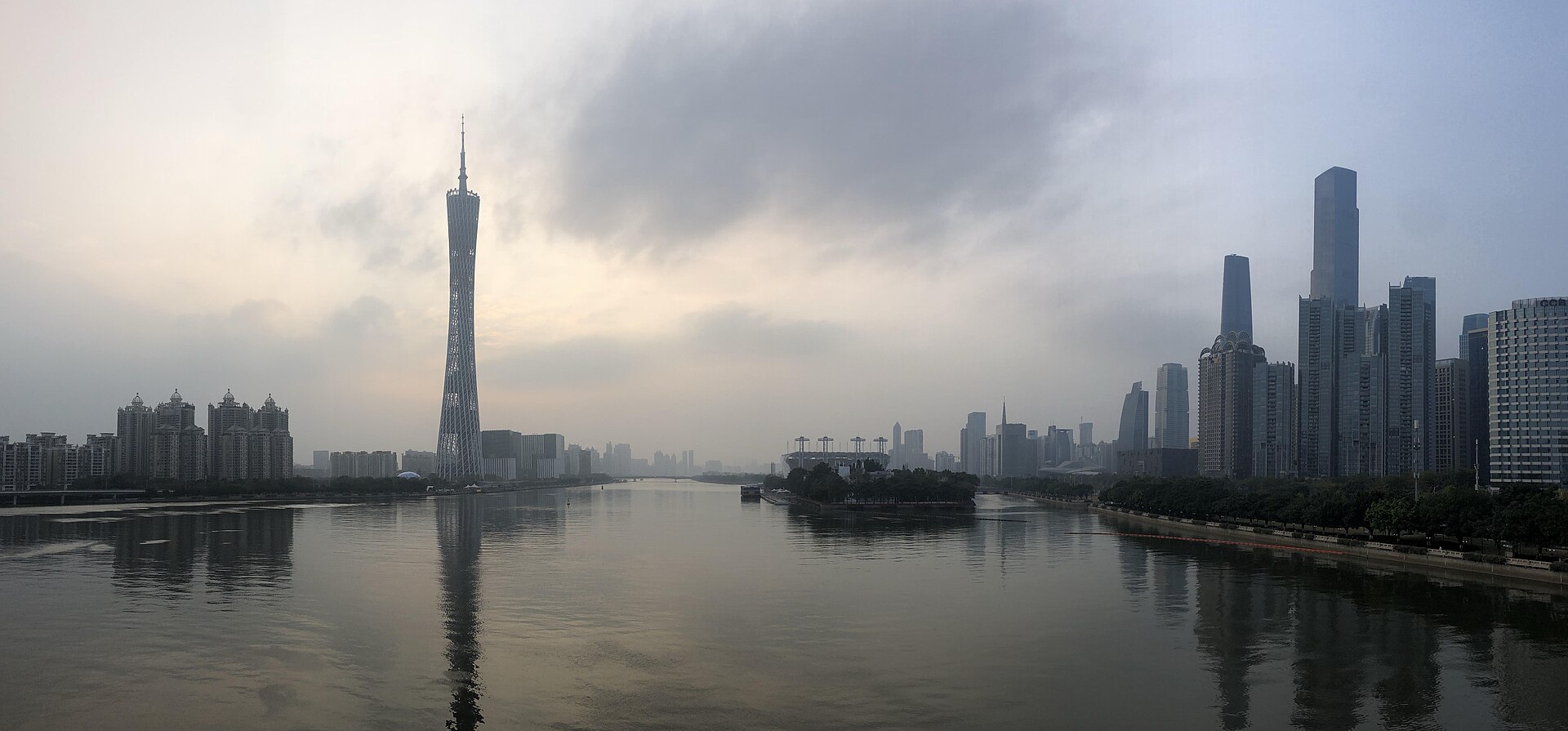 Guangzhou · DoGuangzhou for First-Timers: Teahouses in the West, Towers on the RiverThis is really two cities sharing one name — a merchant old town of arcades and morning tea in the west, and a glowing riverfront of towers in the east. Give each its own day, eat seriously in between, and the place clicks.Verified
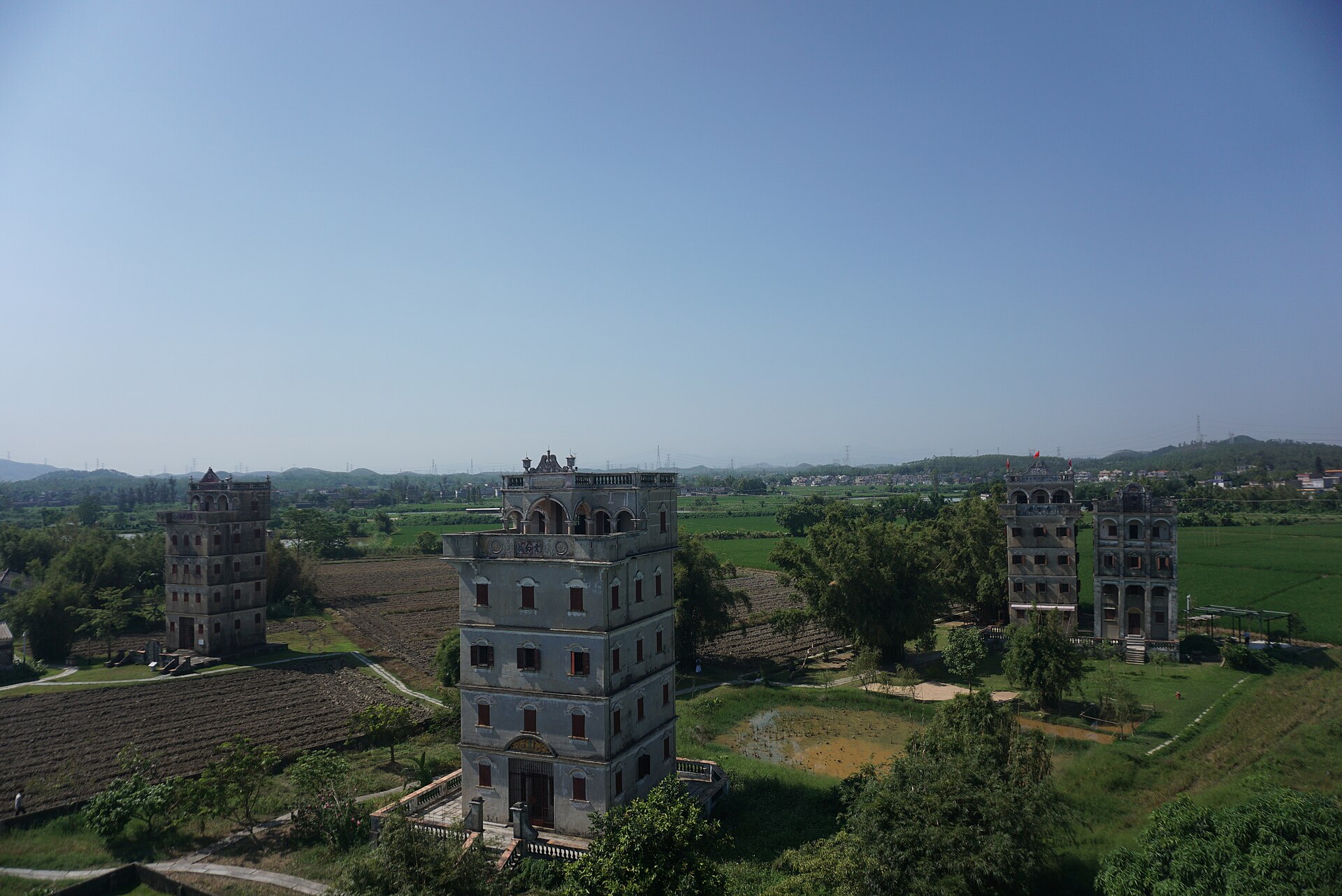 Guangzhou · DoDay Trips from Guangzhou: Kaiping's Towers, Shunde's Tables, Foshan's TempleFour escapes leave from the same city and only one of them is really decided by the train ride. The day is won or lost in the transfer after the station — here is how each trip actually works, and which one fits your group.Verified
08 · SOURCES
Sources and status
Prices, schedules and booking channels change. Recheck the details that matter before you travel.
- Canton Fair official website (English)VerifiedCurrent edition dates, phase category lists, exhibitor information and how overseas buyers register and collect a badge — checked 2026-10-30
- Guangzhou Metro (official)VerifiedLine 8 serves the Pazhou complex at Pazhou and Xingang East stations; Line 3 links Baiyun Airport into the network — checked 2026-10-30
- Guangzhou Baiyun International Airport (official)Reference ~Ground transport options between the airport and the city for fair arrivals — checked 2026-10-30
- City of Guangzhou portal (official)Reference ~Municipal information for Guangzhou, including fair-period city services — checked 2026-10-30
- Dianping — Guangzhou restaurants (local demand signal)Reference ~Where buyers actually eat near their hotels during fair week; directional local signal only, no rankings relied on — checked 2026-10-30