
Chengdu hotpot for visitors typically lands in a broad band around ¥80–150 per person once drinks and the self-serve sauce fee are in, with famous-name houses and heavy meat ordering pushing well past it
Checked October 2026GUIDES / FOOD
Chengdu Food Guide: Hotpot First, Then the Spice Ladder
A split pot for the table that disagrees, a dipping sauce you build yourself, and noodles that run on chilli oil — Chengdu food is a system, and here is how to work it.
City Chengdu14 min read8 facts labeledChecked 2026-10-29
01 · IN BRIEF
Your first pot is a negotiation
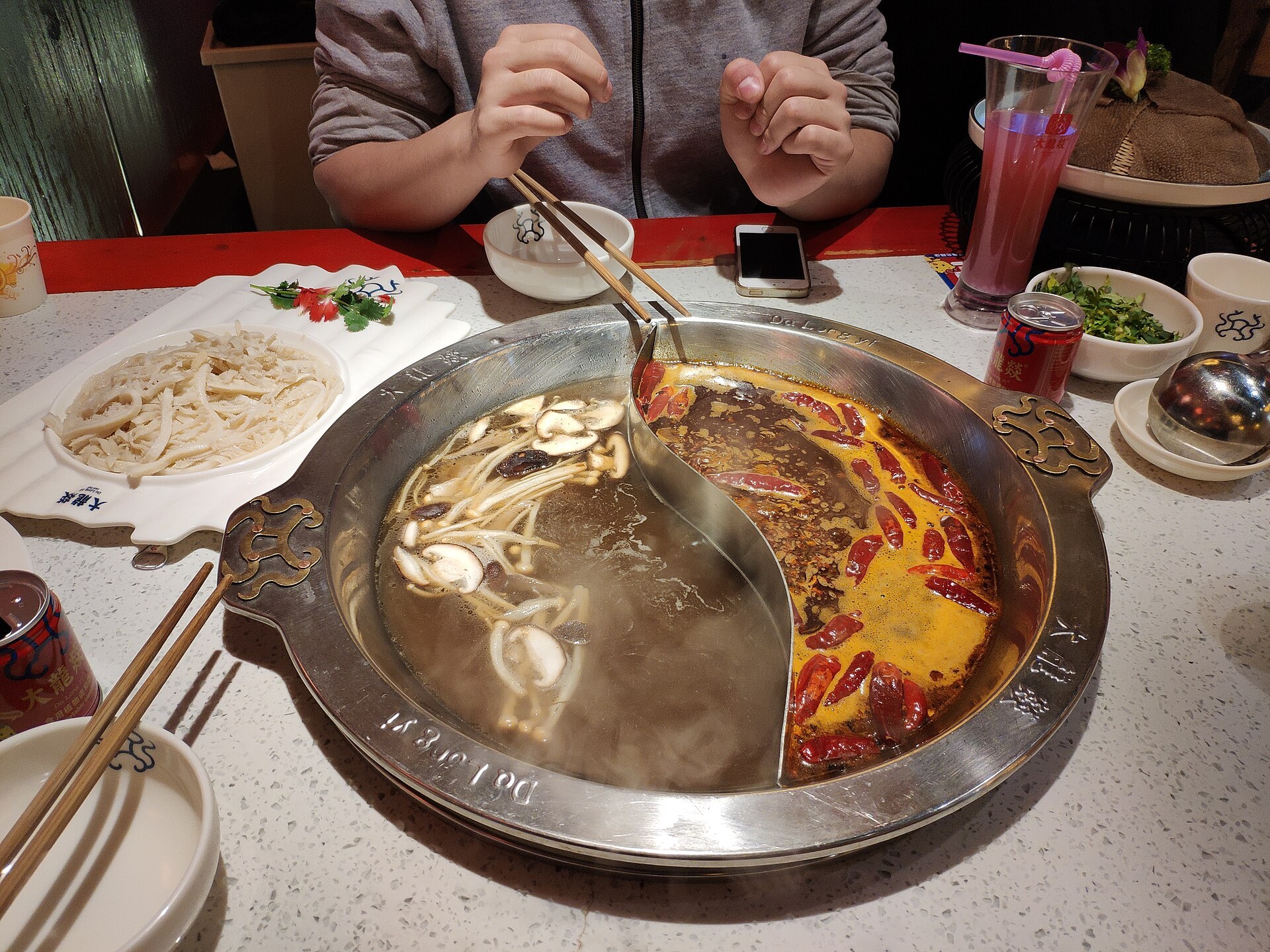
The pot lands in the middle of the table already at a rolling boil — one side the colour of a warning sign, floating with dried chillies and Sichuan pepper, the other side clear and innocent. The waiter looks at you, not at your local friend, and asks the only question that matters tonight: how spicy? Your friend smiles the smile of someone who has watched this exact moment break a dozen visitors. On the other side of the room, a table of Chengdu regulars is eating calmly, fishing tripe out of the red side, sleeves rolled, tea going cold — completely unbothered, completely at home.
Chengdu food looks like a spice challenge from outside and turns out to be a system from inside: a pot engineered for mixed tables, a dipping sauce you assemble yourself as a cooling device, snacks built on chilli oil rather than raw heat. This guide teaches the system in the order a local would — hotpot first and properly, then the skewers, then the noodle-and-dumpling canon, with the rabbit heads waiting at the top of the ladder for anyone still standing.
02 · SEE IT
One day of eating, in running order
- 08:00 — Longchaoshou for breakfast: wontons in chilli oil at a neighbourhood shop, eaten at local speed
- 10:30 — Sweet-water noodles as a second breakfast nobody will judge you for
- 13:00 — Mapo tofu with rice at a lunch counter — the midday spice check, honest but survivable
- 15:00 — Dan dan mian from a snack shop, small bowl, mixed violently, finished in four bites
- 19:00 — The main event: hotpot with a split pot, a self-built dipping sauce, and the table ordering in waves
- 22:00 — Chuanchuan xiang skewers as the nightcap round; rabbit head only if the day has made you brave
- First-order card — Sichuan hotpot: the social headline meal. Heat strategy: split the pot if tolerances differ, and take it slowly
- First-order card — Mapo tofu: the classic flavour architecture. Heat strategy: share it with rice and vegetables
- First-order card — Dan dan noodles: the compact noodle snack. Heat strategy: check today's spice level before you order
- First-order card — Chilli-oil wontons: sweet, savoury and spicy in one bowl. Heat strategy: start with a single bowl shared between you
- First-order card — Tea and snacks: Chengdu's slower rhythm on a plate. Heat strategy: use the teahouse as recovery between meals
03 · TRY IT YOURSELF
Do it like a local
Your ticks stay on this page only. No account or personal data is sent.
04 · THE PROOF
The facts this guide leans on
Local demand signal lives on Dianping: Chengdu diners use its reviews, photos and must-eat style lists to shortlist hotpot and snack shops, and famous names carry long evening queues — treat the platform as a directional signal for where locals actually go, not as a verified ranking
Checked October 2026The yuanyang split pot is a standard, unremarkable order in Chengdu, routinely used by local mixed groups; the traditional dip is sesame-oil based (you xiang) with garlic and herbs, functioning to cool and coat rather than add heat
Checked October 2026The classic snack canon is priced like working food: dan dan mian, longchaoshou and sweet-water noodles (tian shui mian) at neighbourhood shops generally sit in a rough ¥10–25 band per bowl
Checked October 2026Mapo tofu's numb-spice (ma la) profile comes from Sichuan pepper plus chilli, and the dish is served at its source in Chengdu in both famous-name dining rooms and plain lunch counters — the counter versions are not a downgrade
Checked October 2026Chengdu carries UNESCO's Creative City title for gastronomy, and official city material presents the food culture as a weave of Sichuan cooking, tea-house life, hotpot and street snacks. The flavour logic underneath is layering rather than raw heat: chilli, Sichuan pepper, fermented broad-bean paste and aromatics combined in shifting proportions from dish to dish
Checked October 2026Three zones organise the eating. People's Park with Kuanzhai Xiangzi means tea, snacks and long-established restaurants — the gentlest first day. The Chunxi Road and Taikoo Li quarter holds the thickest concentration of choice, from a quick noodle bowl to formal dining — but prominence is not the same as localness, and the loudest storefront is often merely the best-lit. Residential streets can plate better everyday food than either, at the price of more language effort and a same-day check that the shop still exists
Checked October 2026When the red side runs too hot, Chengdu houses routinely pour tomato, mushroom or other mild broths as the second half of a divided pot — a standard local fallback you can ask for by name, not a special favour
Checked October 202605 · STEP BY STEP
How to eat it, dish by dish
- Step 1 — Settle the pot before anything else
The first decision is the broth, and the default visitor answer should be the yuanyang split pot: one side red and loaded, one side clear mushroom or pork-bone broth. It is not a tourist compromise — it is how Chengdu families with mixed tolerance eat, and it gives you a reset side and a cooking side for delicate items that would be destroyed by the red broth. If the whole table genuinely eats chillies daily, go full red and own it. Choose the spice level at this moment too: the ladder runs from wei la (mild) through zhong la (medium) to te la (extra), and in Chengdu 'medium' is calibrated for people who live there. Start one rung below your home bravado.
- Step 2 — Build the dipping sauce like an engineer
While the pot heats, go to the self-serve bar — this is not optional decoration. The Chengdu standard is a small bowl of sesame oil (or a sesame-oil blend) with crushed garlic, coriander and scallion; some add oyster sauce or a spoon of the clear broth. Its job is physics: hot food dragged through oil cools faster and picks up a coat that blunts direct chilli contact. Build it before the first item cooks, taste the broth once with a plain item so you know your baseline, then adjust. Skipping the sauce bar and eating straight from the red pot is the single most common way visitors end the night early.
- Step 3 — Order and cook in the right order
Order in waves. First wave: the items that flavour the broth and reward quick cooking — thin-sliced beef or lamb, tripe, duck intestine, shrimp paste — each dipped for seconds on a slow count, not boiled into leather. Offal sounds like a dare and eats like the point of the exercise; tripe's seven-seconds-up-down rhythm is the famous one. Second wave: tofu, mushrooms, potato slices (they take real time), leafy greens. Last: noodles or wide potato noodles into the now-rich broth. Cook pale, delicate things in the clear side; dunk into your sauce; alternate red-side bites with clear-side resets and plain rice or an iced drink. The table that orders everything at minute one gets a crowded pot and overcooked meat by minute ten.
- Step 4 — Do the skewer round: chuanchuan xiang
Chuanchuan is hotpot's casual cousin: dozens of items pre-threaded on bamboo skewers, cooked in a shared spiced pot, and charged by the skewer count at the end — keep your sticks, they are the bill. The format suits grazers and mixed appetites because commitment per item is one skewer. Same rules apply at smaller scale: build a sauce dish, respect the spice ladder, and pull skewers when they look done rather than on a timer. Late evening is its natural hour; it is the round you have after the round you planned. Practical safety inside the format: use the separate chopsticks or tongs some houses supply for raw items, keep raw skewers away from ready-to-eat plates, and do not overfill the pot — a crowded skewer pot cooks unevenly.
- Step 5 — Eat the noodle and dumpling canon at snack shops
Four names cover the canon. Dan dan mian: a small bowl of noodles over a slick of chilli oil, Sichuan pepper, minced pork and peanut — mix it violently before the first bite or the seasoning stays at the bottom where it belongs until you free it. Longchaoshou: Chengdu's wontons, named for the founding shop, best in the chilli-oil version (hong you chaoshou) where the sauce does the talking. Sweet-water noodles (tian shui mian): thick, chewy, hand-pulled strands in a sweet-spicy sauce — the texture is the dish. Mapo tofu: order it where it was born, eat it over rice, and notice that the numbing builds slowly rather than hitting as raw heat. These are fast, cheap, no-ceremony meals — order at the counter, pay on the usual phone rails, eat at local pace. Add one cold dish to the canon: fuqi feipian, the 'husband-and-wife' beef slices — thin beef and offal dressed in chilli oil, peanut and Sichuan pepper, served at room temperature and eaten between hot dishes as the table's reset button. Between the wontons, the noodles and the rabbit heads further down this guide, that is the full texture range Chengdu is proud of.
- Step 6 — The stretch goal: rabbit heads
Shuangliu-style rabbit heads, braised in either a spiced (ma la) or five-spice broth, are Chengdu's beloved late-night hand food and the item visitors photograph most and order least. Eating one is a technique: gloves on, split the head, work the jaw and cheeks — the meat is tender, the flavour deep, the format admittedly an encounter. Nobody will think less of you for stopping at the skewers; but if the day has gone well and the table is game, one shared rabbit head, coached by whoever sold it to you, is the story you will tell at home. Wash hands well. Order the five-spice version if your spice budget for the day is already spent.
- Step 7 — Eat by neighbourhood, not by ranking
Plan meals around the day you are already having. On a People's Park day, let the teahouse, the nearby snacks and one of the established restaurants around Kuanzhai Xiangzi carry the food — the easiest first-day combination in the city. On a Chunxi Road or Taikoo Li day you will be spoilt for formats at every price point; just remember that footfall is not a flavour guarantee. In the residential streets expect plainer rooms and often better plates, and go with language confidence, a companion who has it, or a translation app — with the specific shop's survival checked before the detour. What locals actually do on the social platforms is not chase a citywide league table: they eat near the day's anchor, verify which branch they are actually heading to, and hold a backup within walking distance.
- Step 8 — Verify a Rednote (Xiaohongshu) lead before you cross town
A saved post is a lead, not a booking. Before travelling for it, check five things: the branch's Chinese name, its current address, its recent opening hours, how its queue system works, and whether it takes reservations at all. A popular brand can run branches with different menus and different dining formats, so the branch in the post is the unit that matters. Likes measure attention; they certify nothing about quality, and nothing about food safety. Scan recent posts for closure signals, then file away two names before you set out: your first choice, and a stand-in of the same kind a few streets away. This guide teaches dishes and districts rather than a fixed top-ten on purpose — a dish does not move house, but a ranked restaurant can.
06 · WHERE THIS BREAKS
Where the advice stops working
The spice ladder is not a dare you can train for in one meal
Chengdu heat has two components — chilli burn and Sichuan-pepper numbness — and they accumulate across a meal and a day. A 'medium' pot ordered at lunch pride can still be running your evening. Defences: split pot, mild first night, sauce bar used properly, dairy or sweet drinks on standby. There is no honour system here; locals modulate constantly and so should you. If your stomach is fragile, hotpot on your last night in China, not your first.
Allergies are the serious limit
The common allergen set here is wide: peanuts, sesame, soy, wheat, shellfish and fermented sauces all recur, alongside chilli oil that touches nearly everything and shared cooking oil. State an allergy as a medical restriction, not a flavour preference — show the card, and use image translation to confirm portion sizes and contents before you order, gradually rather than all at once. If you carry a peanut or sesame allergy, treat hotpot and snack shops as high-risk environments: carry the allergy card in Chinese, show it before ordering, and favour clear-broth, cook-your-own formats where your food stays visibly separate. Do not rely on a translated sentence spoken over a busy counter.
Famous names mean queues, and queues have a price
The best-known hotpot houses can quote long evening waits, and burning two hours of a short trip in a queue is a real cost, not authenticity. Defences: take a number through the restaurant's app or Dianping listing before you set out, eat hotpot at 17:30 like a planner, or choose the neighbourhood house three streets away that the queue-less locals are eating at — in Chengdu the quality floor is high enough that this is a strategy, not a surrender.
Food safety is common sense, not fear
The working rules that serve locals serve you: eat where turnover is high and the pot or wok is visibly busy, cook raw items thoroughly in the broth rather than par-cooking them, be careful with raw or undercooked items in any shared-pot setting, and pace the alcohol — baijiu plus spice plus a full pot is a combination that ends evenings. Street stalls with a crowd of regulars are a better bet than an empty famous storefront. At hotpot specifically, ask which ingredients arrive raw, cook meat thoroughly, and never let uncooked items sit beside food that is ready to eat.
Vegetarian eating is possible but the pot fights back
Vegetable, tofu and mushroom orders are plentiful and genuinely good, and Buddhist vegetarian restaurants exist for a full reset meal. But a shared red broth is a meat broth, snack sauces hide minced pork and lard, and 'no meat' needs saying explicitly and early — ideally shown in writing. A vegetarian at hotpot does best with their own clear side of a split pot and control of the ordering.
Is every Chengdu dish extremely spicy?
No. Much of the famous canon is spicy or numbing, but the same streets — often the same shops — also serve tea-house snacks, mild broths, plain vegetables, steamed dishes and cooking with no chilli at all. Communicate clearly at the point of ordering and build a balanced table: one numbing dish, one mild dish, vegetables and rice, and the meal stays pleasurable instead of turning into an endurance event.
What goes into a first Chengdu hotpot?
Start from a divided or mild broth, then bring in the classic supporting cast: mushrooms, tofu and leafy greens, thin slices of meat, and a single starch — noodles or potato — held back for the end. Bring in unfamiliar offal only when the whole table is genuinely curious and someone has explained its cooking time first: seconds-long dips for tripe and intestine, real patience for thicker cuts. That skeleton order is the local default for a first pot; everything after it is taste.
Do vegetarians eat well in Chengdu?
Yes, with planning — the city's vegetable, tofu and mushroom cooking is genuinely strong, and specialist vegetarian restaurants remove the guesswork entirely. The trap is invisible animal content: a vegetable plate can still arrive glossed with lard, loosened with meat broth, or finished with oyster sauce and minced pork, so the requirement has to be stated explicitly, early, and ideally in writing rather than assumed from a menu photo.
07 · KEEP READING
Keep the trip moving
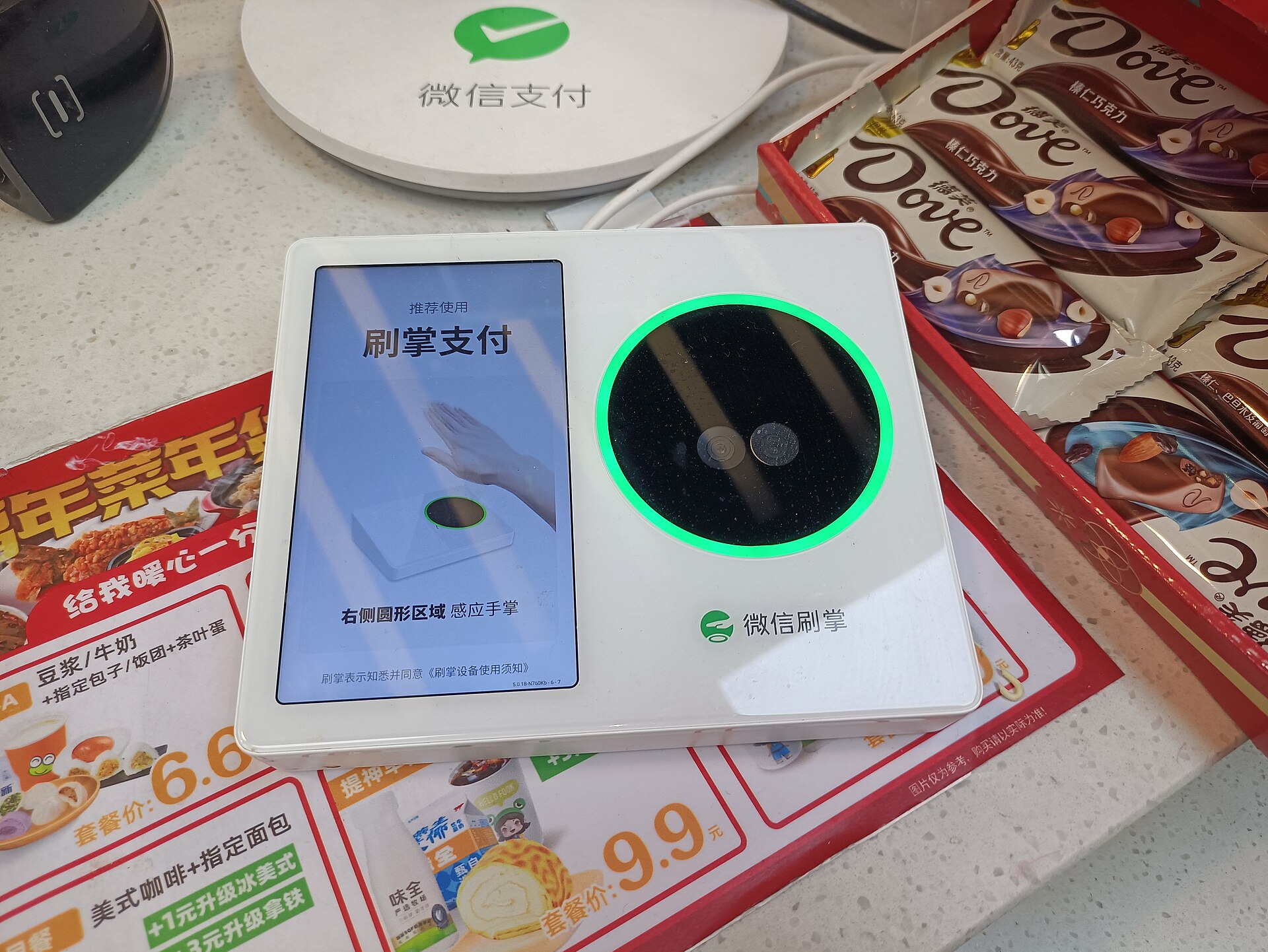 China · PrepareHow to Pay in China (2026): Alipay, WeChat Pay, TenPayGo, Cards and CashSet up one wallet before you fly, add a second as backup, and understand the two numbers that explain most payment confusion.Reference ~
 China · PrepareInternet & eSIM in China (2026): Roaming, Travel eSIM, Local SIM and Wi-Fi ComparedYour phone will work in China. The real question is which internet it connects to — every connectivity choice is a choice between two exits.Reference ~
08 · SOURCES
Sources and status
Prices, schedules and booking channels change. Recheck the details that matter before you travel.
- Dianping (Chengdu restaurant reviews and must-eat lists — local demand signal)Reference ~Local-signal patterns as described; no rankings reproduced or relied on