
The words Sichuan opera on a Chengdu ticket can describe three quite different evenings: a complete stage drama, a teahouse bill stringing together several short traditional forms, or a brief face-changing turn folded into a dinner or entertainment product — none of them automatically fraudulent
Checked October 2026GUIDES / CULTURE
Sichuan Opera in Chengdu: Face-Changing Is Only the Middle of the Show
The mask changes in a blink and the internet moves on — but a Chengdu opera evening also holds fire-spitting, a lamp balanced on a performer's head, puppetry and tea poured from a metre-long spout. Here is how to book the right format and actually see it.
City Chengdu9 min read8 facts labeledChecked 2026-10-30
01 · IN BRIEF
The face changes before your phone wakes up
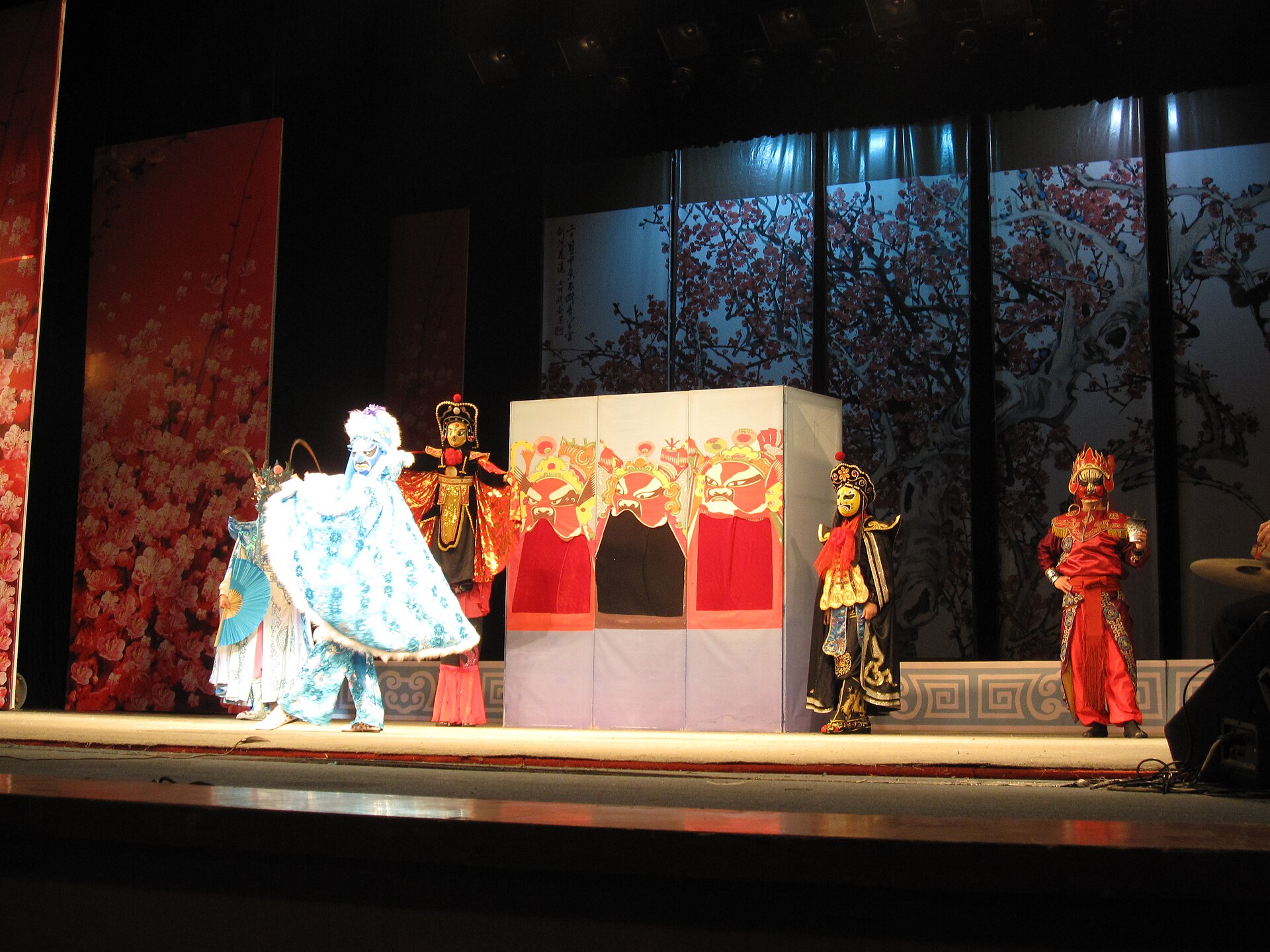
The teahouse theatre is small enough that you can hear the porcelain cups settle. Percussion cracks once, twice — a performer in embroidered robes sweeps downstage, turns his head inside the arc of a fan, and the blue face that was glaring at you a heartbeat ago is red, then gold, then gone behind another turn. The visitor two seats along is still lifting her phone out of her bag. She caught the applause, not the change. Everyone who has seen the clip online thinks they know this show; everyone in this room just learned the clip is the least of it.
Face-changing — bian lian — is one celebrated technique inside a much broader performance tradition: sung drama, spoken comedy, instrumental music, acrobatic turns, puppetry and hand-shadow work, arranged differently by every venue that uses the words Sichuan opera. That range is exactly why choosing well matters. Three quite different products hide behind the same label in Chengdu, and the disappointed visitors are almost always the ones who bought a thumbnail instead of a program.
02 · SEE IT
One opera evening, in running order
- 17:30 — Dinner near the venue and early: a slow hotpot across town is how curtain time gets lost
- 19:00 — Doors: find the entrance, clear ticket checks, take the assigned seat and let the tea arrive
- Curtain — The program builds: singing, comedy and instrumental turns establish the world before the famous tricks appear
- The middle — Bian lian: faces swap inside a turn of the head; watch the hands, sleeves and fan work, not only the masks
- Around it — Depending on the bill: spitting fire, the rolling-lamp balance act, hand shadows, a puppet turn
- Close — Applause with the room, then the simple route home you chose before the show, not after it
- Format card — Full stage production: one sustained drama with music and character. Best for travellers who want the art form whole; asks the most of your attention and language preparation
- Format card — Teahouse showcase: several short forms served around tea in an intimate room. Best for a first evening; excerpts rather than one complete story
- Format card — Short tourism segment: a face-changing slice inside a dinner or entertainment package. Best for a packed schedule; gives the trick with the least context
03 · TRY IT YOURSELF
Book and watch it like a local
Your ticks stay on this page only. No account or personal data is sent.
04 · THE PROOF
The facts this guide leans on
Bian lian's effect rests on split-second timing, body control and the musical cues around the performer — not on racking up a count of faces; the method behind it is traditionally guarded within the art, passed from master to student rather than published
Checked October 2026Sichuan opera (Chuanju) is inscribed on China's national list of intangible cultural heritage, and its recognised repertoire extends well beyond face-changing into singing, comedy, acrobatics and puppetry
Checked October 2026A listed performance duration may bundle tea service, a pre-show costume activity or other extras into the headline number, so stage time alone can be considerably shorter than the figure on the ticket page
Checked October 2026Room size cuts both ways: small teahouse venues put you close to the performer but can leave side seats with pinched sightlines, while larger theatres offer stronger staging and a less intimate atmosphere — neither format is universally better
Checked October 2026The visual techniques, costume, music and physical comedy of a showcase can be followed without Chinese; language support such as subtitles, printed synopses or English summaries exists at some venues and not others, and must be confirmed for the specific performance
Checked October 2026For children, the deciding variables are how long the show runs, how loud the percussion gets, how dark the room falls, when it starts, whether every child needs a paid seat, and whether stepping out mid-show and coming back in is allowed — all venue-specific, all askable in advance
Checked October 2026Local audiences compare opera venues through Dianping listings, seat photographs and recent show reviews before booking — a directional signal for which rooms are actively performing and how their seats actually behave
Checked October 202605 · STEP BY STEP
From choosing to curtain, step by step
- Step 1 — Decide which product you actually want
Start with honesty about your evening. If you want the art form — a story carried by singing, music and character over a full arc — choose a stage production and prepare for it. If you want a first encounter that samples the tradition's visual range in a relaxed room, choose the teahouse showcase, which is what most first-time visitors are picturing when they say Sichuan opera. If the evening is already crowded and the face-changing moment is the whole ambition, take the short segment and take it knowingly. Every disappointment in this market comes from buying one of these while expecting another.
- Step 2 — Choose the venue by format, location and the ride home
Compare the candidates on the things that will actually shape your night: what format is staged, where the room sits relative to your hotel, what the current program contains, how the seating plan behaves, what language support is offered, when it starts and ends, and how you get back afterwards. A recognised venue publishing clear information through its own channel is a safer purchase than a reseller bundle that stirs transport, dinner, a massage and an unnamed show into one price. Ask directly about anything that affects the chosen seat: columns, pillars, the tea-service traffic in front of it.
- Step 3 — Buy through the official route and verify the details
Purchase from the venue's own channel or an authorised seller, and treat the confirmation as a document: match any identity details the venue requires, save the confirmation somewhere that works without signal, and read the refund and exchange terms while they can still change your mind. Confirm the child-seat policy before paying — some rooms require a paid seat for every child, others allow a lap — and ask whether ticket collection wants to see the passport used for booking. Anything extra — backstage access, photographs with performers, makeup, costume rental — counts as included only when it is written into the product. And decline, politely and completely, the unofficial person at the entrance selling an upgrade the venue never offered.
- Step 4 — Build the day so the evening stays easy
The opera belongs at the end of a low-effort central day: a park morning, a monastery visit, a long teahouse afternoon that introduces the room's social world before the performance formalises it. Eat dinner early and nearby — proximity beats fame when a curtain is involved — and remember that tea and light snacks inside the show are not a meal unless the venue describes them as one. Arrive with a buffer for the entrance hunt, ticket checks, toilets and settling into the seat. If you drink, drink lightly: the route home and possibly an early start tomorrow both deserve your attention intact.
- Step 5 — Watch it the way the room watches it
Arrive on time, take your seat — the one printed on the ticket — switch the phone fully off, and obey whatever the house says about photography: flash and glowing screens genuinely disturb performers mid-technique and neighbours mid-scene. During the face-changing sequence, resist the urge to stand or lean into the aisle; the performer reads the room, and the room's stillness is part of the conditions the trick needs. If a performer comes into the audience, joining in is an invitation, not an obligation — a polite decline is always acceptable. Applaud with everyone else. The etiquette is not ceremony for its own sake; it is how a small room protects a fast, fragile illusion.
- Step 6 — Keep the ending as simple as the beginning
Decide the way home before the show starts: a licensed taxi, a ride-hailing pickup at a point you can actually describe, or a metro route you have already ridden in daylight. Then let the evening end there. The classic Chengdu mistake is bolting a second across-town ambition onto a finished performance — a famous bar, a late hotpot across the river of districts — and spending the glow of the show inside transit. One good room, one good meal, one short ride: that is the shape of the night the locals are having around you.
- Step 7 — If the evening lands, go one level deeper next time
A good first show earns you a second, different one. If you began with a teahouse showcase, a return visit can carry a fuller production, now that the visual vocabulary — the masks, the percussion cues, the comic timing — has somewhere to sit. If you began with a production, spend an afternoon in the teahouse culture that surrounds the art instead: a covered cup in People's Park, poured from a long-spouted pot by someone who has clearly done it ten thousand times, is the same city's other stage. Read a one-page synopsis of a classic play before the second show. Context compounds in this art form; the second evening is reliably richer than the first, which is more than can be said for most tourist performances anywhere.
06 · WHERE THIS BREAKS
Where the advice stops working
If you only want the twenty-second clip, buy the twenty-second product
A full production asks for sustained attention in a language you may not follow. There is no shame in the showcase or the segment — the failure mode is paying production prices and then blaming the art form for being more than a trick.
Language will not unlock itself
Visual technique crosses the language barrier; sung and spoken narrative does not. A dramatic production without a synopsis, subtitles or a summary you read beforehand can feel long even when it is excellent. Match the format to the support actually offered, not the support you hope exists.
A famous room is not the same as a good seat
Prestige attaches to venues; sightlines attach to chairs. An obstructed seat in a celebrated theatre delivers a worse face-changing view than a plain seat in a modest teahouse. The seat question outranks the name question every time.
Bundles blur the one thing you came for
A package that mixes transport, dinner, massage and a show into a single price makes the performance itself impossible to evaluate — its length, its cast, even its venue can stay vague until the night. Buy the performance first, on its own terms, and add extras separately where you can see them.
Fatigue is a legitimate scheduling fact
After a dawn Panda Base start or a Leshan day trip, an unbooked evening can be the most family-friendly choice available. Children — and adults — who are asleep in the seat receive none of the tradition this guide describes. The show runs every night; your one trip does not have to.
You cannot upgrade your way to understanding mid-show
A better seat improves the view; it does not supply the plot, the conventions or the patience. If the format is wrong for you, no premium tier fixes it after the curtain rises — the choosing has to happen at the ticket page, which is why this guide spends so long there.
07 · KEEP READING
Keep the trip moving
 Chengdu · DoChengdu First Time: Pandas Early, Tea Slow, Everything Else AfterOne protected morning with the pandas, one long afternoon in a park teahouse, and a city that rewards you for not rushing — how a first Chengdu trip actually fits together.Verified
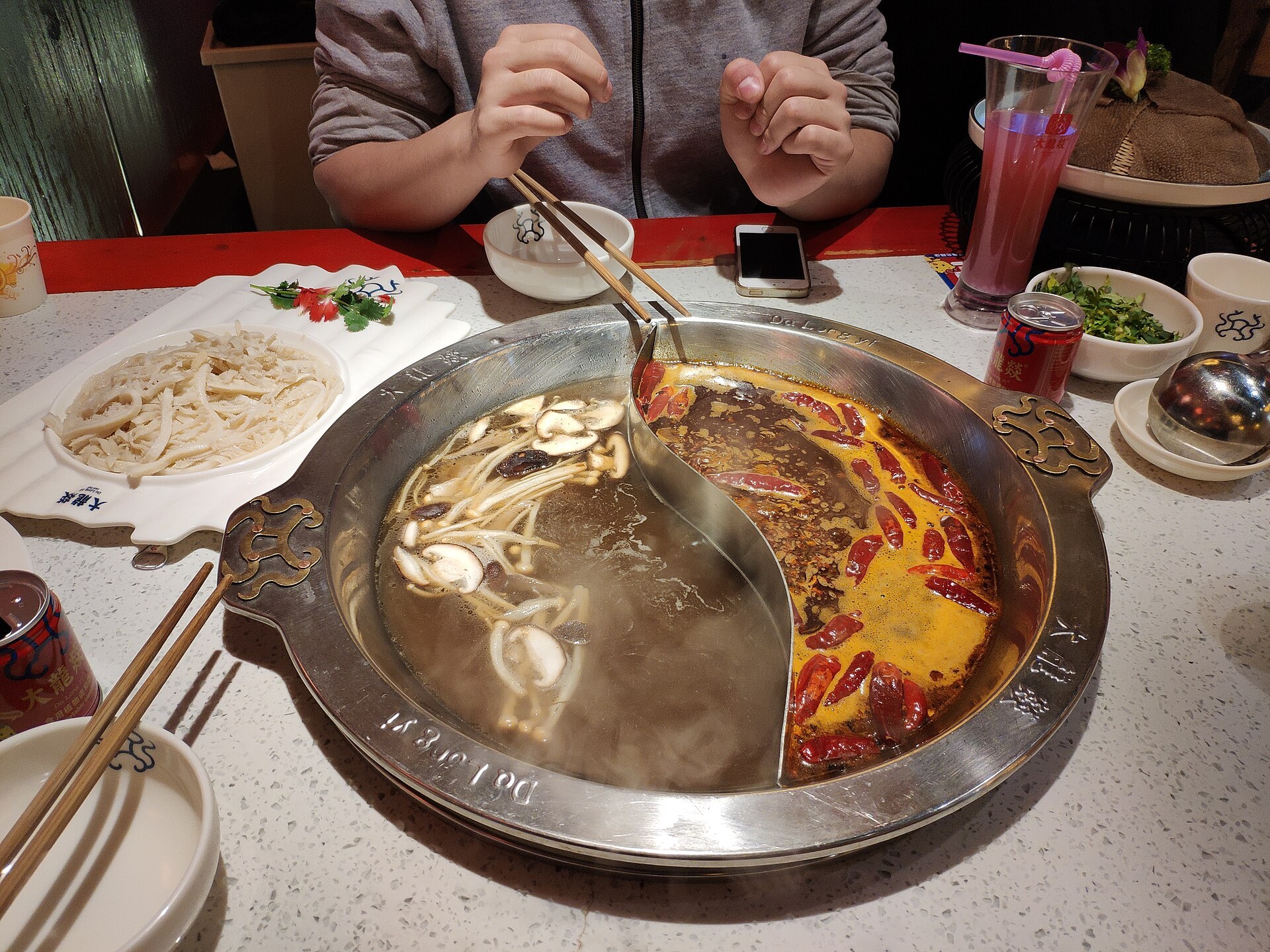 Chengdu · DoChengdu Food Guide: Hotpot First, Then the Spice LadderA split pot for the table that disagrees, a dipping sauce you build yourself, and noodles that run on chilli oil — Chengdu food is a system, and here is how to work it.Estimate ≈
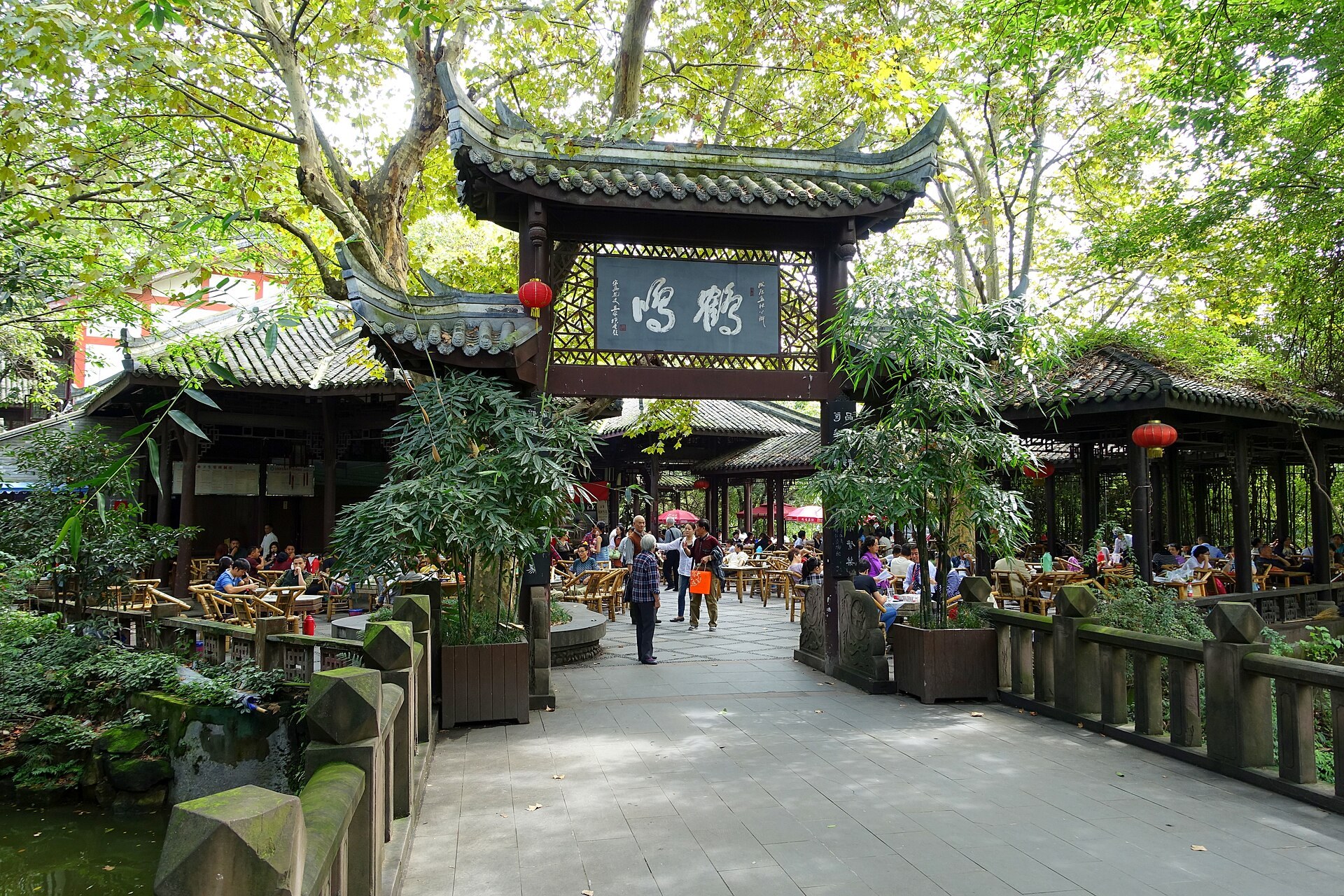 Chengdu · DoChengdu's Teahouse Republic: One Cup of Tea, the Whole AfternoonOne cup of tea rents you a bamboo chair for the entire afternoon. A foreign visitor's field guide to Chengdu's oldest public living room.Reference ~
08 · SOURCES
Sources and status
Prices, schedules and booking channels change. Recheck the details that matter before you travel.
- Ministry of Culture and Tourism of China — official portalReference ~Institutional context for Sichuan opera as a recognised traditional performing art
- China Intangible Cultural Heritage digital museum — national listReference ~National intangible heritage listing context for Sichuan opera (Chuanju) and its repertoire
- ChinaCulture — Ministry of Culture and Tourism English portalReference ~English-language explainers on Sichuan opera and the bian lian face-changing technique
- Dianping — Chengdu (opera venue listings and seat reviews, local demand signal)Reference ~Local listing and review patterns for opera venues and seats; directional signal only