
Pixian doubanjiang is a documented production tradition, not just a brand style: Chengdu's intangible-heritage authorities record how the paste is made and run an experience site out at Ande, on the city's edge, where the fermentation jars can be seen — the ingredient itself is on ordinary shelves all over town
Checked October 2026GUIDES / SHOPPING
Chengdu Souvenirs: Doubanjiang for Cooks, Brocade for Keepers, Pandas Done Right
Chengdu's best gifts are the ingredients a cook will open within the week and the small crafts whose maker you can name — bought where the city shops for itself, not where the tour bus idles.
City Chengdu11 min read8 facts labeledChecked 2026-10-30
01 · IN BRIEF
Two baskets in the same supermarket
In a neighbourhood supermarket a few streets back from Chunxi Road, the woman ahead of you at the till is carrying a basket that would disappoint any gift shop: one squat jar of Pixian doubanjiang, a small rust-red bag of Sichuan peppercorns, a twist of dried chillies, nothing in a presentation box. Behind her, a visitor is balancing a hotpot gift set the size of a carry-on suitcase, three plush pandas in ascending sizes and a vacuum-packed rabbit, already doing the luggage maths in his head. Both of them are buying Chengdu to take home. Only one of them is buying the version Chengdu buys for itself.
That gap is the whole subject here. The city's real specialties divide into pantry goods a cook will actually open — fermented bean paste, peppercorns, hotpot base, green tea — and objects meant to be kept: Shu brocade, Shu embroidery, and the single panda worth its suitcase space. Bought from ordinary food shops and makers you can identify, they are specific, labelled and honestly priced. Bought from a scenic-area counter at the end of a tiring day, the identical categories become anonymous boxes at scenic prices. This guide keeps you on the right side of that line, category by category, and then gets everything home legally.
02 · SEE IT
The shortlist, matched to whoever is receiving it
- For a cook who stir-fries — Pixian doubanjiang: a modest jar of the fermented broad-bean and chilli paste that Sichuan home kitchens treat as a foundation, not a condiment
- For a hotpot household — sealed hotpot base: one factory pack, its ingredient panel read before purchase, tallow-based or oil-based chosen on purpose rather than by accident
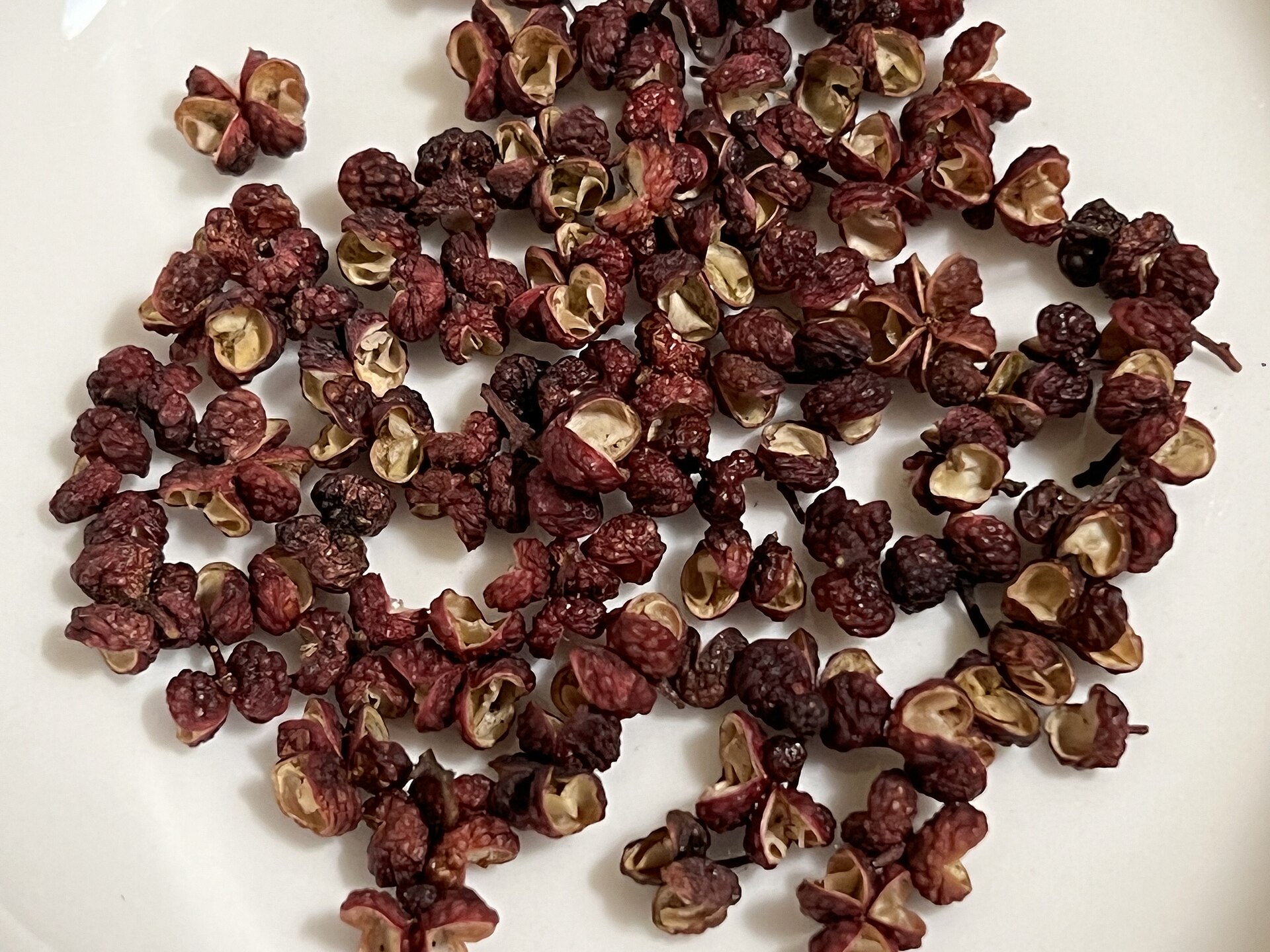
- For any spice drawer — whole Sichuan peppercorns: brick-red and fragrant even through the packaging, bought small because their tingle is perishable
- For a tea drinker — a Sichuan green tea such as Zhuyeqing: dated, sealed and sensibly sized, not decanted into a decorative caddy
- For someone who keeps things — Shu brocade or Shu embroidery: a pouch, a scarf or a small framed piece whose technique and maker you can state out loud
- For a panda person — one well-made panda object: chosen for its design and stitching, from a seller who can say where it came from
- Eat in Chengdu instead — rabbit dishes, skewer rounds and fresh snack cakes: the sealed travel editions are different products with different rules
03 · TRY IT YOURSELF
Buy it the Chengdu way
Your ticks stay on this page only. No account or personal data is sent.
04 · THE PROOF
The facts this guide leans on
Hotpot base is a category, not a single recipe: retail packs differ fundamentally, some built on beef tallow and others on vegetable oil, and packs also differ in whether they are complete bases or concentrates expecting added water and aromatics — all of it stated on the label rather than the box art
Checked October 2026UNESCO's inscription for the sericulture and silk craftsmanship of China names Chengdu among the tradition's locations, giving Shu textiles a genuine cultural pedigree — while certifying nothing about any individual item on any individual shelf
Checked October 2026Shu brocade and Shu embroidery are different crafts with different economics: brocade carries its pattern in the weave itself, while embroidery builds a design in thread on a finished cloth — and Chengdu's embroidery is counted among China's four celebrated regional styles
Checked October 2026The numbing power of Sichuan pepper lives in aromatic compounds that fade with air and time; whole peppercorns hold their fragrance far longer than ground pepper, which is the practical reason small, well-sealed bags outperform bulk sacks
Checked October 2026A panda bought beside an attraction is not, by that fact alone, an official product of it: proximity proves nothing, and the maker's or licensing label is the only reliable evidence of what a panda souvenir actually is
Checked October 2026Food gifts cross borders as agricultural goods, not as souvenirs: the United States requires arriving travellers to declare every food item, and meat products sit under the tightest restrictions — a factory seal or vacuum pack has no bearing on whether something may enter
Checked October 2026Local demand signal lives on Dianping, where Chengdu shoppers rate the food shops and specialty retailers they actually use; a neighbourhood store with a long local review history is a better lead than a famous address with a queue of tour groups
Checked October 202605 · STEP BY STEP
The shopping run, in order
- Step 1 — Sort the list into eaten and kept
Before entering any shop, divide your names into people who cook and people who keep. Cooks get ingredients: doubanjiang, peppercorns, hotpot base, tea. Keepers get objects: a textile, a framed embroidery sample, the one good panda. The split matters because the two lists are bought in different places, judged by different tests and packed in different parts of the case. A single mixed trolley in a gift emporium is how both lists end up mediocre.
- Step 2 — Buy the pantry where Chengdu buys it
Take the food list to an ordinary supermarket or food retailer on a street you are already walking. The relevant shelf is unglamorous and exactly right: rows of doubanjiang jars, foil blocks of hotpot base, bags of peppercorns and chillies, all priced for repeat purchase by people who will notice if quality slips. Pick up two brands of the same item and compare them side by side — ingredients, weight, date — the way the shop's regular customers plainly do. A specialty food shop near your route makes a good second comparison; a scenic-area gift counter is a third, and usually the most expensive way to buy the same jar.
- Step 3 — Choose the doubanjiang like a cook
This is the single most Chengdu-specific thing you can carry home: a fermented paste of broad beans and chilli that underpins mapo tofu, twice-cooked pork and half the sauces you have eaten all week. Because a spoonful goes a long way, the small jar is the generous choice, not the mean one. Compare saltiness and heat by the label, note the bean, soy and wheat content for anyone with allergies, and follow the storage directions printed on that exact jar once it is opened. Save the trip out to the Ande production site for a free half-day and a genuine interest in fermentation; the ingredient itself needs no pilgrimage.
- Step 4 — Hotpot base and peppercorns, with your eyes open
For hotpot base, decide your format before the shelf decides for you: tallow-based blocks carry the classic rich flavour and a meat content that matters to vegetarians and to some border regimes; oil-based versions travel lighter in every sense. Check whether the pack is a complete base or a concentrate, and how much water it expects — that line on the back decides whether your friend recreates dinner or a salt lick. For peppercorns, buy whole, buy red, buy small: rub a few husks if a sample is open, because the citrusy buzz should be obvious before the bag is. Add a dated, sealed pack of Sichuan green tea here if your list has a tea drinker — bought as a staple, in a quantity that will be drunk while it is still itself.
- Step 5 — Slow down for the textiles
Brocade and embroidery deserve a different tempo from the food run, ideally at a specialist shop or an identifiable maker's counter. Run the three questions: woven or stitched, hand or machine, which fibre. None of the answers disqualifies a piece — machine work honestly described can be a fair buy — but the answers set what a fair price looks like. Turn the piece over and inspect the reverse, the seams and the backing; serious work is finished on both sides. A pouch or a small framed sample is the intelligent format: close enough to examine properly, light enough to carry flat, and large enough to show the technique.
- Step 6 — Pick the panda last, and pick one
Do the panda purchase as its own small decision, after the food and textiles are settled. Choose on design and usefulness — the illustration you would still like in five years, the toy with stitching that survives a child's affection — rather than on how many pandas fit in the bundle. Check for a maker or licensing label if authenticity matters to you, and be sceptical of any claim that a purchase funds conservation unless the seller can show you exactly how. One good panda, bought deliberately, reads as a souvenir of your trip; a nest of them reads as a layover.
- Step 7 — Pack for leaks, weight and questions
Pastes and oils go in checked luggage, double-bagged, lids taped, because a doubanjiang incident inside a suitcase is forever. Keep every original label attached and the receipt with the goods. Put textiles flat between clothes, framed pieces in the centre of the case, and the peppercorns somewhere they will not perfume a silk scarf. Then do the unglamorous final step before you fly: read your home country's rules on food, seeds and animal products, decide what gets declared — when in doubt, declare — and leave any meat product out of the plan unless you have confirmed it may enter.
06 · WHERE THIS BREAKS
Where the advice stops working
'Only sold here' is a sales line, not a fact
Claims that a product exists only in one shop, or that every local buys exactly this box, are the soundtrack of the souvenir trade everywhere on earth. The categories in this guide are sold all over Chengdu; your defence is comparison — the same jar on an ordinary shelf — not suspicion of any particular seller.
Not every red pack is vegetarian, and allergens hide in the good stuff
Tallow-based hotpot bases are common, and doubanjiang brings broad bean, soy and often wheat into the jar. If the gift is for a vegetarian or anyone with an allergy, the ingredient panel is the gift decision — read it in the shop, with translation help, rather than discovering it at their stove.
The scenic premium is real, and so is the generic panda
The same categories cost more beside the famous sights, and panda-shaped goods are manufactured for the whole country, not just this city. Paying the premium for a labelled product from an identifiable maker is a choice; paying it for an anonymous box is a tax on tiredness.
Fresh food belongs to the trip, not the suitcase
Rabbit dishes, skewers eaten standing up, pancakes off a griddle — these are Chengdu experiences, not luggage. Vacuum-sealed editions exist, but they are different products with their own instructions and their own border questions; spending the money on one more meal in the city is usually the better conversion.
Shelf life belongs to the individual product
There is no citywide rule for how long a paste, tea or spice keeps. The dates and storage directions printed on the exact item you bought are the whole authority — which is why the labels stay on and the receipt stays with the goods.
Weight and breakage quietly set the real budget
A banquet-sized gift set or a large framed textile can cost more to transport safely than it cost to buy, and glass jars travel badly in soft bags. If a piece is big, fragile and loved, ask the shop about proper packing or shipping before paying, and price that into the decision.
07 · KEEP READING
Keep the trip moving
 Beijing · DoBeijing Souvenirs Worth the Suitcase Space: Counter Pastries, Jasmine Tea and Folk CraftSkip the vacuum-packed duck. What Beijing people actually give each other is a box of counter pastries, tea chosen by drinking it, and one small piece of folk craft with a maker's name attached — here is how to buy all three like you mean it.Reference ~
 Chengdu · DoChengdu First Time: Pandas Early, Tea Slow, Everything Else AfterOne protected morning with the pandas, one long afternoon in a park teahouse, and a city that rewards you for not rushing — how a first Chengdu trip actually fits together.Verified
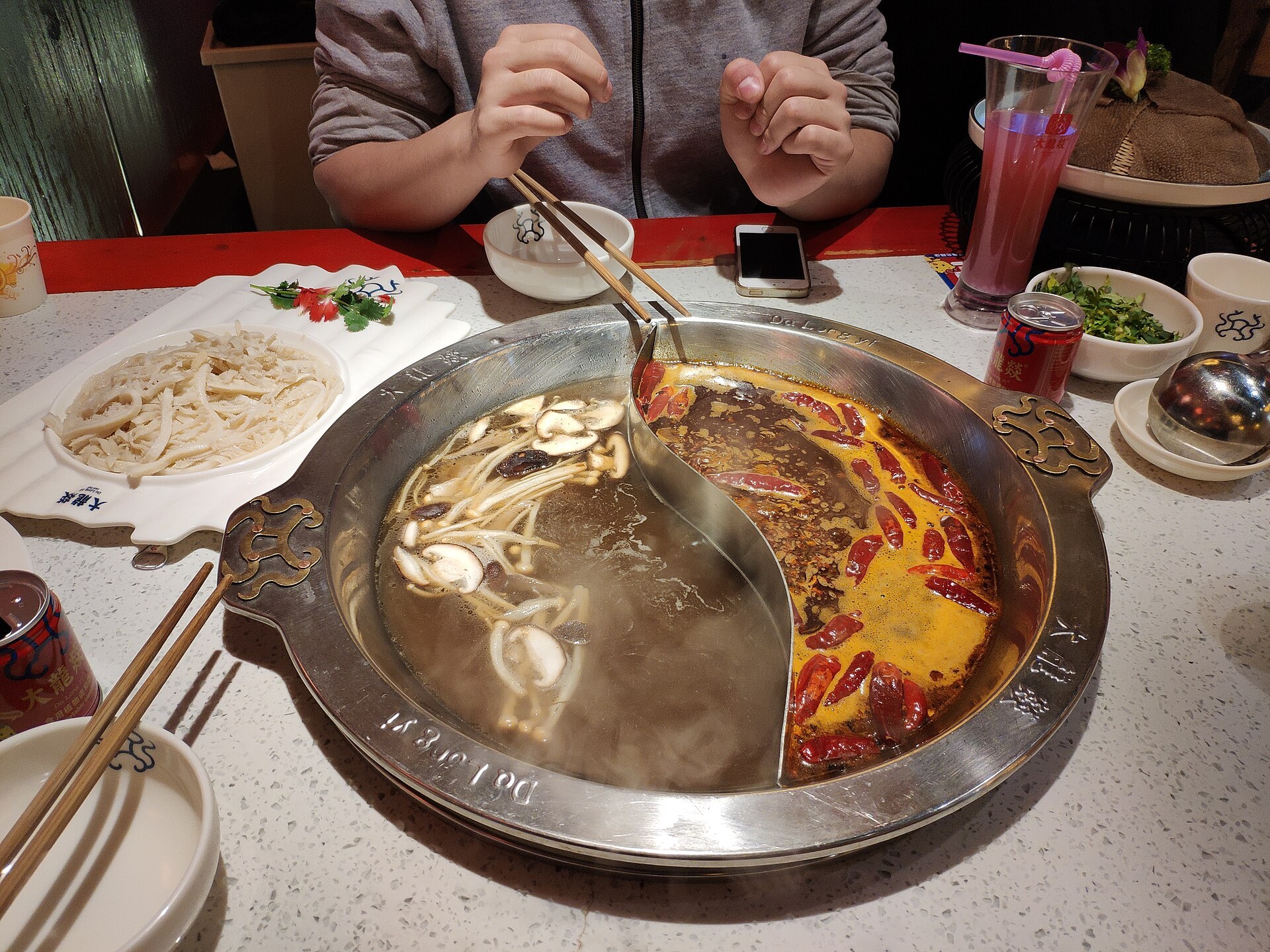 Chengdu · DoChengdu Food Guide: Hotpot First, Then the Spice LadderA split pot for the table that disagrees, a dipping sauce you build yourself, and noodles that run on chilli oil — Chengdu food is a system, and here is how to work it.Estimate ≈
08 · SOURCES
Sources and status
Prices, schedules and booking channels change. Recheck the details that matter before you travel.
- UNESCO — Sericulture and silk craftsmanship of China (Intangible Cultural Heritage listing)VerifiedNames Chengdu among the tradition's locations; used for the textile pedigree, not as certification of any retail item
- Chengdu Research Base of Giant Panda Breeding (official site)Reference ~The attraction's own channel — the reference point for what counts as its official merchandise
- US Customs and Border Protection — food and agricultural items for travellersVerifiedDeclaration duties and restricted categories; other destinations run their own equivalent rules
- Dianping (Chengdu food shops and specialty retailers — local demand signal)Reference ~Local review patterns for ordinary retailers; directional signal only, no rankings reproduced