
Shanghai Metro runs 21 lines and 500+ stations, and you can tap a foreign Visa, Mastercard or UnionPay card directly at the gates — no local card or account needed
Checked October 2026GUIDES / TRANSPORT
Getting Around Shanghai: Metro, DiDi, Taxis and Bikes Without the Friction
Metro for the corridors, DiDi for the awkward diagonals, a bike for the last kilometre — and the three small setups that make all of it painless.
City Shanghai12 min read9 facts labeledChecked 2026-10-29
01 · IN BRIEF
The short answer
A first-time visitor we helped landed at Pudong, followed the metro signs like a pro — and then spent 25 minutes walking inside one interchange station, surfaced from the wrong exit into a six-lane road, and watched two taxis ignore her wave before a stranger ordered her a car on his phone. Nothing about Shanghai transport is hard. The friction is all in the details nobody warns you about: the interchange walks, the exit numbers, the pickup point.
The good news: this is one of the easiest big cities on earth to move through once you hold three things — a working payment app, a ride-hailing app, and the habit of navigating by station exit numbers. This guide sets those up, mode by mode.
02 · SEE IT
Pick the mode by the situation
- One direct metro line between you and the destination → Metro, no debate
- A pair of adults crossing the central districts → Metro or DiDi — check the live trip time first
- A stroller in the group, or older relatives → Taxi, DiDi, or whichever metro route changes trains least
- Serious luggage → Taxi, or a private transfer booked ahead
- Bund (Puxi) to Lujiazui (Pudong) → Metro for speed, ferry for the slow skyline, taxi when timing is tight
- Late night → Official taxi or DiDi, and a pickup point you have checked
- Awkward route with two interchanges → Taxi or DiDi beats the corridor walks
- Last 1–2 km inside one neighborhood → Shared bike or your own feet
03 · TRY IT YOURSELF
Set up before your first ride
Your ticks stay on this page only. No account or personal data is sent.
04 · THE PROOF
The numbers that matter
Metro fares are distance-based: most in-city rides land roughly in the ¥3–7 range, while the full run out to Pudong Airport costs a few yuan more
Checked October 2026The Maglev covers Pudong Airport to Longyang Road in about 8 minutes, but Longyang Road is not the centre — the trip only pays off when paired with a Line 2 or Line 16 ride onward
Checked October 2026Shared bikes (Hello, Meituan) unlock by app QR at roughly ¥1.5–2.5 per short ride, priced per time block rather than per trip
Checked October 2026DiDi works for foreign visitors through its international app and through mini-programs inside Alipay, with the destination typed in advance — the single biggest fix for language friction
Checked October 2026Shanghai's official 2025 visitor guidance lists the local mobility apps Suishenxing and Shanghai Metro Daduhui as ticket channels, alongside staffed single-journey ticket sales at station service desks
Checked October 2026Foreign-card acceptance inside Shanghai taxis is expanding but partial: the city's own guidance warns visitors not to assume every cab takes every foreign card, keeping Alipay, WeChat Pay or cash as the working backup
Checked October 2026The walkable Shanghai clusters by district — Wukang Road and Anfu Road, Xintiandi, the Bund, Yuyuan and the riverside promenades — and each works as its own half-day, not as stops on one giant cross-city walk
Checked October 2026Trip reports by local travelers keep surfacing the same gap: routes that read as two short metro rides turn exhausting once a long interchange, a far exit and a 15-minute street walk stack up — some sightseeing days quietly pass 20,000 steps
Checked July 202605 · STEP BY STEP
Mode by mode
- Ride the metro like a local
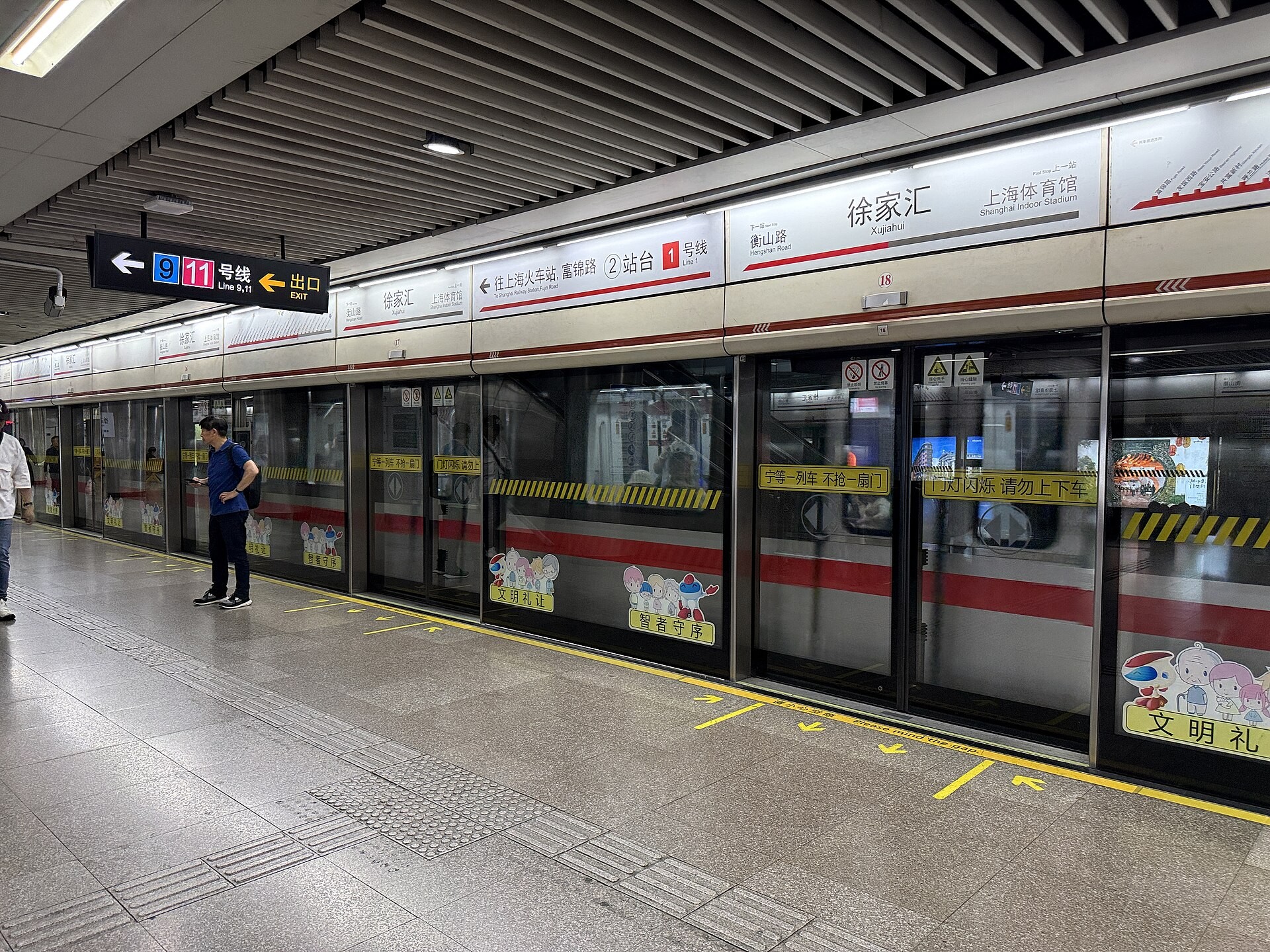
Enter by the gate row, tap your foreign bank card, scan your Alipay/WeChat city transport code, or buy a single-journey token at the machine or service desk. On the platform, check the direction by the terminal station name, and before you board, note your exit number at the destination — in Shanghai, the right exit routinely saves 10 minutes of street-level backtracking. Judge routes by their changes, not their stop count — the metro shines on direct corridors such as Pudong to People's Square, Jing'an into the central sights, and Line 10 skirting the Former French Concession.
- Set up DiDi once, use it everywhere
Download DiDi before you fly (or open its mini-program in Alipay), register with your overseas number, and pay by linked card or wallet. Type the destination instead of saying it, walk to the pin the app gives you — at stations, malls and the Bund the pickup point is a specific curb, not wherever you are standing — and match the plate and car color before you get in.
- Take taxis the official way
Street taxis still work well, especially from the official queues at airports and railway stations. Have the destination ready as an address written in Chinese characters (your hotel's app page or booking confirmation shows it), expect the meter, and pay by Alipay, WeChat Pay or cash. Skip any driver who approaches you inside a terminal offering a fixed price.
- Use shared bikes for the last kilometre
Find a dockless bike, scan its QR in Alipay (Hello) or the Meituan app, and ride on the marked bike lanes — never on the pavement. Park inside the painted boxes at the end or the app keeps charging; a photo of the parked bike is sometimes requested. E-bike sharing exists in outer districts, but central-area trips belong on pedal bikes.
- Choose airport and station transfers by luggage, not price
From Pudong Airport: the metro Line 2 is cheapest and predictable; the Maglev-plus-metro combo is a thrill that saves real time only for Pudong-side stays; a taxi or DiDi is the rational choice with luggage, kids or a late arrival. From Hongqiao: Line 2 and Line 10 run straight into the centre. Between Shanghai's railway stations and your hotel, metro beats road traffic at almost any hour.
- Cross the river by ferry when the timing fits
A public ferry gives you the skyline from water level — lower and slower than any observation deck, and better for it. Think of it as a crossing first and a viewpoint second — not a cruise you can plan connections around. Routes, payment options and last departures shift, so confirm the sailing on a live map or official source the same day.
- Walk one neighborhood, then reset
Walking is where Shanghai rewards you — the Wukang and Anfu Road lanes, Xintiandi, the Bund, Yuyuan, the riverside paths. The mistake is chaining them into one heroic cross-city march. Build the walk inside a single district, then take the metro or a car to the next one and start fresh.
- Travel with luggage, kids or limited mobility — plan for effort, not just time
The cheapest route is often not the easiest. Hauling two big cases plus a stroller, what matters is elevator access, how far the station walk really is, the weather, and where the hotel entrance actually sits — the lift may be nowhere near your exit. A taxi or private transfer is a sensible purchase even if the metro timetable claims a quicker trip.
- Know when a private transfer earns its money
Paid door-to-door transport pays off at the friction peaks: airport arrivals, traveling with family, mobility limits, days with several hotel changes, late-finishing events, and day trips that station transfers would eat alive. On a straight central metro run with light bags it adds almost nothing. The point is not a car for every day of the trip — it is deleting the handful of journeys most likely to go wrong and sour the whole visit.
06 · WHERE THIS BREAKS
When the system fights back
The metro stops at night
Most lines wind down in the late evening (roughly 22:30–23:30 depending on the line and station). After that, DiDi and taxis are the network — allow extra wait time outside big venues.
Interchange walks are real distances
People's Square, Century Avenue and other mega-interchanges involve very long underground walks. If a route needs two changes with luggage, a direct car is often genuinely faster door to door.
Rush hour changes the math
Metro and roads both saturate between about 7:30–9:30 and 17:00–19:00. A cross-town trip that takes 25 minutes at noon can take an hour — schedule airport runs with buffer.
Bikes and ferries have edge cases
Shared bikes require an app account in good standing; some services ask for identity verification that can stall a first ride. Treat bikes as a day-two convenience, not your arrival plan. Public ferries are lovely but routes and last sailings change — check the same day, never plan a tight connection around one.
What is the easiest way to get around Shanghai?
There is no single winner. The metro takes the long straight runs across the city; cars — taxi or DiDi — take everything awkward: short hops between neighborhoods, bags, small children, grandparents, and anything after the last train. Keep walking for inside a single district.
Can foreign visitors ride the metro on an international bank card?
Yes, at supported gates: official guidance confirms contactless UnionPay, Visa and Mastercard acceptance, with station service centers and the local mobility apps as further ticket channels. Acceptance can still vary by card and gate, so carry a backup payment method.
Is DiDi usable in English in Shanghai?
Mostly: the app offers visitor-friendly options and also lives inside the big payment apps as a mini-program. Keep your hotel's name and street address saved in Chinese characters — the remaining friction is pickup points and driver communication, not the app itself.
Is the metro realistic with luggage or a stroller?
Possible, but manage expectations: big interchanges mean long corridors, elevators are not always near the exit you wanted, and rush-hour trains are hard work with bags. When a route needs several changes, a taxi or private transfer usually wins back the metro's paper advantage.
Operations change under you
Gates, card readers, cab payment kit, ferry schedules, app screens and road access all change without asking. Check the route again on the day you actually travel, through official channels and a live map — and use local social posts to understand where the friction is, never as the source for how the system runs today.
07 · KEEP READING
Keep the trip moving
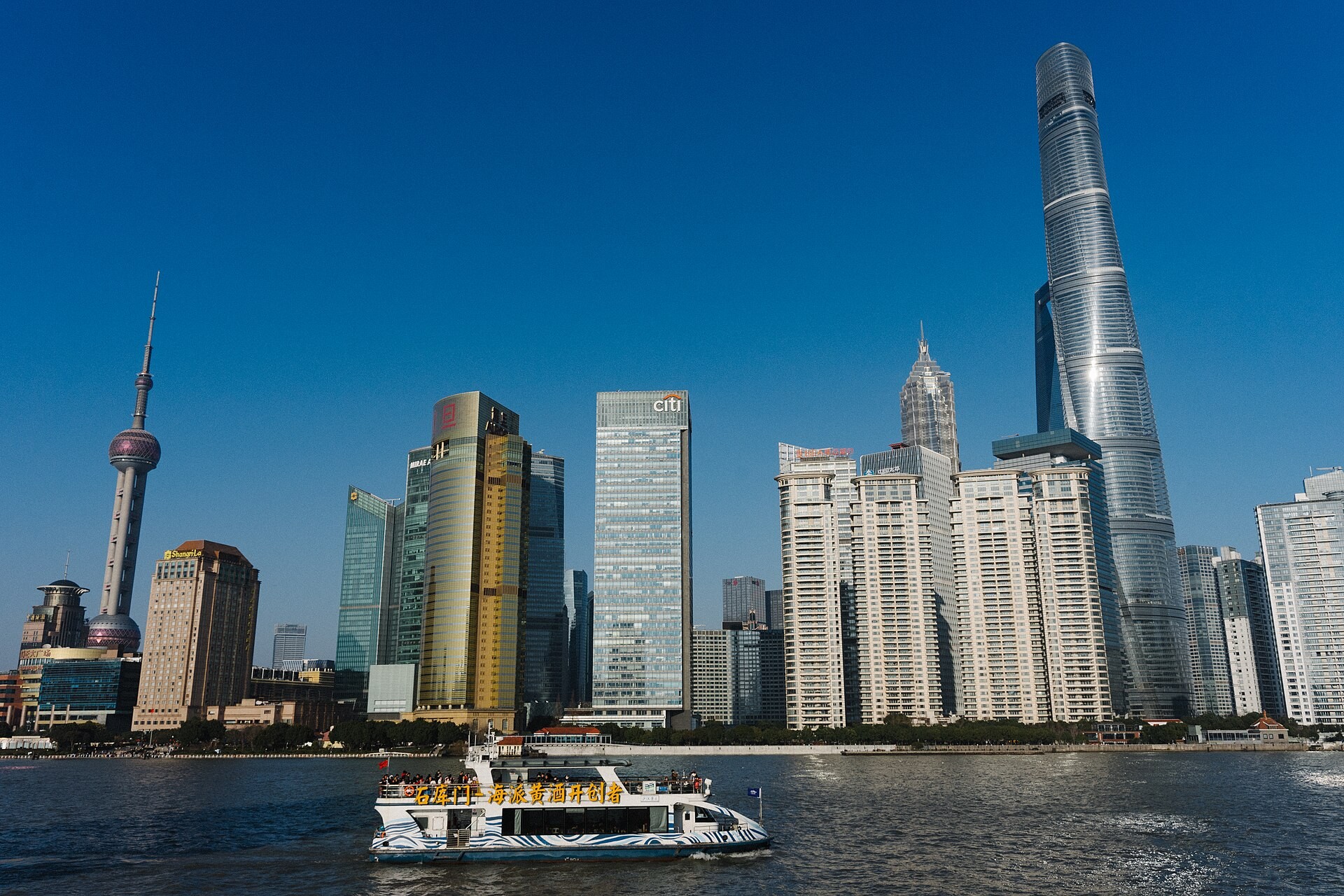 Shanghai · PrepareWhere to Stay in Shanghai: The Right Neighborhood for Your Travel StyleShanghai is really two cities split by a river. Pick the side your days will live on first, then match the neighborhood to how you actually travel.Reference ~
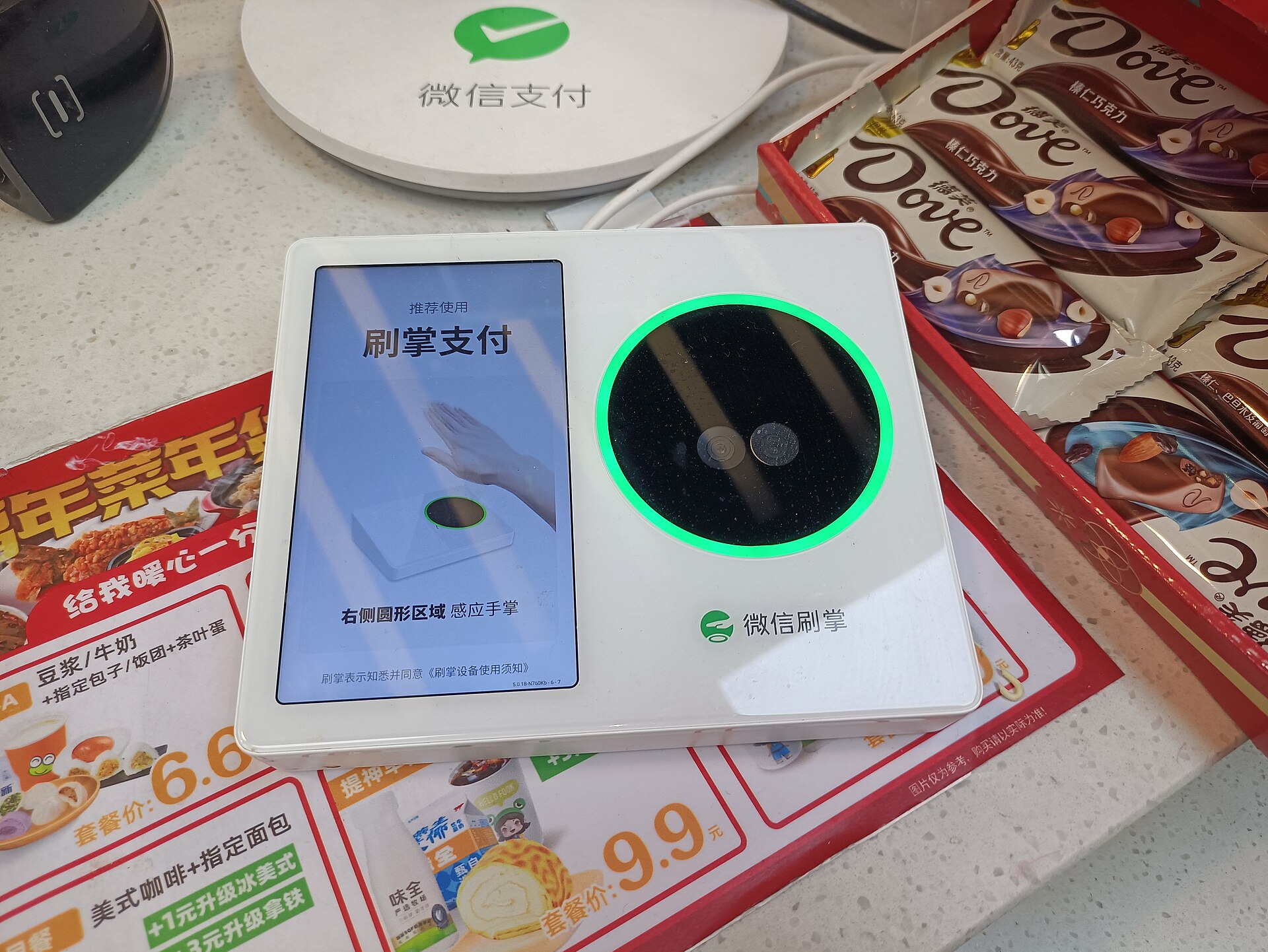 China · PrepareHow to Pay in China (2026): Alipay, WeChat Pay, TenPayGo, Cards and CashSet up one wallet before you fly, add a second as backup, and understand the two numbers that explain most payment confusion.Reference ~
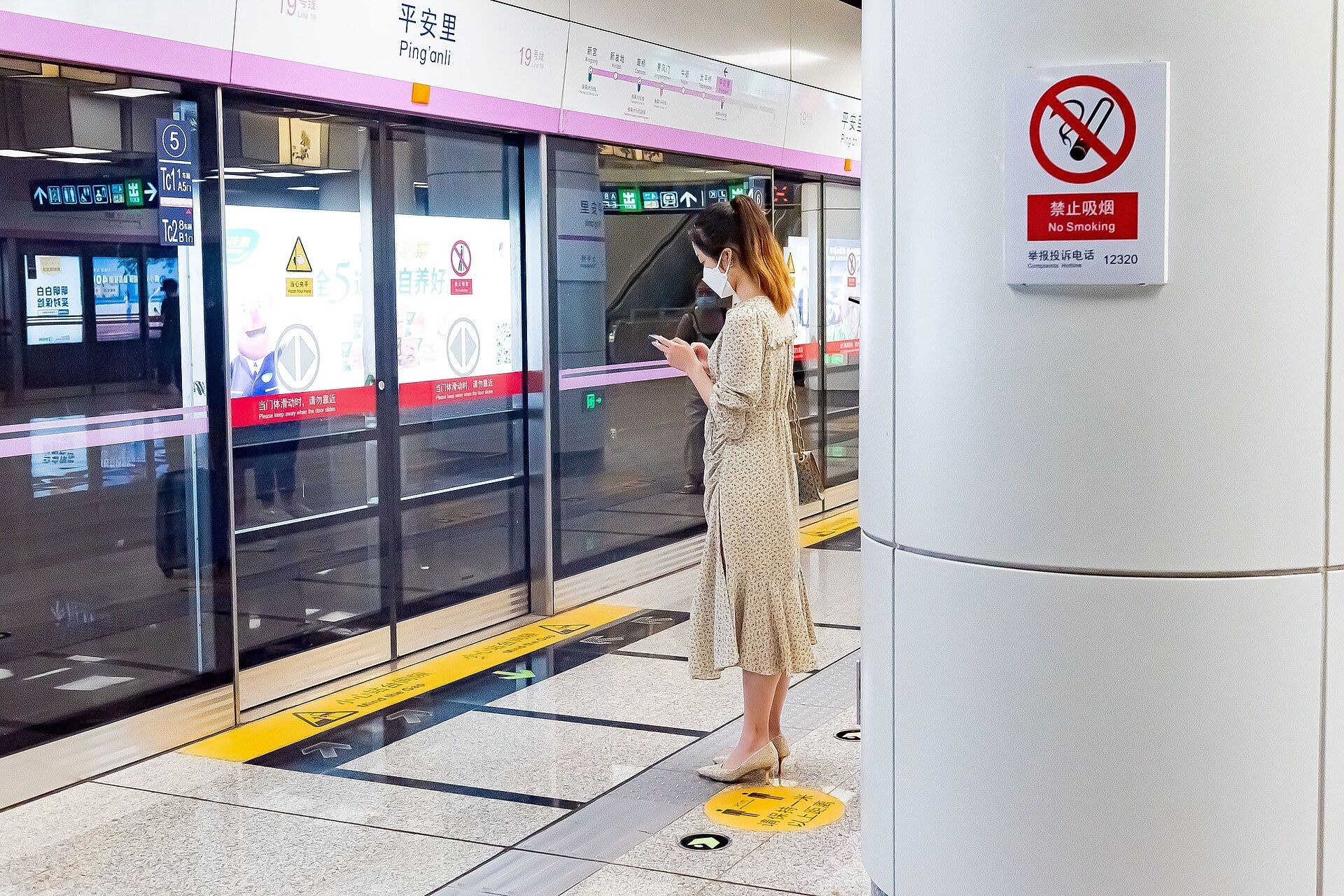 China · PrepareInternet & eSIM in China (2026): Roaming, Travel eSIM, Local SIM and Wi-Fi ComparedYour phone will work in China. The real question is which internet it connects to — every connectivity choice is a choice between two exits.Reference ~
08 · SOURCES
Sources and status
Prices, schedules and booking channels change. Recheck the details that matter before you travel.
- Shanghai Metro official service siteReference ~Official Shanghai Metro passenger service information; check live before travel
- Shanghai International Services (english.shanghai.gov.cn) — official visitor portalReference ~Source of the city's visitor transport and payment guidance; verify live before travel