
The vocabulary splits the meal in two: 'yum cha' names the tea drinking, 'dim sum' names the small dishes — the institution is the combination of both
Checked October 2026GUIDES / FOOD
Guangzhou Dim Sum: Yum Cha Is a Pace, Not a Checklist
Tea is chosen before food, baskets arrive in waves, and the table fills at the speed of conversation. Morning tea is this city's social operating system — here is how to sit down and run it properly.
City Guangzhou12 min read10 facts labeledChecked 2026-10-30
01 · IN BRIEF
The first question is about tea
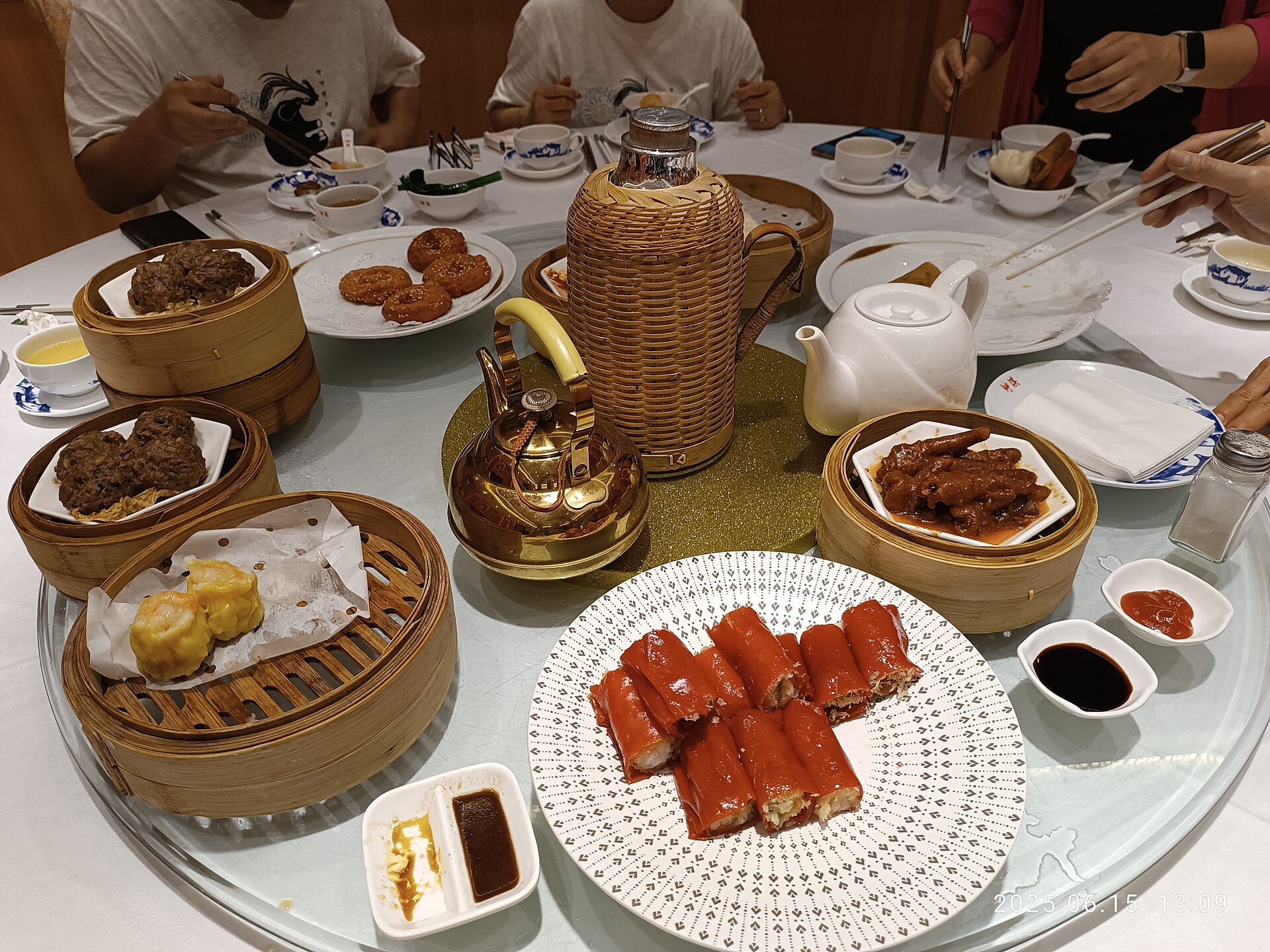
You have been seated for perhaps forty seconds when the first decision of the meal arrives, and it is not about food. 'What tea?' the server asks, the way other restaurants might ask whether you have a reservation. Around you, in a garden restaurant in Liwan that has been doing this since long before you were born, the morning is already in full session: a grandfather reads the paper through his glasses at arm's length, a kettle in a woven jacket sweats gently beside a brass pot, and a three-generation family negotiates the order card with the seriousness of a small parliament. Steam rises off a passing tray. Nobody is in a hurry, and that — not any single dumpling — is the thing you came for.
Outsiders tend to treat dim sum as a tasting flight: arrive, photograph, work down a list of famous items, leave. Guangzhou treats it as an institution with its own grammar. The tea is the anchor, the dishes are punctuation, and the meal is supposed to expand to fill the morning. Visitors who rush it get fed perfectly well and miss the point entirely; visitors who slow down get adopted by the rhythm — ordering in waves, pouring for each other, letting the table fill and empty and fill again.
This guide teaches the grammar. What the words actually mean, how ordering really works in a modern Guangzhou hall, how to build a first order that covers the techniques without burying the table, how the tea itself is handled, and where the traps are — the vegetarian dish that is not, the branch that trades on a famous name, the ten identical steamers ordered in one panicked first round.
There is also a quieter pleasure in doing this well: morning tea is one of the few traveller experiences in China where the correct move is to do less, more slowly. No ticket window, no timed entry, no summit. Just a pot that keeps getting refilled, a table that keeps quietly improving, and a room full of people who have arranged their retirements around exactly this. Learn the handful of moves in this guide and, for one morning, you are not observing Guangzhou's food culture from outside it. You are sitting in the middle of it, holding a cup.
02 · SEE IT
One morning tea, in running order
- Minute 0 — The tea decision: a pot is chosen before a single dish, and its charge joins the bill from this moment
- Wave 1 — The delicate openers: a steamed dumpling with a translucent skin, ordered small, eaten immediately while the wrapper still shines
- Wave 2 — The savoury core: a pork-based dumpling or bun, steamed ribs or beef balls — the dishes that carry the meal's weight
- Wave 3 — The starch course: silky rice rolls or a bowl of congee, which fill far more than their size suggests
- Wave 4 — The contrast round: something baked, fried or crisp, plus a plate of greens or tofu to reset the palate
- The finish — One sweet item, ordered late and shared, when you actually know how much room is left
- First-order card — Har gow: the examiner's dish. A pleated, near-transparent wrapper and shrimp with snap; if a kitchen nails this, trust the rest
- First-order card — Siu mai: the open-topped standard, Cantonese style usually marrying pork with shrimp under a thin wheat skin
- First-order card — Cheung fun: rice sheets steamed to order and flooded with seasoned soy; it lives or dies on freshness and the pour
- First-order card — Chicken feet: braised, wrinkled, entirely ordinary. A delicious dish wearing a scary costume — order it if curious, skip without ceremony if not
03 · TRY IT YOURSELF
Do it like a local
Your ticks stay on this page only. No account or personal data is sent.
04 · THE PROOF
The facts that shape the meal
In most Guangzhou halls the tea is selected before any food is ordered, and a tea charge — commonly per person — forms part of the final bill
Checked October 2026Cantonese siu mai typically combines pork and shrimp in an open-topped parcel, unlike the glutinous-rice versions common further north
Checked October 2026Har gow is judged on its wrapper: translucent, pleated and elastic enough to hold whole shrimp without tearing
Checked October 2026Cheung fun depends on rice sheets steamed fresh and sauced at the table; it deteriorates faster than almost anything else on the menu
Checked October 2026Dishes that look purely vegetable can still be seasoned or cooked with oyster sauce, lard or meat stock, so colour is no guide for vegetarian diners
Checked October 2026Ordering technology varies by venue — paper cards, QR-code menus, table-side ordering and display counters all coexist in the same city
Checked October 2026Shared steamers, fryers and utensils are the norm in dim sum kitchens, which makes cross-contact a real consideration for severe allergies
Checked October 2026The Cantonese food culture behind morning tea is anchored regionally by Shunde's UNESCO Creative City of Gastronomy status
Checked October 2026Established halls fill from early morning with regulars — including retirees who treat a long, small-order breakfast as a daily fixture rather than an occasion
Checked October 202605 · STEP BY STEP
Run a morning tea, step by step
- Step 1 — Choose the branch, not just the name
Famous Guangzhou teahouse names often run several branches, and they are not interchangeable: the room in the photograph may be calmer, larger or simply better than the one your map app surfaces first. Choose by the day's route, group size and dietary needs, verify the exact address and current hours, and favour a branch near where the day continues. A grand old hall gives you theatre and a huge menu; a neighbourhood room gives you quiet and speed. Neither is automatically the more authentic breakfast.
- Step 2 — Answer the tea question like it matters
It does. The pot arrives first, sets the pace and usually carries a per-person charge, so treat the choice as the meal's foundation rather than a drinks order. Pu'er is the deep, earthy default of old Guangzhou; jasmine is lighter; oolong sits between. If you have no instinct, ask for a gentle house recommendation and note how the charge works — per person, per pot or by tea type. Then settle into the ritual: pour for others before yourself, keep the pot within everyone's reach, and let the tea keep the conversation company.
- Step 3 — Build the first order by contrast, not by fame
A balanced opening round touches different techniques rather than stacking one of them. Take one delicate steamed dumpling, one heartier pork or beef item, one rice-based starch such as cheung fun or congee, one baked or fried piece for crunch, and one vegetable plate. That framework adapts to any menu and any group; a rigid top-ten list does not. Small groups especially should open modestly — you can always summon a second wave, and the second wave is where ordering gets intelligent.
- Step 4 — Read the classics for what they test
Each famous dish is a kitchen examination in disguise. Har gow tests wrapper craft and shrimp quality. Siu mai tests seasoning balance. Cheung fun tests timing — the sheet must be steamed, filled, sauced and eaten inside its brief prime. Steamed ribs, beef balls, chicken feet, taro and custard items each show a different corner of the kitchen. Order them with curiosity, ask what the house is proudest of, and treat the less familiar items as food rather than as dares to be performed for an audience.
- Step 5 — Pace the middle of the meal
Wait for the first wave to land before ordering more; baskets hold several pieces, and rice rolls and congee occupy more stomach than their footprints suggest. Drink the tea, watch the room, let the table breathe. If a signature item sells out, ask for something in the same technique family instead of mourning it. Delicate steamed dishes are at their best in the minutes after they arrive and travel poorly, so the version eaten at the table will always beat the takeaway box.
- Step 6 — Close the bill calmly and completely
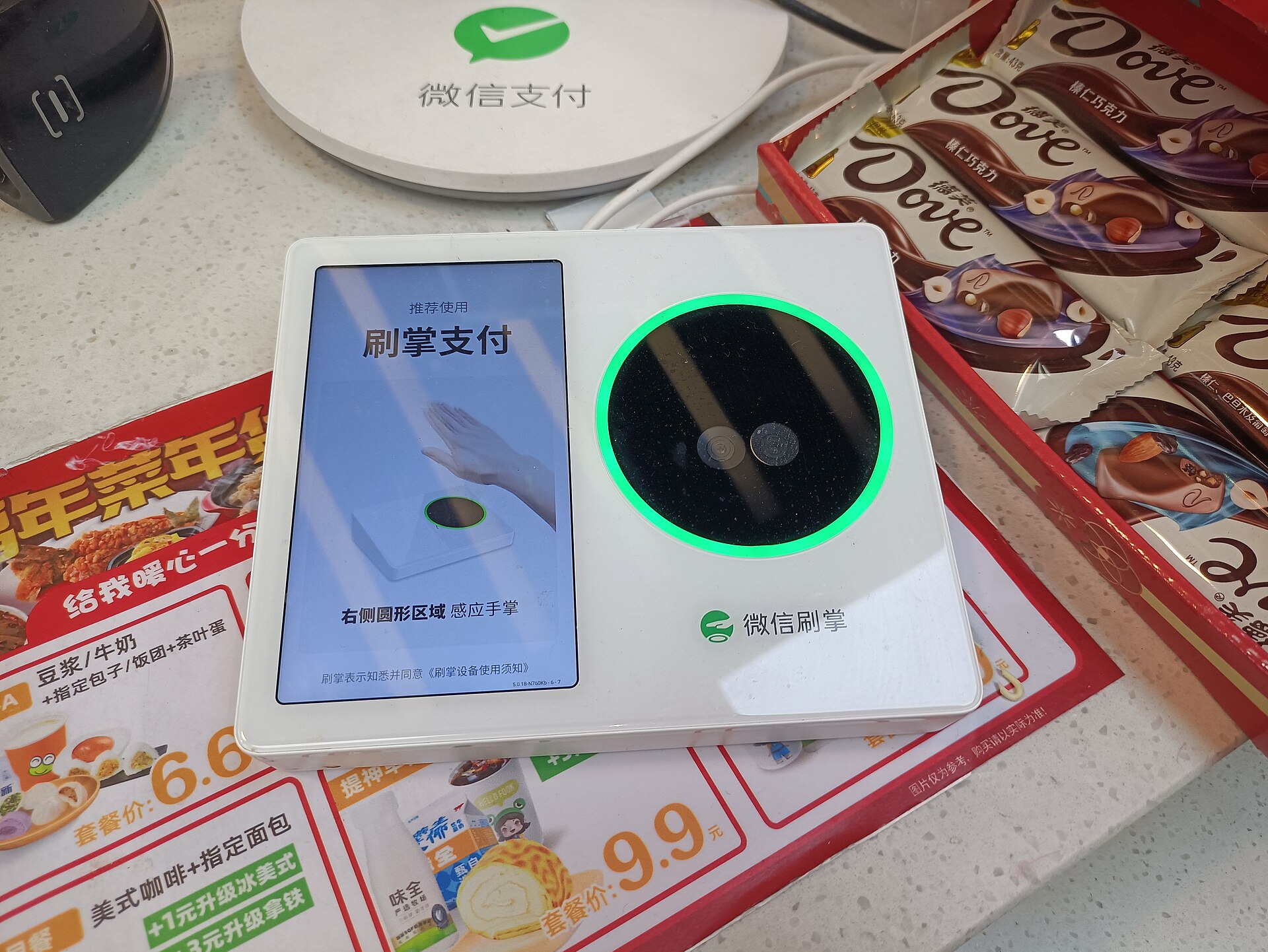
The final number typically combines the dishes with the tea charge and any table or service lines the house applies. Set the order card — or its digital equivalent — against what the table remembers ordering, and ask politely about anything unfamiliar — staff would rather explain a line than argue about it. Keep both a working digital payment method and a backup. Tipping customs here differ from North America's; follow the house's own policy instead of importing a foreign one.
06 · WHERE THIS BREAKS
Where this breaks
The over-order is the universal first-timer's tax
Ten steamers ordered in one enthusiastic pass means eight arrive together, cool together and outstay the table's appetite. The food is portioned for groups sharing across a morning, not for two people attempting completeness. Wave ordering is not a style tip; it is the mechanism the whole meal is designed around.
Vegetarian and vegan diners face invisible ingredients
Mushroom fillings can still ride on animal-based seasoning, wrappers and broths hide stock, and a 'vegetable dish' describes the headline ingredient, not the cooking medium. Use precise written Chinese, confirm fillings, sauces and shared preparation directly, and consider a dedicated vegetarian house when certainty matters. Picking the visible meat out of a finished basket is not a solution.
Allergies need a conversation, not just a card
Shrimp, shellfish, peanut, sesame, wheat, egg and soy run through this cuisine, and shared steamers make cross-contact plausible even in a carefully chosen dish. A translated allergy card starts the conversation; only staff confirmation about the actual kitchen finishes it. Carry your medication, and be willing to choose a different restaurant if the kitchen cannot accommodate you safely.
The famous branch can be the wrong branch
A name with history does not guarantee the room nearest you cooks like the flagship, and a viral photograph tells you nothing about today's queue, hours or menu format. Verify the specific address, keep a same-style alternative in your pocket, and remember that locals defend their neighbourhood teahouses just as fiercely as the famous ones.
Morning tea is a morning commitment
Some houses serve dim sum into the afternoon, but formats thin out and the full theatre is a morning institution. Book it as the day's opening act with real time around it — a rushed yum cha before five attractions satisfies nobody, least of all the kitchen.
Do not mistake the tea for the day's water
A pot of pu'er accompanies the meal beautifully and hydrates it poorly, especially before an afternoon of subtropical walking. Drink water alongside, carry more for the street, and let the tea be what it is: the social centre of the table, not a substitute canteen.
07 · KEEP READING
Keep the trip moving
 Guangzhou · DoGuangzhou for First-Timers: Teahouses in the West, Towers on the RiverThis is really two cities sharing one name — a merchant old town of arcades and morning tea in the west, and a glowing riverfront of towers in the east. Give each its own day, eat seriously in between, and the place clicks.Verified
 Guangzhou · PrepareGetting Around Guangzhou: Metro First, and Respect the Last 500 MetresThe network itself is fast, bilingual and forgiving. What actually decides your day is which terminal you land at, which station name is printed on your ticket, and which exit you climb out of — here is the system, leg by leg.Verified
 China · PrepareHow to Pay in China (2026): Alipay, WeChat Pay, TenPayGo, Cards and CashSet up one wallet before you fly, add a second as backup, and understand the two numbers that explain most payment confusion.Reference ~
08 · SOURCES
Sources and status
Prices, schedules and booking channels change. Recheck the details that matter before you travel.
- Dianping (Guangzhou restaurant reviews and must-eat lists — local demand signal)Reference ~Branch-level hours, queues and menu signals for Guangzhou teahouses; local patterns as described, no rankings reproduced
- Guangzhou International — the city government's English portalVerifiedOfficial city orientation, including Cantonese food culture and old-town districts
- UNESCO Creative Cities — Shunde (City of Gastronomy)VerifiedRegional Cantonese food-culture context for the morning-tea tradition