
In Cantonese, a small gift of food carried to someone is called shouxin, and the buying culture around it is recipient-first: locals sample a product themselves before presenting it, which is why counters sell loose singles alongside gift boxes
Checked October 2026GUIDES / SHOPPING
Guangzhou Souvenirs: Taste the Pastry Before You Box It
A biscuit with no chicken in it, lotus-seed pastries built for tea, a starch only a cook will love, and the old-town streets where Guangzhou does its own gift shopping.
City Guangzhou12 min read8 facts labeledChecked 2026-10-30
01 · IN BRIEF
The woman who tasted one biscuit, then bought six boxes
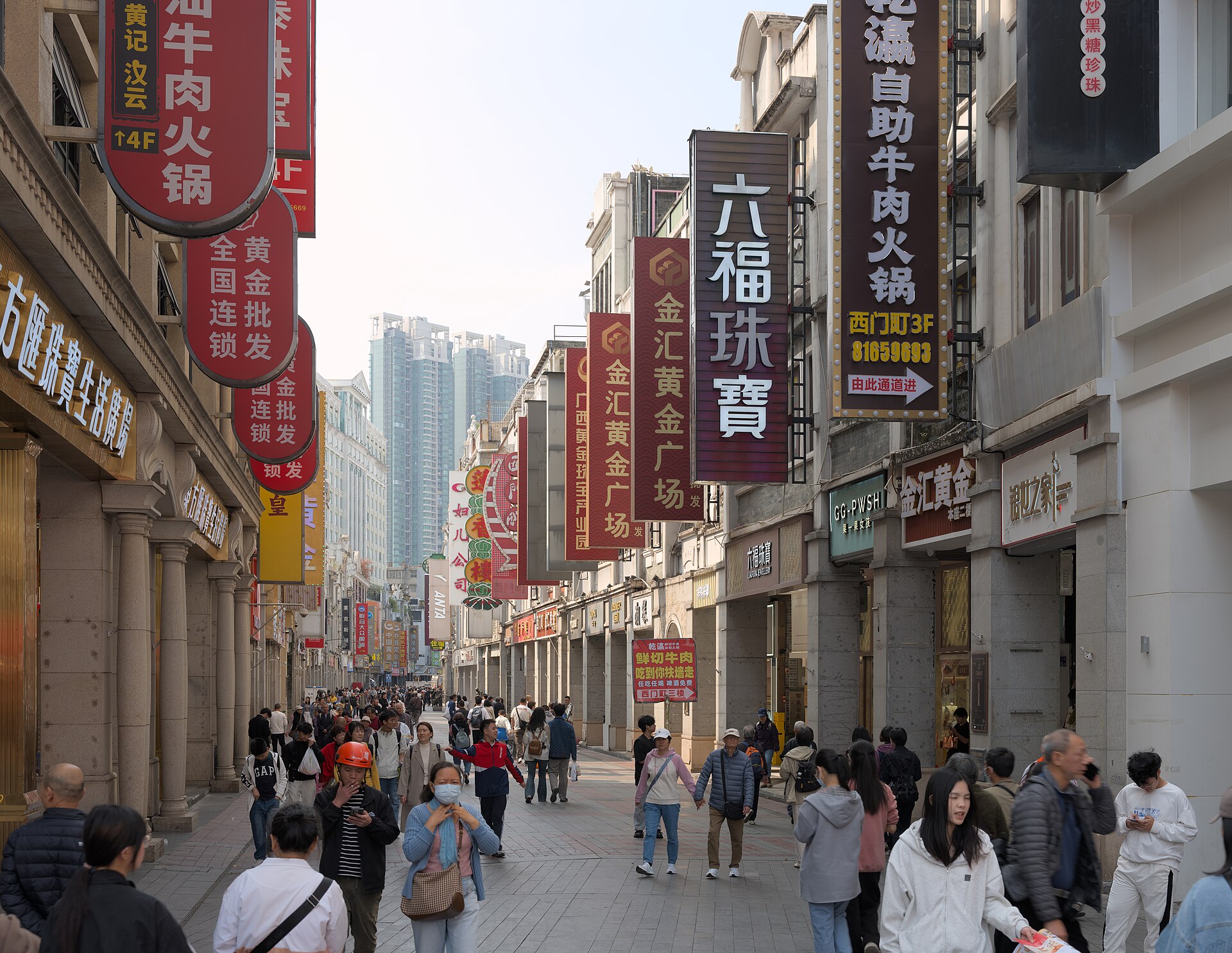
Mid-morning on Shangxiajiu, the arcade shades the pavement and the bakery counters are already doing brisk trade. Watch the local customers rather than the gift displays: a woman in office clothes asks for two chicken biscuits loose, eats one standing outside the shop, nods once, and goes back in for boxed sets. Nobody in the queue finds this strange. In Guangzhou a food gift is called shouxin — something you carry by hand to a specific person — and the etiquette is to know exactly what you are handing over before you hand it.
That single habit reorganises the whole souvenir question. The pastry counter is a tasting exercise first and a purchase second. The cured sausage you loved at lunch turns out to be a customs problem wearing a gift ribbon. The jade street two blocks away runs on completely different rules from the bakery. This guide walks the old-town gift run the way the city does it: taste first, read the label like it matters, split food from craft, and leave the things that are better eaten in Guangzhou in Guangzhou.
02 · SEE IT
The Guangzhou gift shelf, item by item
- Chicken biscuits (jizai bing) — the signature savoury-sweet pastry; the name promises poultry and delivers none, but pork fat, nuts and fermented notes are common
- Wife cakes (laopo bing) — flaky rounds with a soft winter-melon filling; the gentlest first purchase for a tea drinker
- Lotus-seed pastries — rich, dense fillings in the Cantonese style; a small assortment teaches you more than one big box
- Cantonese cured meats (lap mei) — glossy sausages and cured pork hanging in every old-town shop window; wonderful at dinner, troublesome at a border
- Water-chestnut starch (mati fen) — a packet for the cook in your life, not a ready dessert
- Water-chestnut cake (mati gao) — the steamed, bouncy slab the starch becomes; eat it here, warm, instead of packing it
- Canton enamel (guangcai) — porcelain painted in dense floral colour, made in the city for centuries of export trade
- Cantonese embroidery (yuexiu) — fine stitched work; check whether a piece is hand-stitched, machine-stitched or merely printed
- Hualin jade street — a whole trading quarter of jade shops near Shangxiajiu, selling at every level from trinkets to serious stone
- Lychee-wood carving — small dense-wood objects that use the region's orchard timber; light, packable and quietly local
03 · TRY IT YOURSELF
Do it like a local
Your ticks stay on this page only. No account or personal data is sent.
04 · THE PROOF
The facts this guide leans on
Chicken biscuits contain no chicken as a rule. The classic recipe is a savoury-sweet pastry that can include pork fat, nuts, candied melon and fermented flavourings, so neither the name nor the bakery setting establishes that a given pack is vegetarian or nut-free
Checked October 2026Guangzhou's market regulator officially recognises both the chicken biscuit and the wife cake as local shouxin categories, which is why searches under those two names find the established producers rather than souvenir-shop imitations
Checked October 2026The Guangzhou Commerce Bureau maintains an official city-gift selection that spans heritage crafts and contemporary local design, giving visitors a category map that runs wider than food
Checked October 2026Cantonese cured sausage and cured pork are meat products in the eyes of every border regime, whatever the packaging: the United States, for example, requires travellers to declare all food and agricultural items on arrival, and meat from most origins is restricted
Checked October 2026Water-chestnut starch and water-chestnut cake are different purchases: the dry packet is an ingredient for making desserts at home, while the glossy slab photographed on the packet is a fresh product with its own short storage life
Checked October 2026Hualin Street, a short walk from Shangxiajiu, is one of China's best-known jade trading streets, with hundreds of shops and stalls across every price band; in that market a high price is a claim about grade, not proof of it
Checked October 2026Local demand for the old pastry brands is visible on Dianping, where Guangzhou users review the Liwan bakeries heavily around festivals — treat it as a directional signal for which counters locals queue at, not as a verified ranking
Checked October 202605 · STEP BY STEP
How to run the old-town gift stop
- Step 1 — Base yourself in Liwan, not in a mall
Guangzhou's gift geography is the old west side of the city: Shangxiajiu's arcades, the lanes around Enning Road, and the pastry houses that have served Xiguan families for generations. Plan the shopping as part of an old-town morning rather than a separate expedition. You will pass most of the counters you need on a single walk, and the comparison shopping the city expects — two counters, same category — happens naturally on foot.
- Step 2 — Taste in a fixed order: biscuit, cake, then the rich stuff
Start with a single chicken biscuit and understand what it is: savoury-sweet, dense, faintly fermented, built on pork fat in the classic version. Move to a wife cake for the flaky, gentler register. Only then try the lotus-seed pastries, which are the richest thing on the counter and the easiest to over-buy. If a recipient dislikes intensity, the tasting order has just saved you a large, handsome, wrong box. Buy the assortment only when you cannot decide between things you have actually eaten.
- Step 3 — Read every label like a customs officer
Turn the pack over before it goes in the bag. You are looking for four things: the ingredient list (pork, nuts, egg, dairy all change who can eat this), the producer's name and address, the production date, and the storage instruction. Those four fields decide dietary suitability, freshness and how the gift must travel. Photograph the label while the seller is in front of you if the characters are hard to read later — the shop counter is the one place translation questions get answered for free.
- Step 4 — Split the budget: food for eating soon, craft for keeping
Decide early which gifts are perishable pleasures and which are objects. Pastries are for people you will see within the product's own stated window. For anyone further away, shift the money to the craft side of the street: a piece of Canton enamel, a small lychee-wood carving, an embroidered item whose making you have checked. The city's official gift selection exists precisely because Guangzhou gifts were never only edible.
- Step 5 — Treat jade as a separate sport
Hualin Street rewards patience and punishes enthusiasm. Go first as a student: look at fifty pieces, ask what material and treatment each one carries, and watch how prices move between stalls for similar-looking stone. Buy small or not at all on a first visit, ask for the description in writing on anything significant, and remember that the street sells every grade that exists — the shop's lighting is not a grading laboratory.
- Step 6 — Pack for the journey you actually have
Before the last purchase, picture the next leg: a crowded platform, a backpack, a long layover. Ask the shop to pad boxes, keep fragile enamel in hand luggage, and hold quantities to what you can protect. Keep receipts with the goods. If a product's storage instruction says refrigerate or eat within days, believe it over the seller's optimism — the instruction is written for the product, the optimism is written for the sale.
- Step 7 — Use the official gift selection as your map, not your shop
The Commerce Bureau's city-gift selection is best treated as a catalogue of what counts: it shows the categories Guangzhou itself puts forward, from heritage enamel and embroidery to contemporary design objects drawn from the city's architecture and opera. Read it before the old-town walk and it sharpens your eye — you start recognising which counter categories are civic signatures and which are generic stock. Then buy the actual objects in ordinary shops, where everyday sizes and prices let you compare like with like.
06 · WHERE THIS BREAKS
Where the advice stops working
The name lies, politely
Chicken biscuits suggest a plain, poultry-adjacent cookie and are neither. Pork fat, nuts and fermented ingredients make the classic version unsuitable for many recipients, and the same caution applies across the counter: egg yolk, meat floss and dairy move between Cantonese pastry categories without announcing themselves in English. The exact pack's ingredient list is the only reliable answer.
Cured meat is a border decision, not a shopping decision
Cantonese sausage is one of the city's great flavours and one of its worst travellers. Vacuum sealing changes the shelf, not the legal category: many destinations restrict or prohibit meat products outright, and undeclared food is a common cause of fines and confiscation. Eat the roast meats and cured flavours at a Guangzhou table; check your home rules before a single sausage enters the suitcase.
Some specialties are visit food wearing gift clothing
Fresh egg tarts, roast goose, water-chestnut cake and just-baked pastries are at their best within hours, in the city, at a table. A sealed version may exist and may travel, but it is a different product from the one that impressed you. Decide which one you are buying and do not let the memory of the fresh one sell you the packaged one.
Festival calendars ambush the unwary
Pastry buying in Guangzhou runs on a festival clock: mooncake season and the run-up to Lunar New Year empty shelves, multiply queues at the old brands and tempt shops to substitute whatever is boxed and ready. A gift bought in those weeks needs more lead time and a firmer grip on the label check — the famous name on a festival box tells you the season, not what changed hands inside it.
A bigger box is not a better gift
Gift packaging counts compartments; recipients count usable portions and days of freshness. Shelf life belongs to the individual product — there is no house rule that covers a city's whole pastry case — so match quantity to the date printed on that pack and the day you will actually hand it over.
Ignore the health claims on the herb shelf
Herbal drinks and tonic products in souvenir shops arrive wrapped in promised benefits. Treat those promises as marketing, not information: do not repeat them to the recipient as fact, and do not buy a medicinal product as a casual food gift for someone whose situation you do not fully know.
Is anything at the pastry counter safe to buy blind?
Almost nothing with a filling. The one low-risk blind purchase is a small mixed assortment from an established old-brand counter, bought after you have tasted at least one item from the range — it spreads the risk across flavours instead of betting a whole box on a single untasted recipe.
07 · KEEP READING
Keep the trip moving
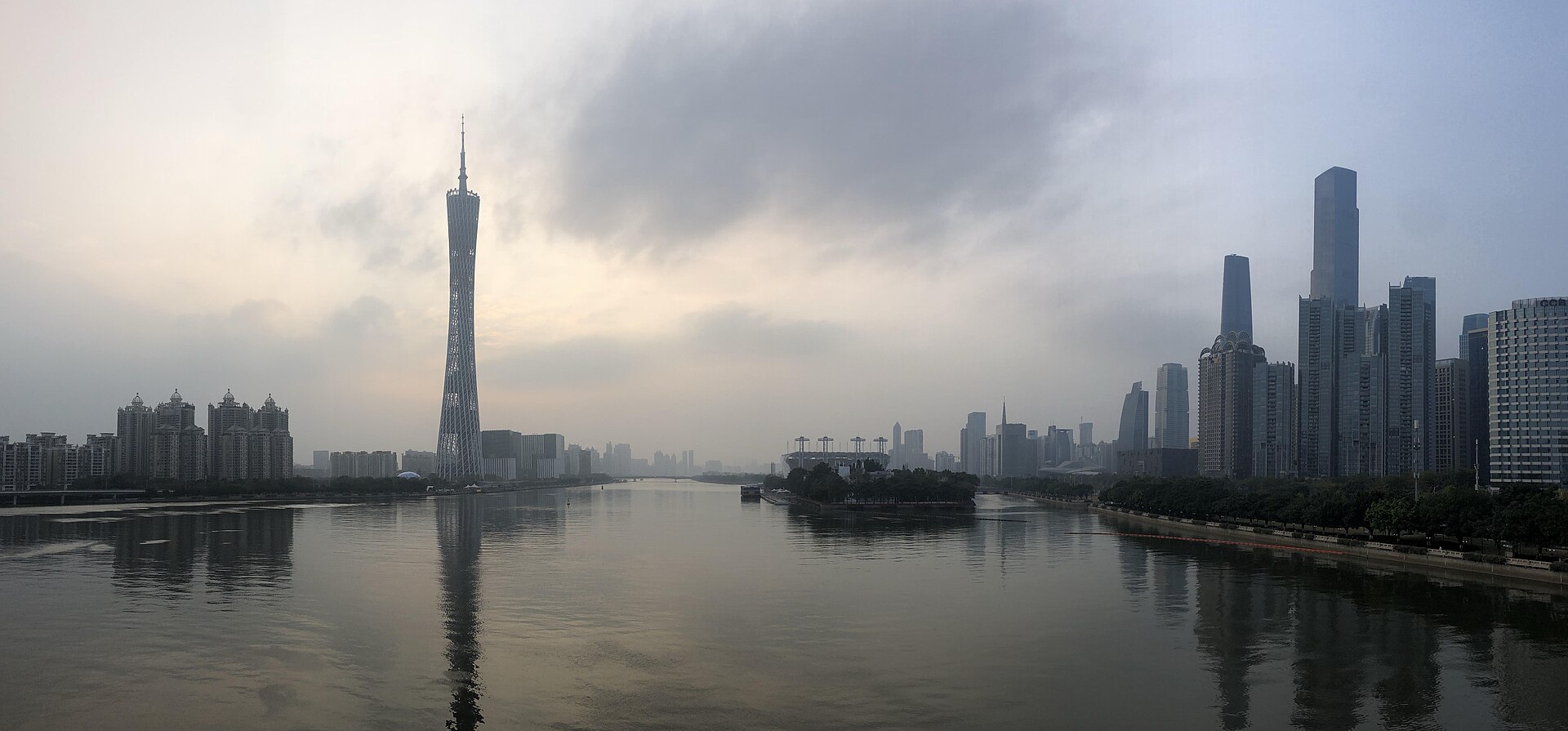 Guangzhou · DoGuangzhou for First-Timers: Teahouses in the West, Towers on the RiverThis is really two cities sharing one name — a merchant old town of arcades and morning tea in the west, and a glowing riverfront of towers in the east. Give each its own day, eat seriously in between, and the place clicks.Verified
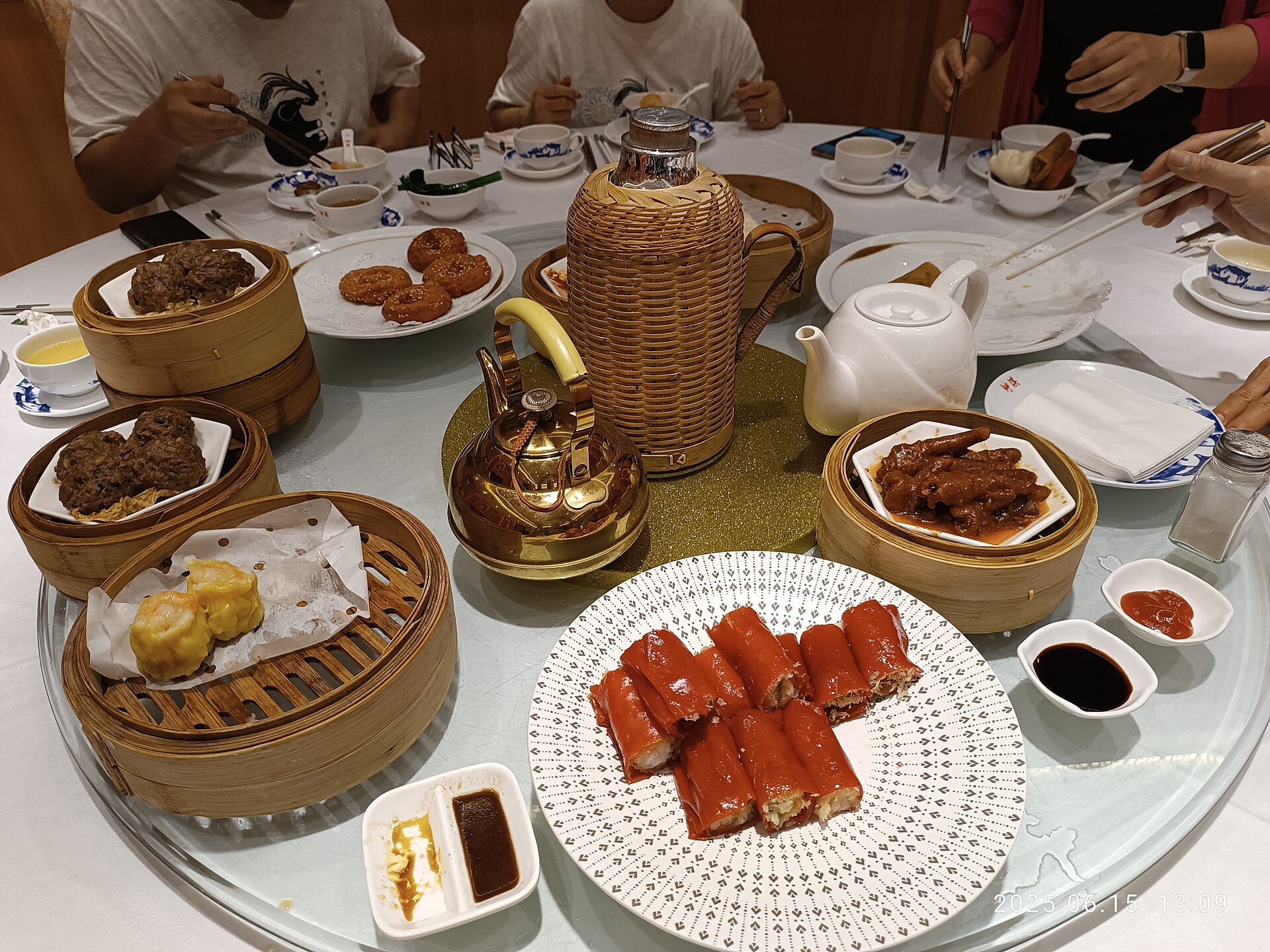 Guangzhou · DoGuangzhou Dim Sum: Yum Cha Is a Pace, Not a ChecklistTea is chosen before food, baskets arrive in waves, and the table fills at the speed of conversation. Morning tea is this city's social operating system — here is how to sit down and run it properly.Verified
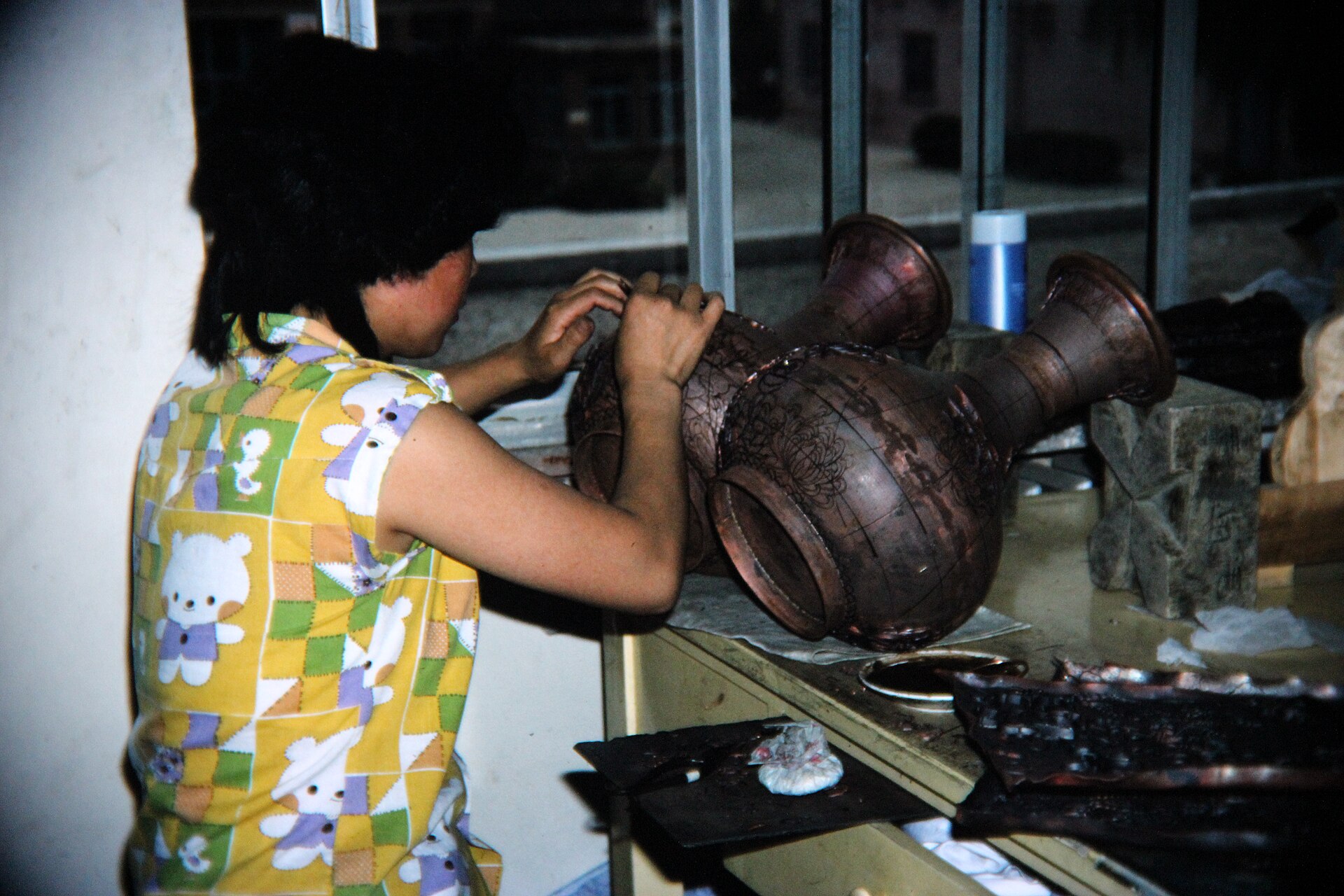 Beijing · DoBeijing Souvenirs Worth the Suitcase Space: Counter Pastries, Jasmine Tea and Folk CraftSkip the vacuum-packed duck. What Beijing people actually give each other is a box of counter pastries, tea chosen by drinking it, and one small piece of folk craft with a maker's name attached — here is how to buy all three like you mean it.Reference ~
08 · SOURCES
Sources and status
Prices, schedules and booking channels change. Recheck the details that matter before you travel.
- Guangzhou Municipal People's Government portalReference ~City portal for official Guangzhou commerce and city-gift programme references (checked October 2026)
- Dianping (Guangzhou bakery and shop reviews — local demand signal)Reference ~Local-signal patterns as described; no rankings reproduced or relied on
- US Customs and Border Protection — Prohibited and Restricted ItemsVerifiedFood declaration and meat-restriction rules as published (checked October 2026); other destinations run their own regimes