
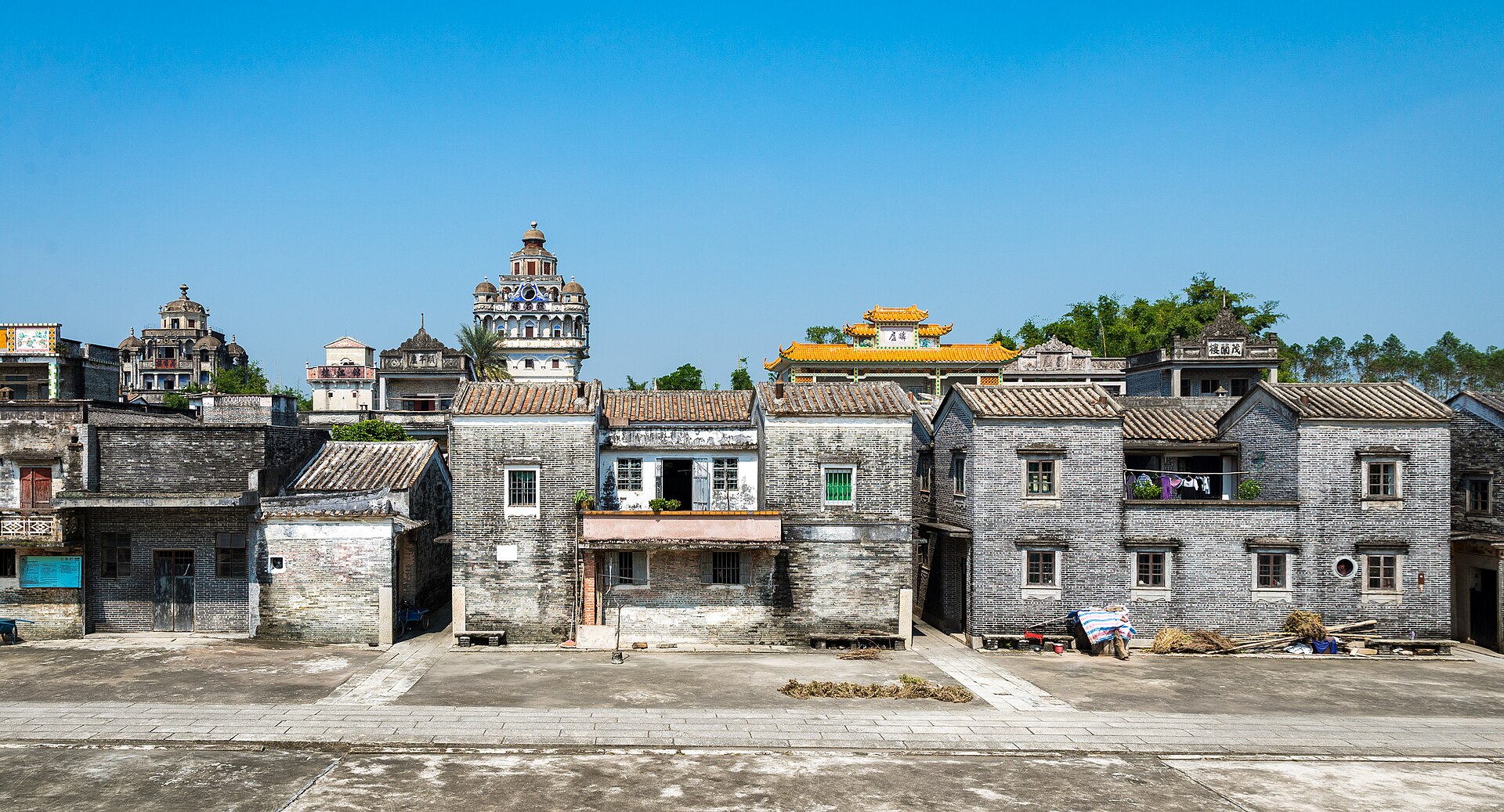
UNESCO inscribed Kaiping Diaolou and Villages on the World Heritage List in 2007; its description counts more than 1,800 surviving diaolou across the Kaiping area, set in a lived-in landscape of rice fields, waterways and farming villages
Checked October 2026GUIDES / ATTRACTIONS
Kaiping Diaolou from Guangzhou: A Day Among the Towers
Fortified towers with European faces stand in Guangdong rice fields, built by families whose money — and often whose men — crossed the Pacific. It works as a Guangzhou day trip — provided the start is early, the village list stays at one or two clusters, and transport is settled before you leave the city.
City Guangzhou12 min read8 facts labeledChecked 2026-10-30
01 · IN BRIEF
A tower in the rice, two hours from the metro
The highway out of Guangzhou gives up after about two hours, the road narrows between fish ponds and rice paddies, and then the field does something fields are not supposed to do: it grows a tower. Five, six, nine storeys of grey concrete rising straight out of the green, with arched windows, a colonnaded top floor and a little domed pavilion for a hat. It looks like a Mediterranean villa that took a wrong turn in 1925 and decided to stay. Then a second tower appears behind the village rooftops, and a third across the water, and the local driver — unimpressed, because he grew up with them — explains that around here this is simply what a family built when a son in San Francisco or Vancouver finally saved enough to come home and keep bandits out.
Those towers are the Kaiping diaolou, and the UNESCO listing that protects them is careful about what they are: not a monument but a whole cultural landscape of villages, fields, waterways and nearly two thousand towers, most of them raised with overseas money in the late Qing and early Republic years. That framing is the key to visiting well. A day trip from Guangzhou succeeds when it reads towers and villages as one story — migration, remittances, fear and pride poured into concrete — and fails when it treats the county as a scavenger hunt of photogenic facades. This guide sets up the focused version: one or two village areas, a proper car or a verified public route, and time to stand in the fields and understand what you are looking at.
02 · SEE IT
The day, in running order
- 06:45 — Breakfast finished and bags light: water, sun cover, rain layer, the booking document, return details saved offline
- 07:15 — Out of Guangzhou before the ring roads fill; the drive southwest runs to roughly two hours in normal traffic
- 09:30 — Visitor centre: tickets matched to the villages you will actually visit, Chinese site names saved for the driver
- 10:00 — First village from the fields inward: landscape, waterways and layout before any single tower
- 12:15 — A working lunch in or near the village cluster — unhurried, because the afternoon is the second act, not a bonus
- 13:30 — Second village cluster, or deeper time in the first: interiors, stairs and the view back across the paddies
- 16:00 — Photography light softens; this is the hour the towers earn their postcards
- 17:00 — Wheels up for Guangzhou with margin in hand — no evening flight, no tight dinner reservation
- 19:30 — Back in the city, evening deliberately empty; the day was the event
03 · TRY IT YOURSELF
Do it like a local
Your ticks stay on this page only. No account or personal data is sent.
04 · THE PROOF
The facts this guide leans on
The towers were built mainly from the late 19th century into the early 20th, funded heavily by emigrants and returned overseas Chinese; they served overlapping jobs as watchtowers against bandits, communal shelters during floods and attacks, and fortified family residences
Checked October 2026The hybrid look is the point, not an accident: Chinese village planning and defensive forms carry construction methods and decorative vocabularies the builders met abroad — arches, colonnades, domes and classical detailing set into a Guangdong farming landscape
Checked October 2026Zili Village is the standard first anchor, a tight cluster of towers standing in open paddy; Jinjiangli is known for the nine-storey Ruishi Lou, frequently described as the finest single diaolou, and Majianglong offers a different, wooded village form — the three reward different kinds of attention and are not interchangeable
Checked October 2026Kaiping lies roughly 140 kilometres southwest of Guangzhou; plan on about two hours by road each way in ordinary traffic, before any local transfer between the county's scattered heritage areas is counted
Checked October 2026Ticket products may bundle several scenic areas that sit far apart; which clusters are open, how combination tickets work and what identity documents a real-name booking requires all change, and must be confirmed against current official information for your date
Checked October 2026The villages inside the heritage areas remain living communities with working farms; access rules, private courtyards and photography of residents are governed by that fact, not by the ticket price
Checked October 2026Open fields mean exposed walking: the route between towers can be long, level but uneven, and short on shade, while towers open to visitors can contain steep, narrow internal stairs — the physical day is bigger than the map suggests
Checked October 202605 · STEP BY STEP
How to run the day, step by step
- Step 1 — Choose the shape of the day before the vehicle
Three shapes cover nearly every good Kaiping day. A single-village deep visit suits public-transport users, families and brutal-weather days: one cluster, read properly, with interpretation and photography given real time. Two compatible village areas suit most first visits by car — typically an anchor cluster in the morning and a contrasting one after lunch — and demand a settled lunch and transfer plan between them. Three or more areas is a specialist's long day, for photographers and architecture devotees who accept repetition and pace as the price of coverage. Choose by what you want to understand, not by how many pins the map can hold: a second village adds contrast, a fourth mostly adds road.
- Step 2 — Settle transport as a contract, not a hope
Because the heritage areas are scattered across farmland, a confirmed hired car or private vehicle is the simplest instrument: agree the pickup point and time, tolls, parking, waiting time, the driver's meal arrangement, overtime terms and the exact Guangzhou drop-off before departure day. Public routes — intercity bus, or rail plus local road legs — can work, but every connection has to be verified for your date and the day loses its flexibility between villages. Judge any option on the whole chain, not the headline leg: hotel pickup, intercity run, visitor-centre stop, village walking and the return traffic all consume the same clock. Leave early, and keep the Guangzhou evening empty on purpose.
- Step 3 — Buy tickets against the route you will actually walk
At the visitor centre, resist the maximal bundle. A combination ticket that spans sites an hour apart is only value if the day genuinely reaches them; for a one- or two-village plan, buy for that plan. Carry the original document tied to any real-name booking, keep confirmations available offline, and ask the practical questions while staff are in front of you: can the driver drop at each real entrance, where is pickup permitted afterward, and which towers are open for climbing today. Save the Chinese names of the villages and visitor centres in your phone at this point — if a pin and a road sign disagree later, the characters win.
- Step 4 — Walk a village the way it was built to be read
Begin wide. From the fields, take in the whole composition first: the water, the lane pattern, the ordinary houses, and the towers standing over them with clear sightlines — that height was surveillance before it was scenery. Then move in and read the details: wall materials, gun slits and iron doors, the imported flourishes on the upper floors, and the way one family's investment stands inside a collective village form. Enter the towers that are officially open and climb slowly; the stairs are steep and the landings are where the domestic story lives — furniture, shrines, photographs, the evidence of money earned an ocean away. Close the visit by stepping back into the fields again. The towers make most sense at the distance they were designed to watch from.
- Step 5 — Feed the day on a rural schedule
Eat a real breakfast in Guangzhou before departure; the countryside will not rescue a skipped one. Plan lunch as part of the route — a local meal near your cluster adds genuine context, since this is a farming county with its own kitchen — but confirm the restaurant is open and workable for your group's dietary needs, and never let a famous dish pull a long detour out of a short day. Carry a modest snack and carry your water with you rather than assuming each entrance sells supplies. Everything you pack in, you pack out: an agricultural landscape is somebody's workplace and larder, and the visit should leave it exactly as productive as it found it.
- Step 6 — Let the weather hold a veto
Guangdong heat and humidity turn open fields into the day's main opponent by late morning in summer; the defences are the early start, water, sun cover, and long shaded or indoor breaks at midday. Rain changes the footing — rural paths and tower stairs get slippery — and severe weather or typhoon warnings should end the discussion entirely: check official notices and be willing to abandon the trip, prepaid driver or not. Keep a Guangzhou-based fallback in your pocket for exactly this call, such as a museum and food day. A postponed Kaiping is a mild disappointment; a party caught on rural roads in a storm is a different category of story.
- Step 7 — Decide honestly whether a guide earns their fee
If the migration history, the architectural borrowing and the village landscape are why you came, a knowledgeable guide transforms the day — the towers' details are a language and someone fluent should translate. When booking one, confirm the guide's language, genuine heritage knowledge, the exact itinerary, and whether the vehicle is bundled into the price or arranged separately; a driver who knows the roads is a different professional from an interpreter of the sites. Independent travellers can still go deep: work through UNESCO's own description of the property, plus a solid overview of the region's emigration history, before you go, then use the official interpretation on site — while keeping documented family histories separate from the legends that attach themselves to photogenic buildings.
- Step 8 — Protect the return, and consider the overnight alternative
Count the day backwards from Guangzhou. Set a departure from the last village that survives traffic without stress, and put nothing behind it that matters: no evening flight, no fixed celebration dinner. The standard first visit is complete as a day trip — but know the exception. Staying overnight buys softer evening and morning light, more villages at a human pace and no return pressure at all, and it suits photographers, architecture specialists and anyone extending into the wider Jiangmen area. If you stay, verify the practicalities in advance: accommodation that can register foreign guests, evening food, and transport, in a countryside where sites close early and options thin out fast after dark.
06 · WHERE THIS BREAKS
Where the day trip stops working
The UNESCO property is not one tower, and treating it as one breaks the day
The commonest failure is arithmetic: too many villages saved, too few hours available, and a route that becomes a windscreen tour. The landscape was inscribed as a whole — fields, villages and towers together — and it yields its meaning at walking pace in one or two places, not at driving pace in five.
Public transport leaves no slack
Bus and rail-plus-road combinations exist, but the day is built from connections, and a single missed local leg can strand the plan between scattered sites with the return to Guangzhou still ahead. If you go public, go simple: one village, verified connections for your exact date, and a return margin you would bet a flight on.
Heat, stairs and distance are the real admission price
Village paths are exposed and can be long and uneven; open towers hide steep stairs behind their elegant facades. A car removes the transfers between villages but removes none of the climbing or the sun. Older travellers do best prioritising the exterior landscape and entering only where the footing is kind; families should plan shade, toilets and food as deliberately as the sights.
People still live here
Heritage status did not empty these villages. Private courtyards are homes, fields are livelihoods and residents are not exhibits: no entering unopened property, no close photography of people without consent, no drones without authority, no treating farm paths as a studio floor. A visit that disturbs the village has failed at the thing it came to see.
Kaiping plus Foshan is two half-days, not one good one
The two sit in different directions with serious transfer time between them, and bolting Foshan onto the return leg dilutes both into transit. Foshan has its own full logic as a Guangzhou day trip; give it its own day, or accept a Kaiping overnight as the way to slow this side of the region down.
Do not fly out on the same night
Country roads, summer storms and one slow truck can each eat an hour that a flight will not give back. The day ends when it ends. Keep the Guangzhou evening unscheduled, or sleep in the city and fly the next morning — the towers have waited a century; your itinerary can wait a night.
07 · KEEP READING
Keep the trip moving
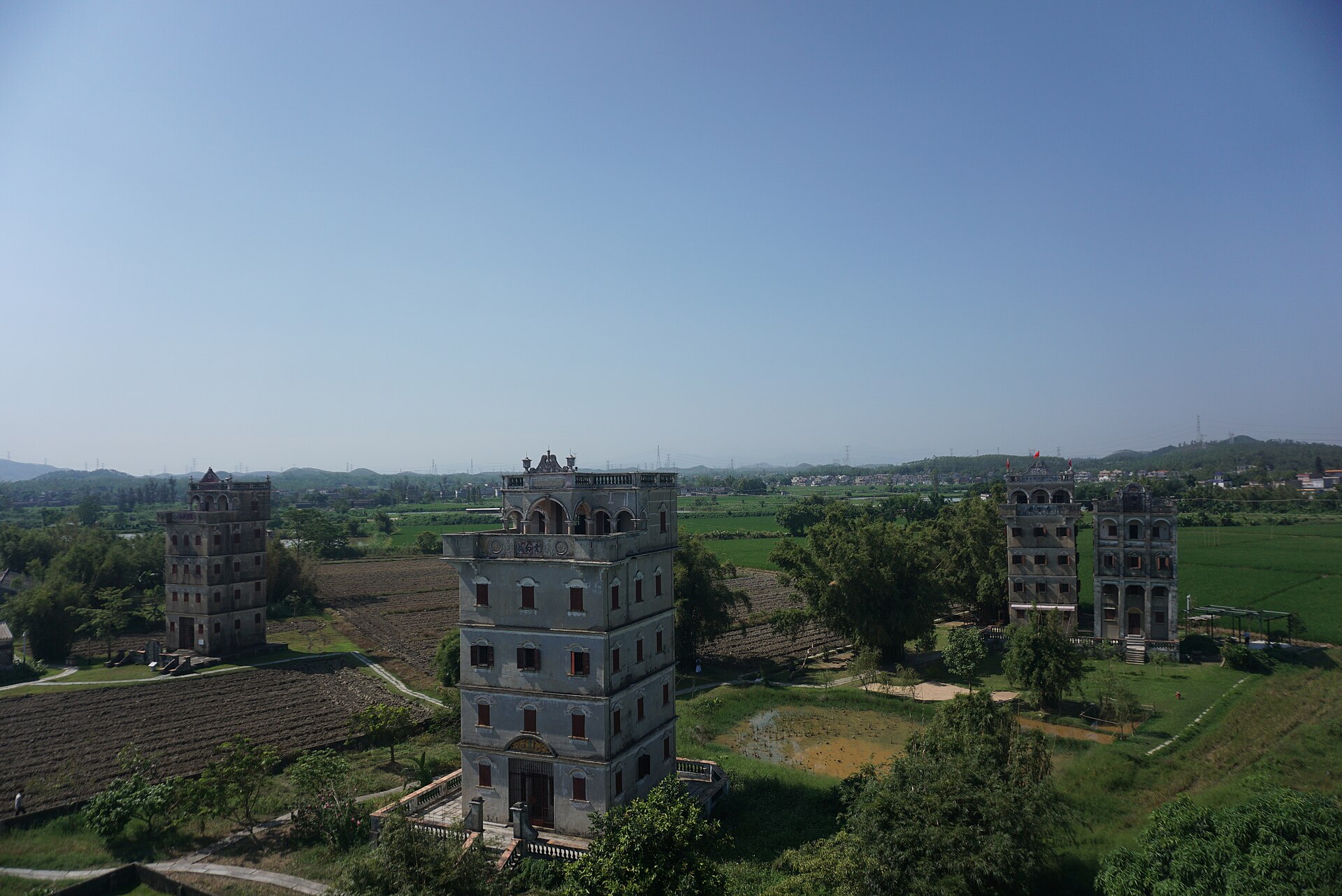 Guangzhou · DoDay Trips from Guangzhou: Kaiping's Towers, Shunde's Tables, Foshan's TempleFour escapes leave from the same city and only one of them is really decided by the train ride. The day is won or lost in the transfer after the station — here is how each trip actually works, and which one fits your group.Verified
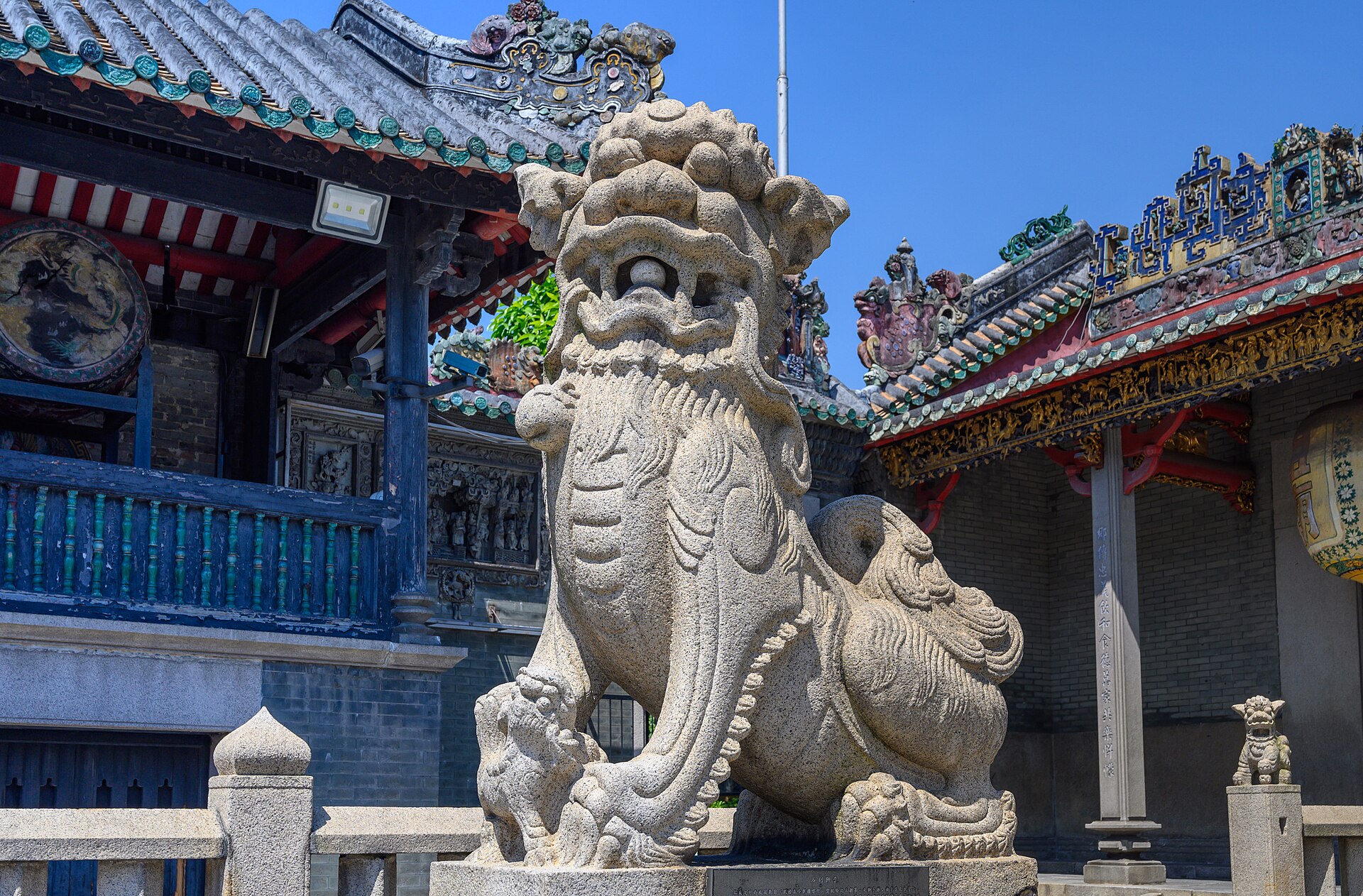 Guangzhou · DoFoshan from Guangzhou: Ancestral Temple, Lion Dance and the Kung Fu HometownOne metro ride from Guangzhou and the city changes key: ceramic dragons on temple roofs, drums warming up for the lion dance, kilns that have fired for centuries, and the streets that produced Wong Fei-hung and Ip Man. Foshan is a culture day — if you plan it by district, not by hope.Verified
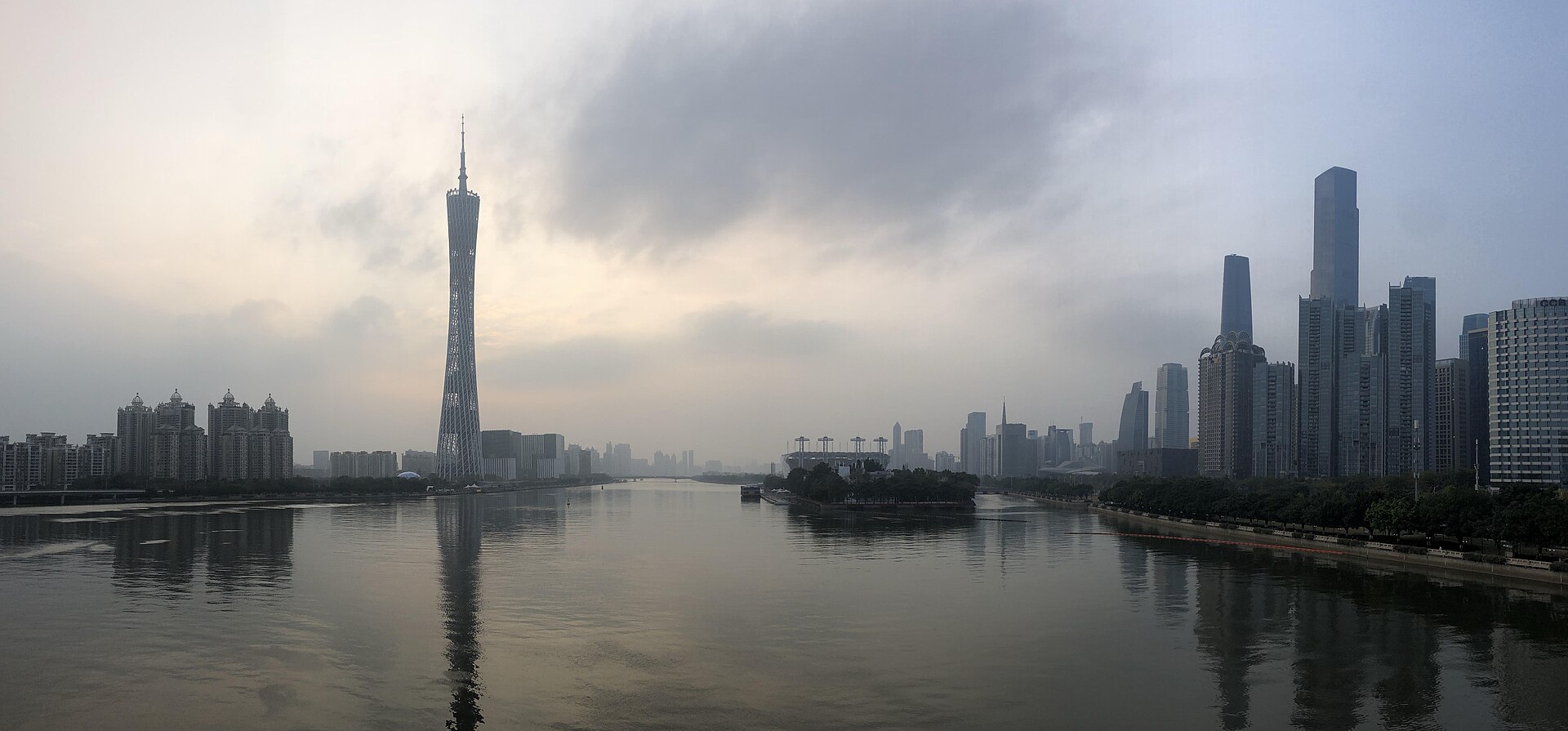 Guangzhou · DoGuangzhou for First-Timers: Teahouses in the West, Towers on the RiverThis is really two cities sharing one name — a merchant old town of arcades and morning tea in the west, and a glowing riverfront of towers in the east. Give each its own day, eat seriously in between, and the place clicks.Verified
08 · SOURCES
Sources and status
Prices, schedules and booking channels change. Recheck the details that matter before you travel.
- UNESCO World Heritage Centre — Kaiping Diaolou and Villages (listing 1112)VerifiedThe official inscription: tower counts, building history, migration context and why the property is a landscape rather than a single monument — checked 2026-10-30
- Kaiping Municipal Government portal (official)Reference ~County-level official information; use alongside current site ticketing notices for opening and access arrangements — checked 2026-10-30
- China Railway 12306 (official booking)Reference ~For verifying any rail-plus-road combination toward the Kaiping and Jiangmen area on your exact travel date — checked 2026-10-30
- City of Guangzhou portal (official)Reference ~Municipal information for the Guangzhou end of the trip — checked 2026-10-30