
Foshan adjoins Guangzhou to the southwest and the two cities are linked by the Guangfo metro line as well as intercity rail and road — but Foshan itself administers five districts, so the district and the exact first stop, not the city name, determine the right route
Checked October 2026GUIDES / ITINERARIES
Foshan from Guangzhou: Ancestral Temple, Lion Dance and the Kung Fu Hometown
One metro ride from Guangzhou and the city changes key: ceramic dragons on temple roofs, drums warming up for the lion dance, kilns that have fired for centuries, and the streets that produced Wong Fei-hung and Ip Man. Foshan is a culture day — if you plan it by district, not by hope.
City Guangzhou12 min read8 facts labeledChecked 2026-10-30
01 · IN BRIEF
The drum starts before you see the lion
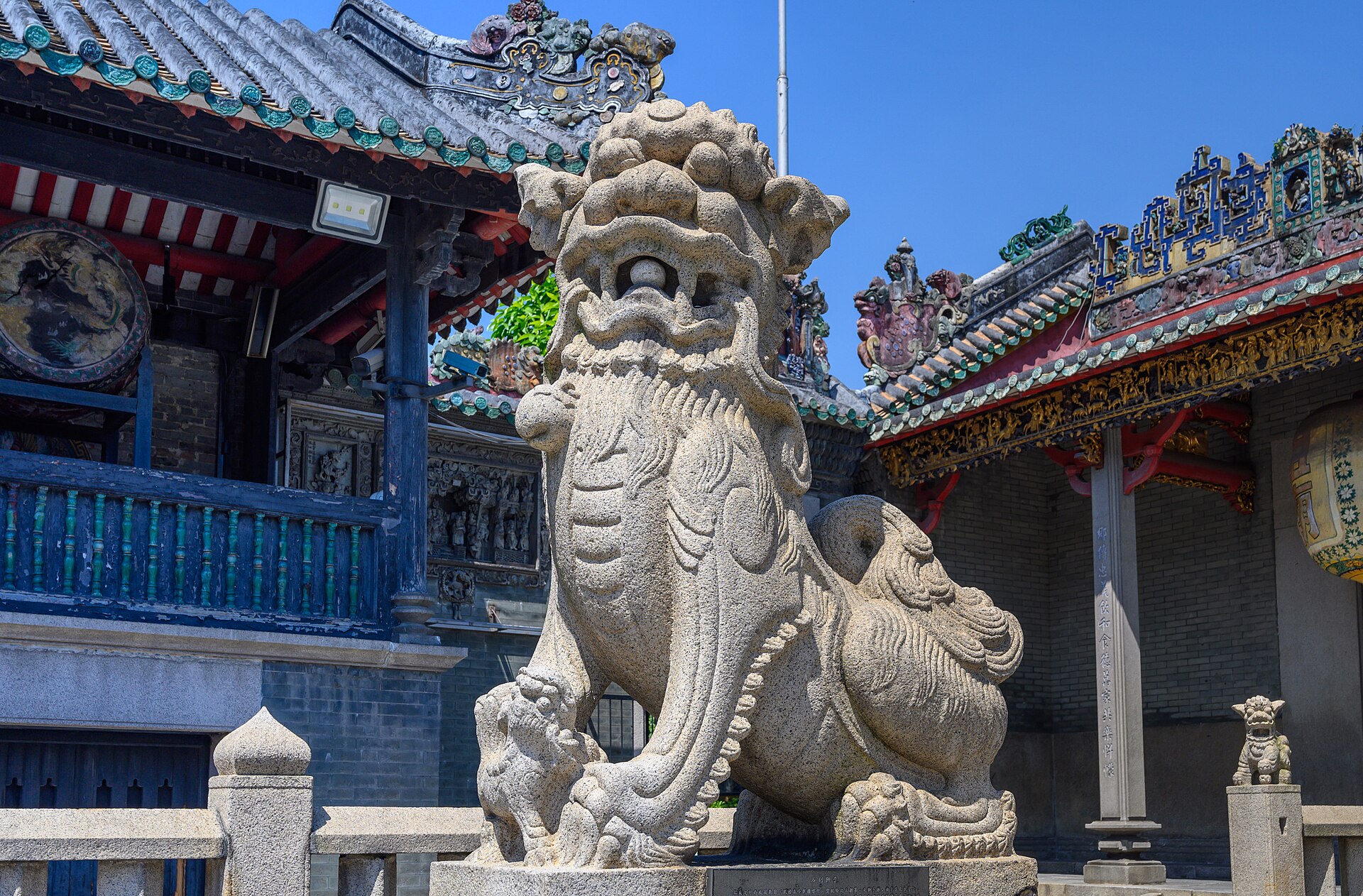
You hear the Foshan Ancestral Temple before you understand it: a drum warming up somewhere behind the grey-brick halls, that rolling thunder-roll pattern which in Guangdong means a lion is about to wake. In the courtyard a crowd is already gathering in the shade, children hoisted onto shoulders, while above them the temple roofs do their own performance — whole processions of ceramic figures, dragons and opera scenes fired in Shiwan kilns and set along the ridges like a frozen parade. A temple worker is chalking the performance area. An old man beside you, entirely unsurprised, explains that this has been the neighbourhood's living room for rather a long time: a temple to the Northern Emperor, a guildhall of the town's crafts, and — because Foshan is Foshan — the spiritual home ground of southern kung fu.
That triple identity is what makes Foshan worth a dedicated day rather than a metro-stop afterthought. It adjoins Guangzhou so closely that the two cities share a metro line, yet its personality is distinct: a manufacturing town grown rich on craft — ceramics, metalwork, martial arts — with the Ancestral Temple at its centre and the old streets of Lingnan Tiandi beside it. Wong Fei-hung ran his clinic here; Ip Man was born here. But Foshan is also a large prefecture-sized city of several districts, and the single most common visitor error is treating its name as an address. This guide builds the first-timer's version properly: one district, one anchor, the temple read slowly, a performance timed rather than chased, and food eaten where the day actually happens.
02 · SEE IT
A temple-core Foshan day, in running order
- 08:30 — Leave Guangzhou after breakfast; Guangfo metro or intercity rail depending on where your hotel and the temple sit relative to the lines
- 09:45 — Arrive Chancheng district and enter the Ancestral Temple while the courtyards are still cool and comparatively quiet
- 10:00–12:00 — The temple read slowly: Beidi's hall, the ceramic roof ridges, courtyards, craft detail, the martial-arts memorial halls
- Midday — Catch the scheduled lion dance or kung fu performance, timed from the day's own posted programme, not from a blog
- 13:00 — Lunch in the district: Lingnan Tiandi's lanes or a local room the temple crowd itself uses
- 14:30 — Old-street walking around Lingnan Tiandi, with an indoor museum or teahouse hour if the heat argues
- 16:30 — Optional extension only if it is in the same district; ceramics country is a separate day's route, not a detour
- 18:00 — Set the return by the last comfortable connection, not the last possible one — dinner in Foshan only if the ride home is already solved
03 · TRY IT YOURSELF
Do it like a local
Your ticks stay on this page only. No account or personal data is sent.
04 · THE PROOF
The facts this guide leans on
The Ancestral Temple — Zumiao — is dedicated to Beidi, the Northern Emperor, and grew as both a religious centre and a civic institution of a prosperous craft town; its halls are decorated with the output of Foshan's own industries, including Shiwan ceramic roof sculpture, wood carving and metal work
Checked October 2026Lion dance and martial-arts performances are part of the temple complex's regular visitor programme, but their times are set by the site and change; the only reliable schedule is the temple's current official notice, checked close to the visit
Checked October 2026Foshan is a heartland of southern Chinese martial arts: Wong Fei-hung, the Cantonese folk hero and physician, was born in Foshan, as was Ip Man, the Wing Chun master later famous as Bruce Lee's teacher — and the temple area keeps memorial displays for both, mixing documented biography with lineage tradition and cinema fame
Checked October 2026Shiwan, in Foshan's Chancheng district, is one of China's historic ceramic centres, and its Nanfeng Ancient Kiln is traditionally described as having operated since the Ming dynasty — the kiln and its surrounding workshops form a ceramics route separate from the temple core
Checked October 2026Beside the temple stands Lingnan Tiandi, a conserved quarter of old Lingnan streets and houses adapted to dining and strolling — the natural second half of a temple-centred day and the district's easiest lunch ground
Checked October 2026Shunde — the district of Foshan most famous for food — is a separate route from the Chancheng temple core, not a neighbourhood of it; a heritage day in Chancheng and a food day in Shunde pull the itinerary in different directions and are strongest on different days
Checked October 2026Local demand signal for Foshan's restaurants and sights runs through Dianping, where residents review the temple district's eateries and the city's food streets — useful as a directional sense of where Foshan itself eats, not as a verified ranking
Checked October 202605 · STEP BY STEP
How to run the day, step by step
- Step 1 — Fix the district and the anchor before anything else
Foshan planning starts with a refusal: you are not visiting 'Foshan' today, you are visiting one cluster of it. For a first trip that cluster is Chancheng — the Ancestral Temple, its memorial halls and the Lingnan Tiandi streets around it. The alternative first-timer's route is a ceramics day built on Shiwan, which is a different geography and a different mood. Martial-arts devotees deepen the temple version rather than adding a third anchor: more time in the memorial halls, more interpretation, perhaps a guide with real subject knowledge. What does not work is the collage — temple in the morning, kilns after lunch, a famous Shunde dinner — assembled from three articles as if the city were a single neighbourhood. Choose one theme and let the day have a centre of gravity.
- Step 2 — Build the route from your actual hotel, in both directions
Start from your real Guangzhou address and the temple's real entrance, then compare the honest options: the Guangfo metro line for a straightforward city-to-city ride, intercity rail if your hotel sits nearer a station pair, or a car when the group's mobility or luggage argues for it. Count the unglamorous segments — station walking, transfers, any security checks, the final walk to the gate — because they, not the headline ride, set the day's true length. Then plan the return before you arrive, with a decision made in advance: we leave by this train, or we stay for dinner because this specific late connection exists. A metro route that feels effortless at noon can become a trap after a long dinner if the last useful service is earlier than the last advertised one.
- Step 3 — Read the Ancestral Temple as a town hall with a god in it
The temple rewards slow looking because it was built by a town showing off its own skills. Begin with the context: this is a shrine to Beidi, the Northern Emperor, and for centuries it functioned as Foshan's civic and ceremonial centre as much as its religious one — the place where a rich craft town gathered, governed its festivals and displayed what its workshops could do. Then read the building as a catalogue of those workshops: Shiwan ceramic figures processing along the roof ridges, carved wood, cast metal, stone work, the courtyards and the stage. Give the complex the morning, when light and temperature are kind, and follow basic worship etiquette throughout — quiet voices near altars, no flash where it is discouraged, and no treating active prayer as a photo opportunity.
- Step 4 — Time a performance, but don't let it eat the temple
A lion dance on the temple ground, drums echoing off the halls, is the Foshan memory most visitors carry home — and it is worth organising the middle of the day around the day's posted performance time. Two disciplines apply. First, source the time from the temple's current notices in the week of your visit; performance schedules are the single most recycled stale fact in regional travel writing. Second, keep the performance in its place: it is an introduction to the living culture, not a replacement for the architecture and collections around it. Arrive at the performance area a little early for a sightline, enjoy it fully, and then return to the halls while the crowd is still dispersing — the quietest temple hour of the day often follows the show.
- Step 5 — Sort film from fact in the martial-arts halls
Foshan's kung fu fame runs on three fuels that the memorial displays blend together: documented biography, school lineage tradition, and a century of cinema. Wong Fei-hung was a real Foshan physician and master whose legend films then enlarged enormously; Ip Man was a real Foshan-born Wing Chun master whose fame arrived largely through his students and, later, through movies about him. Enjoy the blend — the posters and the props are part of the culture — but keep the layers labelled in your own head, and never present a film plot as history when you retell the day. If this is your main interest, hire interpretation with genuine subject knowledge rather than general fluency: a guide who can explain how martial arts wove into guilds, festivals and local identity will double the value of every hall.
- Step 6 — Eat inside the district the day is actually in
Lunch belongs within walking distance of the temple — the Lingnan Tiandi lanes and the local rooms around the district give you Cantonese cooking in the place the day is happening. A single proper meal, plus a snack stop along the way, carries a heritage day perfectly well. Order in waves rather than all at once, confirm the price of any seafood before it is chosen, and state dietary requirements — shellfish allergy, vegetarian, religious restrictions — explicitly, because a dish can taste mild and still be built on ingredients that matter to somebody at the table. What not to do is detour across the city toward Shunde's famous tables for lunch: Shunde deserves its own food-first day, and a mid-day migration turns a coherent Foshan route into transport with garnish.
- Step 7 — Give ceramics their own route, or buy carefully on this one
If kilns, architectural ceramics or studio pottery genuinely interest you, Shiwan justifies a separate expedition: the ancient dragon kiln tradition, museums and workshops sit away from the temple core and ask for their own transport plan, opening checks and, for demonstrations or hands-on sessions, advance reservation where required. Never assume a working factory or studio admits visitors without permission. On a temple day, limit ceramics to what the temple itself displays and what reputable shops near the district sell — and settle the logistics before the purchase, not after: how the piece is packed, whether the shop ships, and what your airline will accept. Foshan has been making beautiful fragile things for centuries; getting one home intact is a planning task, not a hope.
- Step 8 — Shape the day around bodies and weather, not just sights
Guangdong's heat and humidity argue for the early temple start, an indoor or long-lunch pause at midday, and water carried and a light rain jacket in the bag as standard kit; rain turns old-street stone slippery and can cancel outdoor performances, so keep one indoor cultural option inside the same district as a spare. Families do best with the compact version — temple, one confirmed performance, a good meal — letting children engage with the lions, the roof creatures and the kung fu stories without an academic march. Older or mobility-limited travellers should check step-free entry, seating, accessible toilets and thresholds in advance, consider a direct vehicle over a long metro walk, and be ready to trade the second theme away when heat or fatigue rises: one primary complex, visited well, beats a district-spanning route endured.
06 · WHERE THIS BREAKS
Where the Foshan day goes wrong
The whole city is not at one metro stop
The most common Foshan failure is cartographic optimism: assuming the temple, the kilns and the famous food all sit within walking distance of a single station. They do not. Foshan is five districts wide, and every addition to the day must be priced in real transport time from the district you are already in — or moved to its own day.
Foshan and Shunde in one day is transport wearing a costume
With a hired car and a ruthlessly narrow plan — one heritage anchor, one reserved meal — it can be done, but the combined day sacrifices ceramics, neighbourhood walking and any broad food route, and public-transport users should be especially wary of the final links home. On a first visit to the area, pick one: Foshan when culture leads, Shunde when eating does. If the Guangzhou stay runs to five days and both matter, they earn separate days each.
Performance schedules expire faster than any other fact here
Lion dance and kung fu performance times shift with seasons, events and management decisions. A time quoted in a post from two years ago — or repeated in this season's roundup articles — is a rumour by the day you travel. The temple's current notice is the only source; check it in the same week, and build the day so a changed time rearranges your lunch rather than ruining your visit.
Cinema is not a source
Foshan's screens have exported a magnificent mythology, and the town is proud of it — but film storylines about Wong Fei-hung or Ip Man are not biography. Repeating them as fact is the fastest way to misunderstand what the memorial halls are actually showing you, which is a realer and better story about craft towns, guilds and teachers.
Do not bolt Foshan onto the end of a full Guangzhou day
The metro crossing the city boundary makes the add-on tempting: Liwan in the morning, the Pearl River at dusk, and Foshan 'on the way'. It is not on the way, and the result is a temple visited in the day's leftovers, with the return still to solve. Foshan gets its own morning or it does not get visited — half a day, done properly, is the minimum unit.
Heat and rain rewrite outdoor plans without asking
Summer in the Pearl River Delta can make an exposed courtyard punishing by noon and can shut an outdoor performance with one storm cell. Check official notices on severe-weather days, keep the indoor option in-district, and wear shoes with grip for wet stone. A flexible Foshan day survives its weather; a rigid one argues with it and loses.
07 · KEEP READING
Keep the trip moving
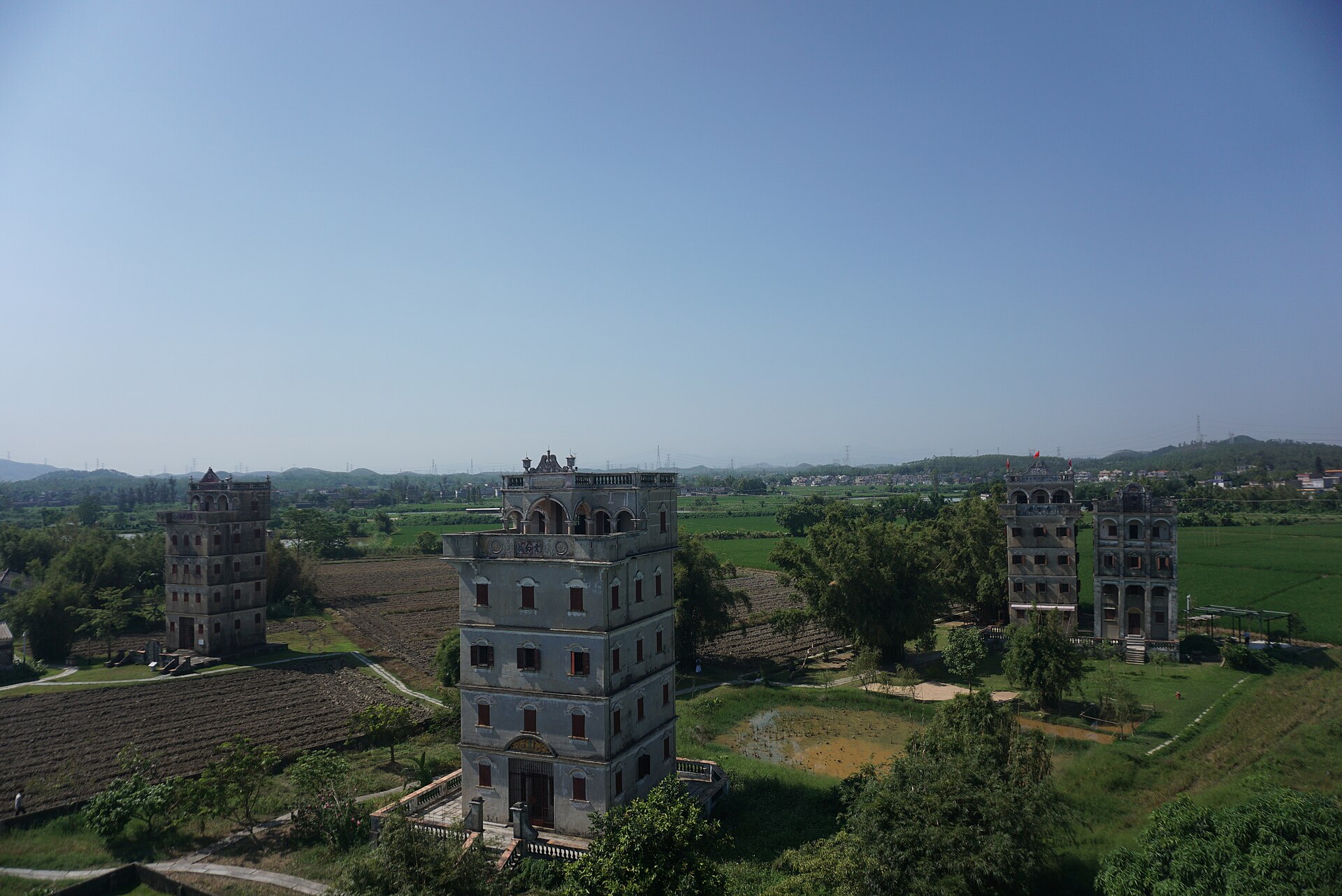 Guangzhou · DoDay Trips from Guangzhou: Kaiping's Towers, Shunde's Tables, Foshan's TempleFour escapes leave from the same city and only one of them is really decided by the train ride. The day is won or lost in the transfer after the station — here is how each trip actually works, and which one fits your group.Verified
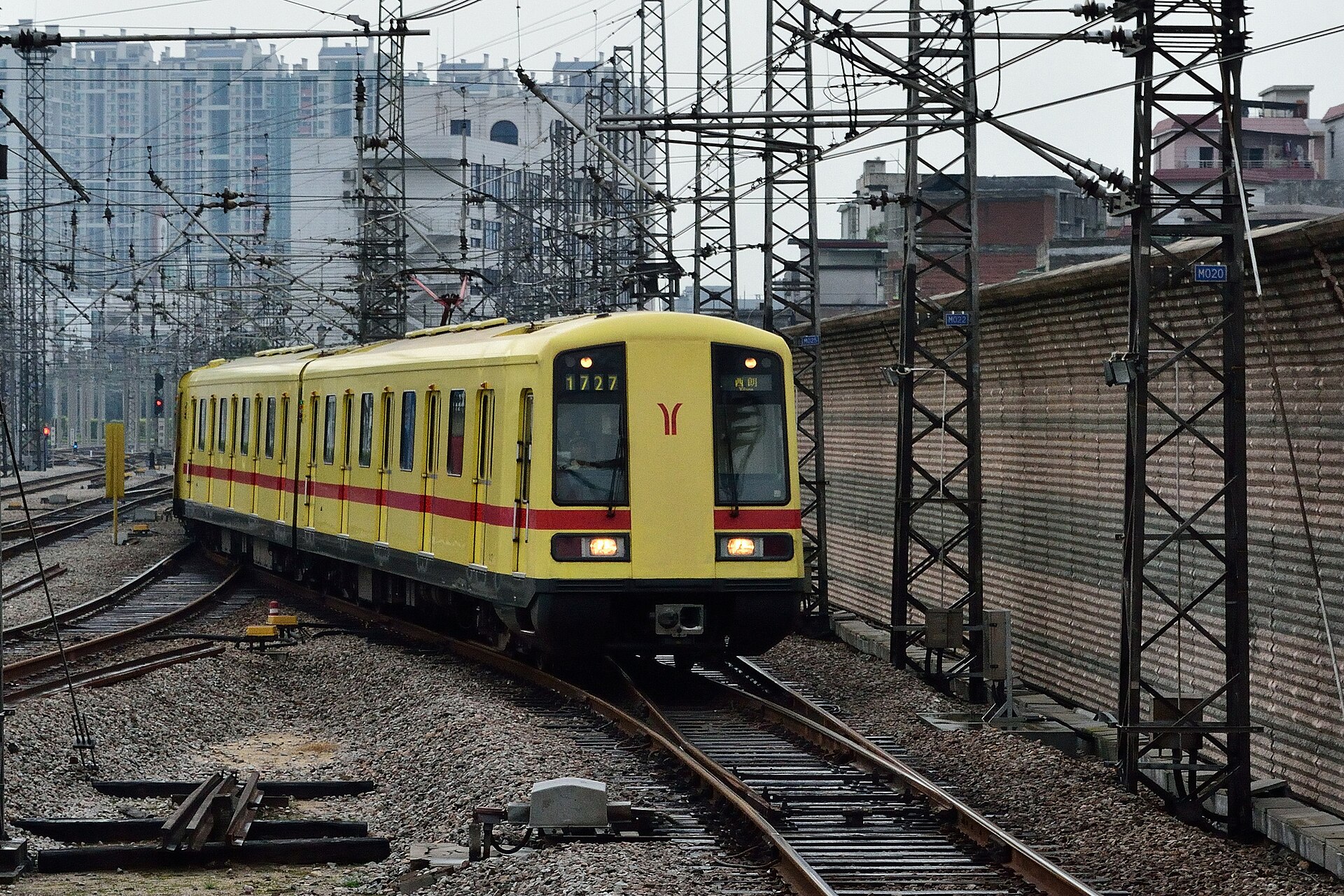 Guangzhou · PrepareGetting Around Guangzhou: Metro First, and Respect the Last 500 MetresThe network itself is fast, bilingual and forgiving. What actually decides your day is which terminal you land at, which station name is printed on your ticket, and which exit you climb out of — here is the system, leg by leg.Verified
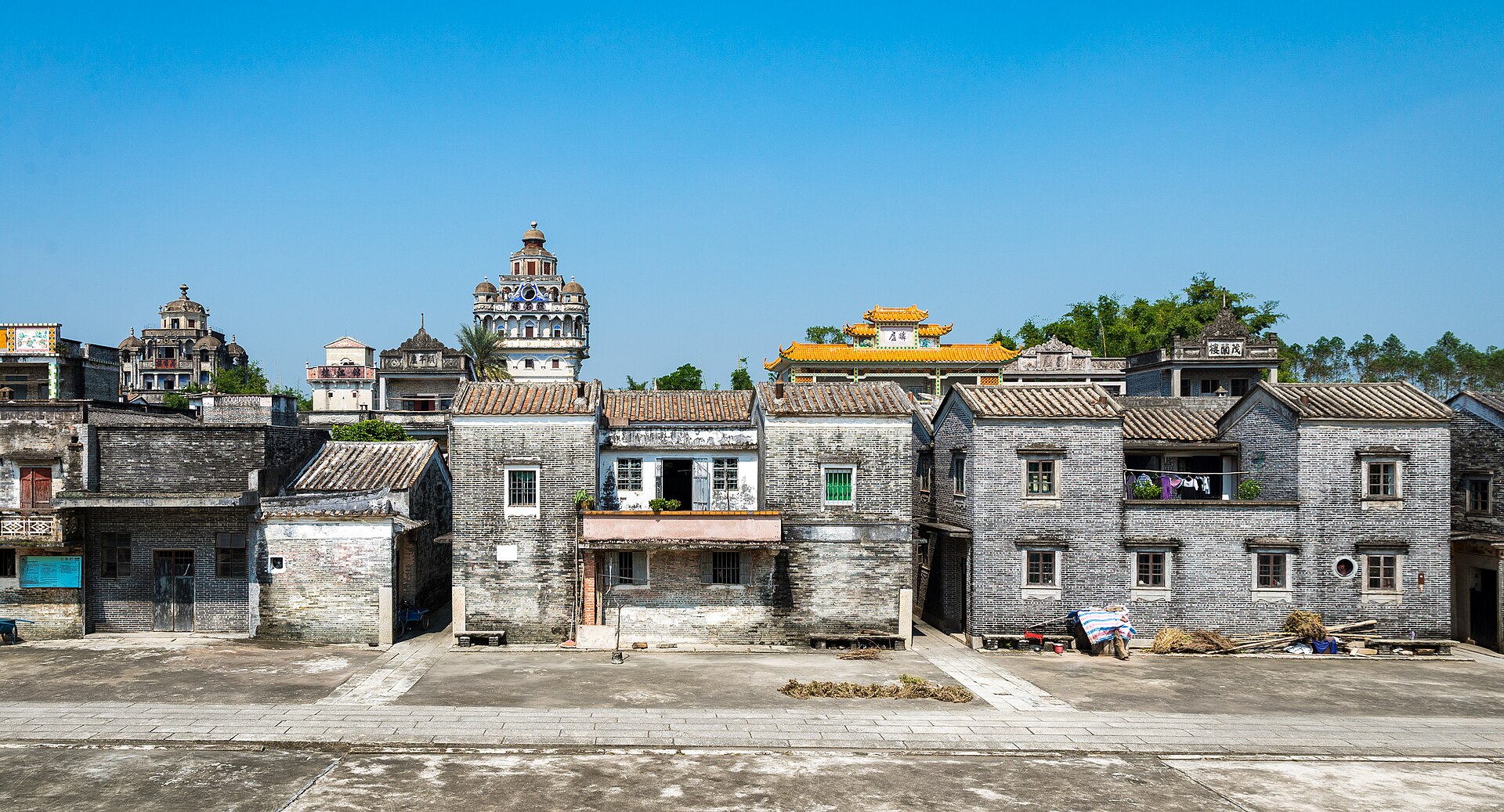 Guangzhou · DoKaiping Diaolou from Guangzhou: A Day Among the TowersFortified towers with European faces stand in Guangdong rice fields, built by families whose money — and often whose men — crossed the Pacific. It works as a Guangzhou day trip — provided the start is early, the village list stays at one or two clusters, and transport is settled before you leave the city.Verified
08 · SOURCES
Sources and status
Prices, schedules and booking channels change. Recheck the details that matter before you travel.
- Foshan Municipal Government portal (official)Reference ~Official city information, including districts and cultural sites — checked 2026-10-30
- Guangzhou Metro (official)VerifiedThe Guangfo line links Guangzhou and Foshan; use for current stations and service information — checked 2026-10-30
- City of Guangzhou portal (official)Reference ~Municipal information for the Guangzhou end of the trip — checked 2026-10-30
- Dianping — Foshan restaurants and sights (local demand signal)Reference ~Where Foshan itself eats near the temple district; directional local signal only, no rankings relied on — checked 2026-10-30