
Mutianyu is roughly 70 km northeast of central Beijing; expect about 1.5 to 2 hours by road each way depending on traffic and pickup pattern
Checked October 2026GUIDES / ATTRACTIONS
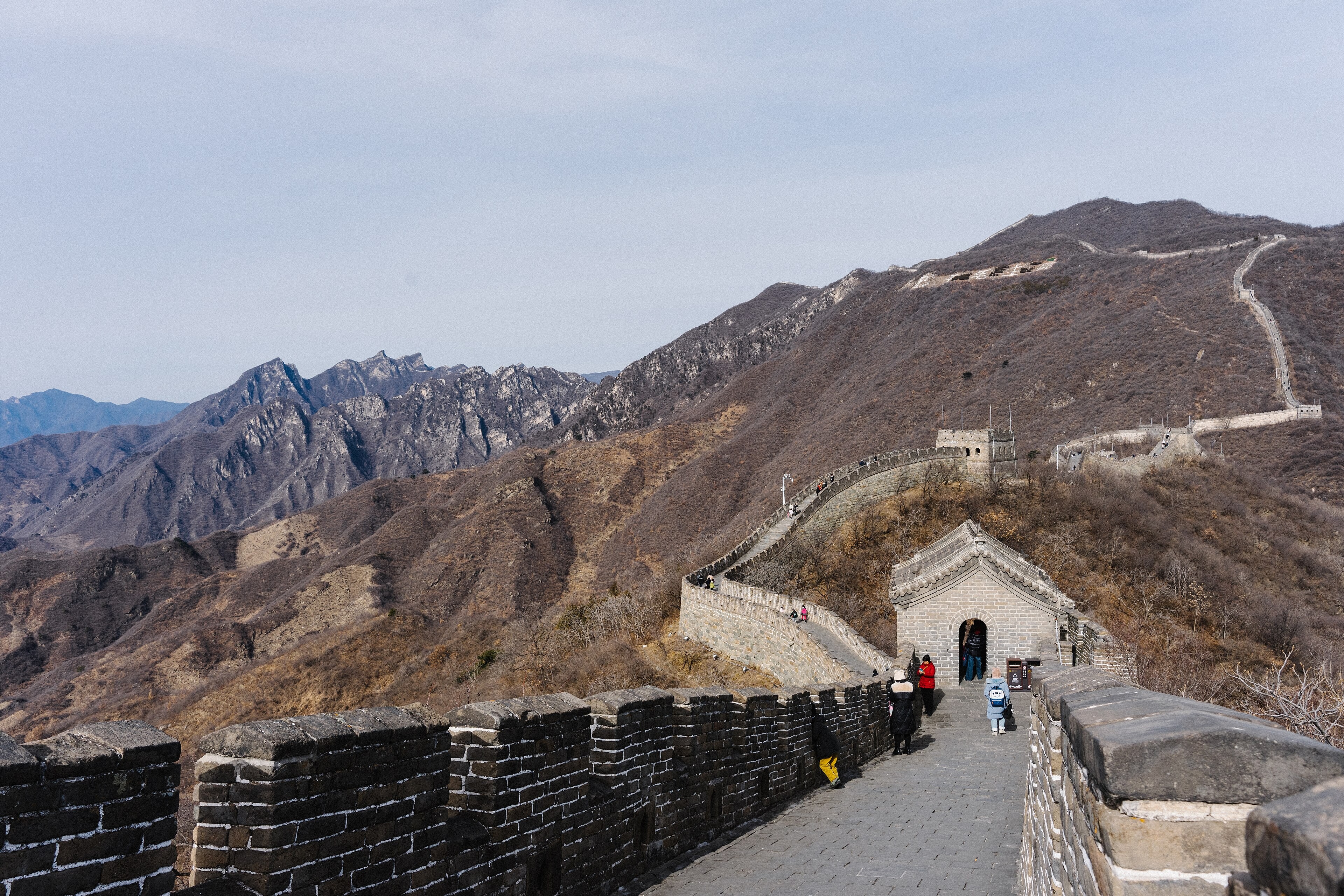
Mutianyu Great Wall: The Low-Stress Way Up
Mutianyu is the first-timer's wall — if you get the transport and the timing right. Here is the version of the day where you are on the stone before the crowds, not behind them.
City Beijing14 min read8 facts labeledChecked 2026-10-29
01 · IN BRIEF
Same wall, two different days
Two couples left the same Beijing hotel at 9 a.m. One pair climbed into a pre-booked car, walked off the cable car onto quiet stone by ten-thirty, and was back eating noodles by mid-afternoon. The other pair trusted a cheap street-corner bus offer, changed vehicles twice, reached the wall at lunchtime in a queue of thousands, and rode down in the dark. Same wall, same day — completely different trip.
Mutianyu is the section we send most first-timers to: restored, photogenic, and gentler than the steeper alternatives. But it is 70 kilometres from the city, and almost everything that goes wrong at the Great Wall happens on the road there or in the ticket lines, not on the wall itself.
This guide also puts Mutianyu honestly against the other sections within reach of Beijing — Badaling, Jinshanling and Simatai — because choosing the section is the first decision of the day, and the wrong one cannot be rescued by an early start.
02 · SEE IT
Four sections from Beijing, honestly compared — then the door-to-door chain
- Mutianyu — best fit: first visits and mixed-age groups wanting a restored, balanced section | main compromise: a popular arrival zone and several transport stages | plan: confirm the entrance, the internal shuttle, and your up-and-down choices before the day
- Badaling — best fit: travellers who put broad infrastructure and straightforward public transport first | main compromise: busy periods change the whole atmosphere | plan: arrive early and decide your walking direction before you go up
- Jinshanling — best fit: fit walkers after a longer mountain day | main compromise: more time, more effort and more transport planning | plan: treat the outing as a hike, not a quick attraction stop
- Simatai — best fit: travellers folding the wall into a Gubei Water Town stay | main compromise: its operating arrangements differ from the other sections | plan: check admission arrangements and the evening plan directly with the operator
- Private car or direct tourist bus from the city (roughly 1.5–2 h)
- Ticket area: admission + shuttle bus up to the entrances
- Up: cable car (tower 14 area) or chairlift (tower 6 area) or 30–45 min stone steps
- On the wall: east for gentle, west toward tower 20 for steep and dramatic
- Down: same lift back, or toboggan from the chairlift side in dry weather
- Shuttle back to the gate, then your ride to Beijing
03 · TRY IT YOURSELF
Before you leave the hotel
Your ticks stay on this page only. No account or personal data is sent.
04 · THE PROOF
The numbers that decide the day
Entrance admission is in the region of ¥45, with a separate shuttle-bus fee between the ticket area and the wall entrances
Checked October 2026Cable car (closed gondola) and open chairlift are run as separate systems serving different towers; the toboggan descends from the chairlift side, and combined lift tickets are priced separately from admission, roughly in the ¥100–140 range per person
Checked October 2026The restored visitable wall runs across roughly twenty numbered watchtowers, with the stretch above the cable-car station toward tower 20 the most walked
Checked October 2026Direct tourist buses from central Beijing pickup points and pre-booked private cars are the two lowest-friction ways to reach the section; public buses require a change in Huairou town
Checked October 2026Rank four things before scenery when choosing a section: whoever moves slowest sets the ceiling; next, transport you can trust end to end; next, how much climbing the group genuinely wants; the famous views come last
Checked October 2026Difficulty on the wall is set by gradient, uneven step heights, exposure and sheer repetition more than by distance: a short steep pitch can tire legs faster than a long level walk, and descents punish knees and demand attention
Checked October 2026Traveller accounts collected through 2026 repeat the same warning about every Beijing section: a cable car removes elevation, not the approach walk, the shuttle stages or the queues
Checked October 202605 · STEP BY STEP
The low-stress sequence
- Leave early, on a weekday if you can
Book the car or tourist bus the day before at the latest. Aim to reach the ticket area around 8:30–9:00 on a weekday; on weekends and holidays, earlier is worth real money and patience.
- Decide how you are travelling, honestly
Independent public transport suits travellers who can handle a transfer sequence and some waiting. An official direct bus simplifies the day — verify its departure point, what the fare actually covers, and whether the return departure leaves room for the walk you want. A private vehicle earns its price for families, older travellers, a short Beijing stay or a group needing an exact start: clarify whether the quote covers waiting time, parking, the internal shuttle, tickets and overtime. And note the distinction — a driver solves the road, while a licensed guide is a different service: interpretation and live route adjustments.
- Buy in the right order
Admission, the shuttle between the gate area and the entrances, and any lift ticket are separate purchases. Have Alipay or WeChat Pay ready (see the payment guide) and keep screenshots of each code.
- Choose your way up honestly
Take the closed cable car up to around tower 14 if you want maximum wall time with minimum strain. Take the open chairlift instead (tower 6 area) if the toboggan ride down is part of the fun. Walking up the stone path is free with admission and takes most people 30–45 steep minutes.
- Expect stages on arrival, then pause at the first viewpoint
Ticket check, an internal transfer, the ascent system, a short approach walk — and only then the wall itself. At the first clear viewpoint, stop and look around before you fix a turnaround point. Then walk at the pace of the group standing with you today, not the itinerary you saved weeks earlier, and turn back while everyone still holds energy for the descent, the shuttle and the drive.
- Walk west for drama, east for calm
From the cable-car top, walk west toward towers 19–20 for the postcard ridgeline; the climb to tower 20 (the 'Hero Slope') is the steepest popular stretch. Turning east instead gives a gentler, often quieter walk.
- Ask concrete access questions, not 'is it accessible?'
For an older traveller, get specifics: the distance from vehicle drop-off to the first assisted segment, whether queues offer anywhere to sit, how many unavoidable steps remain after the lift, and whether someone can stop early without splitting from the group. With small children, judge honestly whether one adult can manage both the child and the handrails on the steep pitches.
- Plan the descent before you need it
Chairlift side: the toboggan is genuinely fun and faster than walking down — but it stops in wet weather. Cable-car side: expect a queue at peak exit times; starting down by mid-afternoon beats the rush.
- Let the weather edit the plan
Check weather conditions at the wall itself, not only in central Beijing: summer heat turns approaches and stairs punishing, winter wind on the ridge runs far colder than the city, and rain, ice or murk can delete the very view that justified a harder section. Carry sun protection and water in heat, removable layers when temperatures swing, plus a light rain layer if the sky looks threatening. If severe weather hits transport or the lifts, accept the change instead of forcing a mountain day because a ticket exists.
- Leave slack on the way back
The drive back into Beijing in late afternoon traffic can stretch long. Do not schedule a fixed dinner reservation or a train tight against your return.
06 · WHERE THIS BREAKS
When the easy plan fails
Weather closes the fun parts first
Rain makes the stone steps treacherous and usually suspends the toboggan; winter ice and strong wind can close lift operations. On a genuinely bad-weather day, switch the wall to another morning rather than forcing it.
Golden Week changes everything
During national holidays the early-start strategy is shared by everyone. If a holiday is your only option, pre-book every leg and expect queues at each one.
'Cable car' does not mean step-free
The cable car removes the climb, not the walking — towers are connected by uneven steps, and there is no step-free route along the ridgeline itself.
Cheap curbside buses have a catch
Bus offers sold on the street near famous sights have a long record of detours and shopping stops. Book through your hotel, a known operator platform, or a confirmed private driver instead.
It is a full day, whatever the brochure says
From the ticket area it is still a shuttle ride and a walk to the wall. Budget the full door-to-door day at 6–8 hours, not the 'half-day' of brochures.
Booking 'the Great Wall' as if it were one place
The most common failure is reserving transport or tickets without confirming which section they serve. The sections differ in distance from Beijing, in difficulty and in how they operate; a booking for the wrong one is not a small error.
Counting only the highway
Transfers inside the site, arrival formalities and the cross-city pickup routinely eat as much time as the motorway leg itself. Door-to-door is the only honest unit for planning the day.
Copying an influencer's hike
A route filmed by a fit creator in mild weather is not a plan until it matches your group's fitness, the season you are travelling in, and a workable way back down and back to Beijing.
Different lifts, different endings
Ascent and descent systems can deposit you in different places. Before buying a one-way combination, check it against the point where your driver or bus expects to find you.
Poles, joints and honest limits
Trekking poles help some walkers but snag in queues and narrow towers. Anyone whose heart, balance or joints are a concern should take medical advice before the trip and pick a route with an early exit.
Can you do the trip independently?
Yes, provided you have the transfers and the ticketing worked out in advance. A driver or guide earns their place when children are involved, when someone needs mobility help, when the history matters, or when the day has no slack.
How much of the day does the trip take?
Most of it. Protect a separate full city day elsewhere in the trip instead of stacking the wall onto a sightseeing day, and keep the evening loose — dinner near your hotel beats an elaborate night tour after a wall day.
Which section suits first-time visitors best?
Mutianyu is the usual answer — a balanced default rather than an automatic one. Mobility limits, transport certainty, crowd levels and appetite for climbing can each point a given group somewhere else.
Is Badaling inevitably packed?
No. Crowds swing hard by date and hour, and Badaling counters with the broadest infrastructure and the most straightforward public transport of the four sections.
07 · KEEP READING
Keep the trip moving
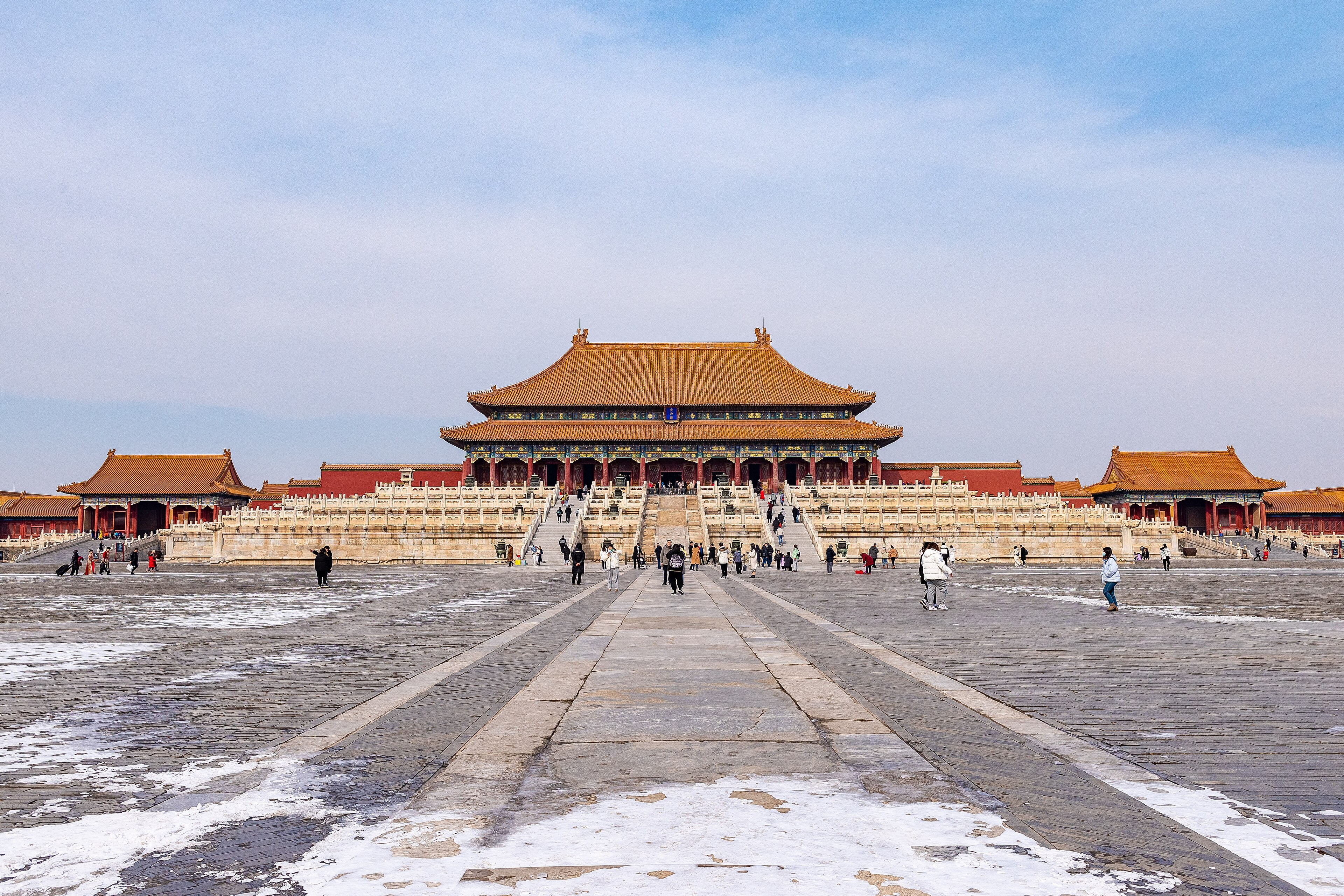 Beijing · DoForbidden City Tickets: How Booking Actually Works for Foreign VisitorsThere is no ticket window to fall back on. The Palace Museum is won or lost a week before your visit, on a phone screen, with your passport details typed exactly right.Reference ~
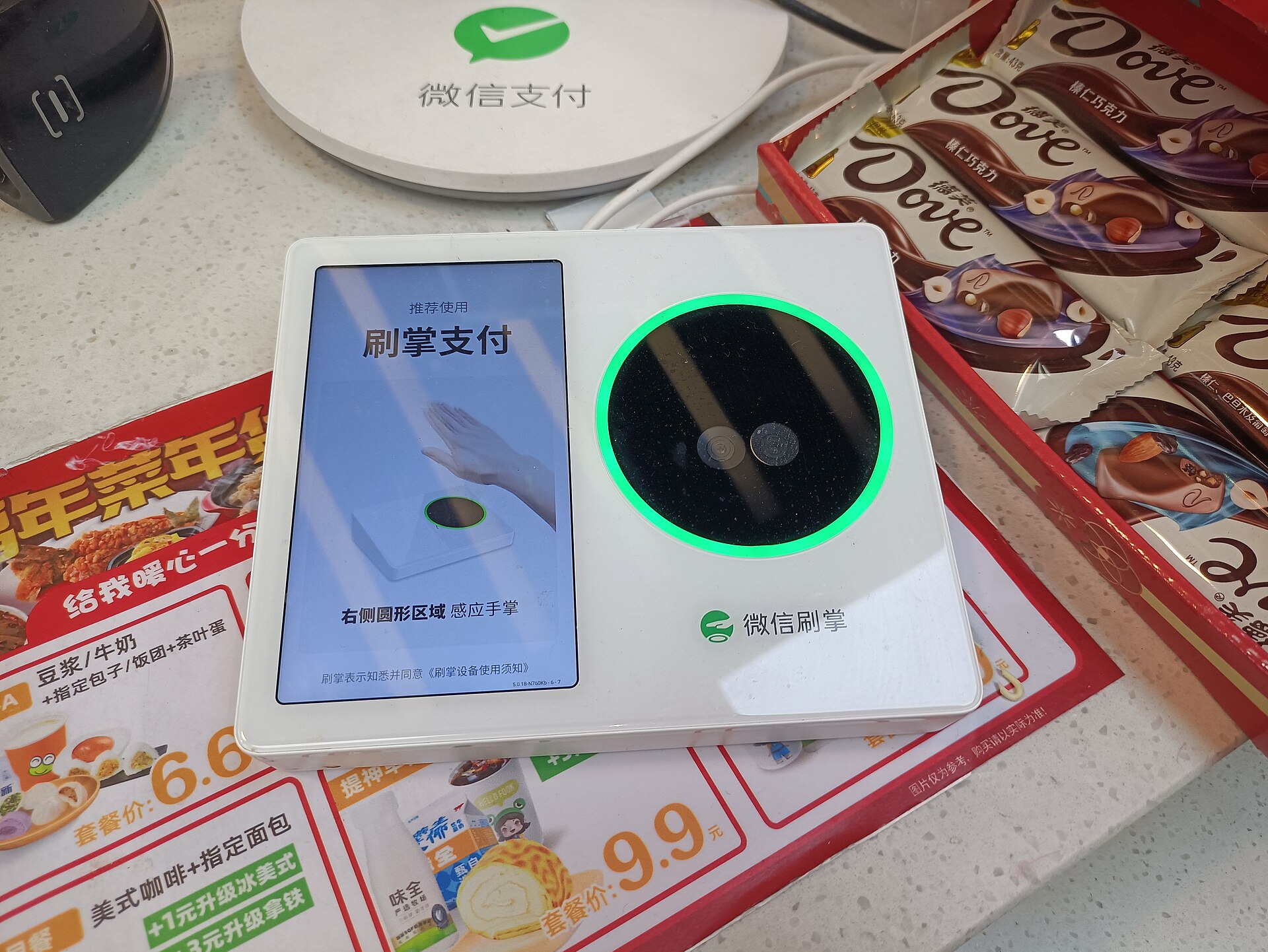 China · PrepareHow to Pay in China (2026): Alipay, WeChat Pay, TenPayGo, Cards and CashSet up one wallet before you fly, add a second as backup, and understand the two numbers that explain most payment confusion.Reference ~
 China · PrepareInternet & eSIM in China (2026): Roaming, Travel eSIM, Local SIM and Wi-Fi ComparedYour phone will work in China. The real question is which internet it connects to — every connectivity choice is a choice between two exits.Reference ~
08 · SOURCES
Sources and status
Prices, schedules and booking channels change. Recheck the details that matter before you travel.
- Mutianyu Great Wall official siteReference ~Operator channel for current lift and shuttle notices; verify prices close to your visit
- UNESCO — The Great Wall World Heritage listingReference ~World Heritage listing for the wall as a whole; background on what the sections protect