
Black Pearl is a restaurant guide operated within the Dianping and Meituan ecosystem, grading restaurants with one, two or three diamonds; Chinese diners use it as a premium-dining reference in the same everyday way Western diners use Michelin
Checked October 2026GUIDES / FOOD
Shanghai Black Pearl Restaurants: China's Own Fine-Dining List, Decoded
Michelin is the list you brought from home. Black Pearl is the one Shanghai actually argues about — a Dianping and Meituan guide, graded in diamonds, built for premium Chinese dining. Here is how to use it without booking the wrong branch of the right restaurant.
City Shanghai10 min read8 facts labeledChecked 2026-10-30
01 · IN BRIEF
The concierge opens a different app
You ask the hotel concierge a simple question — where should we take our Shanghai partners for a serious Chinese dinner? — and expect him to reach for the famous French list. Instead he opens Dianping, types in Chinese, and starts talking about diamonds. One diamond, two diamonds. A name you have never heard of is, apparently, the reservation half the business district is competing for this month, and the branch across the river with the identical English name is not the one that holds the award. Your guests arrive in forty minutes. This is the moment most visitors discover that Shanghai runs two fine-dining systems in parallel, and they only brought one of them.
Black Pearl is the second system: a restaurant guide published through the Dianping and Meituan ecosystem, graded in diamonds rather than stars, and weighted toward the premium Chinese cooking that domestic diners actually book for banquets, family milestones and business hosting. This guide explains what the diamonds mean, where the list is strong, where it misleads, and the verification routine that turns a name on the list into a confirmed table at the correct branch. None of this requires insider status — it requires knowing that the guide exists, what its grades mean, and how a booking is actually confirmed in a system built for Chinese-language apps.
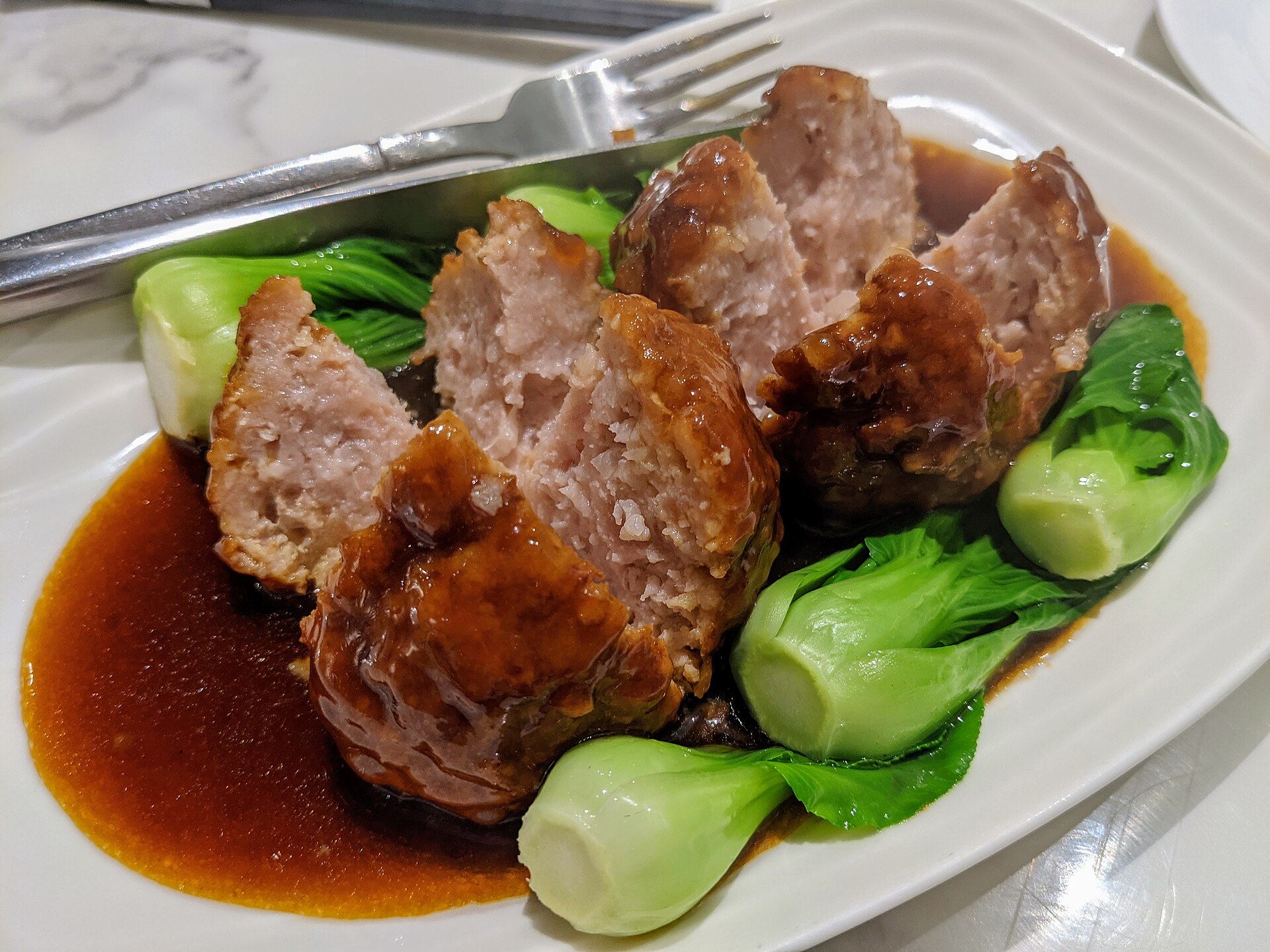
02 · SEE IT
One Black Pearl night, in running order
- 18:00 — Arrive at the branch you verified, not the branch the map suggested first; the award belongs to one address only
- 18:15 — Tea first, menu second: premium Chinese rooms run on a banquet rhythm, and the ordering conversation sets the whole meal
- 19:00 — Cold starters and the house signature arrive together; this is where Benbang and Jiangnan kitchens show their hand
- 20:30 — The slow centre of the meal: braised dishes, river seafood or a whole fish, paced for sharing rather than courses
- 22:00 — Settle up knowing exactly what the private room cost — minimum spend was agreed before you sat down, not discovered now
- First-order card — Shanghainese and Jiangnan: the list's home turf. Choose it when the meal should taste of this city
- First-order card — Cantonese and Chaozhou: the business-dinner engine. Choose it for seafood, roast meats and polished group service
- First-order card — Vegetarian premium: the calm counterweight. Choose it after days of rich food, or for mixed tables
- First-order card — Western names on the list: real, but not the point. Choose one only if it is the exact occasion you came for
03 · TRY IT YOURSELF
Use the list like a local
Your ticks stay on this page only. No account or personal data is sent.
04 · THE PROOF
The facts this guide leans on
Local social posts discussing the 2026 Shanghai selection describe 61 restaurants on the list — three at three diamonds, six at two and the remaining 52 at one diamond. Those figures circulated on Xiaohongshu rather than an official page, so treat them as a social-sample snapshot and confirm the current list inside the app
Checked July 2026The list's weight sits with Chinese cooking: Benbang and Jiangnan kitchens, Cantonese and Chaozhou rooms, Ningbo and Taizhou seafood, and premium vegetarian dining all feature heavily, reflecting what domestic diners book for hosting and family occasions
Checked October 2026Names that recur in local Black Pearl conversation include the refined Cantonese house YongFu, the serene vegetarian tasting room Fu He Hui, and the modern Chinese counter Ling Long — alongside Western addresses such as Da Vittorio that locals discuss in the same breath
Checked October 2026A diamond attaches to one specific branch of a restaurant, not to the brand as a whole; a sister outlet across town may share the name and none of the status
Checked October 2026Private rooms in this tier commonly run on minimum-spend or fixed set-menu terms that supersede any per-person average quoted on a listing page
Checked October 2026Per-person spend figures attached to social posts about these restaurants drift quickly as menus reprice; a number from a post is a budgeting clue, never a quote
Checked October 2026The selection is refreshed on an annual cycle, and local diners pay close attention to which rooms gained or lost diamonds — status you verified for a previous trip may no longer hold
Checked October 202605 · STEP BY STEP
How to book the right room, step by step
- Step 1 — Decide what job the dinner has to do
Black Pearl earns its place in a trip when the meal itself is an event: hosting Chinese partners, marking an anniversary, gathering three generations at one table, or giving a food-led itinerary its single premium Chinese night. Name the job before you name a restaurant, because the list contains multitudes — a hushed vegetarian tasting room and a boisterous Cantonese seafood hall both wear diamonds, and they solve opposite problems. If the job is simply 'eat well tonight', Shanghai's ordinary restaurants will do it for a fifth of the price and none of the booking theatre; save the diamond for the night that needs ceremony.
- Step 2 — Shortlist by cuisine family, not diamond count
Work down the list by kitchen, not by grade. Shanghainese and Jiangnan cooking — soy-braised dishes, river fish, crab in season, Ningbo and Taizhou seafood — is the home fixture, the meal that could only happen here. Cantonese and Chaozhou rooms are the hosting specialists: roast meats, live seafood, double-boiled soups and private rooms run with banquet discipline, ideal when spice tolerance varies across the table. A premium vegetarian room is the connoisseur's move mid-trip, resetting palates dulled by pork and chilli. Western names appear on the list too, and some are superb, but flying to Shanghai to eat Italian food you could book at home spends the list's one advantage: local knowledge. Diamond count, notably, is the weakest sorting tool in this step: a one-diamond room in the right cuisine will outperform a three-diamond room in the wrong one on any given night, because the occasion, not the grade, is what the table remembers.
- Step 3 — Cross-check against Michelin, for a different question
Use the two guides as instruments that measure different things. Michelin answers where the global fine-dining world has planted flags; Black Pearl answers which rooms carry prestige with the people who actually live and host in this city. A restaurant appearing in both conversations deserves a closer look, but overlap is not a verdict — the shared names still split into tasting counters, banquet halls and family rooms that suit different nights. When the two lists disagree, believe the one that matches your occasion: a business dinner for Chinese guests belongs to the local list, a anniversary tasting menu may belong to the global one.
- Step 4 — Verify the exact branch inside Dianping or Meituan
This is the step visitors skip and regret. Take the restaurant's full Chinese name — characters, not romanisation — and search it inside Dianping or Meituan. Confirm that the diamond status sits on the precise branch you intend to visit, because brands run multiple Shanghai outlets and the award lives at one address. Read the branch page for the current per-person spend, the set menus on offer, and recent diner photos, which reveal the room's real register better than any press shot. Save the branch's Chinese address for your driver at the same moment; a pin dropped on the English name can deliver you to a same-brand outlet across the river with twenty minutes gone.
- Step 5 — Interrogate the booking before money moves
Premium Chinese rooms hide their real terms in details that listing pages summarise loosely, so ask directly, in writing where possible: Is there a private-room minimum spend, and does it count drinks? Is a deposit required, and what are the cancellation terms? Can the kitchen handle the table's allergies and dietary restrictions, and is anyone on staff able to run the meal in English? Does the restaurant take foreign cards, or is mobile payment expected? How long does the full menu actually take — a three-hour banquet rhythm is a feature until it collides with a morning train. A concierge or local planner earning their fee does exactly this interrogation in Chinese in five minutes. If any answer comes back vague — a minimum spend to be 'discussed later', a deposit with no cancellation terms — treat the booking as unconfirmed and keep a second candidate warm. Ambiguity at this tier is a sales technique, not a cultural difference.
- Step 6 — Fit the meal into the day's geography
The best room in the wrong district is the wrong room. Anchor the dinner to where the day ends: a Bund or Xintiandi evening pairs with the central districts' rooms, a Pudong business day should stay in Pudong, and nobody should cross the river at 21:30 hunting a second venue. One premium dinner also needs a light day around it — schedule the dumpling crawl for lunch the day after, not the same afternoon. If the night continues, continue it nearby: a calm bar in the same neighbourhood, reached on foot, beats a cross-city transfer in every version of this trip.
06 · WHERE THIS BREAKS
Where the list stops helping
A social post is not an award notice
Xiaohongshu and Rednote are excellent discovery engines and unreliable registrars. Posts repeat last year's diamonds, photograph the wrong branch, and quote prices from menus that have since been reprinted. Use them to learn which names locals are excited about, then verify status, branch and terms inside Dianping or Meituan or through the restaurant directly before any deposit leaves your account.
Private-room economics change the maths
The per-person average on a listing describes the main dining room on an ordinary night. Behind a closed door, minimum spends, set-menu requirements and bottle rules can double the real cost of the same kitchen. Groups booking a room should agree the full terms — spend floor, menu, drinks policy, service charge — before confirming, and get them in writing.
The list will not fix a short, casual trip
If you have two nights in Shanghai and your heart is set on soup dumplings, pan-fried buns, scallion oil noodles and a neighbourhood Benbang room, Black Pearl adds booking friction without adding pleasure. The guide serves travellers with a premium slot to fill. Everyone else understands the city better through its everyday tables.
Diamonds churn every year
Restaurants gain and lose status with each annual revision, chefs move, and rooms renovate. A screenshot, a friend's tip or an old article can all be describing a restaurant that no longer holds the grade — or no longer exists at that address. Verify in the current cycle, close to your travel dates.
The English name is not the name on the door
Premium Shanghai restaurants often trade under an English rendering that several branches share, while the Chinese name — the one on the sign, the listing and the award — carries the branch's identity. Bookings, taxi rides and award checks should all run on the Chinese name plus the district. Travellers who navigate by the English name alone eventually eat a perfectly good dinner at the wrong restaurant and never know what they missed.
Booking channels assume Chinese-language confidence
The verification chain lives inside Chinese apps, and the negotiation over rooms, deposits and dietary needs usually happens in Chinese too. That is a logistical fact, not a barrier: hotel concierges do this daily, and a local planner can run the whole sequence. What fails is guessing — paying a deposit against a machine-translated listing you only half understood.
Which list deserves your trust?
Neither outranks the other; they report on different dining worlds. One maps global fine dining, the other maps local prestige, and Shanghai is unusual in having both maps fully drawn. Choose per occasion, and let cuisine, district and booking reality arbitrate — not the logo on the door.
How many Black Pearl dinners should a trip hold?
One, for almost every itinerary. Food-led travellers might add a second premium Chinese night in a contrasting style — a Cantonese banquet after a Jiangnan dinner, say — but back-to-back formal rooms flatten the very contrast that makes Shanghai eating interesting. Protect the casual meals; they are not filler between events.
07 · KEEP READING
Keep the trip moving
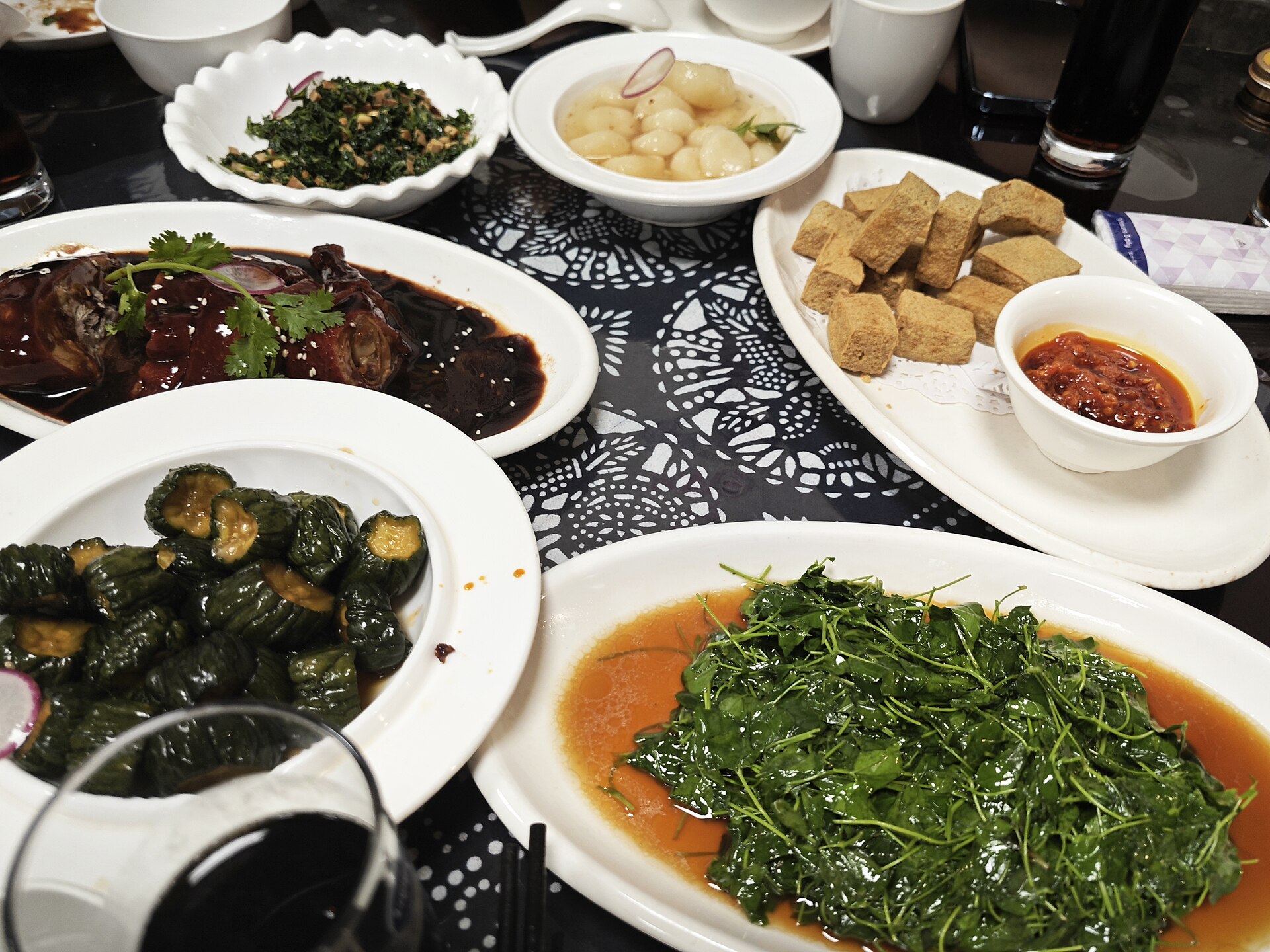 Shanghai · DoShanghai Michelin Guide: One Great Dinner, Booked ProperlyThe stars are the easy part. The real work is choosing the cuisine that fits your trip, the exact branch of the exact name, and a deposit you actually understand — here is how the Shanghai Michelin map behaves on the ground.Reference ~
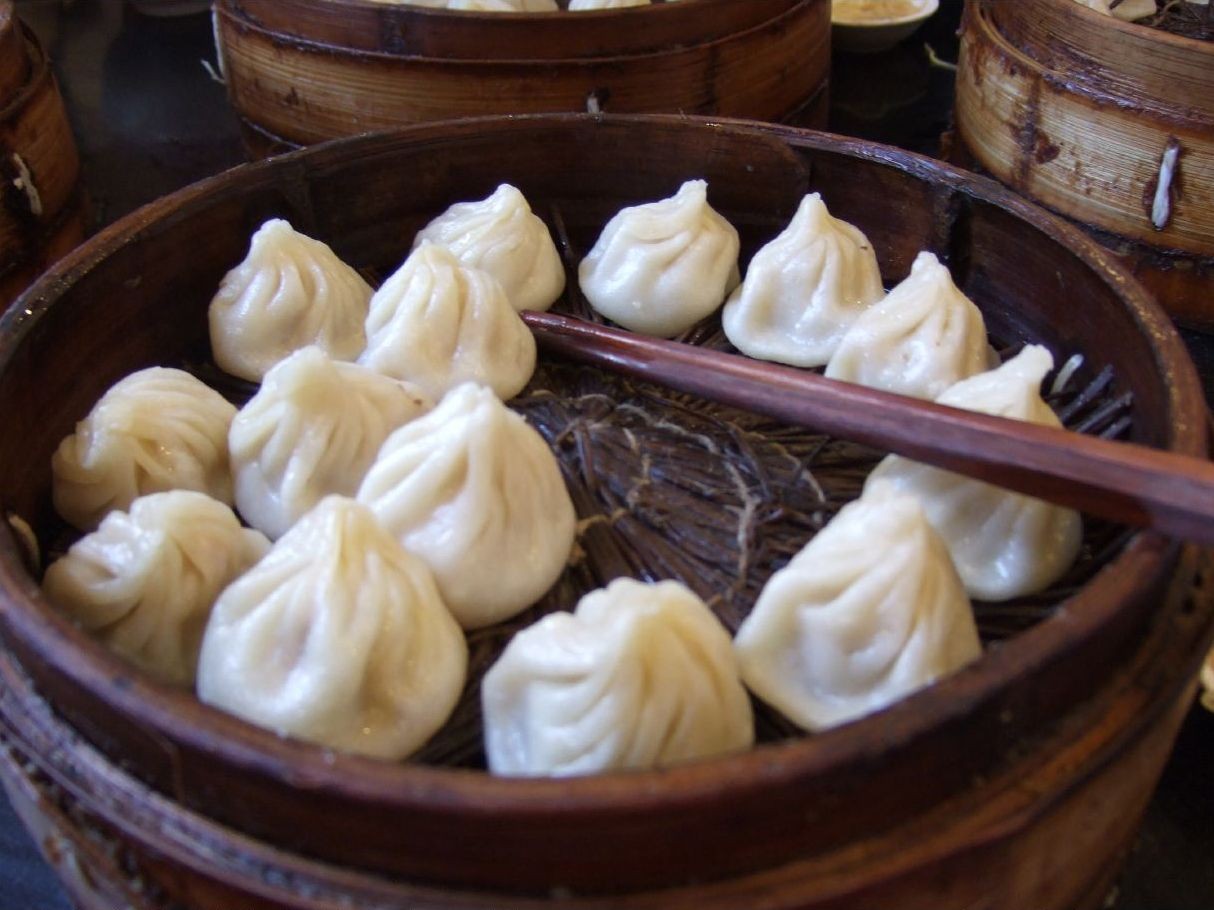 Shanghai · DoShanghai Food Guide: What Locals Actually Eat, and How to Eat ItSoup dumplings are the postcard. The real Shanghai table is pan-fried buns at dawn, dark glossy braises, river shrimp, a spring soup — and knowing the order to put them on the table.Reference ~
 Shanghai · DoShanghai at Night: The Bund, the Concession and the Pudong ShoreOne riverbank per evening, two to three unhurried hours, and the way home decided before you set out — three night routes built the way the city actually lights up.Reference ~
08 · SOURCES
Sources and status
Prices, schedules and booking channels change. Recheck the details that matter before you travel.
- Dianping — Black Pearl guide entry pointVerifiedThe official home of the Black Pearl list; current diamonds and branch-level status are confirmed here or inside the Dianping and Meituan apps
- MeituanReference ~Co-platform of the Black Pearl ecosystem; branch pages carry current spend, menus and booking routes
- Shanghai Municipal People's Government — English portalReference ~Official city information for visitors, including dining and district background