
The Dianping Must-Eat List is the local ranking signal Shanghai diners actually use; ChinaMate's Shanghai research cross-checks English-language coverage against Dianping listings before recommending a shop
Checked September 2026GUIDES / FOOD
Shanghai Food Guide: What Locals Actually Eat, and How to Eat It
Soup dumplings are the postcard. The real Shanghai table is pan-fried buns at dawn, dark glossy braises, river shrimp, a spring soup — and knowing the order to put them on the table.
City Shanghai13 min read10 facts labeledChecked 2026-10-29
01 · IN BRIEF
Start at the shengjian stall, 7 a.m.
It is just past seven on a side street, and the stall's flat griddle is already on its second batch. Office workers eat standing up, one hand holding a small dish of black vinegar, the other working chopsticks around a bun whose bottom has fried to a deep amber crust. Nobody photographs anything. A shengjianbao costs a few yuan, burns the careless, and explains Shanghai better than any tasting menu: this is a city that takes breakfast seriously enough to queue for it.
Shanghai's own cooking — Benbang, 'the local style' — is built on soy sauce, rice wine, a measured sweetness and patience. It is not spicy, not showy, and not really about the one famous dumpling. This guide covers the dishes locals actually order, how each one is eaten without injury or embarrassment, and how to assemble them into a single very good day of eating. Local rankings cited here come from Dianping, China's dominant restaurant platform, whose Must-Eat List is the closest thing the city has to a people's Michelin — treat it as a strong local signal, not a guarantee.
02 · SEE IT
One day of eating like a local
- 07:30 — Shengjianbao straight off the griddle for breakfast, with a bowl of curry beef soup if the stall offers it
- 10:00 — A slow coffee or tea break; Shanghai mornings are not built for a second breakfast
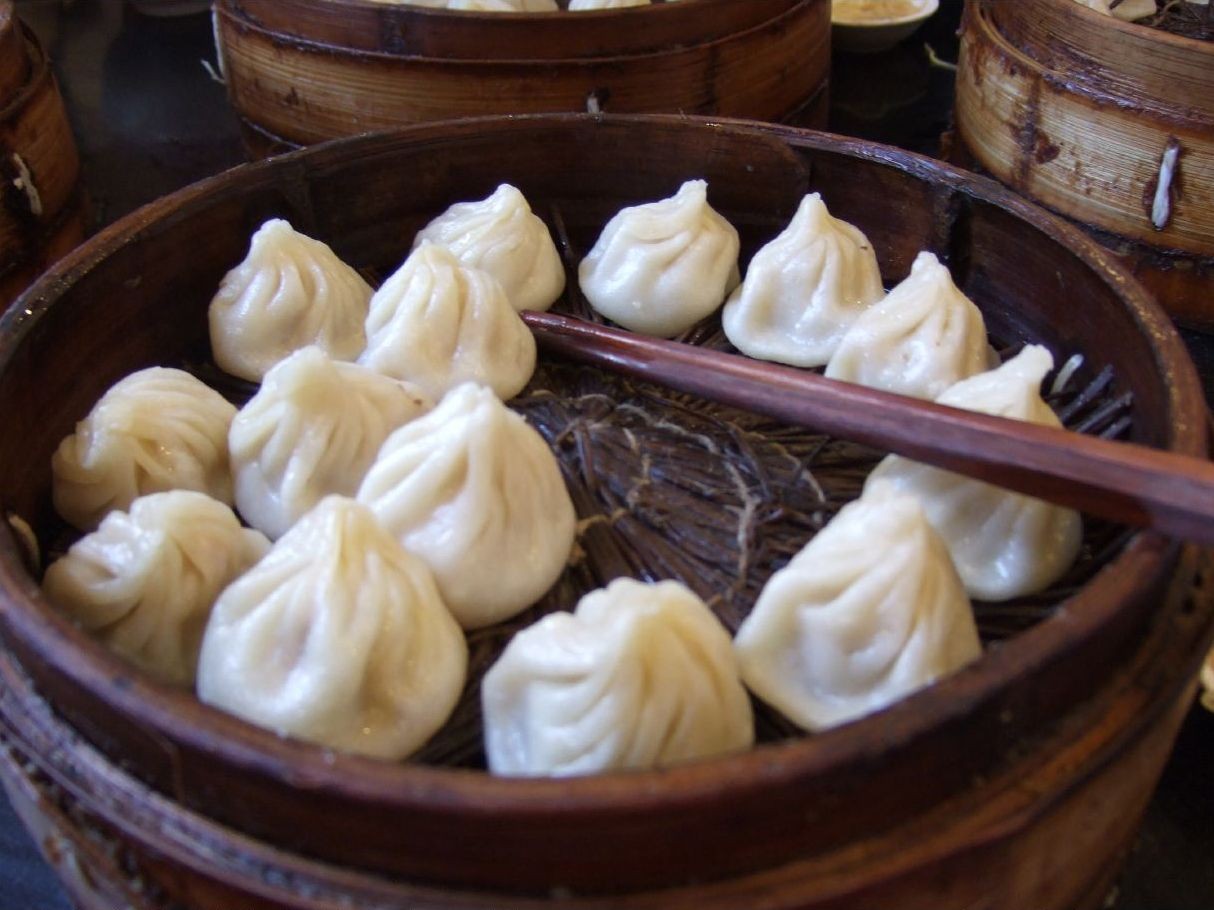
- 12:00 — Xiaolongbao lunch: one basket pork, one basket crab roe in season, ginger and black vinegar on the side
- 15:30 — Old-brand snack stop: scallion oil noodles or a pork chop with sweet rice cakes
- 18:00 — The full Benbang dinner: cold starters first, then a dark braise, a river dish, greens, and yan du xian if it is spring
- 21:00 — Optional nightcap of the edible kind: a bowl of wontons from a late shop
03 · TRY IT YOURSELF
Order like you mean it
Your ticks stay on this page only. No account or personal data is sent.
04 · THE PROOF
Signals, prices and seasons
Hairy crab season runs roughly September to December, with the richest roe in mid-autumn — outside that window, most 'hairy crab' dishes are built on frozen or substitute roe
Checked September 2026Street-level prices stay low: a serving of four shengjianbao at a major local chain runs about ¥8, and a basket of xiaolongbao at a locals' shop starts around ¥20
Checked September 2026Jia Jia Tang Bao is the name local coverage gives when asked where Shanghainese themselves eat soup dumplings — small, no-frills, and matched against the famous brands on quality
Checked September 2026A serious Benbang dinner at a respected old-house restaurant typically lands in the ¥250–300 per person range before drinks
Checked September 2026Benbang depth is built from four things — rice wine, soy sauce, sugar and patience — which is why the braises look dark and glossy yet taste rounded rather than harsh: gentler than Sichuan heat, less roast-driven than Cantonese cooking
Checked September 2026In local platform samples, the dining-room names that keep resurfacing are the old houses: Lu Bo Lang, Shanghai Old Restaurant, Xian De Lai, De Xing Guan, Song Yue Lou, Guang Ming Cun, Lao Ban Zhai and Wang Bao He
Checked June 2026The same samples mark out Nanjing East Road for snacks: Wei Xiang Zhai's noodles, Ha's Shanghai Harbin Food Factory, and Shen Da Cheng's traditional pastries
Checked June 2026A deeper ring of older, less-visited rooms recurs in local posts — Lao Zheng Xing, Sanlin Benbang Guan, Rui Fu Yuan, Lan Xin, Lan Ting, Cui Ting, Shanghai Old Station, Xiao Ping Restaurant, Xiao Shihui Jia and Wo Jia Restaurant — next to home-style plates like oil-braised bamboo shoots, white-cut chicken, braised pomfret and three-delicacy soup, and restaurant plates like pork-stuffed green peppers, ci mao qiu, crab roe rice and eel under hot scallion oil
Checked June 2026Shanghai's restaurant guidance splits by job: dish-level guides for first meals, regional-Chinese roundups for the other cuisines, Michelin for one globally recognised special dinner, and Black Pearl — the premium list run on Dianping — for high-end Chinese tables with local standing: private rooms, celebrations, business dinners
Checked October 202605 · STEP BY STEP
The eight dishes, and how each one is eaten
- Xiaolongbao — sip first, eat second
Lift the dumpling by its topknot so the skin does not tear, rest it on your spoon, and bite a small opening at the side. Drink the soup first, then eat the dumpling with shredded ginger dipped in black vinegar. Biting straight in is how shirts get ruined. Judge a shop by its plain pork basket first: crab roe is the flourish, but the real test is whether the skin stretches without tearing, the pork tastes honest, and the soup reads light rather than fatty.
- Shengjianbao — respect the soup, fear the soup
These pan-fried buns hold more hot liquid than they appear to. Bite a small vent in the top, let the steam out, sip, then work down to the crisp sesame base — the fried bottom is the point of the whole exercise. Eat them within minutes of the griddle; they decline fast.
- Hongshaorou — order rice with it
Red-braised pork belly, slow-cooked in soy, sugar and rice wine until the sauce turns to lacquer. It is rich enough to be a shared dish, not a solo main. Spoon the sauce over plain rice — that is not a tourist move, it is the local one. Many old houses serve it with a soy-braised egg; take it.
- Cong you mian — mix it immediately
Scallion oil noodles arrive looking plain: noodles, dark scallion-infused oil, sometimes dried shrimp or a fried pork chop alongside. Toss everything hard while it is hot so the oil coats every strand, and eat before it clumps. It is a breakfast and snack dish, not a banquet noodle.
- Zuiji — the cold opener
Drunken chicken is poached chicken served cold, steeped in Shaoxing rice wine until the flesh carries the aroma. Order it as a starter, eat it before the hot dishes arrive, and expect the flavor to be about fragrance, not alcohol heat. The same cold-case logic applies to smoked fish and jellyfish — pick one cold dish to open the meal.
- Youbao xia — small shrimp, eaten whole
Oil-exploded river shrimp are flash-fried until the shells turn crisp and glossy with a sweet-savory glaze, then eaten shell and all. The shells are the texture; peeling them defeats the dish. Portions are small and priced like it — this is a delicacy, not a filler.
- Dazha xie — hairy crab, in season only
Steamed hairy crab is an autumn ritual: the crab is opened, the roe or milt eaten first with ginger vinegar, the legs worked last, and ginger tea served after to 'warm' the meal. Go between September and December, choose a specialist house, and budget for it — in season, a proper crab dinner is a splurge, not a snack.
- Yanduxian — the spring soup
A milky broth of fresh bamboo shoots with both salted and fresh pork — the name is a small poem about the two meats simmering together. It is a spring dish, when bamboo is tender. Order it as the table's soup in season; out of season, swap in a three-delicacy soup and save yanduxian for a spring trip. Some houses lean on ham for the cured note; either way this is the gentle end of the cuisine — broth depth over drama.
- Tangcu paigu — the glossy sweet-sour ribs
Shanghai's sweet-sour signature: pork ribs lacquered in a sauce that should land glossy and tacky, with a vinegar edge bright enough to stop it turning cloying — nothing like takeout syrup. It is one of the most approachable dishes on the Benbang table for first-timers, and it earns its place in a family-style spread alongside the darker braises.
- Cold dishes — start cold, on purpose
A Shanghainese meal opens in the cold case, not at the wok: kaofu (soy-braised wheat gluten), smoked fish, drunken chicken, cold noodles, a seasonal vegetable. Pick one or two. They set the rhythm of the meal — something cool and composed before the dumplings, the braise and the soup — and they are half of what makes the table feel local.
- Michelin and Black Pearl — signals, not the plan
Use the lists for the one special meal, not the whole trip. Michelin is the stronger signal when you want a globally recognised fine-dining room; Black Pearl points the other way: prestige as local diners judge it — the room you would book for a private banquet, or a dinner meant to impress Chinese partners. Book a single premium table if it fits the trip, and leave the rest of your appetite for dumpling shops, noodle counters and old Benbang dining rooms.
06 · WHERE THIS BREAKS
When the plan breaks
Crab outside autumn
From roughly January to August, live local hairy crab is not a thing. Restaurants serving it then are working from frozen roe or other crab species — spend the money on braises instead.
The famous-name queue
The best-known xiaolongbao address sits inside the city's busiest tourist bazaar. Go as part of a visit to the area, early, or take the locals' alternative — the dumplings are comparable and the line is not.
Sweetness shock
Benbang cooking is sweeter than most visitors expect, and sugar appears in dishes that look savory. If you dislike sweet-savory food, weight your order toward cold dishes, river shrimp and noodles, and say so when ordering.
Allergies travel badly here
Soy, shellfish, gluten and peanut oil run through this cuisine, and old-school kitchens are not built for substitutions. Carry your allergy information in Chinese on your phone and show it before ordering, not after.
Rankings are a signal, not a promise
Dianping scores move, branches of the same brand differ, and a Must-Eat badge from a past year can outlive the kitchen that earned it. Cross-check the most recent photo reviews before crossing the city for one dish.
What is Shanghai food most famous for?
The canon: xiaolongbao, shengjianbao, red braised pork, scallion oil noodles, sweet and sour ribs, drunken chicken, oil-fried river shrimp — and hairy crab when the season is right.
Where does a beginner start?
With the friendly core: xiaolongbao, shengjianbao, red braised pork, scallion oil noodles, sweet and sour ribs and drunken chicken, plus one seasonal dish — yan du xian in spring, hairy crab in autumn.
Is Shanghai food spicy?
Generally no. Benbang cooking runs savory with a gentle sweetness and a soy-sauce sheen, balanced by rice wine, vinegar and cold starters instead of chilli heat.
Is Shanghai food sweet?
Slightly, by northern or Sichuan standards: soy sauce and sugar are cooked together, most visibly in the red-braised dishes. It should taste rounded, not sugary.
Restaurants or snack shops — which matters more?
Both, for different jobs. Dining rooms are where the braises, cold starters, seafood and soups live; the fast, cheap end of the cuisine — soup dumplings, fried buns, noodle bowls — lives in snack shops. A trip that only does one half misreads the city.
Where should I eat local food?
Build the triangle: a traditional Benbang dining room, a shop that lives on dumplings and buns, and a noodle or snack counter. Fine dining alone will not tell you what this city eats.
Is hairy crab worth trying?
In autumn, at a reputable house, it can be the meal of the trip — but it is an occasion, not a snack, and never essential. Confirm the season and the price before you sit down.
Should I book a Michelin or Black Pearl restaurant?
Only one, and only if it fits the trip: Michelin buys you global fine-dining context, Black Pearl buys you the local Chinese signal. Either way, keep meals aside for dumplings, noodles and neighborhood Benbang rooms.
Verify before you book or cross town
Restaurant names, branches, opening hours, prices, seasonal crab supply and current Michelin or Black Pearl status all move. Social posts are discovery signals, not award verification — confirm against the restaurant's own channels before committing an evening to one address.
07 · KEEP READING
Keep the trip moving
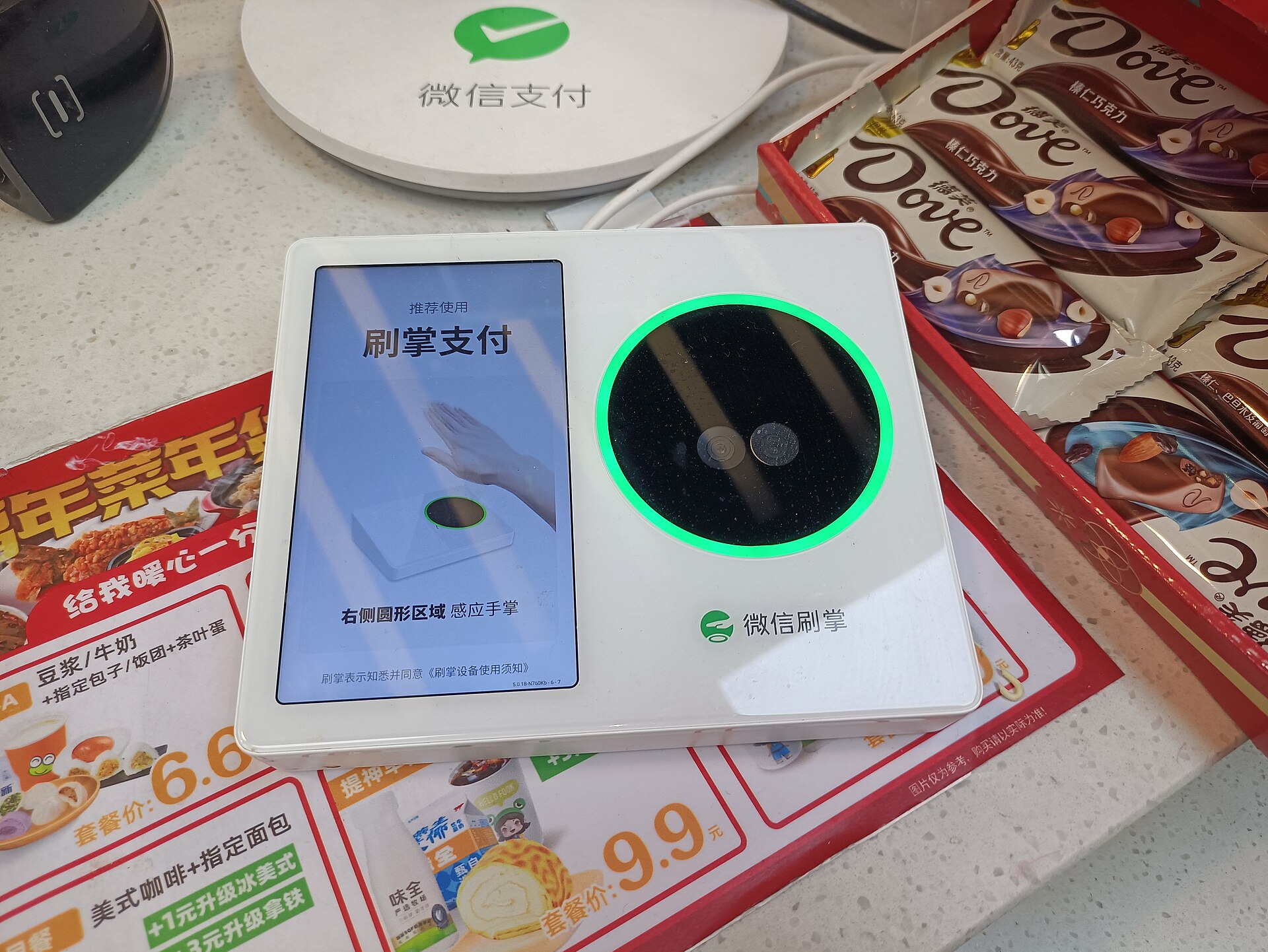 China · PrepareHow to Pay in China (2026): Alipay, WeChat Pay, TenPayGo, Cards and CashSet up one wallet before you fly, add a second as backup, and understand the two numbers that explain most payment confusion.Reference ~
 China · PrepareInternet & eSIM in China (2026): Roaming, Travel eSIM, Local SIM and Wi-Fi ComparedYour phone will work in China. The real question is which internet it connects to — every connectivity choice is a choice between two exits.Reference ~
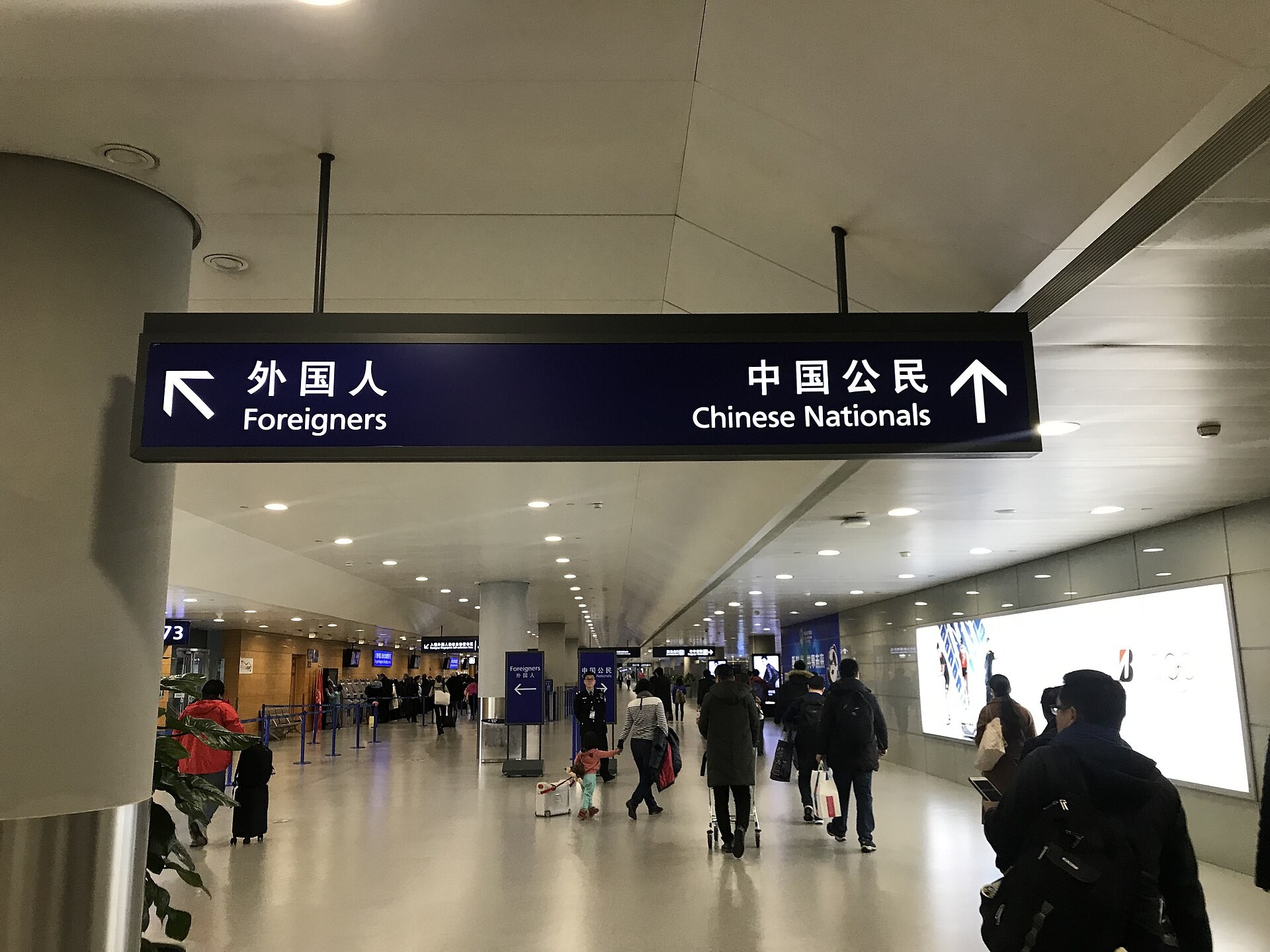 Shanghai · PrepareShanghai 240-Hour Visa-Free Transit (2026): Who Qualifies and How the Clock Really WorksTen days in China without a visa — if your passport is on the list, your route is a real transit, and you count the days the way the border does, not the way your boarding pass suggests.Verified
08 · SOURCES
Sources and status
Prices, schedules and booking channels change. Recheck the details that matter before you travel.
- Dianping — Shanghai restaurant listings and Must-Eat ListReference ~Local ranking signal source; in Chinese, rankings move over time
- Shanghai cuisine — background reference (Wikipedia)Reference ~Public background on Benbang cuisine and its classic dishes