
The UNESCO Creative Cities Network profiles Shunde as a city of gastronomy, and the district's standing inside Guangdong is older than any designation: Cantonese kitchens have treated it as a benchmark and a training ground for generations
Checked October 2026GUIDES / FOOD
Shunde from Guangzhou: One District, One Perfect Food Day
A short ride out of Guangzhou South, a bowl of double-skin milk eaten warm in Daliang, fish cooked three ways off one catch, and a classical garden to walk it off — Shunde rewards travellers who pick one neighbourhood and eat with a plan.
City Guangzhou13 min read8 facts labeledChecked 2026-10-30
01 · IN BRIEF
The train ride is shorter than the queue
It is barely nine in the morning and the dessert house in Daliang already has a line out the door. Nobody in it looks like a tourist. A grandmother is ordering for a table of grandchildren, a taxi driver is eating standing up with his bowl in one hand, and everyone is waiting for the same thing: a small porcelain bowl of steamed milk with a delicate wrinkled skin floating on top, eaten warm and in near silence. You reached this street on a ride from Guangzhou South that took less time than the queue — and that ratio, short journey and serious food, is the entire logic of a Shunde day.
Shunde is where Cantonese speakers point when you ask where Cantonese cooking really comes from: a district of fish ponds and market towns that trained generations of chefs and still judges a meal on freshness and texture rather than sauce and spectacle. The mistake visitors make is treating it as a checklist of famous dishes scattered across a whole district. This guide builds the day the way locals protect it — one cluster, Daliang; dessert first; one anchor meal built around a single fish; a garden in the middle as digestive strategy; and a return time decided before lunch, not negotiated after dinner.
02 · SEE IT
A Daliang day, in running order
- Morning — Ride from Guangzhou South into Shunde, then take the short local hop into Daliang; the station is a waypoint, the neighbourhood is the destination
- First stop — Double-skin milk eaten warm at a long-running dessert house, before the lunch crowds claim every seat in the room
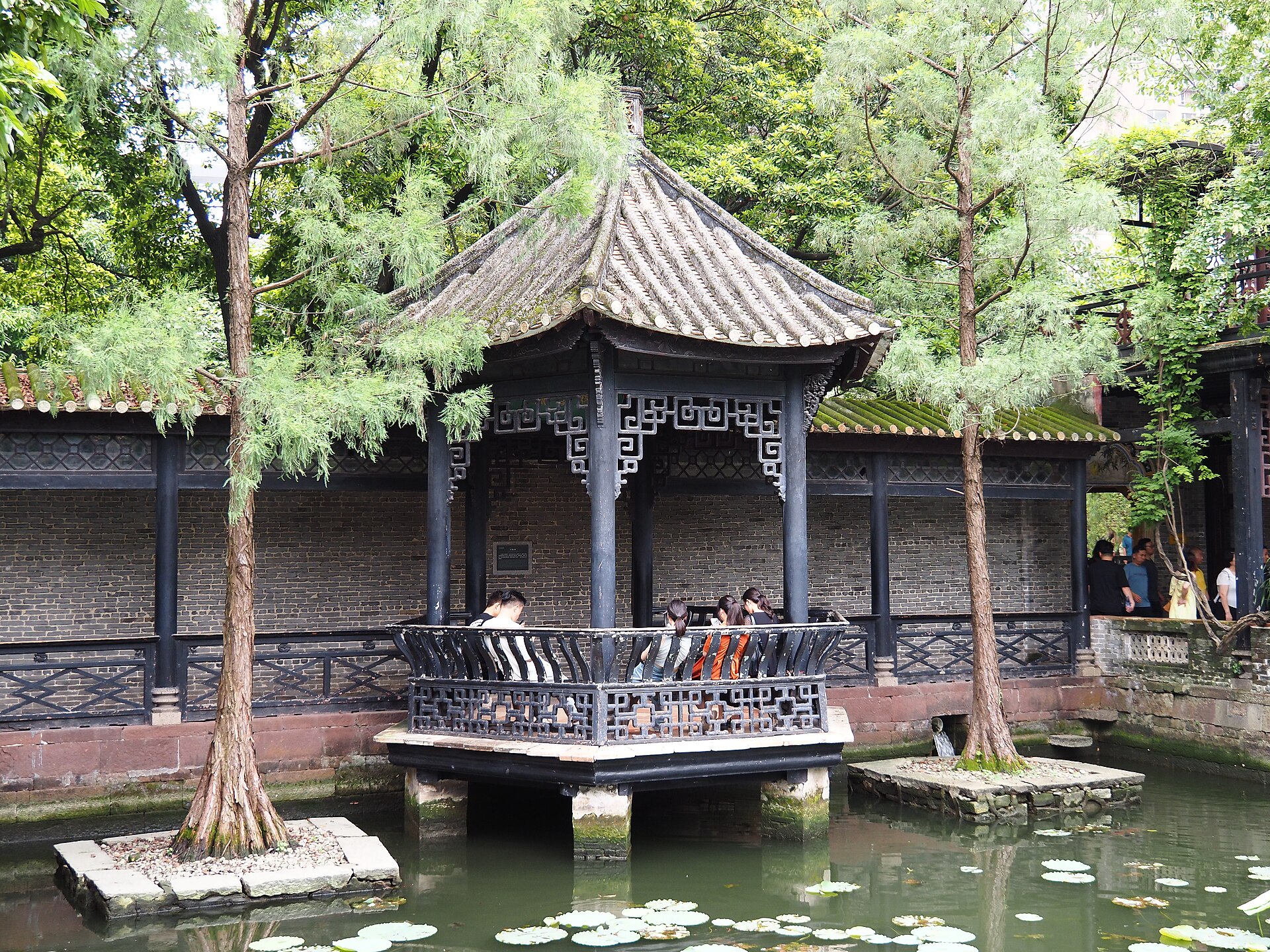
- Late morning — Qinghui Garden: ponds, pavilions and old trees, the classic Lingnan garden doing duty as the day's palate cleanser
- Lunch — The anchor meal: one whole fish arriving as several preparations, or a fish congee built on freshness rather than seasoning
- Afternoon — Daliang's older streets for roast meats, noodle shops and small bakeries; buy nothing you cannot happily eat today
- Second dessert — A different dairy sweet, or ginger milk curd set at your table, if the morning bowl converted you
- Evening decision — A last meal only where real appetite survives; otherwise ride back and eat lightly in Guangzhou
- Day-shape card — Daliang cluster: best for first-timers travelling by rail and metro. Main caution: famous names draw lines and run same-name branches
- Day-shape card — Multi-stop car route: best for groups who want to share large dishes across town. Main caution: over-ordering, and hours lost between stops
- Day-shape card — One-town deep dive: best for repeat visitors chasing a single tradition. Main caution: it demands homework and language confidence
03 · TRY IT YOURSELF
Do it like a local
Your ticks stay on this page only. No account or personal data is sent.
04 · THE PROOF
The facts this guide leans on
Administratively Shunde belongs to Foshan, not Guangzhou — which is why dining platforms file its restaurants under Foshan, and why intercity rail and metro links, rather than city buses, frame the journey out
Checked October 2026Double-skin milk — steamed milk pudding wearing a thin wrinkled skin — is a Shunde creation tied to Daliang, where dessert houses still serve it warm as an opening act in the day rather than a closing one
Checked October 2026Qinghui Garden in Daliang counts among the celebrated classical gardens of the Lingnan region, grown from a Ming-dynasty scholar's residence into a shaded circuit of ponds, pavilions and mature trees inside the modern district
Checked October 2026Getting to the food is a two-part move: a fast leg to a Shunde station, then a separate local transfer, because the stations stand apart from the Daliang streets where the restaurants cluster
Checked October 2026Live-tank seafood in the region is priced by weight, and the figure quoted at the tank is rarely the finished bill: preparation style, cooking charges and table fees can all be added before the dish reaches you
Checked October 2026The local demand signal for Shunde eating lives on Dianping under Foshan: queue reports, portion photographs and exact branch addresses show which names residents genuinely wait for — directional signal only, never a hygiene certificate
Checked October 2026Shunde cooking is judged locally on freshness handling and texture — fish sliced or steamed with minimal disguise, congee worked silky, dairy desserts set to a bare wobble — so restraint in seasoning reads as confidence, not blandness
Checked October 202605 · STEP BY STEP
How to run the day
- Step 1 — Choose the cluster before the cuisine
Shunde is a district of separate towns, and its famous addresses are spread across all of them. Three excellent meals in three distant towns do not add up to a day; they add up to a transport schedule with eating in the gaps. For a first visit, anchor on Daliang: it holds the dessert houses, Qinghui Garden, old streets and a deep bench of restaurants within walking distance of each other. A group chasing destination fish restaurants can justify a car and a wider loop; a repeat visitor can build a day around one town's single tradition. Pick the shape first and let the menu follow the map, never the reverse.
- Step 2 — Travel in two legs, and price both
From Guangzhou you have two broad options: intercity rail or metro-linked services into Shunde, plus a local transfer at the far end, or a private car door to door. Public transport is quick to a station and then stops helping you, because the station may sit well away from the streets you came for — budget the taxi or bus hop, the waiting and the pickup into the plan, along with the last practical return. A car earns its money for groups sharing costs and wide-ranging stops, but fix the terms before you ride: waiting time, parking, overtime and the exact Guangzhou drop-off point. What you should never do is hire an unverified driver pressed on you outside a restaurant.
- Step 3 — Open with dessert
In most cities dessert ends the day; in Daliang it starts it. Double-skin milk is steamed milk with a delicate skin formed on the surface, served warm in a small bowl, and it is the gentlest possible introduction to what Shunde values: texture, freshness and restraint. Eat it at a long-running dessert house in the morning, when the room is full of residents rather than tour groups. If a second dairy encounter appeals later, ginger milk curd — hot ginger juice meeting milk and setting in the bowl in front of you — is the other local party trick. Neither is large. That is the point: you are calibrating, not filling.
- Step 4 — Build the anchor meal around one fish
Shunde's home ground is fish, and the classic move is to let one good fish carry the meal in several preparations: flesh steamed or poached to show its freshness, bones and trimmings worked into a congee, skin crisped if the kitchen offers it. Add one roast or braised dish for contrast, greens, and rice. Order in rounds rather than all at once, because a Shunde lunch should escalate gently and stop while it is still good. A table of four to six samples far more efficiently than a pair; solo travellers do better with individual portions, noodles and desserts, plus a kitchen happy to plate half-portions, than with banquet food ordered out of obligation.
- Step 5 — Order seafood like an auditor
The live tank is a negotiation, so run it like one. Before anything is caught or cooked, establish five things: the species, the weight, whether the price is per item, per weight or per finished portion, the preparation you want, and any cooking or service charge on top. Ask the staff to repeat the total estimate, or write it down — a phone calculator held up with a smile settles most language gaps. For a large fish, ask how it will be divided between preparations before you agree. A guide's recommendation never substitutes for seeing the number yourself: the person paying should always be the person who heard the price.
- Step 6 — Walk the garden between meals
Qinghui Garden is the day's hinge. An hour among its ponds, covered walkways and old trees does three jobs at once: it rests your palate, burns just enough energy to make a second meal plausible, and shows you the Lingnan domestic landscape — water, shade, carved wood, borrowed views — that this food culture grew up inside. Choose one non-food stop and keep it inside the same district. The classic error is bolting on Foshan's Ancestral Temple because both places sit in the same prefecture-level city; geographically and logistically that turns a food day into a driving day. Check the garden's current opening arrangements through official channels before you set out.
- Step 7 — Verify the viral name, then decide dinner
Before joining any famous queue, run the branch check: the restaurant's Chinese name, the exact branch in front of you, today's hours, how its line or reservation system works, and which dish it is actually known for. Social platforms are genuinely useful here — for spotting queue mechanics, portion sizes and which branch travellers really reached — but a sponsored post certifies nothing about current opening or standards, so cross-check recent reports across more than one source and keep a nearby alternative in the same category. Then make the dinner call with a clear head: one final meal if appetite honestly remains, or the train back to Guangzhou while the day is still a success. Shunde rewards the traveller who leaves slightly hungry for a return trip.
06 · WHERE THIS BREAKS
Where the advice stops working
Shunde is not one station
The district's towns are strung out, and a pin saved months ago may sit forty minutes from the cluster you chose this morning. Every address on your list needs its town named beside it, and anything in a different town from your anchor is a separate trip wearing a day-trip costume. If the saved list cannot survive that test, cut the list, not the distances.
Raw and lightly cooked fish is a real decision
Shunde is celebrated for yusheng-style raw fish preparations, and the local confidence in them rests on sourcing and handling you cannot inspect from your chair. Undercooked and raw freshwater dishes carry genuine food-safety risk; weigh your own health, pregnancy, immune status and medication before ordering, ask exactly how a dish is prepared, and choose the cooked preparations — which are superb — whenever the answer is unclear. No famous dish is worth a ruined week.
The banquet-at-lunch trap
Ordering a full banquet spread at midday is the standard way to assassinate a Shunde day: dinner becomes unthinkable, the afternoon becomes a food coma, and the district's lighter pleasures — desserts, noodles, a second small meal — never happen. One significant meal plus two lighter tastes is the sustainable architecture. Solo travellers hit this trap hardest, because banquet dishes do not shrink for one person.
Fish country is hard on dietary requirements
Cantonese kitchens season vegetable dishes with oyster sauce, dried seafood, lard and meat stock, and shared woks move flavours everywhere. Vegetarian, vegan and halal requirements — and allergies above all — demand precise written communication, shown rather than spoken where possible — and a celebrated fish restaurant may simply be unable to control cross-contact. A dedicated dietary restaurant is often the better answer than a signature dish modified beyond recognition. Carry any medication you rely on; do not improvise around a serious allergy.
Queues are the tax on famous names
The best-known dessert houses and fish restaurants run serious lines at weekends and holidays. Families and older travellers should plan around them rather than through them: one cluster, reserved seating where it exists, somewhere green to sit between sittings, and a vehicle rather than long standing transfers. Children will usually be happier with rice, noodles, buns and desserts while adults pursue the technical dishes — build the day so nobody has to queue hungry for food they did not choose.
A guide helps — but the prices stay yours
A driver who knows the food — or a guide who does — earns the fee honestly when the obstacles are language, tank-side pricing and a string of local hops between towns. But delegation has a boundary: the group should still see every price, confirm every order and choose what it wants to eat. The moment a middleman orders on your behalf without numbers in front of you, the auditor step in this guide has been skipped — and that is where Shunde days go wrong.
07 · KEEP READING
Keep the trip moving
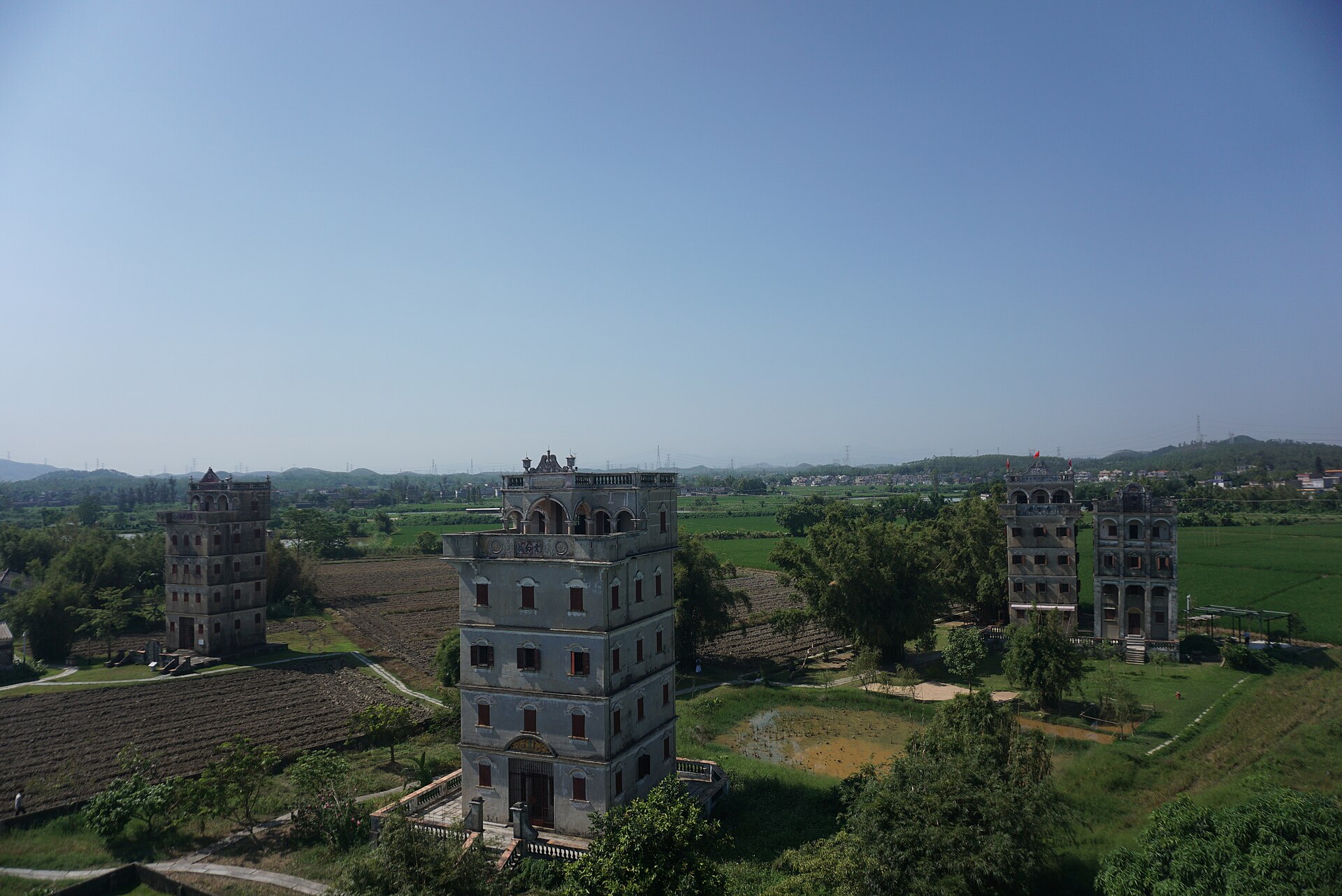 Guangzhou · DoDay Trips from Guangzhou: Kaiping's Towers, Shunde's Tables, Foshan's TempleFour escapes leave from the same city and only one of them is really decided by the train ride. The day is won or lost in the transfer after the station — here is how each trip actually works, and which one fits your group.Verified
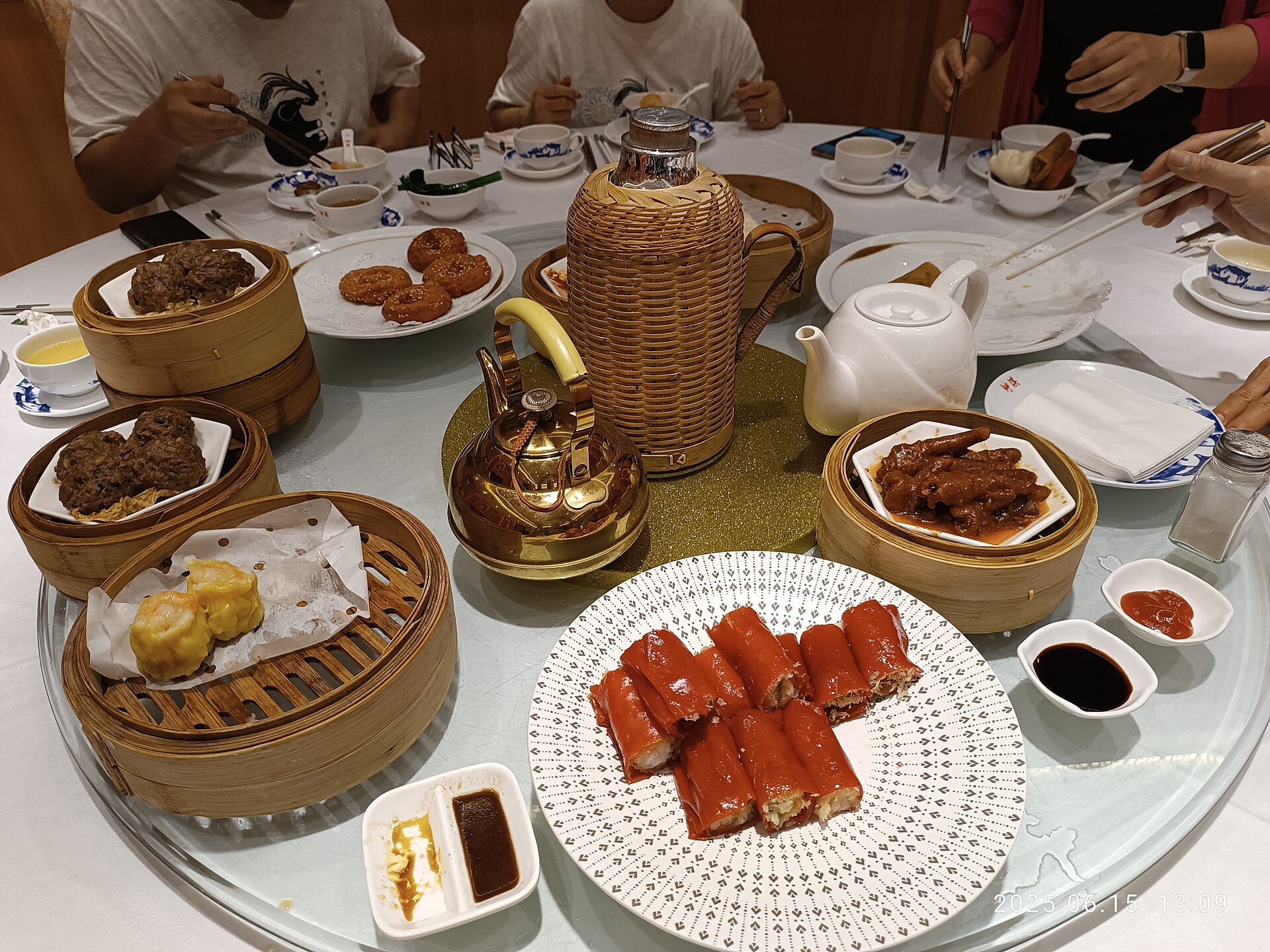 Guangzhou · DoGuangzhou Dim Sum: Yum Cha Is a Pace, Not a ChecklistTea is chosen before food, baskets arrive in waves, and the table fills at the speed of conversation. Morning tea is this city's social operating system — here is how to sit down and run it properly.Verified
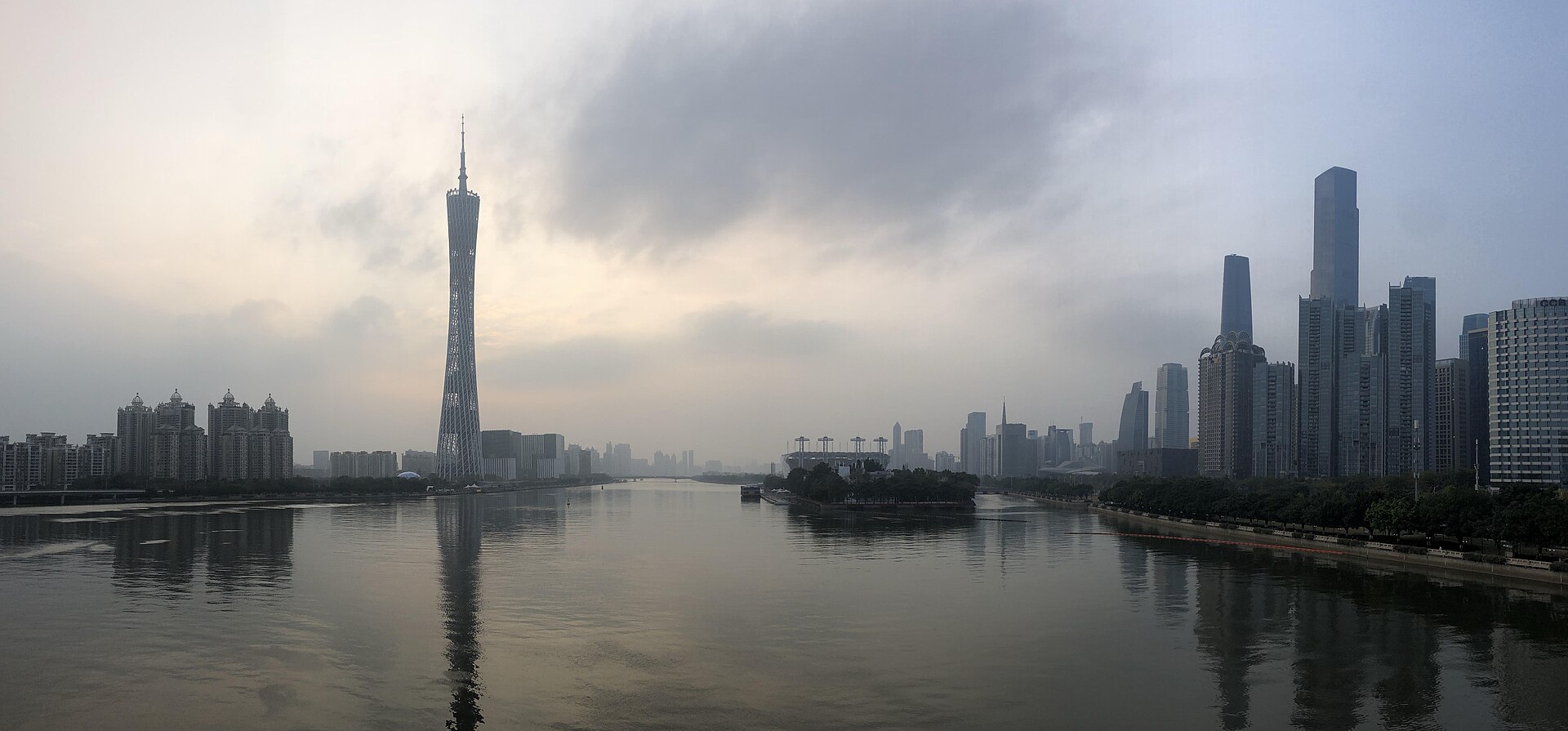 Guangzhou · DoGuangzhou for First-Timers: Teahouses in the West, Towers on the RiverThis is really two cities sharing one name — a merchant old town of arcades and morning tea in the west, and a glowing riverfront of towers in the east. Give each its own day, eat seriously in between, and the place clicks.Verified
08 · SOURCES
Sources and status
Prices, schedules and booking channels change. Recheck the details that matter before you travel.
- UNESCO Creative Cities Network — Shunde (City of Gastronomy profile)VerifiedDesignation and city profile for Shunde's gastronomy status; checked 2026-10-30
- Dianping — Foshan (covers Shunde dining: reviews, queues, branch addresses)Reference ~Local demand signal for Shunde restaurants, which platforms file under Foshan; checked 2026-10-30
- Shunde District Government portalReference ~District-level official information (Chinese-language); checked 2026-10-30