
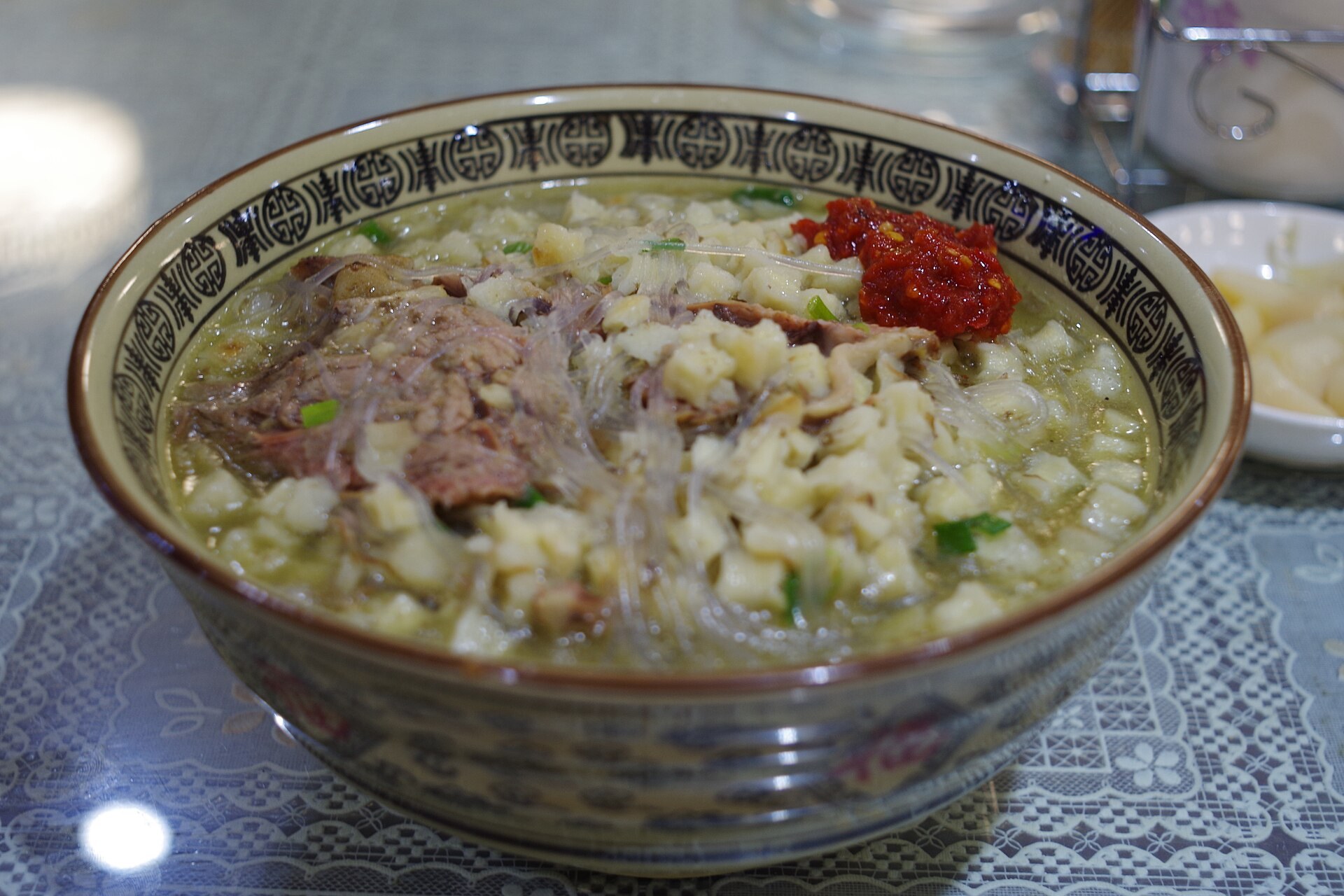
Paomo bread size is a real quality variable, not folklore: regulars tear to roughly soybean size because small pieces absorb the mutton broth evenly, while machine-cut or lazy large chunks stay gummy at the centre — shops will tear for you, but the hand-torn bowl is the standard locals judge by
Checked October 2026GUIDES / FOOD
Xi'an Food Guide: Tear Your Own Bread, Then Trust the Back Streets
Roujiamo, hand-torn paomo and belt-wide noodles — Xi'an food is carb theatre with a Muslim-quarter heart, and the best bites sit one street behind the famous one.
City Xi'an14 min read8 facts labeledChecked 2026-10-29
01 · IN BRIEF
The bowl you have to build yourself
The waiter sets down an empty bowl and two rounds of unleavened bread, and leaves. No broth, no meat, no instructions. At the tables around you, Xi'an regulars are already tearing — pinching off pieces the size of soybeans, dropping them into their bowls with the concentration of people defusing something. A first-timer who waves the waiter back and asks for it 'ready-made' gets a polite smile and a bowl of bread chunks the size of dice, and somehow the whole table knows.
That is yangrou paomo, and it sets the tone for eating in Xi'an: this is a city where the diner does half the work and the wheat does the rest. Roujiamo chopped to order, noodles pulled into belts, cold skin noodles dressed in chilli oil — the canon is short, carb-heavy and fiercely local. This guide runs the rituals in the order to eat them, and finishes where the locals actually queue: not the postcard main street, but Sajinqiao, one street over.
02 · SEE IT
One day of eating, in the order locals would run it
- 08:00 — Roujiamo for breakfast near your hotel or a Sajinqiao stall: pork la zhi roujiamo in Han neighbourhoods, beef or mutton in the Quarter
- 10:30 — Liangpi as a mid-morning cool-down: chewy wheat or rice skin noodles in chilli oil, sesame and vinegar
- 13:00 — Yangrou paomo for lunch, torn small, eaten slow — this is the day's main event and it sits heavy
- 16:00 — Suan tang shuijiao (sour-soup dumplings) as the afternoon bridge: small portion, sharp broth
- 19:00 — Biangbiang noodles for dinner in a Han-side noodle shop, then a slow graze back through the Quarter's evening stalls
- First-choice table — hand-pulled or wide noodles: open with one bowl shared alongside other snacks; check the chilli level, the vinegar, the meat topping and the portion size before you order
- First-choice table — roujiamo: a flatbread filled fresh at the counter; settle which meat is inside and whether chilli gets added
- First-choice table — paomo: a full bread-and-broth meal, not a snack; agree lamb or beef, the preparation time, and whether the whole group is genuinely up for the ritual
- First-choice table — dumplings and small plates: they work best as a shared lunch or early dinner; check fillings and dietary restrictions first
- First-choice table — a Muslim Quarter visit: plan it as a cultural walk with selected tastings rather than a sweep; weigh the crowd level, respectful behaviour and how food is handled before you commit
03 · TRY IT YOURSELF
The five rituals to get right
Your ticks stay on this page only. No account or personal data is sent.
04 · THE PROOF
The facts this guide leans on
The Muslim Quarter is a living Hui neighbourhood, not a food court: its roujiamo are beef or mutton and alcohol-free, while the pork roujiamo (la zhi roujiamo) belongs to Han-side shops elsewhere in the city — the two sandwiches share a name and a bread style, not a filling or a kitchen
Checked October 2026Street-level prices stay low by capital standards: a roujiamo typically runs in a broad ¥8–18 band depending on filling and shop, liangpi around ¥8–15, and a sit-down paomo with quality mutton in the ¥30–50 range before drinks
Checked October 2026Local demand signal lives on Dianping, where Xi'an diners argue paomo houses and noodle shops hard; use its ratings and queue photos as a directional signal for where locals eat, not as a ranking to follow blindly
Checked October 2026Sajinqiao, the street at the Quarter's western edge, is the stretch locals name as their own breakfast-and-staples run, while the main Beiyuanmen drag carries the souvenir and skewer trade aimed at visitors
Checked October 2026Xi'an's flavour base is a Silk Road crossroads pantry: wheat in every form imaginable, lamb and beef as the prestige meats, and vinegar, chilli and garlic doing the seasoning work across breads, broths, dumplings and cold dishes alike
Checked October 2026The city's official English-language visitor site keeps a dining section that works as a discovery layer for the food culture — use it to find threads, then still verify each venue's branch, ingredients and current opening status yourself before going
Checked October 2026'Not spicy' settles heat and nothing else: it says nothing about allergens, meat-based stock or vegetarian status, because a kitchen reads heat, allergens and stock as three separate questions
Checked October 202605 · STEP BY STEP
How to eat it, dish by dish
- Step 1 — Roujiamo: pick your world first
Decide pork or beef before you queue, because it decides which side of the city you are eating on. The Han classic is la zhi roujiamo: pork slow-braised in a seasoned master stock, chopped with a little of its own jelly and (if you nod) a green pepper, packed into a bai ji mo bun that is crisp outside and soft within. In the Muslim Quarter the buns hold spiced beef or mutton instead, chopped and juiced the same way. Eat it standing, over the wrapper, immediately — a roujiamo that travels is a roujiamo diminished.
- Step 2 — Paomo: the tearing is the cooking
Order yangrou paomo at a sit-down house, not a stall, and take the bread when it comes. Tear, do not crumble: pinch pieces off with your thumbnails to soybean size and drop them in the bowl — ten unhurried minutes is normal, and your bowl goes to the kitchen only when you hand it over. It returns drowned in rich mutton broth with glass noodles, wood-ear and the bread now swollen and silky. Locals eat it with pickled garlic and chilli sauce on the side, and pace themselves: it is the most filling bowl in the city.
- Step 3 — Biangbiang noodles: width is the point
These hand-pulled noodles are stretched into single belts several centimetres wide — the name imitates the sound of the dough slapping the counter. The standard serve is 'you po': the cooked belt arrives topped with chilli flakes, garlic and greens, and the cook pours smoking oil over it at the table so it blooms. Mix from the bottom, eat immediately, and expect to share if your group ordered widely — one bowl is a commitment. Find them in Han-side noodle shops around the city rather than inside the Quarter.
- Step 4 — Liangpi: the cold reset
Liangpi is the pause button between heavy dishes: springy wheat-starch or rice skin noodles, served cold with cucumber, bean sprouts, gluten chunks, sesame, vinegar and chilli oil. Order it 'ma jiang' (with sesame paste) for the richer local style or plain for the sharp one. It is also the safest first order for a cautious stomach — cold, clean flavours, spice adjustable by the spoonful.
- Step 5 — Suan tang dumplings: sour is a flavour, not a warning
Suan tang shuijiao are small beef or mutton dumplings served swimming in a hot, sour, sesame-flecked broth — sold by weight (liang) at specialist shops, often a few streets into the Quarter. The broth is the dish: sip it between dumplings and let it cut the day's accumulated richness. A half portion is a snack, a full one is a meal; order accordingly late in the day.
- Step 6 — Work the Quarter in two passes
Walk Beiyuanmen, the main drag, once for orientation — it is loud, bright and built for visitors, fine for a first skewer and photos. Then move one street west to Sajinqiao for the real grazing: breakfast stalls in the morning, butchers, bread bakers and the shops residents actually use, at prices that assume a neighbourhood. Graze small and often; the Quarter rewards five small stops over one big sit-down.
- Step 7 — Pace the outing: one anchor, two small tastes
Three or four considered stops beat ten rushed purchases. Open with a single filling anchor — a noodle bowl, paomo, dumplings or a proper sit-down — then add just two smaller tastes, and call it done while everyone can still register texture, seasoning and setting. The slower pace is not lost eating time: it is when you check ingredients properly and notice whether a stall handles food in a way you are comfortable with.
- Step 8 — Give the city one meal beyond the market
The flow at the top of this guide is one balanced pattern; the mirror image works too — graze the market streets earlier in the day, keep the afternoon light, and give dinner to a seated Shaanxi restaurant. Either way, eat near the day's final attraction instead of crossing the city chasing somebody else's ranking, and let the Bell Tower area carry a first evening. Give Xi'an at least one meal that owes nothing to a monument, so the crossroads history, the religious communities and the wheat culture stop being background and become the point.
06 · WHERE THIS BREAKS
Where this advice breaks
Halal is the Quarter's operating system
Muslim Quarter kitchens are halal: no pork, no alcohol, and outside food — especially pork products or beer bought elsewhere — should not be carried in or eaten at their tables. It is a working religious neighbourhood, not a themed food street. Keep to the same rule you'd keep in someone's home district and you will be fed very well.
Paomo does not forgive a schedule
Between the tearing and the cooking, paomo takes time and then sits like a brick. Do not order it within two hours of a train, a flight or the Terracotta Army bus, and do not plan it as a 'light lunch' before an active afternoon. It is a main event with a nap-shaped shadow.
Peak crowds rewrite the map
On holidays and weekend evenings the main drag moves at shuffle speed and the famous stalls run long queues, while Sajinqiao stays workable. Flip the plan: eat the Quarter early in the day or after 21:00, and put the sit-down dishes at lunch when the paomo houses turn over faster.
Allergy and spice communication
State every concern separately and in writing: chilli heat and Sichuan pepper first, then gluten, dairy, soy, shellfish, peanut, sesame, the meat itself and oil shared between dishes — all different questions to a Xi'an kitchen, and 'not spicy' answers only the first of them. Carry the requirement on a Chinese-language card and keep essential medication with you. Wheat is the centre of this canon — breads, noodles, liangpi, dumpling skins — so gluten avoidance needs real preparation, not just skipping the noodle bowl. Vegetarians should ask what the broth is made from, which oil the kitchen cooks with, and what actually sits inside the fillings, dish by dish; a hotel or guide can help you phrase it, but only the kitchen can confirm what is in the pot. Payment is phone-first at stalls; have the pay setup done before you queue.
Do not stack the feast on a monument day
Bolting a maximal tasting route onto a full Terracotta Army day trip and then a late performance is how good trips turn grey: the transfers, the heat, the crowds and a stomach full of wheat all present their bill in the evening. Give the food its own block and the monuments theirs.
First time eating in Xi'an: which dishes come first?
Begin with one noodle bowl and a roujiamo; add paomo if tearing bread into broth sounds like your kind of fun; then dumplings or a few small snacks — and keep appetite in reserve for one slower meal away from the busiest market street.
Does all the good eating happen in the Muslim Quarter?
No — the Quarter matters, culturally and culinarily, but it is one district. Neighbourhood restaurants, bakeries, noodle shops and markets across the wider city serve the full Shaanxi repertoire far from that single pedestrian route.
Is Xi'an food all about the heat?
No. Wheat, lamb, beef, garlic, vinegar and chilli show up in varying combinations from dish to dish, and plenty of the canon is aromatic rather than hot — which is why heat preferences and allergies should always be stated as two separate conversations.
07 · KEEP READING
Keep the trip moving
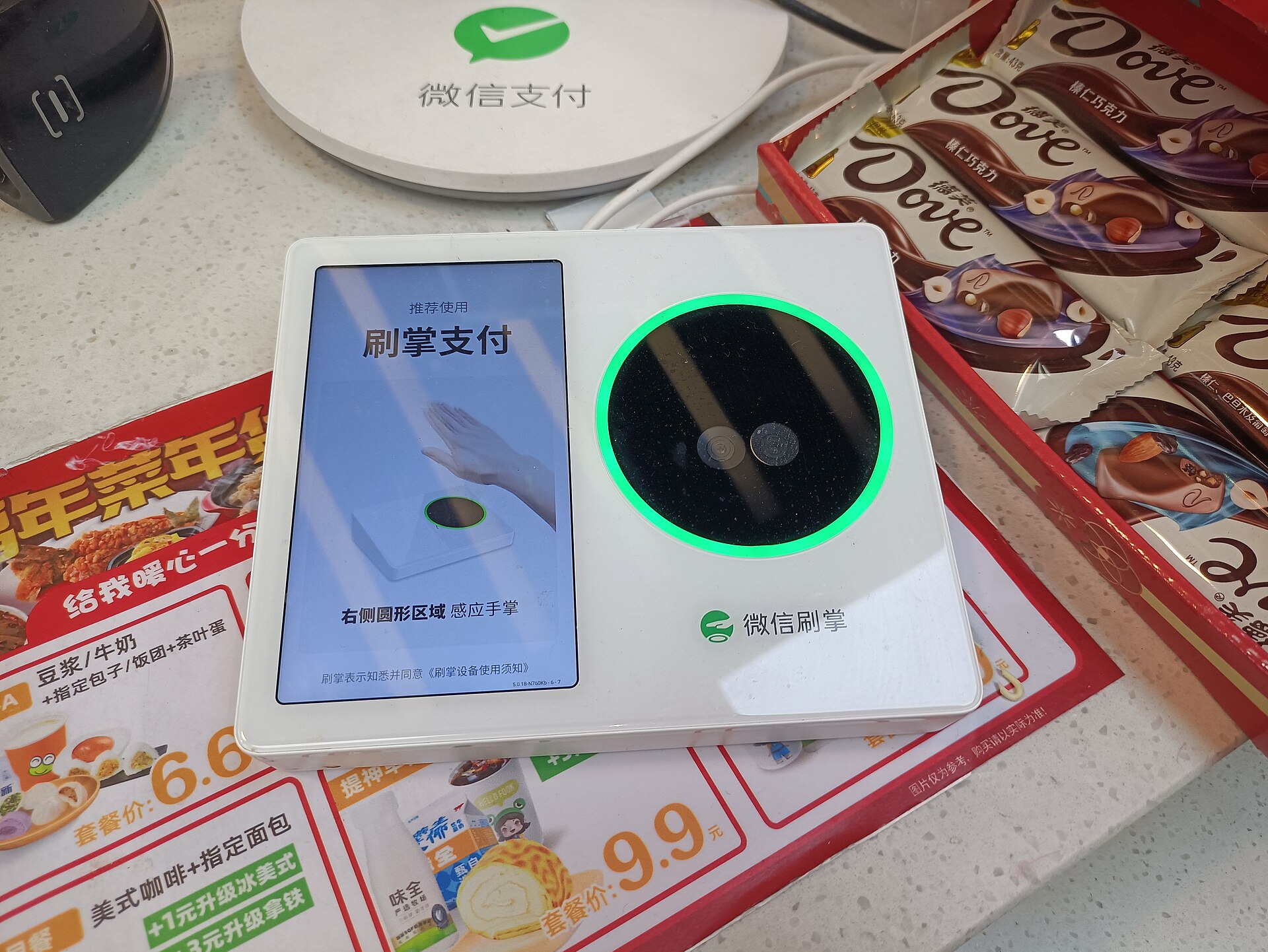 China · PrepareHow to Pay in China (2026): Alipay, WeChat Pay, TenPayGo, Cards and CashSet up one wallet before you fly, add a second as backup, and understand the two numbers that explain most payment confusion.Reference ~
 China · PrepareInternet & eSIM in China (2026): Roaming, Travel eSIM, Local SIM and Wi-Fi ComparedYour phone will work in China. The real question is which internet it connects to — every connectivity choice is a choice between two exits.Reference ~
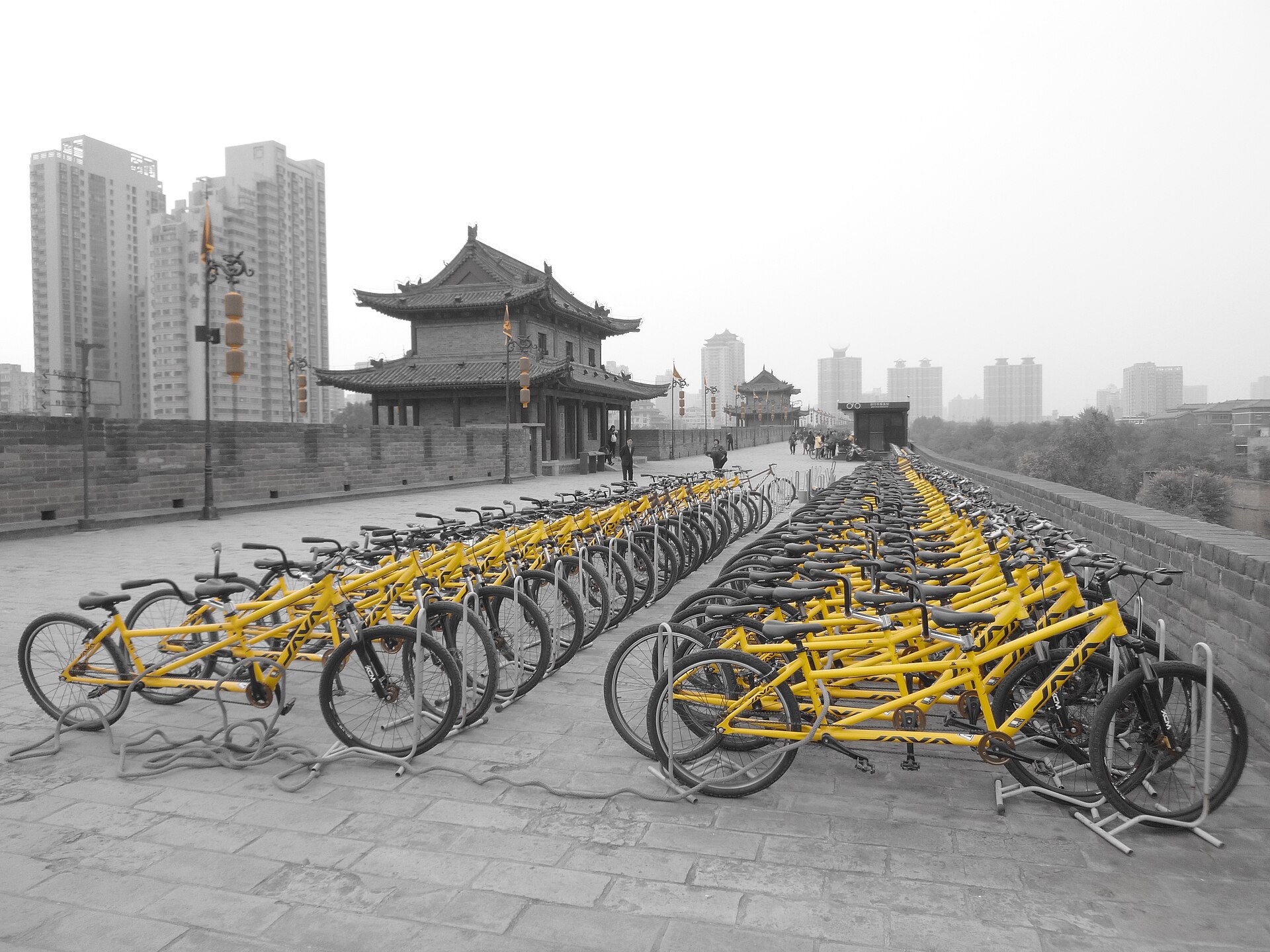 Xi'an · DoXi'an City Wall and Muslim Quarter: Ride the Ramparts, Then Graze DownhillA full 13.7 km bike loop on top of a Ming-dynasty wall at golden hour, then down the gate and into the Quarter's real food street — one evening, two Xi'ans. A slower daytime alternative threads the calligraphy lanes beneath the South Gate on foot.Reference ~
08 · SOURCES
Sources and status
Prices, schedules and booking channels change. Recheck the details that matter before you travel.
- Dianping (Xi'an restaurant reviews — local demand signal)Reference ~Local-signal patterns as described; no rankings reproduced or relied on