
During the first six months of 2026, foreign nationals entered China without a visa more than 17.8 million times — a rise of 30.6 percent on the year before, and 77.7 percent of all foreign arrivals in that period
Checked October 2026GUIDES / ESSENTIALS
China in Summer: Heat, Rain, Crowds — and How to Route Around Them
June, July and August do not deliver one Chinese summer; they deliver several, stacked on the same map. Work the cool ends of the day, hand the middle of it to museums and naps, and let altitude do the work air-conditioning cannot.
City China14 min read8 facts labeledChecked 2026-10-30
01 · IN BRIEF
The wall of wet air at the station door
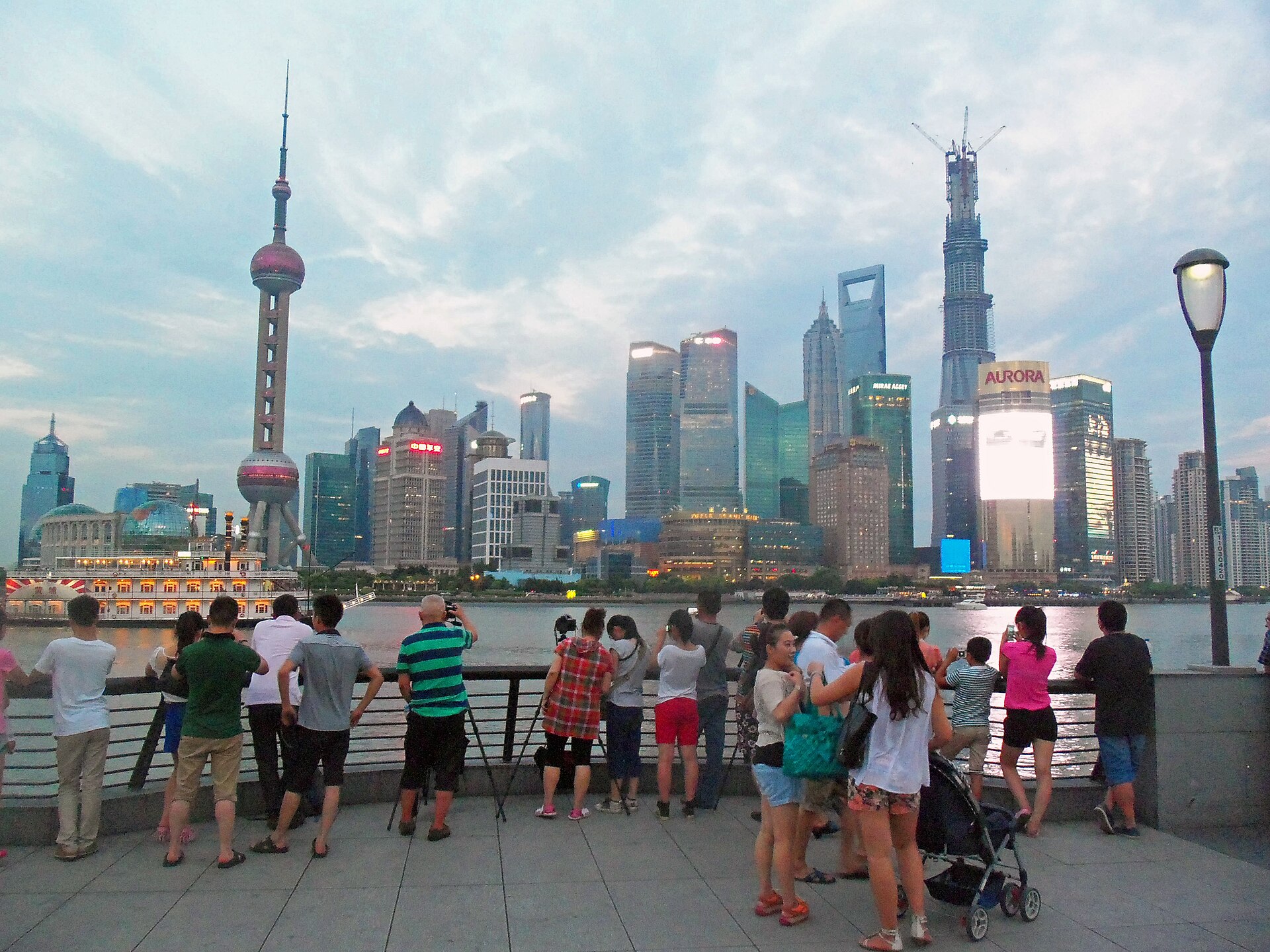
The train doors open at Shanghai Hongqiao just after two in the afternoon and the platform air arrives like a towel soaked in warm water. A first-time visitor in a black t-shirt is already recalculating his life choices before he reaches the escalator. Next to him, a Shanghainese grandmother in a wide hat fans herself exactly twice, checks the sky the way sailors do, and announces the family's revised plan to nobody in particular: home first, dumplings at six, the river after eight when the city gives the evening back. She is not being poetic. She is running the local summer operating system, and every comfortable local you will meet this month is running some version of it.
Summer is when modern China is at its most itself — night markets at full stretch, riverside promenades packed at dusk, high-speed trains full of families — and it is also the season that punishes a copied-and-pasted itinerary hardest. The heat is real, the rain is regional, and the crowds peak because Chinese schoolchildren are on holiday too. None of that makes June to August a bad time to come. It makes it a season that rewards travellers who copy the grandmother instead of the brochure: claim the early hours, surrender the middle of the day on purpose, treat the evening as a second morning, and choose at least one leg of the trip where the land itself is cooler. This guide lays out that system in full — what the weather actually does region by region, how the routing works, what to book early, and where the strategy stops working. One more thing has changed: this is the summer the rest of the world noticed. Foreign visitor numbers have climbed steeply as entry rules loosened, and the season's footage — night markets, river cities, trains at speed — has filled feeds on every continent. You will not have the place to yourself. You will have it at its most alive, which is the better bargain.
02 · SEE IT
A summer sightseeing day, re-timed
- 06:30 — Out the door. The day's one big outdoor anchor sight happens now, in the coolest light and the thinnest crowds
- 08:00 — First entry slot at the headline attraction, booked days ago; you are inside while the tour buses are still loading
- 10:30 — Street breakfast number two, then shade: a park with trees, a teahouse, a neighbourhood wander that stays under cover
- 12:30 — Lunch, then the deliberate surrender: museum, gallery, mall, massage or a hotel nap. This is a scheduled activity, not a failure
- 16:30 — Second outdoor window opens: a city walk, a riverside, a viewpoint — in light that is getting kind again
- 19:00 — Dinner at local hour, which in summer means late; nobody sensible eats the big meal in the heat of the day
- 20:30 — The evening session: night market, lit riverfront, rooftop, old street. In hot cities this is prime time, not leftovers
- Furnace card — Chongqing, Wuhan, Nanjing, Changsha and the Yangtze cities: expect the full wet-heat treatment; plan the strictest dawn-and-dusk rhythm here
- Basin card — Chengdu and the Sichuan lowland: hot and humid but built for it, with teahouses, shade and long lunches as civic infrastructure
- Altitude card — Yunnan and the high west: Kunming, Dali and Lijiang trade degrees for elevation, but each sits at a different height with different rain
- Coast card — Shanghai, Xiamen, Qingdao and the southeast: sea air helps until it does not; this is typhoon country from mid-summer onward
03 · TRY IT YOURSELF
Run the local summer system
Your ticks stay on this page only. No account or personal data is sent.
04 · THE PROOF
The facts this guide leans on
Counting arrivals and departures together, foreign nationals crossed China's borders over 45.9 million times in the same six months, up 20.6 percent — summer demand sits on top of an already fast-growing inbound flow
Checked October 2026The Ministry of Culture and Tourism's summer travel notice of June 2026 tells travellers to follow weather, flood and geological-risk alerts, stay out of undeveloped areas, prepare seriously for heat and rain, and cut back outdoor activity in the middle of the day
Checked June 2026There is no single summer climate for the country: Beijing, Chongqing, Shanghai, Zhangjiajie and Yunnan all run different combinations of heat, humidity, rainfall and altitude in the same month, so weather has to be checked city by city and date by date
Checked October 2026July and August are China's domestic peak as well as its hottest stretch: the school summer holiday fills headline attractions and popular rail sectors, and reservations that feel optional in May become genuinely scarce
Checked October 2026In the hot cities, the most comfortable sightseeing of the day starts after sunset — riverfronts light up, food streets fill, parks hand themselves over to dancers and strollers — so a route that invests in its evening beats one that ends at five
Checked October 2026Yunnan is a province, not a climate: elevation, rainfall and transfer times differ sharply between Kunming, Dali, Lijiang and the higher country beyond them, so a Yunnan leg still needs its own internal weather check
Checked October 2026Guilin and Zhangjiajie both change character in summer rain — karst and sandstone-peak scenery depends on visibility, and a route through either needs a spare day or a swap-able schedule rather than a single fixed morning
Checked October 202605 · STEP BY STEP
How to build a summer route that works
- Step 1 — Choose your summer by region, not by country
Start from the map, not the bucket list. Northern China — Beijing and beyond — runs hot but comparatively dry, and its summer problem is sun and crowds more than humidity. The Yangtze basin and the southwest lowlands run the famous furnace pattern: high heat welded to high moisture, broken by the plum-rain weeks of June and early July when the river cities can drizzle for days. The southeast coast adds a third variable from mid-summer onward: typhoon season, when a storm can take a day out of a route with very little notice. Then there is the vertical escape: Yunnan and the high west, where altitude subtracts degrees that the calendar adds. A good summer route deliberately mixes at least two of these regimes rather than suffering one of them for two straight weeks. Two of them deserve naming. The plum rain that soaks the Yangtze cities through June and into early July is not a storm but a climate — warm, grey, persistent drizzle that argues for indoor depth and waterproof shoes. The typhoon is its opposite: uncommon in any given week, absolute when it lands, and mostly a mid-to-late-summer threat along the southeast seaboard.
- Step 2 — Re-time every day before you move anything on the map
The cheapest summer upgrade costs nothing: shift the day. Put the flagship outdoor sight at opening time — the Forbidden City, a Great Wall section, a panda base all reward the first hour with cooler air, softer light and a fraction of the crowd. Spend the middle of the day the way locals do: a long lunch, a museum, a gallery, a teahouse, a nap. Resume outside in the late afternoon and treat the evening as a full second shift — dinner at eight, the riverfront at nine, the night market at ten. Travellers who run a spring itinerary in July conclude that China in summer is miserable; travellers who run the summer timetable usually conclude the opposite. The timetable is also kinder to the sights themselves: morning stone is cool under the hand, evening skylines do their own lighting design, and the photograph you wanted exists at exactly the hours the heat does not.
- Step 3 — Build the route in threes and respect the transfer tax
A reliable first summer route has three working parts: a gateway city you arrive into, a city you settle into and live in for a few days, and a scenic contrast that resets the senses. The classic execution is Shanghai for the modern gateway, Chengdu for food and everyday rhythm, then Yunnan for elevation and pace — ten days done this way feels like a trip, not a commute. Compress it honestly when time is short: with seven days, take two bases, not three. With two weeks, Beijing or Xi'an can join, but give every long transfer two nights of breathing room after it before you judge the place. Heat multiplies the cost of every connection; a route that looks efficient on a map in January can be a slow leak of energy in August.
- Step 4 — Book like it is peak season, because it is
July and August layer foreign visitors on top of the largest domestic travel season of the year. Headline attractions run timed-entry reservation systems and the good slots — early morning above all — go first. Popular train sectors between the big cities sell out days ahead, and the seat class you wanted becomes the one you settle for. So reverse the usual order: draft the route, then immediately lock the scarce pieces — first-entry slots, key train sectors, the one hotel in the right neighbourhood — while the flexible pieces stay loose. Recheck the same five things twice, once after booking and once just before departure: your entry rules, the live weather and any warnings, the current reservation procedure at your headline sights, your train times, and the apps and payment setup the trip depends on. Apply the same logic to anything with a clock on it: the panda base's morning entry, the first departure on a scenic line, the one sensible flight home. If a booking can sell out, it belongs at the front of the planning queue, not the back.
- Step 5 — Pack and set up for a wet, bright, air-conditioned country
The summer bag is a short list with a logic: light, quick-drying clothes that survive a downpour and a wash; walking shoes already broken in; serious sun protection, because the UV at a Beijing noon or a Yunnan altitude is not decorative; a compact rain layer that lives permanently in the day bag; a refillable bottle; and one warm layer you will wear more than any other item — on overnight trains, in shopping malls and in any restaurant where the air-conditioning is set to 'arctic'. Protect paper and electronics from the rain with a dry pouch. And do the digital setup before the first big sightseeing day, not during it: data, translation, maps and mobile payments all configured while you still have hotel wifi and patience.
- Step 6 — Read the sky every morning and let warnings win
Summer weather in China is a daily negotiation, and the official word beats your optimism. Build a two-minute breakfast ritual: check the China Meteorological Administration forecast and warnings for today's city, and any flood or geological-risk alerts for mountain or river legs. An amber or red warning is not a suggestion to be braver; it is the day telling you to swap — the museum moves to today, the gorge moves to tomorrow, the scenic area with the landslide-prone access road gets dropped entirely after heavy rain. The good news inside this discipline is that summer rain is usually theatrical rather than permanent: storms dump, clear, and hand you a washed, cooler evening. Travellers who flex by the day lose hours; travellers who ignore the warnings can lose much more. Prepare the swap in advance: for every outdoor anchor, keep a named indoor understudy in the same neighbourhood — the museum beside the temple, the market hall behind the riverwalk — so a warning costs you ten minutes of replanning rather than a day of sulking in a hotel lobby.
- Step 7 — Protect the exit
End the trip the way you started it — with slack. Keep the final day in your departure city, with a buffer between you and the international flight rather than a dawn transfer from a mountain town chained to a domestic hop chained to a long-haul departure. Summer is precisely when that chain snaps: a storm delay at the wrong end of it costs a rebooking, a hotel night and a story you did not want. The travellers who remember summer China fondly are rarely the ones who saw the most sights; they are the ones whose route had room in it — for the rainstorm that cleared into a perfect evening, for the unplanned second bowl of noodles, for the ordinary shaded street that turned out to be the point of the trip.
06 · WHERE THIS BREAKS
Where the summer strategy stops working
Heat illness is a medical risk, not a comfort issue
The dawn-and-dusk system reduces exposure; it does not abolish it. Older travellers, small children and anyone with heart or respiratory conditions should treat midday exertion in the furnace cities as a genuine hazard, keep outdoor stretches short even in the 'good' hours, and take headache, dizziness or nausea as a stop signal, not a push-through moment. When in doubt, the air-conditioned plan B is the plan.
One rain plan does not fit three kinds of rain
Plum rain in the Yangtze cities is a grey drizzle that can run for days and mainly argues for indoor depth. A typhoon on the southeast coast is a short, violent closure event — flights, trains and waterfronts shut, and the only correct activity is staying in. A mountain downpour in the southwest is a flood and landslide risk that outlasts the rain itself. Same month, three different responses: read which one your city is having.
The crowd math at headline sights is brutal in late July
At the very peak of the school holidays, even the first entry slot at the most famous sights is busy, and some places are simply better saved for a shoulder-season return. The summer defence is selection, not optimism: pick two or three anchors per city, give them the early slots, and let the second tier — neighbourhoods, smaller museums, local parks — carry the rest of the day with a fraction of the queue.
Altitude relief comes with its own bill
Yunnan and the high west genuinely cool the trip down, but elevation brings stronger sun, drier air and, for some travellers, a day or two of altitude adjustment — and the distances between its bases are long, with rain able to slow mountain roads. Treat the high leg as a change of regime with its own rules, not as a free pass out of summer planning.
The air-conditioning gap is real
Summer China oscillates: 36 degrees and saturated on the street, 20 degrees and dry on the train, in the mall, in the museum. The constant swing is its own small tax on sleep and throats. The light layer in the day bag, a scarf for overnight trains, and not sleeping with the hotel unit aimed at your face are unglamorous advice that quietly saves trips.
Is China simply too hot to visit in summer?
No — but the honest answer is 'which China?' The lowland southeast in late July is a demanding trip that has to be run on the local timetable. The north is hotter than its brochures and kinder than its reputation. The high southwest is one of the country's genuine summer refuges. Decide by region and month, not by the word 'summer' on the calendar.
What happens if a typhoon or flood warning lands mid-trip?
You obey it, in this order: stay off the water and out of the hills, expect transport in the affected zone to pause, rebook rail through 12306 once services resume, and let the hotel and the official alerts — not social media — tell you when normal movement restarts. Build the route with a spare day and the storm becomes an anecdote; build it without one and it becomes the itinerary.
07 · KEEP READING
Keep the trip moving
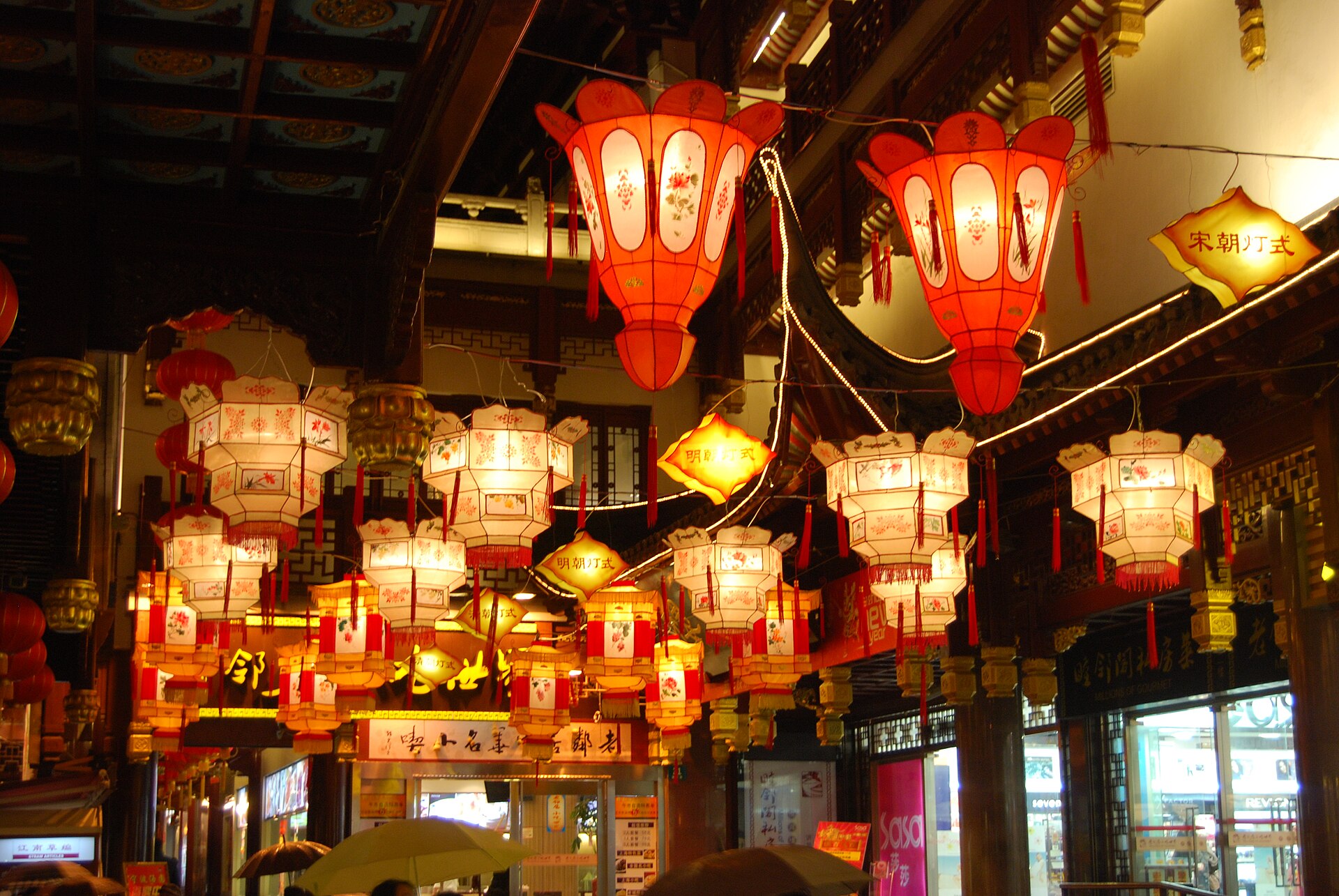 China · PrepareChinese Calendar 2026: Holidays, Festivals and the Crowds They MoveTwo calendars run every China trip — the festival one written in lanterns and mooncakes, and the official holiday one written by the State Council. Read both, and 2026 stops surprising you.Verified
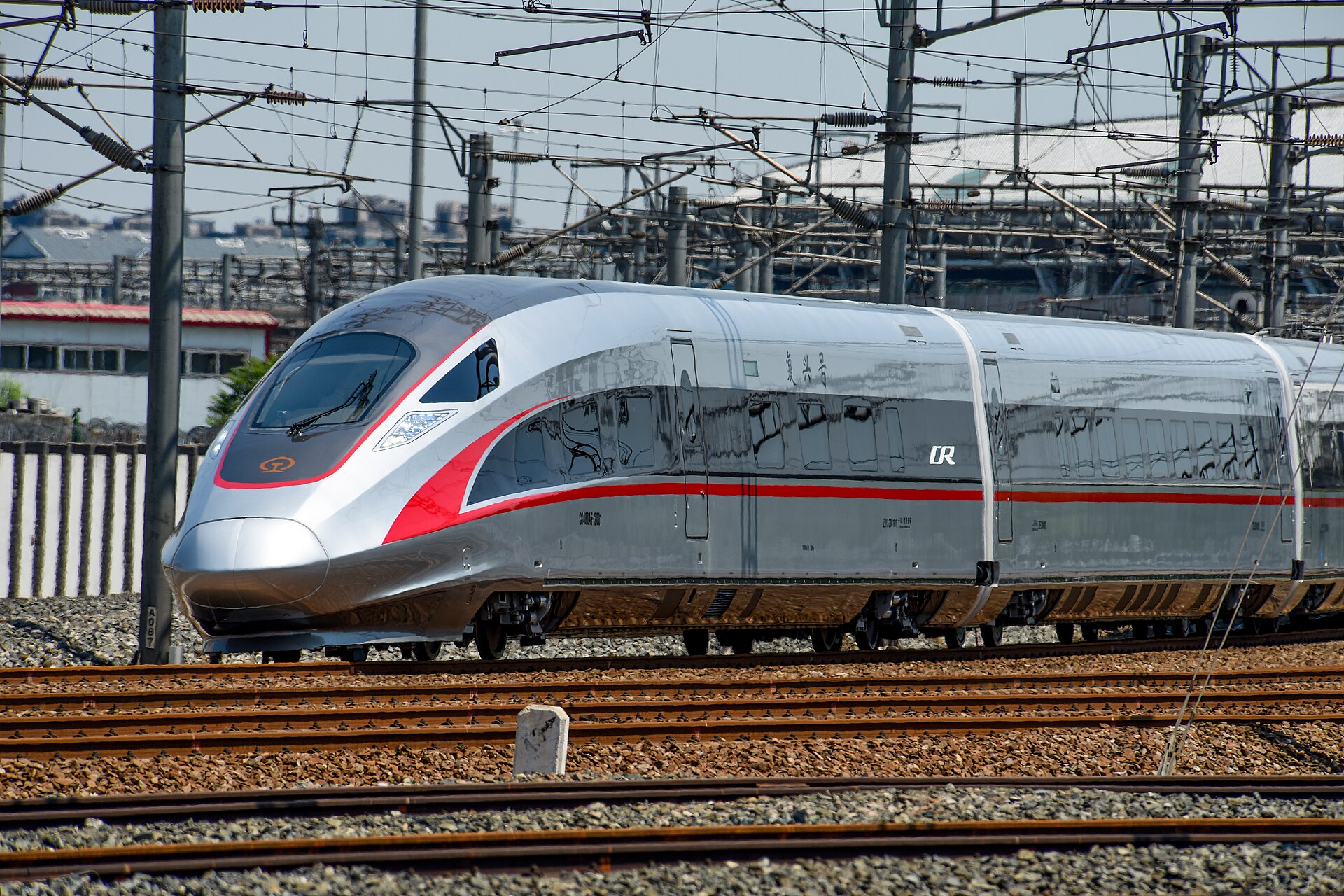 China · PrepareChina Trains: Your Passport Is the TicketNo paper, no ticket window — book on 12306, verify your identity once, and board on the document in your pocket. The system is simpler than the stations are big.Verified
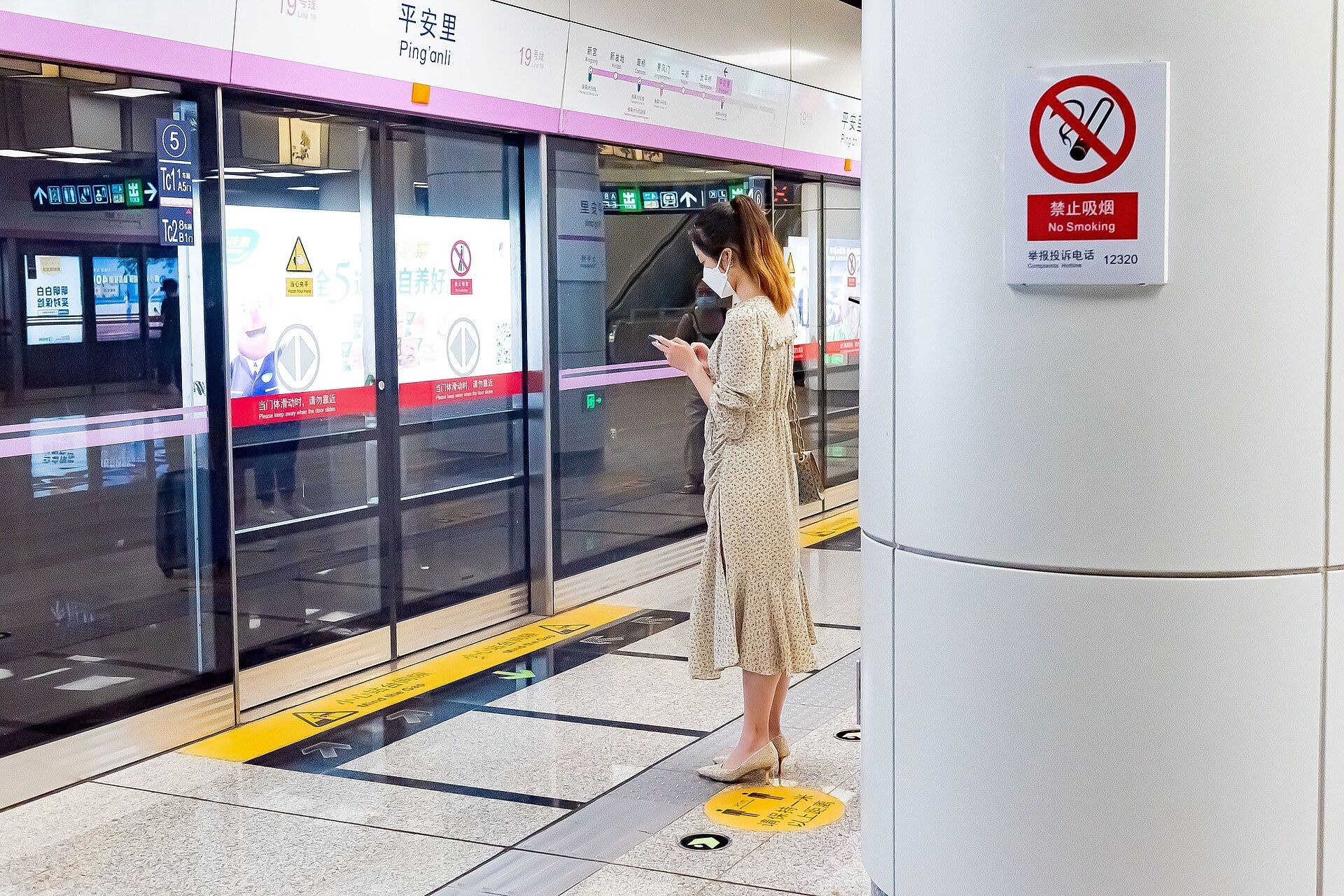 China · PrepareInternet & eSIM in China (2026): Roaming, Travel eSIM, Local SIM and Wi-Fi ComparedYour phone will work in China. The real question is which internet it connects to — every connectivity choice is a choice between two exits.Reference ~
08 · SOURCES
Sources and status
Prices, schedules and booking channels change. Recheck the details that matter before you travel.
- China Meteorological Administration (English service)VerifiedCity forecasts and the official severe-weather warning system the morning check in this guide depends on
- Ministry of Culture and Tourism — summer travel advisoriesVerifiedPublisher of the June 2026 summer travel notice on weather, flood and geological-risk alerts and midday activity
- The State Council of ChinaVerifiedChannel for the official first-half 2026 foreign entry and exit statistics cited in this guide
- National Immigration AdministrationVerifiedEntry and visa-free policy authority; check your own passport's rules here before booking a summer route
- China Railway 12306VerifiedOfficial rail booking and schedule channel for the peak-season sectors this guide tells you to lock early