
The word itself is a construction: 'China' plus the slang suffix '-maxxing', which in internet usage means committing to something as fully as possible — in practice the label describes playful participation and curiosity, not any claim about nationality
Checked October 2026GUIDES / CULTURE
Chinamaxxing: What the TikTok Wave Looks Like on the Ground
A generation of young Western travellers has started doing China the local way — thermos of hot water, dawn exercises in the park, metro systems treated as attractions. Here is what the trend actually consists of, and which parts of it are worth stealing for a first trip.
City China12 min read9 facts labeledChecked 2026-10-30
01 · IN BRIEF
Day twelve of becoming Chinese
It is just after seven in the morning in a Xi'an park, and the loudest sound is a portable speaker playing something with an erhu in it. A loose circle of retirees is moving through a slow exercise routine with the concentration of people defusing something. Among them, slightly off the beat and entirely unbothered about it, is a twenty-four-year-old from Ohio with a thermos in her tote bag and a phone propped against her water bottle. By breakfast she will have eaten congee at a stall with no English anywhere on it, ridden two metro lines for the pleasure of the transfer, and captioned the whole thing 'day twelve of becoming Chinese'. Her followers will ask for the park's location. None of them will ask about the retirees' knees, which have been doing this since before she was born.
That small scene is the whole trend in miniature. Chinamaxxing — the word welds 'China' to the internet suffix '-maxxing', meaning to take something as far as it can go — is the name given to a wave of mostly young, mostly Western social-media users leaning hard into Chinese everyday life: its food, its habits, its cities, its transport, its aesthetics. Some of it is sincere curiosity, some of it is comedy, most of it is both at once. The traveller's question is a practical one: strip away the caption, and what is actually here that a first-time visitor can use? More than you might expect — provided you take the habits seriously and the hype with salt. This guide separates the two.
02 · SEE IT
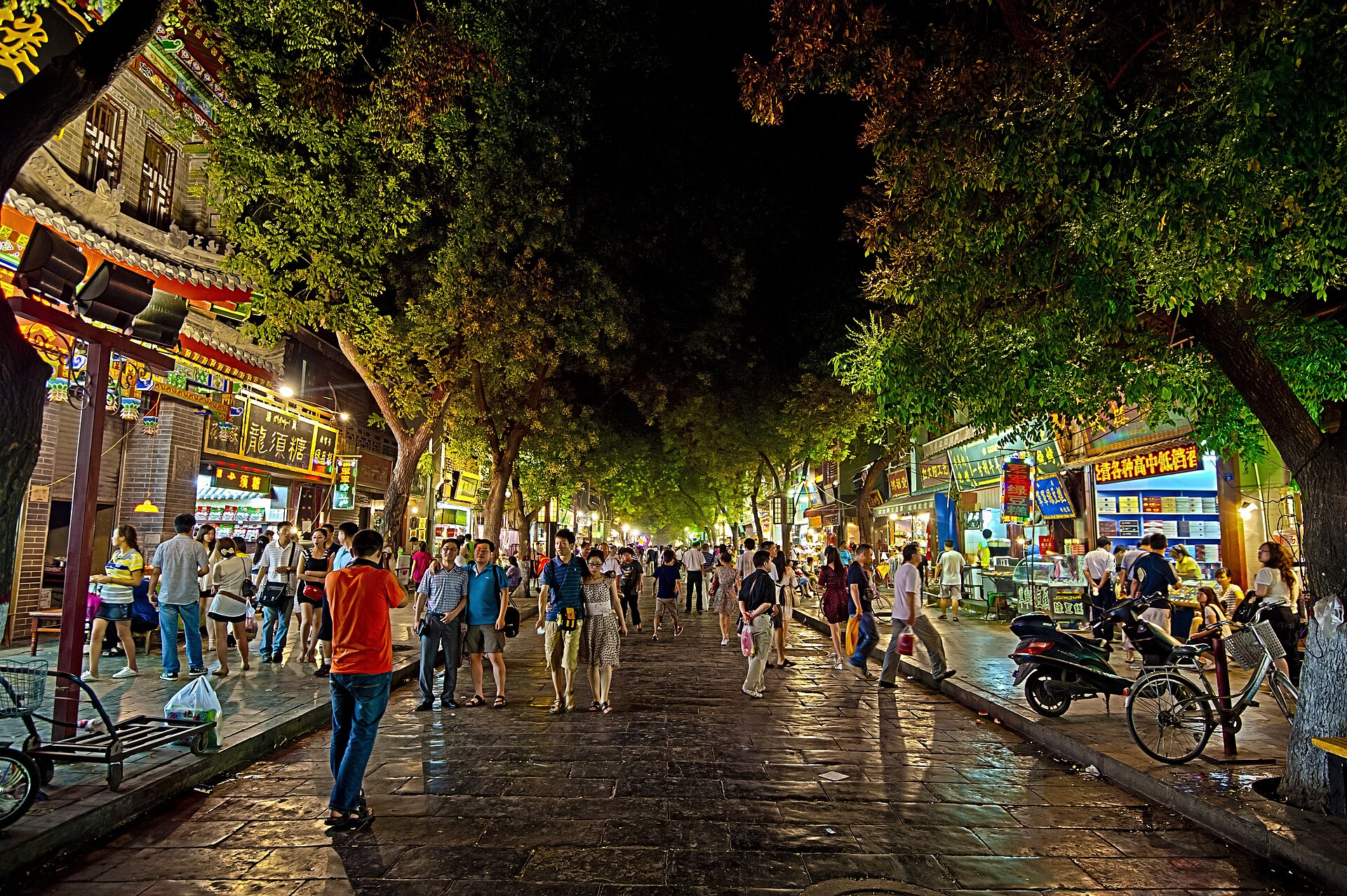
The checklist, as filmed — and what it looks like unedited
- 06:30 — The park session: tai chi, fan dancing, group radio exercises. On camera it is serenity; on the ground it is a daily institution that starts before your hotel breakfast does
- 07:30 — Hot water from the dispenser, congee from the stall with the queue. Filmed as a wellness ritual; lived as the cheapest, most ordinary breakfast in the country
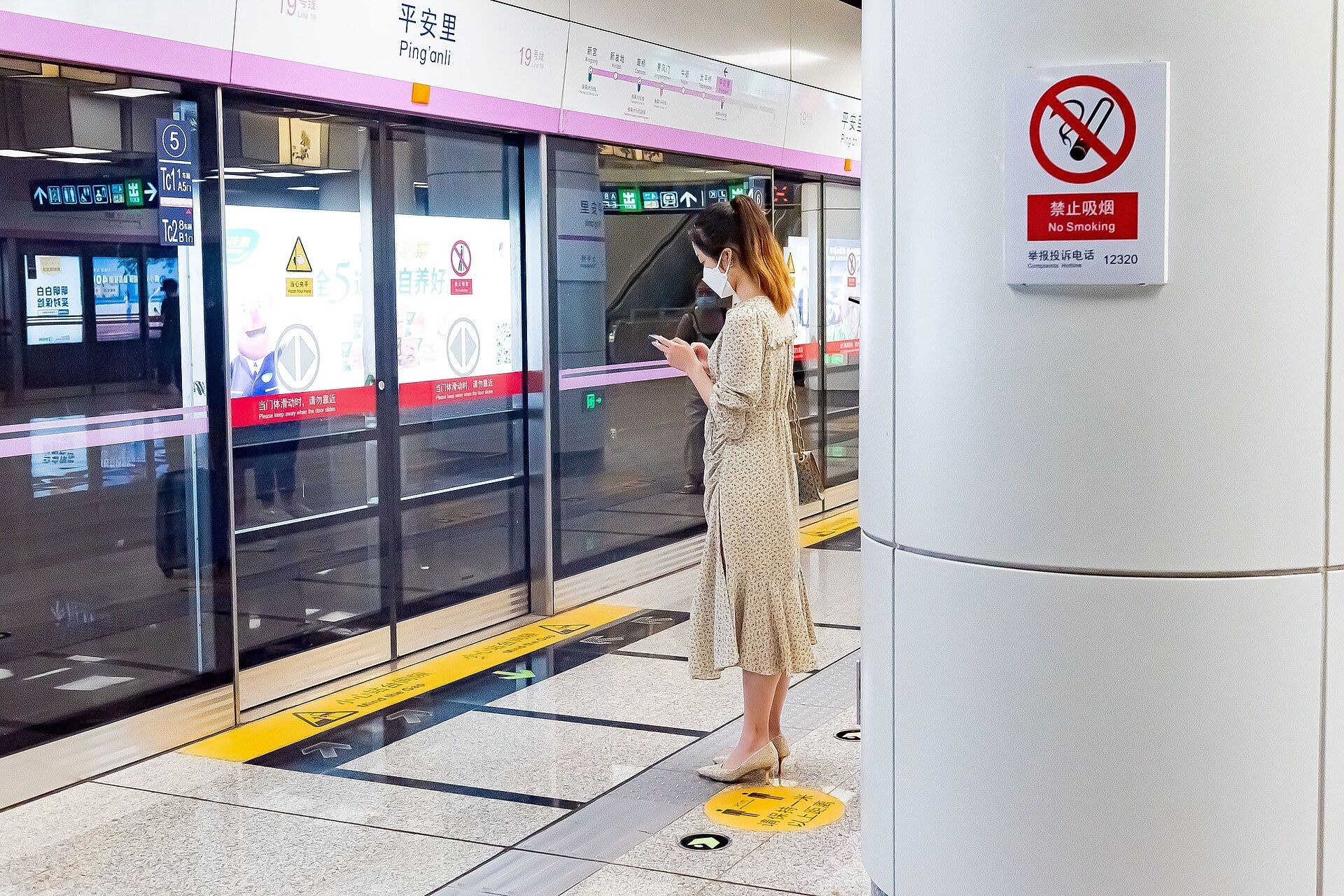
- 09:00 — The metro as attraction: a line ridden end to end, a futuristic interchange photographed. The unedited version includes rush hour, security checks and a transfer corridor that never ends
- 13:00 — Hotpot with the table doing the ordering, house slippers afterwards at someone's home or a foot-massage chair. The habit is real; the point of it is rest, not content
- 19:00 — The night market: skewers, sugar paintings, a crowd that is 95 percent local families. This is the trend's most honest set — it really does look like that
- 21:00 — A drama episode, a Chinese pop song, a shopping app browsed for fun. The digital layer of the trend runs after dark and costs nothing
- Habit card — Hot water, tea, congee, slippers, early nights: small, copyable, genuinely widespread. Also genuinely ordinary; nobody in China thinks they are rituals
- City card — Metros, high-speed trains, delivery riders, towers that light up: real infrastructure, filmed at its best angles and emptiest hours
- Feed card — The captions ('Chinese era', 'a very Chinese time', 'becoming Chinese'): a joke format about identity, playful rather than literal — read them that way
03 · TRY IT YOURSELF
Borrow the useful parts
Your ticks stay on this page only. No account or personal data is sent.
04 · THE PROOF
The facts this guide leans on
The wave broke into general view in the first months of 2026; reporting by TIME linked much of its early energy to Sherry Zhu, a Chinese American creator, and to the 'Chinese era' meme format, which mixes cultural pride with self-aware humour and invites the audience to join in
Checked October 2026In February 2026, Channel NewsAsia counted one of Zhu's January posts at 3.1 million views and over 530,000 likes — a dated snapshot of a single successful post, useful as evidence of how fast the format travelled, not as a measurement of the whole trend
Checked February 2026No stable, independently checkable platform-wide total exists for the trend's hashtags: tag pages are live, but no auditable view count could be reproduced during review, so any precise global figure quoted elsewhere should be treated with suspicion
Checked September 2026The Associated Press framed the meme as one symptom of a broader shift — Chinese goods, destinations and everyday habits growing steadily more familiar to audiences abroad — which is why the trend rides on real exposure to real things, not on a slogan
Checked October 2026The filmed checklist recurs across the trend: tai chi at dawn and traditional-style dress; red clothing; congee, tea and hotpot; house slippers and the thermos of hot water; Chinese music and shopping apps; and footage of futuristic-looking cities — a checklist assembled, not coincidentally, from things that film well and travel easily between feeds
Checked October 2026For travellers converting curiosity into a trip, the practical floor is official: State Council reporting in July 2026 put the 240-hour visa-free transit scheme at 55 eligible countries using 65 designated ports, with route conditions that still have to be checked per passport
Checked July 2026China Railway's official 12306 guidance confirms that foreign passengers can buy real-name train tickets with a valid passport, and the same document must be carried for station checks — the trend's beloved train content rests on this unglamorous rule
Checked October 2026The pushback is documented too: Channel NewsAsia recorded enthusiasm alongside unease from Chinese and diaspora voices warning that simplified symbols can slide into caricature, while TIME flagged the whiplash of markers once mocked or stigmatised becoming, almost overnight, fashionable
Checked October 202605 · STEP BY STEP
How to turn a meme into a trip
- Step 1 — Convert every save into three questions
Before a clip earns a place in your itinerary, interrogate it. First: is the place actually named — a specific neighbourhood, park, market or station you could find on a map — or is it floating under a caption about 'China' in general? Second: is this an everyday scene or a greatest-hits moment, the one monorail view in a city of eight million ordinary streets? Third: could you actually do this, safely and legally, on your own trip — with your passport, your payment setup, your knees? Clips that survive all three questions are itinerary material. The rest are entertainment, and there is no shame in leaving them as that.
- Step 2 — Pick one route shape and refuse the others
The trend contains at least three different trips, and they do not compress into one rushed week. The old-and-new shape pairs Beijing with Shanghai: imperial bones underneath, contemporary design and street life on top. The food-and-rhythm shape pairs Chengdu with Chongqing: teahouses, hotpot, parks and public space, against a mountain city's terrain, metro lines and evening streets. The southern shape runs Guangzhou with nearby Foshan or Shunde, where the subject is daily life itself — dim sum mornings, old neighbourhoods, river evenings. Choose the shape that matches what you actually saved, and let the other two wait for another trip; depth in one region beats a longer list of names collected at speed.
- Step 3 — Do the habits in their natural habitat
Every item on the filmed checklist has a real address. Tai chi belongs to a park at dawn, next to people who have done it for decades — join the edge respectfully, follow along badly, accept correction with good humour. Tea belongs in a teahouse where the pot is refilled until the conversation runs out. Congee belongs to a breakfast stall at the hour the neighbourhood eats it. Hotpot belongs to a table where somebody local is driving the ordering. Performed in place, these stop being costume pieces and become what they are: the ordinary machinery of a good day in China. Filmed alone in a hotel room, the same items are just props — the trend's weakest format and its most common one.
- Step 4 — Eat one meal a day beyond the feed
Set a daily quota of unresearched eating: one meal chosen by geography and queue composition rather than by a saved post. The canteen with the factory workers, the noodle counter under the station, the bakery the school run stops at. This is where the trend's promise — China as it is actually lived — gets tested honestly, because a neighbourhood lunch at working prices tells you more about a city than its third-most-photogenic skewer street. It will occasionally produce a mediocre bowl of noodles. That, too, is the authentic experience; locals eat those as well.
- Step 5 — Build the practical layer before the aesthetic one
No caption can tell you whether your passport enters visa-free, whether a payment app will accept your bank card, or whether the name on your rail booking matches the document in your hand. So the unglamorous work comes first: confirm your entry route against an official source — visa-free entry, the 240-hour transit scheme with its third-country condition, or a visa. Set up data and two payment methods, with a backup. Remember that rail tickets are real-name and your passport is the ticket's ID, so the same document travels with you to the station. Save every hotel and destination name in Chinese characters for drivers and maps. A traveller who has done this layer can afford to be spontaneous about everything else.
- Step 6 — Learn the etiquette before the performance
The difference between appreciation and costume is mostly homework. Temples have photography rules and dress expectations. Traditional clothing has contexts — a hanfu photo session in a historic district is a normal commercial activity with studios everywhere; wearing sacred or ceremonial items as a joke outfit is a different act. Ask before filming people at close range, especially the elderly and children. Ask what a practice means before declaring what it means. None of this requires anxiety — daily cultural exchange in China runs on goodwill and curiosity in both directions — but it does require learning before performing, which is, not coincidentally, exactly what the best creators in the trend actually do.
- Step 7 — Keep the evidence mixed on purpose
Resist the verdict. A flawless high-speed train ride and a payment that failed at a rainy ticket gate can both happen before lunch, and neither is a summary of a country this large. The feed will try to push you toward a single emotional conclusion — wonder or disillusionment — because single emotions travel well online. A good trip refuses both. Note what surprised you in each direction, name the specific city and street it happened in, and let your picture of China stay as layered as the place itself. That layered picture, not a new identity, is the genuinely valuable souvenir the trend has to offer.
06 · WHERE THIS BREAKS
Where the meme misleads
Identity is not a costume, and the line is visible
Enjoying a food, a garment, a festival or a morning exercise is exchange. Claiming an identity as a joke outfit, or announcing cultural authority after a fortnight of clips, is where the trend draws its documented criticism — including from the diaspora creators who helped build it. The test is simple: are you learning the thing, or wearing it? Locals and creators alike can tell the difference at a glance.
Wellness content is not medical advice
A creator's tea, tonic or exercise routine is a lifestyle post, not a diagnosis. Chinese traditional practices sit inside real systems of knowledge with real practitioners; boiling them down to a morning hack, or swallowing health claims because they arrived in an aesthetic video, fails in both directions. Try the habits for pleasure. See actual doctors for medicine.
The feed is an edit, and the outtakes are your trip too
Camera-friendly transit, neon towers and photogenic food travel far online; routine workdays, quiet residential districts, bad weather and long queues do not. All five of those unglamorous things are guaranteed features of your actual trip. Expect them and they become texture; expect only the edit and the same trip feels like a disappointment it never deserved to be.
One city is not the country
The trend flattens by design: a habit filmed in Chengdu gets captioned as a national trait. On the ground, what a city eats at seven in the morning is a regional decision; a hutong courtyard and a tower block run on different daily physics; and a practice that is one generation's routine is another generation's nostalgia. Name the place, every time — 'a neighbourhood in Chengdu' is a fact; 'China lives like this' is a caption.
Trends move faster than rules
The aesthetic layer of a trip can be planned from videos shot last spring; the legal layer cannot. Entry conditions, opening hours, reservation systems and transport procedures all change on their own schedules, and a viral clip is evidence of none of them. Recheck the practical facts against official sources close to departure — the meme will not warn you when the rule it inspired you with has been revised.
Is Chinamaxxing the same thing as travelling to China?
No. It started life as a way of posting about lifestyle online, and a person can do it thoroughly without leaving home — the tea, the dramas, the hot water all travel. A trip is a different and larger commitment involving entry rules, transport, payments, language and behaviour in real places. The healthy relationship between the two: let the meme supply the curiosity, and let the trip supply the correction.
Appropriation or appreciation — who decides?
There is no referee, but there is a reliable pattern in the responses documented so far: curiosity, attribution, listening and learning read as appreciation; identity-as-costume, stereotype presented as the whole country, and unsupported health claims read as caricature. You will not get every call right. Being visibly willing to learn past the first joke covers most of the distance.
07 · KEEP READING
Keep the trip moving
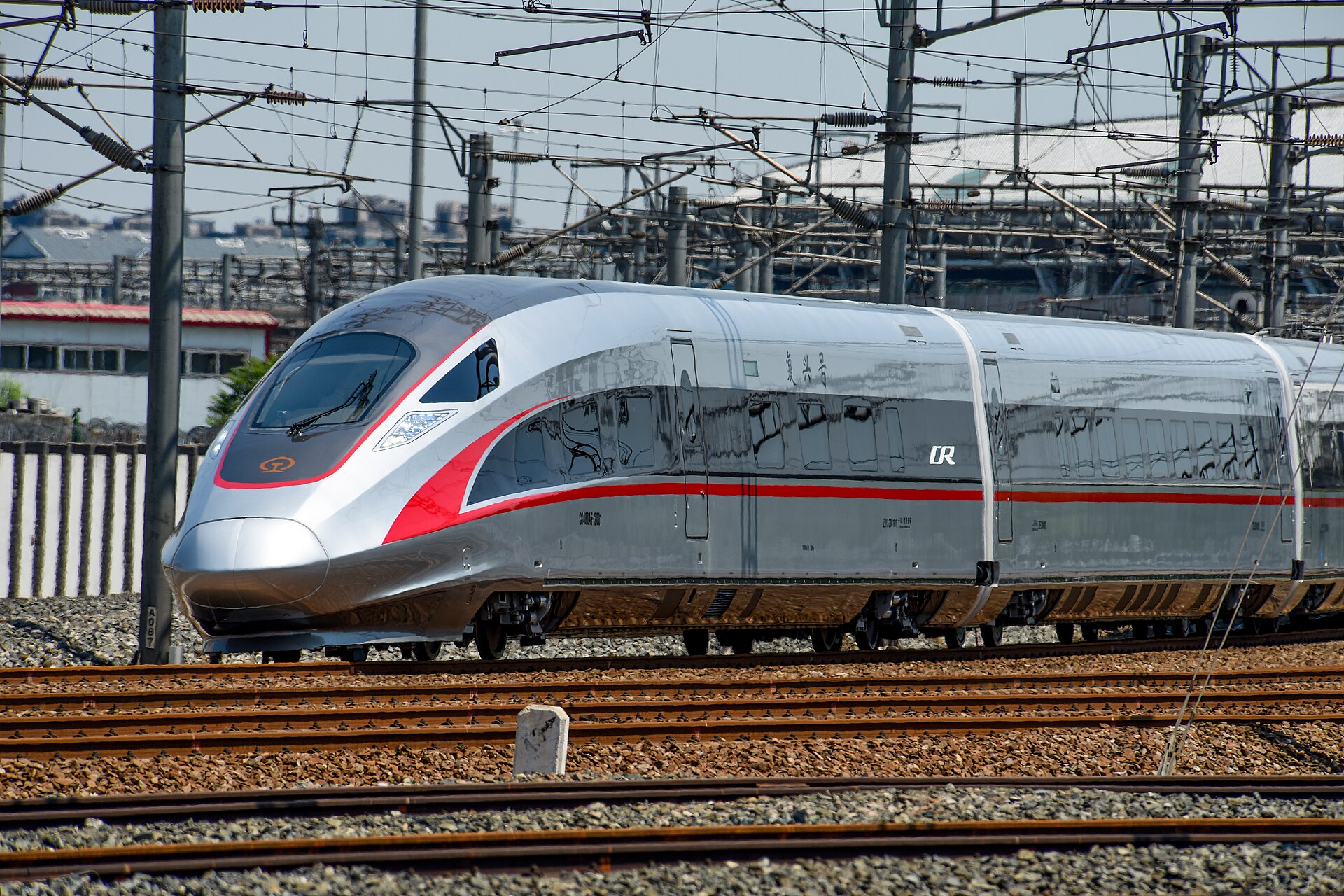 China · PrepareChina Trains: Your Passport Is the TicketNo paper, no ticket window — book on 12306, verify your identity once, and board on the document in your pocket. The system is simpler than the stations are big.Verified
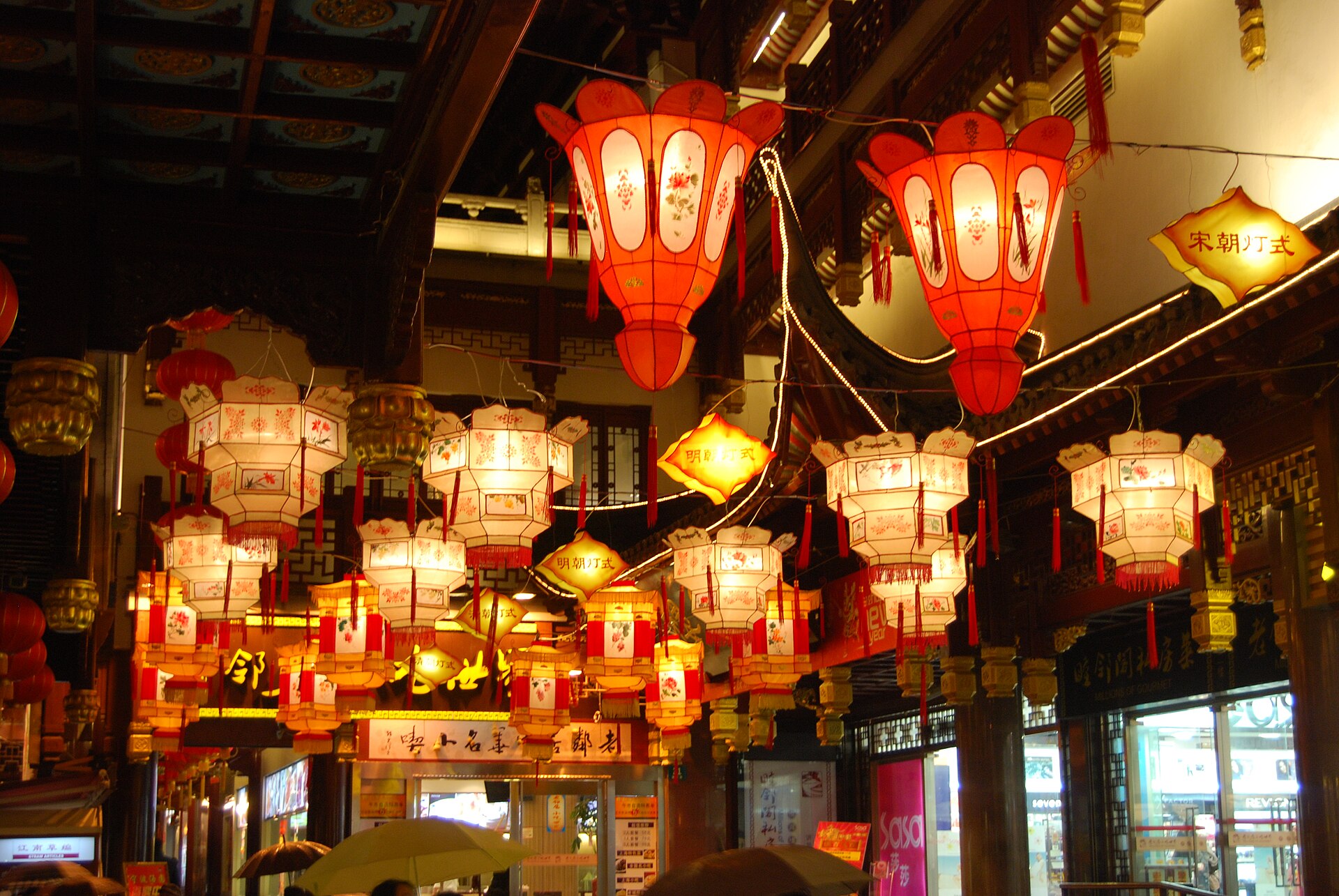 China · PrepareChinese Calendar 2026: Holidays, Festivals and the Crowds They MoveTwo calendars run every China trip — the festival one written in lanterns and mooncakes, and the official holiday one written by the State Council. Read both, and 2026 stops surprising you.Verified
 China · PrepareInternet & eSIM in China (2026): Roaming, Travel eSIM, Local SIM and Wi-Fi ComparedYour phone will work in China. The real question is which internet it connects to — every connectivity choice is a choice between two exits.Reference ~
08 · SOURCES
Sources and status
Prices, schedules and booking channels change. Recheck the details that matter before you travel.
- National Immigration AdministrationVerifiedAuthority for visa-free entry and the 240-hour transit scheme; verify your own passport and route here, not in a caption
- China Railway 12306VerifiedOfficial rail channel; its FAQ confirms foreign passports work as ID for real-name tickets
- The State Council of ChinaVerifiedChannel for the official reporting on the 240-hour visa-free transit scheme's 55 countries and 65 ports
- Ministry of Culture and TourismReference ~Official tourism authority; seasonal advisories and destination notices relevant to any trend-inspired route