
Citizens of 57 countries are eligible for the 240-hour visa-free transit, following the National Immigration Administration's 2026 Announcement No. 4 (20 August 2026), which added Kyrgyzstan and Vietnam to the transit list
Checked October 2026GUIDES / VISA & ENTRY
Chongqing 240-Hour Visa-Free Transit (2026): Jiangbei Airport, the Clock, and a Stopover Worth Taking
Ten days in China without a visa, through one of its most vertical cities — if your passport is listed, your route is a real transit, and you count the days the way the border does.
City Chongqing13 min read9 facts labeledChecked 2026-10-29
01 · IN BRIEF
The short answer
Some routings look like a detour until you read the timetable twice. A traveller we followed was flying Seoul to Bangkok and chose the Chongqing connection on purpose: two days of hotpot, cliff-side lanes and a train through a tower, in a city she had never planned to visit, on a stop her ticket already included. The transit worked — but not at the border. It nearly failed at the check-in desk in Seoul, where the first agent could not find a visa in her passport and reached for the denied-boarding script.
If you hold a passport from one of the 57 listed countries and are travelling from country A through China to a different country B, Chongqing Jiangbei Airport is a designated port where you can enter without a visa and stay up to 240 hours — ten days — with Chongqing Municipality as your permitted base. This guide covers the part that decides the trip (the check-in conversation), how the clock is really counted, and what a two-to-three-day transit stop in this particular city can honestly hold.
02 · SEE IT
The route, in order
- Check your passport against the 57-country list
- Build a true transit route: A → China → B, with B different from A
- Tell the airline at check-in abroad that you are using the 240-hour transit
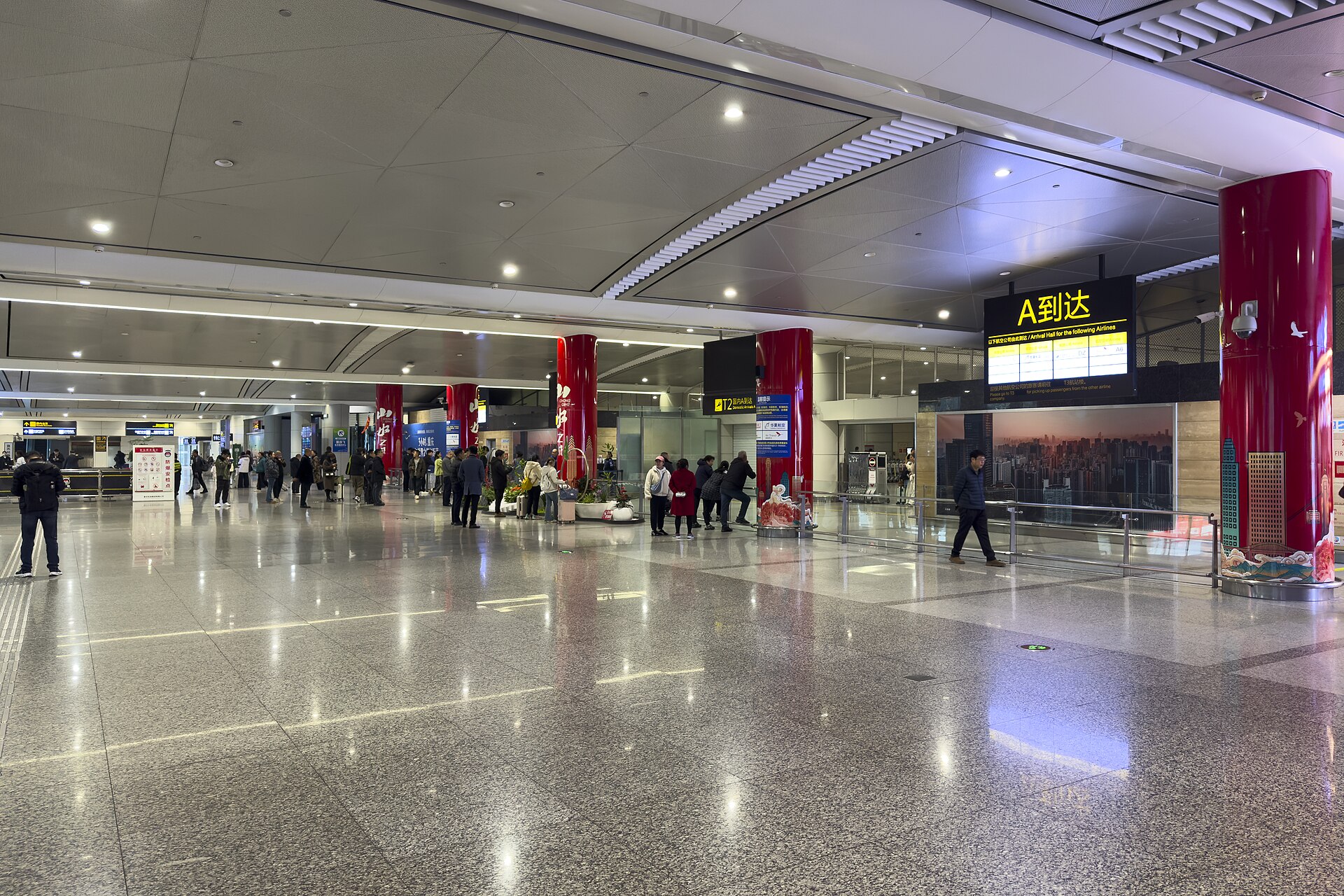
- Enter through Jiangbei Airport (CKG), a designated port — international arrivals use Terminal 3
- The clock starts at 00:00 on the day after you enter
- Base yourself in Chongqing Municipality, travel inside the 24-region permitted area, and leave before the clock runs out
- Itinerary pattern check — A → China → B, where B is somewhere different from A: this is the basic transit shape; what still needs confirming is an eligible passport, a confirmed onward booking, the right ports, the allowed stay and your admissibility at the destination
- Itinerary pattern check — A → China → back to A again: not a transit at all; it fails the third-country test, so look for a different entry arrangement instead of assuming the policy applies
- Itinerary pattern check — several Chinese stops squeezed between your two international flights: that is one domestic itinerary inside a single stay; each stop must sit inside the permitted areas, and moving domestically never restarts the stay period
03 · TRY IT YOURSELF
Before you fly: the transit checklist
Your ticks stay on this page only. No account or personal data is sent.
04 · THE PROOF
The numbers that define the policy
The 240 hours are counted from 00:00 on the day after entry, not from your landing time — a late-evening arrival at Jiangbei effectively buys you an extra partial day
Checked October 2026Entry and exit are possible through 65 designated ports across the permitted area; Chongqing Jiangbei International Airport (CKG) is one of them
Checked October 2026The permitted area spans 24 provincial-level regions; Chongqing is itself a province-level municipality, and travel between permitted regions inside one stay is allowed without restarting the clock
Checked October 2026For a Chongqing entry, the named permitted area is Chongqing Municipality itself — day trips to Wulong or Dazu stay inside it, while a Chengdu side trip sits in a neighbouring permitted region and still counts against the same 240 hours
Checked 29 October 2026Overstaying is fined at ¥500 per day, capped at ¥10,000 — cheap compared with what it does to your future visa applications
Checked October 2026The 240-hour arrangement is conditional transit permission rather than a blanket visa exemption, and the admission decision itself is made by immigration officers when you arrive
Checked 29 October 2026A province-level name appearing in the official NIA table of ports and permitted areas does not automatically cover every place in that province — the table's cities-and-areas column decides each stop, together with the port you eventually depart from
Checked 29 October 2026After admission at Jiangbei, rail transit runs from the airport into the central districts; travellers landing late or hauling heavy luggage are usually better served by a licensed taxi or a pre-arranged transfer
Checked 29 October 202605 · STEP BY STEP
Using the Chongqing transit, step by step
- Check the passport, not the residence permit
Eligibility follows the nationality in your passport. Living in a listed country on a work permit does not count; holding a listed passport while living elsewhere does.
- Build a route that is genuinely a transit
A → Chongqing → B works when B is a different country or region from A. Flying in from Seoul and back to Seoul does not. Routing onward via Hong Kong, Macao or Taiwan does, because all three count as third regions for this policy.
- Win the check-in conversation at home
At check-in abroad, state plainly: 'I am using China's 240-hour visa-free transit, here is my confirmed onward ticket to a third country.' Show the onward booking first, not last. If the first agent hesitates, ask them to check the TIMATIC entry for China transit — this is the single most common failure point of the whole trip, and it happens before you leave home.
- At Jiangbei, use the transit counter
International arrivals at Jiangbei use Terminal 3. Follow the signs for the 240-hour visa-free transit / temporary entry counter rather than joining the regular foreigner lanes. Present your passport, completed arrival card and onward ticket — and before you walk away, confirm the departure deadline the permit gives you. Once you are landside, the airport's Line 10 station runs into the central districts; with heavy bags or a late landing, a licensed taxi or a pre-arranged transfer makes for an easier first hour.
- Register where you sleep
Hotels register foreign guests with the police automatically. If you stay in a private home, registration within 24 hours is your job — do it at the local police station and keep the confirmation; it can be asked for later.
- Spend two or three days like a local short trip
Treat the stop as a short trip, not a long layover. Day 1: ride Line 10 from the airport, settle in, and walk the mountain city route in the afternoon — Liziba, the Crown Escalator and the Shibati steps end at Chaotianmen as the lights come on. Day 2: hotpot done properly, the Eling ridge or Ciqikou old town, Hongyadong after dark — or cross to the Nan'an bank and walk the Xiahaoli lanes downhill to Longmenhao and the river. Day 3, if your onward flight allows: Wulong's karst or the Dazu carvings — both inside the municipality, both a full day, neither worth rushing. Keep the day before departure empty of anything you cannot cancel.
06 · WHERE THIS BREAKS
When this does not work
A round trip is not a transit
If your itinerary returns to the country you flew in from, there is no third country and no transit — the policy does not apply, however long the stay or how cheap the fare was.
Counting from landing day
Counting ten days from your arrival date instead of from the next day's 00:00 start can put your departure a day beyond the permit. Worked example: you land Wednesday at 21:30; the clock starts Thursday at 00:00, and the 240 hours run out at midnight at the end of the following Saturday. Plan departure for the day before the deadline, not the deadline itself.
Wandering outside the permitted area
The permit is anchored to Chongqing Municipality and the wider 24-region permitted area, not to all of China. A side trip beyond the list breaks the terms of your stay — and permitted side trips (Chengdu, for instance) do not reset or pause the clock.
Separate tickets hide the route
Separate bookings can qualify, but only if the check-in agent can see the whole route. Two unrelated reservations, one of them unconfirmed or on a different name spelling, is exactly the file that stalls at the desk. Carry printed proof of both legs.
Tight self-connections at Jiangbei
Jiangbei's terminals are far apart in travel time, and international arrivals use T3. A short self-connection between separate tickets — land, re-check bags, different terminal — can eat the margin that makes a transit stop relaxing. Build in hours, not minutes.
Unregistered private stays
Skipping the 24-hour accommodation registration when staying with friends is the most common quiet violation — it surfaces later, typically at exit or on a future application.
Is there a 240-hour visa-free transit for Chongqing?
Yes — for travellers who satisfy all of the official conditions at once: listed nationality, a genuine third-country route, an eligible port, the right documents and a stay inside the permitted area. Jiangbei International Airport is on the port list; meeting one condition while missing another is still a no.
Can the same 240 hours stretch to a Chengdu side trip?
Do not simply assume it. The permitted area attached to a Chongqing entry is named as Chongqing Municipality, and cross-province movement is only possible inside the areas the current NIA appendix approves, with every other condition still met and the same single clock running over the whole stay. Check the newest official appendix first, before you book anything.
Assuming your nationality alone guarantees entry
A listed passport opens the door to the policy; it does not admit you. Route shape, ports, documents and the permitted area are all checked as well, and the final call belongs to the officer in front of you.
Entering or leaving through the wrong port
Only the designated ports support this policy. A cheap routing that enters or exits through an unlisted airport or land crossing voids the arrangement, however eligible everything else looks.
Reading 240 hours as an automatic ten-day holiday
Ten days is the ceiling of a conditional permission, not an entitlement stamped in advance — and it is counted by the border's method, from 00:00 on the day after entry, not by your arrival date.
This guide is information, not legal advice
Everything here is general travel information drawn from the official policy text. No tour operator — ChinaMate included — can guarantee an airline's check-in decision or an immigration outcome; if your case is unusual, verify it against the NIA source or a consulate before you fly.
07 · KEEP READING
Keep the trip moving
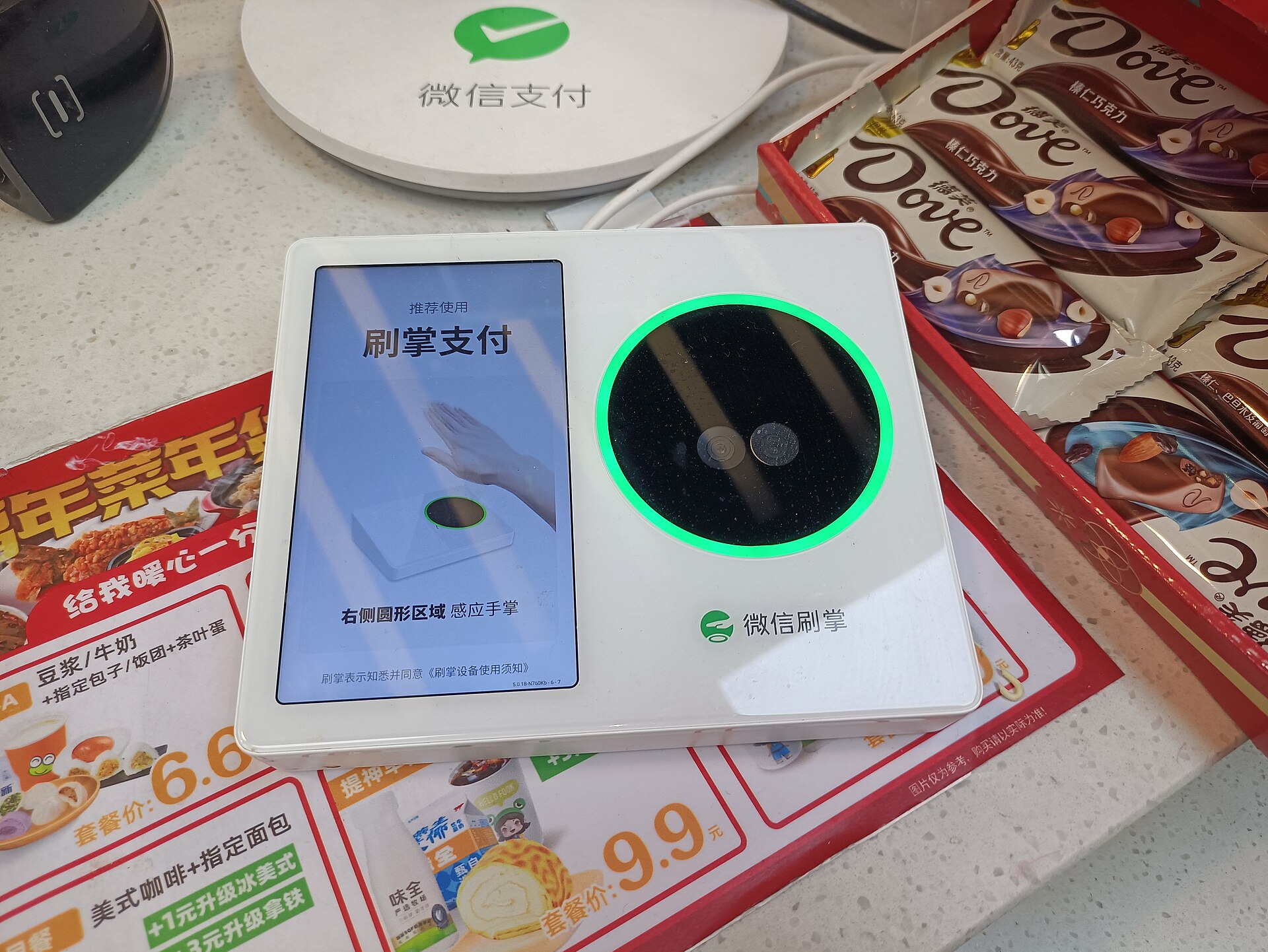 China · PrepareHow to Pay in China (2026): Alipay, WeChat Pay, TenPayGo, Cards and CashSet up one wallet before you fly, add a second as backup, and understand the two numbers that explain most payment confusion.Reference ~
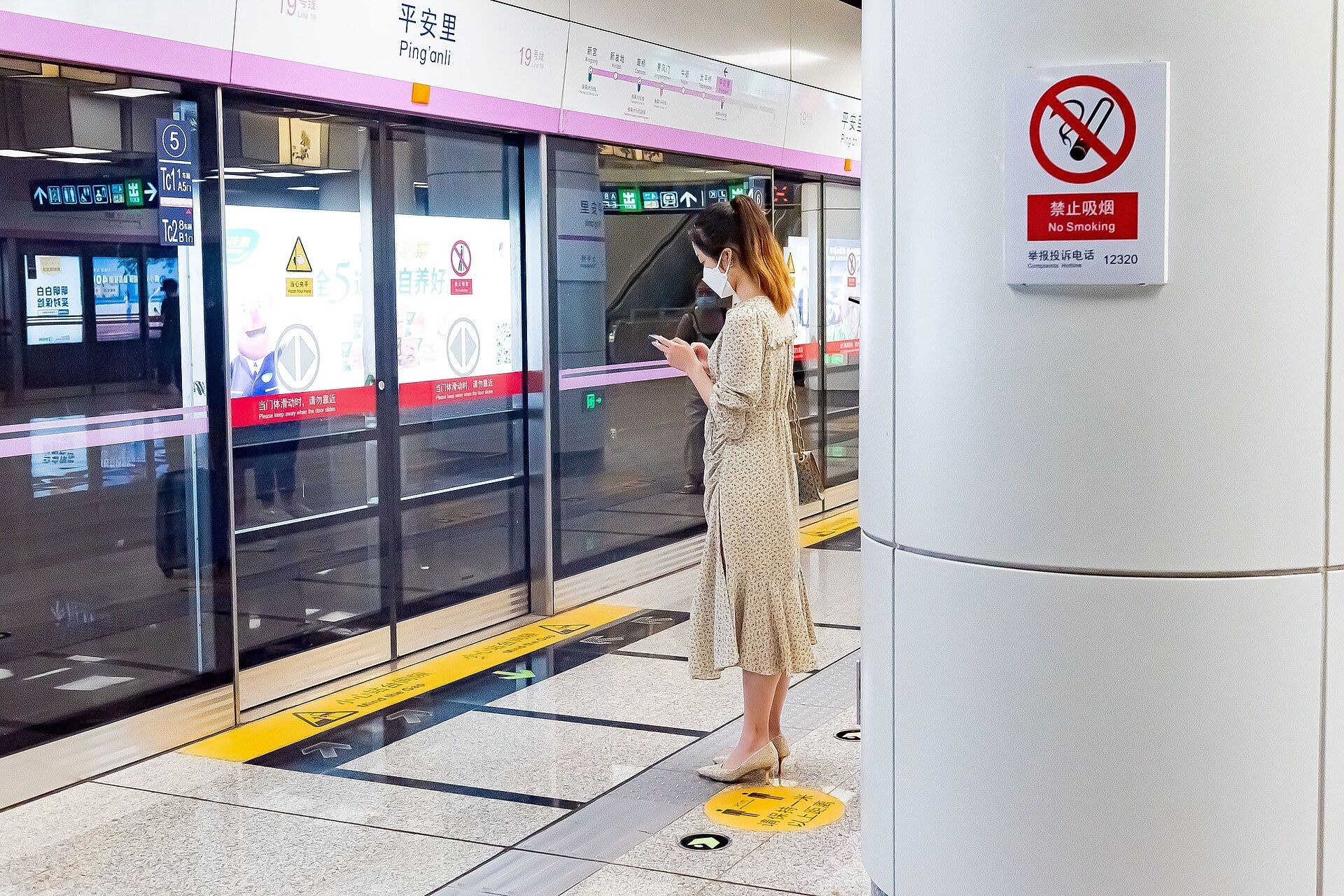 China · PrepareInternet & eSIM in China (2026): Roaming, Travel eSIM, Local SIM and Wi-Fi ComparedYour phone will work in China. The real question is which internet it connects to — every connectivity choice is a choice between two exits.Reference ~
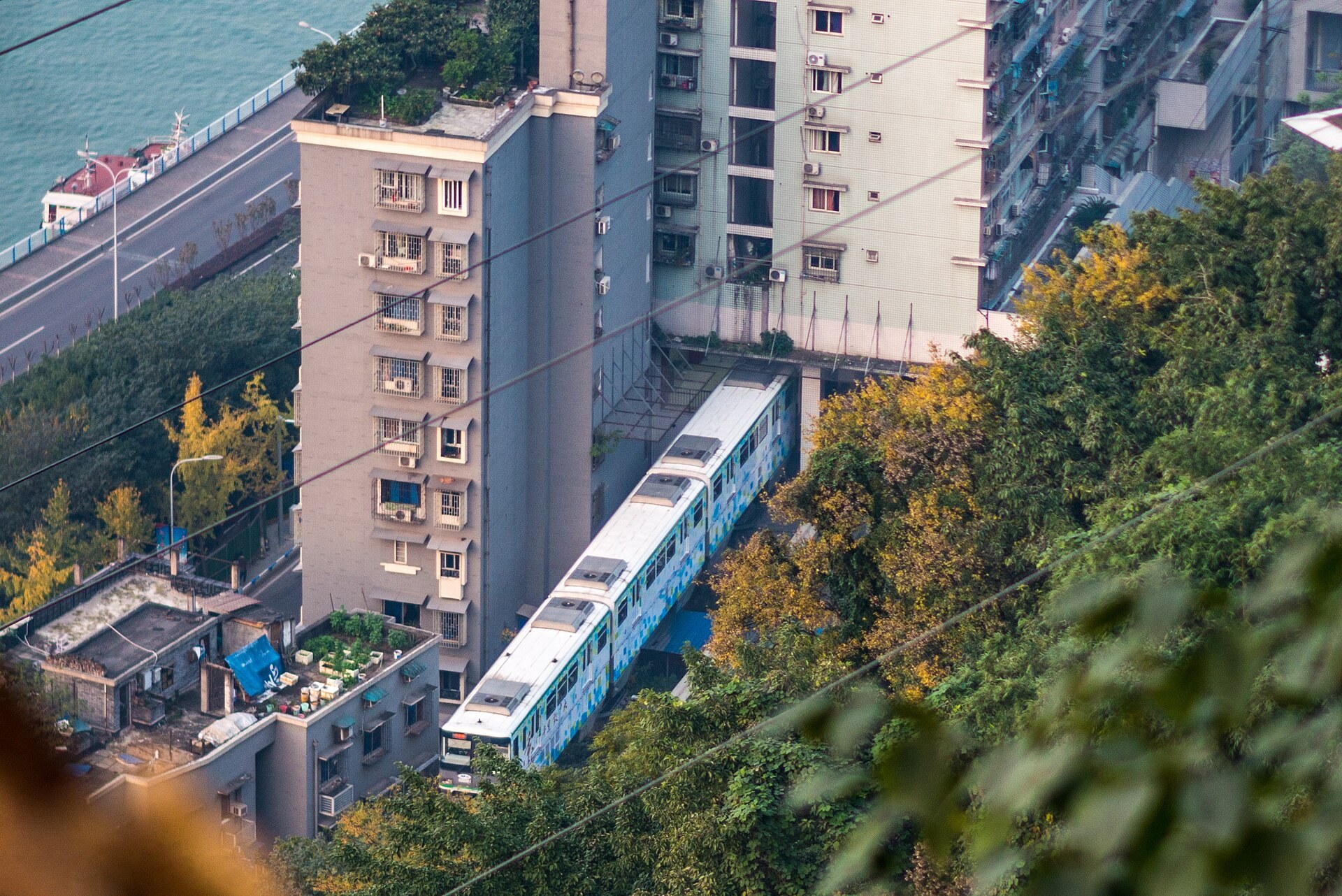 Chongqing · DoChongqing Mountain City Walk: Liziba, the Crown Escalator and the Shibati Steps — Mostly DownhillOne ridge-to-river walk through the stacked city: a train through a tower, an escalator instead of a staircase, a square that is somehow the 22nd floor, old-town steps, and two rivers meeting in two colours.Reference ~
08 · SOURCES
Sources and status
Prices, schedules and booking channels change. Recheck the details that matter before you travel.
- National Immigration Administration — 2026 Announcement No. 4 (240-hour transit country list expansion)VerifiedOfficial announcement, 20 August 2026