
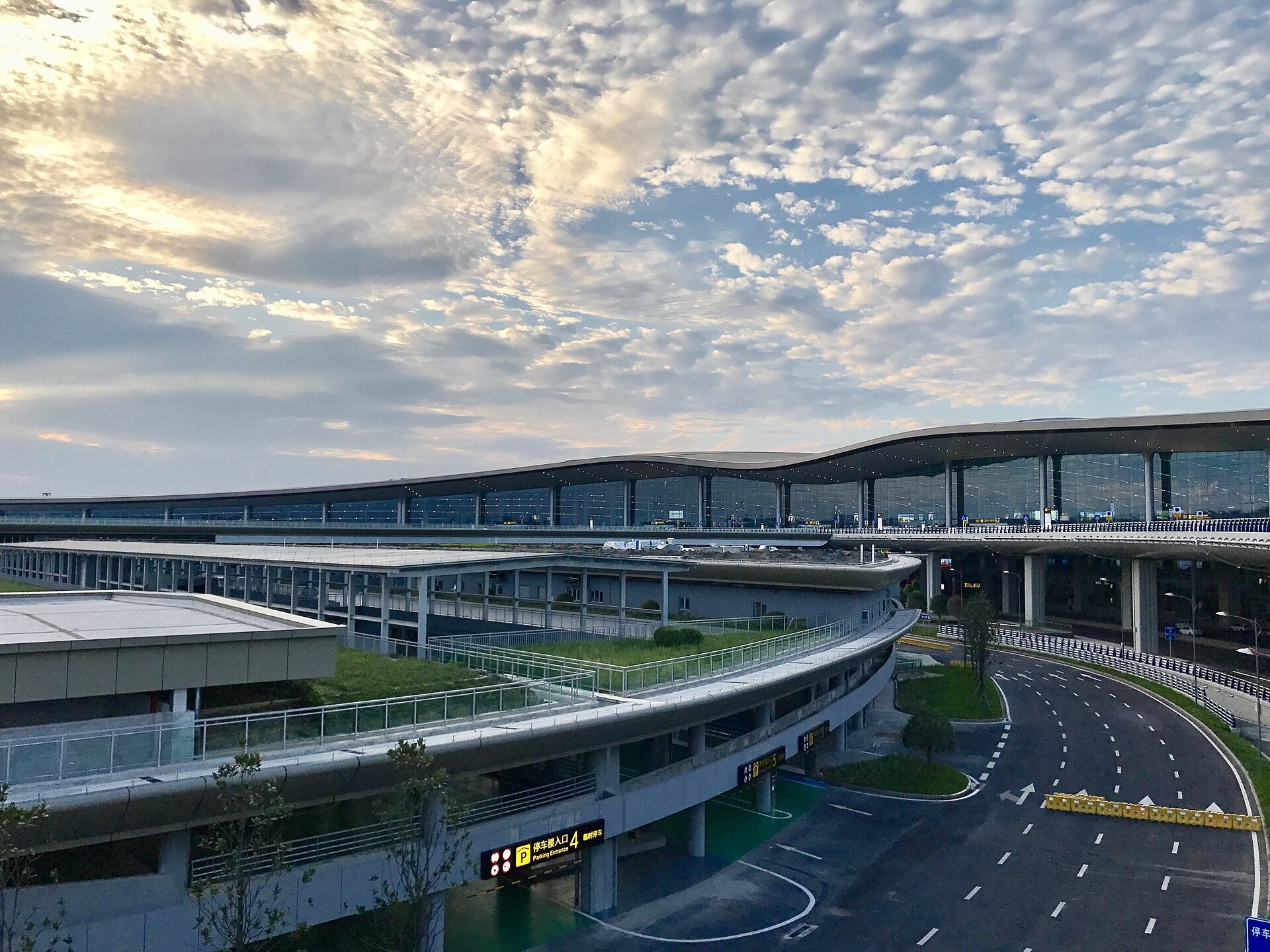
Metro Line 10 serves both Jiangbei Airport terminals (T2 and T3 stations), and Line 3 also reaches the T2 side; the ride from the airport to the Jiefangbei peninsula typically takes roughly 45–60 minutes including one change or a final walk
Checked October 2026GUIDES / TRANSPORT
Arriving in Chongqing: Jiangbei Airport, Three Stations with One Name, and Moving in a Vertical City
One airport, three railway stations with one city name, and a map that only tells half the story — the vertical half is the one that matters.
City Chongqing14 min read9 facts labeledChecked 2026-10-29
01 · IN BRIEF
The short answer
A traveller we advised messaged us from a Chongqing street corner at 9 p.m., suitcase in hand, genuinely confused: her map showed the hotel 200 metres away, she could see its sign — one floor of it, anyway — but every road around her ran underneath it. The building's lobby opened onto a street roughly fifteen floors above the one she was standing on. She had done nothing wrong. In Chongqing, '200 metres away' is a horizontal statement, and the city is not a horizontal place.
This guide covers arrival and movement in the order you will hit them: Jiangbei Airport into town, the three railway stations that share one city name and none of each other's locations, and the day-to-day rules — monorail, stairs, elevators, and taxi pins — that make the vertical city easy once you stop trusting flat maps.
02 · SEE IT
Pick the route by the situation
- Daytime landing, light bags, hotel near a station exit → Metro: the cross-city leg is predictable and road traffic cannot touch it
- Late landing, or a dawn departure later in the trip → Licensed taxi, DiDi or a confirmed car: no dependence on train hours or interchanges
- Family group, mobility needs or several big bags → One vehicle booked for the size of your party: no changes, no hauling bags between platforms
- Straight from the airport to an onward train → Metro or road to the exact named station: North, West and Shapingba are three different destinations
- Central sightseeing day → Metro for the distance, then a walk planned around the levels; check the exact exit and whether the final stretch climbs
- Airport run with manageable luggage → Metro; check the terminal, the complete journey and the last train that still finishes it
- Railway-station run → Route to the station printed on the ticket, and add time for the departure building and security checks
- Liziba photo stop → Fold Line 2 into a route you are already taking; check viewpoint access and how crowded the platform is that day
- After the last useful trains, or when bags and mobility rule the metro out → A car, hailed from a pickup point cars may legally use, on the road at your level
- Jiefangbei and Hongya Cave → Rail delivers you to the peninsula; confirm which level the viewpoint and your hotel entrance sit on
- Liziba linked with Eling → Two close anchors on Line 2; expect slopes and a crowd at the viewpoint
- Shangxinjie down to Longmenhao → Ride up high first, then descend on foot through Nan'an's old streets; reversing it on tired legs is a workout, not a walk
- Guanyinqiao evening → The metro takes you straight into the district; note the exact exit for the mall or street you are heading to, not just the station
- Hotel 'five minutes away' on the map → Check the level difference first; if it is stairs, send the bags by car and walk light
- Rain day or heatwave → Shorten every walking leg; elevators and one short car hop beat a heroic climb with luggage
03 · TRY IT YOURSELF
Set up before you land
Your ticks stay on this page only. No account or personal data is sent.
04 · THE PROOF
The numbers that matter
A taxi or DiDi from Jiangbei Airport to Jiefangbei typically lands around ¥60–100 and 40–60 minutes depending on traffic and which terminal you land at
Checked October 2026Chongqing North Station is split into a North Square and a South Square served by different metro lines (Line 10 on the north side; Lines 3 and the Loop line on the south side), and the two squares are a long underground walk apart
Checked October 2026High-speed trains to Chengdu take roughly 1–1.5 hours and depart variously from Chongqing North, Chongqing Shapingba and Chongqing West depending on the service — the station printed on the ticket is the only one that matters
Checked October 2026Chongqing West sits in Shapingba district on the far western side of the urban area; reaching the Jiefangbei peninsula from it typically takes around 45–60 minutes by metro (Line 5 and the Loop line serve the station)
Checked October 2026Monorail Line 2 passes directly through a residential building at Liziba — the station occupies middle floors of the block — and much of Line 2 runs elevated along the Jialing River
Checked October 2026The airport's own rail information splits the terminals: T2 connects to Metro Lines 3 and 10, while T3 connects to Line 10 only
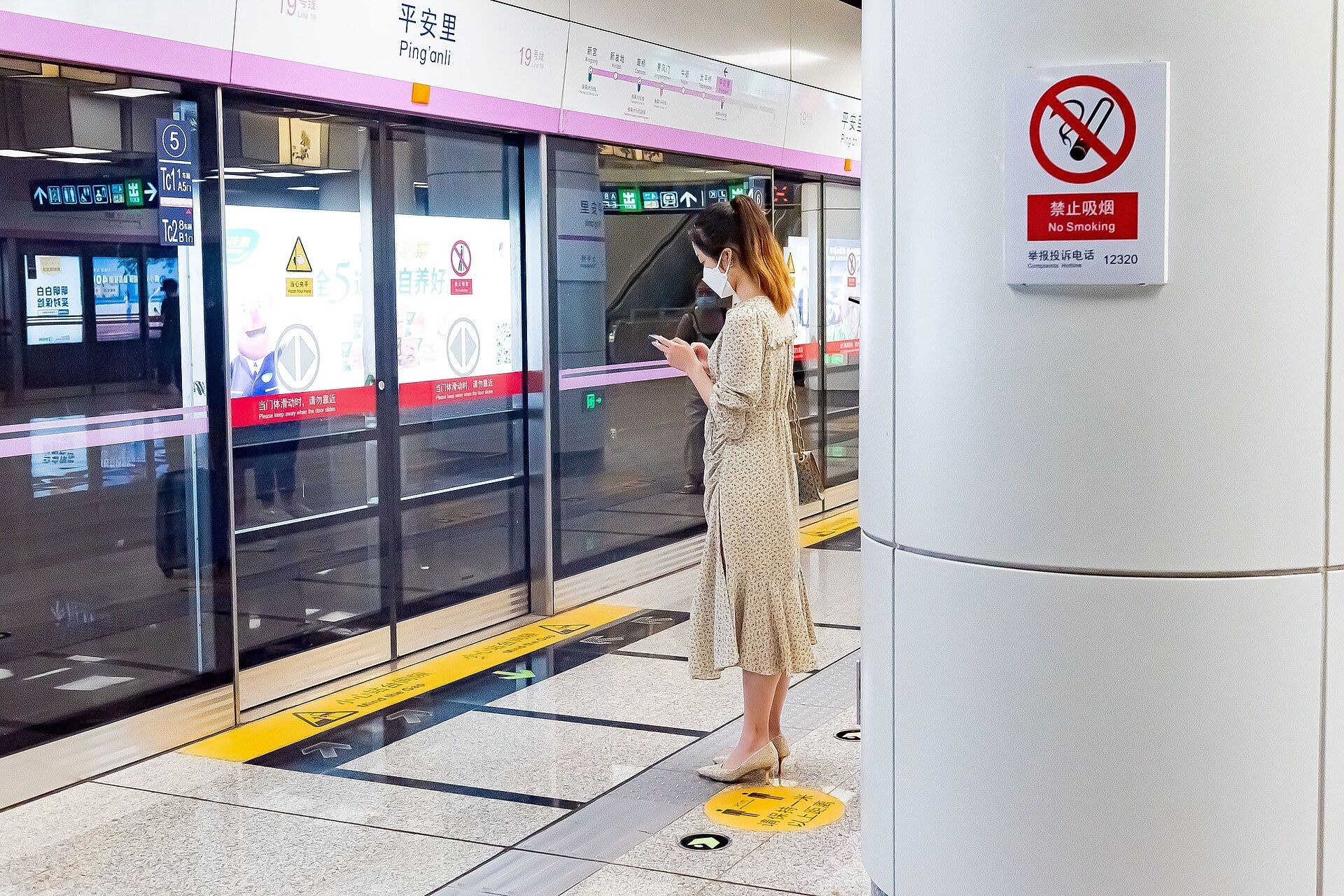
Checked October 2026For foreign visitors, single-journey tickets from station machines or staffed service points are the most dependable metro fallback; whether an app transport code or an international card works can hinge on the gate in front of you, the bank that issued the card, or how the app account was set up
Checked October 2026Metro fares, first and last trains and service arrangements all change over time; the operator's own website carries the current versions — glance at it in the days before a trip, not months ahead
Checked October 202605 · STEP BY STEP
Airport first, then stations, then the streets
- From Jiangbei Airport (CKG): Line 10 by day, a car when levels argue
Follow signs to the Line 10 station inside your terminal (T3 is the main terminal for most flights). Line 10 runs toward the city via Chongqing North Station; for Jiefangbei, ride through to the Jiaochangkou area or change once for Line 1/2/6 depending on your hotel. Budget roughly 45–60 minutes and a fare of a few yuan. A taxi or DiDi from the official ranks costs roughly ¥60–100 to the peninsula and earns its money after dark, with luggage, or when your hotel entrance sits on an awkward level — which in Chongqing is often.
- Just landed: work the sequence, not the crowd
Resist fixing a meeting time with a driver until passport control, baggage and customs are behind you. Once through: get your data working, confirm which terminal you actually landed at, and follow the signs to the official taxi rank, ride-hailing pickup or rail station. Before leaving the terminal, have four things open on your phone — the hotel address in Chinese, the pin for its vehicle entrance, the floor its lobby sits on, and a phone number that actually rings. On DiDi, check the licence plate and car against the app before loading; in a taxi, board at the regulated queue with the destination visible.
- Railway stations: the name is the address
Read the full station name on your ticket before planning anything: Chongqing North (Chongqingbei), Chongqing West (Chongqingxi) and Chongqing Shapingba are three different stations in three different districts. At Chongqing North, note the square as well as the station — Line 10 serves the North Square side, Lines 3 and the Loop line the South Square, and crossing between squares underground with bags is a long, miserable walk. If your train leaves from West, treat the journey there as a trip in its own right: around 45–60 minutes from the peninsula by metro.
- Buying metro tickets as a foreign visitor: boring is good
Start with single-journey tickets — they work for everyone, from machines and staffed service points alike, and they rescue the trip on the day a foreign bank card or an app code refuses a gate. Whether card and app payments work at all depends on the gate in front of you, the issuing bank and the state of your account, so carry a backup method and test the whole setup before a journey that cannot go wrong. In the days before the trip, check the current line map, first and last trains, fares and any service changes on the operator's website.
- Move in two layers: metro for distance, levels on foot
Give the long, flat part of every journey to the trains, and plan the vertical part separately: the right exit, the elevator or escalator, and a downhill walk rather than an uphill one. Before leaving a station, check which exit your hotel recommends — in Chongqing two exits of the same station can land you on roads several floors apart. Liziba on Line 2, where the monorail slides through a residential building, is worth riding for its own sake; go on a normal journey rather than at peak photo-platform hours.
- Taxis and DiDi: pin the road, not the building
Set the pin on the road the car can actually stop on, not on the building. Multi-level road stacks mean your pin may sit on a deck the driver cannot reach while he circles on the level below — drivers will call to ask which road you are standing on, so keep your phone live and your Chinese hotel address ready to show. If the driver stops a level away from the lobby, phone the hotel before you unload; many Chongqing hotels will tell you the exact road and ramp their entrance uses.
- Treat elevators and escalators as public transport
Chongqing quietly runs public elevators, long escalators and the cross-river cableway as part of daily transport, and local routes chain them together: metro to the high side, elevator down, walk the flat stretch, taxi from the low road. When a local route report or your hotel suggests a strange detour involving an elevator, trust it — it is usually replacing two hundred stairs.
- Private transfer: buy it only against a named risk
A booked car earns its price when it removes a specific risk: a representative meeting you at the correct terminal, delays tracked, a vehicle sized for your luggage, and someone who has already asked the hotel which entrance to use. Before paying, confirm what is included — waiting time, parking, tolls, the flight-delay policy, the meeting sign and an after-hours contact. A sketchy listing with no named driver and no delay policy is worse than no booking at all — take the regulated queue instead. Book a reputable provider and hold the driver's details before departure.
- Early departures: plan backwards from the gate
Work backwards from the moment the airline wants you checked in and through security, allow a generous margin for the ride, and double-check which terminal your flight actually leaves from. Never assume the first metro of the day completes the run once your interchange is counted — before normal service begins, a road pickup is usually the clearer plan. Pack and settle the hotel bill the night before, and confirm with the hotel which street a car can use at 5 a.m.; the entrance that works at noon may be locked then.
- Before every ride: five checks, thirty seconds
Which way the train is heading, where you change, which exit you need, what level that exit lands on, and where your door actually is — confirm all five before you tap in. Screenshot the route in Chinese, keep a second payment method, and add a buffer for station security checks. For an evening return, look up the last useful train before dinner, not on the restaurant doorstep: the absolute last train is useless if it stops short of your interchange or strands you at an exit with no workable walk home.
06 · WHERE THIS BREAKS
When the plan breaks
Flat-map distances lie by design
Map apps measure horizontal distance and driving time. A '600-metre walk' can contain 300 stairs, and a 'ten-minute drive' can end one bridge deck below your door. Add Chongqing time — roughly half again — to any app estimate that involves changing levels.
Late CKG arrivals lose the metro
Late flights narrow the options: metro services wind down around the late evening, and a Line 10 ride started too late can strand your interchange. Land after the last useful trains and the honest choices are the official taxi queue, DiDi, or a pre-booked car.
The wrong station name is the classic self-inflicted wound
A ticket that says Chongqing West when your plan assumed Chongqing North costs you most of an hour across town — and there is no 'Chongqing main station' safety net to fall back on (the old Chongqing Station is not the default arrival point visitors imagine). Check the station name when you book the train, not at the hotel desk.
Rain and heat multiply every staircase
Stone steps, station stairs and riverside lanes get slick in rain, and the city's summer heat turns an uphill walk with luggage into a genuine problem. On wet or very hot days, shorten walking legs, use elevators where they exist, and let a car do the climbing.
The classic transfer failures are all self-inflicted
They repeat because they feel harmless: navigating by an English hotel name only; leaving the metro at the wrong level; summoning a DiDi to a road the car physically cannot reach; climbing into an unofficial driver's car in arrivals; leaving the onward-train connection too tight; booking arrival-night sightseeing against a scheduled landing time. A transfer that works has four verified endpoints — terminal, pickup point, hotel road entrance, lobby — and Chongqing punishes any gap between the last two, so close them before takeoff.
Step-free on the map is not step-free at the door
A station can be fully step-free inside and still strand you: the lane between its exit and your lobby may climb the whole way. Count who can actually lift each bag, and whether station lifts align with the exit you need. Travellers using wheelchairs should arrange assistance with the airline in advance and get the hotel itself — not a booking site — to confirm the door-to-door route. Four adults plus big suitcases will not fit in an ordinary sedan: book a bigger vehicle and tell the provider about mobility devices. In a family, keep one adult's hands free for the child instead of loading every person with two bags.
Is the metro practical from Jiangbei Airport?
For many central routes, yes — but judge it the Chongqing way: luggage, operating hours, interchange walking and your hotel's vertical entrance all count for more than the fare.
Why does the exact hotel address matter so much here?
Because one building can open onto several roads at different levels. A district name or a brand name alone can put your driver one deck above you and your lobby one deck below.
Is a private transfer necessary?
No — it simply removes last-mile uncertainty. It is worth paying for on a first arrival with luggage, a late landing, or a hotel whose entrance you already know is awkward.
Is the metro easy for foreign visitors to use?
The network map and station signs are manageable. The hard part is everything after the gate: exits and final walks. Save the Chinese destination and the exact exit before boarding.
Does the metro reach Jiangbei Airport?
Yes — rail transit serves both terminals (Lines 3 and 10 at T2, Line 10 at T3). Weigh the whole door-to-door run, walk to the lobby included, against an official taxi when you land late or arrive heavily loaded.
Is Liziba worth a special trip?
When your day already runs through Eling or along the river, it is a genuine highlight of Line 2. As a lone detour made for a single crowded photograph, much less so — ride it on a normal journey instead.
07 · KEEP READING
Keep the trip moving
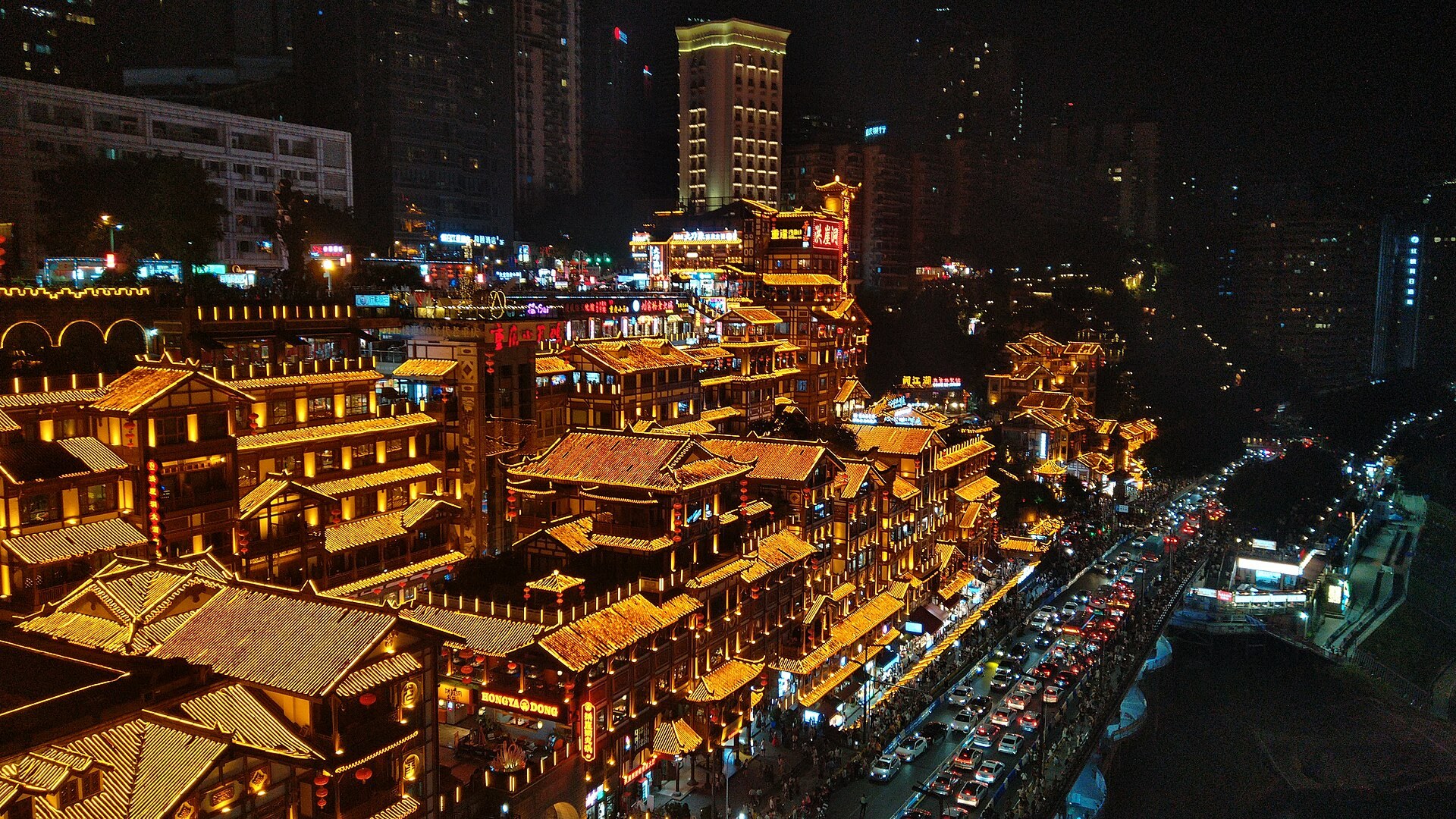 Chongqing · PrepareWhere to Stay in Chongqing: Jiefangbei, Guanyinqiao, Nanbin Road or Eling?Jiefangbei puts you inside the postcard, Guanyinqiao inside local life, Nanbin Road across from the view, Eling inside the old mountain city — and the fog votes on all of them.Reference ~
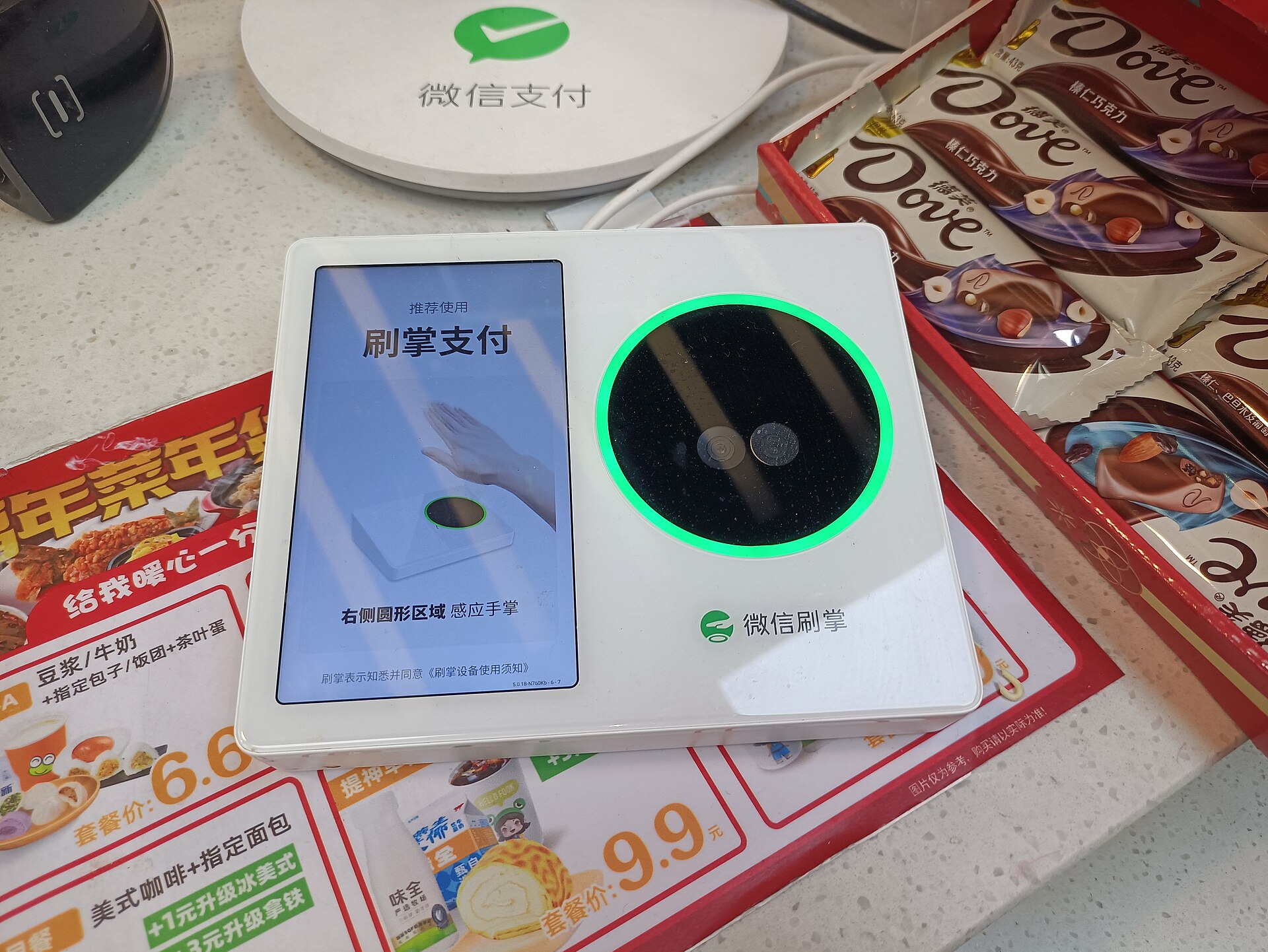 China · PrepareHow to Pay in China (2026): Alipay, WeChat Pay, TenPayGo, Cards and CashSet up one wallet before you fly, add a second as backup, and understand the two numbers that explain most payment confusion.Reference ~
 China · PrepareInternet & eSIM in China (2026): Roaming, Travel eSIM, Local SIM and Wi-Fi ComparedYour phone will work in China. The real question is which internet it connects to — every connectivity choice is a choice between two exits.Reference ~
08 · SOURCES
Sources and status
Prices, schedules and booking channels change. Recheck the details that matter before you travel.