
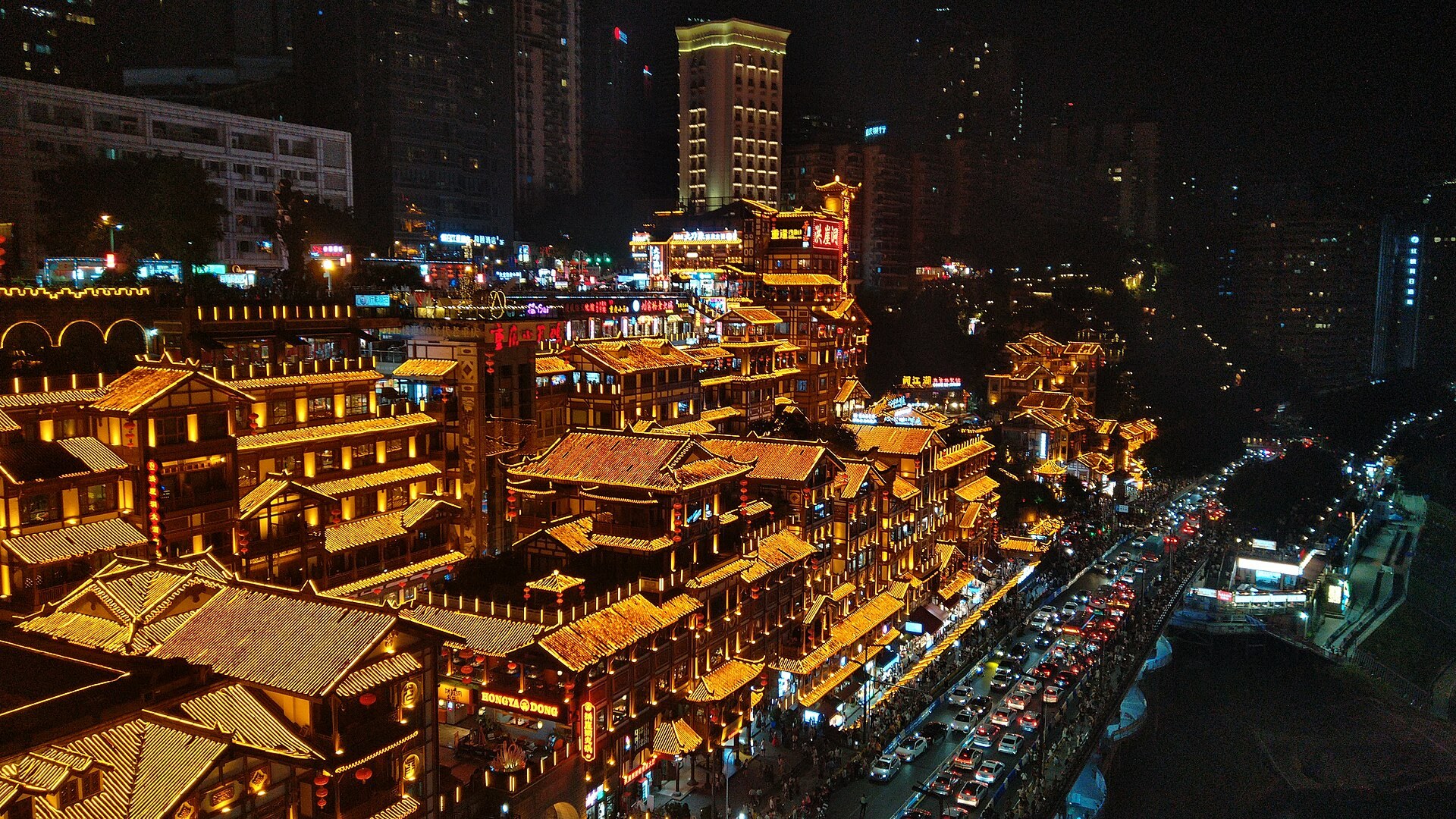
Jiefangbei sits on the Yuzhong peninsula at the meeting of the Yangtze and Jialing rivers, with Hongya Cave, the cross-river cableway and Lines 1, 2 and 6 stations (Jiaochangkou, Xiaoshizi, Linjiangmen) inside a compact — if steep — walking area
Checked October 2026GUIDES / STAY
Where to Stay in Chongqing: Jiefangbei, Guanyinqiao, Nanbin Road or Eling?
Jiefangbei puts you inside the postcard, Guanyinqiao inside local life, Nanbin Road across from the view, Eling inside the old mountain city — and the fog votes on all of them.
City Chongqing12 min read9 facts labeledChecked 2026-10-29
01 · IN BRIEF
The short answer
A couple we advised booked the classic Chongqing upgrade: a high-floor room on Nanbin Road, sold on the promise of waking up to the Yuzhong skyline across the Yangtze. They visited in January. For three mornings running they woke up to a white wall — Chongqing's winter fog had taken the skyline, the river, and most of the far bank, and returned them all, briefly, around noon. The room was not a scam. The view is genuinely one of the great city views in China. It is simply not a view the city guarantees, and nobody had told them the odds.
This guide compares the four bases a first visit actually chooses between — Jiefangbei, Guanyinqiao, Nanbin Road and Eling — by the trade-off that decides Chongqing stays: the view you might get against the friction you will definitely get, in a city where fog, stairs and station names all vote.
02 · SEE IT
Pick the base by the trip
- Jiefangbei → Best for first visits and the central landmarks; the tradeoff: busy streets, and building quality varies a lot behind the skyline photos
- Xiaoshizi → Best for metro interchanges and river routes; the tradeoff: slopes, and exits that open at levels you did not expect
- Guanyinqiao → Best for food, nightlife and the local city rhythm; the tradeoff: farther from the classic peninsula sights
- Shapingba → Best for its rail links and a younger, lived-in feel; the tradeoff: a longer ride back to the central night views
- Nan'an (including Nanbin Road) → Best for river views and quieter evenings; the tradeoff: bridge crossings and taxi dependence enter every plan
- Keeping costs down → Begin with a plain, well-reviewed hotel next to a station you will actually use, and judge it on the door you enter by, the lift, what breakfast includes, taxes and whether the rate can be cancelled — not the headline number
- Paying for a smoother family stay → Choose a property that has confirmed in writing it can put your family in one room or connecting rooms; check how many guests the rate covers, what an extra bed costs, what children pay for breakfast, and whether cars can reach the lobby
- Prioritising dining and nightlife → Base in Guanyinqiao, or find a peninsula address that suits your evenings; count the walk back at night and the next morning's sightseeing ride into the real price
- Paying for a river view → Look toward Chaotianmen, or a south-bank property whose view you have verified; make sure the room type in your booking is the one with the view, and that the car drop is on a road level that connects to the lobby
- First visit, 2–3 days, sights first → Jiefangbei: everything classic is walkable or one short ride
- Early train from Chongqing North, or a local-life base → Guanyinqiao: better value, station a few stops away
- Repeat visit, low budget, terrain is the attraction → Eling: old Chongqing, steep streets, local prices
- Bad knees or big luggage → The flatter blocks of Jiefangbei or Guanyinqiao, and verify step-free access before booking anywhere
03 · TRY IT YOURSELF
Before you book
Your ticks stay on this page only. No account or personal data is sent.
04 · THE PROOF
The trade-offs that matter
Guanyinqiao in Jiangbei district is the city's busiest local shopping and dining hub, served by Metro Lines 3 and 9, and sits only a few stops from Chongqing North Station — roughly a 15–20 minute ride from the peninsula sights across the Jialing River
Checked October 2026Nanbin Road runs along the south bank of the Yangtze in Nan'an district, facing the Yuzhong skyline across the water; Shangxinjie and Danzishi stations (Line 6 and the Loop line) serve the district, but most peninsula sights require a bridge crossing
Checked October 2026Chongqing is famous for fog — the 'fog city' nickname reflects dozens of foggy days a year, concentrated in late autumn and winter — so river-view rooms frequently face white or grey water between roughly November and February
Checked October 2026Hotel pricing follows the usual Chongqing pattern: Jiefangbei view rooms carry the city's premium, Guanyinqiao and Eling typically undercut comparable peninsula rooms, and prices swing hard on holidays and event weekends
Checked October 2026Compare like with like before calling any room cheap: same dates, same guests, same cancellation terms and breakfast. The honest three-night total is the room plus breakfast and extra-bed charges plus the airport transfer plus the cross-river rides you will actually take, with the currency and the cancellation deadline written beside each quote — room rates are live quotations, so no district has a fixed nightly price worth printing
Checked October 2026Three published addresses show the spread of the decision: the Hyatt Regency stands at 11 Paradise Walk inside Guanyinqiao's shopping and dining district; the voco at Chaotianmen gives its address as No. 1 Xinhua Road by the rivers; the Holiday Inn Express on Nanbin Road sits at numbers 2–8 of No. 152 Nanbin Road on the south bank. All three come from the hotels' own listings — locations to test a plan against, not stays we have inspected
Checked October 2026The airport's rail page separates the terminals: T2 links to Metro Lines 3 and 10 while T3 links to Line 10 — a useful start, though the final hotel exit and the last service of the day still decide the journey
Checked October 2026Chongqing rewards three to four days: enough for its stacked old streets and for nights spent watching lit bridges from the banks, with no half-day swallowed by a single transfer; the kindest months are March, April, October and November
Checked October 202605 · STEP BY STEP
Six bases, six different trips
- Jiefangbei: stay inside the postcard
The first-timer default, and honestly still the right answer for most short stays. You sleep inside the postcard: Hongya Cave and the Chaotianmen confluence are walkable, the cableway crosses to Nan'an from here, and Lines 1, 2 and 6 fan out from Jiaochangkou and Xiaoshizi. Chongqing North Station connects directly by Line 10 and Line 3. Pay the premium knowingly: rates are the city's highest, the immediate streets are steep and crowd hard at weekends, and a 'river view' room should be checked for which river bend it actually faces.
- Xiaoshizi: the interchange with a view
Where Lines 1 and 6 cross, a short slope from Hongya Cave and the cableway's peninsula terminal, Xiaoshizi is the peninsula's working transport hub — often better value than Jiefangbei proper and just as connected to river crossings. Its geography is the catch: exits open at genuinely different levels, so a hotel here is only as good as its directions. Ask the property for its recommended exit and written or video walking directions before you arrive with bags.
- Guanyinqiao: the locals' downtown
Across the Jialing River in Jiangbei district, Guanyinqiao is where Chongqing itself shops, eats and goes out — malls, local restaurants, nightlife that is not aimed at tourists, and generally better rooms for the money than the peninsula. Lines 3 and 9 put the peninsula about 15–20 minutes away, and Chongqing North Station is a few stops up Line 3 or Line 10, which makes it the smartest base for an early train. Choose it if you value a functioning local neighbourhood over waking up in the view; you will cross the river for the classic sights and not mind.
- Nanbin Road: buy the view, accept the distance
Nanbin Road is the viewing deck, not the stage: a long, relatively calm riverside strip on the south bank whose rooms look back at the lit Yuzhong peninsula — at night, in clear weather, arguably the best hotel view in the city. The costs are structural. The metro presence is thinner (Shangxinjie and Danzishi on Line 6 and the Loop line), almost every classic sight starts with a bridge crossing by car, and evenings are quiet. Book it for a deliberate slow night or two — a couple, a view, a long dinner — not as a sightseeing base, and never pay the view premium in fog season without accepting the gamble.
- Shapingba: sleep by the western rails
Shapingba earns its place when your trains run through Chongqing West or Chongqing Shapingba station, or when the trip leans toward the city's western side. The feel is younger and properly lived-in, rooms are honest, and nobody is selling you a skyline. What it cannot do is shorten a peninsula evening — the ride back from the central night views is the longest of any base here — so it fails a tightly compressed first visit and suits rail-led itineraries instead.
- Eling and the old districts: the mountain city unfiltered
The older western end of the peninsula around Eling is Chongqing before the towers: Eling Park on the ridge, the Liziba monorail-through-building a short walk or ride away, the Three Gorges Museum by People's Square, local streets that still run on neighbourhood time. Lines 1 and 2 both stop at Eling. Rooms are older and cheaper, food is local, and the terrain is the steepest of the four bases — this is the pick for repeat visitors and anyone who wants the mountain city itself rather than its skyline, and the wrong pick for bad knees.
- Rank rooms by the three-night total, not the nightly rate
Before any area wins, run the same arithmetic on each finalist: room total, breakfast and extra-bed charges, the airport transfer, and the cross-river rides your plan will actually take — with currency and cancellation deadline written beside each number. The saving evaporates when the front door demands a taxi every day, when a child pushes you into booking a second room, or when your flight gets in after the metro has stopped. And judge each finalist by the moment your own trip hinges on — the early-train family by the station run, the Guanyinqiao couple by the stroll back from dinner, the late arrival by whether pickup and check-in are confirmed in writing.
- Three real addresses that show the trade-offs
The Hyatt Regency (11 Paradise Walk, amid Guanyinqiao's malls and dining) is the test case for a local-evenings stay weighed against a peninsula one — and discount any driving time quoted in its marketing, because rush hour will not honour it. The voco at Chaotianmen (No. 1 Xinhua Road) suits a river-and-centre plan; before booking, find out which of its street entrances takes cars and the path your bags travel to the front desk. The Holiday Inn Express on Nanbin Road (numbers 2–8, No. 152 Nanbin Road) is the south-bank test: plot that address against the days you will spend across the river, because a riverside address does not put the sights within walking reach.
06 · WHERE THIS BREAKS
When the choice backfires
Fog season cancels the view you paid for
The view premium is a lottery ticket in late autumn and winter: dozens of foggy days a year cluster in roughly November to February, and a white-out morning erases exactly what the room costs extra for. If the view is the point of the trip, travel in the clearer windows (spring and mid-autumn are the usual advice) or keep the booking refundable.
Peninsula convenience is vertical too
Jiefangbei's streets are stairs with shops attached. Hotels at the bottom near the river and hotels 'two minutes' uphill from a station are different products in practice; travellers with mobility limits should ask the hotel about step-free access from a named metro exit before booking, anywhere on the peninsula.
Station proximity only counts for your station
If your train leaves from Chongqing West, every one of these bases is 45–60 minutes away — distance to West station should not drive the hotel choice, but the alarm clock. Conversely, a Guanyinqiao base genuinely shortens a Chongqing North departure; check which station your ticket uses before optimising for the wrong one.
Peak weekends punish late bookers
Riverside and high-floor rooms citywide command event and holiday surcharges, and Nanbin Road's view-facing stock is limited, so it sells out earliest on peak weekends. Book view rooms early or accept the standard rooms — which, on the south bank, means accepting that you crossed the river for an ordinary room.
Keep the night view flexible, whichever bank you sleep on
Rain, fog, bridge traffic, weekend crowds and cableway maintenance can each rewrite an evening on their own. Hold the skyline as a movable plan rather than a fixed booking, and build the trip so one grey night costs you an evening's rearrangement — not the point of the stay.
Is Jiefangbei or Xiaoshizi the best base for a first trip?
For two or three nights, yes: Hongya Cave, Shibati, the river crossings and the useful metro lines are all close. The risk is not the district but the building — verify the exact property, its lobby floor and its station exit before paying.
Is Guanyinqiao better than Jiefangbei?
For evenings, often yes: its restaurants and bars serve the city itself rather than its visitors. For a first trip built on the peninsula's icons, Jiefangbei still wins. Choose by what your nights are for, and group the classic sights into one or two planned cross-river days.
07 · KEEP READING
Keep the trip moving
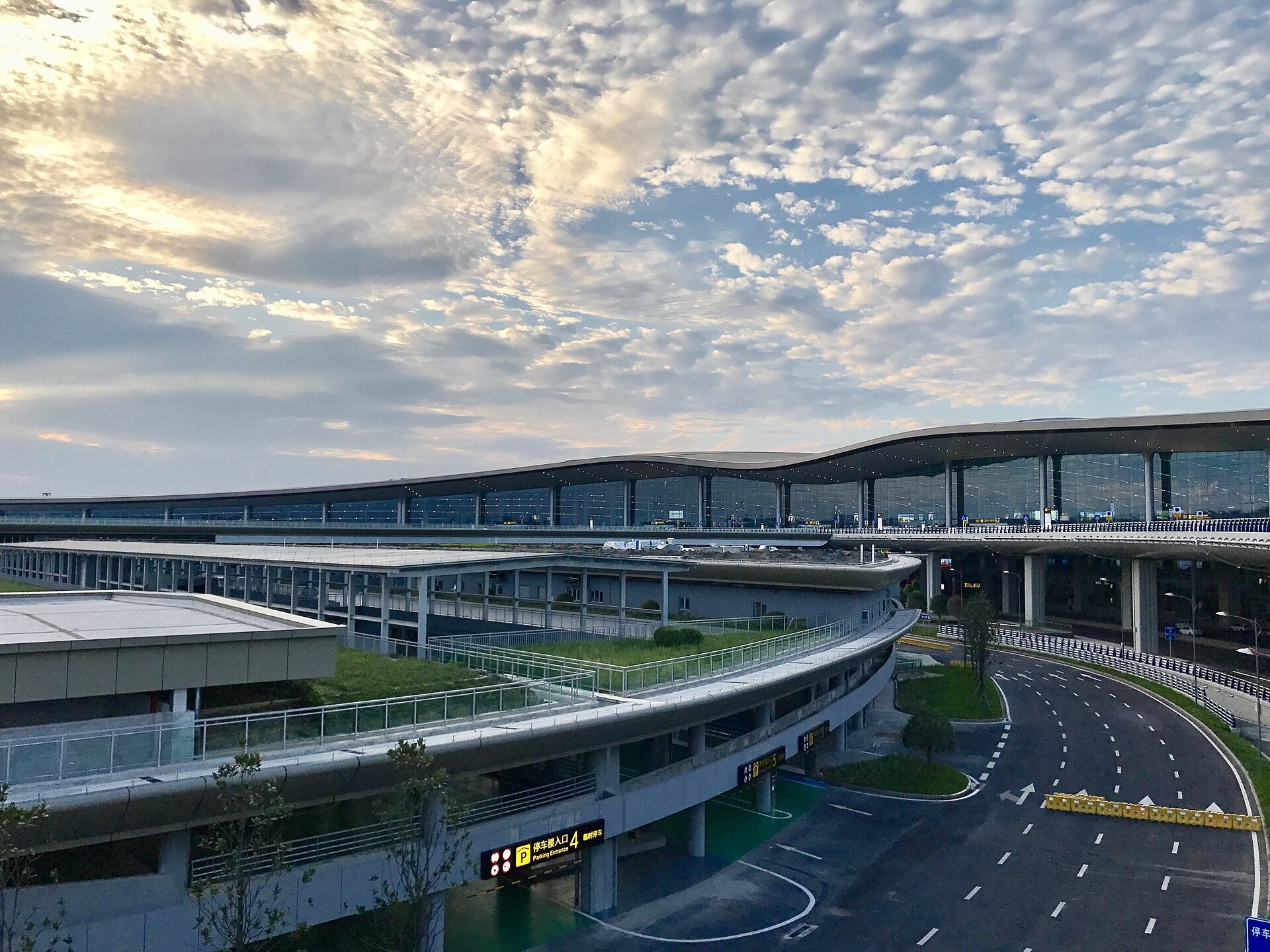 Chongqing · PrepareArriving in Chongqing: Jiangbei Airport, Three Stations with One Name, and Moving in a Vertical CityOne airport, three railway stations with one city name, and a map that only tells half the story — the vertical half is the one that matters.Reference ~
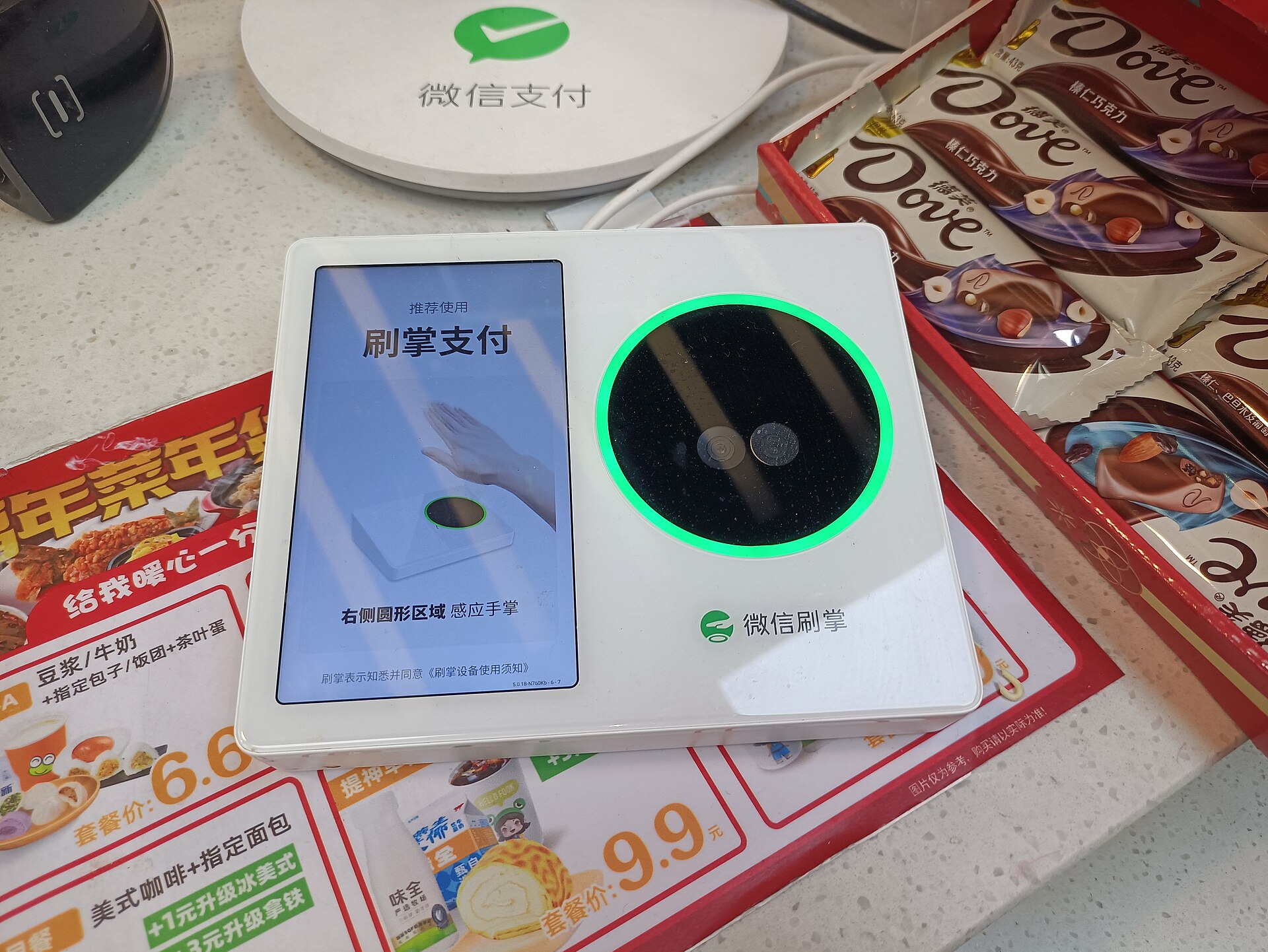 China · PrepareHow to Pay in China (2026): Alipay, WeChat Pay, TenPayGo, Cards and CashSet up one wallet before you fly, add a second as backup, and understand the two numbers that explain most payment confusion.Reference ~
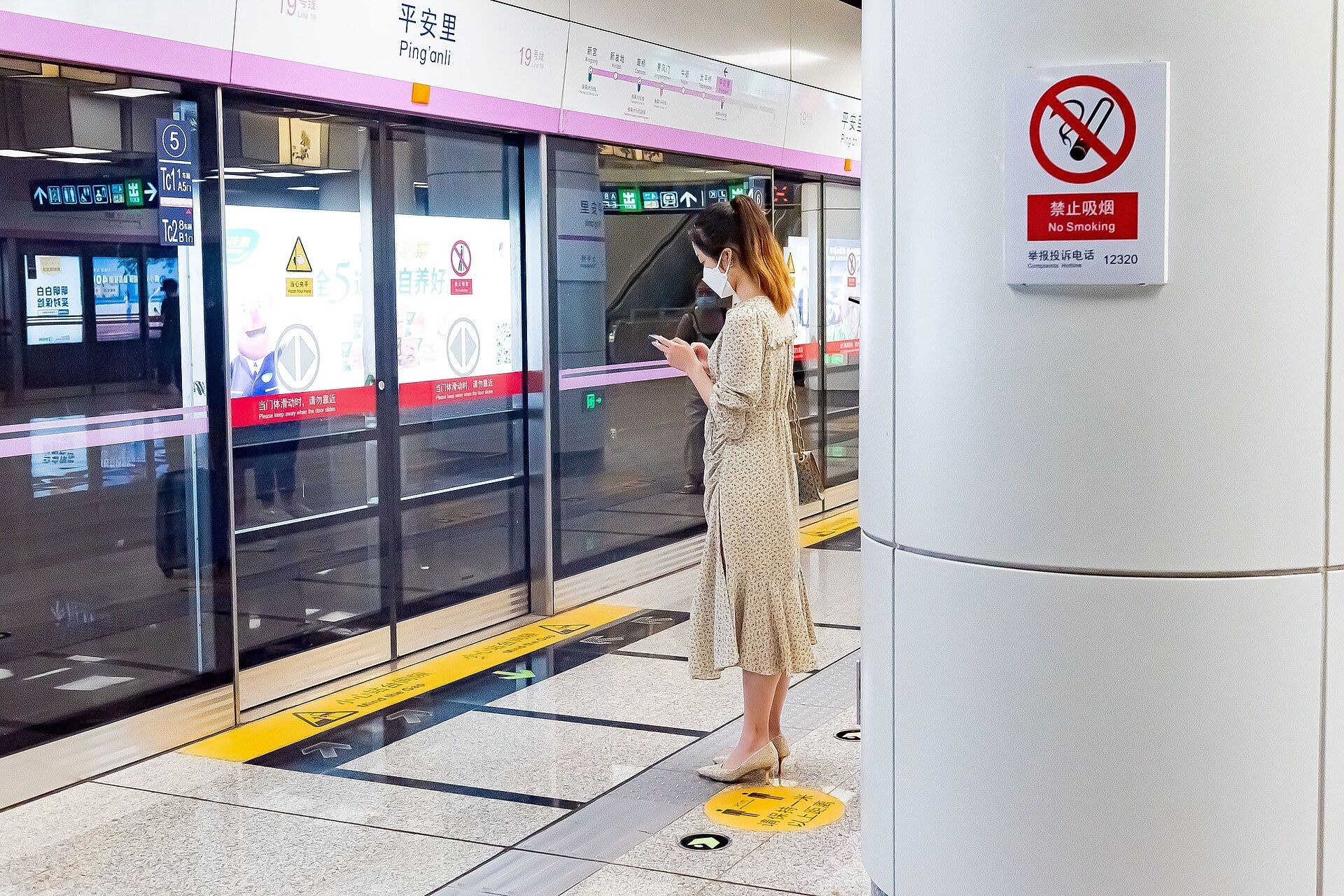 China · PrepareInternet & eSIM in China (2026): Roaming, Travel eSIM, Local SIM and Wi-Fi ComparedYour phone will work in China. The real question is which internet it connects to — every connectivity choice is a choice between two exits.Reference ~
08 · SOURCES
Sources and status
Prices, schedules and booking channels change. Recheck the details that matter before you travel.