
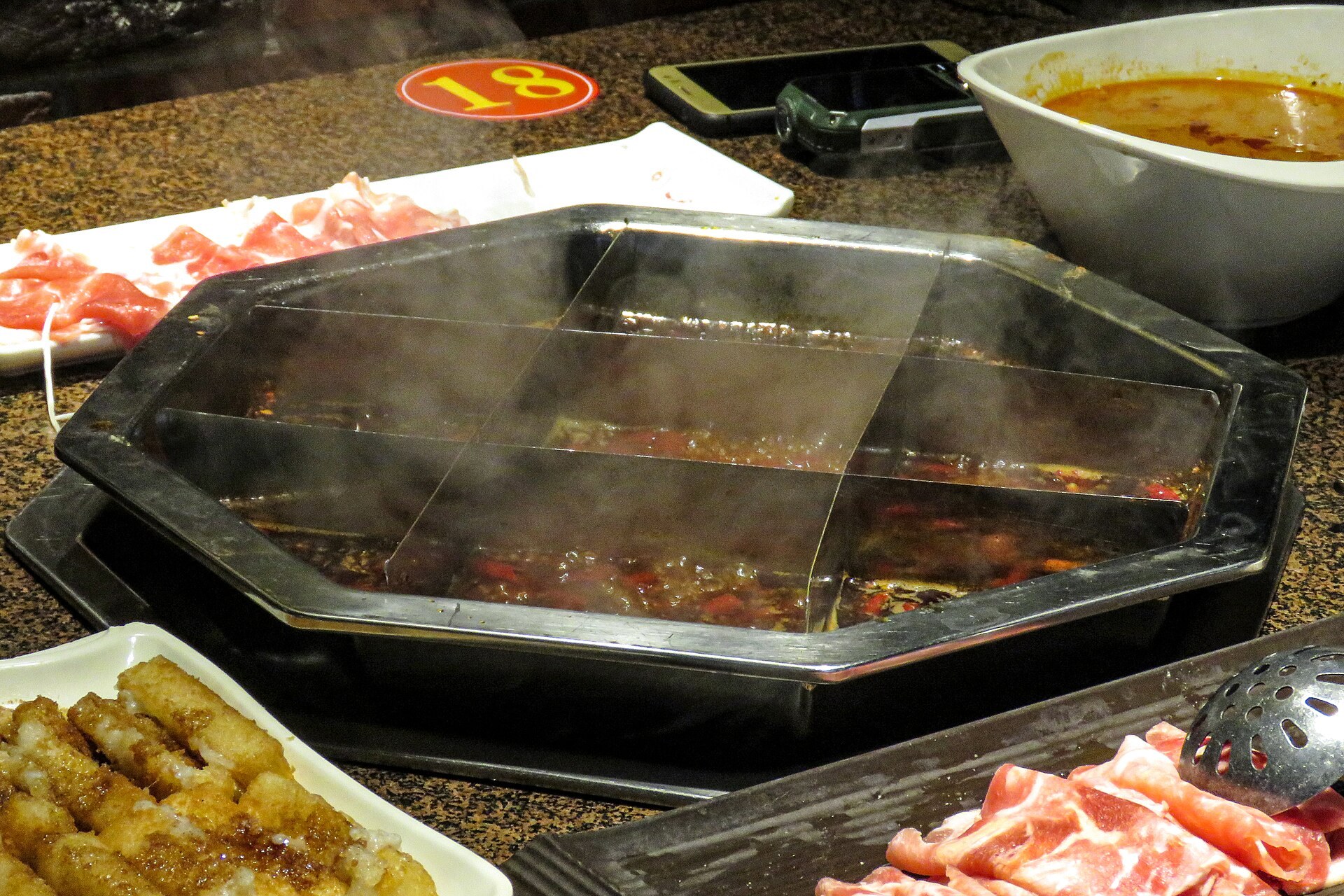
The classic Chongqing pot is beef-tallow based: the 'broth' arrives as a slab of red butter loaded with dried chillies and Sichuan pepper, and melts into seasoned oil. The nine-grid (jiugongge) version divides that one pot with a lattice — the centre grid runs at a hard boil for seconds-long dips, the corner grids simmer gently for slow items — so a shared pot can run several cooking tempos at once One caveat the format photos never mention: the lattice separates ingredients and cooking speeds — it does not separate spice. Every grid shares the same oil, so no corner of a red pot is a mild corner
Checked October 2026GUIDES / FOOD
Chongqing Food Guide: Hotpot in Its Home City
Butter-and-chilli broth, a nine-grid clock in the pot, a breakfast noodle with no interest in subtlety — hotpot in its home city, plus the dishes that carry the days between pots.
City Chongqing14 min read10 facts labeledChecked 2026-10-29
01 · IN BRIEF
The pot arrives as a brick of butter
The pot arrives as a brick. Not a bowl of soup — a solid slab of red beef tallow studded with dried chillies, which the waiter drops into the table's pot and which slowly, ominously, melts into oil. Your Chengdu travelling companion, who has been calmly telling you for days that you will be fine, goes slightly quiet. At the next table, a grandmother is fishing tripe out of the centre grid with the focus of a surgeon, in a broth the colour of a warning sign, ordered 'medium'.
Chongqing is where hotpot comes from, and the home city cooks it the way it builds: steeply, densely, without waste or apology. This guide runs the home rules — the nine-grid pot and what each grid is for, why the split pot is legal but noticed, how the local spice ladder really compares to Chengdu's — and then the supporting canon: the breakfast noodle that runs the city, the sour fish that resets your palate, and the grilled fish that is the correct way to end a Chongqing night.
02 · SEE IT
The Chongqing table, in order
- Chongqing hotpot — Best moment: the long shared dinner · First move: keep the rest of the night flat and close; no strenuous walk afterwards
- Xiaomian — Best moment: breakfast or lunch · First move: begin gently on the spice ladder and adjust next bowl
- Suanlafen — Best moment: a snack or a light meal · First move: expect sour heat over springy, slippery sweet-potato noodles
- Grilled fish (kaoyu) — Best moment: a shared dinner · First move: settle the fish's price and weight before anything is cooked
- Jianghu dishes — Best moment: a group meal · First move: balance the rich plates with rice and plain vegetables
- The heavyweight — nine-grid tallow hotpot: centre grid for seconds, corners for the slow braise
- The calibration rule — Chongqing's ladder runs hotter than Chengdu's; start one notch down
- Breakfast law — xiaomian: a two-liang bowl, seasoned to order, eaten in minutes
- The reset — suancai yu: pickled-mustard fish, sour heat, broth over rice
- The night move — kaoyu: grilled fish in a bubbling tray, weighed before it grills
- A day that works: xiaomian at 8:00, a simple rice lunch or dumplings (suancai yu when the palate needs the reset), a tea or fruit break through the steep afternoon, the big pot after dark
03 · TRY IT YOURSELF
Do it like a local
Your ticks stay on this page only. No account or personal data is sent.
04 · THE PROOF
The facts this guide leans on
The yuanyang split pot exists in Chongqing and nobody will arrest you for ordering it — but it is not the local default. The classic table order is one full red pot, with the spice level negotiated once for everyone, which is why 'how spicy?' is a table decision, not a personal one
Checked October 2026Spice ladders are locally calibrated and do not transfer between cities: Chongqing's weila-to-zhongla range is widely held to run hotter and more chilli-forward than Chengdu's, where the numbing pepper and the sesame-oil dip carry more of the experience. A confident Chengdu zhongla order should start one notch lower here
Checked October 2026A neighbourhood Chongqing hotpot dinner typically lands around ¥70–120 per person before drinks when the table orders in waves; famous names and heavy meat orders push well past that band
Checked October 2026Xiaomian is a priced-like-a-utility breakfast: a standard bowl at a working noodle shop typically lands under ¥15, with the shop's quality signalled by the morning queue of office workers rather than by décor
Checked October 2026Local demand signal lives on Dianping, where Chongqing diners review hotpot and grilled-fish houses intensely and old-house pots in residential blocks can outscore famous chains — use it to shortlist and to check a branch is alive, not as a ranking to obey
Checked October 2026Xiaomian's status is official as well as popular: Chongqing's culture and tourism authorities describe the small noodle as a core local specialty, and the city's food programming spans noodles, hotpot, countryside dishes and street snacks — a useful map of what counts as canonical here, though never a substitute for checking one specific shop
Checked October 2026Where you eat is an elevation decision. Jiefangbei and the central peninsula hold the densest choice and the easiest metro access, but the famous night-view zones carry long queues and menus aimed at tourists. Guanyinqiao is the strong local evening district of contemporary options; Shapingba runs younger, with a university flavour; Nan'an tables pair naturally with a downhill old-street route that ends at the river
Checked October 2026Ordering safely as a foreign visitor runs on three confirmations: the menu read by photo translation, the portion size, and — before anything starts cooking — the price of fish and of anything sold at 'market price'. The allergens that hide in this cuisine are peanuts, sesame, soy, wheat and shellfish, plus shared oils and layered, prepared broths that no menu line fully describes
Checked October 2026Social feeds mislead in two specific ways here: hotpot clips filmed in other Sichuan cities get re-labelled as Chongqing, and branch advice outlives the branch. City categories and route logic survive platform trends; a single viral address often does not
Checked October 202605 · STEP BY STEP
How to eat it, dish by dish
- Step 1 — Pick the house: famous chain or old-house pot
You have two honest choices. The famous chains are consistent, air-conditioned and queue-managed — a safe first pot. The neighbourhood old-house pot, up an alley in a residential block with plastic stools and a handwritten menu, is the local benchmark and usually the better broth. Use Dianping the way locals do: shortlist by neighbourhood, then check the branch's most recent reviews for closures, moves and queue reports. Never cross the whole city for a pot; Chongqing's terrain tax applies to dinner too — eat near where the day ends.
- Step 2 — Verify the lead before you climb for it
Chongqing punishes unverified addresses with stairs, so check before you travel. Search the branch's exact Chinese name, scan the newest map reviews for a closure or a move, and confirm whether the house runs a queue number or takes reservations. Never assume the branch in an older video still keeps the same menu, the same hours or even the same entrance. Then save a same-district backup serving that dish, so a dead lead costs you a doorway, not a dinner.
- Step 3 — Set the pot and calibrate down one notch
If the table agrees, take the full red nine-grid tallow pot — that is the home format. If anyone at the table is a genuine unknown, order the yuanyang split pot without shame; a ruined first-timer helps nobody. Then the calibration that matters: set the spice one notch below your Chengdu setting. Chongqing weila ('lightly spicy') is a local's lightly spicy. Finally, build the dip at the self-serve bar: sesame oil with crushed garlic (and coriander if you take it) — it is not decoration, it is the cooling system, pulling heat off each piece as it comes out of the oil. For a first wave, order for variety rather than volume — some meat, tofu, mushrooms, greens and one starch — because a mixed table teaches you the pot's rules faster than a mountain of any single thing.
- Step 4 — Run the nine grids by tempo
The grid is a timing system. Centre grid, hard boil: the fast aristocracy — tripe, duck or goose intestine, thin-sliced meats — dipped for seconds on a slow count, in and out, never dropped and forgotten. Corner grids, gentle simmer: the slow citizens — taro, lotus root, potato, tofu skin, duck blood — parked to braise while you work. Order in waves, not in one landslide: round one for the fast items, round two for vegetables and starches, noodles last if at all. Dump everything in at once and the great tallow broth degrades into swamp by minute twenty.
- Step 5 — Xiaomian: breakfast at the counter
Xiaomian is the city's true daily bread: small wheat noodles in chilli oil, Sichuan pepper, soy, garlic and greens, built in about a minute at a counter. Go where the office workers queue between 7:30 and 9:00, order the standard two-liang size, and state your spice level before the bowl is built — it is seasoned to order and cannot be unseasoned. Add a side of chaoshou wontons if you are hungry, a fried egg if the shop offers it. Eat, pay loose change, leave. This is not a brunch event; it is fuel, and it is perfect.
- Step 6 — Suancai yu: the sour intermission
Between hotpot days, suancai yu is the reset button: sliced fish poached in a broth soured with pickled mustard greens, hot and aromatic but built on sourness rather than oil. Order rice without being asked twice — the pickled broth over rice is the actual point of the dish — and let it carry a lunch or a lighter dinner. It is also the kindest full meal to offer a companion who is one mala dinner away from surrender: unmistakably Chongqing, survivable by anyone.
- Step 7 — The supporting cast: suanlafen and jianghu plates
Two more formats carry ordinary Chongqing days. Suanlafen is the snack-scale one: springy sweet-potato glass noodles in a sour, chilli-hot liquor, eaten standing-adjacent and fast — the right size for a mid-afternoon gap or a light meal when the pot is scheduled later. Jianghu dishes are the group format: big, wok-driven, chilli-forward shared plates from the city's 'rivers and lakes' tradition of generous, unpretentious cooking. Order them as a spread, not a pile — two rich plates land better with rice and something green and plain beside them than four rich plates land alone.
- Step 8 — Kaoyu: grilled fish, the night finale
Grilled fish (kaoyu) is the local night move, the thing a Chongqing evening does after a riverfront walk. You choose the fish, it is grilled, then served bubbling in a shallow tray of seasoned broth with sides cooking down around it — tofu, potatoes, wide noodles, lotus root. Two disciplines: the fish is sold by weight, so confirm the weight and the per-weight price before it goes on the grill, in front of you; and order the tray one notch mild too, because the tray keeps reducing and concentrating while you eat. A dry chilli dip on the side is for the grilled skin. Expect to share: one fish is a two-to-three-person event.
06 · WHERE THIS BREAKS
Where the advice stops working
Spice honesty: the ladder is not Chengdu's
Chongqing zhongla ('medium') has ended more foreign evenings than any other two syllables in Sichuan. The heat here is chilli-led and the numbing builds silently across the meal and across days. Defences: start at weila or below, let the table's second pot be the ambitious one, and use the drinks that actually work — soybean milk, sour plum juice, herbal teas. Water mostly moves the oil around. Schedule at most one full-strength pot per day, and none at lunch before an afternoon of stairs.
Shared pot, shared everything
A traditional nine-grid pot is total cross-contact: every grid shares one broth, and the tallow base means even 'just vegetables' come out coated in beef fat and chilli. Peanut and sesame run through xiaomian seasoning and dipping bars. For severe allergies, skip the shared-pot format entirely and choose an individual-pot chain; for vegetarians, know that a mushroom or tomato broth exists at larger houses but must be asked for explicitly — the default pot is never vegetarian.
Summer: hotpot in the furnace months
In July and August, a tallow pot in a small old-house dining room is a sauna with food in it, and you will be eating at maximum spice in maximum humidity. Shift the big pot to late evening, prefer the air-conditioned chains at the season's peak, and never schedule the heaviest dinner before a night viewpoint — you will be in no condition to enjoy either.
The restaurant is up the stairs, obviously
The best old-house pots hide where Chongqing hides everything: up stair alleys, inside residential blocks, on a floor that is somehow both the first and the ninth. A map pin reading 'five minutes away' can mean two hundred steps with a full stomach in prospect. Factor the climb into the evening plan, confirm the entrance level before you set out, and take the metro to the correct exit rather than the nearest one.
Grilled fish: weigh first, grill second
Kaoyu and some hotpot additions are priced by weight or 'market price', and the classic dispute is a fish that was cooked before its price was ever stated. The defence is boring and total: weight confirmed, price per unit confirmed, total understood — before the grill, every time. If a house will not do this, it has told you what it is; order noodles elsewhere.
Queues at the famous names
Famous hotpot names at weekend dinner can quote waits that eat the evening. The old-house alternative usually eats better anyway; if the famous name is the point, take an app queue number before you leave the previous stop, or eat at 17:00 like a local with a plan. For xiaomian, the reverse rule applies: the famous shops are fine, but the queue of workers at an unnamed counter is the more reliable review.
Does Chongqing out-heat Chengdu?
Answer for hotpot specifically, since both cities cook far beyond it: Chongqing's pot tends to feel more direct — oilier, chilli-led, the heat landing ahead of the numbness — while Chengdu gives the pepper and the dip more of the balancing work. Individual houses still vary more than the two cities do, which is why the one-notch-down rule survives the comparison.
Can the pot be non-spicy at all?
At some houses, yes — divided pots and tomato or mushroom broths exist, mostly at larger and chain restaurants. Traditional old-house shops may run nothing but the red pot. Ask at the door before joining a long queue: a two-minute check that can rescue an evening.
First breakfast here — what should it be?
Xiaomian. Take the smaller bowl, and state your spice tolerance while the bowl is being built, not after — this noodle is seasoned in the making, and the chilli oil does not come back out.
Vegetarian, halal and severe-allergy terrain
Say it plainly: a traditional hotpot room shares its broth, its oil and its utensils across the whole table, which makes it hard ground for strict vegetarian or halal eating and risky ground for severe allergies. The workable routes are a specialist venue, an individual-pot chain where your broth is yours alone, or local help booking a kitchen that genuinely understands the requirement — and get restrictions confirmed in writing where it matters, not nodded at across a noisy room.
Handle chilli like it matters
Wipe or wash your hands before they go anywhere near your eyes; chilli oil transfers silently, and a stair handrail is a poor place to learn it. Ask the staff for cooking times on raw meat, offal and seafood instead of guessing — a violently boiling centre grid makes undercooked food look done. And pace the meal: this cuisine rewards a long table and punishes a rushed one.
07 · KEEP READING
Keep the trip moving
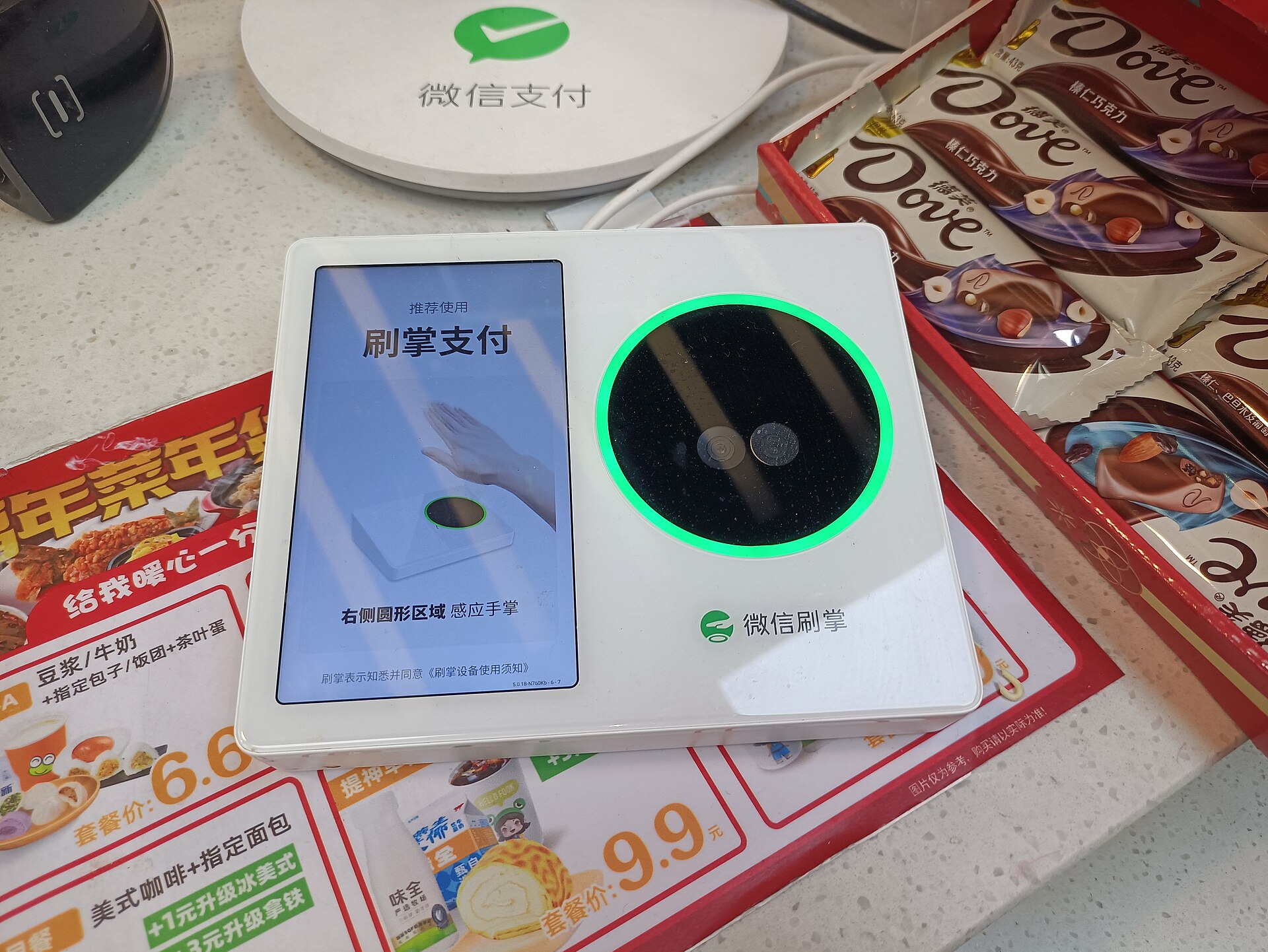 China · PrepareHow to Pay in China (2026): Alipay, WeChat Pay, TenPayGo, Cards and CashSet up one wallet before you fly, add a second as backup, and understand the two numbers that explain most payment confusion.Reference ~
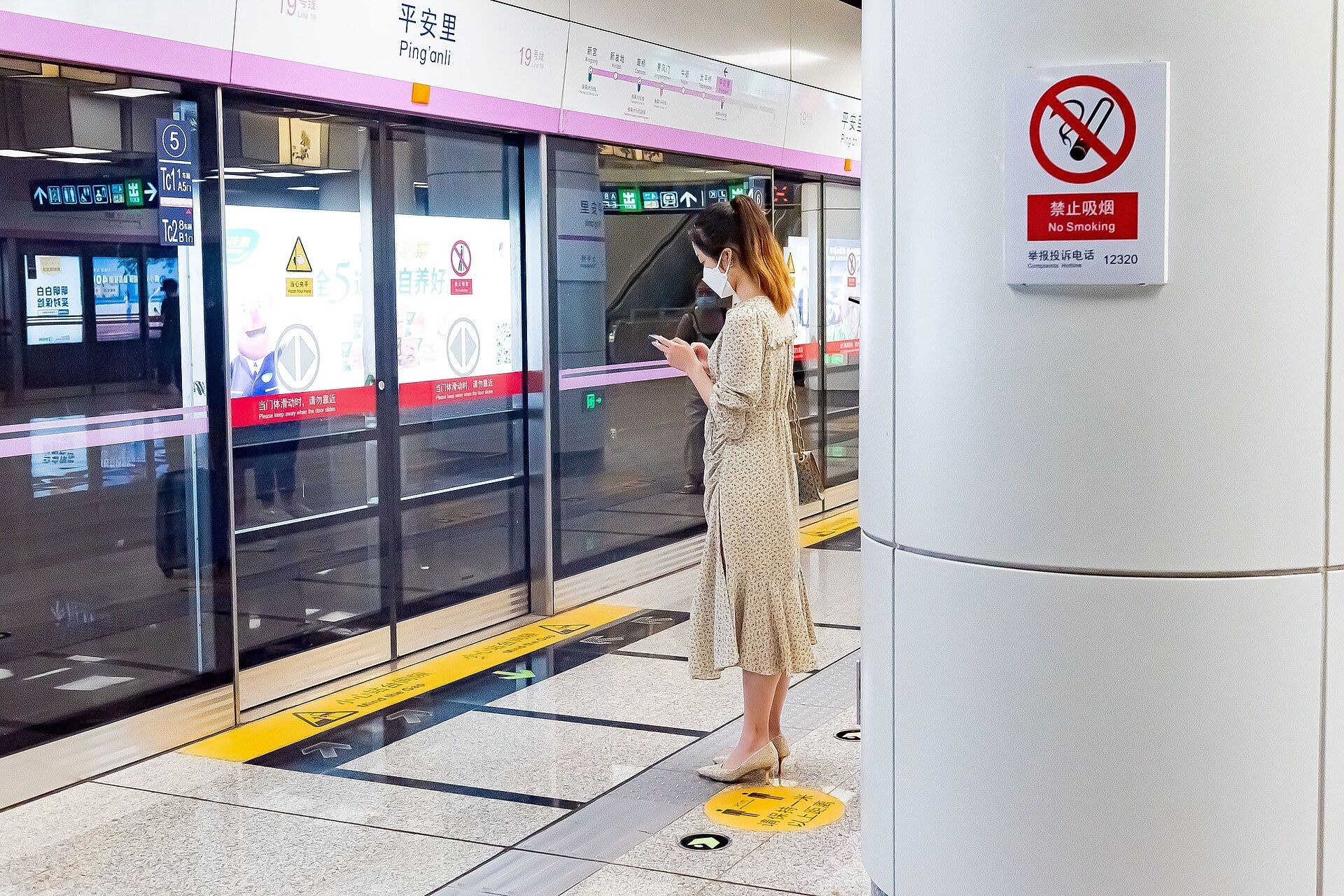 China · PrepareInternet & eSIM in China (2026): Roaming, Travel eSIM, Local SIM and Wi-Fi ComparedYour phone will work in China. The real question is which internet it connects to — every connectivity choice is a choice between two exits.Reference ~
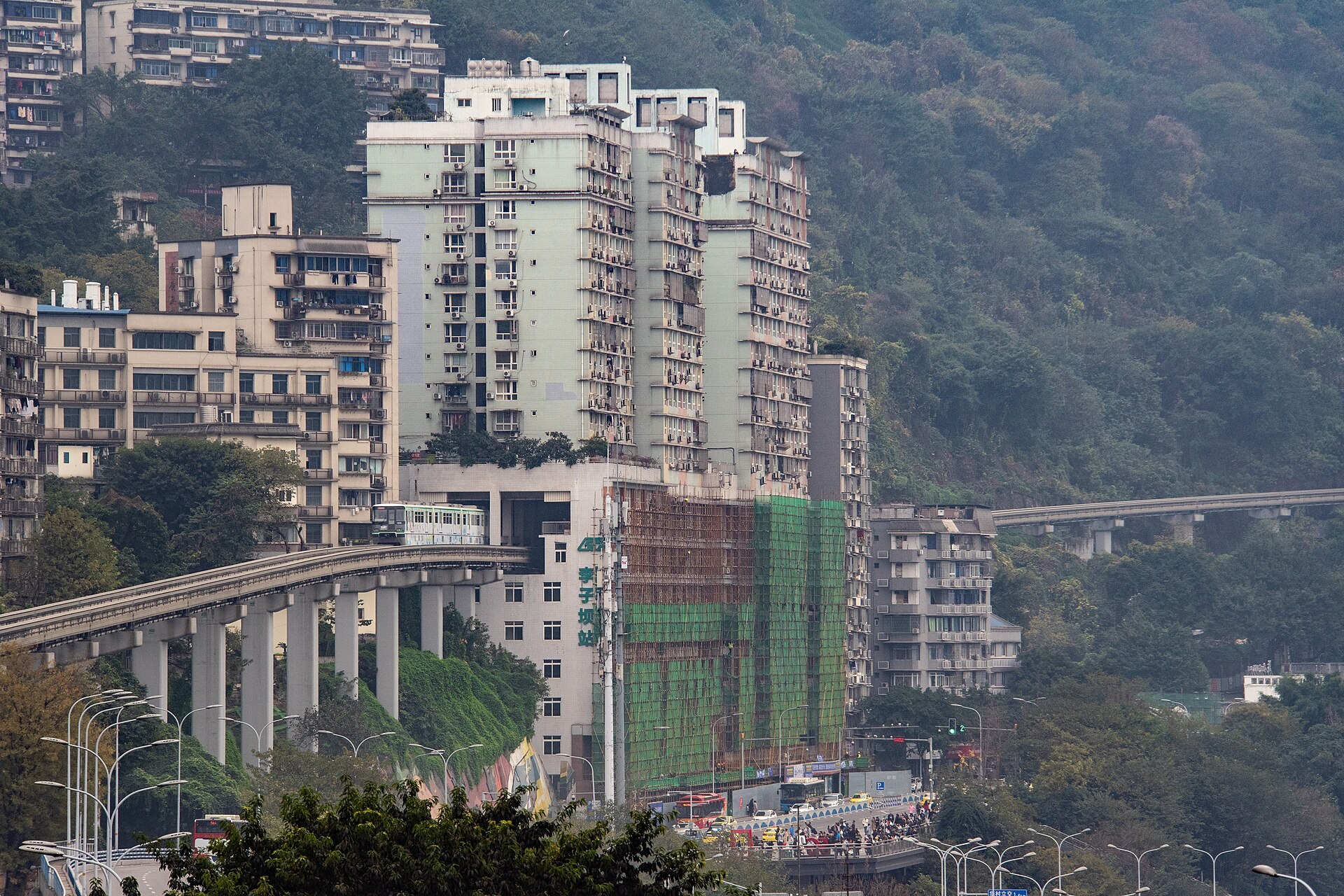 Chongqing · DoChongqing in 2 Days: Walk Downhill, Ride Through the BuildingIn Chongqing you plan by floor, not by distance: a monorail through a living room block, one honest climb, a lit cliff after dark, and stairs treated as the sightseeing itself.Reference ~
08 · SOURCES
Sources and status
Prices, schedules and booking channels change. Recheck the details that matter before you travel.
- Dianping (Chongqing restaurant reviews — local demand signal)Reference ~Local-signal patterns as described; no rankings reproduced or relied on