
Provincial tourism material presents Zhoucheng village, beside Xizhou on the west shore of Erhai, as the centre of Bai tie-dye, where visitors can buy finished textiles and take part in dyeing workshops
Checked October 2026GUIDES / SHOPPING
Dali Souvenirs: Zhoucheng Tie-Dye, Rose Preserves and Things to Eat on the Spot
The blue-and-white cloth in every Old Town window starts in one village of dye vats. Buy the piece with a maker behind it, taste the cheese where it is served hot, and keep everything else small, labelled and easy to carry.
City Dali12 min read8 facts labeledChecked 2026-10-30
01 · IN BRIEF
The cloth dries over the lane
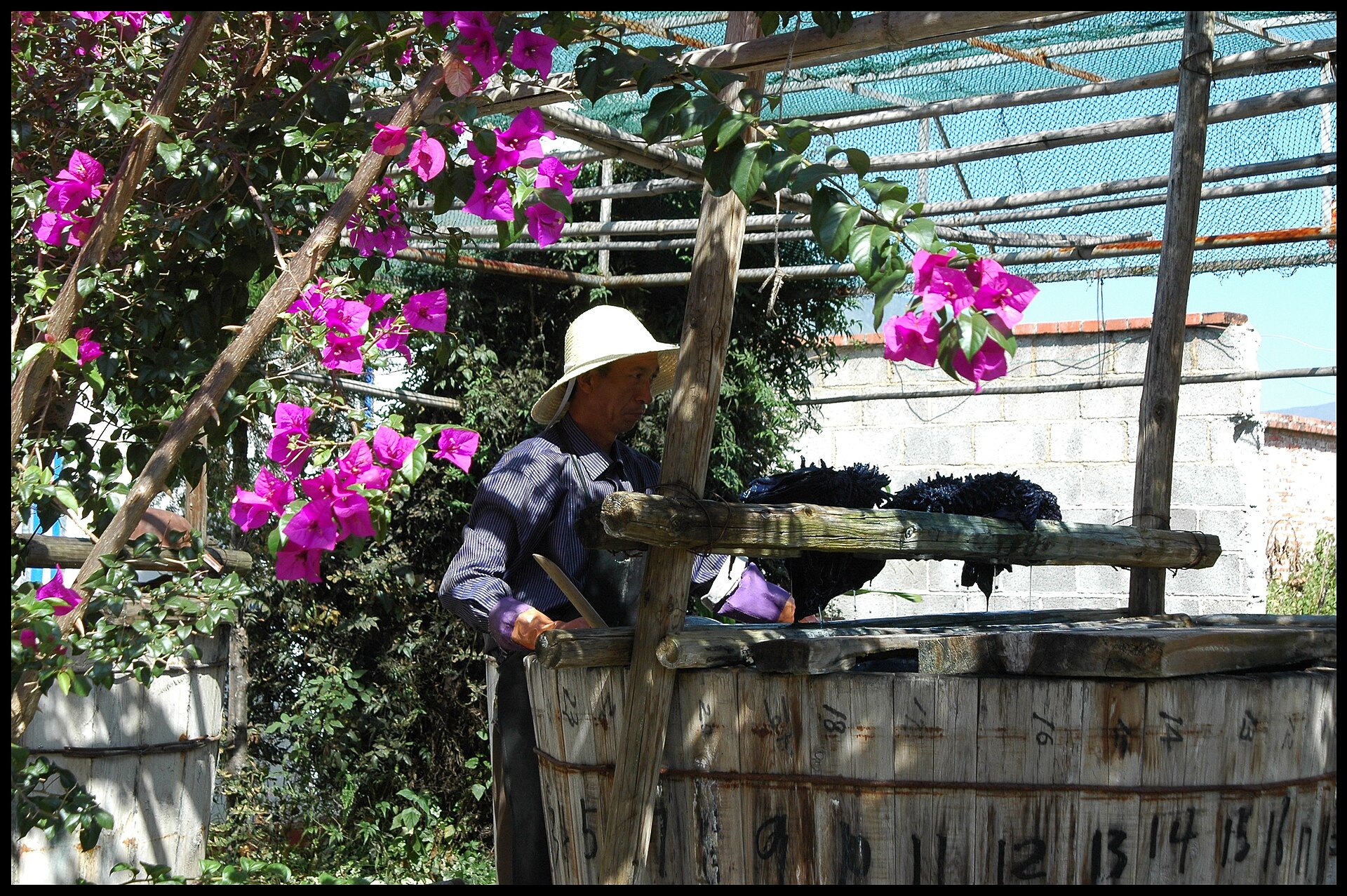
By mid-morning in Zhoucheng, the lanes have turned into a drying rack for the whole village: lengths of blue-and-white cloth hang from bamboo poles over the courtyards, still dripping, the patterns slowly sharpening as the dye meets the air. Under one awning a dyer in a straw hat hauls a heavy bundle out of a wooden vat, and the cloth that went in dull green-grey is turning blue while you watch. Twenty minutes away by car, Dali Old Town sells the same palette by the rack — scarves, shirts, table runners — in shops that may or may not be able to tell you whose hands made any of it.
That gap between the vat and the rack is the whole souvenir question in Dali. The strongest gifts here carry a place and a process you can point to: cloth dyed in Zhoucheng, tea compressed into cakes in Xiaguan, stone cut from the mountain the town is named for. The weakest are generic Yunnan gift boxes that happen to be sold within sight of Erhai. This guide sorts the shortlist into three piles — what to buy, what to taste during the trip instead of packing, and what to check before anything edible crosses a border with you.
02 · SEE IT
The shortlist, sorted by how it travels
- Start where the cloth is made — Zhoucheng village, on the west shore of Erhai past Xizhou: workshops, dye vats, drying lines
- First pick for a keeper gift — Bai tie-dye: one scarf, pouch or table textile the recipient will actually use, bought as close to the maker as you can get
- First pick for a food gift — rose preserves: a small, sealed, clearly labelled jar for someone who genuinely likes floral flavours
- Dali's own tea — Xiaguan tuocha, the bowl-shaped compressed tea produced in the town just below the old city: compact, hard, travels well
- The heavy temptation — Dali marble, the stone the Chinese word for marble is named after; buy small, or settle the shipping before you fall for a tabletop
- Eat it there, do not pack it — rushan, the Bai milk sheet grilled or fried to order, and fresh Xizhou baba still warm from the pan
- Regional rather than uniquely Dali — flower pastries and Yunnan coffee: honest gifts, available across the province, so judge them on quality not postcode
- Last-day rule — edible shopping happens near departure, with original labels, dates and receipts kept
03 · TRY IT YOURSELF
Shop like someone who has to pack it
Your ticks stay on this page only. No account or personal data is sent.
04 · THE PROOF
The facts this guide leans on
The Bai tie-dye technique practised around Zhoucheng is entered on China's national intangible cultural heritage register, so the craft carries a documented lineage rather than only a shop story
Checked October 2026Rushan is a fresh Bai dairy food — milk worked into thin sheets, usually grilled or fried at the moment of serving — and both its texture and its short life argue for eating it during the stay rather than packing it
Checked October 2026Xizhou baba is a baked wheat cake sold in sweet and savoury versions; the filling is not visible from outside, so the flavour has to be asked about before ordering
Checked October 2026The Chinese word for marble — dalishi, literally 'Dali stone' — takes its name from the stone quarried around Dali, and carved marble remains a signature local craft, sold from paperweights up to full tabletops
Checked October 2026Xiaguan, the town directly below Dali Old Town, is the home of tuocha — tea compressed into small bowl shapes for keeping and transport — which makes it Dali's own tea rather than a generic Yunnan purchase
Checked October 2026Rose preserves and flower pastries are Yunnan-wide products rather than Dali inventions: edible roses are grown and baked across the province, so a Dali shopfront on its own does not establish a product's origin
Checked October 2026US rules require anyone arriving with food or farm products to declare them to Customs and Border Protection — and factory sealing or vacuum packing does not make an item admissible on its own.
Checked October 202605 · STEP BY STEP
How to buy it, item by item
- Step 1 — Make Zhoucheng the craft stop, not an afterthought
Plan Zhoucheng as part of a west-shore day alongside Xizhou, not as a detour made only for one small gift. The point of going is the process: vats, stitched cloth waiting its turn, finished pieces drying over the lanes, workshops where you can make your own under instruction. Provincial tourism material promotes exactly this craft-focused visit. Check the day's workshop schedule with the hosts in advance, and ask how long a piece you make will need before it can travel. An Old Town browse is fine for a compact shopping stop — just calibrate what you are buying there: finished goods of mixed origin, priced for the location.
- Step 2 — Judge tie-dye by construction, not by palette
Blue-and-white is the easy part; both honest resist dyeing and cheap printing wear it. Look at the cloth itself: the weight and weave of the fabric, whether the pattern reads on both sides, whether the motifs wobble slightly the way stitched and bound resists do, and how seams and hems are finished. Ask what fibre it is and what dyed it — plant indigo and synthetic dye are both sold, and they are different products. Then choose by use, not by size of gesture: one textile the recipient will genuinely wear, spread or hang beats a suitcase of maybes.
- Step 3 — Buy the food layer last, and small
Rose preserve is the food gift with the best travel profile here, provided the recipient likes floral flavours. Choose a modest, well-sealed jar with a readable label, check what is actually in it and how sweet it runs, and confirm how it should be stored once opened. If a seller offers a taste, ask for the preserve itself rather than only a finished drink built around it. Pack jars with leak protection around the seal — without covering the original label, which is the part customs and the recipient both need to read.
- Step 4 — Treat tea and coffee as origin questions
Tea and coffee fill Dali's shelves, but a Dali-themed tin proves nothing about where leaves or beans grew. Ask, and prefer answers that name a place and a producer. For the genuinely local buy, look to Xiaguan tuocha: the compressed bowl-shaped tea made in the town below the old city is compact, keeps well and carries a real Dali address. For coffee, tell apart beans sold roasted and whole from sweetened instant blends, and choose a roast and grind for the person who will drink it. A modest quantity, honestly sourced, is a better introduction than a dramatic quantity with a mountain story attached.
- Step 5 — Give marble a logistics test before a price test
Dali marble is the rare souvenir whose fame is built into the language — the stone gave Chinese its everyday word for marble. Carved screens, vases and tabletops are beautiful and genuinely of this place. They are also stone. Before admiring anything large, ask the questions that decide the purchase: exact weight, how it is packed, who ships it, on what terms, and what happens if it arrives cracked. Get the answers in writing with the receipt. If the answers are vague, the correct purchase is a small carved piece you can carry — or a photograph and a clear conscience.
- Step 6 — Keep the fresh things inside the trip
Rushan and fresh Xizhou baba are the tastes people remember Dali by, and neither is built to ride in a suitcase for days. Rushan is dairy: enjoy it grilled or fried, sitting down, where it was made. Baba comes sweet or savoury, so ask which is which before ordering, then eat it warm. Treat both as part of the itinerary — a Xizhou morning with baba, an Old Town evening with rushan — rather than as gifts under time pressure. The gift versions of Dali are the cloth, the tea and the jar; the fresh versions are for you, on the day.
- Step 7 — Run the border check before the gift run
Keep the paperwork that comes with each purchase — the ingredient panel, the maker's name, the production date, the storage note — and ask for a receipt. Buy only as much as you can keep safe through the journey's next stage. How long anything keeps is a property of that exact product; no rule of thumb stretches across a whole city's specialties. If the food is crossing a border with you, look up the destination's customs and farm-products rules first: meat, dairy, seeds, plants, alcohol and pastes all sit in regulated categories somewhere, and what is allowed is decided there, not in the shop.
06 · WHERE THIS BREAKS
Where the advice stops working
'Handmade' is a claim, not a label
Not everything sold in Dali is Bai handwork, and the word handmade on a tag settles nothing. Shared regional goods — the same tea, coffee and pastry boxes — appear in many Yunnan cities. Buy the item whose maker, process or label you can actually identify, and let the rest be scenery.
Skip what you cannot assess
Dramatic silver, ancient-tree tea at heroic prices and health claims attached to food all share one feature: you have no way to test them at the counter. Without expertise or a useful receipt, walk past. The guide's shortlist is deliberately built from things a careful buyer can judge with eyes, hands and questions.
A damp workshop piece packs badly
If you dye your own cloth, the souvenir clock starts at the vat, not at the shop door. A piece that still needs drying or a first wash will mark everything packed against it. Schedule workshops early in the day, confirm the aftercare before paying, and leave the piece a night to dry if the maker says it needs one.
There is no universal shelf life
A seller's reassurance that something 'keeps for ages' is not data. The storage directions printed for the exact product are the rule — for pastries, preserves and dairy alike. When the directions and the journey disagree, believe the directions and eat the thing in Dali instead.
Sealed does not mean admitted
Vacuum packing and factory seals make food tidier to carry; they do not clear it at a border. Declaration duties and admissibility rules belong to your destination, and they cover categories — meat, dairy, seeds, plants — that appear all over souvenir shelves. Check before you buy, not at the arrivals hall.
Is a flower pastry the safe default gift?
Not automatically. Fillings vary between shops and batches, a rose pastry is not necessarily free of meat or dairy products, and a long warm journey quietly ruins what was good about it. Buy it fresh, near departure, in realistic quantity — or choose the jar and the cloth, which forgive a travel day.
07 · KEEP READING
Keep the trip moving
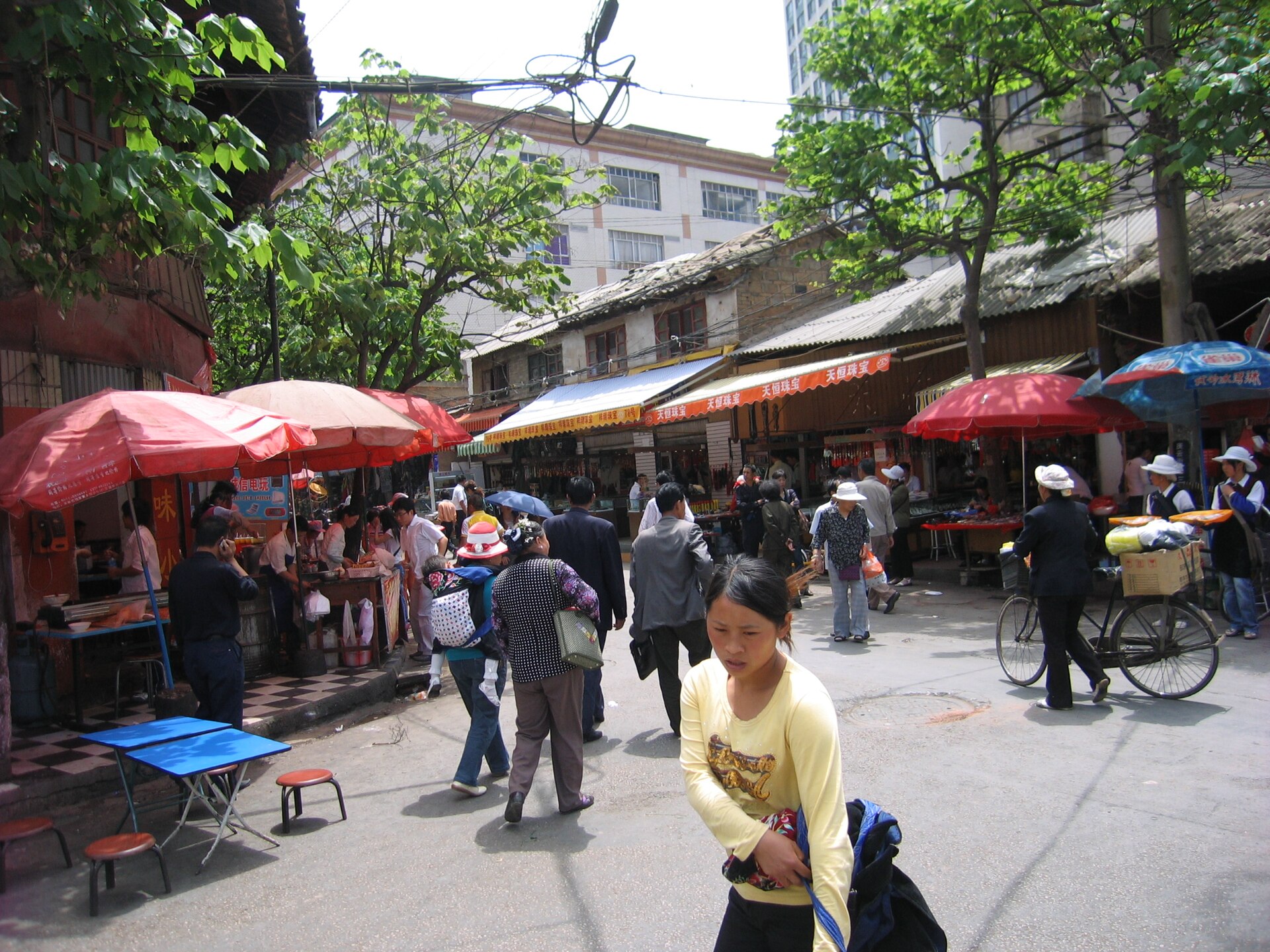 Kunming · DoKunming Souvenirs: Yunnan in a Suitcase, Bought at the End of the TripRose pastries tasted before they are boxed, coffee specified by valley and roast date, pu'er with its style declared, mushrooms with names — and jade admired at walking pace.Reference ~
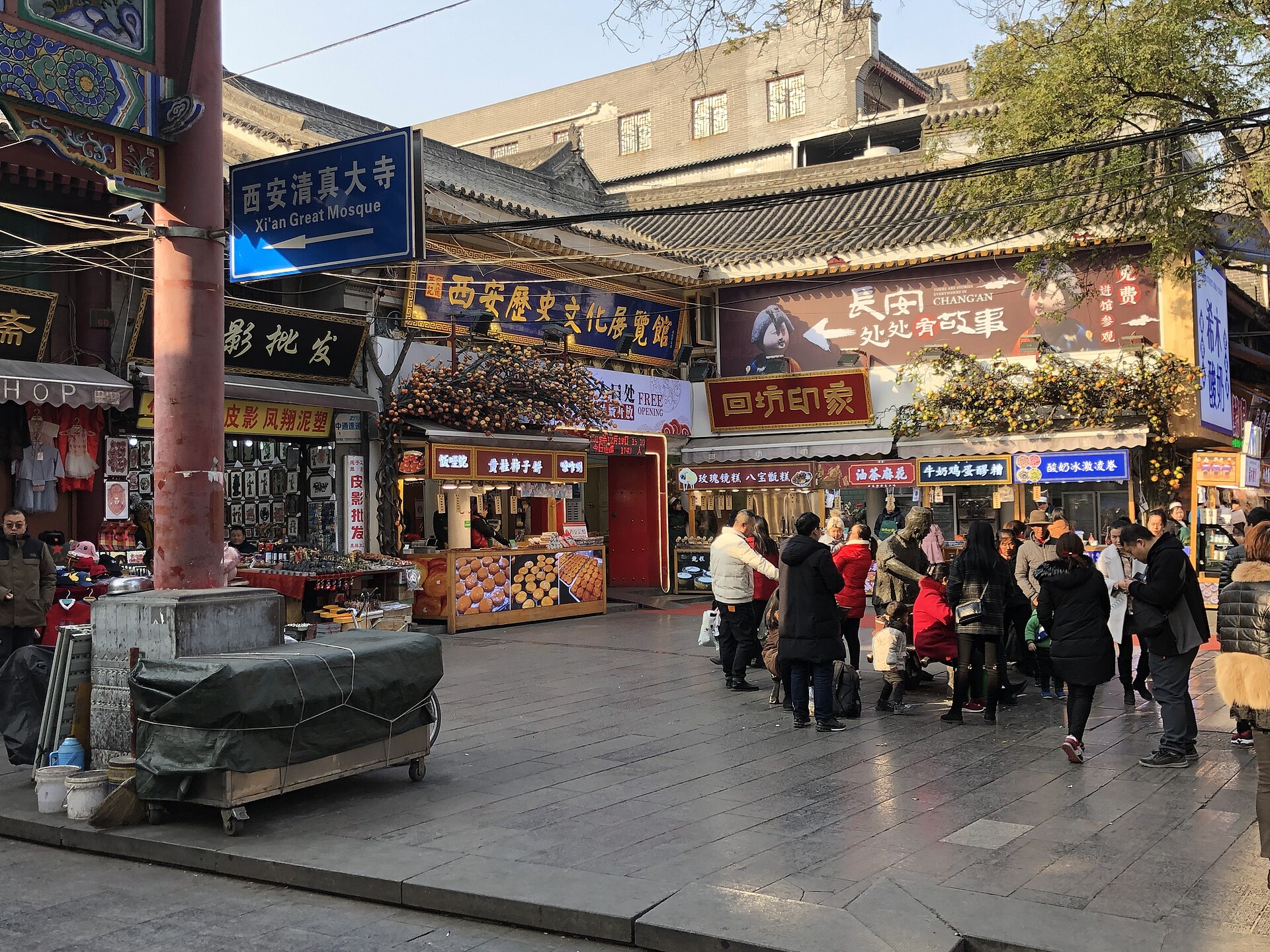 Xi'an · DoXi'an Souvenirs: A Warrior Worth Taking Home, Chilli Oil Worth LabellingSkip the suitcase of identical clay soldiers. Xi'an's real take-homes are Muslim Quarter pantry goods, stone-baked crisps, flat Shaanxi crafts and one replica bought with your eyes open.Reference ~
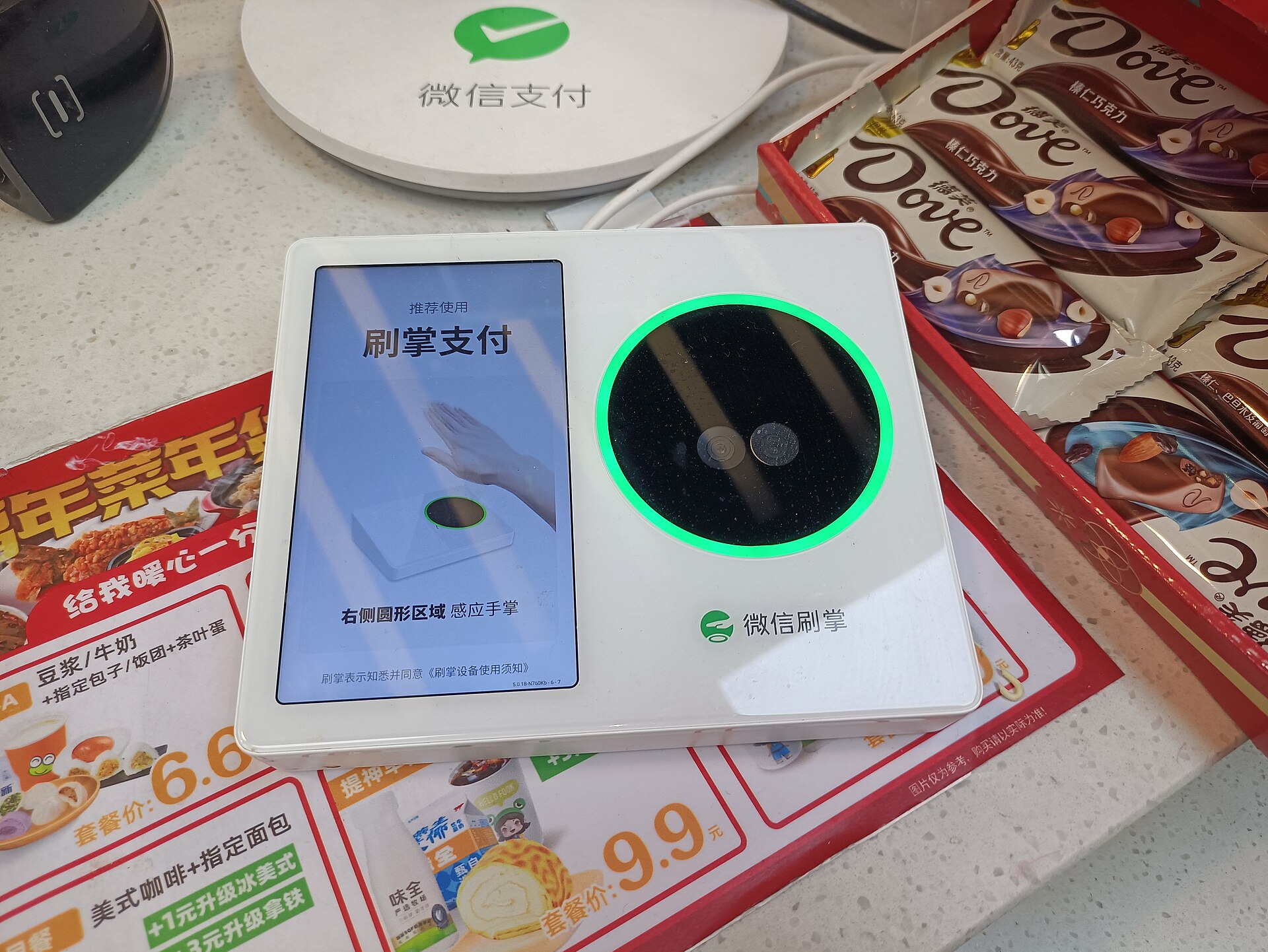 China · PrepareHow to Pay in China (2026): Alipay, WeChat Pay, TenPayGo, Cards and CashSet up one wallet before you fly, add a second as backup, and understand the two numbers that explain most payment confusion.Reference ~
08 · SOURCES
Sources and status
Prices, schedules and booking channels change. Recheck the details that matter before you travel.
- Dali Bai Autonomous Prefecture People's Government (official prefecture portal)VerifiedPrefecture-level official information for Dali, Xizhou and Zhoucheng
- China Intangible Cultural Heritage Network (national heritage register)VerifiedRegister home of the Bai tie-dye technique's national intangible heritage listing
- Dianping (Dali restaurants, shops and local listings — local demand signal)Reference ~Local-signal patterns only; no rankings reproduced or relied on
- US Customs and Border Protection — Prohibited and Restricted ItemsVerifiedDeclaration and admissibility rules for food and agricultural goods entering the US