
Kunming sells the whole province, not just itself: pu'er tea is named after Pu'er prefecture far to the south, and Yunnan's coffee grows mainly in the warm southern and western belts such as Pu'er, Baoshan, Lincang and Dehong — the shop's city and the product's origin are two different facts
Checked October 2026GUIDES / SHOPPING
Kunming Souvenirs: Yunnan in a Suitcase, Bought at the End of the Trip
Rose pastries tasted before they are boxed, coffee specified by valley and roast date, pu'er with its style declared, mushrooms with names — and jade admired at walking pace.
City Kunming12 min read8 facts labeledChecked 2026-10-30
01 · IN BRIEF
The last evening of a Yunnan trip, with the suitcase open
Your last evening in Kunming, and the trip is laid out on the hotel bed: a crumpled ticket from Dali, a photo of coffee cherries on a Baoshan slope, a memory of a rose pastry eaten warm in a Lijiang side street. Nanping Street is lit up below the window and the gift question has become concrete — which of these experiences can be carried home, and which were only ever meant to happen here? Kunming is where a Yunnan journey cashes out, because the city sells the entire province from one set of shelves.
Used well, that makes Kunming the best souvenir stop in Yunnan: you buy at the end, informed by everything you tasted on the road. Used badly, it is a trap with good lighting — anonymous mushroom bags, pu'er wrapped in unverifiable old-tree stories, and jade priced by narrative. This guide keeps to the useful version: pastries you have tasted, coffee specified like coffee, tea with its style declared, mushrooms with names, and jade approached at walking pace.
02 · SEE IT
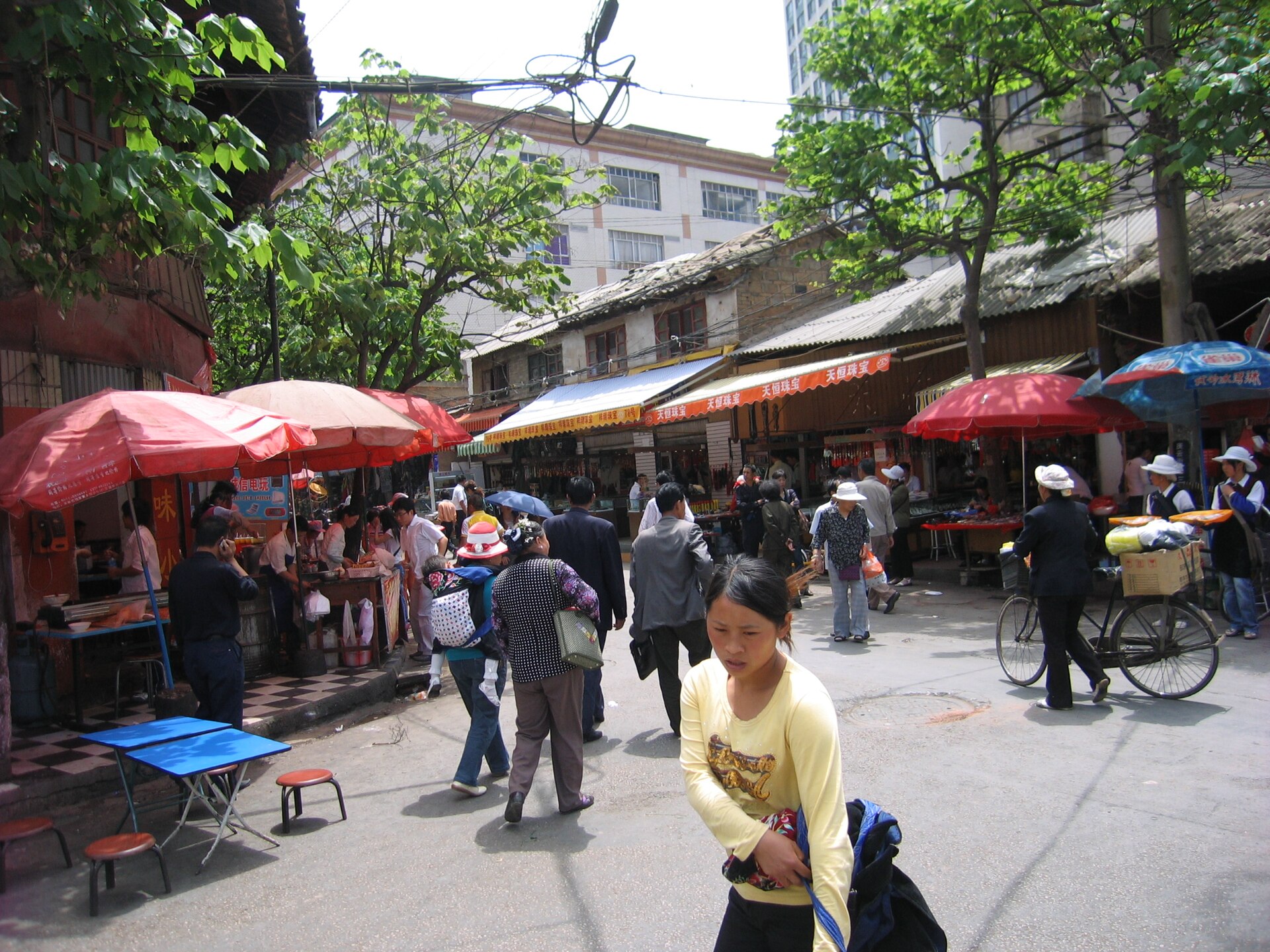
The Kunming consolidation shelf
- Flower pastries (xianhua bing) — rose-filled, eaten warm across Yunnan and boxed in sealed versions for travel; the city's signature first taste
- Yunnan coffee — smallholder arabica from the southern valleys, sold as beans, ground coffee or drip formats; origin and roast date are the details that matter
- Pu'er tea (pu'er cha) — the province's famous fermented tea in raw and ripe styles, from small sampler packs to compressed cakes with big stories attached
- Dried mushrooms (jungu gan huo) — porcini and other named species in labelled packs; a cook's gift when the species and instructions are printed
- Mushroom soup packs (jun tang bao) — the simpler, safer format: a measured blend with directions, rather than a mystery bag
- Jadeite (feicui) — Kunming's shops sell carvings at every level; beautiful to browse, dangerous to rush
- Fresh flowers — Dounan's nightly spectacle; an experience to attend, not an item to pack
- Xuanwei ham (huotui) — Yunnan's celebrated cured ham, sold in gift cuts; a meat product with the border rules that follow meat everywhere
03 · TRY IT YOURSELF
Do it like a local
Your ticks stay on this page only. No account or personal data is sent.
04 · THE PROOF
The facts this guide leans on
Provincial tourism material points to Jiahua as a flower-pastry producer and to Nanping Street as a central retail strip, a usable lead for a first tasting round provided the individual branch is confirmed before you cross town for it
Checked October 2026Dounan, on Kunming's edge, runs one of the largest fresh-flower trading hubs on earth, moving cut flowers by the tonne every night — scale that makes the city a flower capital, and makes fresh blooms a plant-material border question rather than a souvenir; its wholesale trading starts in the small hours, so a daytime visit shows the retail edge of the market rather than its working heart
Checked October 2026Pu'er divides into two styles with different characters and price behaviour: raw (sheng), which changes with storage, and ripe (shou), fermented for a darker, softer cup — a seller who cannot say which style a cake is has not told you what you are buying
Checked October 2026Yunnan coffee is overwhelmingly arabica grown at altitude, much of it Catimor-family varieties; flavour follows valley, harvest and roast, so a bag labelled only with the province name is an underspecified gift
Checked October 2026Most fine jadeite reaching Yunnan's markets originates in Myanmar and is cut and traded through border towns such as Ruili before reaching Kunming shops; grading depends on translucency, colour and texture judged under controlled conditions — none of which a tourist can verify at a market stall
Checked October 2026With dried wild mushrooms, species and preparation are the whole product: anonymous mixed bags defeat both, and a decorative box says nothing about what is inside or how it must be cooked
Checked October 2026Borders treat these gifts as agricultural goods: the United States requires declaration of all food and plant items on arrival, and dried goods are not exempt from the question
Checked October 202605 · STEP BY STEP
How to consolidate a province into one suitcase
- Step 1 — Shop Kunming last, on purpose
The single strongest move in this guide is sequencing. Flower pastries exist in every Yunnan town and coffee appears along the whole western route, but tastes formed on the road tell you which producer and which style to hunt down in Kunming. Buying at the end also means delicate boxes spend days in your luggage only if you choose that — end-of-route shopping keeps the fragile gifts fragile for the shortest time.
- Step 2 — Flower pastries: match the sample to the box
Eat one fresh pastry warm, from a busy counter, and note the maker. Then find the sealed version of the same product and compare: the recipes and storage instructions can differ between the fresh bake and the travel pack, and the sample that sells you should be the product you actually take. Jiahua is the name provincial tourism material leads with; Nanping Street is the strip — confirm the branch, taste there, and size the box to the date on it rather than to a promotion. If several people are receiving pastries, vary the makers rather than multiplying a single box — two producers side by side make the gift read as chosen, not bulk.
- Step 3 — Coffee: origin, roast date, grind
Ask three questions and accept no shrugs: where was it grown, when was it roasted, and what form is it in. Whole beans suit a grinder owner; ground coffee or labelled drip bags suit everyone else. Read the ingredient list on instant and flavoured formats — milk powder and flavourings make them a different product, pleasant but misdescribed if sold as plain coffee. A small, recently roasted bag beats a ceremonial tin of anonymous age.
- Step 4 — Pu'er: small, labelled, style declared
Decide the style first: raw if the recipient likes a brighter, evolving tea and will store it away from smells; ripe for an immediately soft, dark cup. For a newcomer, choose a small, clearly labelled pack over a grand compressed cake, and get the producer, origin and date in readable form on the packaging. Decline any cake whose price rests mainly on an old-tree story nobody can document — the story is the one ingredient you cannot brew.
- Step 5 — Mushrooms: named species or nothing
The acceptable mushroom gift wears its contents on the outside: named species, a producer, and preparation instructions you can follow. Soup packs and dried single-species products from regular retailers meet that standard; scoop-your-own mixes and anonymous regional assortments do not. If the contents and the cooking method stay unclear after a careful read of the pack, the correct purchase is a different gift.
- Step 6 — Compare at a plain retailer before a specialist charms you
Do one comparison round somewhere unglamorous: a regular food retailer where regional products stand side by side in standard sizes, with printed prices and no narrative. Note what a given weight of flower pastries, coffee or tea costs there. Specialist shops may well earn a premium — for fresher stock, better grades, real knowledge — but you will only recognise a fair premium, or spot an invented one, once the plain shelf has given you a baseline.
- Step 7 — Jade: education first, small ticket, or photographs only
Kunming's jade shops are worth an hour of looking even if you buy nothing — the carving quality is real and the education is free. If you do buy, keep the ticket small, in a fixed-price setting, and get the material description and any certificate details in writing, understanding that a certificate identifies a claim rather than guaranteeing value. Walk away from countdown discounts, from stones that only glow under the seller's torch, and from any deal that must close before you have had tea and thought about it.
06 · WHERE THIS BREAKS
Where the advice stops working
Almost nothing here was 'grown in Kunming'
A Kunming receipt tells you where money changed hands, not where anything grew. Tea, coffee, ham and flowers all arrive from across the province, and origin is a separate line of information that has to be asked for and read on the pack. Gifts described to their recipients as 'from Kunming' are usually from Yunnan — the honest and more interesting claim.
The jade trap is structural, not personal
Jadeite is the highest-risk purchase in this guide. Colour shifts under shop lighting, translucency is easy to stage, treatments may not be volunteered, and cross-border returns are effectively impossible once you fly home. The defences are dull and complete: fixed prices, small amounts, written descriptions, and a willingness to leave with photographs instead of stone.
Fresh flowers are a night out, not a gift
Dounan's spectacle is flowers as an experience — go at night, watch the trading, enjoy it fully. Fresh blooms, loose petals and plant material then face the strictest category of border rules in most destinations, plus a journey they will not survive as gifts. The edible flower tradition travels as a labelled pastry, not as a bouquet.
Do not buy medicine as a souvenir
Yunnan's markets sell roots, fungi and tonic ingredients with confident health narratives attached. None of those narratives are verifiable at a counter, some products interact with real medicine, and 'natural' is not a safety category. Leave medicinal buying to people qualified to judge it; a food gift should be food.
Storage folklore cuts both ways
Tea absorbs the smells around it and pastries keep their own calendars. Store tea sealed and far from scented toiletries, respect the dates on each pack rather than a general idea of shelf life, and do not believe any claim that a tea improves forever in any conditions — storage done badly ruins pu'er as reliably as time improves it when done well.
Coffee freshness does not survive the whole itinerary
Roasted coffee bought in the first town of a three-week route arrives home stale however good it was at the counter; ground coffee fades faster still. This is the practical half of the buy-last rule — for coffee more than any other item on the shelf, the date you purchase is part of the product. If your route ends elsewhere, buy the coffee there, or accept whole beans and a shorter memory.
07 · KEEP READING
Keep the trip moving
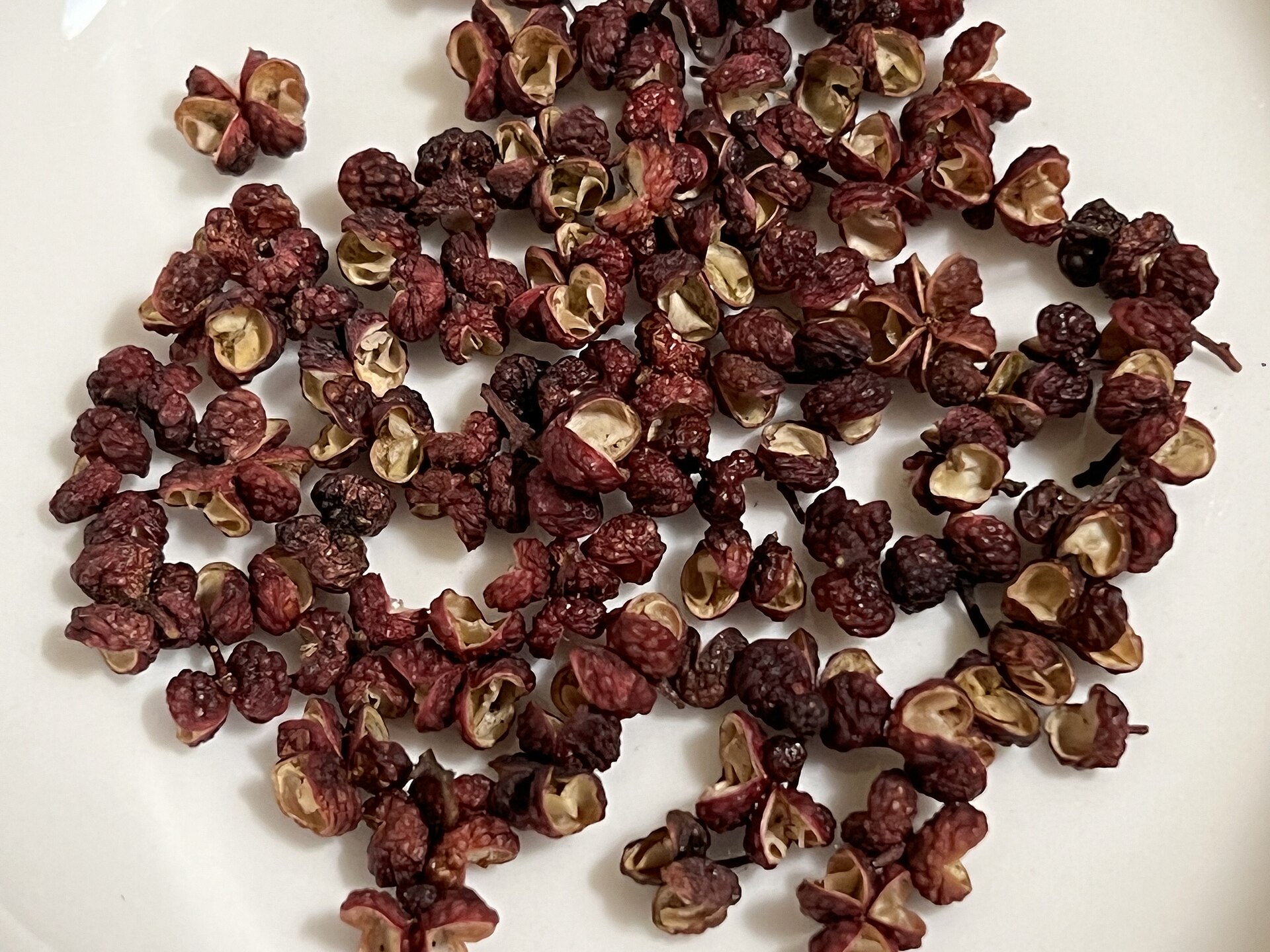 Chengdu · DoChengdu Souvenirs: Doubanjiang for Cooks, Brocade for Keepers, Pandas Done RightChengdu's best gifts are the ingredients a cook will open within the week and the small crafts whose maker you can name — bought where the city shops for itself, not where the tour bus idles.Reference ~
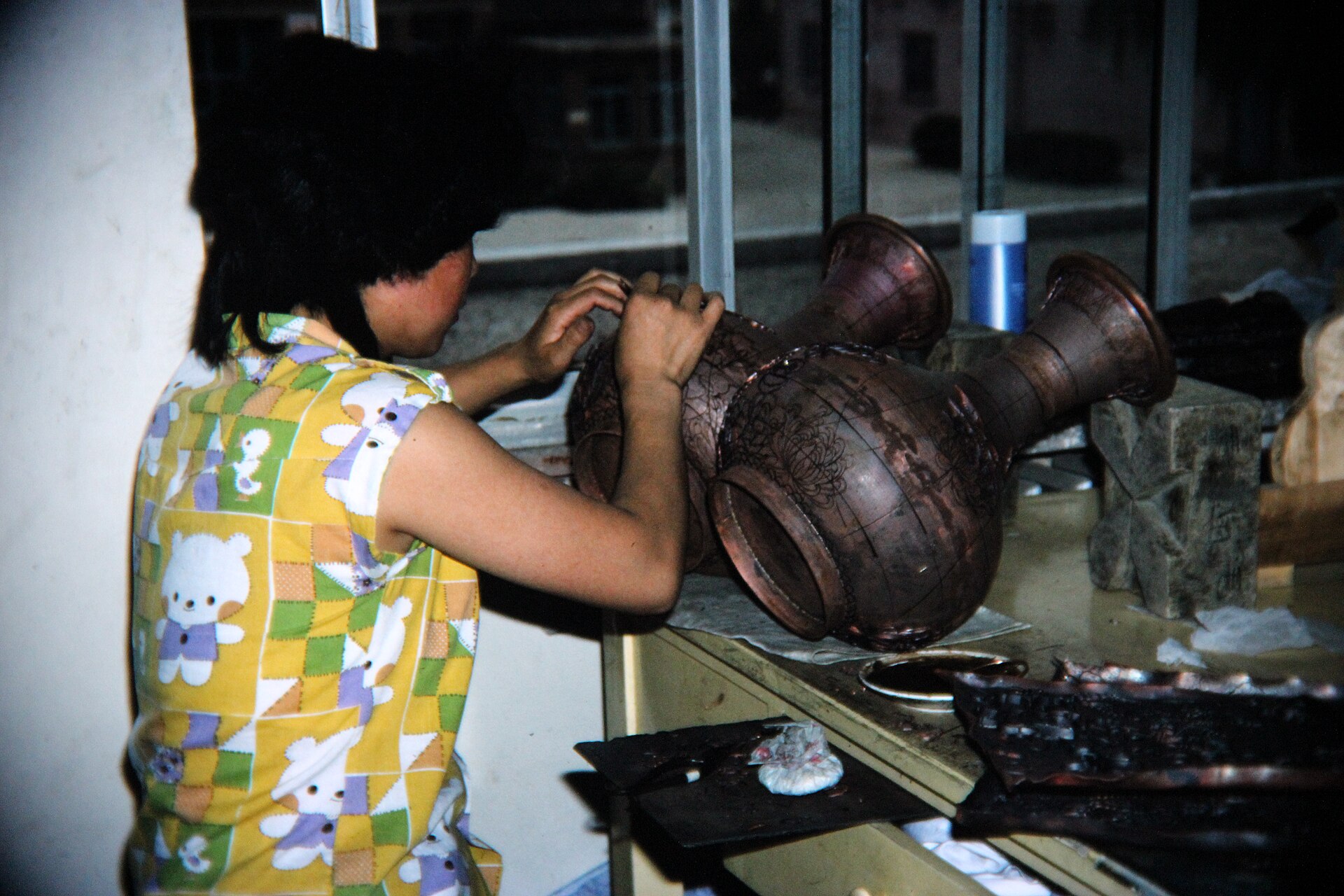 Beijing · DoBeijing Souvenirs Worth the Suitcase Space: Counter Pastries, Jasmine Tea and Folk CraftSkip the vacuum-packed duck. What Beijing people actually give each other is a box of counter pastries, tea chosen by drinking it, and one small piece of folk craft with a maker's name attached — here is how to buy all three like you mean it.Reference ~
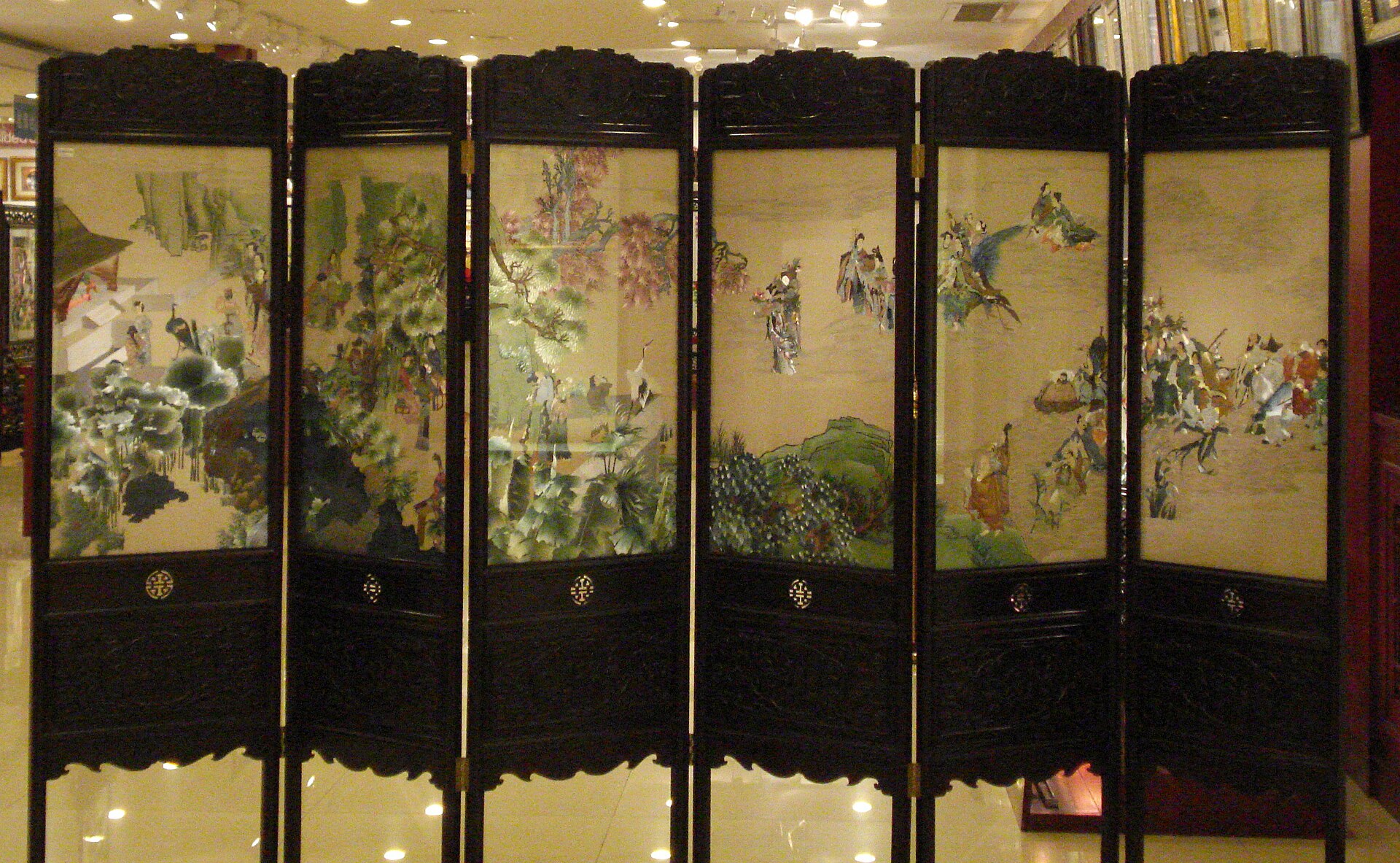 Suzhou · DoSuzhou Souvenirs: Biluochun, Honest Silk and a Fan You Will Actually CarrySuzhou's classics are the easiest in China to fake and the easiest to buy well: tea with a named hillside, embroidery you inspect from the back, sweets from a counter the city itself uses.Reference ~
08 · SOURCES
Sources and status
Prices, schedules and booking channels change. Recheck the details that matter before you travel.
- Kunming Municipal People's Government portalReference ~City portal for official Kunming commerce and market references (checked October 2026)
- Dianping (Kunming shop and bakery reviews — local demand signal)Reference ~Local-signal patterns as described; no rankings reproduced or relied on
- US Customs and Border Protection — Prohibited and Restricted ItemsVerifiedFood and plant-material declaration rules as published (checked October 2026); other destinations run their own regimes