
UNESCO inscribed the Dazu carvings in 1999 as a serial property of five cliff locations — Baodingshan, Beishan, Nanshan, Shizhuanshan and Shimenshan — holding more than 50,000 figures, with the great majority of the carving done in the Tang and Song dynasties
Checked October 2026GUIDES / ATTRACTIONS
Dazu Rock Carvings: A Chongqing Day Trip You Read, Not Rush
A 31-metre Buddha asleep along a cliff, a great wheel of rebirth you walk around, and centuries of carving packed into one green ravine — Dazu pays back the visitor who plans the whole door-to-door day and then slows down inside it.
City Chongqing13 min read8 facts labeledChecked 2026-10-30
01 · IN BRIEF
The cliff that opens like a book
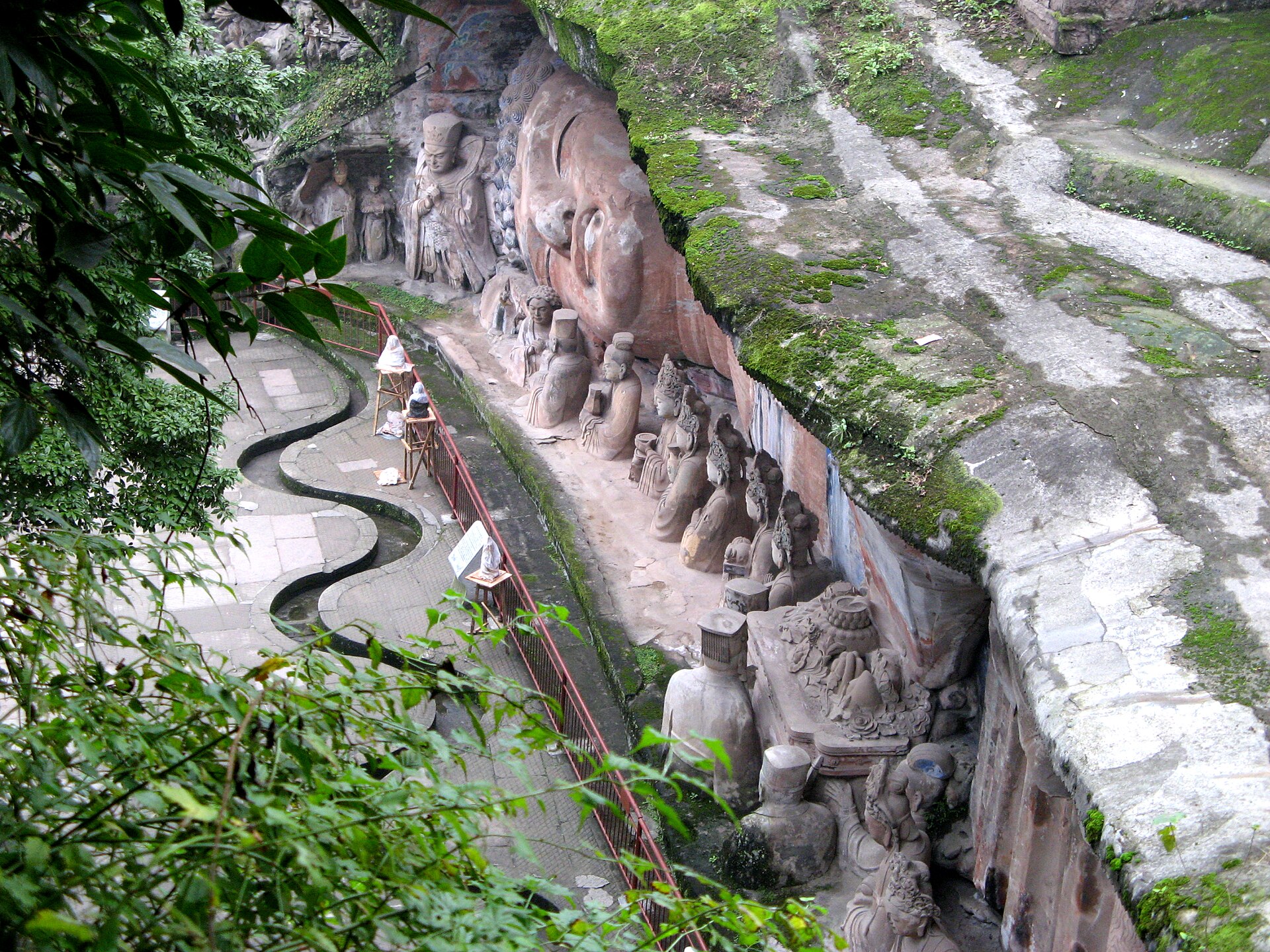
The path rounds a shoulder of green hillside and the cliff simply opens. Thirty-one metres of Buddha lie along the rock face in front of you, head resting to one side, eyes lowered, while a procession of kings, monks and donors kneels in a carved row beneath him — some figures no taller than your forearm, every face different. A school group further down the ravine has gone quiet without being told to. Your guide, if you hired one, does not start with a date. She starts with a question: who paid for all this, and what were they afraid of?
That is the right way into Dazu. The carvings spread across the hills of Dazu District, west of Chongqing, are not a gallery of statues but a whole belief system cut into stone — Buddhist sermons, Taoist figures and Confucian officials sharing the same cliffs, arranged to teach people who could not read. This guide runs the day the way the site rewards: Baodingshan first and unhurried, Beishan only if the day honestly has room, and the transfer planned from your hotel door to the ravine gate and back again.
02 · SEE IT
The Dazu day, in running order
- 07:30 — Breakfast in Chongqing, then out: the drive west to Dazu District runs around two hours, and every minute saved here becomes a minute inside the ravine
- 10:00 — Baodingshan entrance: enter with the passport you booked under, take the site map, and agree the return pickup point with your driver before you walk in
- 10:15–13:00 — The main ravine: reclining Buddha, Wheel of Life, Thousand-Armed Guanyin — walked as one connected sermon, with a guide or an audio track in your ear
- 13:00 — Lunch near the visitor area: simple, local and short — the site's hours are worth more than any restaurant's
- 14:00 — Optional second act: Beishan's quieter, older niches, only if nobody is rationing energy; otherwise the museum rooms and a slow coffee
- 16:00 — Wheels up for Chongqing at the hour agreed in the morning, not an hour negotiated at the gate
- 18:30 — Back in the city with the evening deliberately unplanned: a neighbourhood dinner, not a fixed-seat performance
- Read first — The reclining Buddha: Baodingshan's central tableau, the Buddha entering nirvana above a ranked row of mourners and patrons. Start here; everything else in the ravine is commentary on it
- Read first — The Wheel of Life: a huge carved wheel gripped by a demon, mapping the realms of rebirth. The site's whole teaching method in one image — doctrine delivered as a picture book
- Read first — The Thousand-Armed Guanyin: a Southern Song showpiece whose modern conservation survey counted 1,007 arms. Look for the gilding first, then for the joins
03 · TRY IT YOURSELF
Do it like a local
Your ticks stay on this page only. No account or personal data is sent.
04 · THE PROOF
The facts this guide leans on
The property is noted for three faiths sharing one landscape: Buddhist, Taoist and Confucian imagery carved side by side, a coexistence UNESCO singles out as distinctive among China's grotto sites
Checked October 2026Baodingshan is the largest and most developed of the five areas and the standard first-visit priority: a single horseshoe-shaped ravine whose tableaux were laid out as one connected teaching programme under the monk Zhao Zhifeng in the Southern Song
Checked October 2026The reclining Buddha at Baodingshan measures about 31 metres in length, placing it among the largest carved nirvana scenes in China, with the attendant figures below it cut at sharply varied scales
Checked October 2026Conservators surveying the Thousand-Armed Guanyin at Baodingshan counted 1,007 arms, and the figure's multi-year restoration, including regilding, became a nationally reported conservation project
Checked October 2026Dazu District lies roughly 100 km west of central Chongqing and the road run takes around two hours in normal traffic, which is why the transfer plan shapes the day as much as the ticket does
Checked October 2026Admission at major Chinese scenic areas runs on real-name booking tied to an identity document; foreign visitors should carry the passport used to book and expect it to be checked at the gate
Checked October 2026Dazu's walking load is moderate rather than mountainous — paved paths, slopes and steps combined with long spells of standing — but nearly all of it is outdoors, so rain slicks the stone and summer heat erodes attention before it erodes legs
Checked October 202605 · STEP BY STEP
How to run the day
- Step 1 — Build the day door to door, not city to district
Decide the transfer shape first. A hired car buys control: one vehicle from hotel to entrance, a driver who waits, a return you set. Public transport buys savings at the price of stages — an intercity leg to Dazu District and then a separate local hop to whichever carving area you chose, with the joins eating your margin. Either can work; what fails is vagueness. Price the complete chain, save the scenic-area entrance name in Chinese, and settle how you leave the site before you enter it. The word 'Dazu' on a booking is a district, not a destination.
- Step 2 — Start with the ravine's argument, not its details
Baodingshan was designed as a single horseshoe of cliff, and it should be read that way. From the first open viewpoint, take in the whole wall before approaching any single figure: where the big scenes sit, how the eye is meant to travel, which tableaux face each other across the ravine. Find the reclining Buddha and use it as your compass — the programme radiates from it. Ten minutes of overview here will organise everything you see for the next two hours; skipping it is how visitors end up with ninety photographs and no story.
- Step 3 — Walk the sermon in sequence
Now slow down to panel pace. Baodingshan teaches by narrative: heavens and hells, the consequences of cruelty and greed, stories of filial devotion carved so an illiterate farmer could follow them. Move from the wide scenes to the intimate ones — compare the scale shifts, the expressions, the surviving traces of paint that remind you this stone was once coloured and loud. Photograph selectively, then step aside and look without the screen; the viewpoints are narrow and the carvings reward eyes more than lenses. Never touch the stone, and follow whatever flash and tripod rules are posted on the day.
- Step 4 — Use your interpretation like a tool
This is the site where a guide earns the fee, because density is the whole point and density without narration is just a wall. Book through the official guide desk or a recognised excursion, and confirm language, duration, meeting point and whether admission and transport are inside the price. Ask the questions that unlock the place: who commissioned this panel, what story is it telling, which parts are restored? Travelling independently, load the official audio or written material, shortlist a handful of tableaux in advance, and refuse to repeat identifications copied from social captions — at Dazu, confident captions are wrong often enough to matter.
- Step 5 — Lunch like a planner
Eat before you arrived or eat simply near the visitor route: breakfast in Chongqing, water carried in, a plain regional lunch in the midday pause. Sit down properly — the break is functional, restoring the legs and the attention span for a possible second area. What you should not do is detour to a celebrated restaurant across the district; the day's scarce resource is hours in front of the carvings, and a famous lunch spends them at the wrong exchange rate. Travellers with allergies or dietary rules should carry the details written in Chinese, as with anywhere rural in China.
- Step 6 — Decide Beishan on evidence, not optimism
Beishan is the connoisseur's second act: older niches reaching back to the late Tang, fine small-scale carving and inscribed steles, in a quieter key than Baodingshan's theatre. Add it only when two conditions hold — Baodingshan received its full, unhurried time, and at least a couple of hours remain before your fixed departure. Set a hard leaving time before you go in. If either condition fails, the museum displays and a slow drink are the better afternoon; a rushed Beishan teaches nothing except that you were there.
- Step 7 — Leave on the morning's schedule
Regroup at the pickup point agreed before entry, with the driver's number in your phone and the entrance name ready to show. The drive back is part of the product: two hours in which the day settles. Back in Chongqing, keep the evening loose — a walk, a neighbourhood dinner, bed at a sane hour. The classic way to spoil a good Dazu day is to bolt a fixed-seat cruise or performance onto its tail and spend the return journey watching traffic instead of remembering the cliff.
06 · WHERE THIS BREAKS
Where the advice stops working
An hour on site wastes the journey
The return road time alone approaches four hours. A visitor who gives Baodingshan a hurried hour has bought the transfer and skipped the exhibit; anyone unwilling to walk the ravine slowly is better served by a city sight in Chongqing itself.
A drop-off is not step-free access
A vehicle can reach an entrance without the viewing route beyond it being step-free. Paths include slopes, steps and long standing, and arrangements change — confirm step-free routes and reduced-mobility arrangements with the site directly rather than assuming a heritage ravine is the easier option.
Dazu and Wulong are not versions of each other
One is religious art and interpretation, the other is geology at dramatic scale with heavier walking. They answer different appetites, and choosing by which is 'better' rather than by which day you actually want is the standard mistake. Given five days in Chongqing, give each excursion its own day with a gentler city day in between; given three, pick one and keep the city.
A driver is transport, not commentary
Expecting the person who drove you to explain Southern Song iconography is the most common disappointment at Dazu. If interpretation matters — and here it should — book it as its own service with its own confirmed scope, and do not let a bundled excursion substitute shopping stops for carving areas.
Weather is a real variable, not a footnote
Rain makes stone paths and steps slippery and much of the route is exposed; heat drains the concentration the detailed sections demand. Dazu weathers a poor day better than an open gorge walk, but it is not an indoor attraction — dress for the sky you have, and front-load the most detailed tableaux while attention is fresh.
Children need the story version
Older children engage well when the visit is run as visual storytelling — spotting animals, expressions, repeated figures and favourite panels, with sketching allowed. Younger children will tire before the art lands. Either way, schedule food, toilets and a seated break, and keep the night that follows it early and unlit.
Do not anchor the evening
A fixed-performance or cruise booking after a regional day converts ordinary traffic into a crisis. Keep the Chongqing night deliberately soft; if the group wants a big evening, give it its own day.
07 · KEEP READING
Keep the trip moving
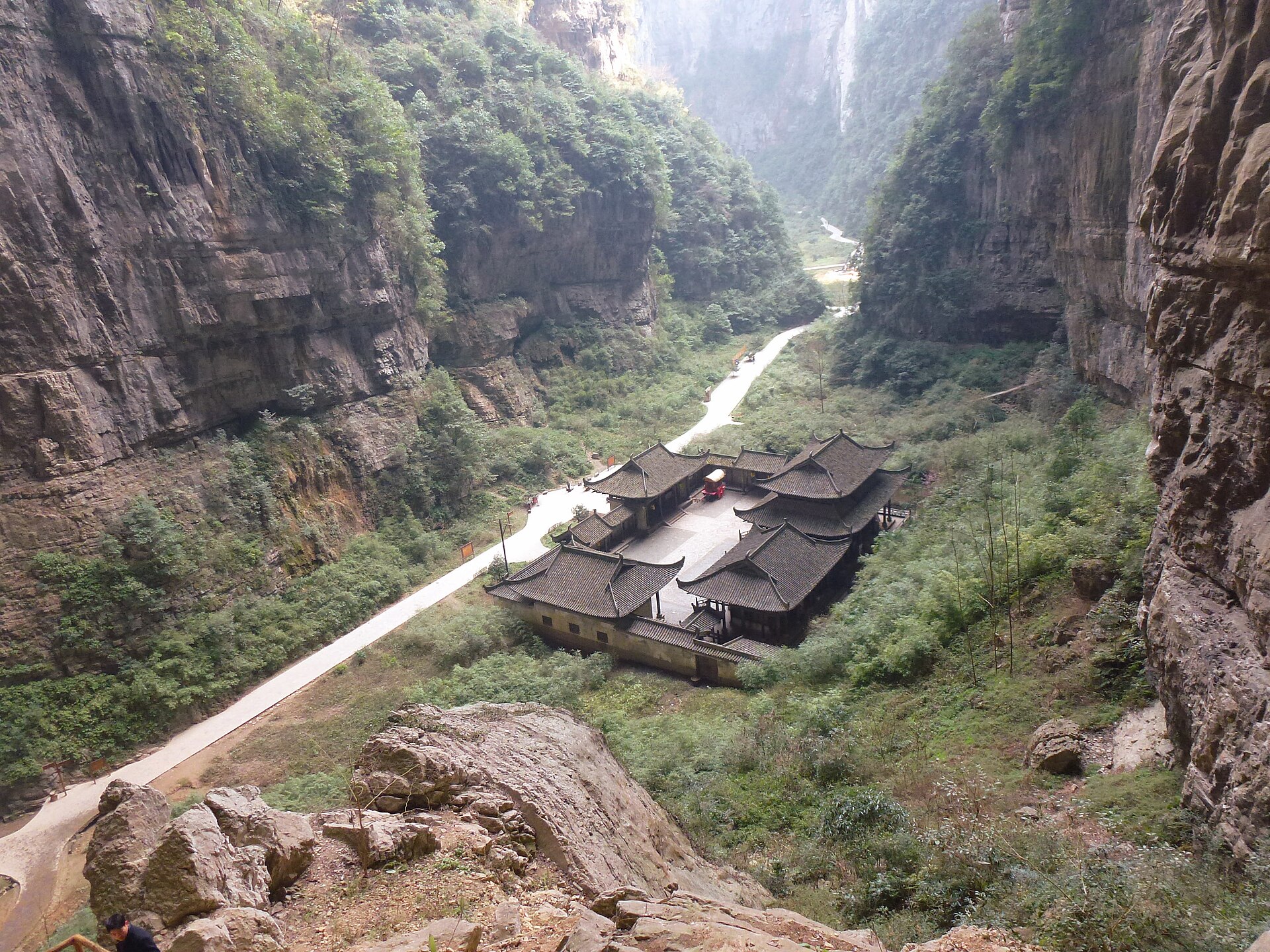 Chongqing · DoDay Trips from Chongqing: Karst Bridges, Carved Cliffs, or a Long SoakWulong gives you stone bridges the size of cathedrals and makes you walk for them; Dazu gives you eight centuries of carved devotion and asks only that you listen. Here is how to run each day without the transport eating it — and when to choose the hot springs instead.Reference ~
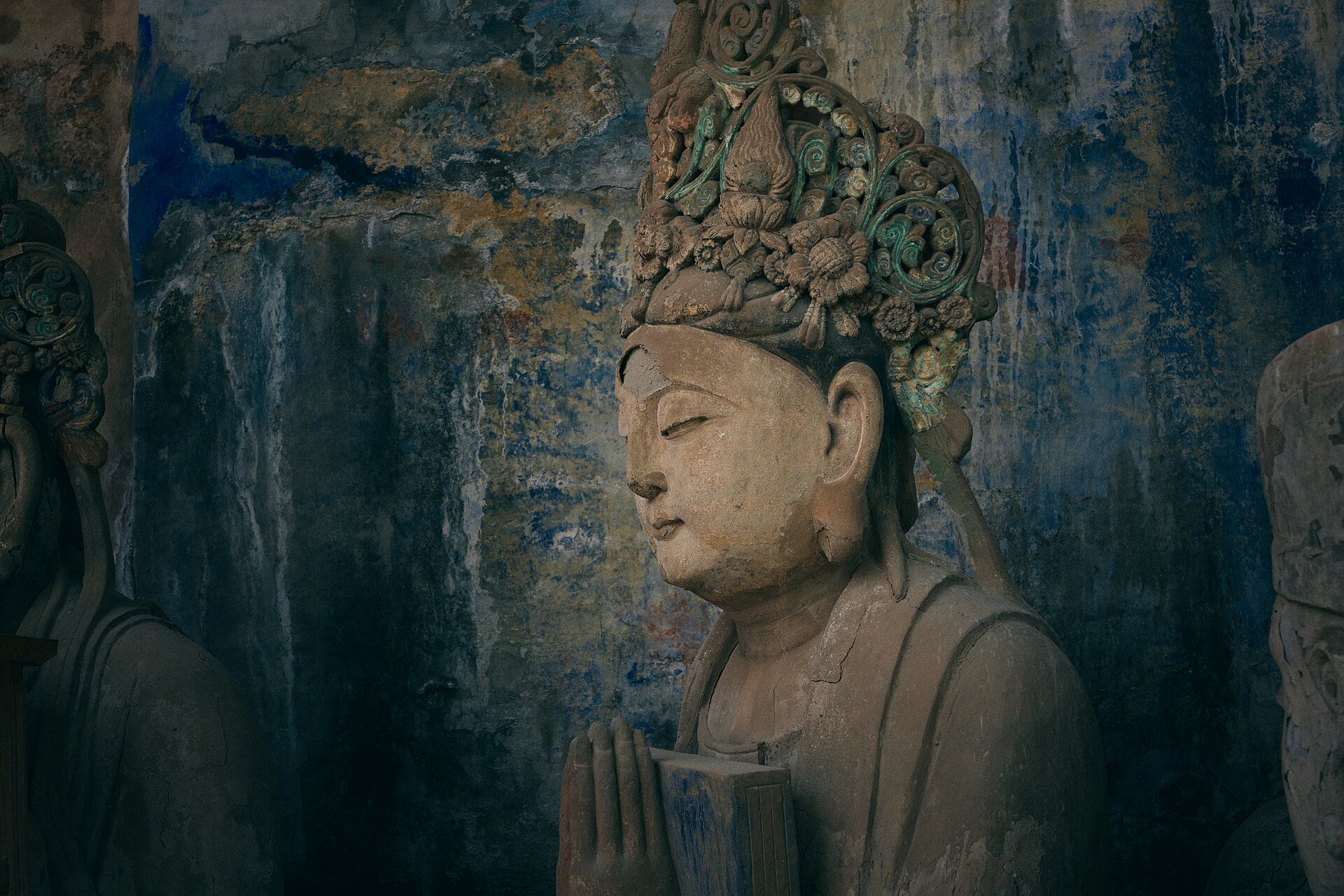 Chongqing · DoChongqing on Departure Day: Wulong, Dazu, or Stay in the City?Your flight leaves tonight and the karst bridges are calling. The honest answer is a timetable, not a hope — here is how to work backwards from your departure and decide what actually fits.Reference ~
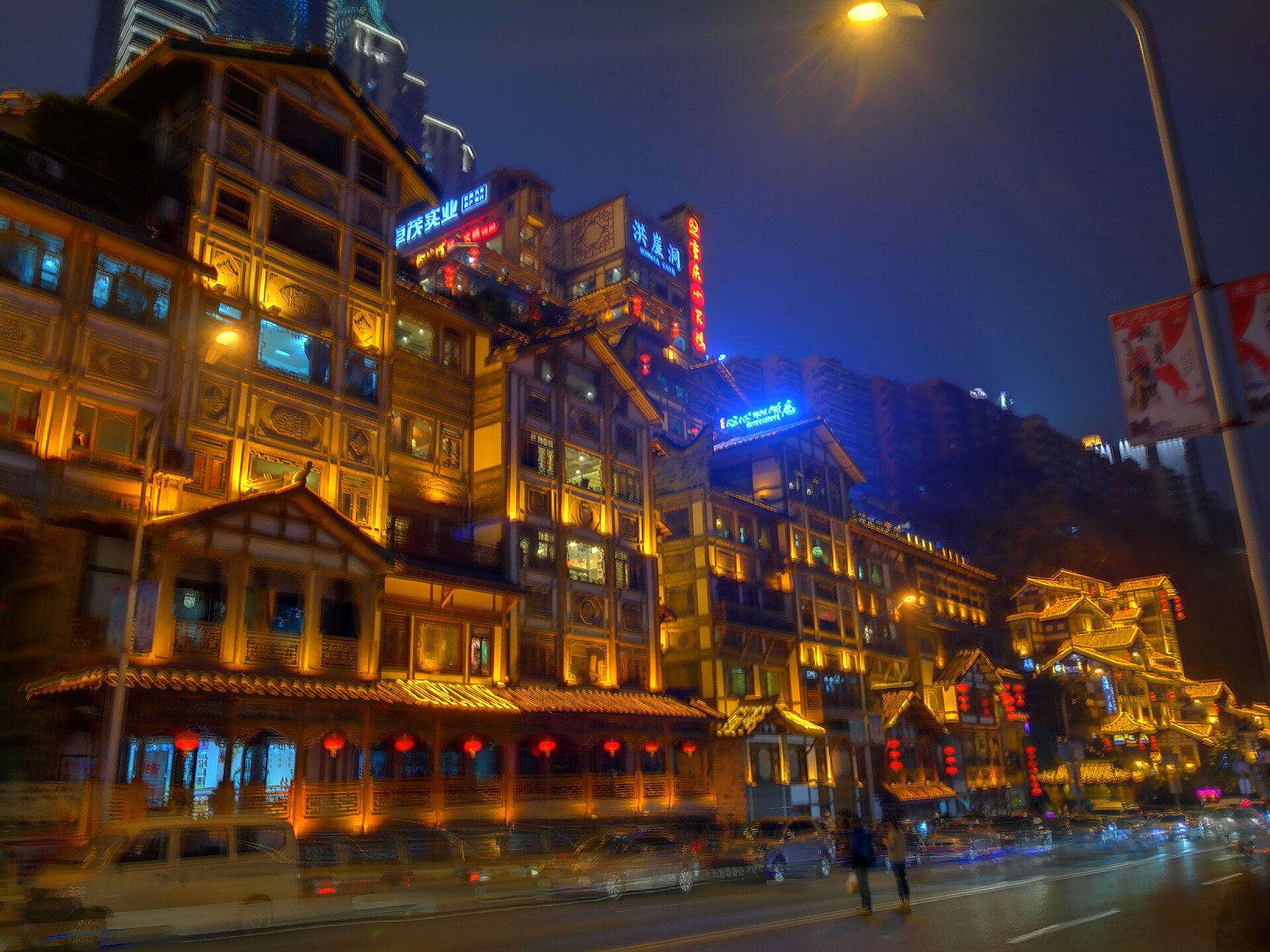 Chongqing · DoChongqing First Time: Learn the Levels Before the LandmarksA city where the ground floor may be the eleventh floor, where your hotel can sit above the street your taxi is on — read the terrain first and Chongqing turns from a maze into a machine you can operate.Verified
08 · SOURCES
Sources and status
Prices, schedules and booking channels change. Recheck the details that matter before you travel.
- UNESCO World Heritage — Rock Carvings of Dazu (listing 889)VerifiedSerial property of five carving areas, dating, scale and the three-faiths character of the site
- Chongqing Municipal Government (English portal)Reference ~Municipal heritage and visitor context for Dazu District and its scenic areas
- Dianping (Chongqing reviews — local demand signal)Reference ~Local-signal patterns for food and services near the route; no rankings reproduced or relied on