
In 2025 the festival's total online sales were put at ¥1.695 trillion, up 14.2% year on year — a third-party estimate by data firm Syntun, because the major platforms no longer publish their own headline totals
Checked 29 October 2026GUIDES / SHOPPING & MONEY
Double 11 as a Visitor (2026): Shop the Sale, Then Claim the Tax Back
The world's biggest shopping festival runs for weeks, not a day. The headline discounts are built for residents — but a visitor can stack the parts that do apply: in-store sale prices, one-hour delivery, and an instant departure tax refund.
City China19 min read10 facts labeledChecked 2026-10-29
01 · IN BRIEF
The short answer
It is a November evening in a Shanghai department store, and the woman next to you at the electronics counter is not haggling — she is doing arithmetic. Sale price first, then a platform subsidy she locked in three weeks ago, and at the till the assistant asks a question tourists rarely get asked anywhere: 'Tax free?' Ten minutes later she walks out with a drone, a refund already moving back to her card, and enough of the savings left over to fund dinner.
That stack is the real Double 11 for a visitor. The festival's coupon machinery is built for Chinese residents with Chinese apps and a local address, and most of it will not fit you. But three parts do: the in-store sale prices everyone pays, instant retail that delivers to your hotel in about an hour, and China's departure tax refund — including the 'refund upon purchase' version that pays you before you fly, not after. This guide shows how the three fit together, and where each one stops working.
One clarification before the arithmetic starts, because it decides whether any of the rest applies: the refund has nothing to do with which app you paid with. A purchase becomes refundable because the shop participates in the departure tax refund scheme and issues the paperwork at the till — not because money moved through Alipay, WeChat Pay or a shiny new visitor wallet. Pay the wrong shop with the right app and you still get nothing back.
The other thing to know up front is that there are two ways to collect. The newer route pays you inside the store, minutes after you buy. The older route pays you at the airport on departure day, after customs has stamped your forms. Both end at the same customs desk; they differ in when the money moves and in how much paperwork discipline each one demands of you in between.

02 · SEE IT
The visitor's Double 11 stack, in order
- Shop the long sale window, not just 11 November — pre-sales set the real prices
- In physical stores, look for the tax-refund signage before you look at price tags
- Consolidate each day's buying into single stores — the ¥200 refund threshold is per store, per day
- Claim the instant refund at the store desk with your passport, before you leave the mall
- Keep purchases unused and packed apart — they are inspected at departure
- Complete the customs verification at the airport, with time to spare
- REFUND MATH — goods carrying 13% VAT: headline refund 11% of the invoice price
- REFUND MATH — goods carrying 9% VAT: headline refund 8% of the invoice price
- REFUND MATH — the agency handling fee of roughly 2% comes off before you see the money
- REFUND MATH — what actually lands: about 9% back on 13%-VAT goods, about 6% on 9%-VAT goods
- WORKED EXAMPLE — a ¥2,000 camera bought in one designated store clears the threshold in a single basket
- WORKED EXAMPLE — at the 11% headline rate the refund is ¥220 before the fee, and roughly ¥180 after it
- WORKED EXAMPLE — the same ¥2,000 split across four small shops on the same day refunds exactly nothing
03 · TRY IT YOURSELF
Before the festival: the shopping checklist
Your ticks stay on this page only. No account or personal data is sent.
04 · THE PROOF
The numbers, with their sources attached
Instant retail — goods ordered in an app and delivered in roughly an hour — was the festival's fastest-growing slice in 2025: ¥6.7 billion in sales, up 138.4%
Checked 29 October 2026The departure tax refund threshold is ¥200 of purchases in a single store on a single day — lowered from ¥500 in April 2025
Checked 29 October 2026The refund itself is 11% on goods taxed at the 13% VAT rate and 8% on goods taxed at 9%, minus an agency handling fee of roughly 2% — so expect an effective return closer to 9% or 6%
Checked 29 October 2026Departure tax refund applications in the first three quarters of 2025 rose 229.8% year on year, and reporting on official figures suggests over 60% of refund money is spent again during the same trip
Checked 29 October 2026In 2025 the pre-sale phase began on 15 October; 11 November was the climax of a month-long runway, not the start of the sale
Checked 29 October 2026Whether a purchase qualifies depends on the shop's participation in the scheme and the refund form it issues — the payment channel by itself creates no entitlement, however visitor-friendly the app looks
Checked October 2026A departure tax-refund entry point inside WeChat's visitor wallet was announced as under development with ICBC's Shenzhen branch and other partners in 2026; availability is a rollout question, not a settled feature
Checked October 2026Two collection channels exist side by side: refund-upon-purchase inside designated stores and centralised refund points, and the traditional claim at the departure airport's refund counter after customs verification
Checked 29 October 2026Processing speed differs by channel: an in-store instant refund is designed to land the same day, while an airport-counter claim is paid after verification and can take longer to reach a foreign card — the scheme promises the refund, not a single timeline for it
Checked 29 October 202605 · STEP BY STEP
Running the stack, step by step
- Shop the runway, not the day
If your trip lands anywhere in the sale window, prices in stores and apps are already festival prices — you do not need to be in China on 11 November itself. What you cannot do is walk in cold on the last day and expect a local's coupon stack; plan the big purchases for early in your trip instead.
- Use instant retail for the small stuff
For chargers, toiletries, snacks and gifts you forgot, delivery apps can bring goods to your hotel in about an hour in major cities — this is the part of Double 11 a short-stay visitor genuinely shares with locals. It needs your payment set up first, and a hotel address the courier can actually find.
- Hunt the tax-refund signage, not the discounts
In malls and department stores, the red tax-refund sign matters more than the sale banner. Only designated stores issue refund forms, and the same goods at the same price in a non-designated store refund you nothing. Ask before you pay, passport in hand.
- Consolidate to clear ¥200 per store per day
The threshold is counted per store, per day. Three ¥80 receipts in three different shops qualify for nothing; one ¥240 basket in one shop qualifies in full. Do a day's souvenir and gift buying in one designated store where you can.
- Take the instant refund at the desk
Under the 'refund upon purchase' service, the store (or the mall's refund desk) processes your refund on the spot — typically back to the card or payment account you used — instead of making you queue for cash at the airport. You will sign for a customs verification to be completed when you leave, and a pre-authorisation hold may sit on your card until you do. Keep every form.
- Keep the goods untouched and finish at customs
Refunded goods must leave China with you, unused, and may be inspected. Pack them separately, keep seals intact where you can, and at the airport go to the customs verification desk before check-in drops your bags — without that stamp, an instant refund can be clawed back through the card hold.
- Or take the airport route instead
If a store only issues the classic paperwork, the sequence runs the other way round: buy during the trip, keep the goods sealed, and on departure day visit the customs desk first for the verification stamp, then the refund counter in the departure area with your stamped forms, receipts and passport. Build the extra half hour into your airport arrival — this queue sits after check-in planning, not before it, in most travellers' first attempt, and that is how refunds get abandoned.
- Do the refund maths before the basket maths
Take a ¥2,000 camera. In one designated store it clears the ¥200 threshold trivially; at the 11% headline rate the refund starts at ¥220, the agency fee trims it to roughly ¥180, and that is the honest number to compare against prices at home. Now split the same spending into four ¥500 baskets in four different shops and the refund falls to zero — the threshold is a per-store, per-day gate, not a trip total. Festival discounts reward browsing; the refund rewards consolidation. Shop with both rules in your head at once.
- Protect the paperwork like it is the product
Forms, invoices and the shop's stamp are what the airport actually inspects; the goods are almost secondary. Keep the set in your hand luggage, photographed as backup, and never in the checked bag that disappears at the check-in counter before you reach the customs desk. Travellers lose refunds to lost paper far more often than to any rule about the goods themselves.
- Rehearse departure day once, in the right order
Walk the sequence before you live it: arrive with margin, keep the refund goods in hand luggage, go to the customs verification desk before your bags are checked away, get the stamp, then — if you claimed nothing in-store — take the stamped set to the refund counter. Travellers who plan it in that order describe a fifteen-minute errand. Travellers who discover the desk after check-in describe a story they tell at dinners. The difference is entirely the order of the steps, and it costs nothing to choose the first version now.
06 · WHERE THIS BREAKS
Where the stack stops working
The online coupon game is not built for you
Deposits, pre-sale lock-ins, stacked platform subsidies and livestream flash prices assume a Chinese app account, a local delivery address and a returns window longer than your trip. Chasing them usually costs a short-stay visitor more time than it saves; the in-store price plus refund is the honest visitor play.
An instant refund is provisional until you fly
Refund-upon-purchase pays early against your promise to verify at departure. Use the goods, lose the forms, or skip the customs desk, and the refund can be reversed. Treat the money as borrowed until the stamp is in your paperwork.
Refunds are for goods, not experiences
Hotel nights, meals, train tickets and services earn no refund. Only physical goods bought at designated stores, carried out of China by you, count — and each store-day must separately clear the ¥200 threshold.
The 2026 window dates are pattern, not promise
As of this writing (29 October 2026), the platforms have not published a single official 2026 calendar we can cite. The mid-October pre-sale start is the 2025 pattern and a reasonable planning assumption — it is not a guarantee for 2026, and no platform-specific promise in this guide should be read as one.
Headline rates are not the money in your hand
The 11% and 8% figures are the gross refund rates. The roughly 2% agency fee comes off the top, and card conversion spreads can take a little more. Budget on the effective rate, not the poster rate.
Can I get the refund paperwork after I have already paid?
Plan on no. The form is generated at the till, against your passport, at the moment of purchase. A receipt alone is not a refund form, and shops generally cannot rebuild the paperwork days later — which is why the only question that matters is asked before you pay, not after.
Does paying with a particular app make a purchase tax-free?
No. Entitlement comes from the shop's participation and the form it issues. Apps are beginning to add refund entry points — a bank-partnered pilot was announced in Shenzhen in 2026 — but they route you to the same scheme; they do not widen it. A non-participating shop refunds nothing, whatever you paid with.
Can I pool receipts across days or shops to reach ¥200?
No. The threshold is calculated per shop, per calendar day. Yesterday's ¥150 and today's ¥150 in the same store still fall short. If a planned purchase sits just under the line, the fix is to buy the extra item in that store on that day — or accept that this basket earns no refund.
What if the goods leave China without me?
The scheme is built around you carrying the goods out through your own departure inspection. Parcels posted home, items handed to a friend flying a different route, and goods consumed during the trip all sit outside the design. If it will not be in your luggage at your airport, do not count its refund in your budget.
Which card does an instant refund return to?
Expect the money to travel back along the channel you paid through, and expect a separate pre-authorisation hold — the shop's security for the customs step — to sit on the card until your departure is verified. Two movements, two timelines. Neither is an error; screenshot both and reconcile after you are home.
What happens if customs never sees my goods?
Then the story ends the unglamorous way: an in-store refund can be reversed against the card hold, and an airport claim simply has nothing to claim with. Skipping verification because the desk looked busy is the single most expensive queue-avoidance in this whole guide — the stamp is not a formality at the end of the process, it is the process.
07 · KEEP READING
Keep the trip moving
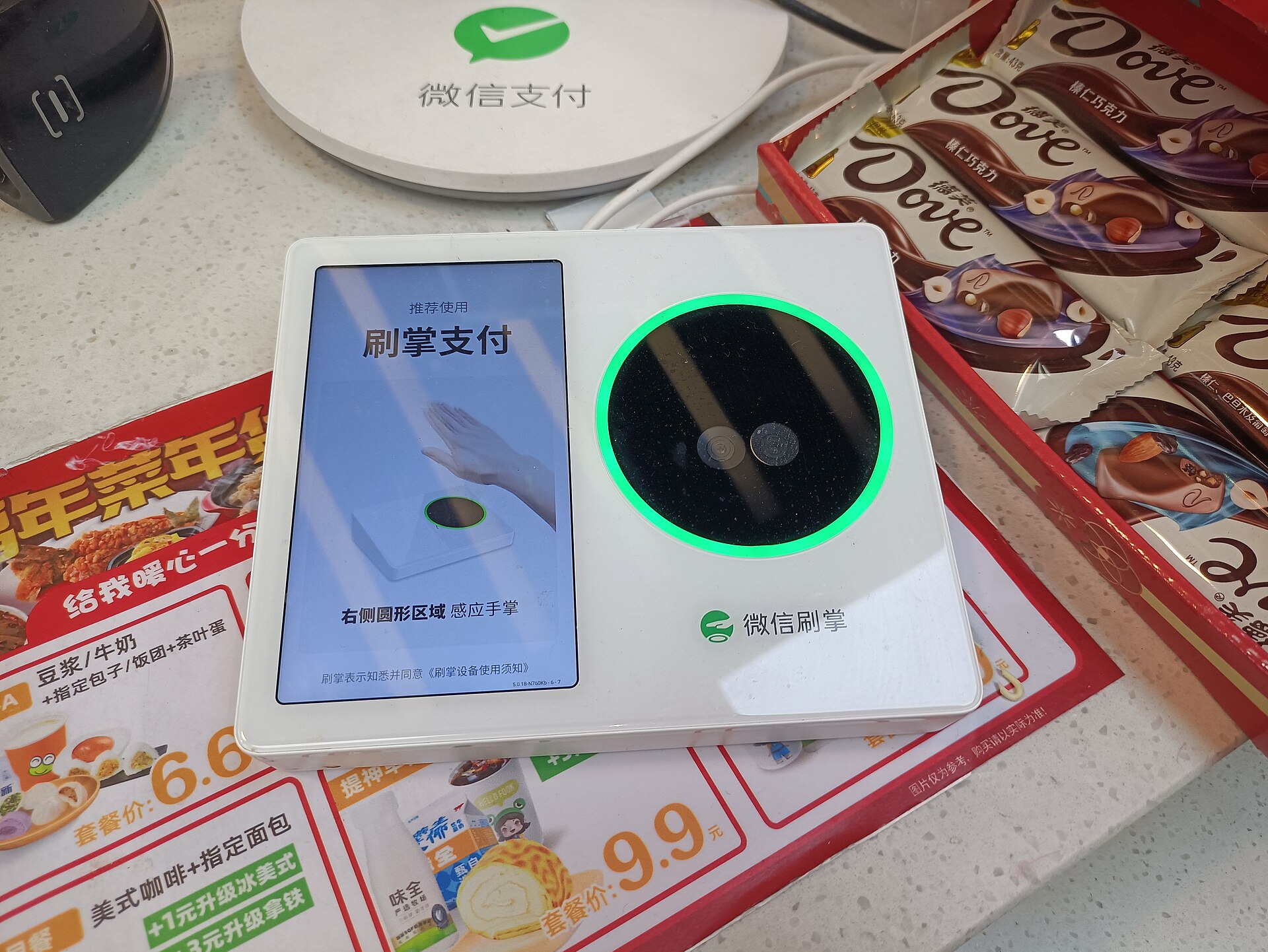 China · PrepareHow to Pay in China (2026): Alipay, WeChat Pay, TenPayGo, Cards and CashSet up one wallet before you fly, add a second as backup, and understand the two numbers that explain most payment confusion.Reference ~
 China · PrepareInternet & eSIM in China (2026): Roaming, Travel eSIM, Local SIM and Wi-Fi ComparedYour phone will work in China. The real question is which internet it connects to — every connectivity choice is a choice between two exits.Reference ~
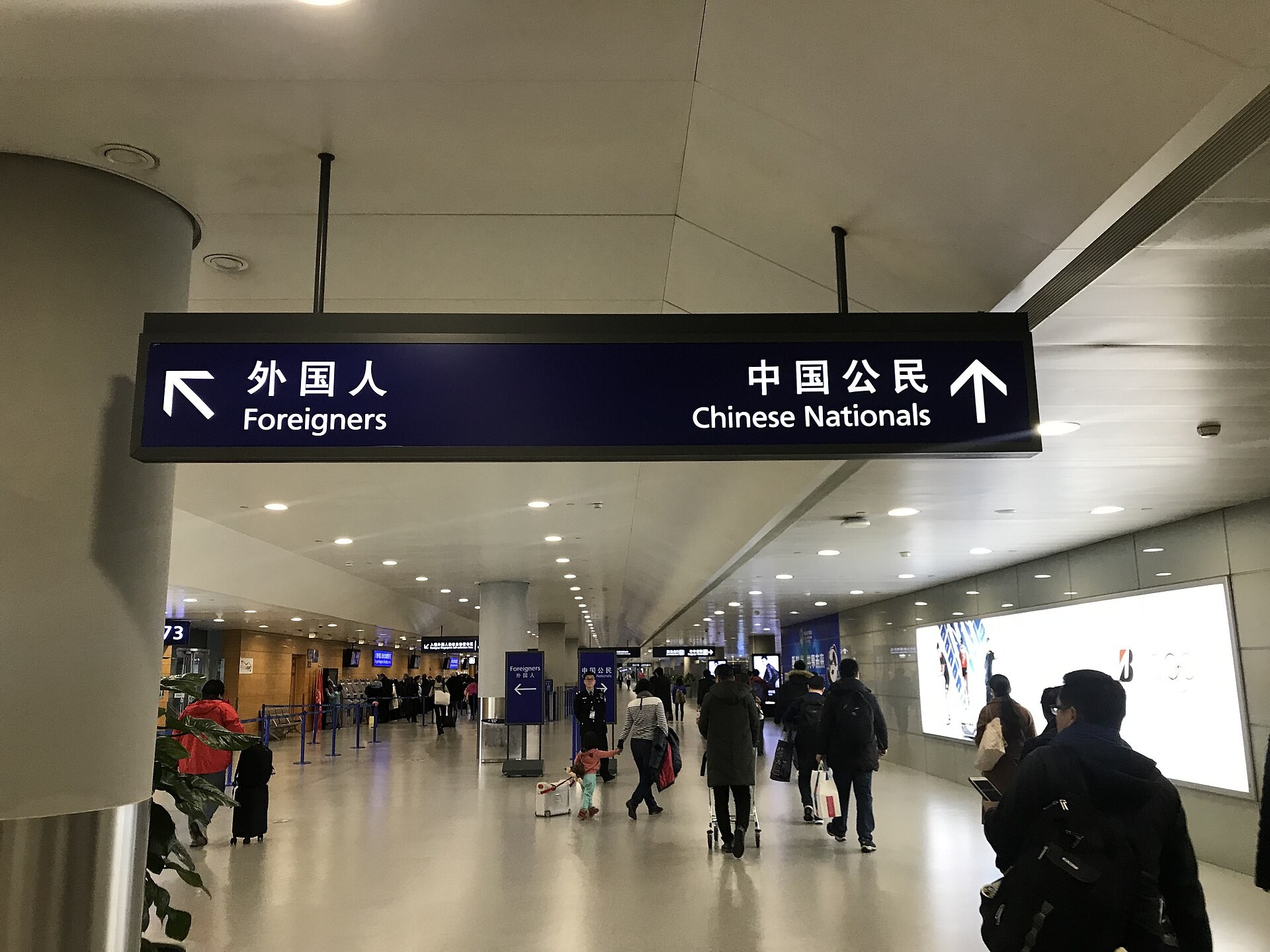 Shanghai · PrepareShanghai 240-Hour Visa-Free Transit (2026): Who Qualifies and How the Clock Really WorksTen days in China without a visa — if your passport is on the list, your route is a real transit, and you count the days the way the border does, not the way your boarding pass suggests.Verified
 China · PrepareThe 30-Day Visa-Free Countdown: Your 2027 Trip Is a Booking Problem, Not a PanicChina's unilateral 30-day visa-free entry is currently set to run until 31 December 2026. If you are planning a 2027 trip, the policy has not ended — your booking strategy just needs a November checkpoint in it.Verified
08 · SOURCES
Sources and status
Prices, schedules and booking channels change. Recheck the details that matter before you travel.
- Syntun — 2025 Double 11 Promotion Report (GMV and instant-retail figures)Reference ~Third-party statistical caliber; platforms no longer publish their own totals
- China Departure Tax Refund — threshold, rates and agency fee summaryReference ~Service-provider summary of the refund rules: ¥200 threshold, 11%/8% rates, ~2% fee