
Citizens of 57 countries are eligible for the 240-hour visa-free transit, following the National Immigration Administration's 2026 Announcement No. 4 (20 August 2026), which added Kyrgyzstan and Vietnam to the transit list
Checked October 2026GUIDES / VISA & ENTRY
Shanghai 240-Hour Visa-Free Transit (2026): Who Qualifies and How the Clock Really Works
Ten days in China without a visa — if your passport is on the list, your route is a real transit, and you count the days the way the border does, not the way your boarding pass suggests.
City Shanghai13 min read10 facts labeledChecked 2026-10-29
01 · IN BRIEF
The short answer
Picture the scene that decides most of these trips — not at the Chinese border, but at a check-in desk on the other side of the world. A traveler with a valid passport, a confirmed onward flight and a perfect Shanghai plan gets stopped because the airline agent cannot see how the stay is legal. The 240-hour visa-free transit almost never fails at immigration in Shanghai. It fails at that desk, an ocean away, when the paperwork story is not ready.
If you are a citizen of one of the 57 listed countries, travelling from country A through China to a different country B, you can stay up to 240 hours — ten days — without a visa, and move freely inside a permitted area of 24 provincial-level regions. This guide walks through who qualifies, how the ten days are actually counted, and where the plan usually breaks.
02 · SEE IT
Three visa-free routes, five example itineraries
- Ordinary visa-free entry | No onward ticket, no transit structure | The test: your passport appears on China's current unilateral or mutual exemption list, and your purpose plus stay length fit that scheme
- 24-hour visa-free transit | A short international connection | The test: a confirmed onward journey to somewhere beyond China inside the permitted connection window
- 240-hour visa-free transit | Up to ten days through approved ports | The test: an eligible passport, an A-to-China-to-B route, an approved port, a booked onward seat, and a stay that keeps inside the permitted area
- Route example — United States → Shanghai → Japan | The country after China differs from the one before it: the shape the policy wants, provided the rest checks out
- Route example — United Kingdom → Shanghai → Hong Kong | Official Shanghai examples treat Hong Kong as a separate region for this test, so this shape can pass
- Route example — Australia → Shanghai → Australia | You end where you started: no third country exists in this route, so it fails however neatly the dates fit ten days
- Route example — Japan → Shanghai → Seoul | Origin and onward country differ: this is a genuine transit shape
- Route example — Paris → Shanghai → Macau → Paris | What decides it is the Shanghai-to-Macau leg, a move into a different region; flying home to Paris afterwards does not undo that, though every ticket still needs a current-rules check
- Inside the same permit: Shanghai plus Jiangsu and Zhejiang form one permitted area, so Suzhou and Hangzhou side trips stay lawful on a 240-hour stay when the current area rules allow them
03 · TRY IT YOURSELF
The transit checklist: on arrival and before you fly
Your ticks stay on this page only. No account or personal data is sent.
04 · THE PROOF
The numbers that define the policy
The 240 hours are counted from 00:00 on the day after entry, not from your landing time — a late-night arrival effectively buys you an extra partial day
Checked October 2026Within the stay you may travel across a permitted area of 24 provincial-level regions, which includes Shanghai, Beijing, Jiangsu, Zhejiang and Guangdong — but not the whole country
Checked October 2026Entry and exit are possible through 65 designated ports across the permitted area; Shanghai's Pudong and Hongqiao airports are both on the list
Checked October 2026Overstaying is fined at ¥500 per day, capped at ¥10,000 — cheap compared with what it does to your future visa applications
Checked October 2026Hainan runs a separate, more generous scheme (30 days, 61 countries) — it is a different policy with different entry rules, not a fallback if the transit route fails
Checked October 2026Older official pages and most blogs still say 55 countries; the August 2026 NIA expansion added Kyrgyzstan and Vietnam and brought the list to 57 — a page that says 55 predates the current announcement
Checked August 2026Eligibility turns on the two flights that touch China — the one that brings you in and the one that takes you out — rather than on your itinerary end to end. A multi-stop trip is tested on those two legs alone
Checked October 2026Border inspection at the port makes the admission call. A website checker telling you that you qualify does not compel an airline to board you, and neither a blog nor an agent can stamp you in
Checked October 2026Traveler posts are genuinely useful for airport signage, queues and how the forms feel — and worthless for eligibility, country lists, dates or permitted areas. Every policy claim in this guide comes from official sources; posts were used only to find preparation points
Checked October 202605 · STEP BY STEP
Using the transit, step by step
- Check the passport, not the residence permit
Eligibility follows the nationality in your passport. Living in a listed country on a work permit does not count; holding a listed passport while living elsewhere does.
- Build a route that is genuinely a transit
A → Shanghai → B works when B is a different country or region from A. Flying in from Tokyo and back to Tokyo does not. Routing home via Hong Kong, Macao or Taiwan does, because all three count as third regions for this policy.
- Win the check-in conversation at home
At check-in abroad, state plainly: 'I am using China's 240-hour visa-free transit, here is my confirmed onward ticket.' Show the onward booking first, not last. If the first agent hesitates, ask them to check the TIMATIC entry for China transit — this is the single most common failure point of the whole trip.
- Follow the transit signs on arrival
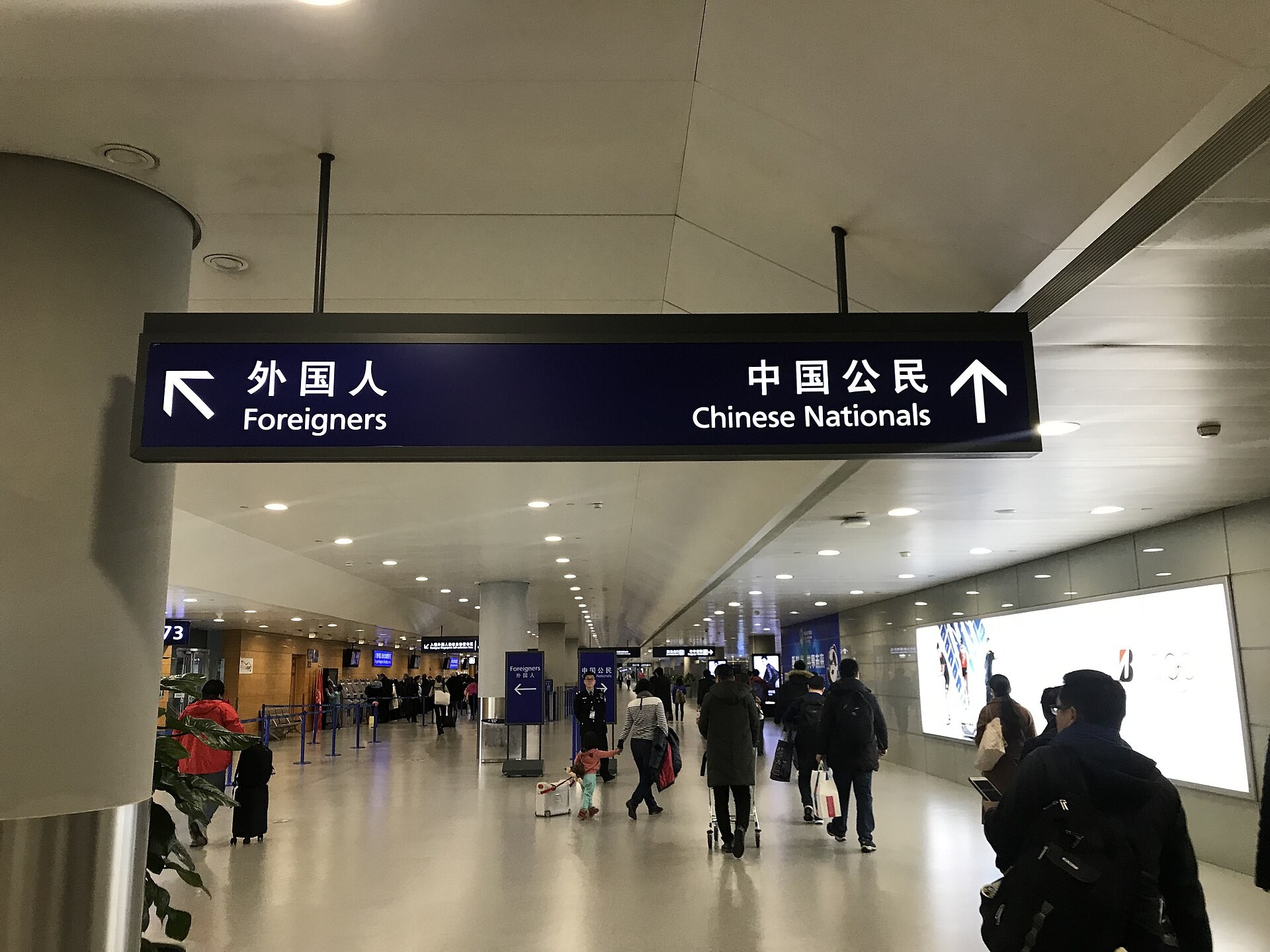
At Pudong or Hongqiao, head to the dedicated 240-hour visa-free transit counter rather than the regular foreigner lanes. Present your passport, completed arrival card and onward ticket. The entry stamp and temporary entry permit you receive define your deadline.
- Register where you sleep
Hotels register foreign guests with the police automatically. If you stay in a private home, registration within 24 hours is your job — in Shanghai it can be done at the local police station or through the city's self-service registration channel. Keep the confirmation; it can be asked for later.
- Count your ten days the border's way
Worked example: you land on Monday at 23:40. The clock starts Tuesday at 00:00, and 240 hours runs to midnight at the end of the following Thursday — ten full days after the start point, plus the tail of Monday night. Plan your departure for the day before the deadline, not the deadline itself.
- Judge the route by the two flights that touch China
Do not lay out the whole holiday and ask whether it 'looks like' a transit. Exactly two flights matter: the one landing you in China and the one carrying you out. Everything before and after those legs is your own business — and a domestic hop inside China answers to the permitted-area rules, not to the ten-day total.
- Match the stay to the time you actually have
A short stop runs on the one-day Shanghai plan. Around 48 hours supports two unhurried days. A longer stay can carry the three-day plan plus one east-China side trip — Suzhou or Hangzhou — inside the same permitted area. And budget the arrival day honestly: after a long-haul flight it is a half day with a suitcase, not a sightseeing day.
- Verify twice: before ticketing and before departure
Entry policy moves quickly. Run your passport and flight sequence past Shanghai's official transit pages on the city government portal, and past your airline, before you pay — then repeat the check in the week you fly. For a case the examples do not cover, call 12367 rather than crowdsourcing it.
06 · WHERE THIS BREAKS
When this does not work
A round trip is not a transit
If your itinerary returns to the country you flew in from, there is no third country and no transit — the policy does not apply, however long the stay.
Counting from landing day
Counting ten days from your arrival date instead of from the next day's 00:00 start can put your departure a day beyond the permit. A one-day overstay is still an overstay.
Wandering outside the permitted area
The permit covers 24 provincial-level regions, not all of China. A side trip to a region outside the list — parts of the far west and northeast, for example — breaks the terms of your stay.
The wrong policy at the wrong counter
The 30-day unilateral visa-free entry and the 240-hour transit are separate schemes with separate country lists. Arriving ready to argue for the one you do not qualify for wastes the one conversation that matters.
Unregistered private stays
Skipping the 24-hour accommodation registration when staying with friends is the most common quiet violation — it surfaces later, typically at exit or on a future application.
Working from a stale country list
The eligible-country list changes by announcement, most recently in August 2026. A screenshot, a blog post or a portal page from before that date can be wrong in both directions — your country added, or the count simply out of date.
'The checker said I was eligible'
Online checkers and well-meaning agents do not board planes or stamp passports. The airline's check-in system and the border officer each make their own call, which is why the onward ticket and the route story have to be readable by both.
Bolting on a domestic hop outside the area
A cheap domestic flight or train to a region outside the permitted 24 does not become legal because your total stay fits inside ten days. The area limit and the clock are separate tests, and you have to pass both.
Two summaries, two wordings of the clock
Some Shanghai-level summaries phrase the start as midnight of the arrival day itself. The NIA rule counts from 00:00 on the day after you enter. Plan your departure against the stricter reading, and treat the date written on the permit the officer hands you as the one that governs.
FAQ: Is the 240-hour scheme just another name for visa-free entry?
No. Ordinary visa-free entry covers passports named on China's unilateral or mutual exemption lists and involves no onward-country test at all. The 240-hour scheme is a transit arrangement: no qualifying route, no entry. Work out which scheme your passport actually falls under before building a trip on either.
FAQ: Do Hong Kong and Macau count as the third place?
Yes — both, along with Taiwan, are treated as separate regions when the route is tested, and official Shanghai examples are built on exactly that shape (one country in, Hong Kong out). Your own flight sequence and the rules in force that week still decide your case.
FAQ: When does my ten days start counting?
From 00:00 on the day after you enter, per the NIA policy text — not from the moment your wheels touch down. Ask the officer admitting you to state your final exit date, and plan to leave a day ahead of it.
FAQ: What exactly is the 240-hour policy, in one sentence?
An eligible passport holder may enter through an approved port and remain inside a defined permitted area for up to 240 hours while genuinely travelling onward somewhere different from where they came from. It waives the visa for a transit, not for travel in general.
07 · KEEP READING
Keep the trip moving
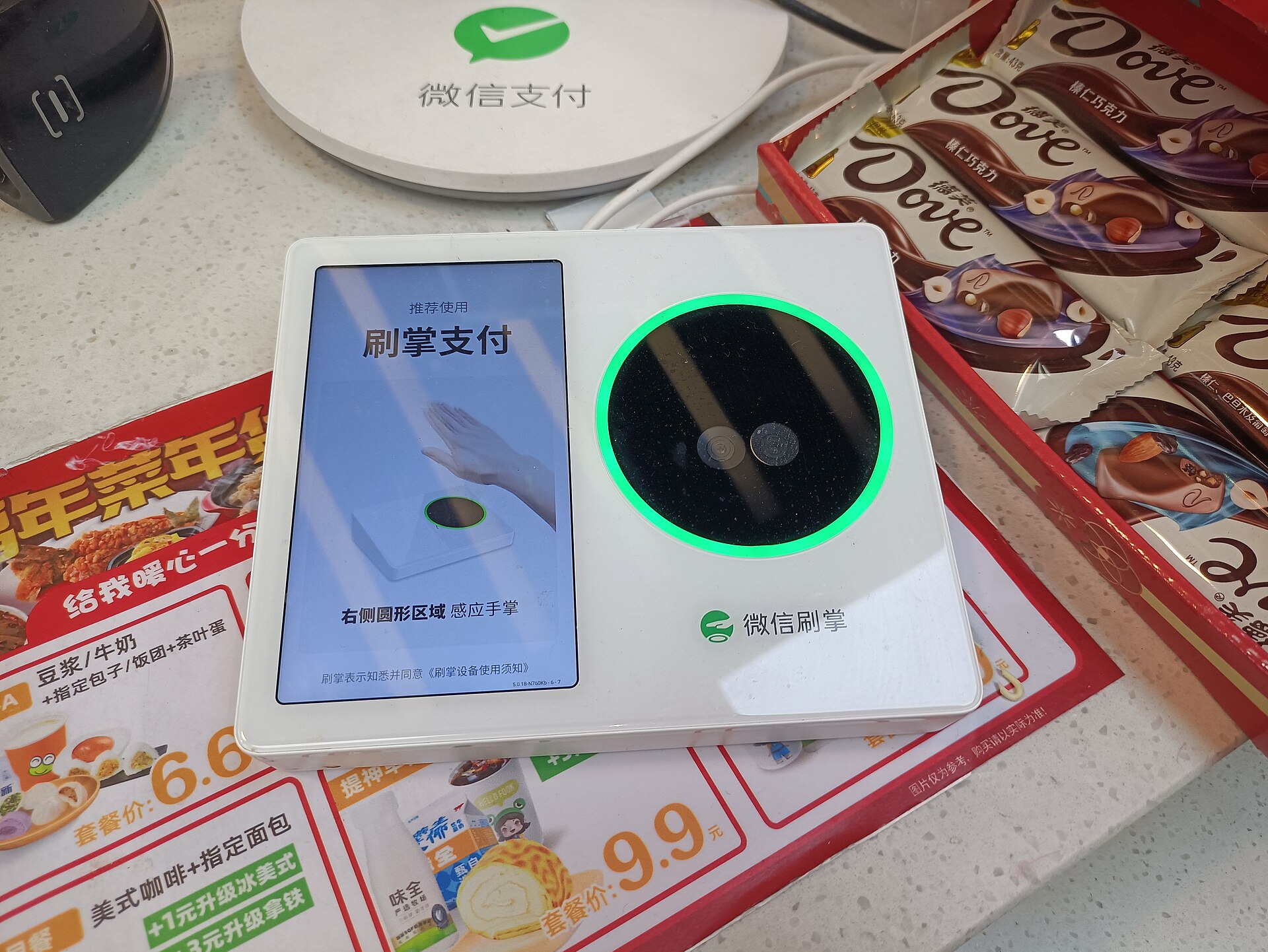 China · PrepareHow to Pay in China (2026): Alipay, WeChat Pay, TenPayGo, Cards and CashSet up one wallet before you fly, add a second as backup, and understand the two numbers that explain most payment confusion.Reference ~
 China · PrepareInternet & eSIM in China (2026): Roaming, Travel eSIM, Local SIM and Wi-Fi ComparedYour phone will work in China. The real question is which internet it connects to — every connectivity choice is a choice between two exits.Reference ~
 Shanghai · DoShanghai Food Guide: What Locals Actually Eat, and How to Eat ItSoup dumplings are the postcard. The real Shanghai table is pan-fried buns at dawn, dark glossy braises, river shrimp, a spring soup — and knowing the order to put them on the table.Reference ~
08 · SOURCES
Sources and status
Prices, schedules and booking channels change. Recheck the details that matter before you travel.
- National Immigration Administration — 2026 Announcement No. 4 (240-hour transit country list expansion)VerifiedOfficial announcement, 20 August 2026
- Shanghai Municipal Government — English portal (visa-free entry and transit pages)Reference ~City-level guidance and route examples; NIA text governs where wordings differ