
The grouping residents call Guilin's Three Treasures consists of Sanhua liquor, the city's chilli sauce and its fermented bean curd — a traditional trio traced in local historical writing, with osmanthus sweets and monk fruit standing outside it as separate regional specialities
Checked October 2026GUIDES / SHOPPING
Guilin Souvenirs: Osmanthus Sweets, Chilli Heat and the Three Treasures
A floral sweet for the tasting gift, a compact jar of chilli sauce for the cook, and a famous trio of 'treasures' you are explicitly allowed to buy separately — Guilin shopping makes sense once you know which names are tradition and which are packaging.
City Guilin12 min read8 facts labeledChecked 2026-10-30
01 · IN BRIEF
Every shop on the street sells the same three jars
Walk the old lanes near the lakes at dusk and the display repeats like a chorus: the same gift box in every third window, holding the same three jars, under the same three characters. Three Treasures, the shopkeeper says, opening a sample of osmanthus cake with the air of a man revealing a secret — although the identical secret is on sale forty metres in both directions. The cake is genuinely good. The box is genuinely convenient. And almost everything about the pitch is arranged to stop you asking what the three treasures actually are, and whether the person you are buying for wants any of them.
Guilin's edible souvenirs divide into two families that shops work hard to blur. One is the traditional trio — Sanhua liquor, Guilin chilli sauce and Guilin fermented bean curd — a historical grouping with real roots. The other is the city's fragrant supporting cast: osmanthus sweets in their many textures, and dried monk fruit for infusions. Buy the second family by tasting and the first by understanding, choose each item for a named person, and the identical gift box becomes what it should have been all along: one option among several, not the definition of the city's food.

02 · SEE IT
The gift shelf, matched to the person receiving it
- For the sweet tooth — Osmanthus cake or candy, tasted first, in a pack small enough to be finished while it is fresh
- For the cook — Guilin chilli sauce: one compact jar whose label you have read for heat, salt and garlic before paying
- For the fermented-food devotee — A small pack of Guilin fermented bean curd, bought deliberately and never as a surprise
- For the infusion drinker — Whole dried monk fruit, with the brewing method explained at the counter before it goes in the bag
- For the collector of local spirits — Sanhua liquor, only for a grown-up who has asked for it by name, on a route home that allows alcohol
- For everyone else — Skip the full Three Treasures presentation box bought purely so the set looks complete
- Eat here, do not pack it — Guilin rice noodles at a morning counter, and the fresh dishes of the trip itself
- Timing card — Shop in the city after the Li River days, not before: glass jars and fragile sweets ride badly through boat days and hotel changes
03 · TRY IT YOURSELF
Do it like a local
Your ticks stay on this page only. No account or personal data is sent.
04 · THE PROOF
The facts this guide leans on
Sanhua is a rice-based liquor carrying protected regional status; national intellectual-property descriptions of the product document its rice-based production, which is the factual core behind the souvenir-counter romance
Checked October 2026The city's name itself evokes the osmanthus — gui is the osmanthus tree — and the autumn bloom is why the flower flavours Guilin's cakes, candies, teas and syrups each season
Checked October 2026Monk fruit, luohan guo, is a speciality crop of the hills around Guilin, sold whole and dried for infusions; buying the fruit is a different purchase from the sweetened drinks and powders that borrow its name
Checked October 2026Recipes for Guilin chilli sauce vary by maker across chilli variety, garlic and salt, so two jars of near-identical colour can sit at very different heat levels — which is why the label outranks the look of the sauce
Checked October 2026Fermented bean curd keeps developing in its brine: packs may contain soy and alcohol, and storage instructions change after opening, so 'fermented' never means indifferent to how it is kept
Checked October 2026Gift shelves in the city serve the whole region: Guangxi tourism material lists products from surrounding counties alongside city goods, so a shelf standing in Guilin is not proof of Guilin origin — ask where an item is made
Checked October 2026Dianping's Guilin pages carry the local demand signal for bakeries and specialty shops — which osmanthus cakes residents actually queue for in season — useful as direction, not as a ranking
Checked October 202605 · STEP BY STEP
Buy the shelf in the right order
- Step 1 — Learn the trio before you meet the gift box
Thirty seconds of knowledge disarms the standard pitch. The Three Treasures are Sanhua liquor, chilli sauce and fermented bean curd — a grouping with genuine history behind it, which is precisely why it sells boxes. Osmanthus sweets are not in the trio, and neither is monk fruit; they are separate Guilin specialities with their own merits. Walk in knowing this and the conversation changes: you are no longer buying a definition, you are choosing three unrelated products, each of which has to justify itself to a specific recipient. If alcohol or fermented flavours do not suit the person, completeness is not a reason — buy the one item that fits and let the set stay on the shelf.
- Step 2 — Buy the osmanthus sweet by texture and timing
Osmanthus is a flavour family, not a product. At one end sit soft fresh cakes, delicate and short-lived; in the middle, packaged confections that travel well; beyond them, syrups and teas that scent more than they feed. Ask to taste the exact item, then interrogate the pack rather than the artwork: ingredient list, how prominent the flower actually is among the flavours, added sugar, and storage instructions. A blossom printed on cardboard tells you nothing about intensity. Match format to journey — a cake that wants eating this week belongs to a trip ending this week — and favour an intact, labelled, manageable pack over a grand loose assortment.
- Step 3 — Buy for a cook: chilli sauce and bean curd
The two savoury treasures are ingredients, and they reward label-reading. For chilli sauce, compare what is printed: which chillies, how much garlic, how much salt — and expect the honest heat range to be wider than the colour suggests, so taste a small sample if one is offered and size the jar to a household's real cooking. One compact container usually serves a first purchase better than an elaborate multi-jar set. Fermented bean curd is stronger medicine: intensely savoury, used in small cubes to season greens, congee and hotpot dips. Ask how this particular curd is eaten and how it keeps once opened, note soy or alcohol in the ingredients if that matters to the recipient, and choose a small pack for anyone new to fermented flavours. Both jars then need physical care — seals protected, upright, padded against the journey.
- Step 4 — Buy monk fruit as an ingredient, not a promise
A whole dried monk fruit looks like a small brown gourd and brews into a naturally sweet infusion — a genuinely regional purchase for someone who enjoys that ritual. Buy it whole, from an identified producer, in its original packaging, and have the preparation explained at the counter: how much fruit, how much water, what to expect. Distinguish it from ready-sweetened drinks and powdered mixes travelling under the same name, which are different products with different labels. And hold one line firmly: health claims delivered across a souvenir counter are salesmanship, not evidence, and they are never a reason to buy the fruit for someone else's condition.
- Step 5 — Decide on Sanhua with your eyes open
Sanhua liquor completes the trio, and it is the item most often bought by reflex and regretted at the airport. As a rice-based local spirit it can genuinely interest an adult who collects regional liquors and asks for it by name. For a casual group gift it fails on logistics alone: alcohol brings airline restrictions, destination duty and customs questions, breakage risk and a recipient who may not drink. The guide's position is simple — Sanhua by request, never by default, and a non-alcoholic gift with a clear label beats a famous bottle bought to complete a set.
- Step 6 — Shop last, in the city, briefly
Sequence is the final skill. Guilin trips run on river days — cruises, rafts, countryside loops, hotel changes — and glass jars and soft cakes should meet none of them. Make the specialty stop a short comparison errand in the city after the landscape is done, along the old lanes you are already walking, comparing identifiable sellers rather than hunting a mythical cheapest shop. Leave every label on its jar, keep the shop's receipt, and buy no more than you can physically shield across the journey still ahead of you. What the city's shelves cannot tell you is which county a regional product grew in — ask, and be satisfied with an honest answer in either direction.
06 · WHERE THIS BREAKS
Where the advice stops working
The set is not a shortcut
A mixed Three Treasures box solves the shopper's problem — deciding — by transferring it to the recipient. If one jar would delight them and two would sit in a cupboard, the box was a bad purchase at any price. Buy the trio as a set only for the rare person who would genuinely use all three, and even then check each component's label as if it stood alone.
Medicinal talk is marketing
Monk fruit attracts health claims the way osmanthus attracts bees, and souvenir counters repeat all of them. This guide makes none. Suitability of any food for a particular person's health is a question for that person and their clinician; the fruit is a flavour and a regional curiosity, and it should be bought — and given — as exactly that.
'Guilin' on the shelf is not an origin certificate
Guangxi is a large region with many local traditions, and its gift retail mixes them freely: a county's dried goods or another town's snack can share a shelf and a colour scheme with city products. Calling everything on that shelf a Guilin specialty is the error; asking where a product is made, and accepting that some excellent things are regional rather than municipal, is the correction.
Borders decide what food can travel
Before buying any edible gift for an international journey home, check the destination's own customs or agriculture authority — plant material like dried monk fruit, seeds, alcohol and animal products each attract their own rules, and a factory seal settles none of them. American border rules, for example, oblige arriving travellers to declare every food item they carry; other countries run their own lists and penalties. The time to learn this is at the shop counter, not at the inspection bench.
Glass jars versus a river itinerary
Chilli sauce leaks, bean curd brine escapes, and both will find the one white shirt in your luggage. Even packed late in the trip, jars need seals checked, upright padding and a decision about which bag they ride in — airlines restrict pastes and liquids in hand baggage regardless of how artisanal they are. If the journey home has three changes and a boat, the honest souvenir may be the cake you eat in Guilin instead.
Fermented flavours are an acquired taste
Fermented bean curd divides humanity into devotees and people who open the jar once. As a surprise gift it has the highest failure rate on the Guilin shelf, however impeccable its pedigree. Give it to someone who already loves fermented condiments, in a small pack, with the usage explained — or convert the money into osmanthus sweets and watch them actually get eaten.
07 · KEEP READING
Keep the trip moving
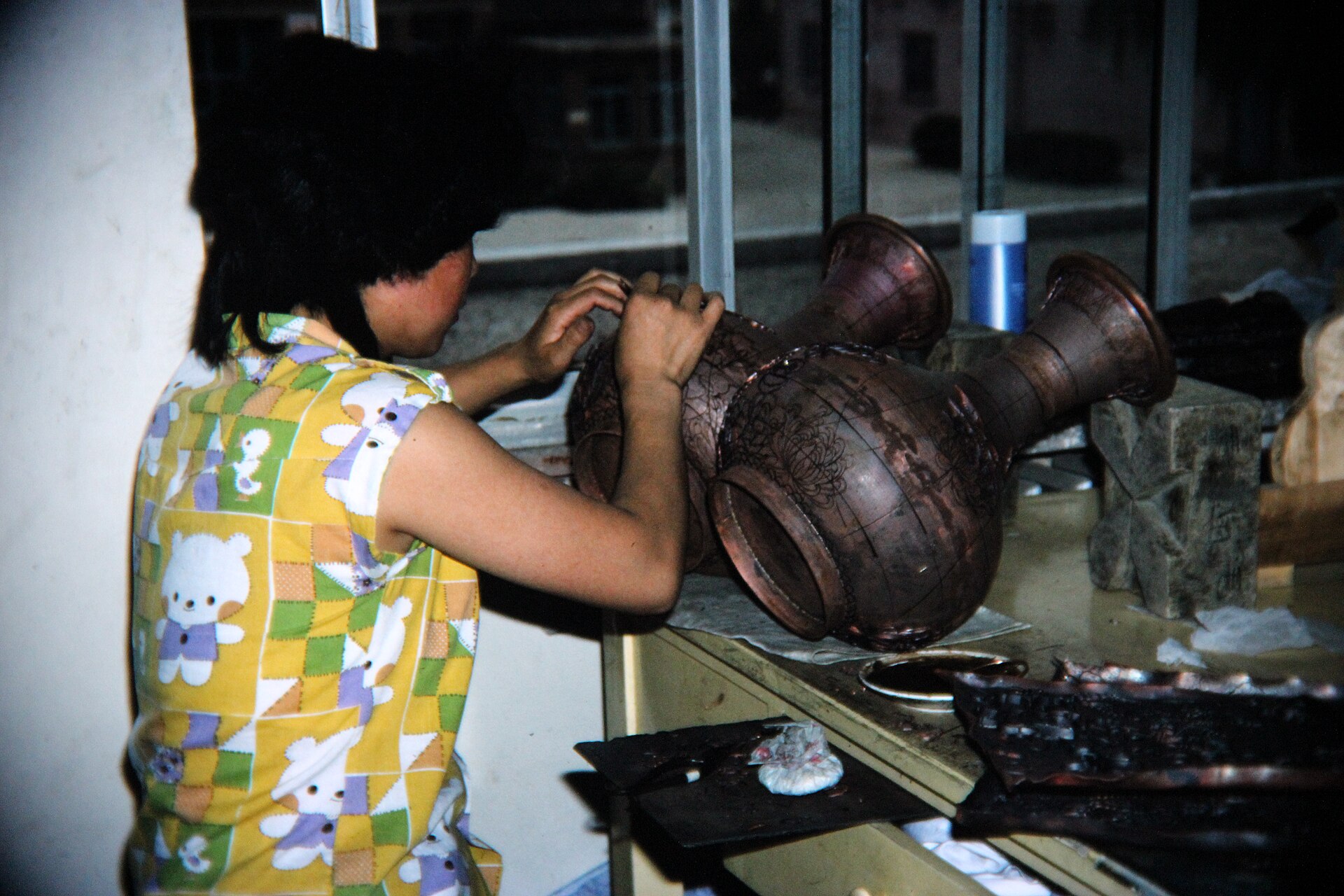 Beijing · DoBeijing Souvenirs Worth the Suitcase Space: Counter Pastries, Jasmine Tea and Folk CraftSkip the vacuum-packed duck. What Beijing people actually give each other is a box of counter pastries, tea chosen by drinking it, and one small piece of folk craft with a maker's name attached — here is how to buy all three like you mean it.Reference ~
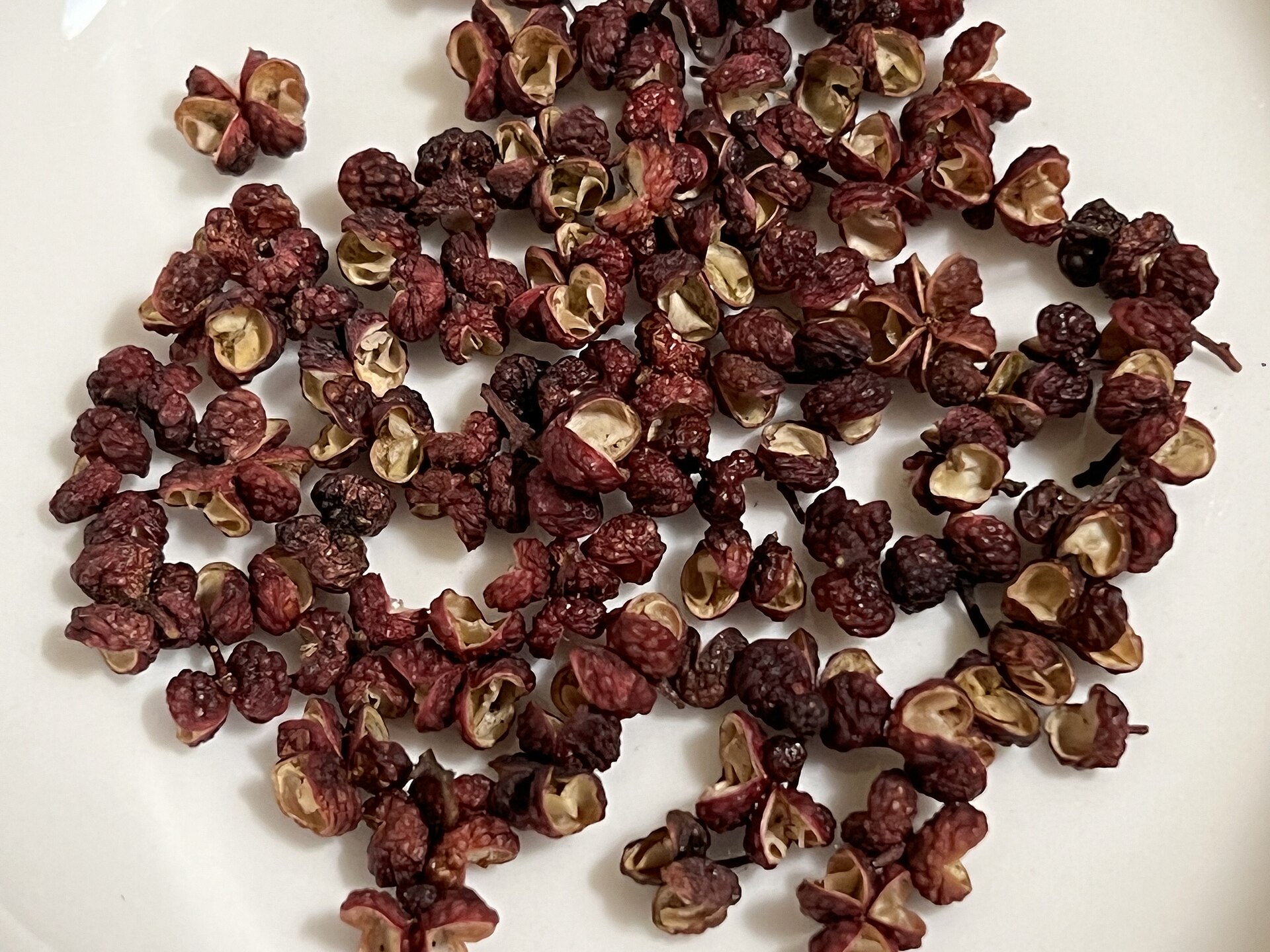 Chengdu · DoChengdu Souvenirs: Doubanjiang for Cooks, Brocade for Keepers, Pandas Done RightChengdu's best gifts are the ingredients a cook will open within the week and the small crafts whose maker you can name — bought where the city shops for itself, not where the tour bus idles.Reference ~
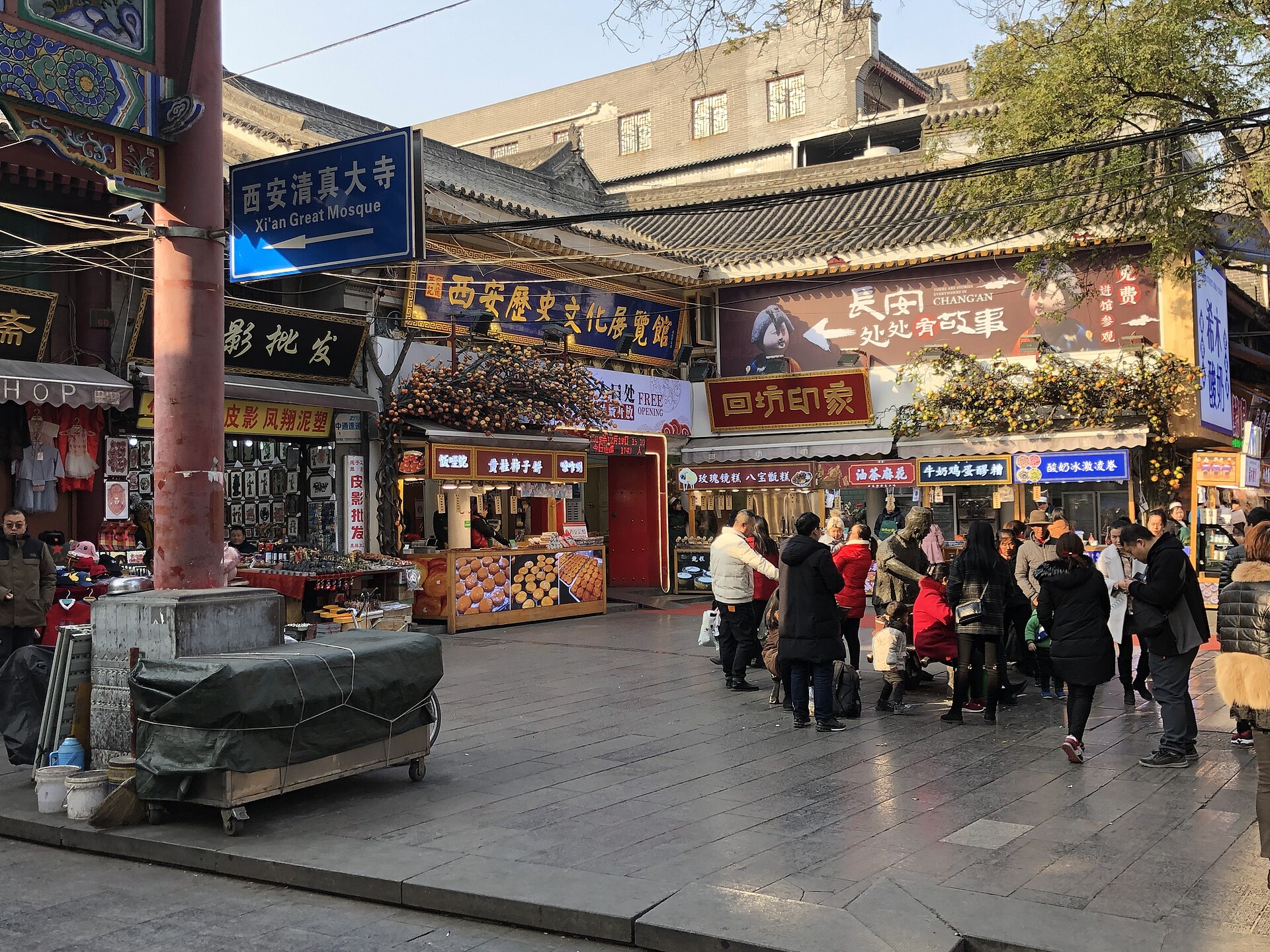 Xi'an · DoXi'an Souvenirs: A Warrior Worth Taking Home, Chilli Oil Worth LabellingSkip the suitcase of identical clay soldiers. Xi'an's real take-homes are Muslim Quarter pantry goods, stone-baked crisps, flat Shaanxi crafts and one replica bought with your eyes open.Reference ~
08 · SOURCES
Sources and status
Prices, schedules and booking channels change. Recheck the details that matter before you travel.
- Dianping — Guilin (local bakery and specialty-shop demand signal)Reference ~Directional local signal for osmanthus bakeries and specialty shops; checked 2026-10-30
- Guangxi Department of Culture and Tourism — official portalReference ~Regional tourism and product context for Guilin and surrounding counties; checked 2026-10-30
- US Customs and Border Protection — bringing agricultural items into the USVerifiedDeclaration requirements for food and agricultural goods; other destinations publish their own rules; checked 2026-10-30