
Shanghai's health authorities recorded 73,200 visits by foreign-passport holders at the city's public hospitals in 2025, against 67,600 in 2024 — a rise of roughly 8.3 percent in visits, with no published split between residents, tourists and people who travelled specifically for care
Checked February 2026GUIDES / HEALTH
Getting Medical Care in China: What the Numbers Show, and How a Hospital Visit Works
The headlines blend residents, holidaymakers and people who flew in for treatment into one story. Here is what the published numbers actually establish, why patients look at China, and the full sequence of a hospital visit — door, booking, language, payment, records — laid out step by step.
City China14 min read9 facts labeledChecked 2026-10-30
01 · IN BRIEF
Four patients walk into the same headline
A long-term resident books a follow-up at the hospital she has used for years. A backpacker with a fever is weighing the clinic near his hostel against a taxi across town. A business traveller adds a full health check to a Shanghai week because the appointment was simply there. And one person has crossed a border on purpose, a written estimate in her inbox, for treatment she priced at home first. Four very different journeys — and in most coverage of foreigners seeking care in China, they are counted, quoted and celebrated as though they were a single phenomenon.
This guide separates them. First it looks at what has genuinely changed — the policy push, the payment platforms, the official activity numbers — and at what those numbers cannot prove. Then it turns practical: the sequence a foreign patient actually moves through, from choosing which door of the hospital to enter, through booking with a passport, the pay-as-you-go cashier rhythm, the four separate places language can fail, and the records you should be holding when you leave. Read the limits section as part of the guide, not an appendix: this is navigation help only. It is not medical advice, and no clinician has reviewed it.

02 · SEE IT
The evidence, and what it cannot establish
- Shanghai public hospitals, 2025 — 73,200 visits by foreign-passport holders, up from 67,600 the year before: a count of visits, not people — one patient can account for several, and the figures never separate residents from holidaymakers or treatment travellers
- Bank of China, October 2026 — a new Guangzhou platform for cross-border medical payments and insurance links, with 19 pilot institutions signed on and more than 10 insurers in cooperation discussions: organisation-building, not a promise about your policy
- Canton Fair, October 2026 — a dedicated exhibition area where overseas buyers could explore international medical services: promotion you can walk through, not a tally of booked treatments
- Nine-department policy, 2026 — a proposal to develop clusters for international medical travel in suitable areas: a direction of policy, not a finished service at every hospital
- Yicai investigation, January 2026 — most international patients its reporters heard about were already based in China for work or life, and travel undertaken purely for treatment was described as still small
- The three doors — an ordinary public-hospital outpatient department, an international medical department, or a private clinic: different pacing, prices and language support over the same medical system
- The one number to memorise before you need it — 120, the ambulance number across mainland China
03 · TRY IT YOURSELF
Work the visit like a checklist
Your ticks stay on this page only. No account or personal data is sent.
04 · THE PROOF
The facts this guide leans on
The US Centers for Disease Control and Prevention frames medical tourism narrowly — travelling internationally in order to receive medical care — which is a smaller population than every foreign passport ever shown at a Chinese hospital desk
Checked October 2026A January 2026 investigation by Yicai reported that, according to the providers and patients it spoke to, a large share of the foreign patients using China's international services were people based in the country for work or life, with travel undertaken purely for treatment still a small flow — useful context for the headlines, not a national census
Checked January 2026In 2026, nine Chinese government departments jointly issued a policy backing the creation of dedicated international medical-travel hubs in selected locations — a stated direction that does not by itself create a bookable service at any given hospital
Checked October 2026Bank of China announced in October 2026 the launch of a Guangzhou-based platform for international medical payments and insurance coordination, reporting 19 pilot medical institutions signed up and cooperation intentions from more than 10 insurers — progress on the plumbing, not direct billing for any individual policy
Checked October 2026The October 2026 Canton Fair set aside part of its floor for international medical services, where overseas buyers could sample and ask about health offerings — a first for the fair and a signal about promotion priorities; it records footfall past an exhibition stand, not treatments booked
Checked October 2026The ambulance number across mainland China is 120, and Beijing's official visitor guidance describes the pre-hospital emergency service reached through it
Checked October 2026United Kingdom government guidance for patients abroad cautions that premium international or VIP tiers may be priced far above standard public care, warns that staff who speak English cannot be assumed at every step, and notes that interpretation help can come with its own fee
Checked October 2026Hainan's regional entry policy names medical care among the permitted purposes for eligible short-stay visitors, under its own conditions — a specific rule for a specific island scheme, not a blanket authorisation for every itinerary
Checked October 202605 · STEP BY STEP
How a visit actually works, step by step
- Step 1 — Name your situation before you search
The right first move depends on which patient you are. A medical emergency runs on one track: speed, the nearest capable hospital, insurer informed as soon as practical. Falling ill during a trip runs on another: find an appropriate service near you and get seen. Planning a trip around care runs on a third, slower track where estimates, timelines and entry rules can all be settled in writing before money moves. Most confusion — and most bad decisions — comes from using the wrong track: comparison-shopping during an emergency, or booking flights before a planned visit has been priced.
- Step 2 — In an emergency, skip the comparison entirely
For anything serious, the ambulance number across mainland China is 120. Go, or be taken, to an appropriate hospital; let your insurer know at the earliest practical moment; and keep your passport with you, because registration runs on it. Do not delay needed care in order to compare routine appointments or prices. Practicalities — which department, what it costs, how records work — can all be handled from inside the system once you are in it, and hospitals deal with foreign-passport emergencies every day in the large cities.
- Step 3 — Choose your door: three ways into the same system
A big Chinese public hospital offers, in effect, three doors. The ordinary outpatient department is the default: enormous, fast, inexpensive by international standards, and run in Chinese — expect crowds, ticket-style queuing and short consultations. The international medical department (the VIP or 'texu' service in many hospitals) offers booked appointments, longer consultations, more English and a calmer corridor, at prices that can be considerably higher. Private international clinics offer the most predictable experience and the narrowest range of services. None of the three is automatically correct; the choice is about your condition, your language confidence and your budget, made before you are standing in a hall.
- Step 4 — Book and register on your passport
Booking channels vary by hospital: its own app or WeChat mini-programme, a telephone line, or an international department desk that handles foreign patients directly. Whichever channel you use, registration is built around your passport, and the name spelling on your hospital record should match it exactly — inconsistencies surface later, at the pharmacy, the cashier and the insurer. Before the visit, confirm four things in writing where you can: that the facility accepts your passport for this service, the appointment time and building, what documents or previous records to bring, and how results and reports will be issued to you afterwards.
- Step 5 — Price it properly before you travel for it
If care is the purpose of the trip, the estimate is the document the trip stands on. Ask for the number broken down line by line, on paper, in RMB: the consultation, each test, medication, any interpretation service, and follow-up. Then pin down the edges — which items sit outside that figure, which findings might expand the plan and its cost, and what arrangement applies if something goes wrong. Then make the honest comparison — not against an advertised price at home, but against what you would actually pay there after your own insurance. A low outpatient bill quoted in a video may describe a different door of the hospital from the one you will be using.
- Step 6 — Lock the language chain, link by link
Language support is not one feature; it is a chain, and it can be strong at one link and absent at the next. A polished English website tells you nothing reliable about the four moments that matter: booking the visit, speaking with your clinician, getting help from an interpreter in the room, and reading the final report. Put the question to the hospital for each of those four, one by one — and ask whether interpreting carries a charge. If you need records in English for a doctor at home or an insurer, request that before the visit, not at the exit desk — it is far easier to arrange in advance than to retrofit.
- Step 7 — Plan the whole timeline, not the appointment
A first appointment is rarely the whole episode. The consultation, the tests, the results, the records request and any follow-up can fall on different days, and results can slip. So before flights get built around a slot, get the hospital to sketch the whole sequence with expected dates, a plan for what a late result does to the schedule, and a channel through which they can reach you once you have flown home. Keep buffer days at the end of the itinerary, and discuss the travel plan itself — fitness to fly, activity limits, review dates — with the clinician treating you, whose call it is.
- Step 8 — Expect to pay as you go, and keep every receipt
Chinese outpatient care generally runs on a pay-at-each-stage rhythm rather than a single bill at the end: registration, then tests, then the pharmacy, each settled as you reach it, by mobile payment, card or cash depending on the facility. Direct billing to your insurer exists only where your insurer confirms it for that hospital and that care — a finance platform or a hospital's list of insurance partners does not settle your claim. Keep every receipt and invoice (fapiao) the system gives you; they are the raw material of any reimbursement claim, and they are much harder to reconstruct later.
- Step 9 — Leave with the paperwork, and a follow-up arranged
Before you exit the process, collect the artefacts of the visit: consultation records, test and imaging reports, prescriptions, and the receipts from Step 8, in the language you arranged in Step 6. US CDC guidance to medical travellers makes the same closing point — set up follow-up care and share your records with the clinicians who will treat you next. Send or carry the records to your own doctor, confirm who coordinates if something needs review after you are home, and make sure you have a working contact channel for the hospital that survives your departure.
06 · WHERE THIS BREAKS
Where the advice stops working
This guide is navigation help, not medical advice
Nothing here recommends a treatment, a procedure or a facility for your condition, and the guide has not been medically reviewed. Whether care is appropriate, safe or worth travelling for is a judgement for you and qualified clinicians who know your history. Do not postpone care you need while arranging anything described here.
A stranger's bargain bill tells you nothing about yours
What a neighbour paid at a standard outpatient desk prices a different product from an international department's or a private clinic's quote — and it excludes your tests, your medication, your interpreter, your follow-up and your flights. Until a hospital hands you a written, itemised figure for your own case, every price you have seen is atmosphere, not information.
Visit counts are not tourist counts
Passport-based hospital statistics count documents at desks, and visits rather than people; they blend residents, business travellers and holidaymakers with the small group who crossed a border for treatment. The available figures show activity and institutional interest. They do not establish the size of a dedicated medical-travel market, and this guide does not pretend otherwise.
A wellness demo is not a treatment plan
Sitting down with a clinician is a different act entirely from watching a demonstration — it opens questions a demo never touches: qualifications, suitability for your body, risks, and how a treatment interacts with medication you already take. A traditional Chinese medicine demonstration, a spa programme or a festival health experience belongs on the cultural side of that line: an introduction, not care. If real treatment is on the table, put it in front of a qualified clinician together with your full history and current prescriptions.
Language is a chain, and chains break at the weakest link
Each stage — booking, consultation, interpretation, the written report — can succeed or fail in English independently of the others. The traveller who verified only the website arrives to find the report is the problem. The four-question check in Step 6 exists because each link has failed somebody.
Policy and platforms are not your coverage
A proposed cluster is not a hospital you can book, and a finance platform's partner list is not your policy wording. The only combination that matters is specific: your insurer, that facility, that treatment, confirmed by the insurer. Anything shorter is an assumption with a plane ticket attached.
Entry permission is a separate question from hospital admission
Visa-free transit schemes carry conditions — onward travel, eligible ports, permitted areas — and Hainan's inclusion of medical care among permitted purposes applies to its own scheme and its own conditions. Neither is a general authorisation. Before any non-refundable money moves, test your exact situation against the rules via the Chinese embassy or consulate that covers you, and confirm the plan with the hospital as well.
07 · KEEP READING
Keep the trip moving
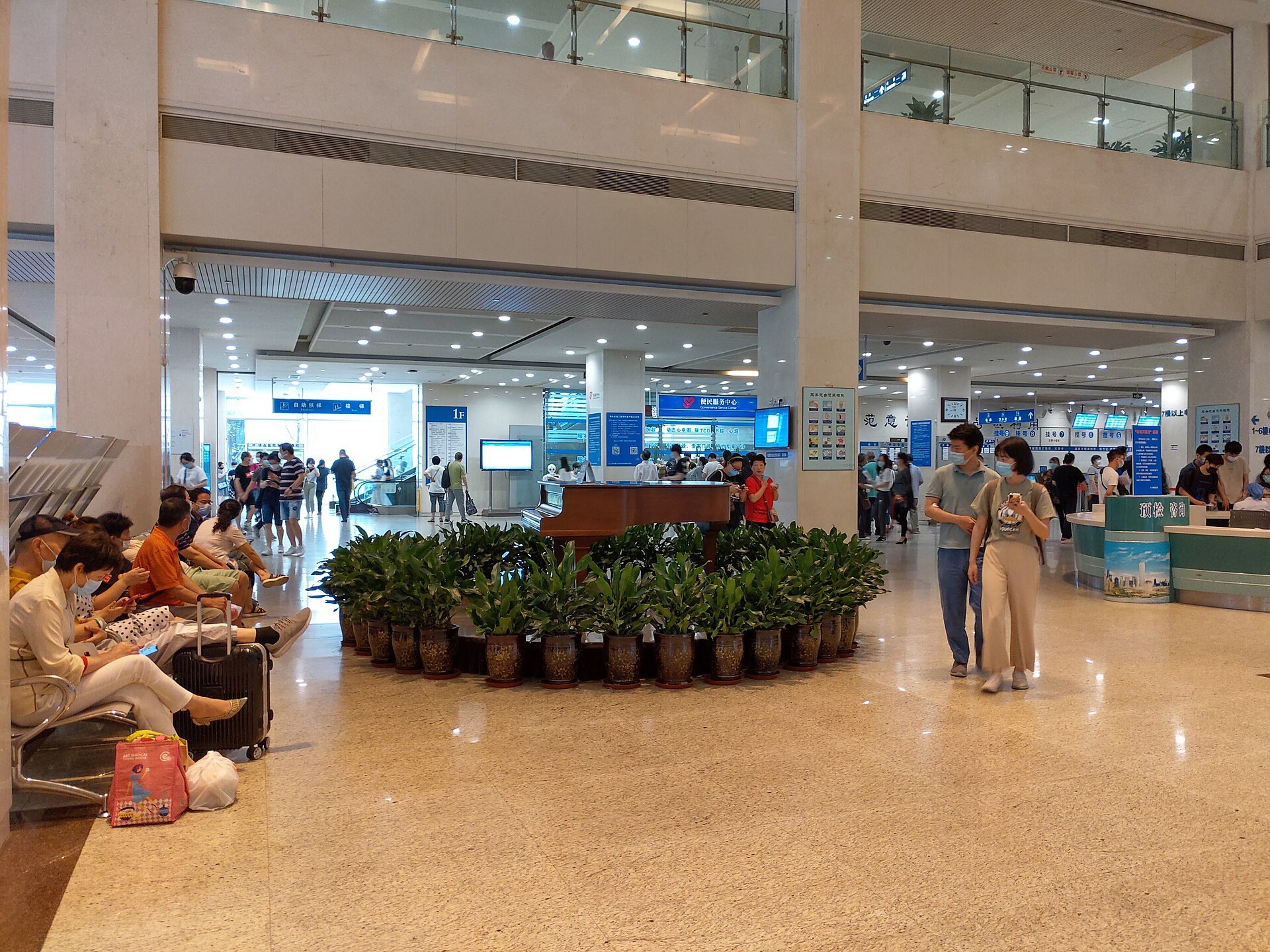 China · DoMedical Care in China for Tourists: A Practical Guide to Seeing a DoctorChinese hospitals run on walk-ins, passports and pay-as-you-go. The medicine is rarely the problem — knowing which door to enter, and in what order to pay, is.Reference ~
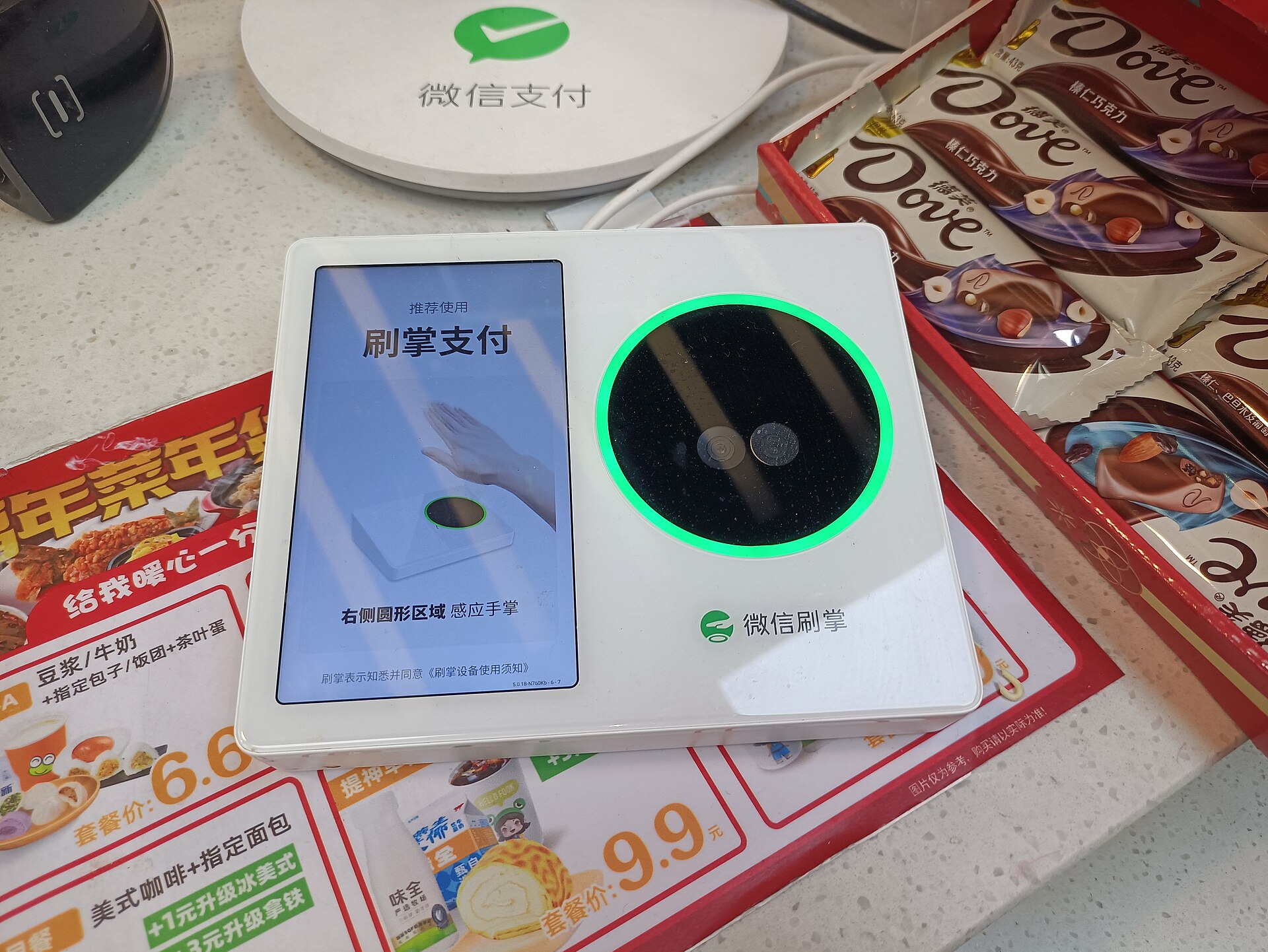 China · PrepareHow to Pay in China (2026): Alipay, WeChat Pay, TenPayGo, Cards and CashSet up one wallet before you fly, add a second as backup, and understand the two numbers that explain most payment confusion.Reference ~
 China · PrepareInternet & eSIM in China (2026): Roaming, Travel eSIM, Local SIM and Wi-Fi ComparedYour phone will work in China. The real question is which internet it connects to — every connectivity choice is a choice between two exits.Reference ~
08 · SOURCES
Sources and status
Prices, schedules and booking channels change. Recheck the details that matter before you travel.
- US Centers for Disease Control and Prevention — Medical TourismVerifiedDefinition of medical tourism and CDC advice on follow-up care and sharing records
- GOV.UK — Health in China (foreign travel advice)VerifiedOfficial UK guidance on healthcare access, language availability and cost differences between service tiers
- National Health Commission of China (English portal)VerifiedNational health authority — policy and system-level information in English
- National Immigration Administration (English portal)VerifiedEntry, transit and visa-free scheme conditions relevant to planning a care trip
- Peking Union Medical College Hospital (English site)VerifiedA major public hospital's English-facing information, including international patient services
- Beijing Municipal Government (English portal)Reference ~Official city guidance for foreign residents and visitors, including the 120 emergency and pre-hospital service