
120 is the nationwide ambulance number in China; in major cities, hotel front desks will also call and give the address for you
Checked October 2026GUIDES / HEALTH & EMERGENCIES
Medical Care in China for Tourists: A Practical Guide to Seeing a Doctor
Chinese hospitals run on walk-ins, passports and pay-as-you-go. The medicine is rarely the problem — knowing which door to enter, and in what order to pay, is.
City China21 min read19 facts labeledChecked 2026-10-29
01 · IN BRIEF
It usually starts at 2 a.m.
A fever that will not break in a Chengdu hotel room. An ankle that folds on a wet step in Zhangjiajie. Almost every long China trip brushes against the healthcare system once — and the first shock is not the medicine, it is the logistics. There is no GP to call, no appointment culture to lean on. There is a very large hospital, a registration window, and a queue that moves faster than you expect once you understand the order of operations.
The short version: for a real emergency, call 120 and go. For everything else, walk into the outpatient department of a large public hospital with your passport, register, pay small amounts step by step as you go, and keep every single receipt. This guide walks that whole sequence — and is honest about where it breaks down.
One framing note before the details. Four very different people get lumped together in talk about foreigners and Chinese hospitals: a resident booking a routine appointment, a holidaymaker who gets sick mid-trip, a visitor who adds a checkup to a Shanghai stay, and a patient who crosses a border with treatment as the main purpose. Their paperwork, insurance position and entry rules are not the same, and headline patient counts rarely separate them. This guide keeps the four apart, because the right move depends on which one you are.
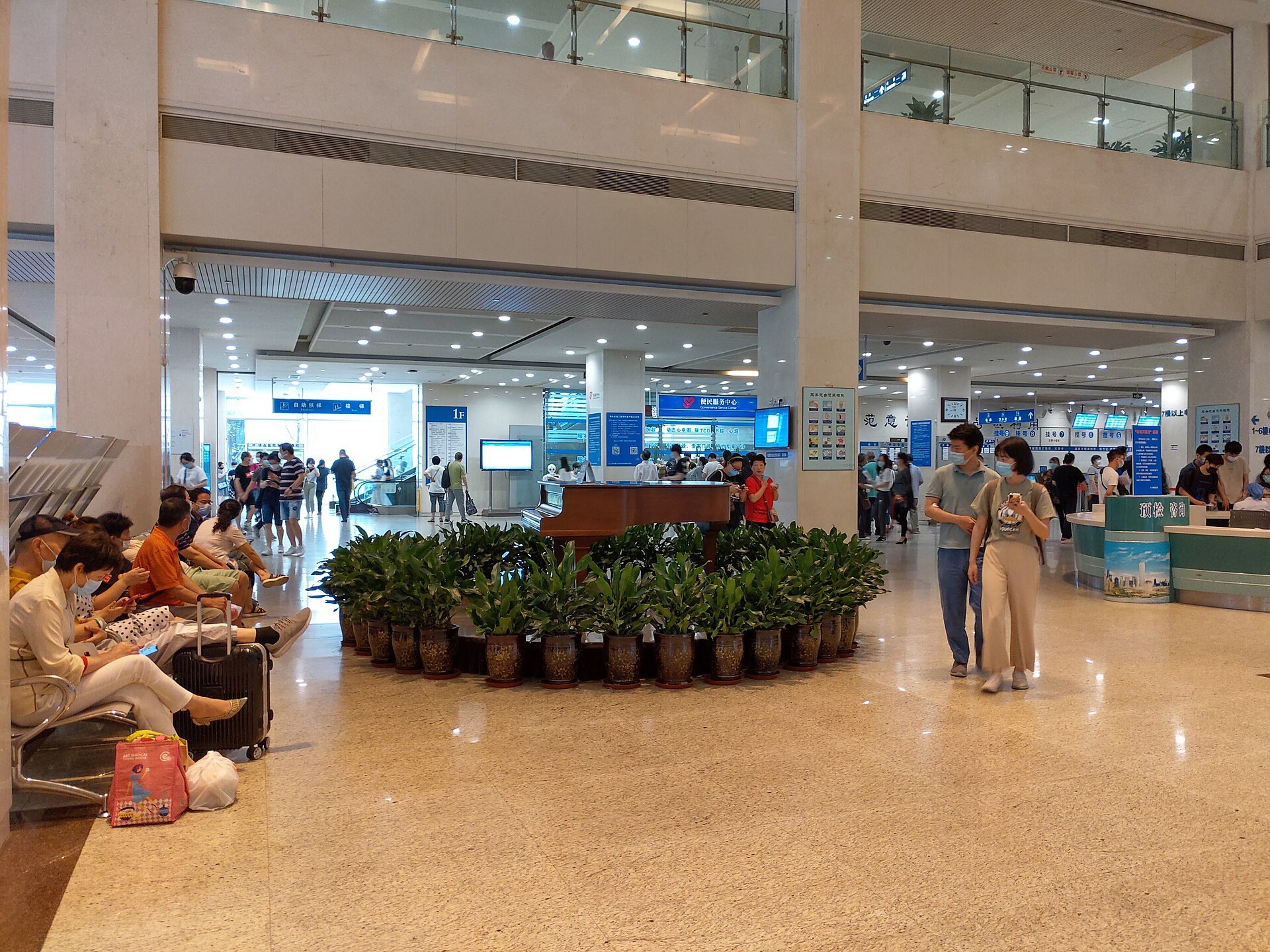
02 · SEE IT
The tables, in one place: visit flow, service paths, budget questions, evidence limits
- FLOW 1 — Decide urgency first: a genuine emergency goes to 120 and an emergency department, not to an outpatient queue
- FLOW 2 — Pick a door: ordinary public outpatient, an in-hospital international or special-service unit, or a private clinic
- FLOW 3 — Register at the first window with your passport; a first visit usually creates a hospital card or app record
- FLOW 4 — See the doctor with a written symptom card; consultations are often short
- FLOW 5 — Tests are paid for before they happen, at a cashier window or inside the hospital app
- FLOW 6 — Carry results back to the same doctor, who closes with a prescription
- FLOW 7 — Pay for the medicine, then collect it at the pharmacy window and check boxes against the prescription
- FLOW 8 — Before leaving, obtain the itemised invoice (fapiao) plus printed records and results
- PATH — Ordinary public-hospital outpatient department | Ask first: Will an ordinary foreign passport register here? Which department, and which campus? Who can help me through steps that only exist in Chinese?
- PATH — International or special-service department inside a hospital | Ask first: Which doctors and service tier are actually on offer? How does its pricing differ from the ordinary outpatient side? Are interpreting and written reports part of the price?
- PATH — Private hospital or clinic | Ask first: Does this site really provide the treatment I need? What does the quote cover? Is my named policy accepted for this exact visit?
- BUDGET — Consultation and registration | Ask: Does the figure include the doctor, the department and the service tier I picked?
- BUDGET — Tests and imaging | Ask: Which are already inside the estimate, and which might the doctor add later and bill on top?
- BUDGET — Medicines and materials | Ask: Are drugs, consumables and any devices part of the number?
- BUDGET — Interpreting and records | Ask: Can an interpreter be supplied, and does that add a fee? Do translated reports or extra copies cost more?
- BUDGET — Further care | Ask: What would one more visit, a complication or an admission add? Is an upfront deposit expected?
- BUDGET — Travel and accommodation | Ask: Can my bookings flex if results or recovery run long? Who pays for extra nights and extra transfers?
- EVIDENCE — Shanghai hospital figures, released 27 Feb 2026 | It counts 73,200 foreign-passport outpatient visits in 2025, up from 67,600 in 2024, a rise near 8.3% | It cannot tell you how many separate people that was, how many were short-stay tourists, or how many entered China mainly for treatment
- EVIDENCE — Bank of China announcement, 15 Oct 2026 | A Guangzhou finance platform for cross-border care, 19 pilot hospitals signed on, more than 10 insurers at cooperation-intention stage | It cannot prove your own policy will settle a bill directly at a given hospital
- EVIDENCE — Canton Fair reporting, 17 Oct 2026 | A new exhibition area presented health services to overseas buyers | It cannot show how many fair visitors later became patients anywhere
03 · TRY IT YOURSELF
Saveable checklist: before the trip, before the appointment, before you fly home
Your ticks stay on this page only. No account or personal data is sent.
04 · THE PROOF
How the system actually works — and what the headlines do not prove
An ambulance can come with a fee attached, so cost questions belong after the emergency call, not before it
Checked 29 October 2026Public hospitals work pay-as-you-go: a small registration fee first, then payment for each test before it is performed, then payment for medicine before it is dispensed — there is no single bill at the end
Checked October 2026Indicative outpatient costs at a public hospital: registration roughly ¥10–50 (senior specialists cost more), a basic blood panel roughly ¥30–100, a CT scan roughly ¥200–500 — city and hospital tier move these numbers a lot
Checked October 2026There is no single dependable price for a doctor visit nationwide: the bill moves with the hospital, the department, the seniority of the clinician, and whatever tests and treatment follow
Checked 29 October 2026Hospitals issue itemised invoices (fapiao) and printed visit records at the cashier or service desk; insurers typically require these, plus the medical record, to process a claim
Checked October 2026Some admissions need a deposit paid upfront, before treatment settles into a routine
Checked October 2026Since Sept 24, 2026, TenPayGo lets short-term visitors ride transit in 79 cities with overseas cards — useful when you need to reach a hospital by metro without a local wallet
Checked October 2026A Shanghai official guide for local hospital visits describes a first visit built on showing a passport at registration and being issued a hospital card — one city's process, not a national promise
Checked 29 October 2026Peking Union Medical College Hospital, through its international service, publishes an appointment line — +86 10 6915 6699, English on option 2 — and lists Dongdan and Xidan campuses plus an English booking route inside its app
Checked October 2026Shanghai's health authorities count 73,200 outpatient attendances in 2025 involving patients carrying foreign passports, against 67,600 in 2024 — about 8.3% growth in visits, with no split by unique people, residents or trip purpose
Checked October 2026In Oct 2026 the Canton Fair added a dedicated zone where overseas buyers could explore and sample health-related services — promotion on display, not a tally of booked treatments
Checked October 2026Bank of China used 15 Oct 2026 to announce a Guangzhou-built platform linking cross-border medical payment with insurance: 19 pilot institutions signed, and more than ten insurers had signalled cooperation intentions
Checked October 2026A joint policy from nine government departments earlier in 2026 proposed building clusters for international medical services in places suited to them — a direction of travel, not a finished service you can book at any hospital
Checked 29 October 2026A Jan 2026 Yicai investigation heard from its sources that many so-called international patients were already living or working in China, and that travel undertaken purely for treatment remained a small flow — reporting, not a national census
Checked October 2026The CDC frames medical tourism narrowly — crossing a border in order to get care — which is a smaller thing than a holidaymaker who happens to need a doctor mid-trip; its general drivers are price, availability, language and cultural familiarity
Checked October 2026Hainan's regional visa-free policy names medical care among the short-term purposes open to eligible passport holders, within its nationality, stay-length and stay-inside-Hainan conditions — a regional rule that does not travel to the mainland
Checked October 2026The 240-hour transit route demands an onward leg to a different country or region than the one you arrived from, and confines you to listed ports and areas; a same-country round trip is not that route, and its activity list alone does not clear a specific planned treatment
Checked October 2026Hainan's Boao Lecheng pilot zone promotes one-stop medical-tourism packages (licensed imported drugs and devices, plus traditional Chinese medicine recovery programmes). The widely shared patient stories come from a single 2026 promoter press release: cases are anecdotal, and prices and outcomes are unverified
Checked 27 October 202605 · STEP BY STEP
Seeing a doctor, step by step
- In an emergency, call first and explain later
Dial 120, give your location, describe what has happened. If language blocks you, hand the phone to hotel staff or a bystander and let them pin the location down. Do not delay the call to line up an interpreter, test an insurance benefit or hunt for a preferred hospital. When it is safe, ring the insurer's emergency line as well, and send a companion with your passport, policy details and a note of medicines you take. Then follow the dispatcher and the treating team.
- Not an emergency, but not ignorable either
Contact a provider and let a clinician guide which department fits and how soon you should be seen. A hotel or insurer can hand you phone numbers and addresses; the medical judgement about timing belongs to clinicians, not to front desks.
- Choose the right door
Emergency (chest pain, serious injury, breathing trouble): 120 or a taxi to the nearest big hospital's emergency department — do not queue for outpatient. Sick but stable: the outpatient department of a large public hospital is the default and the best value. Want English-speaking staff and a familiar process, with insurance that covers it: an international clinic, or the international or special-service department of a major hospital — expect to pay several times more. Treat those labels as descriptions of how the service is organised, not as a promise about clinical quality: specialty strength, language depth, privacy and fees all swing by facility. Hospital crowds are real and English-speaking staff are not a given; premium tiers can cost far above the ordinary side, so if you are offered one you do not want, say so and ask what else exists.
- Before you leave the hotel, interrogate the booking
No two hospitals run an identical intake, so ask the actual facility six things. IDENTITY: Can an ordinary foreign passport book and register, and must the name match the document letter for letter? BOOKING: Is an appointment compulsory, and if the site or mini-program rejects you, is there a phone or walk-in route? PHONE: Does registration, verification or results delivery demand a mainland Chinese number, or can an overseas number work? LOCATION: Which campus, which department, which entrance — and what is the address written in Chinese for a taxi driver? TIMING: How early must I present myself, what happens if I cancel, and how is a slot moved? DOCUMENTS: Should records, a medicine list, insurance papers or a referral come with me? A booking platform that welcomes a foreign permanent-residence card cannot be assumed to welcome a passport — check, do not infer.
- One documented Beijing path, handled with care
Peking Union Medical College Hospital, through its international service, publishes an appointment phone line (+86 10 6915 6699, English on option 2), and Beijing's official listing points to an English appointment route inside the hospital app across its Dongdan and Xidan campuses. Use it as an illustration of how a top hospital organises foreign patients — not as a recommendation, and not as a booking anyone has tested: nobody behind this research has rung that number or finished a booking through it. Before relying on it, have the hospital confirm passport acceptance, the correct campus, the specialty you need, the fee level, interpreter supply and the language your report will arrive in. Nothing published proves every overseas phone number or every policy works there. Take the original passport with you, and treat Beijing's official facilities listing as a starting point to verify against, not a finish line.
- Register with your passport
At the first window, present your passport and say you are registering as a self-paying foreign patient. You will get a visit number, a hospital card or an app-based record. This passport registration is what ties your tests, prescriptions and invoices together — do not skip it and pay cash informally. Guard the card and registration details afterwards; they are the thread every later step pulls on.
- Run the consultation with a symptom card
Consultations are short — often five minutes. Show your screenshot: symptoms, start time, temperatures, allergies, current medication. Point at body diagrams rather than acting things out. If any test or prescription is unclear, ask what it is for before you agree to it — through the doctor or a qualified interpreter, not guesswork. Ask the doctor to type or write the diagnosis and drug names so you can photograph them; a printed prescription doubles as your medical record. Before you stand up, ask how results will reach you, when, and who to call should a finding need action once you have moved on.
- Pay, test, return — in that order
Each test on the doctor's list must be paid first (cashier window or the hospital's in-app payment), then done at the department on your slip. Results come back to a screen, a print kiosk or the app. Take everything back to the same doctor, who closes the loop with a prescription. Extra tests and follow-up checks can mean a second visit on another day — build that possibility into your itinerary instead of treating the first visit as the whole story.
- Collect medicine at the pharmacy window
Pay for the prescription, then hand the stamped slip to the pharmacy window and check the boxes against your photo of the prescription before you leave the counter. Ask how many times a day, and whether with food — have the answer written on your symptom card.
- Put the insurance questions in writing
Never rest on a hospital's logo wall of insurer partners: a partnership does not make your product eligible. Ask your insurer five things, ideally with answers you can save. One: does my cover include this exact condition, this consultation, this test or this planned procedure, and what exclusions or excess apply? Two: is advance authorisation needed, and for urgent care, how and by when must the insurer be told? Three: will this facility and department bill the insurer directly for my policy and this service, or do I pay and claim back? Four: are interpreting, medicines, extra hotel nights, evacuation and follow-up inside the cover, and to what limits? Five: which originals — invoices, itemised bills, clinical notes, payment proofs — will be demanded, and in what language? Treat elective care, routine screening, a condition you already live with, a sudden holiday illness and a trip made for treatment as different animals, because insurers do.
- Test communication at four separate points
Ask the four questions independently, because a yes on one buys you nothing on the others. Four separate tests: booking handled in English; a doctor who can talk through your case in English; an interpreter on offer, and at what price; paperwork produced in English. Bring a tight written summary — conditions, allergies, medicines with generic names and doses, relevant history — and use a qualified professional for the decisions that matter instead of leaning only on machine translation. English-speaking staff are not spread evenly, and language help can carry its own fee. Store the hospital's name in characters, its campus and its street address on your phone for offline use; good connectivity helps you travel, but it does not settle whether that hospital will work with a number from abroad.
- Travelling to China for treatment is its own project
The route that lets you in for sightseeing may not let you in for scheduled treatment — never presume it does. Put your case — nationality, travel document, reason for travel, route in, where you will be treated, how long you need — to the Chinese embassy or consulate that serves you; separately, ask the hospital which supporting papers it can issue, an acceptance letter or similar. Leave lawful room for treatment plus follow-up, and do not pay for non-refundable arrangements before those answers exist. The transit route and the Hainan rule are dealt with in the limits below — both are narrower than they look in headlines. And a caution about the shiny end of the market: a cheap bill paraded in a social clip proves nothing about the quote your own case will get. An ordinary outpatient total and an international-department quote may not even contain the same items. Weigh consultation, tests, medication, interpreting, follow-up and travel together; demand a written, itemised figure in RMB; ask what sits outside it, what could move after examination, and how a complication gets handled and paid for. Compare against what you would personally hand over at home once your own insurance has done its part — not against a pre-insurance sticker price. Likewise, an early first appointment is not a short episode: consultation, testing, results, records and follow-up can land on different days.
- Do the insurance paperwork before you leave the building
Go back to the cashier or service desk and ask for the full itemised invoice (fapiao) and a stamped printout of the visit record and test results. Jot down the RMB amount, when it was quoted, which facility quoted it, precisely what it buys and what it leaves out — your future claim self will thank you. Photograph everything. Insurers reject far more claims for missing itemised invoices than for anything about the treatment itself.
- Plan the follow-up honestly
If the doctor wants a recheck in three days and you fly in two, say so in the room — ask what can be checked at your next destination, what warning signs should send you straight back, and get the advice added to your printed record. For prescriptions, note the generic name: the same drug may be sold under a different brand at your next stop.
- The departure sweep: records, results, contacts
Ask the treating team what paperwork should leave with you, and how anything unfinished will be sent on afterwards. Aim to hold consultation notes, a diagnosis where one is established, prescriptions, results, scans, and any operation or discharge paperwork that applies; ask whether English versions exist and how long translation takes. Keep itemised bills, receipts and insurer correspondence together, and ask how a late result can be retrieved securely from abroad. Confirm who picks up questions or complications at 3 a.m. as well as in office hours, and the move to make should a late result demand urgent action. Once home, hand the records to your usual clinician and agree who reviews anything still pending. Talk about fitness to fly and any activity limits directly — no universal number of rest days fits everyone. If a complication appears during the trip or after you get home, get assessed promptly and tell that clinician where you were treated and what was done; travel and strenuous holiday activity can themselves affect recovery after a procedure.
06 · WHERE THIS BREAKS
Where this guide stops working — plus the questions everyone asks
Emergencies first, paperwork later
Nothing here outranks an emergency: call 120, go to the nearest emergency department, and let the hospital stabilise first. This guide explains a process; it is not medical advice and cannot judge your symptoms.
Pre-existing conditions travel badly
Ongoing treatment, psychiatric medication, insulin regimes and post-surgery care do not transfer neatly: records may not be readable across systems, and some medications are restricted or unavailable in China. Bring a doctor's summary and a full supply from home; do not plan to simply continue treatment on the road.
Language thins out fast outside the biggest cities
International departments and English-speaking doctors are a tier-1-city feature. In smaller cities, your translation app and symptom card carry the whole conversation — and for anything complex, your insurer's assistance line can often interpret by phone.
International clinics solve language, not cost
A private international clinic can charge many times a public hospital for the same tests. If you are paying out of pocket, the public hospital's international department is usually the middle path.
Do not build a trip around medical-tourism marketing
Promotional stories about treatment zones such as Boao Lecheng are single-source marketing at this stage: patient cases are anecdotes and prices are unverified. Anyone travelling specifically for treatment needs written quotes, licensing checks and a second medical opinion — none of which a press release provides.
Deposits and payment walls exist
Hospital admission and some emergency care require an upfront deposit. If your wallet fails at that moment, a physical international card or cash is the fallback — one more reason the payment setup in our payments guide matters.
The counts do not mean what headlines say they mean
A passport-based hospital count records the document shown at a visit, not the reason a person entered the country, and not a headcount of individual people. Read any 'medical tourism boom' number with that gap in mind: activity and institutional enthusiasm are documented; a measured national market of people travelling purely for care is not.
Wellness is not treatment
A traditional Chinese medicine demonstration can be a pleasant cultural introduction. A clinical consultation is a different thing, raising qualifications, suitability, risks and clashes with medicines you already take. If you pursue treatment, disclose your history and medicine list to a qualified clinician — and never postpone care you need now in order to arrange a wellness activity.
Entry permission is narrower than the marketing
Hainan's scheme names care as an allowed purpose only inside its own eligibility, stay and geography limits; the 240-hour transit scheme turns on onward travel to somewhere else and listed areas, and cannot be stretched into a general treatment visa. Rules move, and the final call sits with immigration inspection on the day. Get your own position confirmed twice — with consular staff and with the hospital — before money is committed.
Can a tourist see a doctor in China using a foreign passport?
In the big cities, yes in practice: Shanghai's official guidance for local hospital visits describes registration built around presenting a passport. But intake routes differ hospital by hospital, and a channel built for residence-permit holders may refuse a passport. For anything non-urgent, get the specific facility to confirm passport acceptance and its exact sequence before you go.
Is an English-speaking doctor guaranteed at any hospital?
No. Support changes with the facility, the department and the individual clinician on shift. Ask the four questions separately — booking, consultation, interpreting, written reports — and ask what each layer costs, because some language services are billed extras.
Do I need a visa if the trip is for planned treatment?
It depends on your passport and the rule you enter under. Medical care appears expressly in Hainan's regional visa-free list for eligible travellers; other routes carry other conditions and may not fit planned treatment at all. Put your exact circumstances to the consular staff who serve your country before booking anything.
Can test results reach me after I return home?
Sometimes — it turns on the hospital and the test. Ask when the result will be ready, whether it can be sent securely once you are home, and which named person will read it and talk you through a delayed or abnormal finding. Line up a clinician at home to own the follow-up where that is appropriate.
07 · KEEP READING
Keep the trip moving
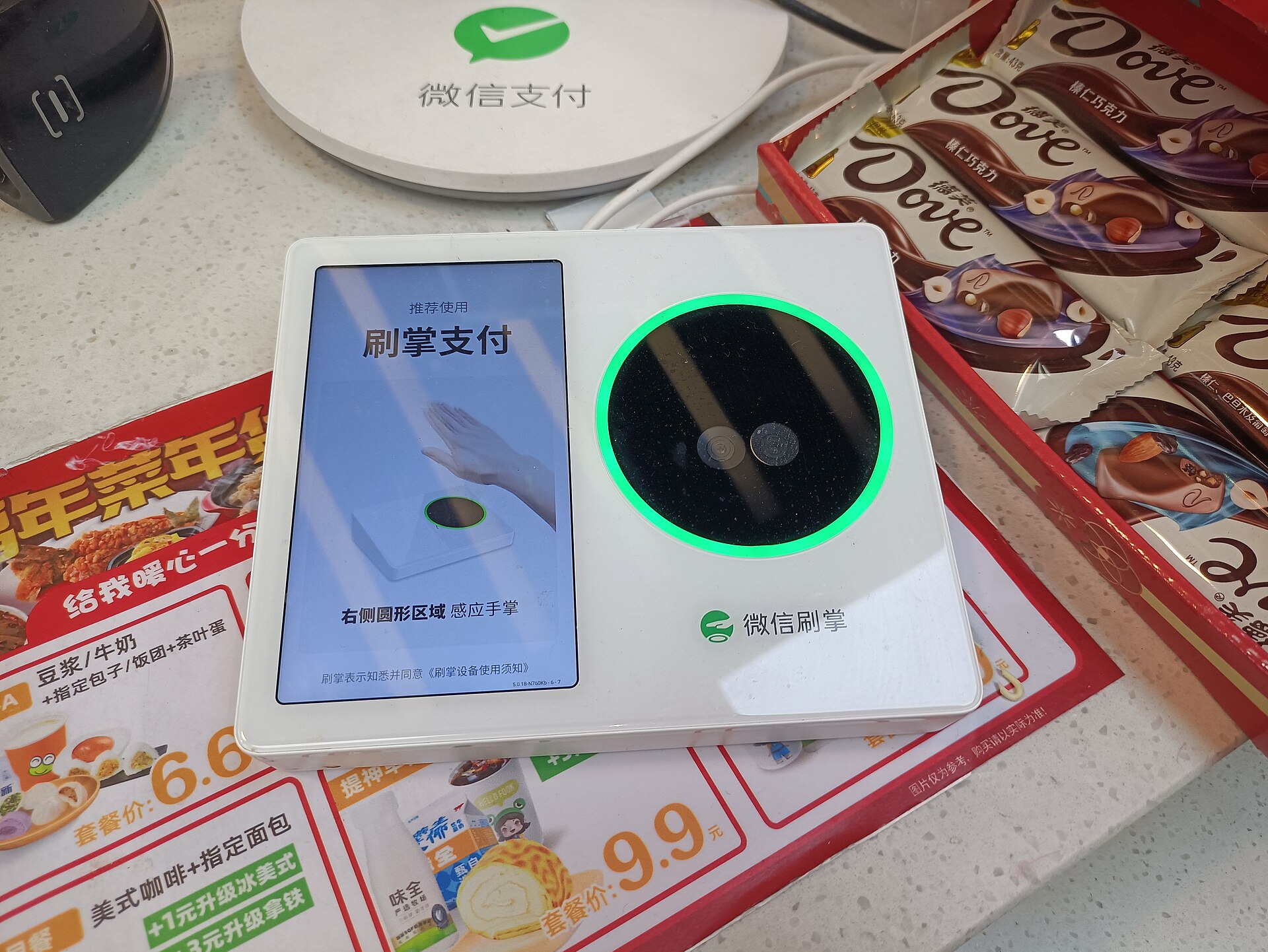 China · PrepareHow to Pay in China (2026): Alipay, WeChat Pay, TenPayGo, Cards and CashSet up one wallet before you fly, add a second as backup, and understand the two numbers that explain most payment confusion.Reference ~
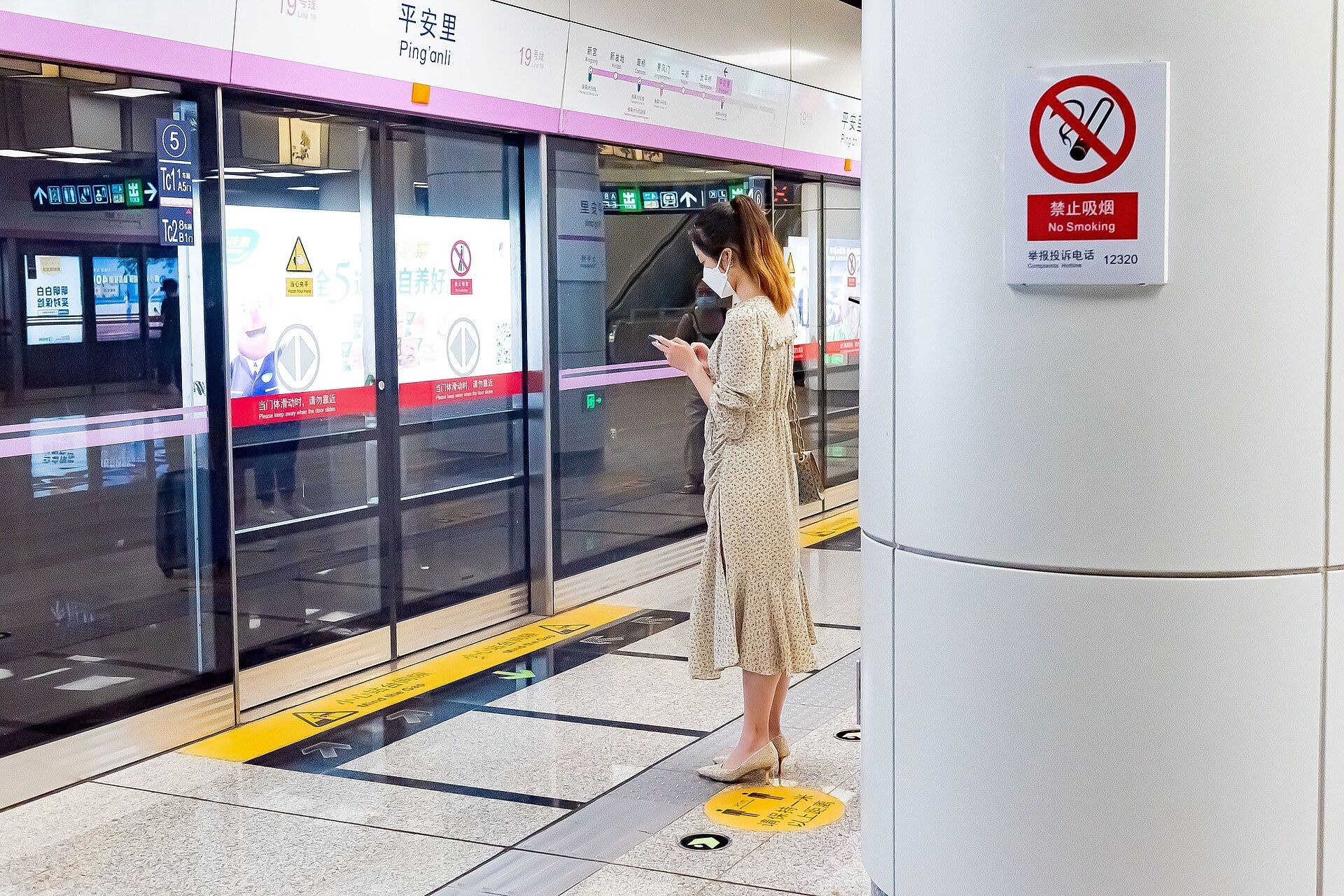 China · PrepareInternet & eSIM in China (2026): Roaming, Travel eSIM, Local SIM and Wi-Fi ComparedYour phone will work in China. The real question is which internet it connects to — every connectivity choice is a choice between two exits.Reference ~
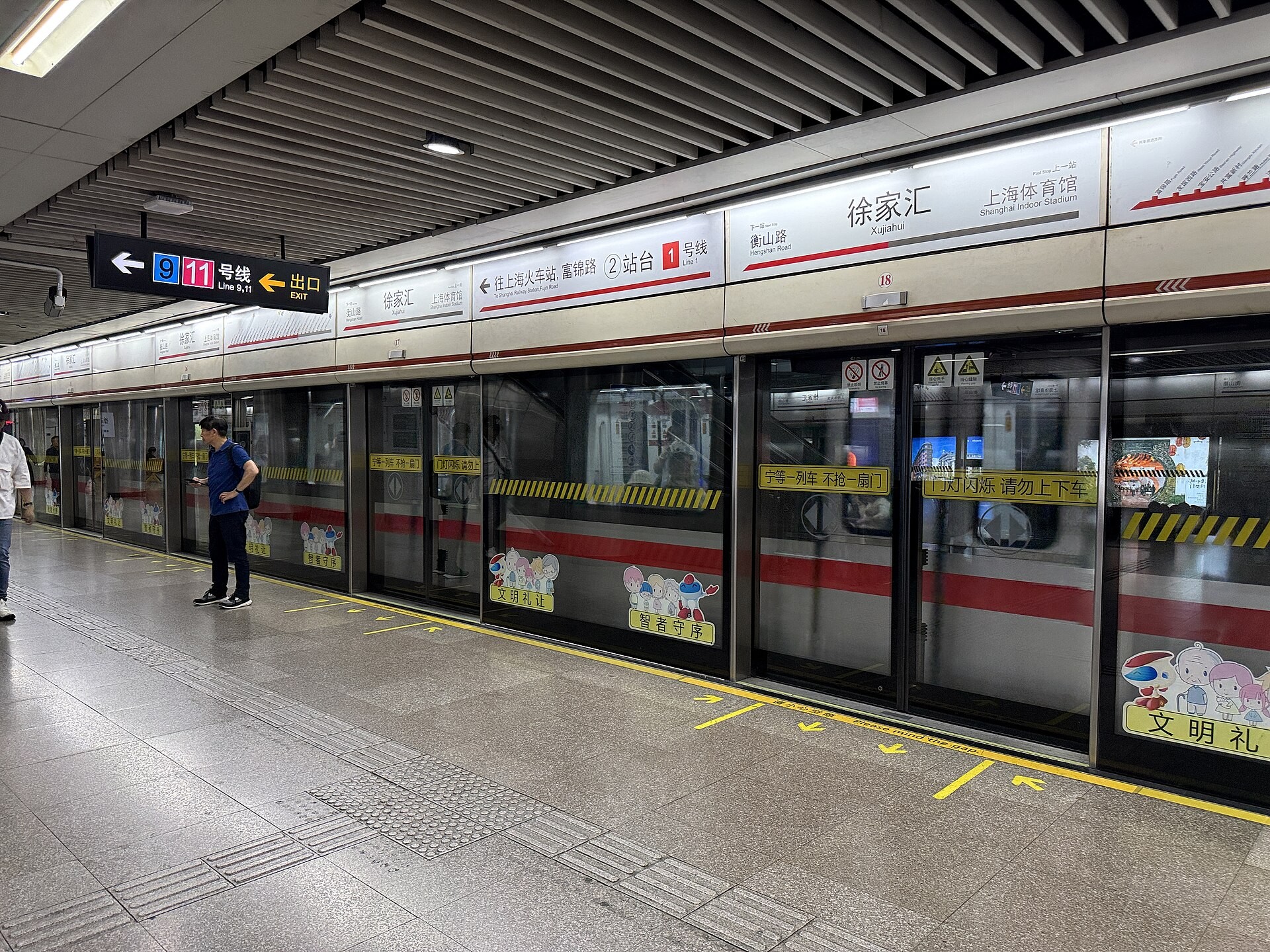 Shanghai · PrepareGetting Around Shanghai: Metro, DiDi, Taxis and Bikes Without the FrictionMetro for the corridors, DiDi for the awkward diagonals, a bike for the last kilometre — and the three small setups that make all of it painless.Reference ~
 China · PrepareHigh-Speed Rail vs Flying in China: The 800-Kilometre RuleBelow about 800 kilometres, the fastest way across China is usually the one that never leaves the ground. Door-to-door maths, train-number decoding, and an honest account of booking with a foreign passport.Reference ~
08 · SOURCES
Sources and status
Prices, schedules and booking channels change. Recheck the details that matter before you travel.