
UNESCO inscribed the craftsmanship of Nanjing Yunjin brocade on its Representative List of the Intangible Cultural Heritage of Humanity in 2009, and describes the tradition as brocade woven on wooden looms — which makes 'woven' the operative word when a shop applies the name to cloth
Checked October 2026GUIDES / SHOPPING
Nanjing Souvenirs: Brocade and Tea, Not Just Duck
A green tea named for polished stones, a brocade your thumb can authenticate, osmanthus sweets timed to departure — and the celebrated duck that should stay a meal.
City Nanjing12 min read8 facts labeledChecked 2026-10-30
01 · IN BRIEF
Two scarves, one word, in Laomendong
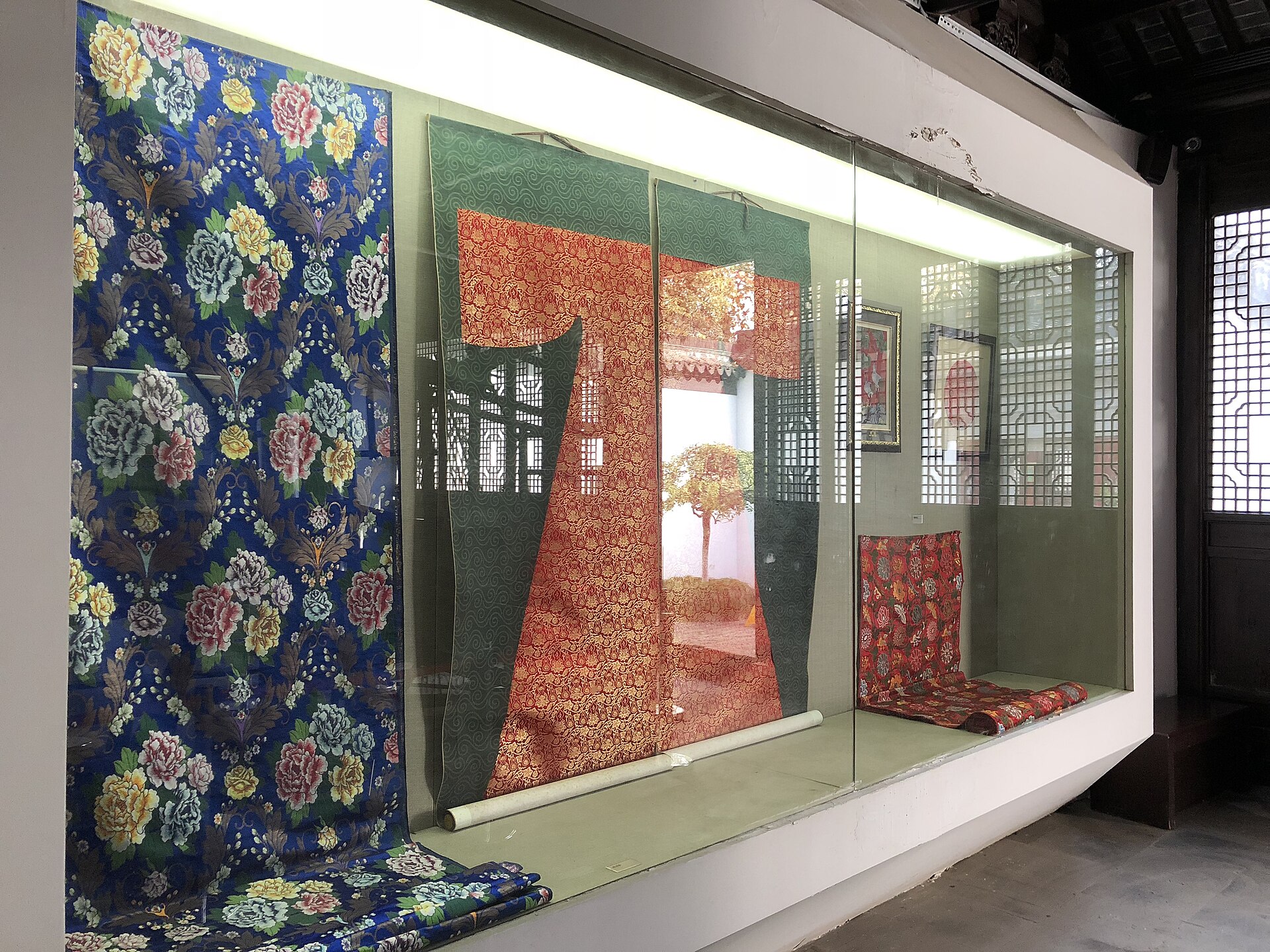
Inside the folk museum the brocade stops you mid-step: peonies in five colours on a ground of deep blue, and the pattern is not sitting on the cloth — it is the cloth, woven thread by thread on a loom two people operate. An hour later, in a lane in Laomendong, a stall sells you the same word, yunjin, on a scarf at a tenth of the price, and the pattern lies flat and printed under your thumb. Both sellers used the name honestly by their own lights. Only one of them was selling brocade.
Nanjing's souvenir problem is that its most famous product is a flavour — salted duck — and its best gifts are quieter: a needle-fine green tea named for a terrace of polished stones, a weave UNESCO lists among humanity's crafts, sweets scented with osmanthus, stones the river already finished polishing. This guide teaches the distinctions that decide what your money buys: woven against printed, fresh against packaged, a meal against a memento. Get those three distinctions right and Nanjing turns into one of the easiest gift cities in the country; get them wrong and you fly home carrying a printed scarf, a tired cake and a duck you cannot land.
02 · SEE IT
The Nanjing shelf, beyond duck
- Yuhua tea (yuhua cha) — the city's needle-shaped green tea, named for Yuhuatai; the light gift, sold in small sealed tins
- Yunjin brocade (nanjing yunjin) — loom-woven silk brocade with patterns built into the cloth itself; UNESCO-listed craft, sold honestly in small pieces
- Osmanthus pastries (guihua gao) and Nanjing sweets — floral, seasonal and best bought close to departure
- Salted duck (yanshui ya) — the headline flavour of the city; a plate at a local table, not a parcel
- Rain flower stones (yuhua shi) — small polished agate pebbles in improbable colours; buy them labelled and priced as souvenirs
- Velvet flowers (ronghua) — silk-velvet blossoms on wire, a Nanjing handcraft that travels flat and light
- Museum and city gifts (wenchuang) — notebooks, prints and objects drawn from collections and riverfront scenes you have just walked through
03 · TRY IT YOURSELF
Do it like a local
Your ticks stay on this page only. No account or personal data is sent.
04 · THE PROOF
The facts this guide leans on
The city's agriculture authorities present Yuhua tea and Yunjin side by side at the head of Nanjing's specialty list, the official version of this guide's argument that the city gives better than its duck-only reputation
Checked October 2026Yuhua tea takes its name from Yuhuatai, the Rain Flower Terrace south of the old city, and is made as a tight, needle-shaped green tea — a small sealed tin is the standard gift form, light enough to carry several
Checked October 2026Rain flower stones are naturally water-polished agate and chalcedony pebbles associated with the gravel beds around Yuhuatai and Liuhe; the genuine article is a pretty stone, and any age or rarity story attached to a market pebble is unverifiable at the point of sale
Checked October 2026Velvet flowers — shapes built from dyed silk fibres over fine wire — are a traditional Nanjing handicraft long made for hair ornaments and festivals, and small contemporary pieces are sold across the old town as wearable souvenirs
Checked October 2026Salted duck is a prepared meat dish: vacuum packing extends its clock but does not alter its customs category, and destination rules — the United States requires declaration of all food items and restricts most meats — decide whether any of it crosses a border
Checked October 2026UNESCO's listing honours the weaving tradition and its master practitioners; it is not a product certification, and it authenticates no individual scarf, pouch or panel in any shop
Checked October 2026Local appetite for the pastry counters is easy to watch on Dianping, where Nanjing reviewers cluster around the old brands of the Qinhuai and Laomendong quarters — a signal for where locals buy, not a ranking to obey
Checked October 202605 · STEP BY STEP
How to buy Nanjing by distinction
- Step 1 — Learn the weave before you shop for it
Give the museum an hour before the shops. In front of real brocade you learn the two things your hands need to know: a woven pattern has structure and slight relief, reads on both faces of the cloth, and shifts in the light; a print sits on one face only. That ten-minute education reprices every 'yunjin' label in the city and converts a confusing market into a legible one. Museum shops then offer the clearly attributed end of the range to compare against.
- Step 2 — Tea: taste two, buy the tin that will be opened
At a tea counter, taste two Yuhua teas side by side rather than drifting toward the grandest tin. You are choosing for a specific drinker: a small everyday pack they will actually open beats a ceremonial set that stays sealed out of respect. Confirm the producer, origin and date on the exact tin, keep the leaves sealed, and carry them away from heat and strong smells for the rest of the trip.
- Step 3 — Textiles: technique, fibre, maker
For any textile carrying the yunjin name, ask three questions: what technique made this — woven, printed or embroidered; what fibre is it; and who made it. Honest sellers answer all three without pausing, and the answers sort the shelf into its real price bands. For a significant piece, get the maker, material and technique in writing. A small woven pouch or panel carries the craft home honestly at a fraction of a robe's price and none of a suitcase's problems.
- Step 4 — Time the pastries to your departure
Osmanthus cakes and the rice-based seasonal sweets are timed purchases: fragrant and soft near the day they are made, tired after a long transfer. Buy them near departure, in portions sized to the gathering that will eat them, and confirm the date and storage note on the version in your hand rather than assuming the sealed bag resets the clock. Eat the first piece the same day, while the osmanthus is still doing its work; that taste, not the box artwork, is the benchmark every later piece will be judged against.
- Step 5 — Make the duck a meal, not a mission
Order the duck where it belongs: at a Nanjing table, in a manageable portion, alongside the rest of the meal. Enjoy the city's signature properly instead of converting it into luggage anxiety. Then make the gift decision separately, from the non-meat shelf — tea, a small woven piece, pastries timed to arrival — where nothing in your bag needs a customs argument.
- Step 6 — Stones and small crafts: buy the object, not the story
For rain flower stones, buy the stone in front of you at a souvenir price and enjoy it as exactly that; decline the biography that comes with expensive ones. For velvet flowers and museum-designed objects, choose the piece connected to something you saw — the exhibition, the riverfront, the lane — and check dimensions, fasteners and packing before paying. A gift you can explain is worth more than a gift with a legend.
- Step 7 — Let the route do the organising
Nanjing's gift geography splits naturally in two. The old southern city — Laomendong's lanes, the Qinhuai riverfront — carries the pastry counters, the velvet-flower stalls and the small design shops, and suits a single wandering afternoon with purchases made as they appear. The brocade decision deserves separate, deliberate time: a museum visit to set your eye, then one specialist conversation rather than five hurried ones. Mixing the two modes is how travellers end up buying an expensive textile at snack speed, or queuing for cake as if it were couture. End the afternoon back at a duck restaurant, eating the city's headline the way it was designed to be eaten.
06 · WHERE THIS BREAKS
Where the advice stops working
Print is not a sin; mislabelling is
A printed scarf can be a perfectly decent scarf: light, cheap, pretty. The failure is only in the description — when print prices itself as weave. Judge the item by technique, fibre and finish, and pay the printed price for the printed thing without resentment.
Ignore guaranteed-storage promises for duck
Sellers of freshly packed duck sometimes promise storage performance no label supports. Shelf life belongs to the specific product's printed directions, and admissibility abroad belongs to your destination's rules; neither can be extended by confidence at a market stall.
Tea names travel further than tea quality
A famous local name on a tin explains a style and an origin claim; it explains nothing about the grade, picking or handling of the leaves sealed inside it. Two tins can share the name and differ in everything that matters to the cup. This is why the tasting step cannot be delegated to branding — compare two actual teas when the counter allows it, and let a modest, fresh, everyday pack outrank a prestigious tin of unknown contents.
Stones do not come with biographies
Rain flower stones attract the full folklore package: great age, lucky properties, one-of-one rarity. The stones are genuinely attractive and genuinely common as souvenirs. Pay for the polish and the colour; treat every additional claim as entertainment included free of charge. The same discipline applies anywhere a famous craft name is doing the selling on the tag.
The UNESCO halo is not a certificate
UNESCO's recognition describes a tradition carried by named masters and workshops. It does not follow the word yunjin into every shop that prints it on a tag, and it certifies nothing you can buy. The craft's prestige is real; its use as a product guarantee is not.
Fragile and oversized pieces fail at the suitcase, not the shop
Prints need tubes, panels need flat packing, and thin porcelain-finish objects need more protection than a holiday bag usually holds. Measure the piece and your luggage in the shop, and let a too-large object stay a photograph — Nanjing gives you plenty of small, flat, honest alternatives.
Where can I buy a textile without interrogating the seller?
The city's museums. A museum shop's attributed brocade-adjacent design or collection-based object comes with its maker and materials stated, which removes the technique question entirely — the premium buys certainty, and for a first purchase that can be the right trade.
07 · KEEP READING
Keep the trip moving
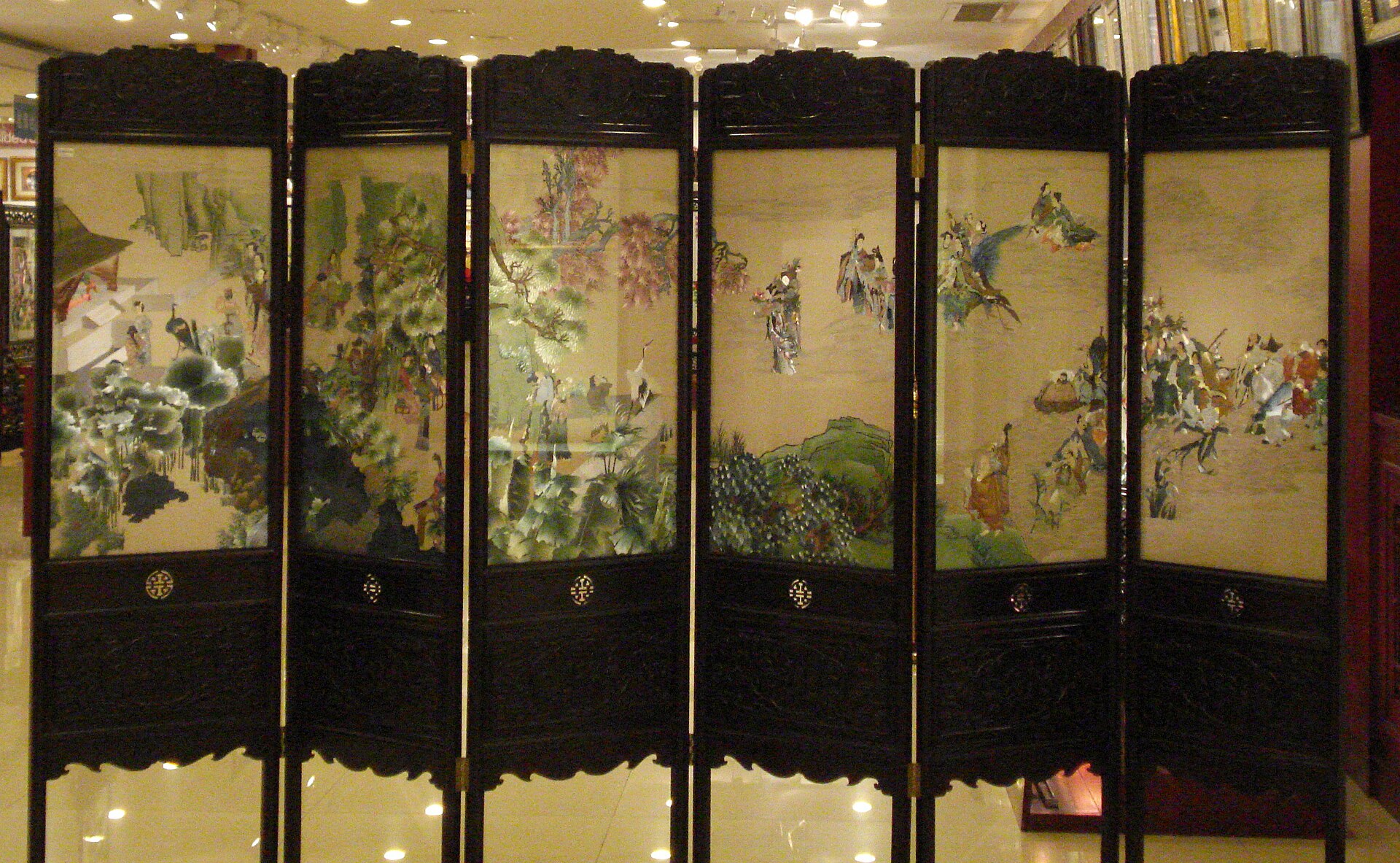 Suzhou · DoSuzhou Souvenirs: Biluochun, Honest Silk and a Fan You Will Actually CarrySuzhou's classics are the easiest in China to fake and the easiest to buy well: tea with a named hillside, embroidery you inspect from the back, sweets from a counter the city itself uses.Reference ~
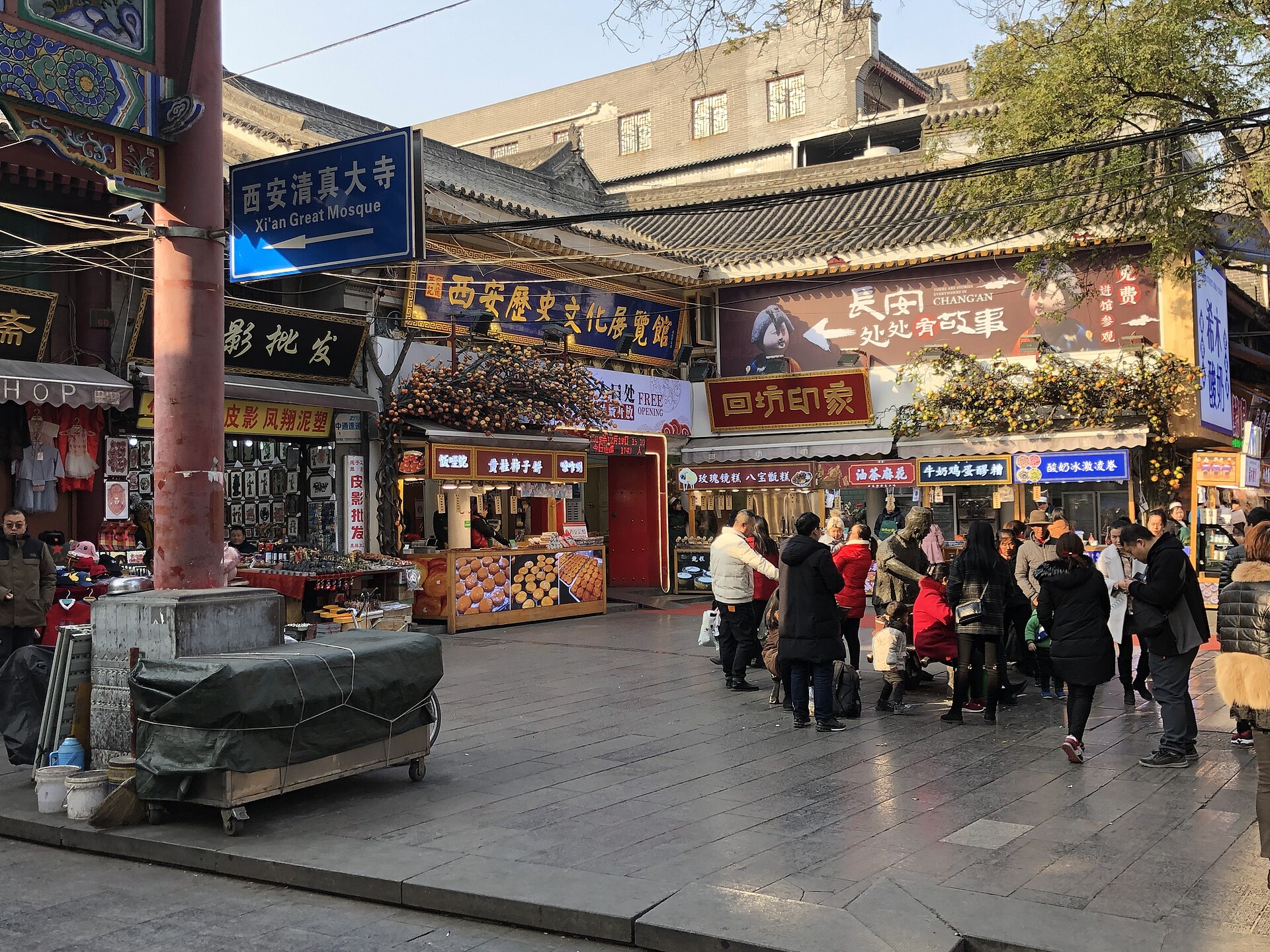 Xi'an · DoXi'an Souvenirs: A Warrior Worth Taking Home, Chilli Oil Worth LabellingSkip the suitcase of identical clay soldiers. Xi'an's real take-homes are Muslim Quarter pantry goods, stone-baked crisps, flat Shaanxi crafts and one replica bought with your eyes open.Reference ~
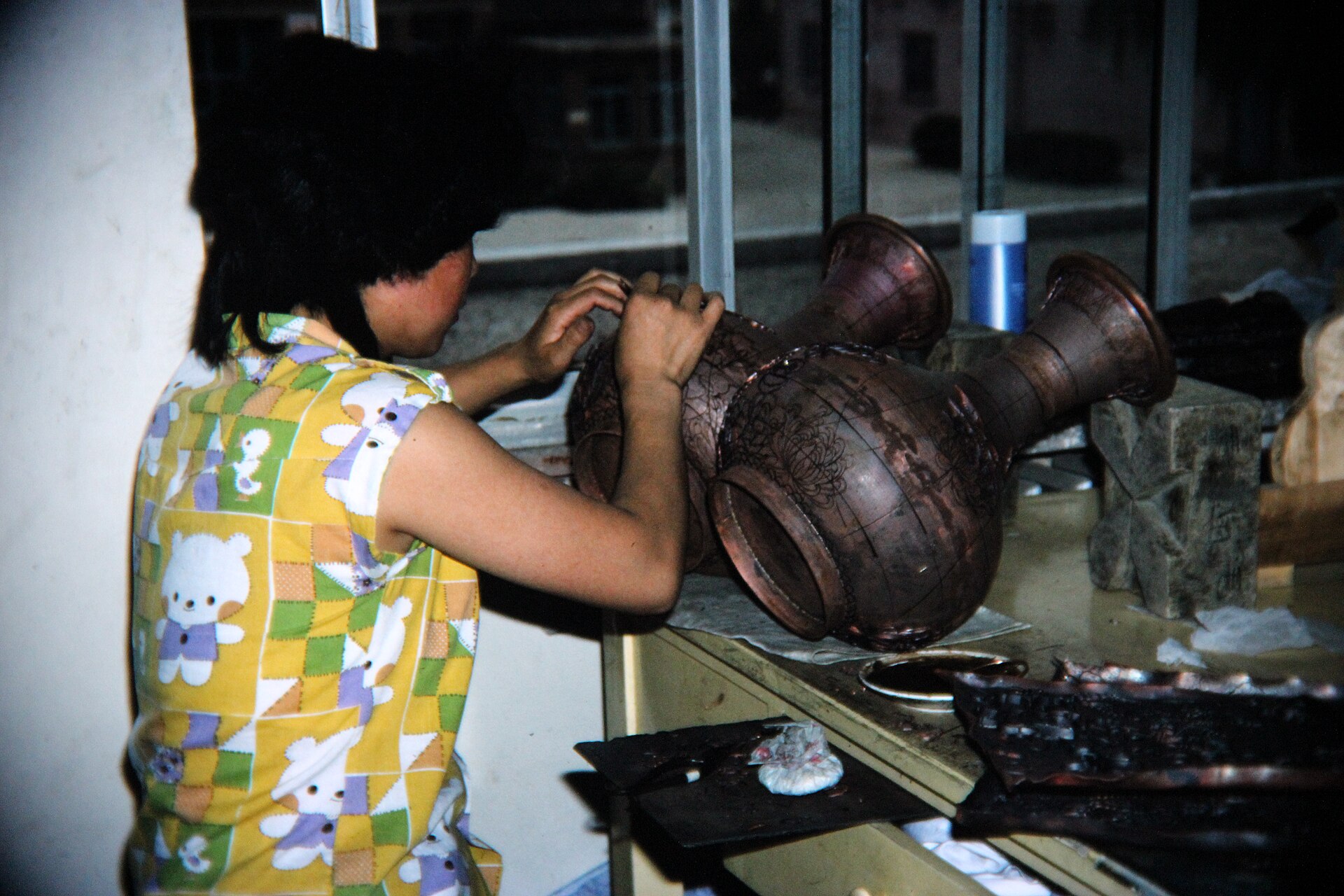 Beijing · DoBeijing Souvenirs Worth the Suitcase Space: Counter Pastries, Jasmine Tea and Folk CraftSkip the vacuum-packed duck. What Beijing people actually give each other is a box of counter pastries, tea chosen by drinking it, and one small piece of folk craft with a maker's name attached — here is how to buy all three like you mean it.Reference ~
08 · SOURCES
Sources and status
Prices, schedules and booking channels change. Recheck the details that matter before you travel.
- UNESCO Intangible Cultural Heritage — Craftsmanship of Nanjing Yunjin brocadeVerifiedCraft description, loom technique and 2009 inscription as published (checked October 2026)
- Nanjing Municipal People's Government portalReference ~City portal for official Nanjing specialty and museum references (checked October 2026)
- Dianping (Nanjing pastry and shop reviews — local demand signal)Reference ~Local-signal patterns as described; no rankings reproduced or relied on
- US Customs and Border Protection — Prohibited and Restricted ItemsVerifiedFood declaration and meat-restriction rules as published (checked October 2026); other destinations run their own regimes