
Planning money for Shanghai eating falls into broad bands: snack and noodle stops run to tens of yuan per person, solid neighbourhood restaurants land roughly between ¥100 and ¥250 a head, premium Chinese rooms start around ¥300, and formal tasting menus frequently pass ¥500 per person
Checked October 2026GUIDES / FOOD
Shanghai Chinese Restaurants: Choose by Cuisine Family, Not by Fame
Shanghai is the one city where a visitor can eat Benbang, Cantonese, Sichuan, Ningbo, Huaiyang and vegetarian Chinese cooking at full strength in a single trip. This guide sorts the families, tells you what to order in each, and builds a three-day plan that uses the range.
City Shanghai12 min read8 facts labeledChecked 2026-10-30
01 · IN BRIEF
The steamer lands, and the plan changes
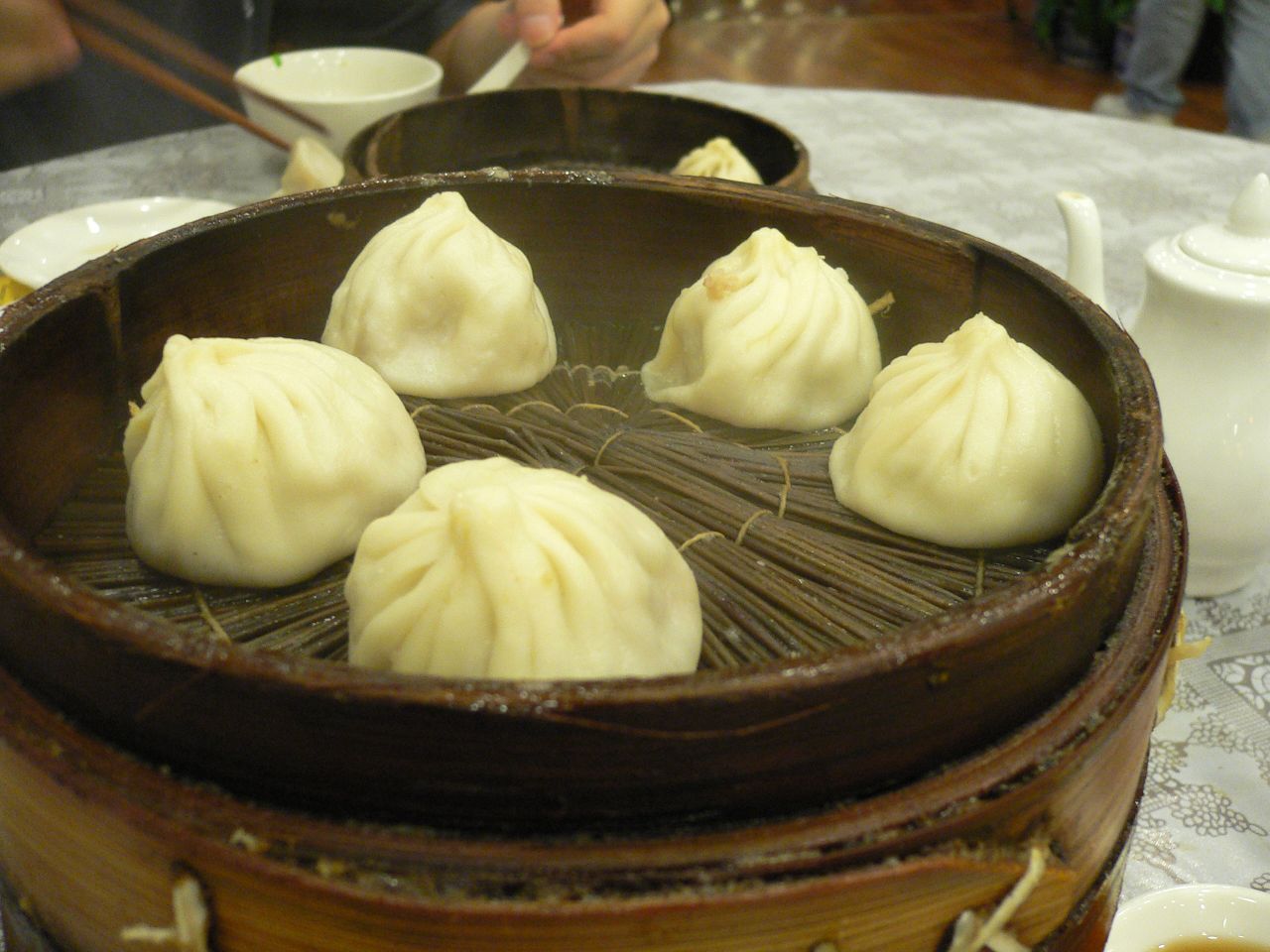
The bamboo steamer opens at the table and the first xiaolongbao teaches you the Shanghai rules in one bite: the wrapper is thinner than it looks, the soup inside is hotter than you expect, and the correct sequence — lift, bite a small window, drink the soup, then eat — is being performed at every surrounding table without discussion. A woman at the next table is already on her second steamer. Your travelling companion, who landed six hours ago convinced that 'Chinese food' was a single thing, is now asking what else this city does. By the end of the meal the answer has a shape: at least nine things, at full strength, within a few metro stops.
That range is Shanghai's real restaurant story. The city is not a one-cuisine town with imports; it is a meeting point where its own Benbang cooking sits alongside Cantonese, Sichuan, Ningbo, Huaiyang and other regional kitchens that have served local diners long enough to be judged by local standards. This guide works through the families one by one — what defines each, what to order first, who at the table it suits — and finishes with a three-day plan that samples the range without turning the trip into restaurant logistics.
02 · SEE IT
Three days of eating, in running order
- Day 1, evening — A Benbang dinner to start: the city's own cooking before anyone else's
- Day 2, late morning — The dumpling stop: xiaolongbao and shengjianbao while the day is still young
- Day 2, evening — One regional dinner chosen by the table's mood: Cantonese calm or Sichuan fire
- Day 3, lunch — Something lighter: a noodle shop, or the vegetarian room if the trip has run rich
- Day 3, evening — The occasion slot: a premium Chinese room, or hairy crab if the season and budget agree
- First-order card — Shanghainese (Benbang): order red braised pork and smoked fish. Heat strategy: gentle; sweetness is the seasoning to calibrate
- First-order card — Cantonese: order roast meats and a steamed fish. Heat strategy: none — this is the mixed-table peacemaker
- First-order card — Sichuan: order mapo tofu and mouth-watering chicken. Heat strategy: schedule it away from travel days
- First-order card — Ningbo and Zhejiang: order the seafood and something in rice wine. Heat strategy: none, but bones and shells need confidence
- First-order card — Huaiyang and Jiangnan: order for knife work and soups. Heat strategy: the quietest premium at the table
03 · TRY IT YOURSELF
Eat across the families
Your ticks stay on this page only. No account or personal data is sent.
04 · THE PROOF
The facts this guide leans on
Fu He Hui, at 1037 Yuyuan Road in Changning district, serves a creative vegetarian tasting menu built on seasonal vegetables and soups, and is carried on Asia's 50 Best Restaurants list for the city
Checked October 2026Lei Garden's Xuhui branch, inside the iapm mall at 999 Middle Huaihai Road, appears in the MICHELIN Guide, noted for roast meats, dim sum, soups simmered for hours and claypot rice topped with cured meats; the guide's listing advises pre-ordering certain dishes
Checked October 2026The MICHELIN Guide's Shanghai selection files Lao Zheng Xing, an old-brand Benbang house in Huangpu district, under Shanghainese cooking — a useful anchor for a first classic local meal
Checked October 2026Public 2026 lists name Tai'an Table as Shanghai's three-star standard-bearer for a destination tasting dinner — verify its current branch and terms on the MICHELIN Guide before booking
Checked October 2026The two dumpling headliners are built differently: xiaolongbao are steamed, thin-skinned and filled with soup, while shengjianbao are buns fried in a shallow pan until their bases crisp, with the same scalding soup sealed inside
Checked October 2026Hairy crab is an autumn obsession across Shanghai and the wider Jiangnan region; dedicated crab meals are slow, hands-on and priced as a seasonal luxury rather than an everyday dinner
Checked October 2026The MICHELIN Guide's Shanghai selection ranges across Benbang and Cantonese kitchens alongside Taizhou, Ningbo, Sichuan and Huaiyang cooking, plus vegetarian rooms, dim sum specialists and contemporary Chinese dining rooms — official confirmation that the city's depth is regional, not just local
Checked October 202605 · STEP BY STEP
How to eat it, family by family
- Step 1 — Start with Benbang, the home cooking
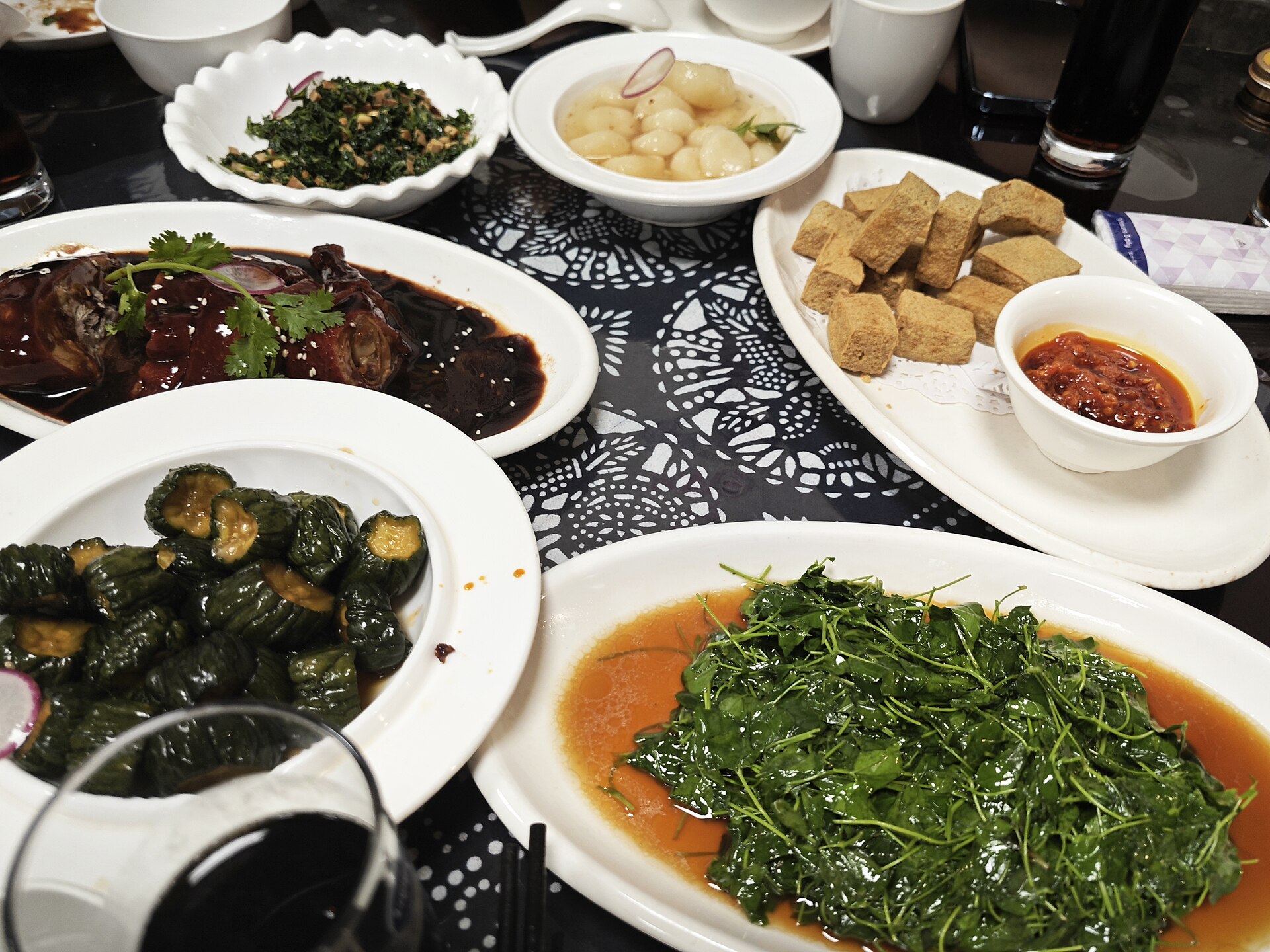
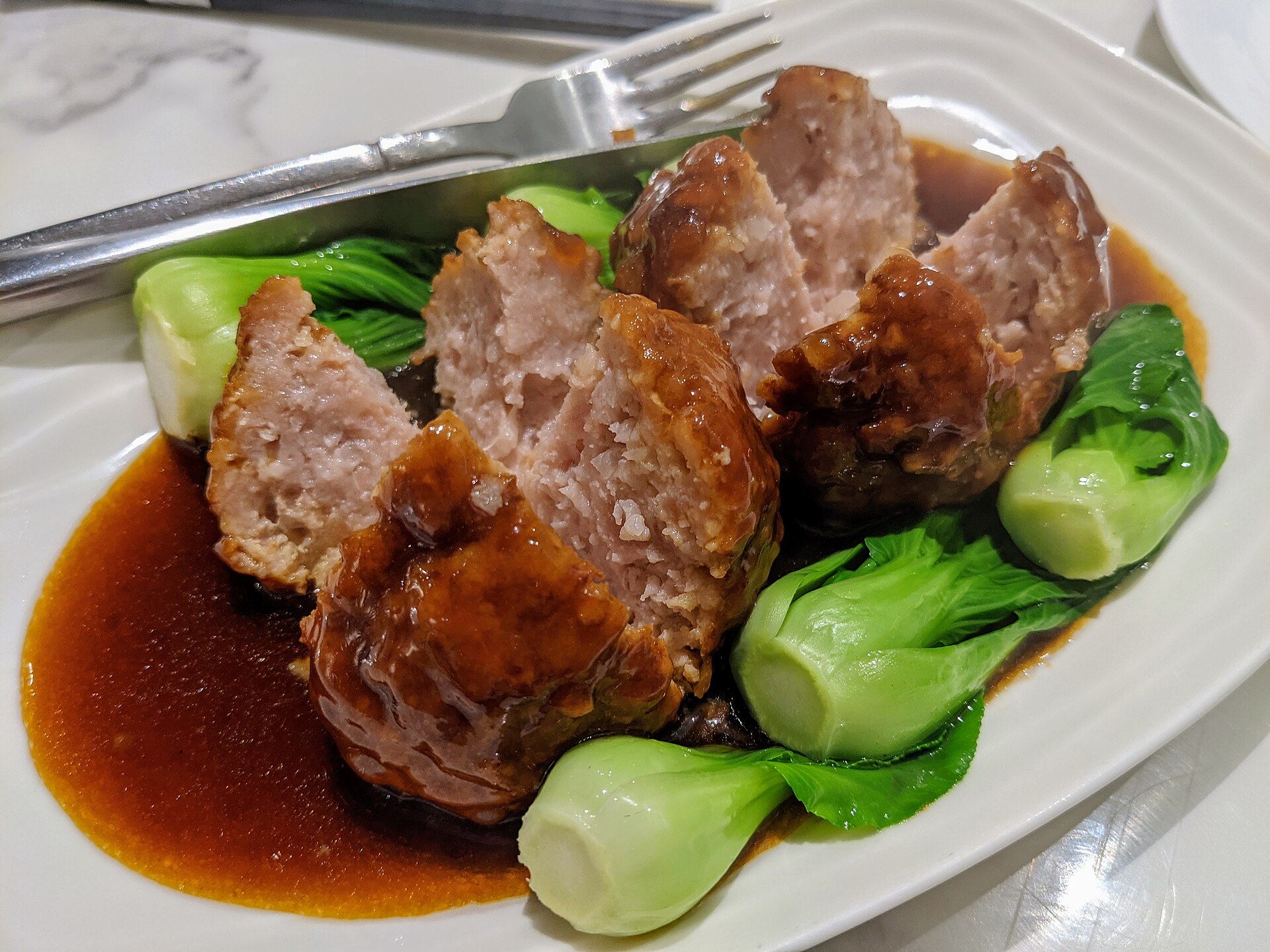
Begin where you are. Benbang, Shanghai's own kitchen, builds flavour from soy sauce, rice wine and a measured sweetness, favouring braises and cold starters over fireworks. Order the canon: red braised pork glossy enough to see yourself in, smoked fish with its sweet-savoury crust, drunken chicken, river shrimp flash-cooked in oil, and a seasonal bamboo shoot soup to reset between the rich plates. Newcomers sometimes read the sweetness as simplicity; it is calibration, and the old-brand houses like Lao Zheng Xing have been calibrating for generations. This meal also teaches the table mechanics — shared dishes, unhurried pacing, tea doing quiet work — that every later Chinese dinner in the city will reuse.
- Step 2 — Do the dumpling stop properly, once
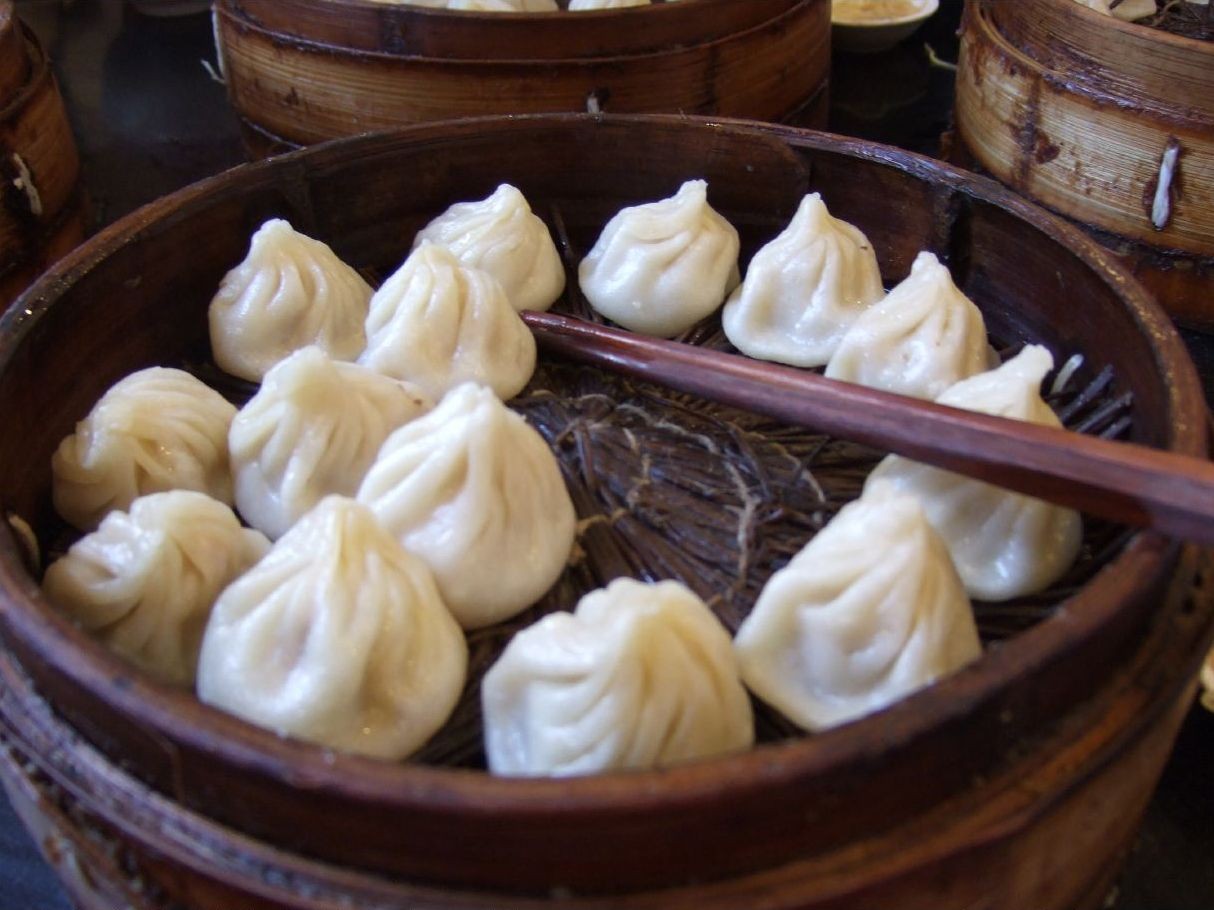
Dumplings deserve one focused stop, not a day-long pilgrimage. Xiaolongbao first: lift the dumpling by its topknot so the skin does not tear, rest it on the spoon, bite a small opening, drink the soup, add a shred of ginger and a drop of black vinegar, then finish it. Start with pork; crab roe versions are richer, pricier and better appreciated once the technique is automatic. Then shengjianbao, eaten straight from the pan's aftermath while the base still crackles — sesame and scallion on top, soup inside, burn risk real. Local chains such as Xiao Yang Sheng Jian exist precisely because this is everyday food. One warning that saves trips: two dumpling stops in a day crowd out the dinners that matter more. Prices stay in everyday territory at this level of the market, which is precisely why the dumpling stop teaches more about how Shanghai eats than a second banquet would.
- Step 3 — Use Cantonese for the mixed table
Cantonese is the diplomat of Shanghai dining — the choice when the group spans grandparents, cautious eaters and one person who has had enough chilli for the week. The strengths are clarity and timing: roast meats with lacquered skin, fish steamed to the minute, soups boiled down for hours until they run clear, claypot rice wearing a crust of cured sausage, and dim sum that must be eaten the moment it lands because steam waits for no speech. Hotel and mall branches such as Lei Garden's iapm house run this programme with business-dinner polish and private-room options. Book the exact branch, pre-order the dishes the listing suggests, and let this be the meal where nobody has to be brave.
- Step 4 — Give Sichuan one night, on the right night
Shanghai's Sichuan restaurants are not a compromise version of Chengdu; the city supports serious heat for a population that demands it. Order the architecture: mapo tofu with its slow-building numbness, mouth-watering chicken in chilli oil, fish poached in a slick of dried chillies, dry-fried green beans, a small bowl of dan dan noodles to finish. The local social feeds also point to a tier of rice-friendly spicy houses — the kind of place where fish-fragrant pork or stir-fried beef disappears over bowls of white rice — which is how Shanghai office workers actually consume this food. Two rules govern the night: never schedule it before an early departure, and never let it be the trip's only Chinese dinner. It is a movement, not the symphony.
- Step 5 — Go coastal with Ningbo and Zhejiang, refined with Huaiyang
The Jiangnan water world supplies two more registers. Ningbo and wider Zhejiang cooking brings the sea and the lake with it: seafood dressed with rice-wine flavours, crab when the season turns, shellfish and fish served with their architecture intact. Order with a little guidance if bones and shells slow your table down — a good server will steer you to the shareable plates. Huaiyang cooking, from the same broad region, is the technician's cuisine: knife work you can see, soups of unusual clarity, river ingredients handled gently. It suits couples, older travellers and anyone whose premium dinner should be calm rather than loud. Together these two families explain why Shanghai diners rarely feel the need to leave the region to eat brilliantly. Both kitchens also reward the diner who orders one dish purely on the server's recommendation — regional menus carry seasonal plates that never make it into anyone's guide, and this is where they surface.
- Step 6 — Treat vegetarian as a feature, not a fallback
Shanghai may be the easiest city in China for a genuinely premium vegetarian dinner, and its reference point is Fu He Hui — a quiet, design-led tasting room in the old French Concession quarter serving seasonal vegetables and soups at full fine-dining seriousness, and a fixture of international best-of lists. Reserve far in advance, directly with the restaurant; turning up hopefully is not a strategy. Even for committed carnivores, this meal earns its slot as the trip's palate reset, scheduled after the Benbang richness and before the Sichuan fire. Temple-inspired and modern vegetarian kitchens elsewhere in the city extend the same idea at gentler prices.
- Step 7 — Let noodles keep the itinerary flexible
Not every significant Shanghai meal needs a reservation, a deposit or a plan. The noodle shops are the city's connective tissue: scallion oil noodles — spring onions fried slowly into the oil until the whole bowl smells of them — soup noodles with seasonal toppings, and counters near Jing'an such as the locally loved Ren He Guan style of neighbourhood dining, where crab roe rice or squirrel fish can turn a citywalk lunch into an event. Build one casual stop into each day and the itinerary breathes: a delayed museum visit or a slow morning stops being a scheduling failure, because lunch was never a production to begin with. The same logic rescues arrival day, when nobody should be performing fine dining on aeroplane sleep: a noodle counter near the hotel, eaten at local speed, is the correct first chapter of the trip.
- Step 8 — Spend the occasion slot deliberately
Most trips support one dinner that costs real money and planning. In autumn, the candidate is hairy crab: a slow, hands-on, expensive ritual that crab devotees plan trips around and sceptics should skip without guilt — pricing must be verified before booking, because the season sets the market. Outside crab season, the slot belongs to contemporary Chinese dining: polished rooms that draw on several regional traditions at once, with wine service and private rooms, of which Tai'an Table's tasting format is the city's most decorated example. Assemble the full plan and it reads: Benbang to land, dumplings to play, Cantonese to gather, Sichuan to sweat, something green or noodle-based to recover, and one deliberate splurge. That is Shanghai, eaten in the right order.
06 · WHERE THIS BREAKS
Where the plan breaks down
Branch risk follows every famous name
Nearly every restaurant worth crossing town for runs siblings. Menus, kitchens and recognition differ by outlet, so the unit of planning is the individual branch: confirm its address, its current listing status and its booking rules, and navigate to its Chinese name rather than the brand's.
Hairy crab has a season and a price curve
Crab meals outside the autumn window trade on frozen or imported stock at high prices and low glory, and inside the window the best rooms still charge luxury money for a slow meal. If your group is lukewarm on crab, the correct decision is to skip the ritual entirely and spend the slot on a second regional dinner.
Seafood formats assume confidence
Ningbo and Cantonese seafood often arrives with shells, bones and heads attached, by design. Travellers who find that stressful will enjoy the same kitchens more through filleted fish, shelled shrimp and crab-free set menus — ask when booking rather than negotiating at the table.
Heat before travel is a genuine cost
A full Sichuan dinner the night before a dawn flight or a long rail journey is the classic Shanghai itinerary error. The food is worth it; the timing is not. Put the spicy night mid-trip, keep the pre-departure dinner gentle, and let noodles carry the last morning.
Famous rooms queue, and queues eat itineraries
Old-brand Benbang houses and headline dumpling counters draw serious waits at peak hours. Defences are boring and effective: book where booking exists, eat dumplings before noon, take the premium dinner at the first seating, and keep a same-category backup within walking distance of every plan.
Tasting menus run on their own clock
A formal tasting dinner in Shanghai can hold a table for three hours, and the kitchen, not the diners, sets the tempo. That is a pleasure with the right company and a poor fit for children, early sleepers or anyone catching a morning departure. Put the long menu mid-trip, and let the shorter formats carry the first and last nights.
What is the best first Chinese meal in Shanghai?
A Benbang dinner. It is the city's own cooking, it teaches the shared-table format every other meal uses, and its gentle seasoning leaves room for the rest of the trip. Follow it with a dumpling stop the next morning and the foundation is set.
Which family suits a difficult mixed group?
Cantonese, with Shanghainese a close second. Both keep flavours clear and spice optional, handle private rooms and mixed ages gracefully, and give cautious eaters steamed fish, roast meats and soups to be genuinely pleased about rather than merely safe with.
One city, many kitchens
Benbang is one regional voice in a country of regional voices, and Shanghai's distinction is that so many of the others are spoken fluently in the same city. Visitors who eat only the local style leave with a true but partial picture; the plan in this guide exists to widen it deliberately.
07 · KEEP READING
Keep the trip moving
 Shanghai · DoShanghai Food Guide: What Locals Actually Eat, and How to Eat ItSoup dumplings are the postcard. The real Shanghai table is pan-fried buns at dawn, dark glossy braises, river shrimp, a spring soup — and knowing the order to put them on the table.Reference ~
 Shanghai · DoShanghai Michelin Guide: One Great Dinner, Booked ProperlyThe stars are the easy part. The real work is choosing the cuisine that fits your trip, the exact branch of the exact name, and a deposit you actually understand — here is how the Shanghai Michelin map behaves on the ground.Reference ~
 Shanghai · DoShanghai Black Pearl Restaurants: China's Own Fine-Dining List, DecodedMichelin is the list you brought from home. Black Pearl is the one Shanghai actually argues about — a Dianping and Meituan guide, graded in diamonds, built for premium Chinese dining. Here is how to use it without booking the wrong branch of the right restaurant.Reference ~
08 · SOURCES
Sources and status
Prices, schedules and booking channels change. Recheck the details that matter before you travel.
- Dianping — ShanghaiReference ~Local demand signal: branch addresses, current spend and diner photos before any cross-town trip
- Shanghai Municipal People's Government — English portalReference ~Official city information for visitors, including district and dining background
- MICHELIN Guide — official site (search Shanghai inside)VerifiedThe guide’s own channel: current Shanghai selection, Bib Gourmand list and inspection notes; the list URLs change with each edition, so search from the homepage