
The island's filled pastries are one product and pineapple cakes are another; the two merely share shelf space. The first is a broad local bakery category with sweet, savoury and bean-based variants, the second a fruit-filled cake judged on its filling's texture and sweetness
Checked October 2026GUIDES / SHOPPING
Xiamen Souvenirs: Two Pastries, One Tea Rule and a Thread Made of Lacquer
Gulangyu's lanes hand you a sample every ten steps and a gift box every twenty. Here is how to tell the island's real filled pastries from their pineapple-cake neighbours, buy Fujian tea without the folklore surcharge, and find the one Xiamen craft worth packing carefully.
City Xiamen11 min read8 facts labeledChecked 2026-10-30
01 · IN BRIEF
Ten steps, one sample, twenty steps, one gift box
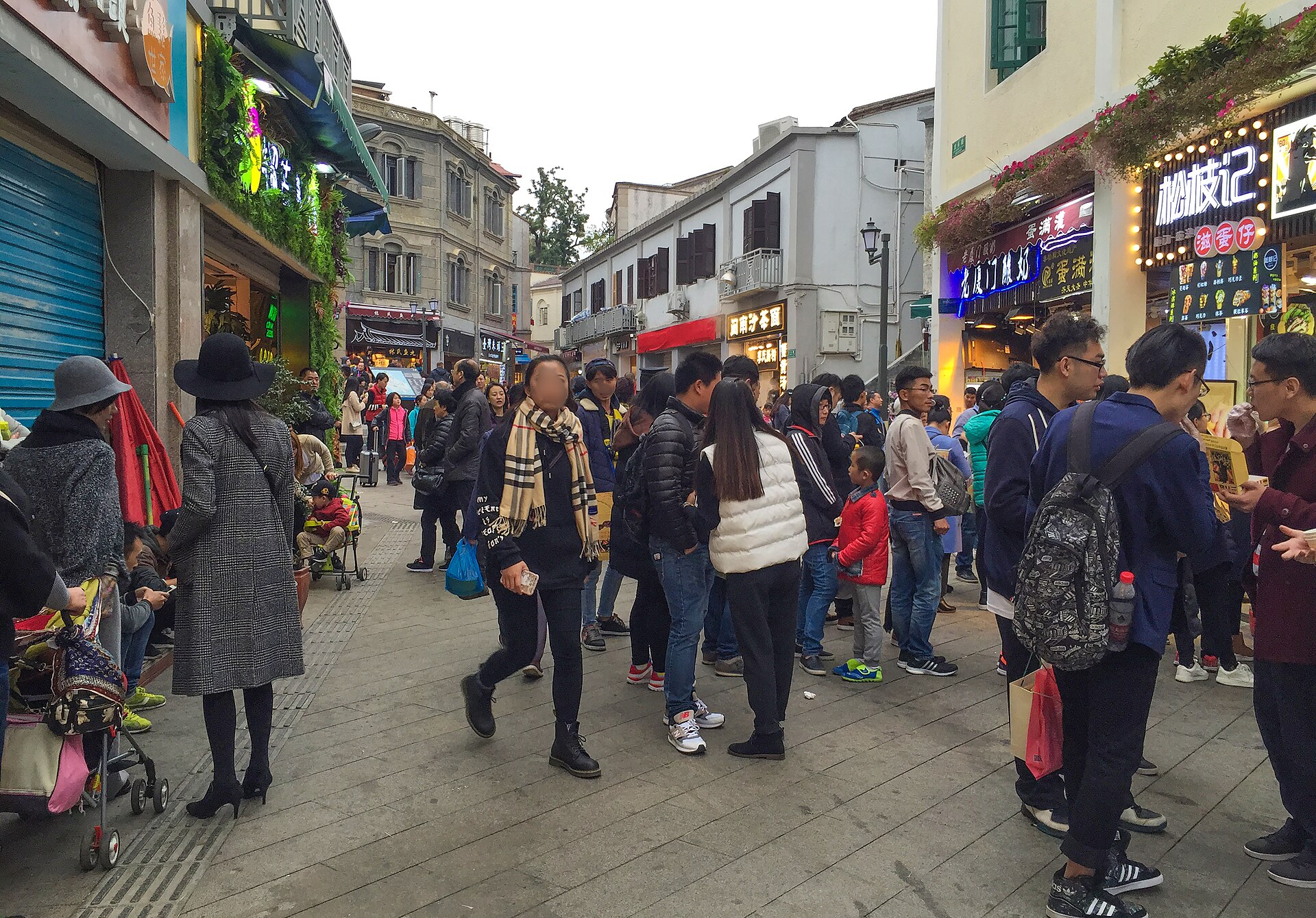
Longtou Road on Gulangyu runs on a rhythm: a shop assistant extends a tray, you take a warm cube of pastry, you nod, and before the flavour has finished, a second shop is offering a second tray under a bigger sign with the island's name in bigger characters. By the third tray the boxes start to blur — bean paste, pineapple, meat floss, something golden in a tin — and every one of them seems to be the authentic island original, the one the locals queue for, the one that will not survive the ferry ride home unless you buy it now. A woman beside you, unhurried, reads the small print on the back of a box, puts it down, and walks two doors further to buy the plainer one.
She is doing the only thing that matters in Xiamen souvenir shopping: separating the product from the packaging story. This guide teaches her method — how the island's filled pastries differ from pineapple cakes, why the word Gulangyu on a lid is a description rather than a bakery, how to buy Fujian tea in a city that grows almost none of it, and where the durable, genuinely local craft hides among the nautical prints.
02 · SEE IT
The short list, in the order to shop it
- First — One box of filled pastries, tasted piece by piece, from a producer whose name and address appear on the pack
- Second — One small box of pineapple cakes, chosen on the ingredient list and the bite, not on the tin
- Third — A single modest pack of Fujian tea, origin and processing explained by the seller in plain words
- Fourth — One Minnan design object you will actually use: a notebook, a cloth piece, a tile-patterned everyday thing tied to a street you walked
- If luggage allows — One lacquer thread sculpture piece, small, inspected, and packed like the fragile object it is
- Eat here instead — Shacha noodles, fresh seafood, anything filled with cream that morning: the table is their natural habitat
- Leave on the shelf — Unlabelled dried seafood, fruit-content boasts, and any box whose maker cannot be found on it
03 · TRY IT YOURSELF
Shop it like a local would
Your ticks stay on this page only. No account or personal data is sent.
04 · THE PROOF
The facts this guide leans on
The word Gulangyu on packaging works as a geographic and style label, not as the name of one bakery: A brand museum maintained by China's Ministry of Commerce records the history of one named producer, Gulangyu Food Factory, which is exactly why the manufacturer printed on your particular box is the fact worth reading
Checked October 2026Traditional filled pastries in this region may be made with lard and can contain dairy, egg or nuts, so a plant-looking bean filling is no guarantee for vegetarian or allergy-sensitive recipients — the ingredient panel decides
Checked October 2026Xiamen is a trading and drinking city for tea rather than a growing one: the Fujian oolongs and other provincial teas sold in its shops are produced in the province's tea counties, and none of them were cultivated on Gulangyu itself
Checked October 2026Kulangsu — the island's historic international settlement — joined the UNESCO World Heritage List in 2017, which is the heritage behind the architecture and street pattern that Minnan design souvenirs borrow from
Checked October 2026Lacquer thread sculpture, built up from fine lacquer lines over a form and finished with gold, is a traditional decorative craft of Xiamen recognised in China's national intangible cultural heritage listings — the city's most distinctive durable souvenir, and a delicate one
Checked October 2026A bag of dried seafood is a different purchase from a seafood dinner, with different contents and different border consequences: many destination countries restrict or ban traveller-carried seafood and animal products, sealed or not
Checked October 2026Travellers entering the United States must declare all food and agricultural items they carry; other destinations run their own regimes, so the admissibility check belongs to the exact product and the exact border
Checked October 202605 · STEP BY STEP
How to buy each item on the list
- Step 1 — Run the two-pastry taste test
Before buying anything, stage the comparison the whole category is built on: one filled pastry, one pineapple cake, eaten within a minute of each other. The filled pastry is the island bakery tradition — a crumbly case around bean paste or another dense filling, recipes varying shop to shop. The pineapple cake is the fruit entry, sweeter and jam-centred, part of a gift culture spanning the wider region rather than a Xiamen-only invention. Notice texture as much as flavour: a dark crust signals a different recipe, not a higher grade, and packaging colour signals nothing at all. Buy the winner in a compact box. Your recipient eats pastry, not shelf presence.
- Step 2 — Read the back of the box
Now perform the single most valuable act in this guide: turn the box around. Somewhere in the small print sits the manufacturer's name and production address. That line — not the island's name in gold on the lid — tells you whose pastry this is and where it was baked. A respected old factory's product will say so plainly. A box that offers only scenery, slogans and a style name is asking you to pay for the scenery. Compare two shops this way and the market's fog lifts: producers compete on the back label, resellers compete on the front.
- Step 3 — Buy tea like a drinker, not a collector
Xiamen's tea shops sell Fujian's output, above all its oolongs, and the good transaction here is educational. Ask three things: the growing area, the processing in plain language — how oxidised, how roasted — and the brewing instructions for the pack in your hand. If tastings are offered, drink two cups side by side and choose the one you can describe. Resist the upsell into a tower of grand names; a modest, fully explained bag teaches the recipient more and risks less. One caution from the trade itself: shelf life and storage advice belong to that specific tea, and the sweeping claim that every tea improves forever in the cupboard is sales talk, not botany.
- Step 4 — Choose design objects with an address in your trip
The durable shelf — stationery, textiles, small household pieces carrying Minnan tile patterns, island architecture or harbour motifs — rewards one discipline: pick the object that points at a place you personally stood. A notebook printed with the villa street you walked beats a generic lighthouse print bought at the ferry queue. Modern designers produce much of this work and need no invented ancestry; a contemporary piece with a named designer, a stated material and an obvious use is a complete souvenir. If your bag is already full, cloth and paper goods are the category that forgives you.
- Step 5 — Handle lacquer thread sculpture as the exception
If one craft justifies care and a little money, it is lacquer thread sculpture: fine threads of lacquer built up in raised, swirling relief — dragons, phoenixes, peonies — over a shaped base, then gilded. The raised surface is exactly as delicate as it looks, which dictates the whole purchase: small piece, inspected closely for lifting or cracked threads, wrapped rigid, carried by hand. Buy it from a workshop or a shop that can say who made it and how; the technique is the value, so a seller who cannot describe the process is selling you a picture of the process. It is the anti-pastry — nothing to taste, everything to protect.
- Step 6 — Leave the sea at the table
Xiamen's seafood belongs in its restaurants. Shacha noodles and the day's catch are meals, and the dried-seafood bags in souvenir shops are neither a substitute nor a loophole: they are concentrated animal products, exactly the category border agencies scrutinise hardest, and many destinations refuse them outright. The same logic applies to fresh cream-filled bakes from the island's bakeries — eat them under the banyan trees where they were made. Gifts are the products whose labels survive the journey; dinners are the ones that should not have to.
06 · WHERE THIS BREAKS
Where the advice stops working
Marketing numbers are not ingredients
Fruit percentages, popularity rankings and whispered local prices are the standard decoration of the pastry trade. None of them appear on the regulated part of the label. When a claim cannot be found in the ingredient list or the manufacturer line, file it as advertising and price the box accordingly.
Not every cookie here is a Xiamen invention
Pineapple cakes and many gift-box staples belong to a regional culture that crosses the strait and half the coast. Buying them in Xiamen is perfectly sensible; believing the box's claim of exclusive island origin is not required, and paying an exclusivity premium for it is a mistake.
Dried seafood is a customs decision first
Before any dried seafood, meat-floss product or animal-ingredient gift enters your bag, the destination's import rules get a vote. Several countries ban such items from passenger luggage entirely, and 'it was vacuum packed' has never reversed a confiscation. If the check is not worth the effort, neither is the product.
Fragile craft, hard luggage math
Lacquer thread work, ceramics and glass-fronted frames all share one enemy: the checked bag dropped on a belt. If you cannot give a piece rigid packaging and hand-luggage space, the correct purchase is the cloth or paper alternative, bought without regret.
The ferry timetable is a sales tool
Island shops know your boat leaves soon. Any pitch that accelerates when departure approaches is using the timetable as leverage, and the same products — with the same back labels — exist on the mainland side, where your time is your own. Nothing on Longtou Road is genuinely last-chance.
Are Gulangyu pastries a safe gift for a vegetarian friend?
Not automatically. Lard is a traditional pastry ingredient in this region and fillings vary by producer, so the answer lives in the ingredient panel of the exact box — look for individually labelled portions, read them yourself, and when the panel is ambiguous, switch the gift to tea or a design object rather than guessing with someone else's diet.
07 · KEEP READING
Keep the trip moving
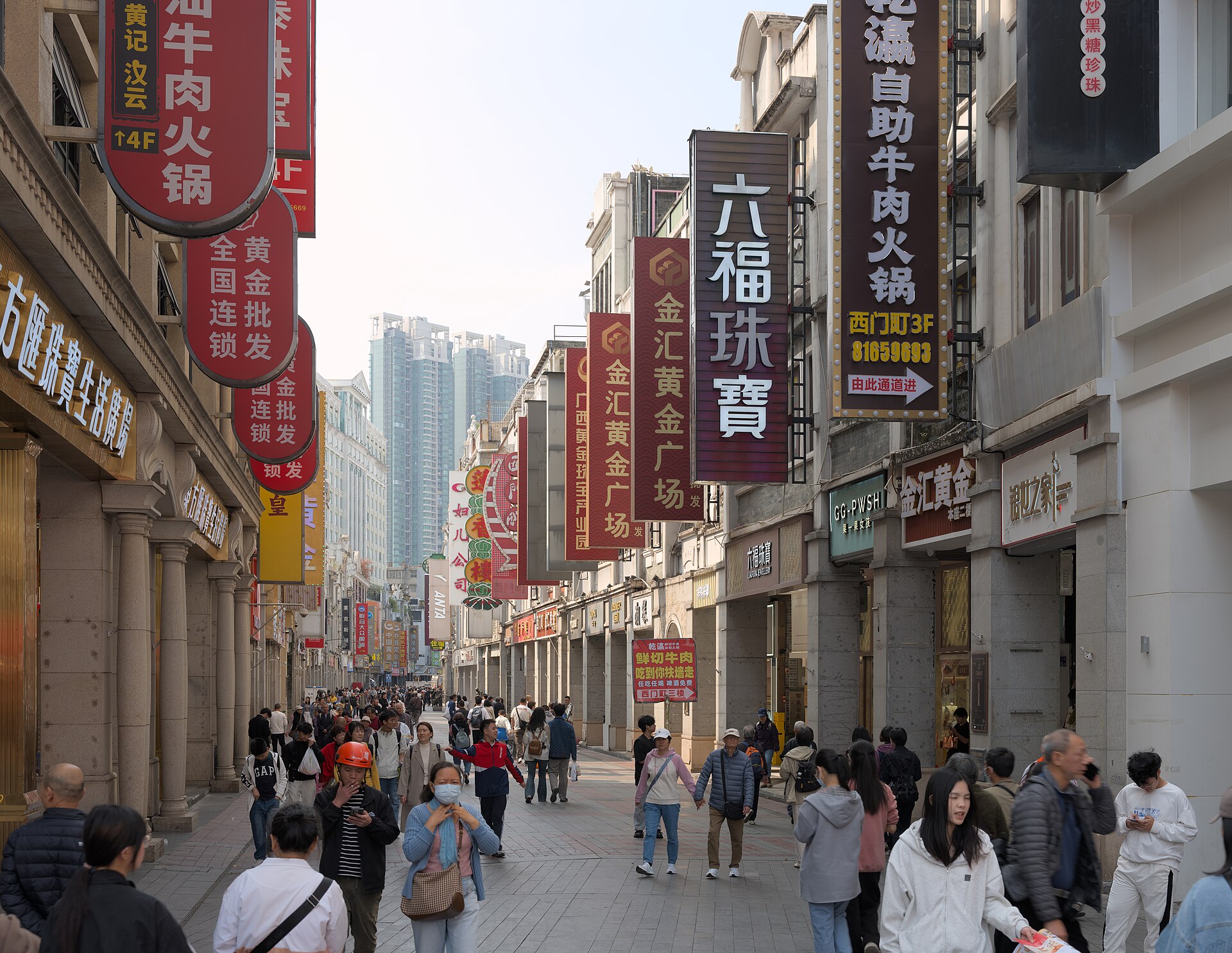 Guangzhou · DoGuangzhou Souvenirs: Taste the Pastry Before You Box ItA biscuit with no chicken in it, lotus-seed pastries built for tea, a starch only a cook will love, and the old-town streets where Guangzhou does its own gift shopping.Reference ~
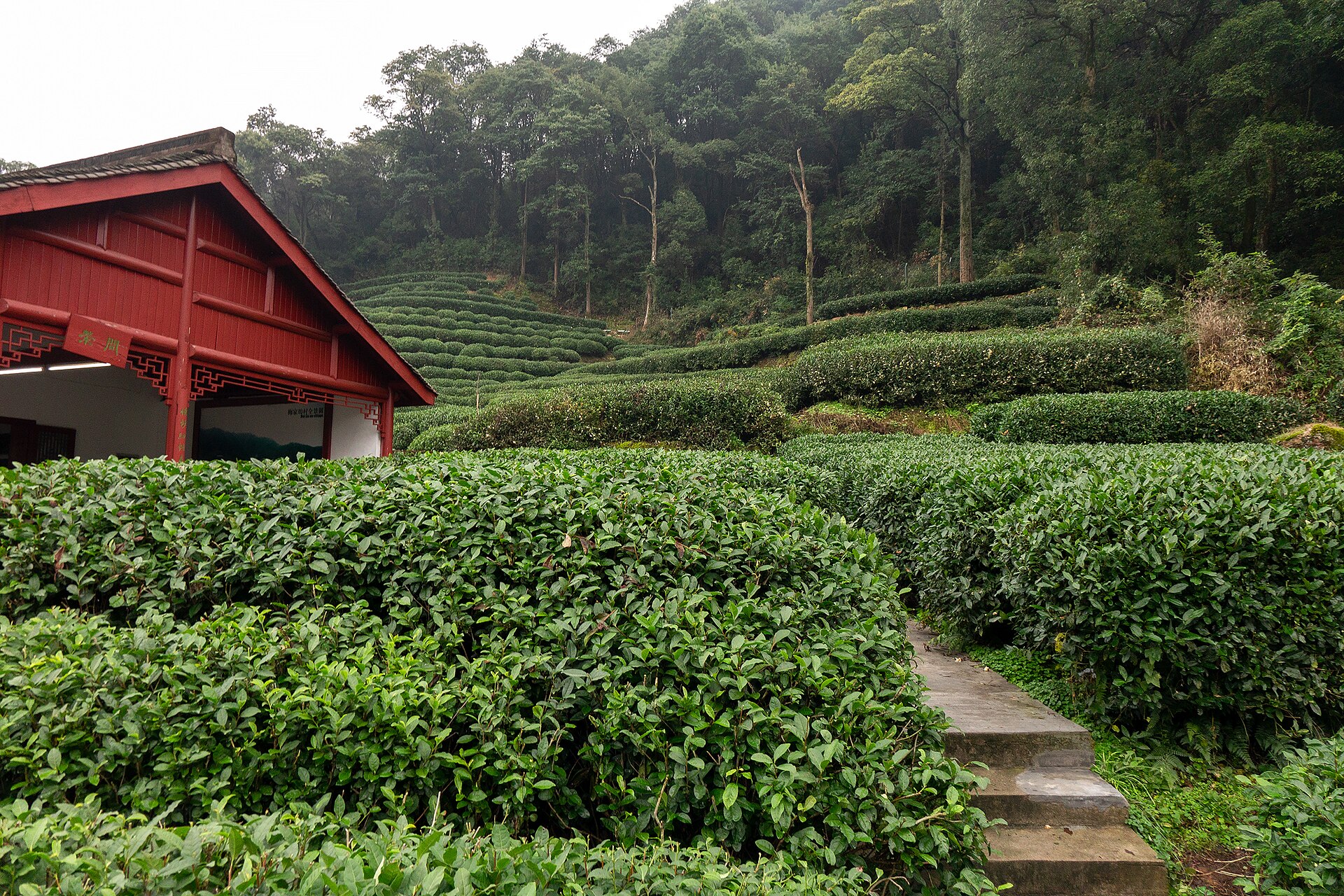 Hangzhou · DoHangzhou Souvenirs, Bought by Evidence: Longjing, Silk and the Folding FanTea whose origin you can actually state, silk whose fibre label you have read with your own eyes, and a folding fan carrying a maker's name — Hangzhou rewards shoppers who buy evidence rather than packaging.Verified
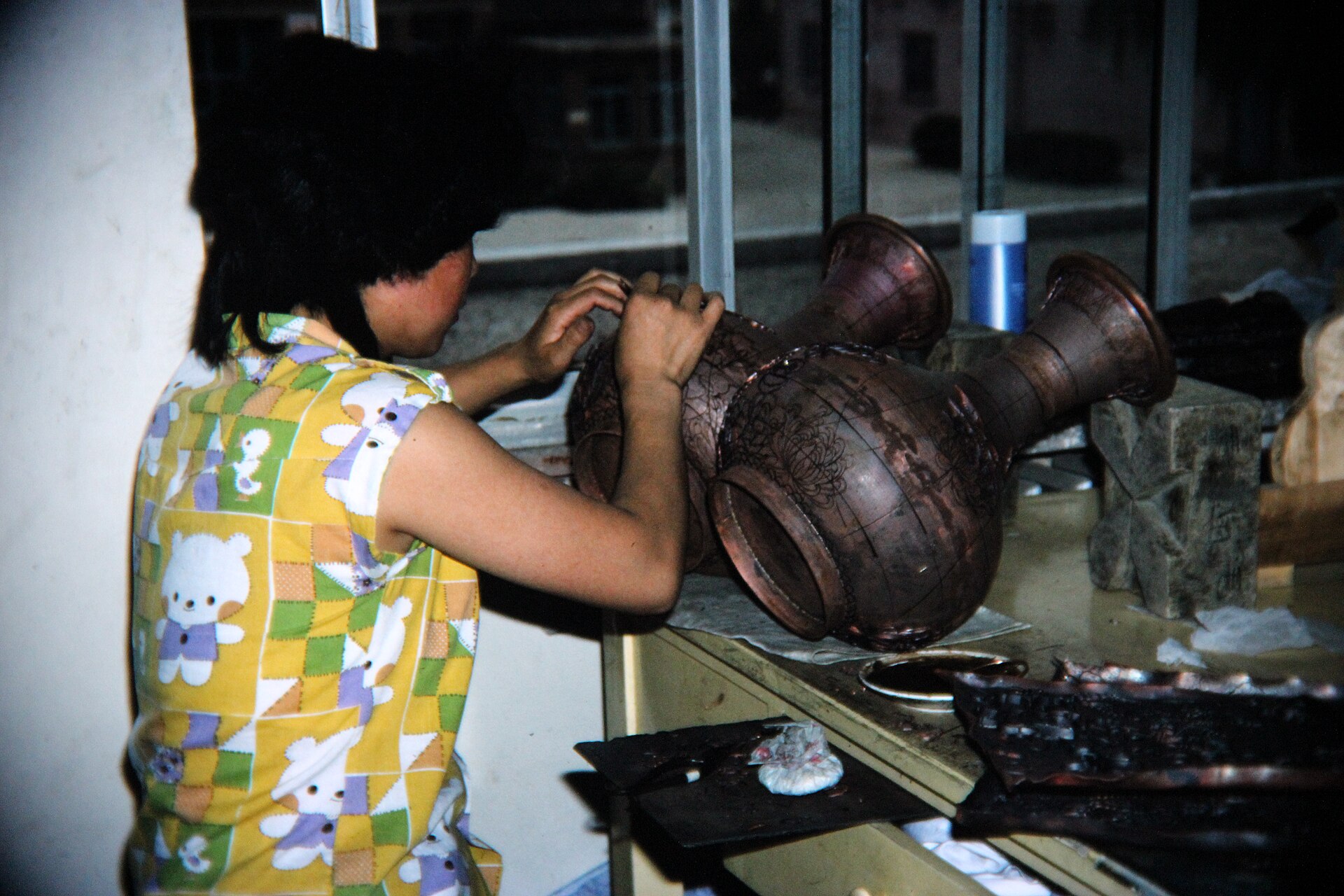 Beijing · DoBeijing Souvenirs Worth the Suitcase Space: Counter Pastries, Jasmine Tea and Folk CraftSkip the vacuum-packed duck. What Beijing people actually give each other is a box of counter pastries, tea chosen by drinking it, and one small piece of folk craft with a maker's name attached — here is how to buy all three like you mean it.Reference ~
08 · SOURCES
Sources and status
Prices, schedules and booking channels change. Recheck the details that matter before you travel.
- UNESCO World Heritage Centre — Kulangsu, a Historic International Settlement (listing 1541)VerifiedInscription date and the heritage character of the island's streets and buildings
- Xiamen Municipal Government portalReference ~Official city portal for Xiamen services and local information
- Dianping (Xiamen restaurant and shop reviews — local demand signal)Reference ~Directional local signal for bakeries, tea shops and food streets; no rankings reproduced
- US Customs and Border Protection — Prohibited and Restricted ItemsVerifiedDeclaration duties and admissibility rules for food and agricultural goods carried by travellers