
The number 4 is avoided across Chinese buildings, room numbers and phone numbers because its pronunciation sits close to the word for death; the number 8 is prized, and priced, because it sounds like the word for prosperity
Checked October 2026GUIDES / ESSENTIALS
BaZi, Feng Shui and the Lucky Almanac: The Fortune Layer of a China Trip
The elevator skips your floor, room 808 costs more than 807, and every wedding in town is on the same Saturday. China runs on a second calendar, and once you can read it, the trip gets subtitles.
City China10 min read6 facts labeledChecked 2026-10-30
01 · IN BRIEF
The floor that was not there
The elevator skipped his floor twice before he believed it. A traveller in a perfectly ordinary Chinese hotel pressed 4, watched the doors close, and arrived somewhere the panel insisted on calling 5. His room, when he finally counted doors down the corridor, turned out to be on the fourth floor in every way except the number. The hotel had not lost a floor. It had deleted a word, because in Mandarin the word for four sounds close enough to the word for death that nobody wants to sleep inside it.
That deleted floor is the surface of something much bigger. The room with an 8 in its number may cost more than the identical room next door. The wedding convoy blocking your taxi on Saturday morning is not a coincidence of scheduling: half the city chose that date from the same book. Shopkeepers open on days picked by an almanac older than most countries, and grandmothers who plan around it are not decorating modern life with superstition. They are running a second calendar, one that assigns every day and every hour a quality, and a great deal of China quietly plans around it.
Ask a Chinese friend whether they believe it and you will rarely get a straight yes or no. The most common answer translates roughly as: better to respect it than not. Grandparents consult the almanac in earnest. Parents who would call themselves rational still let it choose the wedding date, because a date nobody's grandmother objects to is worth real money in family peace. Their children post their charts in group chats the way Western friends trade star signs — half joke, half not, shared like weather. The system survives not because everyone is convinced, but because it is useful to almost everyone at some strength.
This guide is a reading lesson, not a conversion pitch. It explains the three systems you will keep bumping into — BaZi, the birth-chart astrology built from your exact arrival time in the world; feng shui, the art of placing buildings and beds inside a landscape; and the printed almanac that still decides when China marries, moves and opens for business — and it shows you how to spot each one working during an ordinary trip, and how to join in at the shallow, enjoyable end.
02 · SEE IT
Fortune, visible from the pavement
- None of this hides in temples. Once you know the shapes, you will see the system operating in hotel lobbies, phone shops and building sites within your first two days.
- Hotel elevators with no 4, 14 or 24 button, floors renamed or skipped outright
- Room numbers, phone numbers and licence plates dense with 8s, priced like they contain something
- Flower stands and firecracker paper outside a new shop — it opened at an hour someone chose, not when the shelves were done
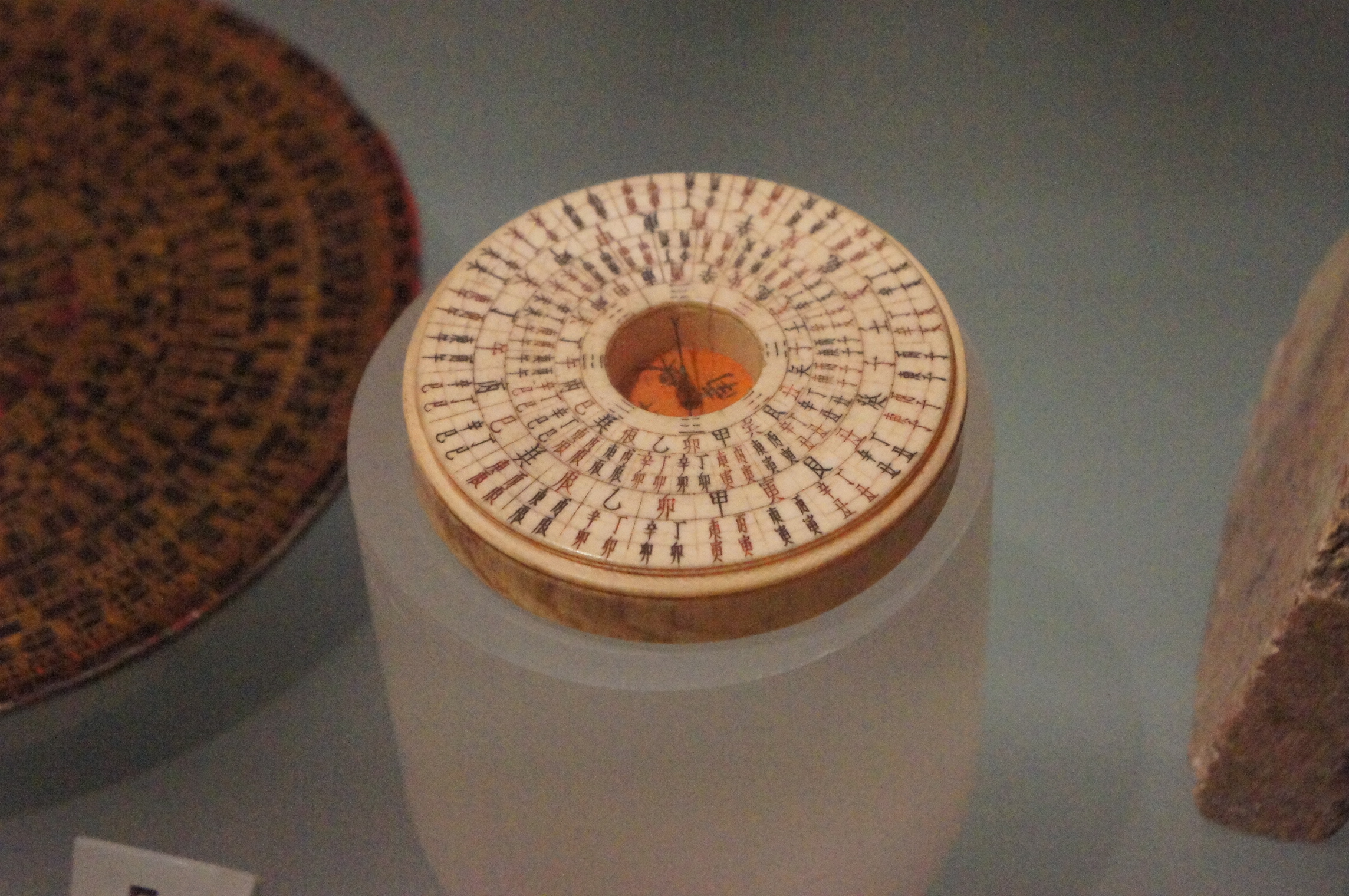
- A feng shui practitioner at a building site or new office, turning a ringed compass called a luopan toward the door
- Wedding convoys of a dozen decorated cars on one Saturday, and empty banquet halls the next
- A phone calendar app where every date carries two small columns of characters: what the day is good for, and what to avoid
- Prices ending in 8 across menus, market stalls and shopping apps
- Small mirrors and trinkets above doorways, cash registers angled just so, fish tanks placed by the entrance of restaurants
- New property billboards advertising south-facing orientation as a headline feature, the way other markets advertise square metres
- Baby names carrying a water or wood radical on purpose, chosen to top up an element the child's chart was judged to be short of
03 · TRY IT YOURSELF
Read your own shallow chart
Your ticks stay on this page only. No account or personal data is sent.
04 · THE PROOF
The facts under the folklore
The Beijing Olympics opened on 8 August 2008 at 8:08 in the evening — the most public demonstration ever staged of the 8 premium
Checked October 2026The Chinese almanac, the Tung Shing or Tong Shu, has been published in evolving forms for over a thousand years and is listed as intangible cultural heritage in Guangdong; it is still consulted to choose dates for weddings, business openings and house moves
Checked October 2026BaZi, literally 'eight characters', encodes a birth moment as four pairs of heavenly stems and earthly branches — one pair each for the year, month, day and hour — and reads the balance of the five elements across those eight characters
Checked October 2026Choosing a day is a discipline of its own, called date selection: the almanac prints, for every date, lists of suitable and unsuitable activities, and travel — setting out on a journey — is one of the standard entries
Checked October 2026The most widespread everyday use of BaZi in modern China is naming: a newborn's chart is read for a missing or weak element, and the given name is chosen with characters whose radicals supply it — a water radical for a chart short of Water, wood for Wood
Checked October 202605 · STEP BY STEP
Using the fortune layer on a real trip
- Step 1 — Check your dates against both calendars
China's crowds run on two systems at once: the official holiday calendar, which our date planner reads for you, and the almanac's lucky days, which fill wedding venues, banquet halls and scenic-area weekends on dates that look random in a Western diary. If your hotel in a smaller city is inexplicably full and expensive on one Saturday, this is usually why. Neither calendar cancels the other; the heavy days are where they overlap.
- Step 2 — Join in at the hotel desk
The cheapest way to participate costs nothing: ask, politely and at booking time rather than check-in, for a room number with an 8 and a floor without a 4. Hotels build their numbering around these preferences, front desks hear the request daily, and being handed key card 808 feels different once you know the hotel believes it just gave you the lucky room.
- Step 3 — Learn to spot it in the street
A new restaurant with flower stands outside opened on a chosen day; the ribbon was cut at a chosen hour. A man turning a wooden compass outside a shopfront is measuring its door for feng shui, not surveying it. A bridal convoy at 9 in the morning means the couple's families agreed on the date months ago. None of this needs your belief. It needs your attention, and it repays it: the city gains a second set of signage you can suddenly read.
- Step 4 — If you want a real reading, choose the setting carefully
Serious BaZi practitioners work from fixed stalls, studios and temple-adjacent shops, quote a price and a duration up front, and ask only for a birth date and birth hour. That is the shape of the legitimate version, in China as anywhere: set place, set price, bounded information. Our limits section below names the other shape, which you should walk away from.
- Step 5 — Treat the answer as a story, not an instruction
The healthiest local relationship with this system is looser than foreigners assume: the almanac breaks ties, blesses decisions already made, and gives a family one date everyone can stop arguing about. Use it the same way. Let it pick which of two equal hotels, or which morning to start the long train ride — and let timetables, prices and weather overrule it without a flicker of guilt. That is what most of China does.
- Step 6 — Draw a fortune stick at a big temple
The one piece of this world built for walk-ins is the fortune stick: at major temples you shake a cylinder of numbered sticks until one falls, take its number to the printed verses, and — at the busier temples — find an interpreter nearby for a small, posted fee. Go in with a specific question, keep the fee at the posted level, and treat the verse as poetry with advice in it. It is the oldest tourist attraction in this entire guide, and locals queue for it beside you.
06 · WHERE THIS BREAKS
Where this stops
This is culture, not physics
There is no scientific evidence that stems, branches or compass rings predict anything, and ChinaMate documents BaZi and feng shui the way it documents tea ceremony or temple etiquette: as living culture that shapes real behaviour, prices and calendars. The behaviour is a fact. The predictions are a belief. The guide keeps them in separate boxes and so should you.
The upsell pattern is the scam to know
The classic trap near tourist temples runs in two moves: a reading that discovers a looming misfortune, then the remedy, sold on the spot, usually a blessed object at a price invented that minute. A practitioner who frightens you is selling you the cure. Set price first, pay that, and decline any second act.
Your birth data has a boundary
A chart needs a date and an hour. It does not need your full name, your passport, your phone number or your hotel. Anyone building a file on you is doing something other than fortune-telling.
This guide stays at the surface on purpose
What you can do above — zodiac, year stem, reading a day's suitable-and-avoid lists — is the genuine shallow end, and it is as far as a guide page should go. A full four-pillar chart, read properly against the five elements, is a practitioner's work. We are preparing a small BaZi corner of our own for readers who want to go further; it will live in its own place, and this page will point to it when it opens.
07 · KEEP READING
Keep the trip moving
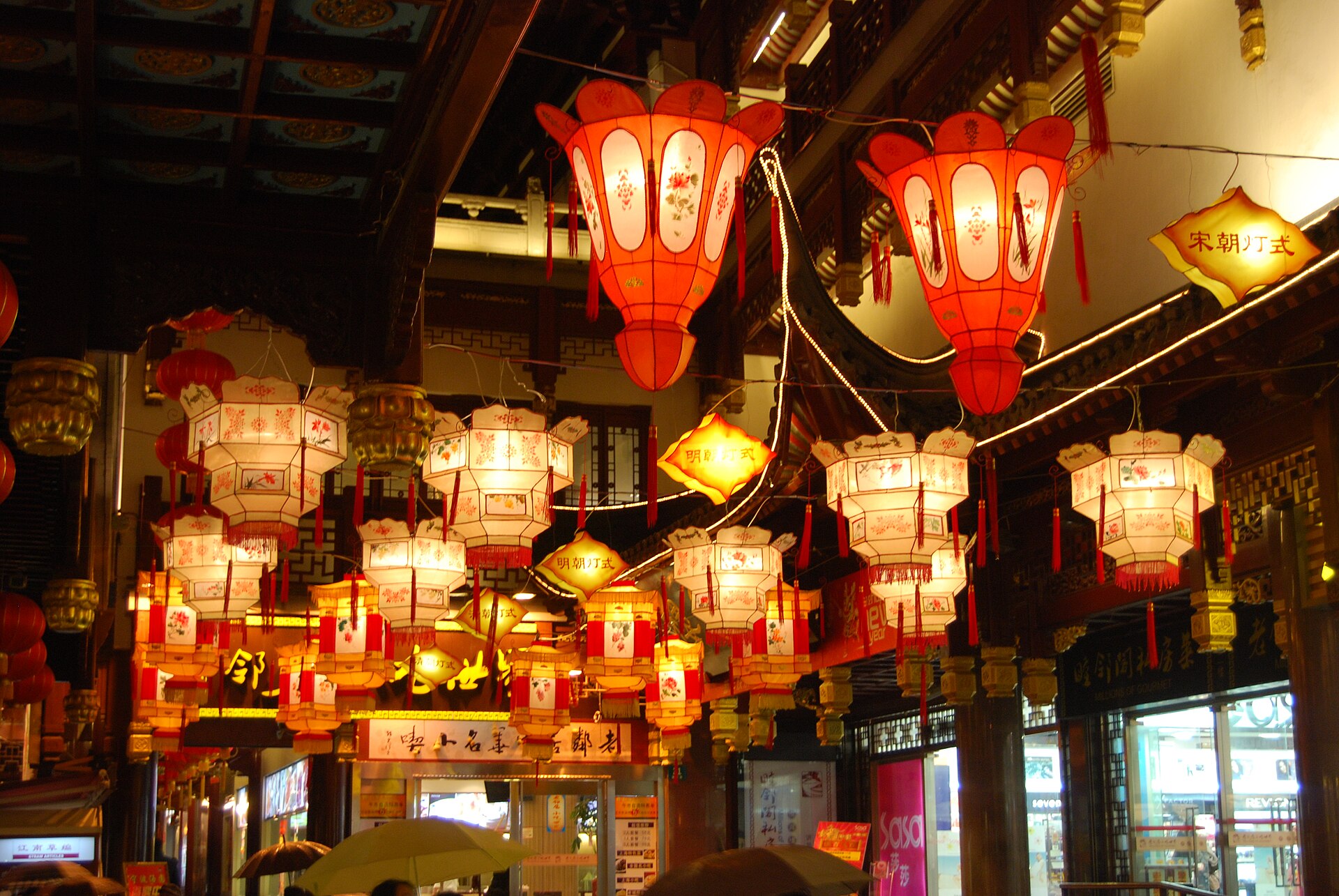 China · PrepareChinese Calendar 2026: Holidays, Festivals and the Crowds They MoveTwo calendars run every China trip — the festival one written in lanterns and mooncakes, and the official holiday one written by the State Council. Read both, and 2026 stops surprising you.Verified
 Beijing · DoTemple of Heaven Guide: The Park Before the PostcardEveryone comes for one blue-roofed hall. The better visit starts an hour earlier, among the kite flyers, card players and tai chi circles of a working Beijing park — then walks the ritual axis the slow way, in one direction.Verified
08 · SOURCES
Sources and status
Prices, schedules and booking channels change. Recheck the details that matter before you travel.
- The Cultural Guide to 'Tung Shing', the Chinese divination book — The HK HUBReference ~History of the almanac, its intangible-heritage listing in Guangdong, and its modern use for weddings, openings and moves; checked 30 October 2026.
- Chinese lucky numbers and unlucky numbers — MandarinZoneReference ~The 4 and 8 sound associations, skipped floors and room-number pricing as described; checked 30 October 2026.