
China's high-speed rail network passed 50,000 km by end-2025 — more than the rest of the world combined
Checked 29 October 2026GUIDES / TRANSPORT
High-Speed Rail vs Flying in China: The 800-Kilometre Rule
Below about 800 kilometres, the fastest way across China is usually the one that never leaves the ground. Door-to-door maths, train-number decoding, and an honest account of booking with a foreign passport.
City China14 min read12 facts labeledChecked 2026-10-29
01 · IN BRIEF
The two-hour flight that takes six hours
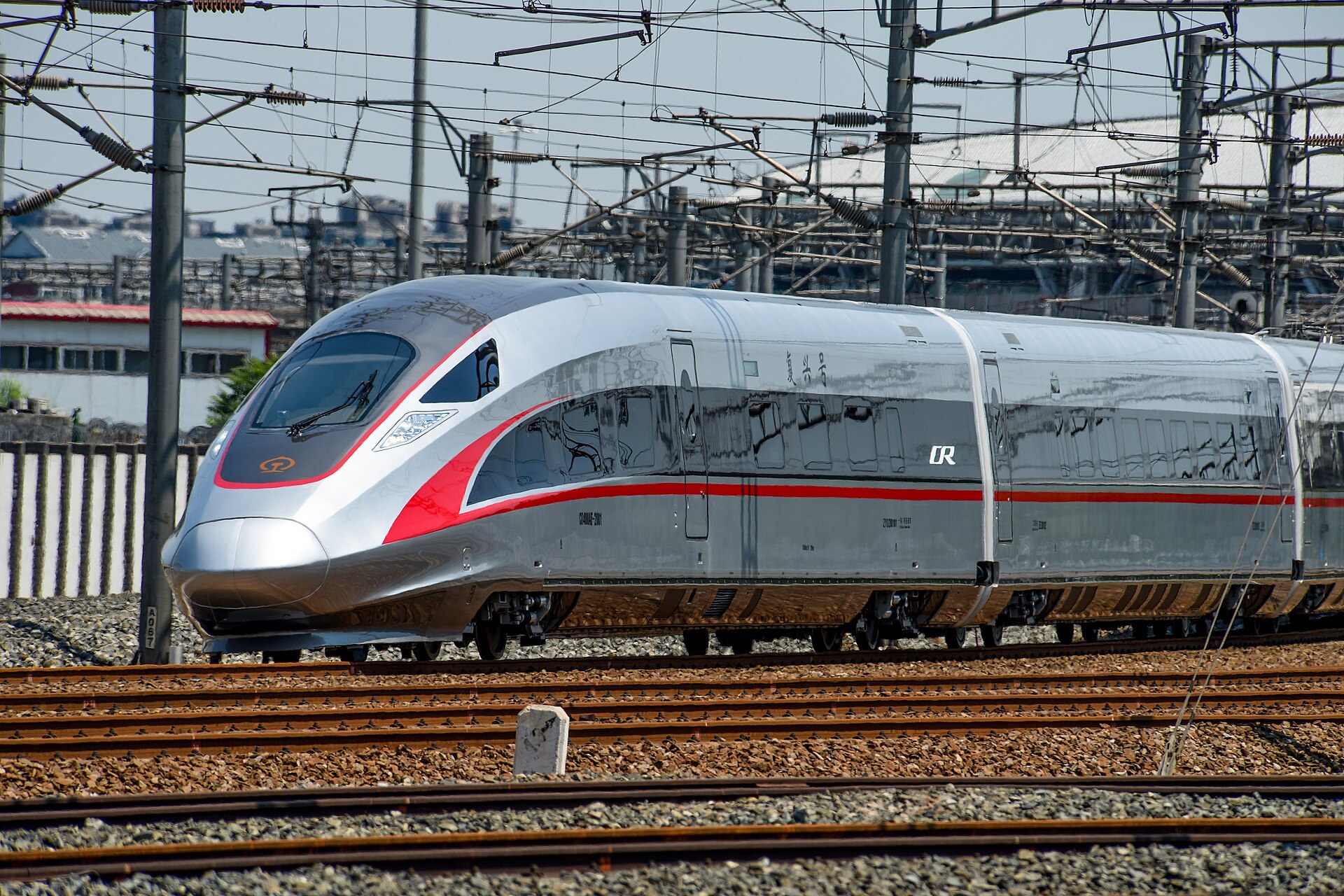
Two travellers leave the same Beijing hotel for Shanghai. One takes the 'fast' option: an hour to the airport, two hours of check-in and security buffer, a two-hour flight that leaves forty minutes late, then an hour from Pudong into town — just under six hours, door to door. The other walks ten minutes to Beijing South station, boards a G train, and steps off at Hongqiao four and a half hours later, phone charged, luggage overhead, city centre at both ends.
Nobody in China finds this surprising any more. The airlines have done the same maths: below roughly 800 kilometres, the train is not the budget alternative to flying — it is the faster product. This guide explains the rule, where it stops working, and how a foreign passport actually buys a ticket.
There is a second reason visitors get nervous, and it is not chaos. The railway runs at a scale most home systems never reach: halls the size of airport terminals, flows that move briskly, identity gates everywhere. Almost every bad train day comes from solving a passport, station or timing problem in the final ten minutes. Solve those three things the day before, and the train itself becomes the calmest leg of a multi-city trip.
02 · SEE IT
The decision, the seat classes and the friendly routes — every table in one pass
- DECISION — Trip distance / direct train time
- DECISION — Under roughly 800 km, or the G train takes 4.5 hours or less
- DECISION — Take the train: central stations, no check-in cliff, minimal delay risk
- DECISION — 800–1,500 km: compare door-to-door — the train still wins more often than you expect
- DECISION — Over roughly 1,500 km, or no direct HSR line
- DECISION — Fly — or take an overnight sleeper and let the train replace a hotel night
- SEAT — Second class | Completely adequate for short and medium hops; the default for most travellers
- SEAT — First class | Extra room and a quieter car; earns its money on the longer sectors
- SEAT — Business class | A comfort upgrade rather than a need; priced like one too
- SEAT — Upgrade logic | On a honeymoon, a flagship first route or a multigenerational trip, lifting one or two long legs into first may do more for the day than the same budget dropped on another attraction
- ROUTE — Beijing to Xi'an | A flagship pairing where rail beats the airport routine once hotel transfers are counted
- ROUTE — Shanghai to Hangzhou | Short, frequent, and easier by train than by any airport combination
- ROUTE — Shanghai to Suzhou | Barely time to settle before arrival; the classic day-trip line
- ROUTE — Why these three | Central, comfortable, frequent — and they slot into the itineraries most international visitors actually run
03 · TRY IT YOURSELF
Before you choose train or plane — and what stays in your hand on the day
Your ticks stay on this page only. No account or personal data is sent.
04 · THE PROOF
Why the market has already voted
Over the past decade, airline capacity on Chinese routes under 800 km fell 7%, while capacity on routes over 800 km grew 91%
Checked October 2026China Eastern cut about 815,800 seats (-31%) and China Southern about 797,100 seats (-37%) on short-haul routes over that period
Checked 29 October 2026The fastest Beijing–Shanghai G trains run about 4.5 hours, city centre to city centre
Checked October 2026Train letters decode the service: G = high-speed EMU (up to 350 km/h on flagship lines), D = EMU (up to about 250 km/h), C = intercity, Z/T/K = conventional trains, slower and cheaper
Checked October 2026Second-class HSR fares on flagship routes typically land well below an economy air ticket bought at the same notice — Beijing–Shanghai second class is commonly around ¥550 against widely variable airfares
Checked October 2026The official 12306 English channel states that valid foreign passports can be used to buy tickets; other accepted identity documents and buying channels are set out in the government's guide for international visitors
Checked 28 October 2026Identity checking on 12306 runs three ways: automatic approval, a manual review triggered by uploading a passport photo, or an in-person check at a station ticket window
Checked October 2026Government guidance lists both Chinese and foreign bank cards, plus mobile payment, among the paying methods official online channels accept — and a failed payment does not equal a held ticket
Checked October 2026Change and refund terms on 12306 vary with the ticket and the transaction: deadlines, fees and the refund route are shown per booking, and a printed itinerary is trip information, never a travel document
Checked October 2026At a major station, reaching the hall 45 to 60 minutes ahead of departure is the safer visitor buffer for security, orientation and gate formalities
Checked 28 October 2026On Beijing–Xi'an, Shanghai–Hangzhou and Shanghai–Suzhou, trains habitually beat flying on total friction once hotel-to-station transfers are counted in
Checked 28 October 202605 · STEP BY STEP
Using the rule, step by step — including the full 12306 foreigner procedure
- Do the door-to-door maths, not the flight-time maths
Add up the honest numbers. Flying: transfer to an airport that is usually 40–70 minutes out, a 90–120-minute check-in and security buffer, the flight, baggage wait, then the transfer in. Rail: 20–40 minutes to a central station, arrive 30–60 minutes before departure, walk off at the other end. If the train ride itself is four and a half hours or less, rail normally wins the day. Count the whole chain — getting to the right station, security, the waiting hall, and the ride from the arrival station to the hotel. Pad the chain further on public holidays, with small children in tow, or when a train feeds into a flight.
- Read the train number before you book
The letter is the timetable in one character. G trains are the flagship high-speed services — fastest, fewest stops on the best departures. D trains are EMU services up to about 250 km/h, often on slightly older lines. Z, T and K are conventional trains: slower, cheaper, and the backbone of overnight sleepers. When two trains serve your route, pick the G with the fewest intermediate stops.
- Start at the source: 12306's own channels
Begin with 12306's own English website, or its official app, switched to English. The English service says valid foreign passports are accepted; a government guide aimed at international visitors sets out the other documents that qualify and the channels open to you. Rules and document lists move, so re-read the current version before you lean on any single channel. Every reseller draws on this same inventory — 12306 is where the tickets actually live.
- Create the account and clear identity verification
Register, then type each traveller's details exactly as the passport shows them — name order, spelling and document number all matter, because the booking is welded to that document. Verification can land three ways: the system approves the details automatically; it asks for a photo of the passport and routes you through manual review; or it sends you to a ticket office at a station for a face-to-face check. None of these is instant by right, so finish this stage days ahead of a popular travel date, not on the morning of it.
- Search by exact station, not just by city
Big Chinese cities run several stations with near-identical names in very different districts. Shanghai Railway Station and Shanghai Hongqiao are different places; Beijing South is not Beijing West; a station carrying a city's name can sit at its edge or in the next town over. Before choosing a train, hold both endpoints up against your hotel and your onward transport, and price the metro ride at each end. Then check travellers, date and departure time one more time on the summary screen.
- Pick travellers and a seat class deliberately
Attach the right passenger to each seat and re-check identity details, date, time and station before any money moves. Check the operator's latest rules on children travelling and on discount eligibility rather than assuming home-country rules. On class: second is fine for most short and medium rides; first buys space and calm that pay off as sectors lengthen; business is a treat, not a requirement.
- Pay, then confirm the order actually exists
Official online channels accept a range of Chinese and foreign bank cards plus mobile payment, per the government visitor guide. If a card bounces or verification stalls, read the payment message first, then retry with another supported method, or take the problem to a station ticket office. Crucially, a failed payment has not reserved anything — only a confirmed order counts as a ticket.
- Carry the confirmation and the original document
Travel with the same physical passport the booking was made under. A screenshot of the order usefully backs up the essentials — number, station, time; it never substitutes for the document itself. Changes and refunds live under per-booking terms — deadlines, fees and the channel your money returns through all shift from booking to booking — so read the terms attached to your order, or ask the operator, before you shuffle plans. And remember: a printout only describes the journey — it is not permission to travel.
- Verify your passport early — with our honesty note
Some foreign passports verify instantly in 12306; others are told to verify identity at a station ticket window before the first online purchase, and station staff may need to see the physical document. Build this into your first travel day rather than discovering it at departure time. ChinaMate has not yet live-tested the foreigner booking flow end to end — treat this step as plan-B-ready, not guaranteed smooth. If registration or payment stalls completely, reputable agents such as Trip.com sell the same inventory for a small fee. Expect ticket release about 15 days ahead on most routes.
- Arrive earlier than feels necessary
At a major station, 45 to 60 minutes ahead is the buffer that keeps the day relaxed: security screening, real-name checks, hunting down your waiting hall and sheer concourse distance all eat minutes. An unfamiliar station, a slow passport lane at the gate or a holiday crowd can eat more. Seasoned travellers moving light can trim that; first-timers should not plan tight and hope.
- Run the train day as a simple sequence
Leave the hotel with margin in hand. Reach the station with time to pass the checks unhurried. Find your waiting area and keep an ear out for boarding changes. Keep passport and essentials within easy reach. Your passport is the ticket at the gate — staffed lanes handle foreign passports where automatic gates refuse them — and leave luggage light, because porters are not a thing and lifts can be scarce. On arrival, head straight for your onward ride rather than inventing plans on the platform. None of it is difficult; the handovers around the train are what deserve the planning, not the ride.
06 · WHERE THIS BREAKS
Where the rule stops working — and the mistakes that break train days
Holiday sell-outs break the rule
Around Chinese New Year, Golden Week and summer peak, popular G trains sell out within hours of release. The rule says take the train; the calendar may say otherwise. Book the moment the 15-day window opens, or keep the flight as a live backup.
Long hauls still belong to planes
The 800 km rule assumes a direct HSR line. For cross-country jumps — Beijing to Chengdu, Shanghai to Kunming — flying wins outright, and an overnight sleeper can beat both if you value the hotel night it replaces.
12306 is not guaranteed foreigner-smooth
ChinaMate has not live-tested 12306's foreigner registration and payment flow, and reports vary by passport and bank. Do not leave a first booking to the night before a fixed departure — verify the account on a quiet day, with an agent site as fallback.
ID checks are real-name and enforced
Real-name ticketing is strict: tickets match one passport, cannot be transferred or lent, and refunds and changes run through the booking account. A passport renewal between booking and travel means rebooking with the new document.
Weather and last trains
Trains are punctual by airline standards, not magically immune: typhoons, snow and network incidents do cascade, and the last HSR of the day often leaves earlier than visitors expect. If a flight home depends on the connection, leave a train in hand, not the last one.
Mistake: picturing a small European terminus
Flagship stations are closer to airports in scale. Anyone who budgets ten casual minutes to 'just hop on' is the person rebooking at the information desk.
Mistake: shaving the buffer to nothing
Security, real-name gates and long concourses are fixed costs of the system. Arriving early is not wasted time here; arriving late is a missed train.
Mistake: assuming an app will rescue every step live
Apps stall, payments bounce, verification queues form. The fixes — a second payment method, a ticket office, a verified account — all work better arranged the day before than invented at the gate.
Mistake: packing for the hotel, not the transfer
Heavy bags, no free hand for the passport, essentials buried under souvenirs: transfer days punish luggage choices. Pack so the document and phone stay reachable from security to seat.
Mistake: defaulting to flights on classic pairs
On the well-worn city pairs the aeroplane is often the slower, fussier product wearing a faster costume. Run the door-to-door numbers before the booking, not after.
Mistake: riding trains for romance instead of fit
Rail earns its place when it simplifies a specific leg, not because it feels authentic or efficient in the abstract. Where a flight genuinely gives the route less friction — a very long sector, a geographically stretched jump, or an itinerary already built around an airport for the next segment — take the flight without guilt. The honest question is never trains versus planes in general; it is which single transfer makes this route easiest.
The first-timer's rule of thumb
When a route is a classic pairing with a well-established service, open by assuming the train is the better tool. Switch to a flight only when timing, pricing or the wider route makes flying plainly cleaner. That habit keeps transfer days legible, cuts airport drag, and makes a multi-city trip feel joined up instead of chopped into fragments.
07 · KEEP READING
Keep the trip moving
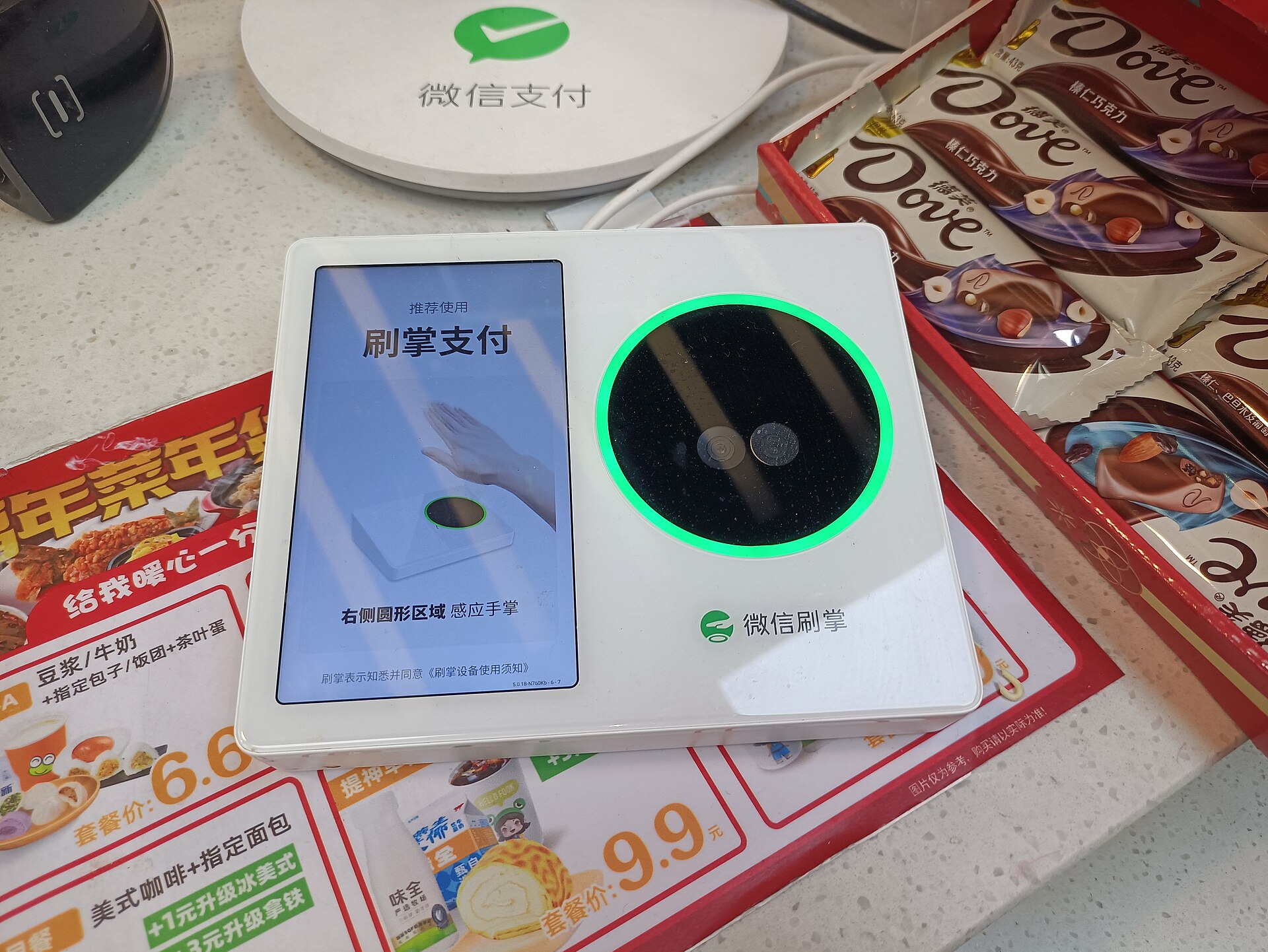 China · PrepareHow to Pay in China (2026): Alipay, WeChat Pay, TenPayGo, Cards and CashSet up one wallet before you fly, add a second as backup, and understand the two numbers that explain most payment confusion.Reference ~
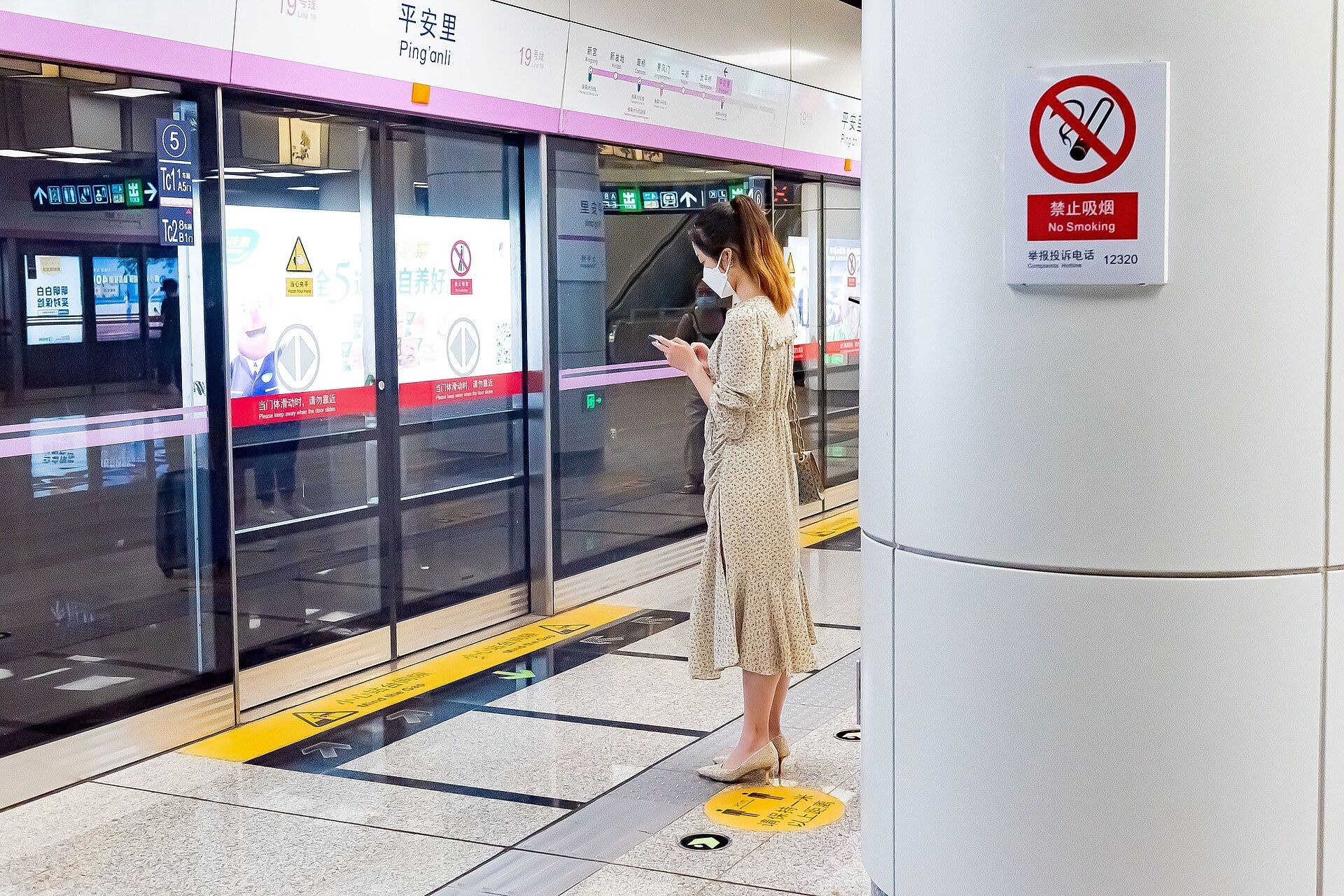 China · PrepareInternet & eSIM in China (2026): Roaming, Travel eSIM, Local SIM and Wi-Fi ComparedYour phone will work in China. The real question is which internet it connects to — every connectivity choice is a choice between two exits.Reference ~
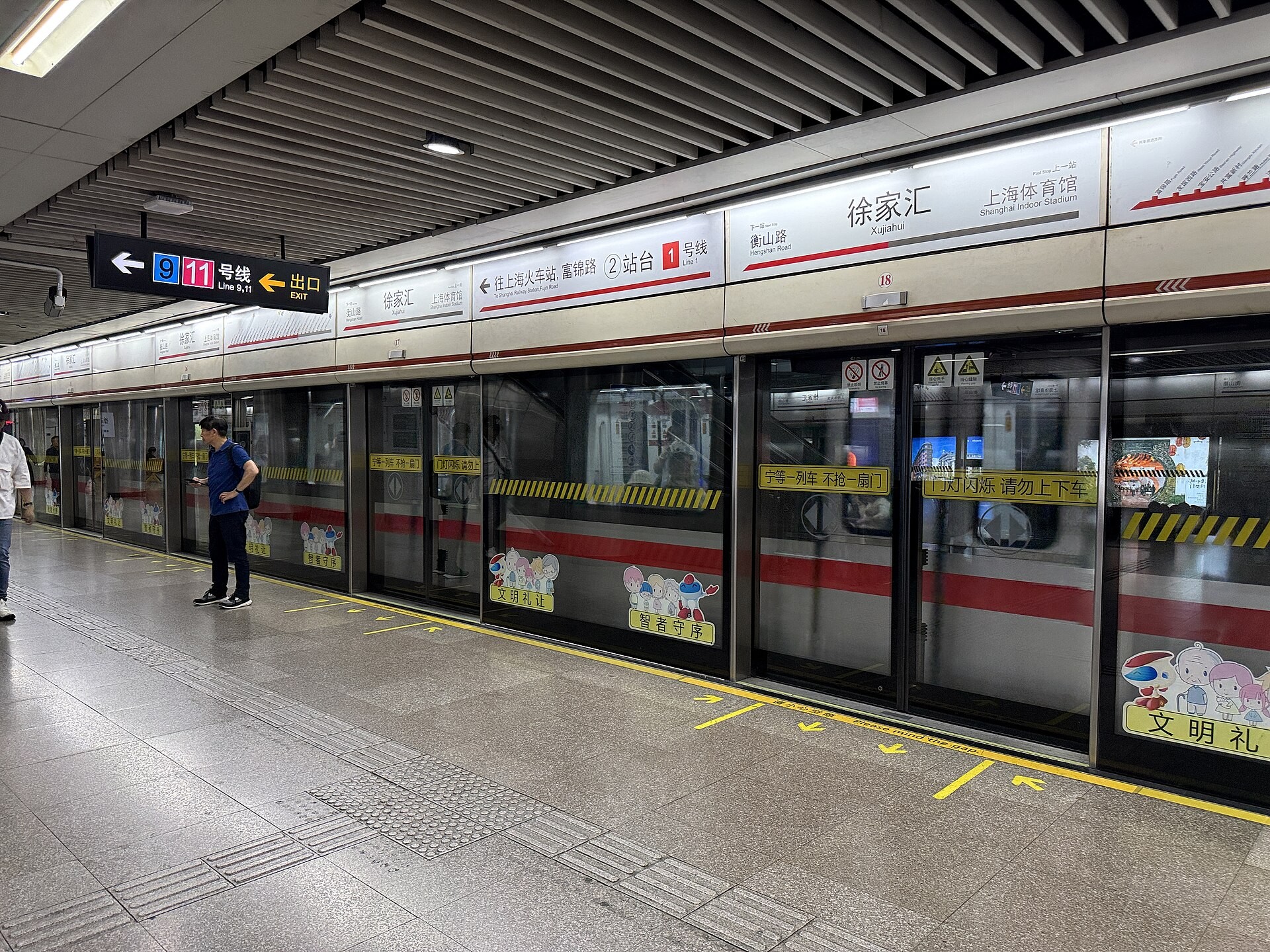 Shanghai · PrepareGetting Around Shanghai: Metro, DiDi, Taxis and Bikes Without the FrictionMetro for the corridors, DiDi for the awkward diagonals, a bike for the last kilometre — and the three small setups that make all of it painless.Reference ~
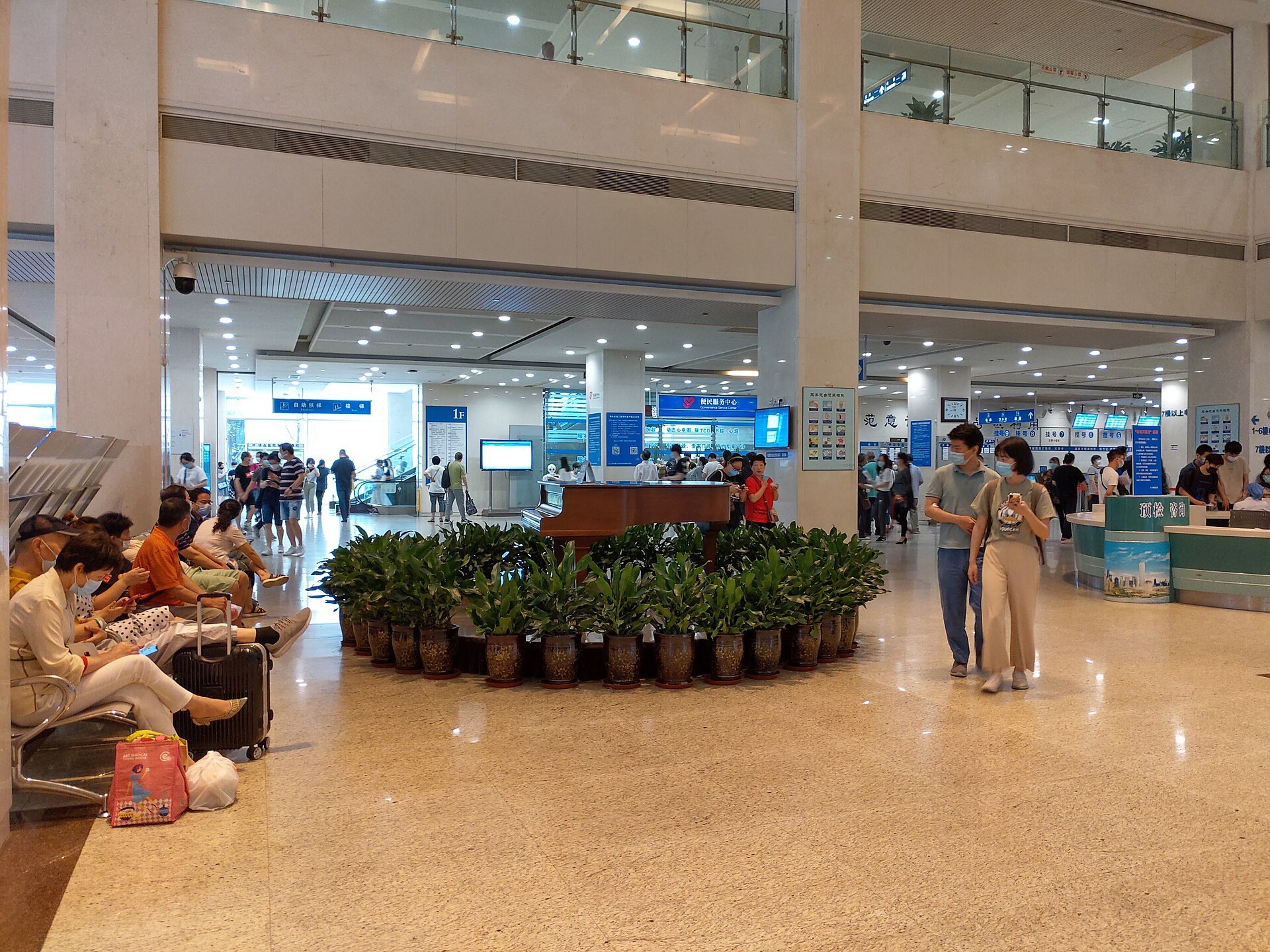 China · DoMedical Care in China for Tourists: A Practical Guide to Seeing a DoctorChinese hospitals run on walk-ins, passports and pay-as-you-go. The medicine is rarely the problem — knowing which door to enter, and in what order to pay, is.Reference ~
08 · SOURCES
Sources and status
Prices, schedules and booking channels change. Recheck the details that matter before you travel.
- OAG — High-Speed Rail vs Aviation in ChinaReference ~Primary data source for the sub-800 km capacity shift and airline seat cuts