The easiest case. Point at the dish or its number, hold up fingers for how many portions, and you are done. The one phrase you need: 我要这个 (wǒ yào zhège — "I want this one"). If a dish on another table looks right, pointing at it works too — locals generally excuse foreigners, and at a street stall, pointing at the food for sale is completely normal.
GUIDES / ESSENTIALS
Language Survival in China: Eat, Ask, and Get Around Without Speaking Mandarin
You do not need Mandarin to travel well in China. You need ten minutes of setup before you fly, two apps that actually work on Chinese networks, and about a dozen phrases — most of which you will say while pointing.
City China9 min read5 facts labeledChecked 2026-11-06
Keep it in your favorites
The short answer
You do not need Mandarin to travel well in China. You need ten minutes of setup before you fly, two apps that actually work on Chinese networks, and about a dozen phrases — most of which you will say while pointing.
You do not need Mandarin to travel well in China. You need ten minutes of setup before you fly, two translation apps that actually work on Chinese networks, and about a dozen phrases — most of which you will say while pointing. The whole country runs on systems that barely need spoken language at all.
Set expectations right and the rest is easy. In international hotels, airports, and the tourist districts of Beijing, Shanghai, and Chengdu, staff speak workable English. Step into a neighbourhood restaurant, a small-town bus station, or a market stall, and English mostly disappears — not from unfriendliness, but because there has never been a reason for it there. That gap is the normal pattern, and this guide is the bridge across it.

Three moves that do the work
Almost every language problem on a China trip is solved by one of these three moves. Master them and the phrase list further down is just backup.
01
Point the camera at itMenus & signs
In Apple Translate, Microsoft Translator, Baidu Translate or Youdao, hold your phone over a printed menu or a station sign for two or three seconds and the English appears over the characters. Photographing the menu and translating the photo is often more accurate than live scanning — you can hold still and re-read the result. Handwritten chalkboards and stylised calligraphy often defeat it.
If it fails ↓
02
Talk through conversation modePeople
In Microsoft Translator, Youdao, and Baidu Translate, conversation mode turns your phone into a two-way interpreter: you speak, it speaks Chinese; the other person answers, it speaks your language back. Hold the phone close and speak clearly. It is the right tool for a taxi driver, a pharmacist, or a hotel desk.
If it fails ↓
03
Use the translators inside your appsAlready installed
WeChat translates chat messages and Moments posts with a long press — set WeChat's interface to English before you travel and the translation lands in English. The newest option is TenPayGo, the WeChat Pay team's standalone visitor app (launched 24 September 2026): email signup, no Chinese phone number, bundling payment with conversation translation, a Translate-with-Driver shortcut, and a camera mode that turns a menu into a bilingual order card.
The 10-minute setup — install before you fly
Your selections stay on this page only. No account or personal data is sent.
Ordering, counting, and the twelve phrases
Run the photo through your translation app, then point at the translated result for the server. If handwriting defeats the camera, ask staff to type the dish name into your phone and translate that. Hotel staff will also write a few dish names in Chinese for you at check-in — keep them on your phone as a mini-menu for the whole trip.
Scan with WeChat or Alipay and the menu opens on your phone, usually with photos. The catch: the menu is usually Chinese-only, and you often have to pay inside the app to submit the order. Without WeChat Pay or Alipay set up, ask for a paper menu — 有没有纸质菜单? (yǒu méiyǒu zhǐzhì càidān) — or ask staff to order for you and pay at the counter.
Three things surprise first-timers. Dishes are shared and placed in the centre of the table, not served individually. One dish is often a large plate for two or three people, so order a few items first and add more. And tipping is not customary — the bill is final, and cash left on the table will typically be handed back to you. Ask for the bill with 买单 (mǎidān); leftovers to go are 打包 (dǎbāo). Spice control: 不要辣 (bú yào là — no spice), 微辣 (wēi là — mild). An allergy card written in Chinese, shown before you order, beats every app: 我不吃… (wǒ bù chī… — "I don't eat…").
Chinese number gestures run one to ten on a single hand, and vendors genuinely use them to confirm a price when it is too noisy to talk. 1 一 (yī) — index finger up. 2 二 (èr) — index and middle fingers in a V. 3 三 (sān) — thumb, index and middle. 4 四 (sì) — four fingers up, thumb tucked. 5 五 (wǔ) — open palm. 6 六 (liù) — thumb and little finger, the "call me" hand. 7 七 (qī) — the fingertips of thumb, index and middle pinched together. 8 八 (bā) — thumb and index in an L shape. 9 九 (jiǔ) — index finger hooked. 10 十 (shí) — a closed fist, or two index fingers crossed. Seven to ten vary by region, so treat these as the most common mainland forms. The trap: the Western three (index, middle, ring) is not the Chinese three. When a number really matters — a price, a quantity — type it on your phone and show the screen. The calculator is the most reliable translator in China.
You do not need tones to be understood — you need the right words, said slowly, plus pointing. 你好 (nǐ hǎo) — hello. 谢谢 (xièxie) — thank you. 请 (qǐng) — please. 对不起 (duìbuqǐ) — sorry. 多少钱 (duōshao qián) — how much? 我要这个 (wǒ yào zhège) — I want this one. 这个 (zhège) — this one. 不要辣 (bú yào là) — no spice. 微辣 (wēi là) — mild spice. 买单 (mǎidān) — the bill, please. 打包 (dǎbāo) — takeaway. 厕所在哪里 (cèsuǒ zài nǎlǐ) — where is the toilet? Keep them on your phone as text, not just in your head: showing the characters works when your pronunciation doesn't.
DiDi's app is in English, translates messages between you and the driver, and shows the fare before you confirm. For a street taxi, show the driver your destination written in Chinese. The single most useful object in your pocket is your hotel's name and address saved in Chinese on your phone — a screenshot works even with no signal — shown to any driver, shopkeeper, or passer-by. Learn the shape of the characters for your hotel's neighbourhood, not just the pinyin: pinyin is invisible to most people you will ask.
Checked facts behind this guide
Google Translate's online features do not work on mainland Chinese networks — Google closed its mainland Translate service in October 2022. A Chinese pack downloaded before you fly still translates typed text with no connection.
Checked November 2026Tencent's Translator app (翻译君) shut down on 13 March 2025. Stale app lists keep recommending it — ignore any list that still does.
Checked November 2026TenPayGo launched on 24 September 2026 with email signup — no Chinese phone number — bundling payment with conversation translation and a menu camera mode. Some extras, including transit codes and tax refunds, were Shenzhen-only at launch.
Checked November 202612367, the National Immigration Administration service hotline, runs 24 hours a day, seven days a week, in Chinese and English, with Russian, Japanese, Korean and French available through an interpreter channel.
Checked November 2026WeChat's built-in translator renders messages into the language set for WeChat's own interface — set the interface to English before you travel and long-press translation arrives in English.
Checked November 2026Where this breaks
Handwriting beats the camera
Camera translation fails on handwriting and calligraphy — chalkboard menus and stylised signs are its blind spot. Photograph first, type second, ask third.
English is a big-city pattern
Coverage is a tourist-district pattern. Outside it, English disappears entirely; that is normal, not a snub — and the moves in this guide are designed for exactly that gap.
TenPayGo is weeks old
Its payment and translation bundle is live, but extras like transit codes and tax refunds were Shenzhen-only at launch — check the app before you travel rather than counting on every feature everywhere.
Finger sevens are regional
Gestures for seven to ten vary by region. Treat them as a conversation aid; for any number that decides money, confirm on your phone screen.
Paper still wins when tech dies
Dead battery, no signal — the low-tech kit works: one piece of paper with your hotel's name and address in Chinese, your allergies written out, and 请帮我 (qǐng bāng wǒ — "please help me"). Show the paper, point, smile. China runs on helpful strangers.
Common questions
Do I need to speak Chinese to travel in China?
No. With two translation apps set up before you fly, about a dozen phrases, and your hotel address saved in Chinese, you can eat, ride, and solve problems anywhere. English is workable in big-city hotels, airports, and tourist districts and thin everywhere else — the systems in this guide are built for that gap.
Does Google Translate work in China?
Its online features do not — Google closed its mainland Translate service in October 2022, so camera, voice, and conversation modes fail on Chinese networks. Download the offline Chinese pack before you fly for typed translation, and make Apple Translate, Microsoft Translator, Baidu, or Youdao your primary tool.
How do I order food in China without speaking Chinese?
By menu type: point at photo menus (我要这个 — I want this one), photograph text-only menus and translate the photo, and at QR scan-to-order tables ask for a paper menu if you cannot pay inside the app. Say 买单 (mǎidān) for the bill and 打包 (dǎbāo) for leftovers to go. Tipping is not customary.
Who do I call for official help in English?
12367 — the National Immigration Administration service hotline. It runs 24/7 in Chinese and English, with Russian, Japanese, Korean, and French through an interpreter channel, and it answers questions about visas, entry, and residence.
Related guides
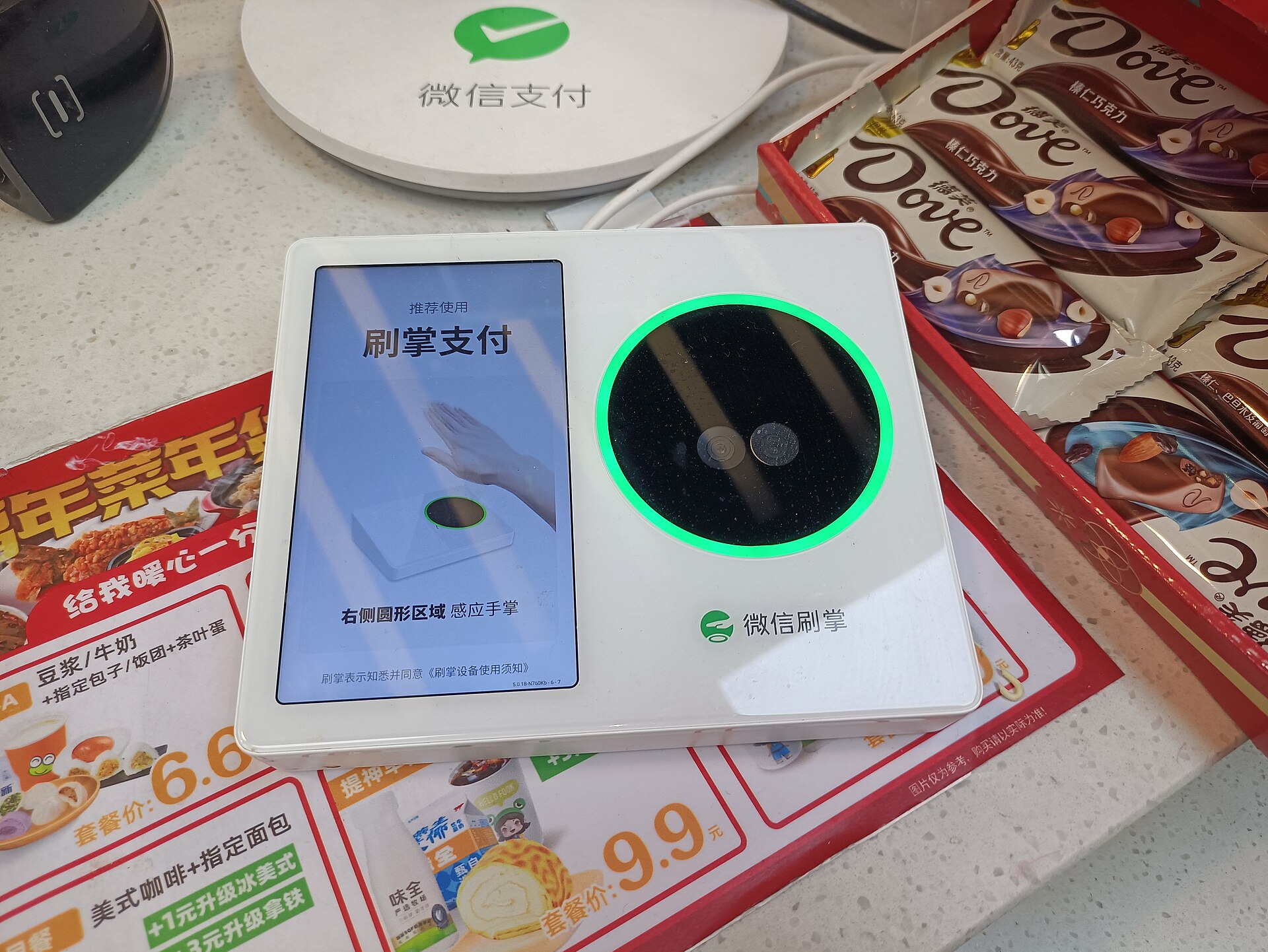 China · Money, Apps & EssentialsHow to Pay in China (2026): Alipay, WeChat Pay, TenPayGo, Cards and CashSet up one wallet before you fly, add a second as backup, and understand the two numbers that explain most payment confusion.Reference ~
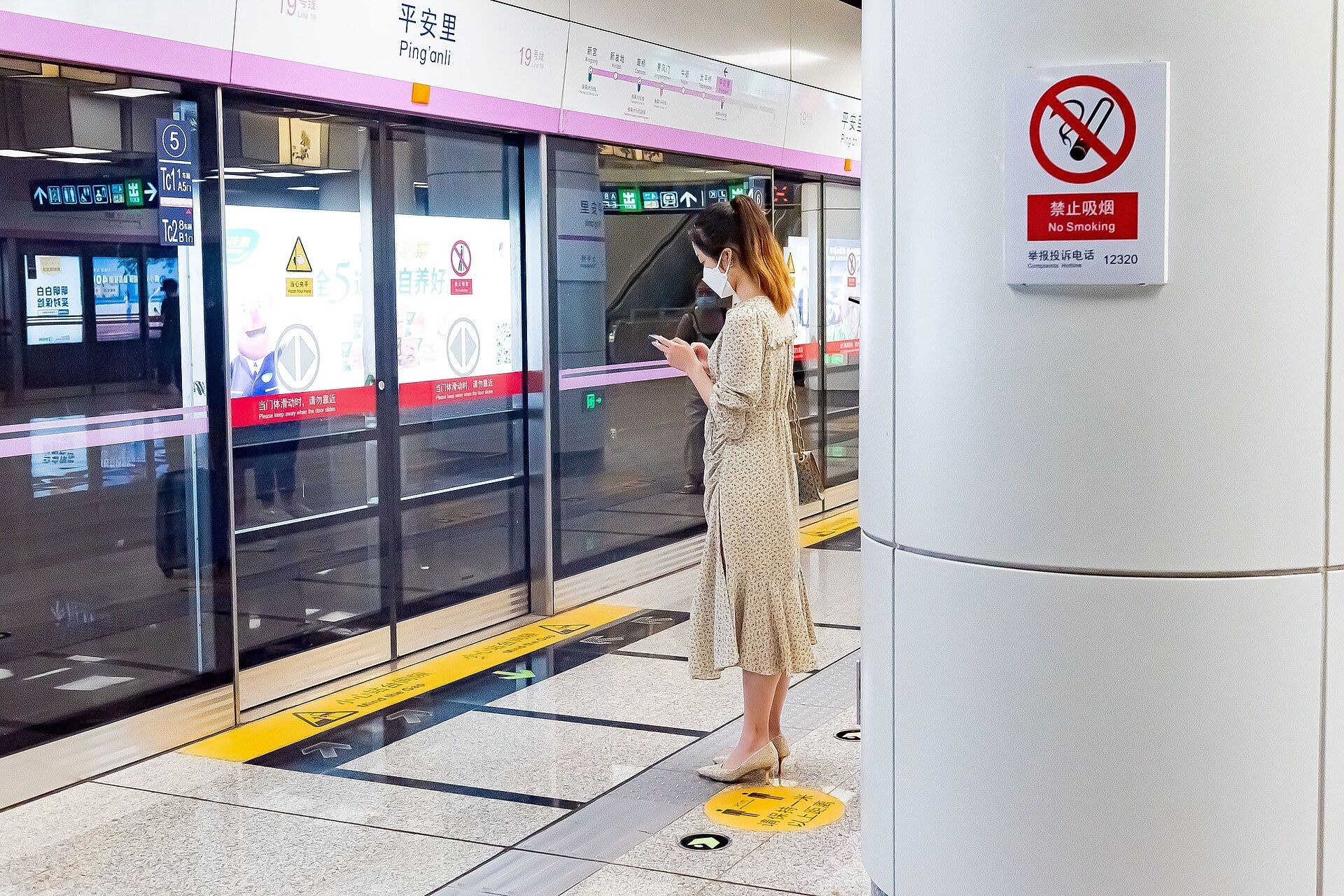 China · Money, Apps & EssentialsInternet & eSIM in China (2026): Roaming, Travel eSIM, Local SIM and Wi-Fi ComparedYour phone will work in China. The real question is which internet it connects to — every connectivity choice is a choice between two exits.Reference ~
 China · TransportHow to Order Food to Your Seat on a Chinese High-Speed TrainInside the railway's own 12306 app sits a delivery service: pick a station ahead of you, order KFC or that city's specialty, and the crew walks it to your seat. Here is the setup, the 60-minute deadline that decides everything, and when it will not work.Verified
Sources and status
Prices, schedules and booking channels change. Recheck the details that matter before you travel.
- WeChat Help Center — translation functionVerifiedLong-press translate in chats and Moments; output follows WeChat's interface language.
- National Immigration Administration — 12367 service platformVerified24/7 hotline in Chinese and English, with four more languages via interpreter (11 Dec 2025).
- TechCrunch — Google Translate mainland shutdownVerifiedGoogle discontinued its mainland China Translate service in October 2022 (30 Sep 2022).
- VisitChina101 — AI Translation Apps That Actually Work in China (2026)Reference ~Apple/Microsoft/Baidu/Youdao behaviour on mainland networks; Tencent Translator shutdown 13 Mar 2025.
- TravelHubChina — TenPayGo launch coverageReference ~TenPayGo launch 24 Sep 2026: email signup, conversation translation, menu camera mode, Shenzhen-only extras at launch.
Keep it in your favorites
Something changed? Email a correction ↗