
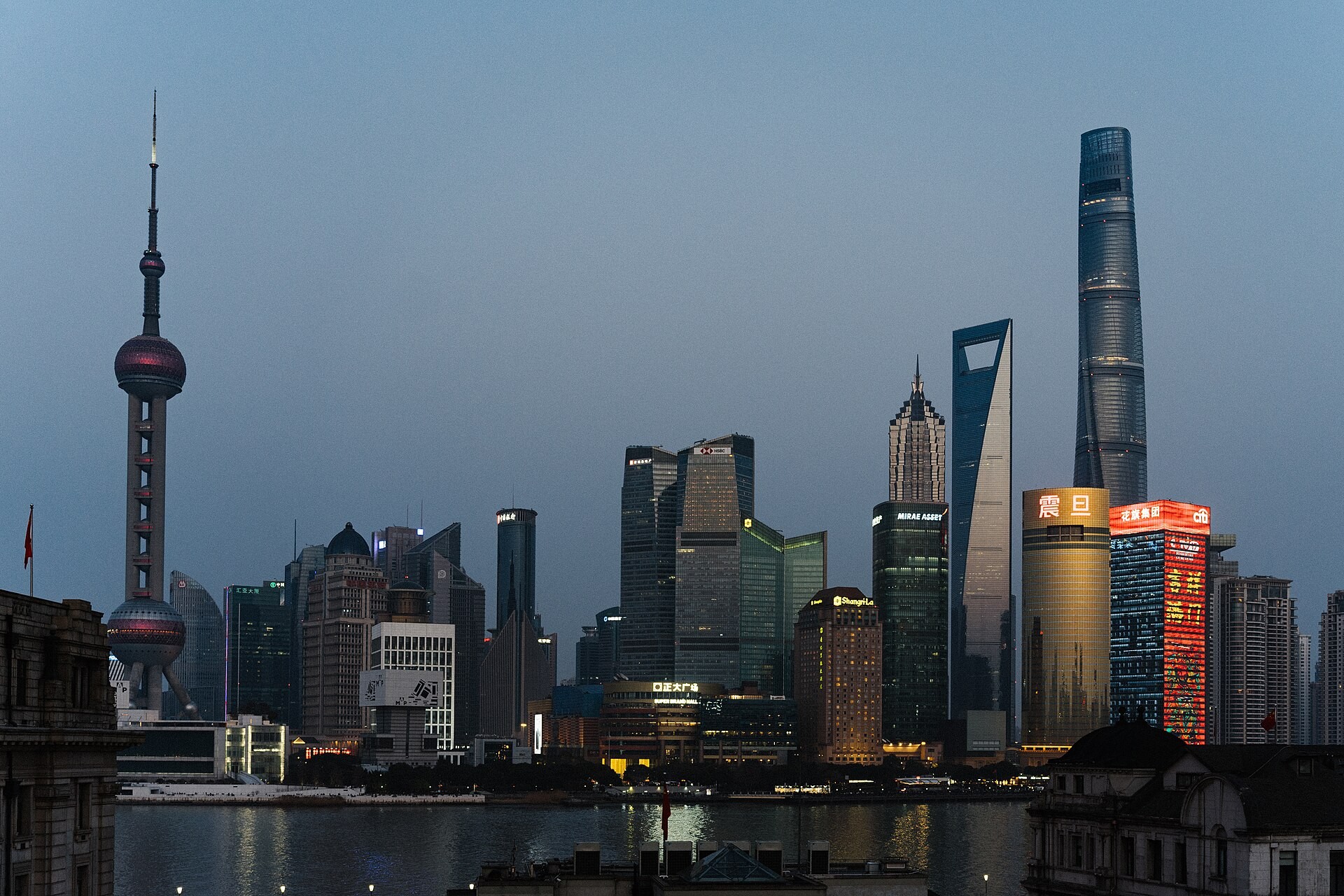
The Bund promenade is a public riverfront walkway on the west bank, facing the Lujiazui towers across the Huangpu — free, open long hours, and best seen twice in one day: daylight and after dark
Checked 23 October 2026GUIDES / ITINERARIES
Shanghai in 1 Day: One Perfect First Day, Hour by Hour
One river, two banks, three neighbourhoods — a first day that flows in one direction instead of zig-zagging across the map.
City Shanghai13 min read10 facts labeledChecked 2026-10-29
01 · IN BRIEF
The day that actually works
Most one-day Shanghai plans fail by 11 a.m. They start at a tower in Pudong, cross the river for lunch, cross back for a museum, and spend the day inside metro transfers instead of the city. Shanghai looks compact on a map; the Huangpu River in the middle makes it two cities that take 30–45 minutes to move between.
The day below never crosses the river twice. It starts in the Old City with pan-fried buns still crackling in the pan, walks north to the Bund while the light is good, eats lunch on the west bank, crosses once — late afternoon, when the skyline starts to earn its keep — and ends looking back at the city you just walked through. One direction, no backtracking, and built-in slack for the meal that runs long.
Local one-day route posts keep landing on the same shape — a single direction, three or four anchors, food placed before exhaustion — and the honest ones admit the price: a full Shanghai citywalk day can run past 20,000 steps, in summer humidity that humbles visitors fresh off a long flight. So this page also carries the version locals favour (start west in the former French Concession, finish east at the river), plus the cut-down shapes for layovers, rain and tired legs. Pick the shape that matches your day; the stops take care of themselves.
02 · SEE IT
The one-day flow — ours, plus the west-to-east route table
- 08:00 — Shengjian breakfast near the Old City
- 09:00 — Yu Garden and the Old City streets (booked slot)
- 11:30 — Walk north through old streets toward the Bund
- 12:30 — Lunch on the west bank (Bund / Nanjing Road area)
- 14:00 — The Bund promenade, unhurried; optional Shanghai History Museum
- 16:30 — Cross the river once: metro Line 2 to Lujiazui
- 17:30 — Skyline at golden hour: Shanghai Tower deck or the Lujiazui walkways
- 19:30 — Back across for Bund lights and dinner, or stay in Pudong for dinner with the view reversed
- West-to-east variant, 09:00 — Wukang Road and Wukang Mansion: shaded streets, villa walls, the day's easiest photos
- West-to-east variant, 10:45 — Jing'an Temple or a coffee break: modern contrast and one controlled rest
- West-to-east variant, 12:15 — Yu Garden and the Old City: the garden itself, snack stops, lanes from old Shanghai
- West-to-east variant, 15:00 — The Bund: riverfront architecture and your skyline orientation
- West-to-east variant, 17:00 — Early dinner or a snack: never arrive at the night view already exhausted
- West-to-east variant, 18:30 — The Bund after dark, a ferry across, or Lujiazui: how the day should end
- West-to-east variant, 20:00 — Nanjing Road or the hotel: a simple ending on easy transport
03 · TRY IT YOURSELF
Set up the night before
Your ticks stay on this page only. No account or personal data is sent.
04 · THE PROOF
The facts this plan leans on
Yu Garden is a paid, timed-entry attraction separate from the free commercial streets around it; entry slots are sold through official channels and popular morning slots go first on weekends
Checked October 2026Metro Line 2 links the Bund area (East Nanjing Road) directly with Lujiazui in a few minutes under the river, making one late-afternoon crossing cheap in time
Checked October 2026Many Shanghai museums, including the main Shanghai Museum, close on Mondays — a Monday one-day plan should not be built around a museum anchor
Checked October 2026Observation-deck tickets for the tallest towers run roughly ¥180–260 per adult depending on deck and time slot; sunset slots are the most contested
Checked October 2026A full Shanghai citywalk day regularly reaches 18,000–25,000 steps; the local route posts that go viral for density also flag heat and crowd fatigue as the hidden cost
Checked June 2026Skyline lighting switch-on times on the Bund and in Lujiazui shift with season, events and municipal policy — check the timing for your actual evening rather than trusting an older post
Checked October 2026A short Huangpu ferry crossing is ordinary working transport that doubles as a skyline experience — one of the cheapest ways to change banks when the timing suits
Checked October 2026Jing'an Temple, a gilded working temple wrapped in towers and malls, works as a short contrast stop on the west-side variant; entry is ticketed and it rewards a brief, respectful visit rather than a long one
Checked October 2026Local one-day posts keep repeating one skeleton: begin among the concession streets, pause mid-city for coffee or a transfer, spend midday around Yu Garden and the City God Temple, and save the riverfront for evening — the Bund, Lujiazui and Nanjing Road all appear as finishes — because Wukang Road photographs best early and the skyline belongs to after dark
Checked June 202605 · STEP BY STEP
Hour by hour
- 08:00 — Start with shengjian, not the hotel buffet
Head to the Old City area (Yuyuan metro, Lines 10/14) and open the day the local way: a plate of shengjian — pan-fried soup buns, crisp bottom, scalding top — eaten standing or at a shared table. Our food guide has the technique; the short version is: bite small, sip the soup, never bite the whole bun at once.
- 09:00 — Yu Garden before the tour groups
Use your booked slot. Inside, move slowly: rockeries, zigzag bridges, pavilions — the garden rewards one unhurried loop of about 60–90 minutes. Outside, the Old City bazaar streets are souvenir-grade chaos; walk them, snack if something smells right, but don't let them eat your morning.
- 11:30 — Walk north to the river
Skip the metro for this leg. The walk from the Old City to the Bund takes roughly 20–30 minutes through streets that layer old lanes against the rising skyline — it is the cheapest context the city offers, and it makes the Bund land harder when you arrive.
- 12:30 — Lunch on the west bank
Eat near the Bund or East Nanjing Road: a benbang (local Shanghai cuisine) lunch — hongshaorou, smoked fish, crab noodles in season, sweet-and-sour ribs or drunken chicken if the menu offers them — beats a tower-top café on both price and memory. Keep it to an hour; the afternoon belongs to the river. If lunch is near Yu Garden instead, xiaolongbao, shengjianbao or a noodle stop all fit the route — convenience beats a cross-town restaurant detour on a one-day clock.
- 14:00 — The Bund, slowly
Walk the promenade end to end. Read the west-bank buildings like a timeline — banks, customs house, hotels from the treaty-port era — with the future standing opposite for contrast. If the day is a museum day (not a Monday), the Shanghai History Museum nearby fills the hot or rainy hours well.
- 16:30 — Cross once, cross late
Take Line 2 from East Nanjing Road to Lujiazui. Late afternoon is deliberate: you get the skyline in daylight, then golden hour, then the lights — three cities for one crossing. The raised circular walkway at Lujiazui gives the classic tower-framed photos without a ticket.
- 17:30 — Golden hour up high (optional)
If you booked a deck, this is its hour: Shanghai Tower's observation level or the Oriental Pearl's spheres. Sunset slots sell out first on clear weekends — this is the item to book before anything else in the day. No booking? The free walkways and the riverside on the Pudong side still deliver the view.
- 19:30 — End facing the lights
When the Bund's floodlights come on, choose your final frame: dinner back on the west bank with the towers as backdrop, or dinner in Lujiazui looking back at the lit Bund. Either way, end the day — one perfect day is a promise you keep by stopping.
- Variant — start west: Wukang Road at 09:00
If your hotel sits in or near the former French Concession, run the local favourite instead: begin at Wukang Mansion and walk Wukang Road while the plane trees, brick apartments, old villas and small cafés are still quiet — by late morning the famous corners crowd up. Around 10:45, fork once: Jing'an Temple for the contrast of golden roofs against office towers (short, ticketed, respectful), or skip the temple and keep the morning soft — Anfu Road, Urumqi Middle Road, coffee somewhere small. Nobody needs to tick off every famous street name; what you are collecting is the feel of residential old Shanghai before the river takes over the day. Then head east and rejoin the main route at Yu Garden by about 12:15.
- Variant — three ways to finish
The west-to-east day ends with a choice, not a checklist. Stay put on the promenade and watch the lights do the work. Or take the ferry — the crossing becomes the sightseeing — or the metro, and stand on Lujiazui's circular pedestrian bridge inside the postcard instead. Or walk into Nanjing Road East for shops, neon and an easy metro exit. Treat Lujiazui as an optional finish rather than a mandatory extra: a river crossing tacked onto a full day costs more energy than the map admits, and the Bund alone is a complete ending.
- Pacing rule — eat before everyone is tired
Meals are anchors; treat them that way. Morning on the west side: coffee, a bakery, nothing heavy. Midday near Yu Garden: snack as you go — touristy, yes, and on a one-day clock that is a fair trade. Dinner belongs near wherever you finish — the Bund, Nanjing Road, your hotel — and earlier than instinct suggests: sitting down at 17:00 or 17:30, ahead of the lights, beats queueing afterwards, when every restaurant and taxi rank gets complicated at once. And unless one particular restaurant is the reason you came, do not let a lunch reservation drag you across town.
06 · WHERE THIS BREAKS
When this plan breaks — and the fix
Rain all day
Swap, don't cancel: move the museum anchor earlier, keep Yu Garden (pavilions and covered corridors soften rain), and take the Bund at night anyway — wet stone and river reflections are the Bund's second-best look. The tower deck is the first thing to drop: a deck inside a cloud shows you nothing. The local rainy-day chain runs Jing'an Temple or another indoor stop, then an indoor lunch or café break, then the Yu Garden area only if the rain stays manageable, then a short Bund window, then Nanjing Road or the hotel. In heavy rain, skip Wukang Road entirely — its whole charm is slow walking, trees and street photos.
It's a Monday
Many museums close on Mondays. The route survives without them — the garden, the walk, the river and the skyline are all outdoor — but do not let an itinerary app sell you a Monday museum plan without checking the venue's own page. Yu Garden's opening days deserve the same check, and the risk peaks on Mondays and public holidays: if the garden is shut that day, or its queue is hopeless, the surrounding Old City streets still work as the stop.
National-holiday crowds
During Golden Week and May Day the Bund promenade runs one-way pedestrian control at peak hours and Yu Garden slots vanish days ahead. Start an hour earlier, book everything bookable, and treat the Lujiazui walkways as your breathing room.
You have under 8 hours (layover)
Match the version to the hours you can actually spend in the city. With six to eight usable hours, run Wukang Road, Yu Garden, the Bund and Nanjing Road — and leave Lujiazui out unless your base is already on the Pudong side. With four to five hours, head straight for the Old City and the riverfront, then end at Nanjing Road East, where the metro ride out is simple: old streets, treaty-port façades and the skyline, with no cross-city loop. Coming in through Pudong Airport and staying on that side? Run it backwards — towers first, Bund second. Landing at Hongqiao puts the concession and Jing'an within easy reach, so begin in the west. Disneyland, Zhujiajiao water town and Suzhou are all excellent — and all for another trip; a layover plan that adds any of them has no slack left for the airport run.
Low-walking version — older travellers, kids, heat or jet lag
Cut the day to four anchors and let vehicles do the joining: a Wukang Mansion photo stop, then Yu Garden with an Old City lunch, then one good Bund viewpoint, then a finish at Nanjing Road — or across in Lujiazui — using taxis or the metro between anchors. Ride-hailing between the concession, Yu Garden and the Bund is money well spent — the metro is excellent, but big stations and transfers quietly add thousands of steps. Finish gently: skip the ferry and the second bank, sit whenever the route offers the chance, and return to the hotel before the group is spent.
The classic mistakes
Overloading — the city holds more famous categories than any single day can digest: museums and art districts, a theme park, temples, gardens, food streets, waterfronts, shopping streets; trying to sample them all is the failure. Photo-spot greed — settle on three anchors (ours: the Bund skyline, Yu Garden, Wukang Mansion) and let the rest be luck. Food left too late — one real seated break is non-negotiable, even if it costs a minor stop. And the heat — in summer, reach for cafés and cabs while the group still has something left, not once everyone is running on empty.
You want the tower AND the garden AND a water town
That is a two-day appetite. Pick the two that fit this page and let the third go; the most common one-day mistake in Shanghai is not choosing badly, it is refusing to choose.
FAQ: Is one day enough for Shanghai?
For a first impression, yes — provided you hold one direction: old streets, a garden, the riverfront, a lit skyline. For the full city of museums, food streets and neighbourhoods, no — and any plan claiming otherwise is selling you a sprint.
FAQ: What is the best one-day route for a first-time visitor?
Either of this page's two one-direction shapes: ours — Old City and Yu Garden first, the Bund by afternoon, one late crossing to Lujiazui — or the local west-to-east favourite: the former French Concession around Wukang Road in the morning, Yu Garden and the Old City at midday, the Bund before sunset, then end along Nanjing Road or across the water in Lujiazui. The best route is the one that never crosses the city twice.
FAQ: Should I visit Shanghai Disneyland if I only have one day?
Only when the park is the point of the stop. Disney sits far enough out that bolting this route onto a park day leaves you with little but transit and tired feet. If rides, characters, shows and the fireworks are what you came for, give it the day properly: get there early, let the official app run your queueing, and settle beforehand on your style — rides first, family first, or photos first. Afterwards, cap the city at something small: dinner near the hotel, a short walk, one drink with a skyline if you still have legs for it.
FAQ: How much walking should I expect?
Count on something like 18,000–25,000 steps for the full citywalk version. Keep it comfortable with metro hops, the odd taxi, and at least one break where everyone actually sits down — especially if the group arrived on a long flight or is carrying jet lag.
Before you finalise the day
Before locking the day, confirm the moving parts for your date: opening days and hours, whether the ferries are running, how the museum you want handles bookings, whether your restaurant's branch still exists — plus traffic and weather on the morning itself. This page gives you a tested shape and local route signals, not a live timetable.
07 · KEEP READING
Keep the trip moving
 China · PrepareHow to Pay in China (2026): Alipay, WeChat Pay, TenPayGo, Cards and CashSet up one wallet before you fly, add a second as backup, and understand the two numbers that explain most payment confusion.Reference ~
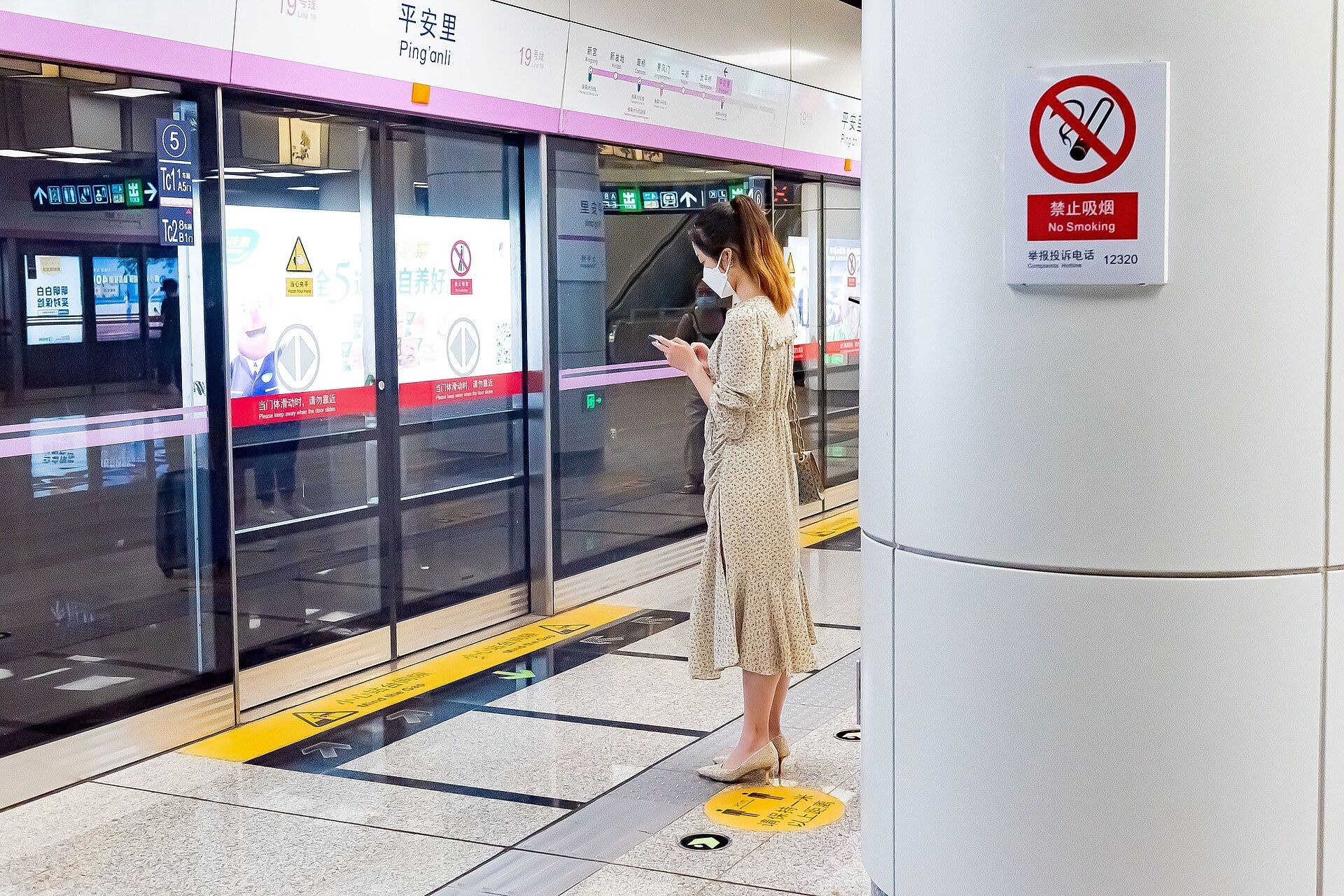 China · PrepareInternet & eSIM in China (2026): Roaming, Travel eSIM, Local SIM and Wi-Fi ComparedYour phone will work in China. The real question is which internet it connects to — every connectivity choice is a choice between two exits.Reference ~
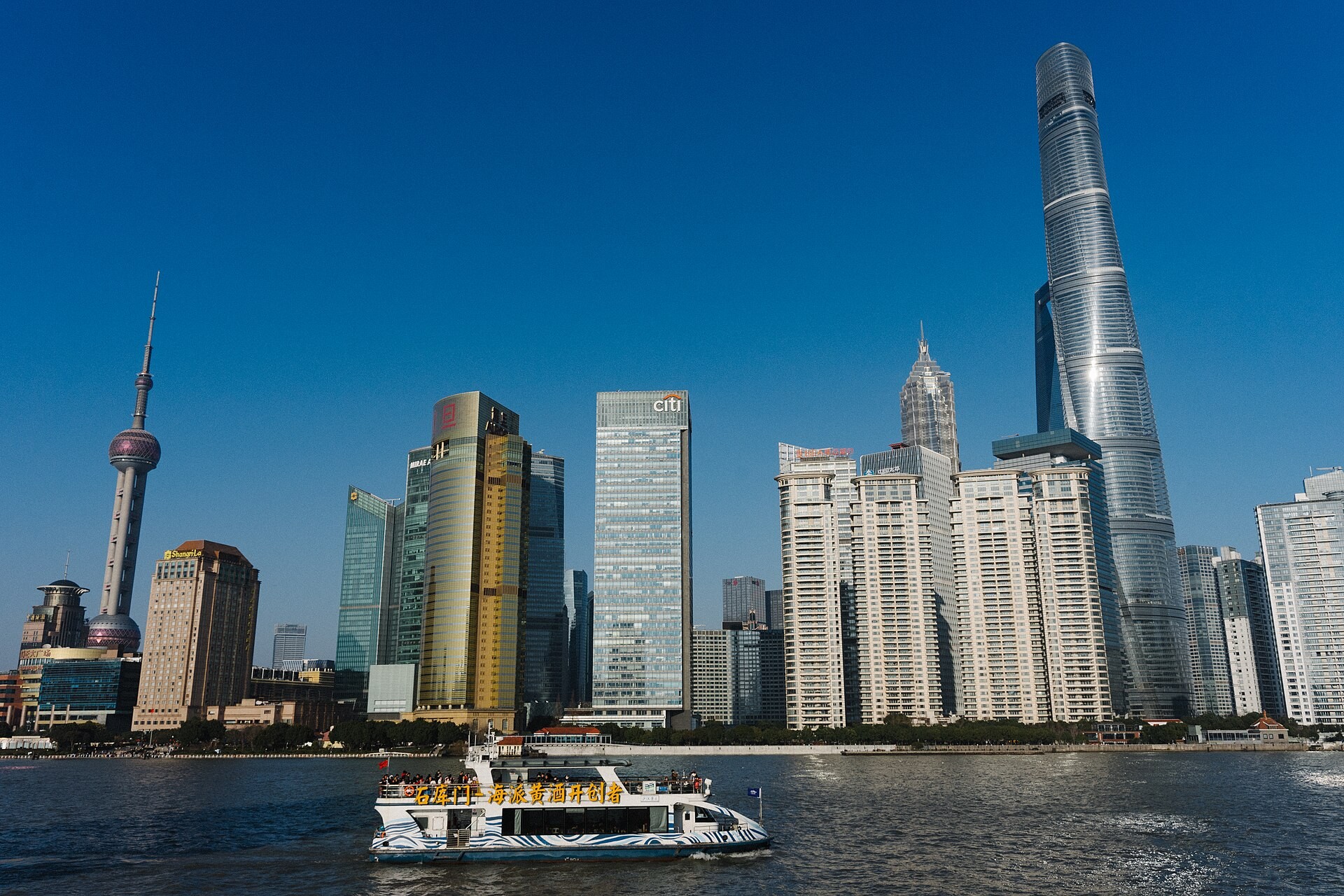 Shanghai · PrepareWhere to Stay in Shanghai: The Right Neighborhood for Your Travel StyleShanghai is really two cities split by a river. Pick the side your days will live on first, then match the neighborhood to how you actually travel.Reference ~
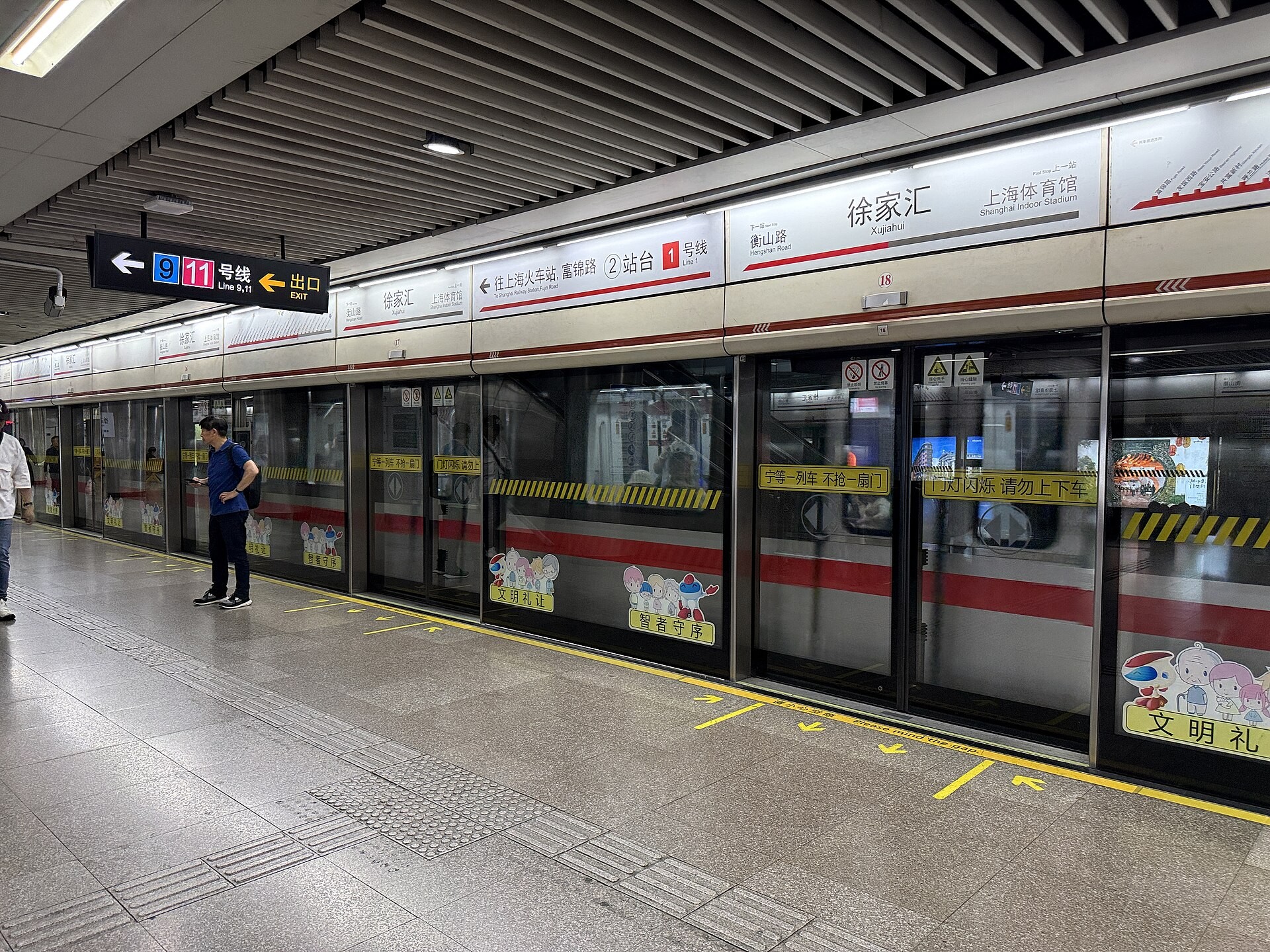 Shanghai · PrepareGetting Around Shanghai: Metro, DiDi, Taxis and Bikes Without the FrictionMetro for the corridors, DiDi for the awkward diagonals, a bike for the last kilometre — and the three small setups that make all of it painless.Reference ~
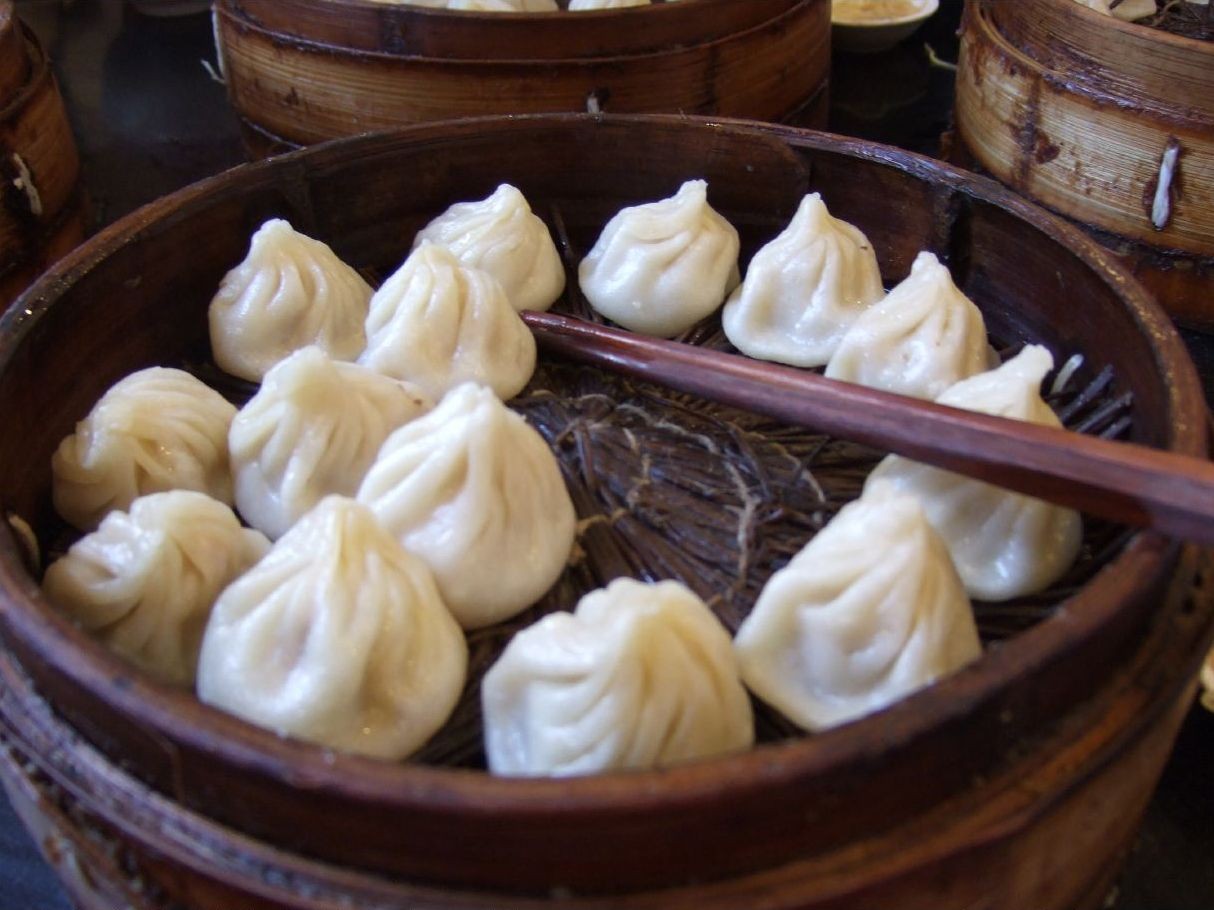 Shanghai · DoShanghai Food Guide: What Locals Actually Eat, and How to Eat ItSoup dumplings are the postcard. The real Shanghai table is pan-fried buns at dawn, dark glossy braises, river shrimp, a spring soup — and knowing the order to put them on the table.Reference ~
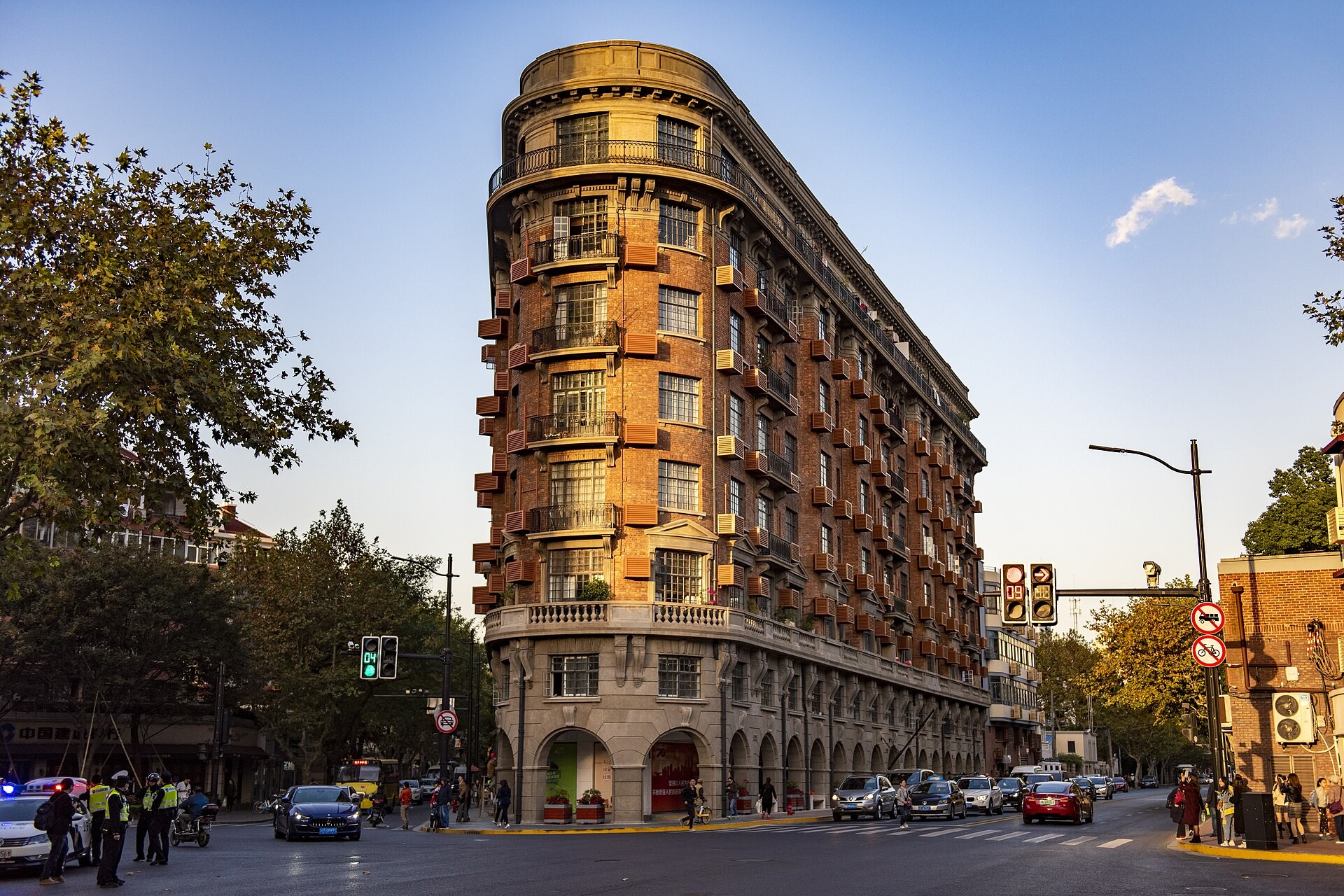 Shanghai · DoShanghai in 2 Days: Icons on Day 1, Neighbourhoods on Day 2Day 1 collects the postcard. Day 2 spends it — plane-tree streets, long lunches, and the Shanghai residents actually live in.Reference ~
08 · SOURCES
Sources and status
Prices, schedules and booking channels change. Recheck the details that matter before you travel.
- Shanghai Metro official site (line geography and service notices)Reference ~Verify last-train times for your date before relying on a late return