
The Toilet Revolution, launched in 2015, set a target of building or renovating 71,000 tourist toilets nationwide by the end of 2017. That figure is the campaign-era policy target, not a count of China's toilets today
Checked May 2017GUIDES / ESSENTIALS
Toilets in China: A Field Guide to the Great Porcelain Divide
One country, two toilet civilisations: heated bidet seats in the malls, squat pans and bring-your-own paper everywhere else. Here is how to always land on the right side of the divide.
City China16 min read8 facts labeledChecked 2026-10-29
01 · IN BRIEF
The two-toilet country
Every long-term traveller in China has the story. Mine involves a famous mountain scenic area, a long queue, a door that did not quite lock, and the slow realisation — mid-squat, knees protesting — that the paper dispenser on the wall was decorative. The roll was empty. The roll is always empty. Twenty minutes away by cable car, the visitor centre at the bottom had a restroom with warm water, a baby-changing station and a cleaner whose only job was that room.
Both of those toilets are China, and the distance between them is the story of the last decade. In 2015 the government launched what state media, with a straight face, called the Toilet Revolution — a national campaign to rebuild the country's public conveniences. Foreign visitors were a big part of the reason: the squat-and-pray rest stop was the single most common horror story in China travel writing. The campaign worked unevenly, which is why this guide exists. The trick is not hoping for a good toilet. It is knowing, in any given place, exactly where the good ones hide.
02 · SEE IT
What you will find, venue by venue
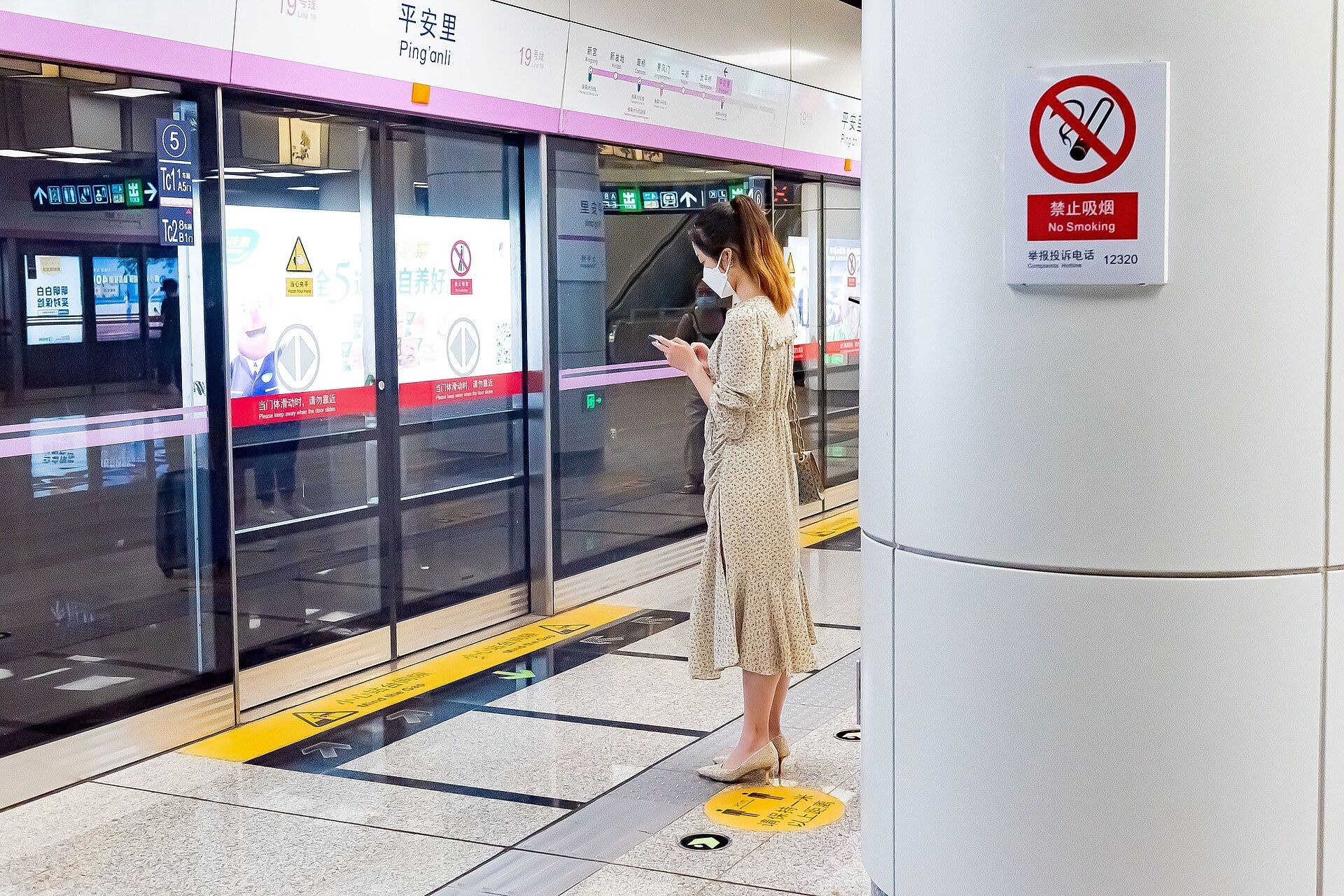
- High-speed trains and new metro lines — Seated toilets in accessible cars and station family restrooms; clean, attended, paper usually stocked. The network's quiet showpiece
- Shopping malls and department stores — Your safest bet in any city: seated cubicles, paper, soap, sometimes heated seats and bidet sprays in the premium malls
- International and mid-range hotels — Lobby restrooms are open to well-behaved non-guests in practice; top-end hotels add Japanese-style washlets
- Chain coffee shops and fast food — Reliable seated toilets in cities; smaller branches may hand you a key or a code at the counter
- Tourist sites, new or renovated — Post-revolution scenic-area restrooms can be genuinely excellent, with family and accessible rooms at 5A-grade sites
- Standalone street public toilets — The wild west: usually squat, paper a rumour, cleanliness varies by city and by how recently the revolution's inspectors passed through
- Older restaurants, small towns, rural stops — Squat pans, a bin beside the toilet that you are expected to use, and paper only if you brought it
- Airports, old and new — Flagship terminals have family rooms, nursing rooms and spotless attended blocks; older regional airports can feel a decade behind their own departure halls. The terminal's opening year predicts its toilets better than its size does
- Museums and exhibition halls — A consistently strong tier: modern plumbing, seated options, attendants in the big national museums, and quieter blocks on upper floors away from the entrance crowds
- Highway service areas — The revolution's honest report card. Newer expressway stops have bright, attended, family-equipped buildings; older ones on secondary routes remain squat-and-bucket territory. Judge by the building, never the brand signage
- City parks and old-town lanes — Municipal park toilets in big cities are usually renovated and free, with an attendant's cubby by the door; deep inside pedestrian old towns, expect small squat blocks that serve residents as much as visitors
- Night trains and long-distance buses — Train toilets lock automatically at stations on older rolling stock and degrade through the night; bus rest stops are scheduled, brief and basic. Both reward going before you board and again at the first good station
03 · TRY IT YOURSELF
The veteran's pocket protocol
Your ticks stay on this page only. No account or personal data is sent.
04 · THE PROOF
The revolution, in numbers — with the calibers attached
Surveyed tourist satisfaction with toilets rose from around 70% in 2015 to above 80% after the campaign's first phase — the direction is consistent across reporting, even if the exact survey base is not published
Checked October 2026A traveller uses a public toilet roughly eight times per trip, which People's Daily commentary extrapolated to more than 27 billion public-toilet visits a year nationwide. Both numbers are an editorial extrapolation, not measured statistics
Checked October 2026Map apps such as Amap can surface public toilets within about two kilometres, scenic-area standards pushed female-to-male stall ratios from 1:1 toward 2:3, and around 250 top-grade (5A) scenic sites were reported with family and accessible restrooms
Checked March 2018Beijing's Tiantan Park and Olympic Park famously installed facial-recognition toilet-paper dispensers — not to ration tourists, but because whole rolls kept being carried off. The machines are the campaign's most mocked and most telling artefact
Checked October 2026The campaign's flagship upgrades went far beyond pans and tiles: hot water, nursing rooms and, in showcase cases, free Wi-Fi were the advertised end-state. Treat the Wi-Fi toilet as a single showcased village case in Zhejiang, not a national standard — it appears in this guide as a symbol of ambition, not a promise about your next rest stop
Checked 29 October 2026Chinese commentary on the campaign framed the public toilet as the traveller's first physical read on the country's development level — the facility a visitor judges before the skyline. That framing, from the campaign's own domestic discussion, is why a toilet programme received national-campaign treatment at all
Checked 29 October 2026The revolution is not universally applauded at home: Chinese users argue both sides of squat versus seated pans — habit, perceived hygiene and knees all get cited — and the face-scan paper dispensers drew a genuine privacy debate alongside the jokes. Visitor etiquette lands in the middle of a live domestic argument, not a settled consensus
Checked 29 October 202605 · STEP BY STEP
How a toilet stop actually goes, step by step
- Scout before the emergency
When you arrive anywhere you will spend more than an hour — a scenic area, a station, a museum — register where the restrooms are while you are still comfortable. In China, the best facilities cluster at entrances, visitor centres and food courts, not halfway up the mountain.
- Pick your tier
Given a choice, walk two extra minutes to the mall, the hotel lobby or the new metro station. The standalone street toilet is the fallback, not the plan. At scenic sites, the newest building on the map usually holds the newest plumbing.
- Do the paper check first
Before committing, glance for the dispenser — then reach for your own tissue pack anyway. Assume any shared roll is empty, absent, or behind a face-scan machine with opinions. Your pocket pack is the reliable system; everything else is a bonus.
- Squat like a local
Feet flat on the ridged footplates, knees wide, weight slightly forward, one hand free for balance against the door or rail if there is one. Roll trousers up, keep bags on the hook or around your neck, and never put a phone in a back pocket. It is a skill; by day three it feels normal.
- Dispose correctly
In modern venues, flush paper normally. In older ones — small restaurants, older public blocks, rural stops — paper goes in the bin, full stop. The pipes in those buildings are narrower than you are imagining, and the person who unclogs them is not you.
- Hunting a seated toilet
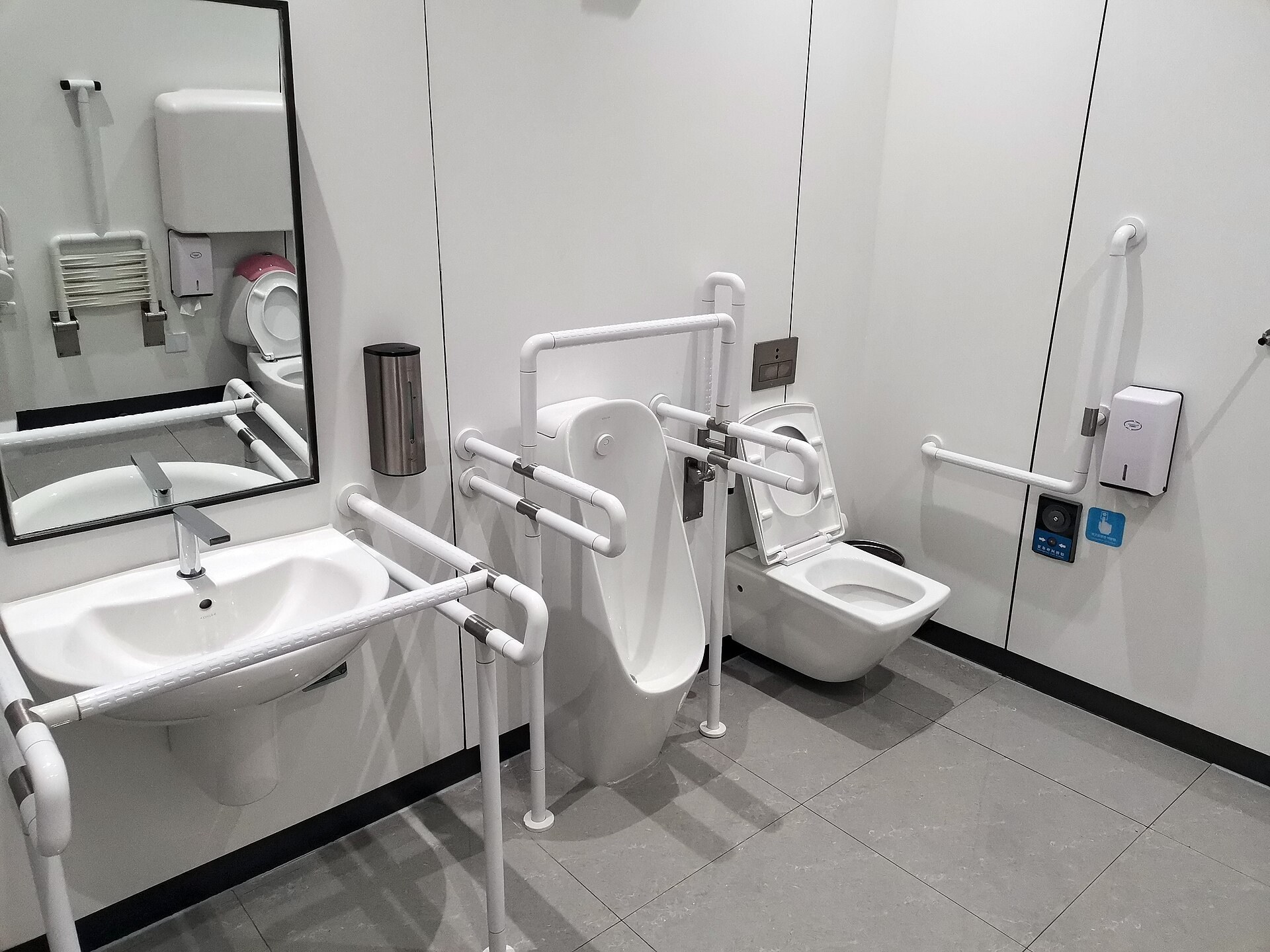
Need a seat — knees, injury, pregnancy, a toddler? Head for the accessible cubicle, which in renovated facilities is seated and larger, or the family restroom at malls, stations and 5A sites. In hotels and premium malls you may also find washlet seats with heated rings and bidet sprays: press buttons gently, and know that the stop button is the big one.
- Handle the no-lock door
Older cubicles sometimes have a broken latch or none at all. The local repertoire: wedge a foot against the door, hang your bag on the handle so its weight holds it, or go in pairs and take turns standing guard. Announce yourself with a cough or a knock first — doors that look shut are not always locked, in both directions.
- Use the attendant's system, not against it
Many renovated blocks have a resident cleaner, sometimes with a small desk by the entrance. A nod costs nothing, keeps the peace, and occasionally gets you directed to the cleanest cubicle or the seated one you would have missed. If paper is dispensed centrally, it is dispensed there — ask at the desk rather than hunting cubicle to cubicle.
- Solve the toddler and baby problem
Family restrooms at malls, stations and top-grade sites have child-size fixtures and changing tables; ordinary cubicles have neither the space nor the surfaces. If no family room exists, hotel lobbies are the fallback changing station of every travelling parent in China, foreign and domestic alike.
- Plan the accessible route honestly
Renovated facilities mark accessible cubicles with the wheelchair symbol, and these are the seated, grab-railed rooms this guide keeps steering you toward. In older buildings the accessible cubicle may be locked for safekeeping — the key lives with the attendant or the nearest service desk, so ask rather than assuming it is out of service.
- Finish like the room depends on it
Leave the cubicle as the system expects: waste in the bin where the plumbing is old, flush where one exists, and nothing on the floor. The revolution is maintained by an army of attendants on thin budgets; the fastest way a good toilet becomes a bad one is a queue of visitors treating it as disposable.
06 · WHERE THIS BREAKS
Where this guide stops working
The revolution did not reach everywhere
Small towns, older scenic areas, highway stops of the older generation and rural villages can still mean a basic squat, no paper and a smell with seniority. The protocol in this guide — carry everything, expect nothing — is written for exactly those places.
Paper is never guaranteed
Even good facilities run out, and dispensers in public blocks are shared supplies that empty by midday. There is no venue tier at which travelling without your own tissue is a sound plan.
Accessibility is improving, not uniform
Family and accessible restrooms are now common at top-grade sites, big stations and malls, but step-free access, grab rails and working lifts are not guaranteed at older attractions. If accessibility is essential, verify the specific venue in advance rather than trusting the category.
The bidet future is a top-end phenomenon
Heated washlet seats live in international hotels, premium malls and some new airports. They are a delight when found, but they are not the national default and will not rescue you at a rural bus station.
Campaign numbers are history, not a promise
The headline figures in this guide — the 71,000 target, the satisfaction surveys — date from the campaign years 2015–2018 and are labelled as such. They explain why facilities improved; they do not certify the specific toilet in front of you.
Q: Why is there no paper in the cubicle?
Because paper is treated as a personal supply, not a fixture. Whole rolls kept disappearing from public dispensers — the face-scan machines exist precisely because of that leakage — so the settled custom is that everyone carries their own. Once you adopt the pocket pack, the mystery dissolves: it was never a shortage, it is a different division of responsibility.
Q: Is it rude to use a hotel lobby toilet?
In practice, no: lobby restrooms in Chinese hotels and malls function as semi-public facilities, and well-behaved walk-ins are unremarkable. Dress and behave like a guest, do not trail a tour group through, and buy a coffee in the lobby bar if you feel the account needs balancing.
Q: Squat or seat — which do locals actually prefer?
Both, loudly. Many Chinese users defend the squat as more hygienic because nothing touches shared porcelain; many others have switched allegiance to seats at home and resent squatting in public. There is no national verdict to respect, only cubicle-level availability to work with — which is why this guide teaches both skills.
Q: Does the face-scan dispenser keep my face?
The honest answer is that visitors cannot audit the software from the cubicle door. The machines were installed to meter out paper and stop roll theft, and the privacy question was debated in Chinese media on exactly those terms. If the idea bothers you, the pocket pack in your bag is the opt-out — one more reason it is the real system.
Q: Are any public toilets paid?
Occasionally, at older scenic sites and transport corners, a small cash fee survives — usually a coin or two, sometimes collected by the attendant. It is rare and shrinking, but keep small change reachable rather than discovering the turnstile economy at the worst possible moment.
Q: What changes at night and in winter?
Standalone street blocks may lock overnight, and northern winters test unheated rooms and exposed pipes hard. Late at night, the reliable tiers narrow to 24-hour chains, stations and hotel lobbies — route to those rather than discovering a locked door in the cold.
07 · KEEP READING
Keep the trip moving
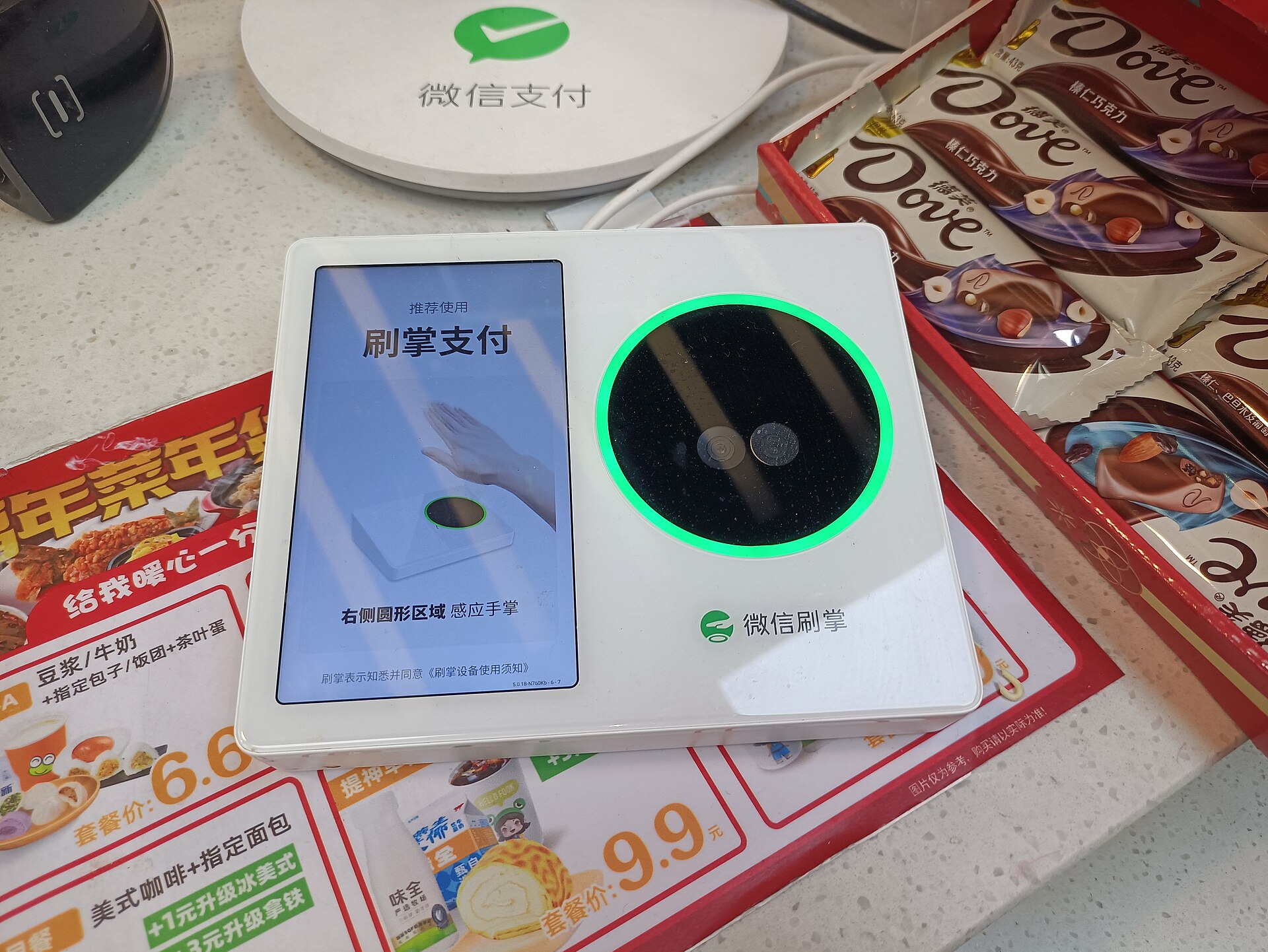 China · PrepareHow to Pay in China (2026): Alipay, WeChat Pay, TenPayGo, Cards and CashSet up one wallet before you fly, add a second as backup, and understand the two numbers that explain most payment confusion.Reference ~
 China · PrepareInternet & eSIM in China (2026): Roaming, Travel eSIM, Local SIM and Wi-Fi ComparedYour phone will work in China. The real question is which internet it connects to — every connectivity choice is a choice between two exits.Reference ~
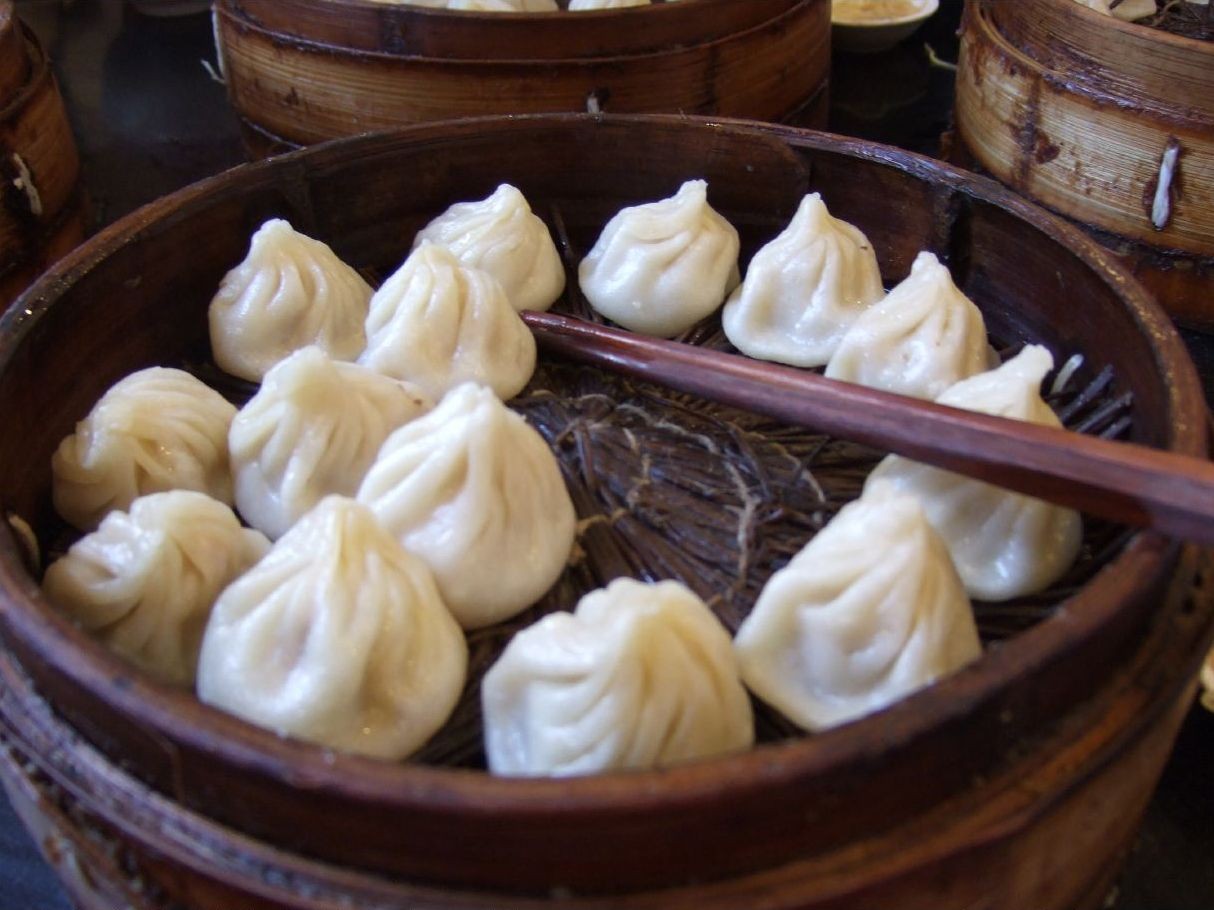 Shanghai · DoShanghai Food Guide: What Locals Actually Eat, and How to Eat ItSoup dumplings are the postcard. The real Shanghai table is pan-fried buns at dawn, dark glossy braises, river shrimp, a spring soup — and knowing the order to put them on the table.Reference ~
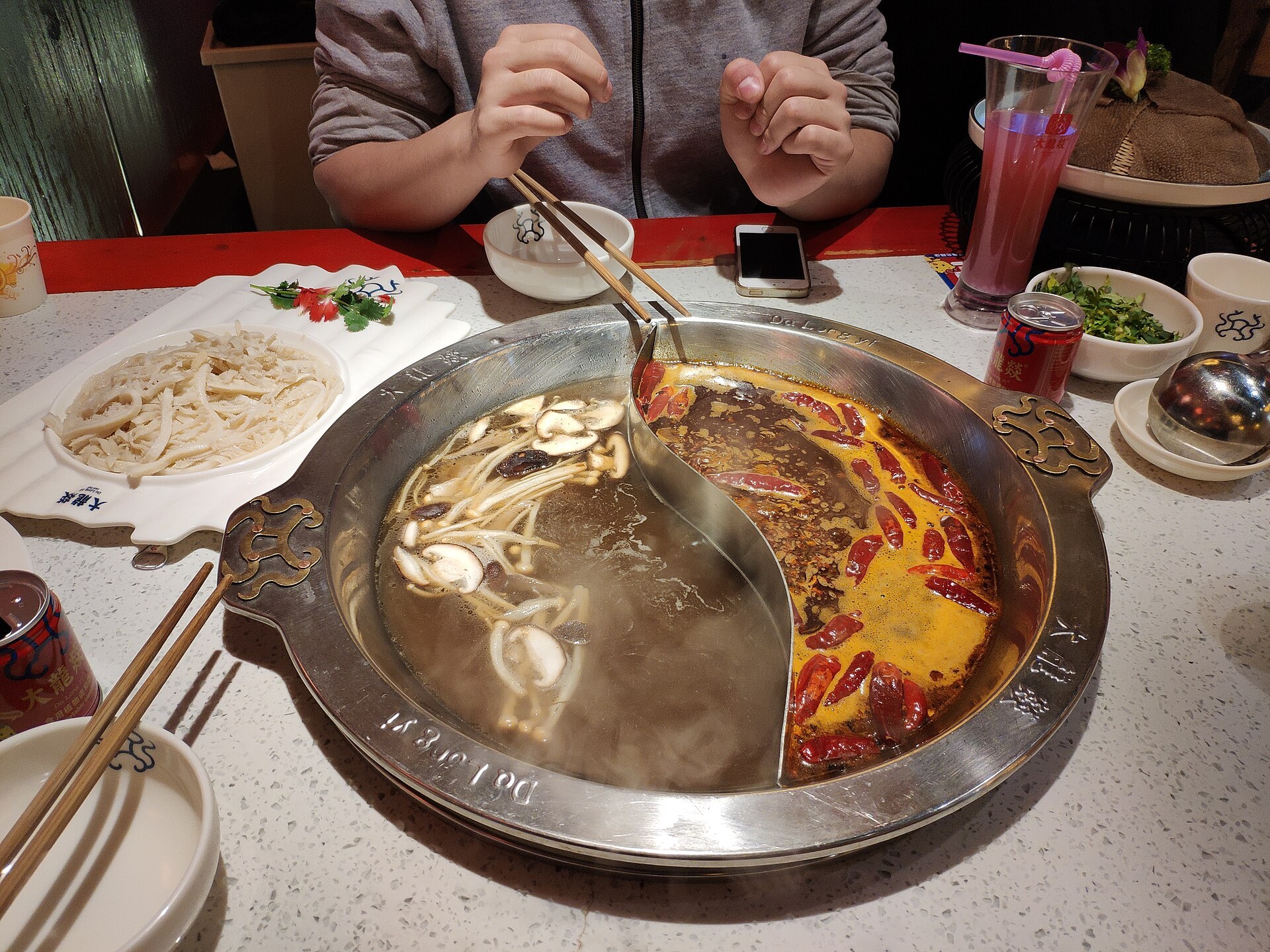 Chengdu · DoChengdu Food Guide: Hotpot First, Then the Spice LadderA split pot for the table that disagrees, a dipping sauce you build yourself, and noodles that run on chilli oil — Chengdu food is a system, and here is how to work it.Estimate ≈
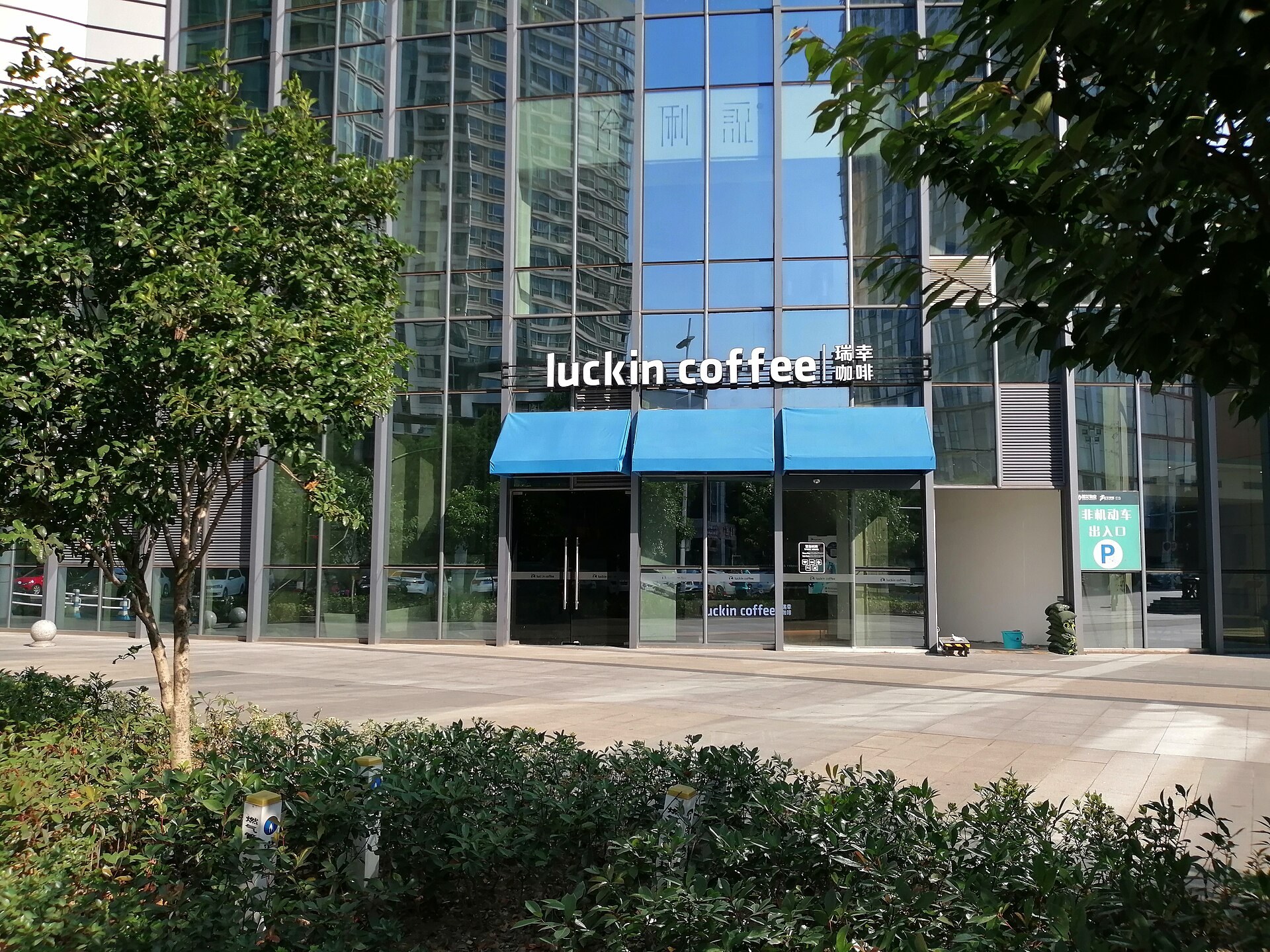 China · DoCoffee in China: The Café That Lives in an AppChina drank tea for millennia, then adopted coffee in a decade — through an app, at ¥9.9, with a pickup code. How the world's biggest coffee market skipped the café entirely.Reference ~
08 · SOURCES
Sources and status
Prices, schedules and booking channels change. Recheck the details that matter before you travel.
- Technology set to drive China's toilet revolution forward — China Services InfoReference ~Map-app toilet search, stall-ratio adjustment and 5A-site family restrooms
- People's Daily commentary on toilet use frequency (en.people.cn)Estimate ≈Origin of the 'eight visits per trip / 27 billion a year' figures — an editorial extrapolation, used here only with that label