
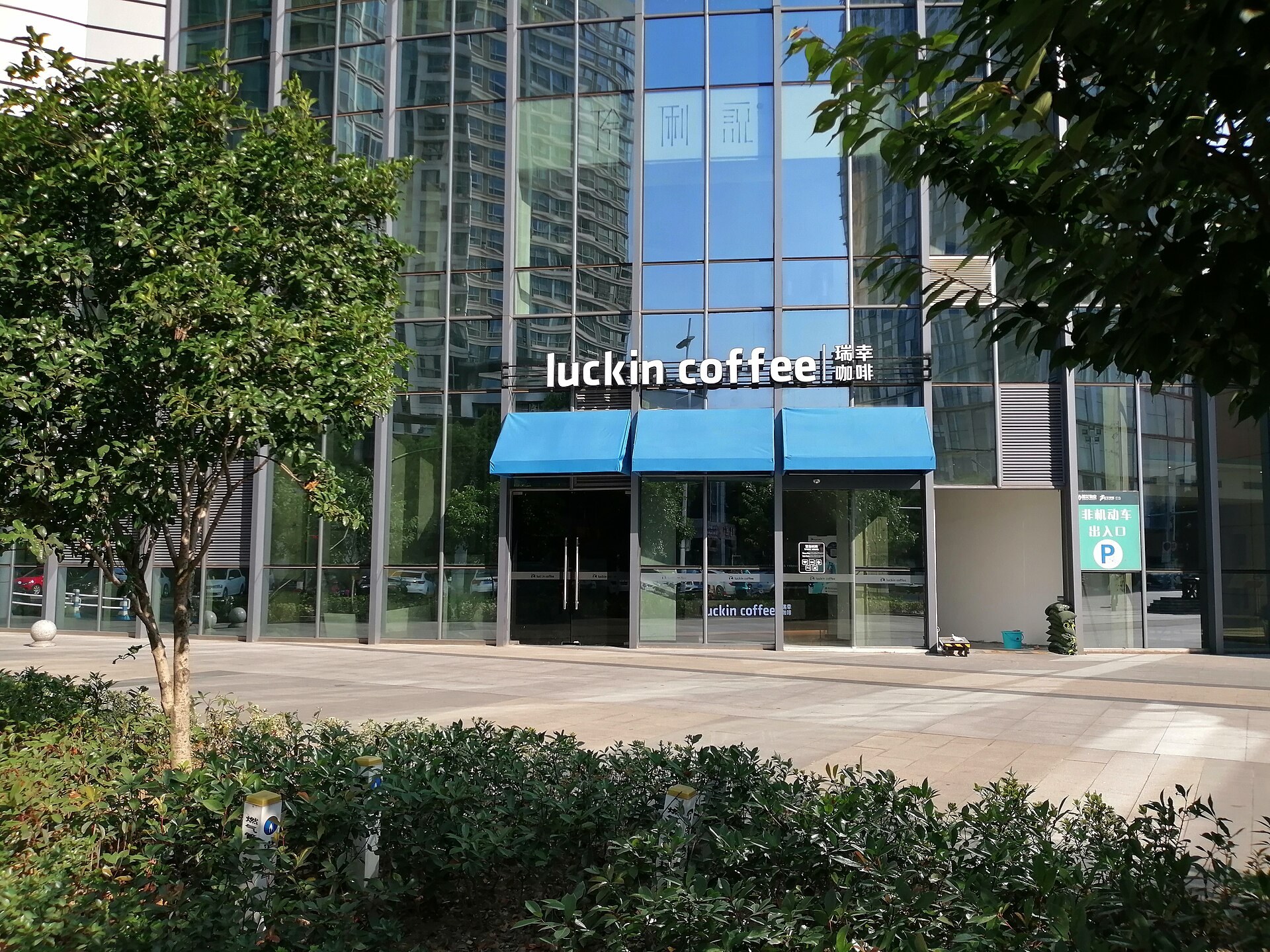
Luckin Coffee reported passing 35,000 stores globally in 2026, which would make it one of the largest coffee chains on earth by store count — a figure reported by the chain and its coverage, not independently audited here
Checked 31 May 2026GUIDES / FOOD
Coffee in China: The Café That Lives in an App
China drank tea for millennia, then adopted coffee in a decade — through an app, at ¥9.9, with a pickup code. How the world's biggest coffee market skipped the café entirely.
City China16 min read8 facts labeledChecked 2026-10-29
01 · IN BRIEF
Nobody orders at the counter
Your first Chinese coffee will probably not be handed to you by a person. You walk into a shop with no real queue, no chalkboard of specials and — this is the strange part — often nobody ordering at the counter at all. A barista works steadily behind the machine, sealing cups nobody seems to have asked for. Then a phone buzzes on the pickup shelf, a customer materialises, holds a screen under a scanner, grabs a cup marked with a four-digit code, and leaves. The whole transaction happened ten minutes ago, in an app, while he was still in the lift.
This is a country that drank tea for several thousand years and then adopted coffee in about ten — and it adopted it the way it adopts everything: through the phone, at scale, and at a price that starts arguments. Coffee here did not grow out of cafés, laptop campers and a 'third place' between home and office. It grew out of mini-programs, coupons and delivery riders. This guide explains how that happened, how to order inside the system as a visitor, and which cups are actually worth your money.
02 · SEE IT
Anatomy of an app coffee order
- Open the mini-program — Luckin, Cotti and the big chains live inside WeChat and Alipay, not in standalone apps you need to hunt down
- Pick the store, not the drink — the nearest pickup point matters more than the menu; there are several within a few hundred metres
- Customise in the app — sweetness, ice, milk and size are all toggles; the defaults lean sweet
- Pay in the app — your order enters the queue the second you pay, before you have left your hotel or office
- Watch the code — the app counts down, then shows a pickup code; the barista's shelf fills with sealed cups, each wearing a code sticker
- Scan, grab, go — show the code, take your cup, and be out the door in under a minute. Total face-to-face conversation required: zero
- Know the cast before you order — Luckin and Cotti are pickup machines: small counters, big shelves, minimal seating, built for the code-and-go ritual above
- Manner is the craftsman exception — real baristas, counter ordering, small cups, prices that sit between the price war and the imports
- Starbucks plays a different sport in China — large, comfortable stores that function as the meeting rooms and study halls the pickup chains refuse to be
- Independents are the scouts — single-origin pour-overs, Yunnan beans on the menu board, and the counter conversation the apps designed out
- Convenience stores are the understudy — bottled and canned coffee at FamilyMart, Lawson and 7-Eleven quality-surprises many visitors, at prices below the chains
- The flagship is the plot twist — for milestone stores the chains build theatrical cafés people queue hours to enter, re-adding the café experience the pickup model skipped
03 · TRY IT YOURSELF
Five cups and one spectacle
Your ticks stay on this page only. No account or personal data is sent.
04 · THE PROOF
The numbers behind the app
Luckin's raw coconut latte has sold more than 2.1 billion cups cumulatively since launch — again a chain-reported figure, quoted here as the company's own caliber, not a verified count
Checked October 2026A ¥9.9 price war between Luckin, Cotti and others reset the default price of a takeaway coffee in Chinese cities and pushed ordering almost entirely into apps and mini-programs; the promotional price survives as a standing coupon mechanic rather than a universal shelf price
Checked 27 October 2026Yunnan is becoming the bean behind the boom: a Baoshan fresh-cherry processing plant with around 5,000 tonnes of annual capacity, and Luckin's expected Yunnan purchases for the 2026 season projected above 30,000 tonnes. The purchase projection rests on a single source and is flagged accordingly
Checked 29 October 2026Per-capita coffee consumption in China has climbed steeply — industry reporting put it at roughly 28.6 cups per person in 2025, up from the high teens earlier in the decade — still far below European or American levels, which is precisely the headroom the chains are fighting over
Checked October 2026When Luckin opened its 30,000th-store milestone flagship in Shenzhen, customers reportedly queued around three hours to enter — a pickup-and-delivery empire marking its scale with a theatrical sit-down café, in effect staging the third-place experience its everyday model had skipped
Checked 27 October 2026Yunnan's role is shifting from anonymous commodity supply toward origin branding: beans from Baoshan and Pu'er increasingly appear named on chain and independent menus, so the province is becoming a selling point rather than just a sourcing line — the domestic-harvest subplot behind the import-heavy boom
Checked 27 October 2026Whether a ¥9.9 cup can actually make money is an openly argued question in Chinese coverage — coupon mechanics, delivery subsidies and loss-leading all get proposed as the answer, and the chains' own disclosures are the only authoritative side of the argument. This guide carries the price as a reported mechanic, not a settled business model
Checked 27 October 202605 · STEP BY STEP
How to order coffee like a resident
- Order in the mini-program, not at the counter
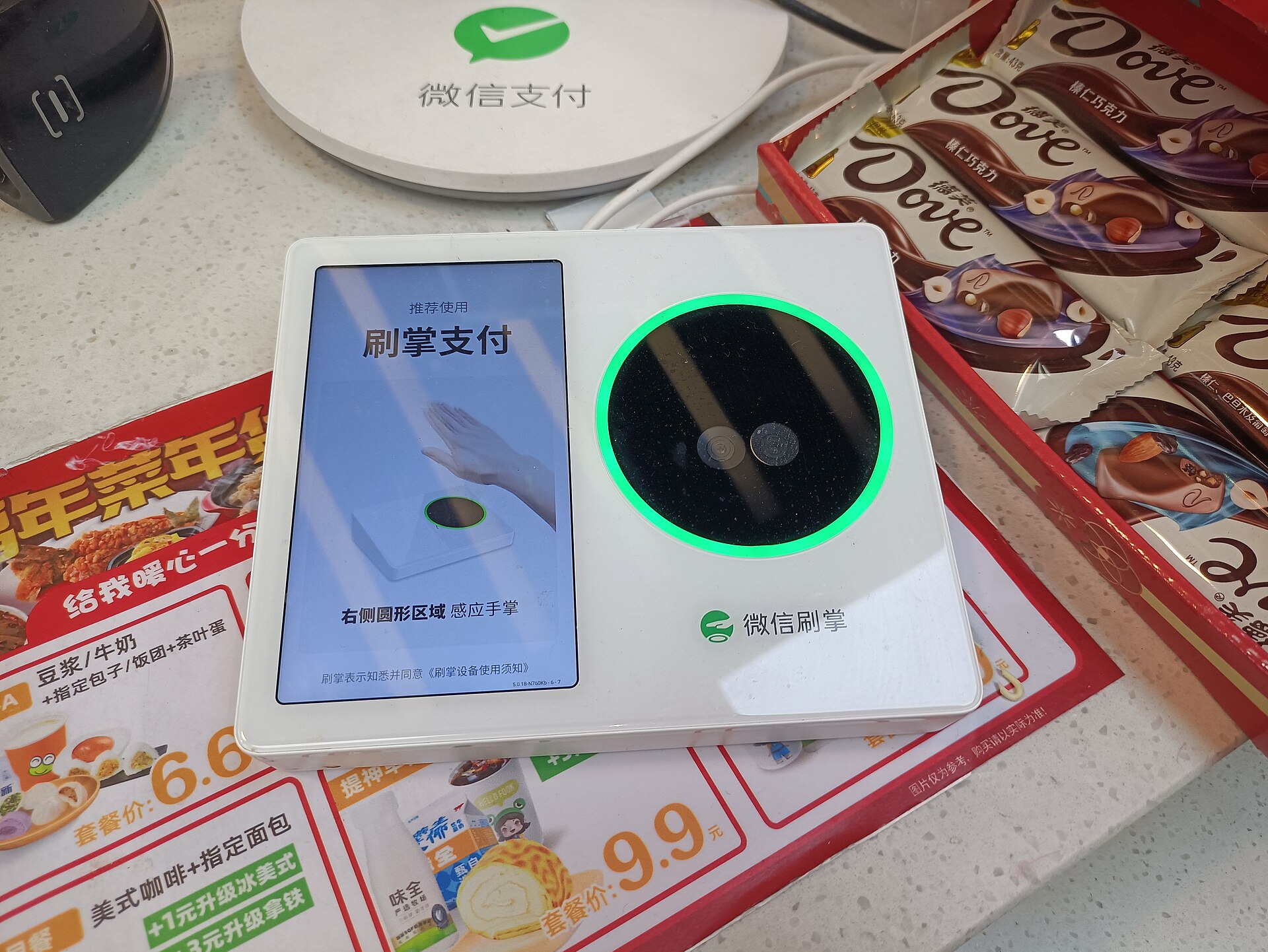
For Luckin, Cotti and most big chains, ordering lives in a WeChat or Alipay mini-program: search the brand name, pick the nearest store, choose the drink, pay, and watch the order number. You need mobile payment set up first — our payment guide walks through binding a foreign card.
- Learn the pickup-code ritual
When the app says ready, go to the shelf or counter, show or scan your code, and take the cup with your number on the lid sticker. Staff may call the last digits. In peak office hours the shelf is a small crowd scene — match the code carefully, because fifty identical-looking coconut lattes are not fifty identical drinks.
- Use the counter-order exceptions
Manner, most independents and Starbucks still take counter orders in the normal way, which makes them the zero-setup option on day one. Manner's small-cup lattes are the connoisseur's default; Starbucks in China runs huge stores and a full app of its own, but also works fine walked into cold.
- Let delivery do the walking
Chains will deliver a single cup to a hotel lobby or office door for a small fee. Order to your hotel, time it to your return, and your coffee beat becomes part of the day's logistics rather than a detour.
- Calibrate the sweetness
Skip the default-sweet trap once: order the coconut latte at reduced or no added sugar and you get the actual coffee-and-coconut flavour the country fell for. Then try one local-only invention — a tea-coffee hybrid or a seasonal osmanthus or rice-wine special — because the limited editions are where the chains compete hardest.
- Harvest the newcomer coupons first
The mini-programs front-load generosity: first orders, new-user packs and weekly coupon drops are how the ¥9.9 headline survives as a mechanic rather than a shelf price. Open the coupon page before your first order, apply what is offered, and never pay list price at a pickup chain until the coupons run out — locals do not, and the pricing assumes it.
- Choose the store by the shelf, not the sign
In dense districts several branches of the same chain sit within a few hundred metres, and their queues differ wildly. The app shows preparation load indirectly through waiting estimates; pick the quieter branch two streets away over the famous one under the office tower, and your cup arrives before the crowd's.
- Survive the lunch-hour shelf
Between noon and two, pickup shelves in office districts hold dozens of near-identical sealed cups. Read the full code, not the last two digits; check the drink name on the sticker against your order screen; and if your code was called while you were crossing the road, ask staff to point — remakes for walk-away orders are a normal part of the system's day.
- Work around the language wall
Mini-program menus are Chinese-first, but the interface is pictorial: drink photos, size icons and sugar/ice toggles in fixed positions. Screenshot-translate the menu once, learn your drink's card position, and afterwards you are ordering by muscle memory. Showing the staff your order screen resolves anything the toggles could not.
- Find a seat strategy, because the chains will not
Most Luckin and Cotti points are counters with a shelf, not rooms — sitting down to work is a Starbucks, Manner-with-seating or independent-café plan. Treat pickup coffee as fuel and café coffee as rent: pay the chain price to move, pay the café price to stay.
- Time the seasonal drops
Limited editions rotate fast and market hard — osmanthus in autumn, rice-wine and festival specials around holidays, fruit-coffee experiments in summer. If a seasonal cup catches your eye, order it that day: the menu slot it occupies may belong to something else by next week, and restocking a retired special is not a thing this industry does.
06 · WHERE THIS BREAKS
Fine print before you fall for it
The big numbers are chain-reported
Store counts and cup totals in this guide are the chains' own announced figures, carried by trade coverage. They are the best available caliber and are labelled as such — but nobody has independently counted 35,000 stores or 2.1 billion cups.
Chains and prices churn fast
The price war has already burned through chains and promotions change weekly. A ¥9.9 hero drink at one chain may be ¥13.9 by the time you land, and some brands named in older coverage no longer exist.
App ordering has an entry fee: your payment setup
Mini-program ordering assumes a Chinese app ecosystem and a working mobile payment setup. Without them, you are limited to the counter-order chains and whatever English the staff can improvise — doable, but it is the hard mode.
Indie café culture is real but thin on the ground
Coffee is young here. Outside the big cities and the chains, a serious pour-over bar is a find, not a given, and decaf remains genuinely hard to source in many chains and towns.
Sweet is the default
Domestic chains sweeten aggressively and milk drinks dominate the menus. Purist black-coffee drinkers will find their people — at Manner and the independents — but should order explicitly and check the sugar setting in the app.
Q: Is this just milk tea with coffee in it?
It is the sharpest local insult and half a description. Milk drinks dominate, sweetness defaults high and fruit-tea formats keep colonising the menu — but the same market sustains Manner's plain lattes, independent pour-over bars and a growing Yunnan single-origin scene. The accurate version: China adopted coffee as a flavour platform first and a purist ritual second, and both layers now coexist in the same app.
Q: Can I actually sit down anywhere?
Yes — just not where the prices are lowest. The pickup chains optimised the chair away; Starbucks' large Chinese stores, seated Manner locations, hotel cafés and independents are the sit-down tier. Budget accordingly: the seat is a separate product with a separate price, and the market is honest about charging for it.
Q: Why did the chain from my last trip vanish?
Because the price war is also an extinction event. Brands expand on coupon economics, collapse when the subsidies stop, and sometimes leave a city's high streets within a year. Treat any named chain in any guide — including this one — as a current champion, not a permanent institution, and let the app map on the day be the final directory.
Q: Is the flagship queue worth joining?
As spectacle, yes; as coffee, no. Milestone stores are marketing theatre — the cup is the standard menu wearing a commemorative sleeve. Go to watch a tea civilisation throw a three-hour party for a coffee shop, photograph the line, then drink your actual coffee at the quiet branch around the corner.
Q: What should a black-coffee drinker order?
Say it in toggles, not in hope: Americano, no sugar, and check the confirmation screen before paying, because default builds lean sweet and milky across most chains. At Manner and independents you can simply tell a person — one of the quiet luxuries the counter-order exceptions still sell.
07 · KEEP READING
Keep the trip moving
 China · PrepareHow to Pay in China (2026): Alipay, WeChat Pay, TenPayGo, Cards and CashSet up one wallet before you fly, add a second as backup, and understand the two numbers that explain most payment confusion.Reference ~
 China · PrepareInternet & eSIM in China (2026): Roaming, Travel eSIM, Local SIM and Wi-Fi ComparedYour phone will work in China. The real question is which internet it connects to — every connectivity choice is a choice between two exits.Reference ~
 Shanghai · DoShanghai Food Guide: What Locals Actually Eat, and How to Eat ItSoup dumplings are the postcard. The real Shanghai table is pan-fried buns at dawn, dark glossy braises, river shrimp, a spring soup — and knowing the order to put them on the table.Reference ~
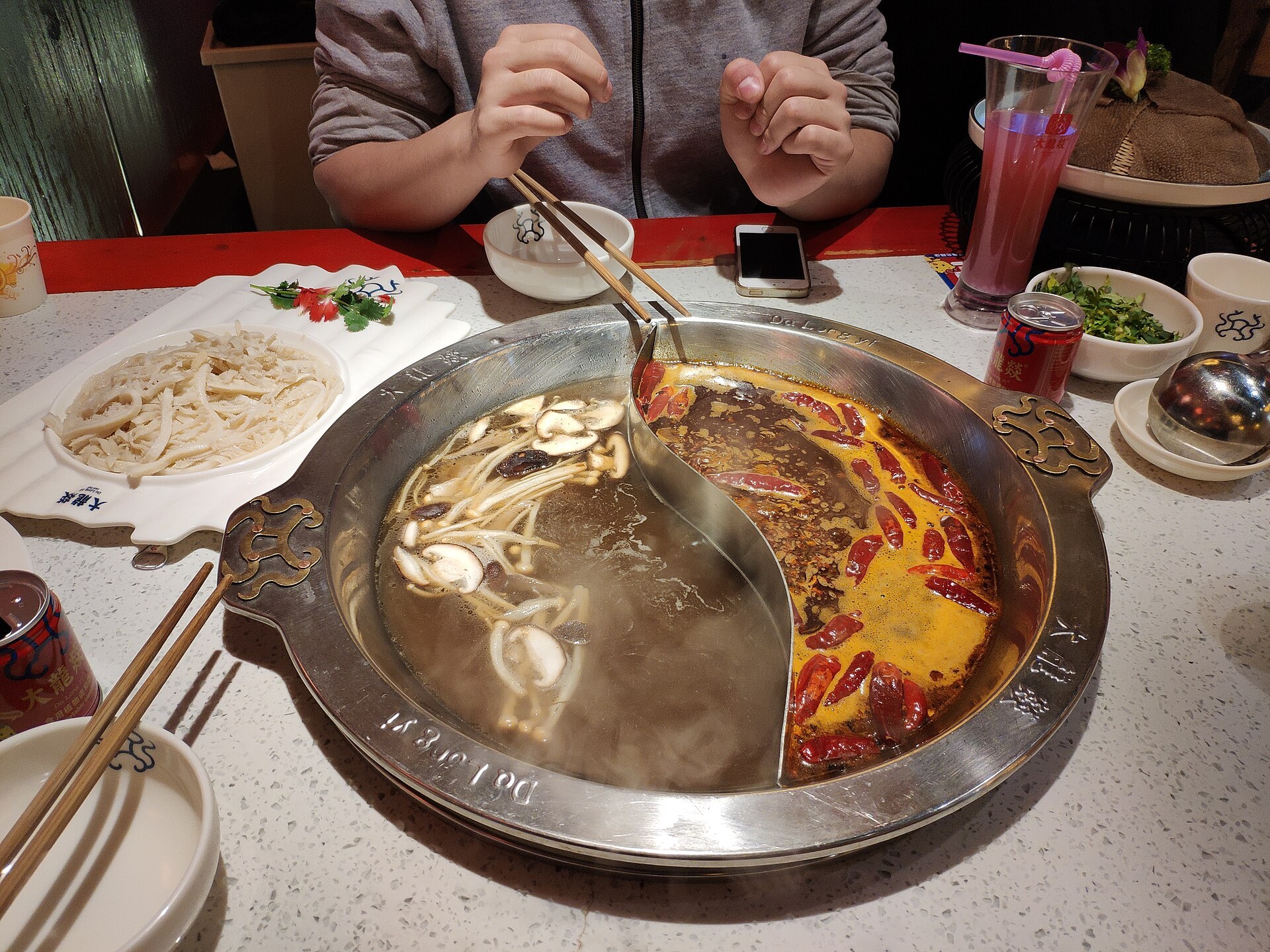 Chengdu · DoChengdu Food Guide: Hotpot First, Then the Spice LadderA split pot for the table that disagrees, a dipping sauce you build yourself, and noodles that run on chilli oil — Chengdu food is a system, and here is how to work it.Estimate ≈
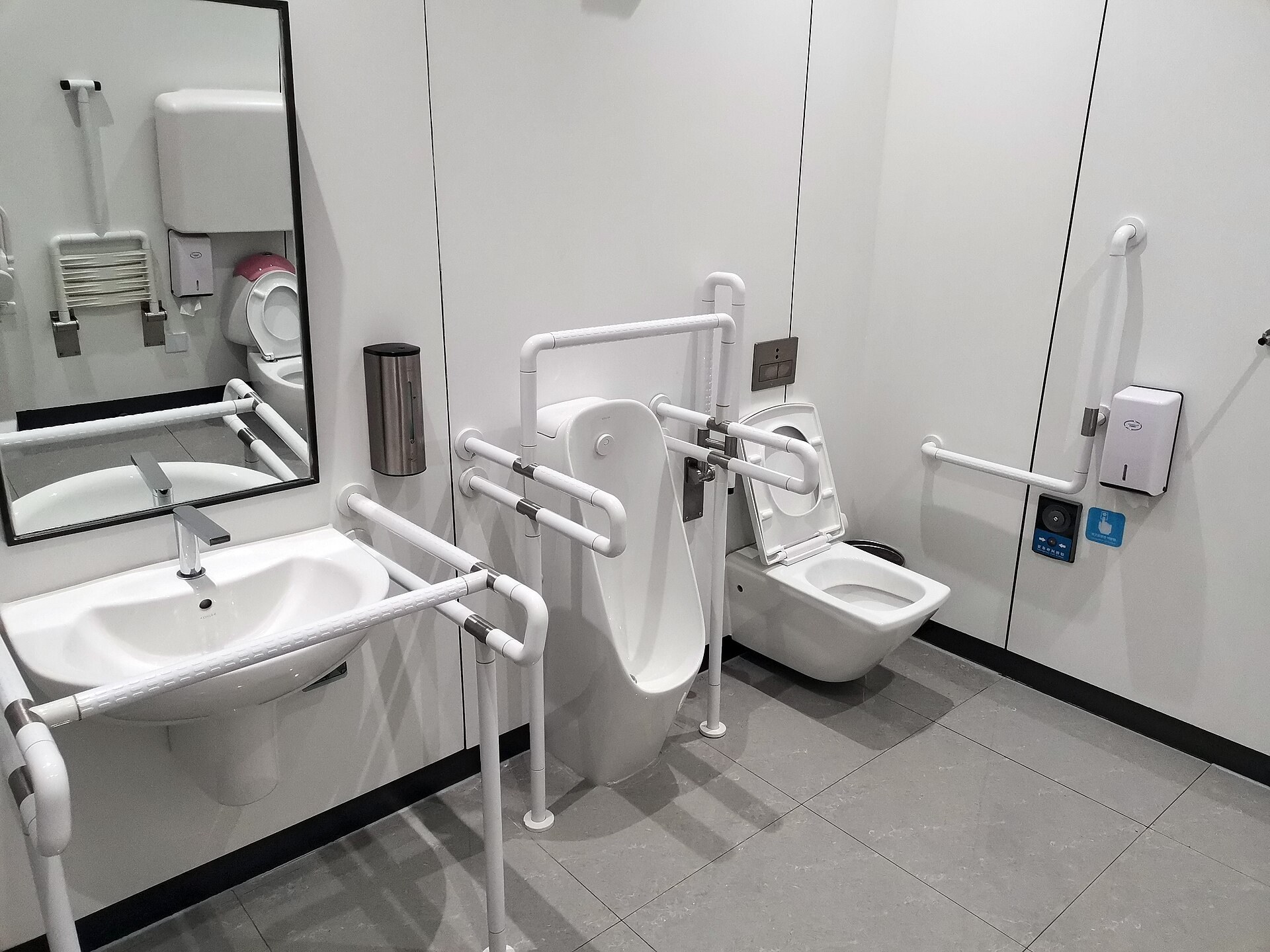 China · DoToilets in China: A Field Guide to the Great Porcelain DivideOne country, two toilet civilisations: heated bidet seats in the malls, squat pans and bring-your-own paper everywhere else. Here is how to always land on the right side of the divide.Reference ~
08 · SOURCES
Sources and status
Prices, schedules and booking channels change. Recheck the details that matter before you travel.
- Luckin Coffee surpasses 35,000 stores globally — Marketing InteractiveReference ~Source of the 35,000-store and 2.1 billion coconut latte figures, both chain-reported calibers