When Winter Weather Moves Your China Trip: Change This First, Refund That Last
Updated November 2026 · Refund and change figures checked against 12306's published rules
Keep it in your favorites
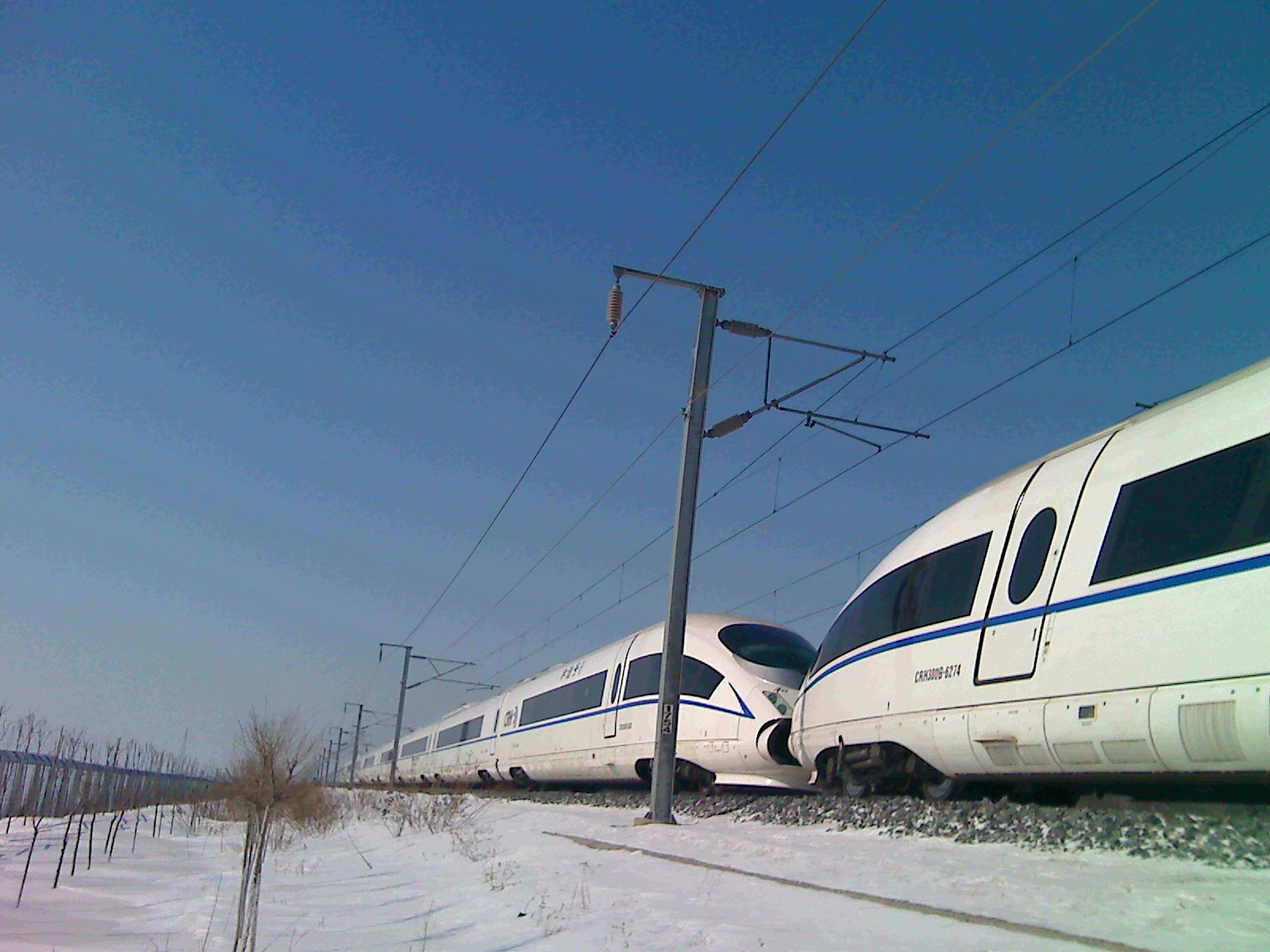
Winter weather in China rarely cancels a trip outright. It bends it — and a bent trip is a negotiation with fee ladders that were published long before your flight landed. · Image source
The forecast turns on a Tuesday. By Thursday the pass above your scenic area is closed, the wind is holding trains to a crawl across the northern plain, and the itinerary you printed — the one with the sunrise, the gorge and the 07:12 departure — is quietly becoming fiction. Every traveller in China in winter meets this moment. What it costs depends almost entirely on the order in which you touch the bookings.
The verdict, up front: on Chinese railways, change first and refund last, because the published fee ladders make changing dramatically cheaper than cancelling — and the earlier you move, the cheaper both become. Refund a train ticket inside 24 hours of departure and you surrender 20% of the fare; change it in time and the same journey often costs nothing at all. Flights invert the logic: when the airline cancels, the refund is free and full — so with a storm coming, sometimes the winning move is to wait for the airline to blink first.
What follows is the working order: how to read the disruption, the exact 12306 ladders (checked against the railway's own published rules, not a blog's memory of them), the flight rules that differ, and the day-swap — the cheapest manoeuvre of all, because it spends nothing but sequence.
The order of operationsAnchor leg first → timed tickets second → hotel nights third → everything else is commentary
The money ruleTrains: change beats refund, early beats late · Flights: airline-caused means free — let them cancel first
The two ladders worth screenshotting
12306 refunds: 8 days / 48 hours / 24 hours. Refund a Chinese train ticket 8 or more days before departure and the fee is zero. Between 48 hours and 8 days it is 5% of the fare; between 24 and 48 hours, 10%; inside 24 hours, 20%. The ladder is the railway's own published scale, and it is why 'decide early' is not a slogan but a price.
12306 changes: one change, usually free if you move early. Each ticket can be changed once. Changing 48 hours or more ahead — or, inside 48 hours, moving to a train on or before the original date — carries no change fee; you settle only the fare difference. Moving to a later date inside 48 hours costs 5% (24–48h out) or 15% (under 24h), and changing after departure to a later day costs 40% of the lower fare. Translation: the same seat, moved in time, is nearly free; cancelled late, it is not.
Figures are from China Railway's published ticketing rules (12306), checked November 2026. They apply to tickets bought through official channels; agency-bought tickets follow the same railway rules plus any agency terms.
Eating through a weather day
The station is not a food desert. Big Chinese stations run full food floors — noodles, dumplings, regional chains. A three-hour delay is a meal, not a fast, if you go upstairs instead of camping at the gate.
Hotpot is the national weather response. When a city shuts down for snow, the hotpot restaurants stay open and fill up. A written-off afternoon converts well: broth, lamb, and watching the weather from the warm side of the glass.
Carry one meal's worth of snacks in winter. Onboard catering thins out on disrupted services. A bag of nuts, chocolate and a bottle of water in the daypack is the difference between a delay and a grievance.
Read the disruption like a dispatcher
What is actually closed · What is merely slow · What only looks closed
Winter weather in China comes in three grades, and they demand different responses. Grade one is slow: high-speed trains capped for wind or snow, flights delayed in banks, roads icy but open. Your trip survives intact with buffers eaten — change nothing, arrive later, protect the evening. Grade two is broken links: a mountain road closed, a scenic area shut for ice, a regional airport fogged in. The destination survives; one leg must move. Grade three is the full stop — a blizzard sitting on a province — and it is rarer than the forecast theatrics suggest.
The practical skill is refusing to treat grade one like grade three. Travellers refund and rebook entire trips over delays the railway absorbs by lunchtime, paying 20% ladders for the privilege. Before you touch a booking, ask which grade you are in: is the thing cancelled, or is it late? Chinese rail, in particular, is engineered for winter — the trains in the photograph above are running, in snow, on a line built for it.
Check the operator, not the rumour: 12306 app for trains, the airline's own app for flightsGrade it: slow (absorb) / broken link (move one leg) / full stop (rebuild)Touch bookings in anchor order — the longest leg first, the local details last
Trains: change first, refund last
One change per ticket · The fee ladder rewards the early · After departure, same-day only
Worked example, because the ladder is the whole lesson. Your ¥553 (≈$83) second-class seat north is snow-threatened. Refund today, nine days out: fee zero, but the seat is gone and the replacement train may sell out. Change today to the day after: no change fee, pay or receive the fare difference, seat secured. Refund inside the last day because you panicked at the platform: 20% gone. The railway is telling you, in prices, exactly what it wants you to do — keep travelling, on a different train, and tell it early.
Two traps deserve names. First, the changed ticket's refund follows stricter rules — a ticket changed and then refunded can attract the 20% rate in the cases the rules spell out, and a ticket for travel in the Spring Festival period that has been changed is refunded at the harshest rate regardless. Second, after the train has left, the change window narrows to other trains the same day, and a changed-after-departure ticket cannot be refunded at all. Missed the train entirely? The same-day change desk at the station is the only door still open — go there before you buy anything new.
More than 8 days out: everything is free — this is when to make the big decisions48 hours to 8 days: changes free, refunds 5% — change, don't cancel24–48 hours: changes to later dates 5%, refunds 10% — the swap windowUnder 24 hours: refunds hit 20% — change to a later train (15%) or ride out the delayTrain already left: same-day change at the station or in the app; no refunds after a post-departure change
Flights, hotels, and the day-swap
Involuntary is free · Voluntary is fare rules · Sequence is the free currency
Flights split into two universes. If the airline cancels or heavily retimes your flight — weather at either end is the classic cause — the change is involuntary: you are entitled to rebooking or a full refund without the fare-rule penalties, under the civil aviation rules airlines operate by in China. If you cancel a flight that is still operating, your ticket's own fare conditions govern, and on cheap domestic fares they can be severe. Hence the storm-week discipline: if cancellation looks likely, hold your nerve and let the airline cancel first; the same seat refunded an hour apart can cost everything or nothing depending on who blinked.
Then there is the manoeuvre that costs nothing at all: the day-swap. Most winter itineraries mix weather-exposed days (the gorge, the summit, the old town's lanes) with weather-proof ones (the museum, the food street, the hot springs, the long lunch). Swapping their order — exposed day to the clear window, indoor day into the storm — rescues trips that refunding would only have made poorer. Do it before you touch the transport: half the time, the train you were about to pay 20% to cancel turns out to be exactly the train the swapped plan needs.
Airline cancels: claim the free rebook or full refund — do not accept a voucher by defaultAirline hasn't cancelled: price the voluntary change against waiting — storms usually decide within hoursHotels: free-cancellation deadlines usually fall at 18:00 on arrival day or the day before — move nights before that line, not afterSwap exposed and indoor days first; rebook transport only for what the swap cannot save
Our call: spend sequence before money
The travellers who lose money to winter weather are rarely the ones whose trains were cancelled — they are the ones who cancelled good bookings early, at the top of the fee ladder, to escape a delay the system would have absorbed. Grade the disruption, swap the days, change the anchor leg while changing is free, and let airlines cancel before you do. Winter in China bends itineraries. It does not have to tax them.
Final checks
Before any winter trip: keep every booking inside one phone (the 12306 app and the airline's app, logged in, with the passport-linked accounts working before you need them at midnight in a storm), note each hotel's free-cancellation deadline in the itinerary itself, and leave one unplanned half-day per three days as the buffer that absorbs grade-one weather without touching a single booking.
And keep the proportion the forecast will not give you: northern China runs its railways through forty winters of practice, the trains in the snow are the system working as designed, and a delayed arrival at a steaming hotpot is, by the standards of travel stories, the good outcome. Change early, change once, and let the weather do its worst to a plan that was built to bend.