
Ride in: the train from Hohhot (or the long Beijing service) across a full day of steppe, or the G208 road up from Datong. Check into a port-side hotel and walk the trilingual streets in the evening — the town's whole personality is out after dark, in the market and the mutton smoke.
GUIDES / ITINERARIES
Erenhot First Time: The National Gate, the Bogie Shed, and the Kissing Dinosaurs
China's northern gate is a Gobi border town where international trains stop to change their wheels, sauropods kiss over the highway, and the road south is the one the caravans — and two motorcyclists — came up.
City Erenhot12 min read7 facts labeledChecked 2026-11-07
Keep it in your favorites
The finish line at the top of the map
China's northern gate is a Gobi border town where international trains stop to change their wheels, sauropods kiss over the highway, and the road south is the one the caravans — and two motorcyclists — came up.
On the sixteenth day of the ride, the road ran out. 500 km north of their last night stop, through Ulanqab and across open steppe, Ludwig and Michael Reeves rolled into a town where the shop signs run in three scripts, dinosaurs stand along the avenues, and the highway simply ends at a gate. On one side: Erenhot, China. On the other: Zamyn-Üüd, Mongolia, and the steppe continuing to a horizon with nothing on it. It is the most theatrical full stop in Chinese geography — a border town that is also a railway workshop, a fossil field and, since 2026, the finish line of the internet's favourite motorcycle trip.
Erenhot — Erlian in Chinese, Ereen in Mongolian, a name that means 'colourful', after the salt lake east of town — exists because of the railway. The station opened in 1956 on the line from Beijing to Ulaanbaatar and Moscow, and the town grew around the one job no other Chinese city does: lifting international trains into the air and changing their wheels, because China runs on standard gauge and Mongolia on Russian broad gauge. Around that improbable industry sits the Gobi's strangest small city: the largest land port between China and Mongolia, a dinosaur museum full of local giants, and an avenue of life-size sauropods marching in from the desert.
A first Erenhot day, in running order
01
The National Gate — the monumental gate over the border tracks: climb it for the view north across Zamyn-Üüd and the steppe running out of sight
02
Boundary Marker No. 815 — the numbered stone where China ends and the photo every visitor to the gate area takes
03
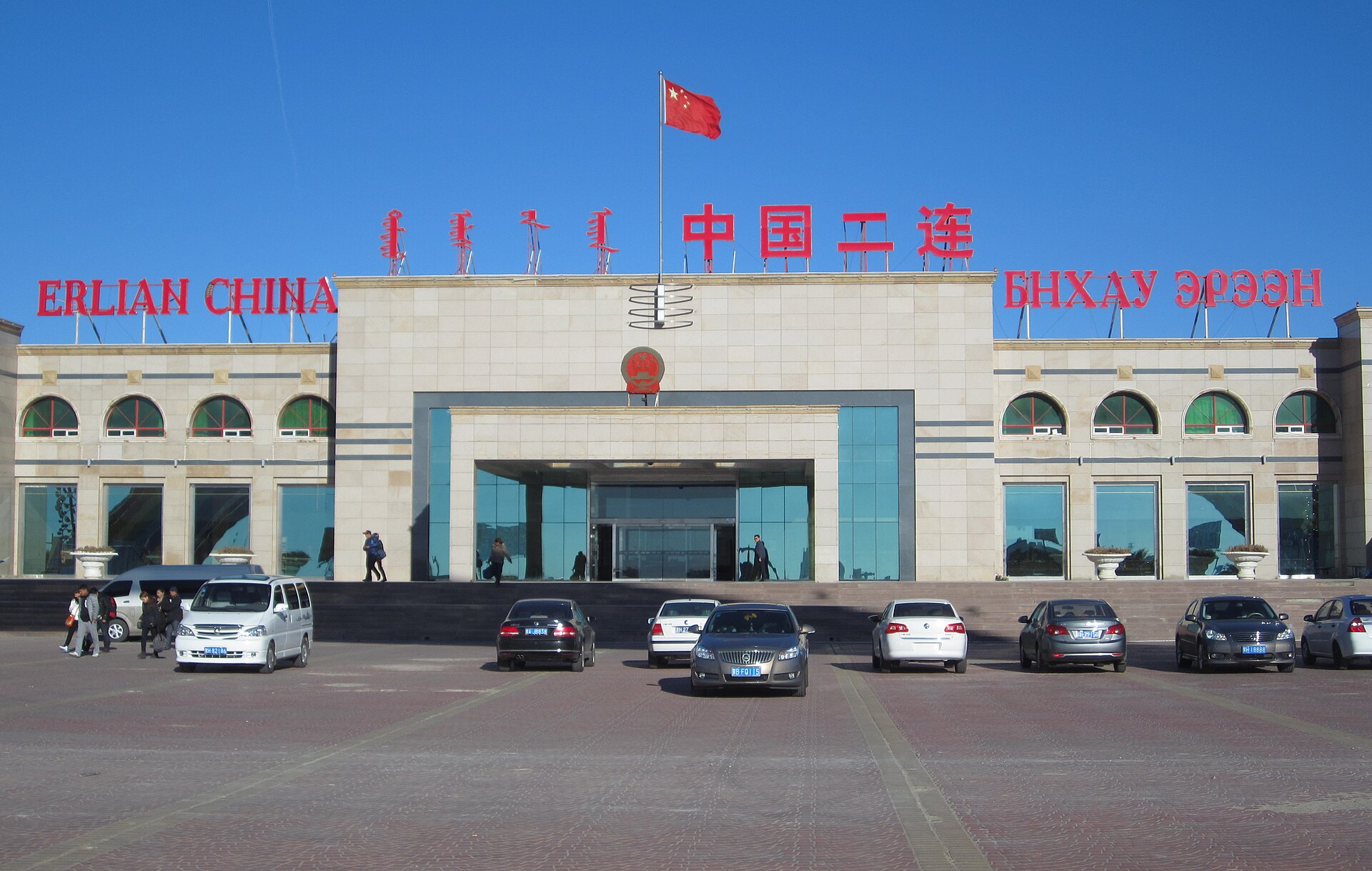
The port building — 'Erlain China' spelled out in English, Mongolian and Chinese across the roof: the working face of the biggest land crossing between the two countries
04
The bogie-exchange shed — at the station, international carriages are lifted bodily off their wheelsets and re-wheeled: China runs 1,435 mm, Mongolia 1,520 mm, and this shed is where the difference is settled
05
Erenhot Dinosaur Museum — the Erlian Basin's Cretaceous finds: sauropods, theropods and hadrosaurs dug out of the desert around the town, including the giant bird-like Gigantoraptor
06
The kissing sauropods — two enormous dinosaurs arching their necks together over the highway south of town: the gate nobody who drives in ever forgets
07
Dinosaur Landscape Avenue — life-size dinosaurs stationed along the road into town, Gobi on both sides, like a welcoming committee 70 million years late
08
The trilingual town — signs in Chinese, Mongolian and Russian, Mongolian traders in the markets, mutton in every second restaurant, and the port's money-changers doing brisk business
Do it like a border-town regular
Your selections stay on this page only. No account or personal data is sent.
How to run Erenhot, step by step
Take a car to the National Gate scenic area early, while the light is low and the day's groups have not arrived: the gate itself, the boundary marker, and the long look north into Mongolia. Photography near the working crossing follows the staff's instructions, not your instincts.
The museum for the real fossils — Gigantoraptor and friends — then out to Dinosaur Landscape Avenue and the kissing sauropods on the highway as the light turns. The statues are kitsch and magnificent in equal measure; the Gobi behind them is neither.
Three honest options: turn south again down the G208 (Yanmen Pass and Datong are the road home), board the Trans-Mongolian north if your visas are in order, or fly out via Hohhot. What the town is not is a day trip — everything about it is the distance it took to get here.
The facts this guide leans on
Erenhot is the largest land port between China and Mongolia and the only railway border crossing between the two countries, facing Zamyn-Üüd across the line
Checked 7 November 2026International trains change bogies at Erenhot because China uses 1,435 mm standard gauge and Mongolia the 1,520 mm Russian gauge; carriages are lifted and re-wheeled in a process taking several hours
Checked 7 November 2026The National Gate scenic area includes the border gate and Boundary Marker No. 815, with views into Zamyn-Üüd
Checked 7 November 2026Fossil expeditions in the 1920s found rich dinosaur deposits in the Erlian Basin; the area has yielded major Cretaceous finds ever since
Checked 7 November 2026Gigantoraptor erlianensis, a bird-like dinosaur over 8 m long and about 1.4 tonnes, was unearthed near Erenhot in 2005
Checked 7 November 2026The arch of two sauropods over the highway south of town was built in 2006; smaller dinosaur figures were added along the road from 2007
Checked 7 November 2026Erenhot is the northern terminus of National Highway 208, which runs south through Yanmen Pass to Changzhi in Shanxi
Checked 7 November 2026Where an Erenhot trip goes wrong
Treating the border as a photo opportunity only
The fence line is a working frontier with rules: stay in the scenic area, follow staff instructions on photography, and do not wander toward the crossing without the paperwork to be there.
Assuming the trains run daily
International services on the Trans-Mongolian run a few times a week, and domestic trains to Hohhot and Beijing have their own sparse rhythms. Build the trip around the timetable, not the other way round.
Steppe distances with town expectations
The gate, the museum, the avenue and the station are kilometres apart across open ground. A car and driver for the day, price agreed up front, is the difference between a day and a negotiation.
The Gobi weather, both directions
Spring brings dust storms; winter brings some of the coldest nights in China. The sauropods do not care, but your day at the gate will.
Language, at the end of the line
English is scarce; Mongolian and Russian get you further than either English or, in the markets, Mandarin alone might suggest. Translation apps and patience are equipment here.
Common questions
Can I cross into Mongolia at Erenhot?
Yes — it is a full international crossing to Zamyn-Üüd, used by trains and road traffic, but it is a real border: you need the right to enter Mongolia (visa or visa-free status for your passport) and an onward plan. Visiting the National Gate scenic area on the Chinese side is a separate, simpler thing.
Why do trains stop at Erenhot for hours?
The rails change width at the border: China uses the 1,435 mm standard gauge, Mongolia the 1,520 mm Russian gauge. Each carriage is lifted in the shed at Erenhot station and its wheelsets swapped — a few hours of heavy engineering that passengers traditionally watch from the platform or ride through in the lifted carriage.
Is Erenhot worth a special trip?
As the end of something, absolutely: the last stop of a G208 road trip up through Yanmen Pass and Datong, or a deliberate stop on the Trans-Mongolian. As a fly-in day trip it is a very long way for a gate, a museum and some enormous dinosaurs — which is, of course, exactly why some people go.
Related guides
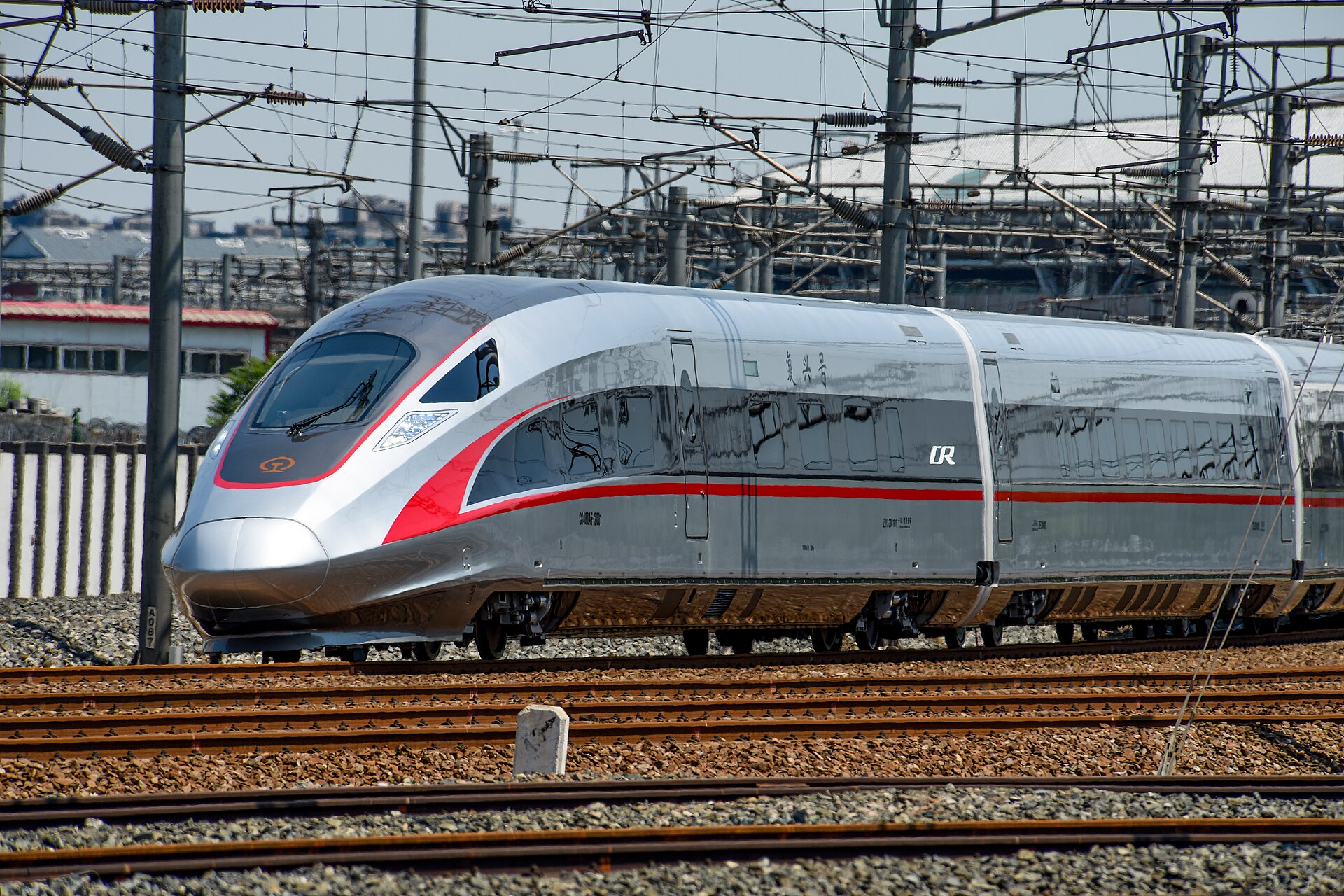 China · TransportChina Trains: Your Passport Is the TicketNo paper, no ticket window — book on 12306, verify your identity once, and board on the document in your pocket. The system is simpler than the stations are big.Verified
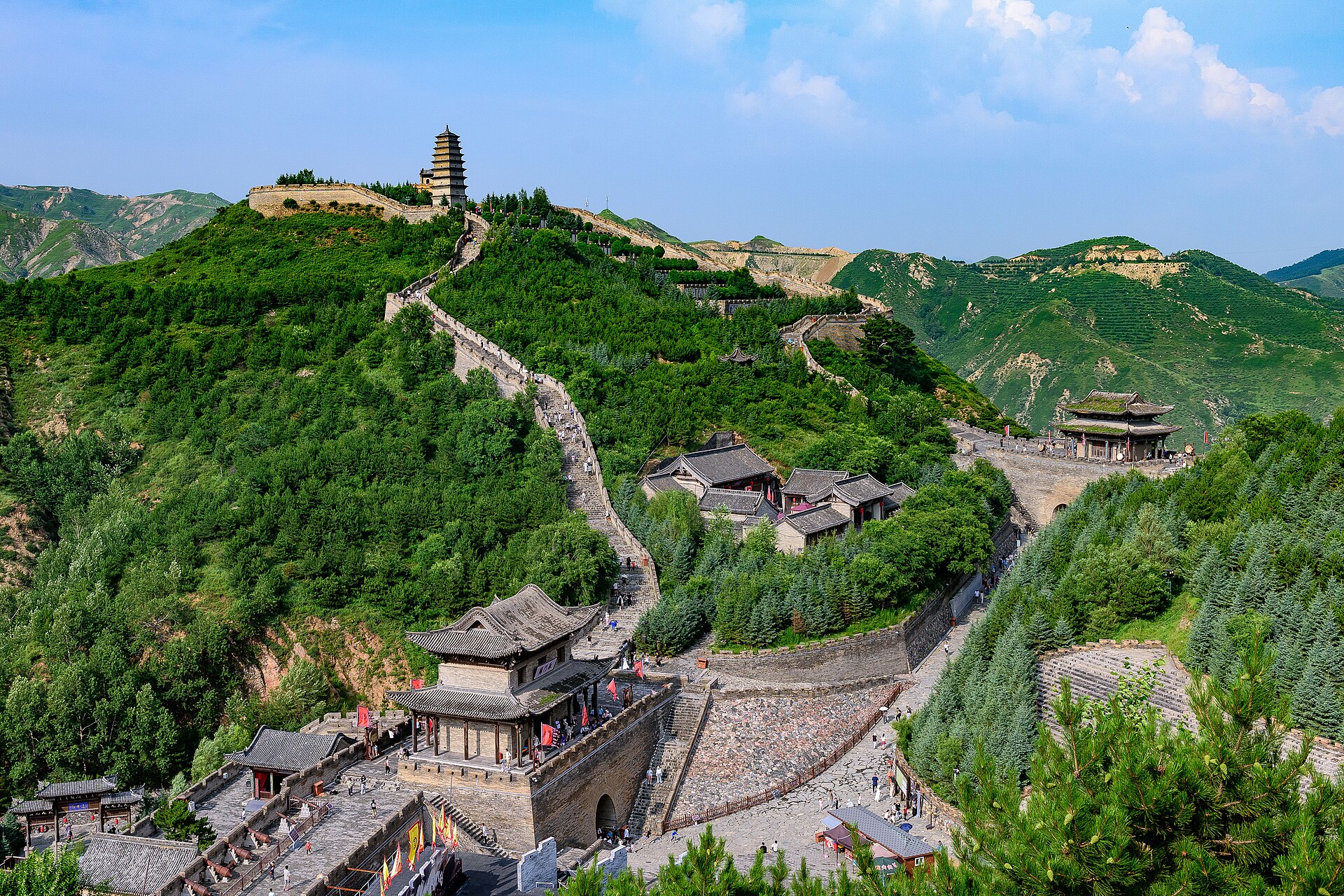 Daixian · ItinerariesDaixian First Time: Yanmen Pass, the First Pass Under HeavenA small Shanxi county town with an outsized gate: 20 km north, the Great Wall crosses the road it has guarded for two thousand years — and that road still runs all the way to Mongolia.Reference ~
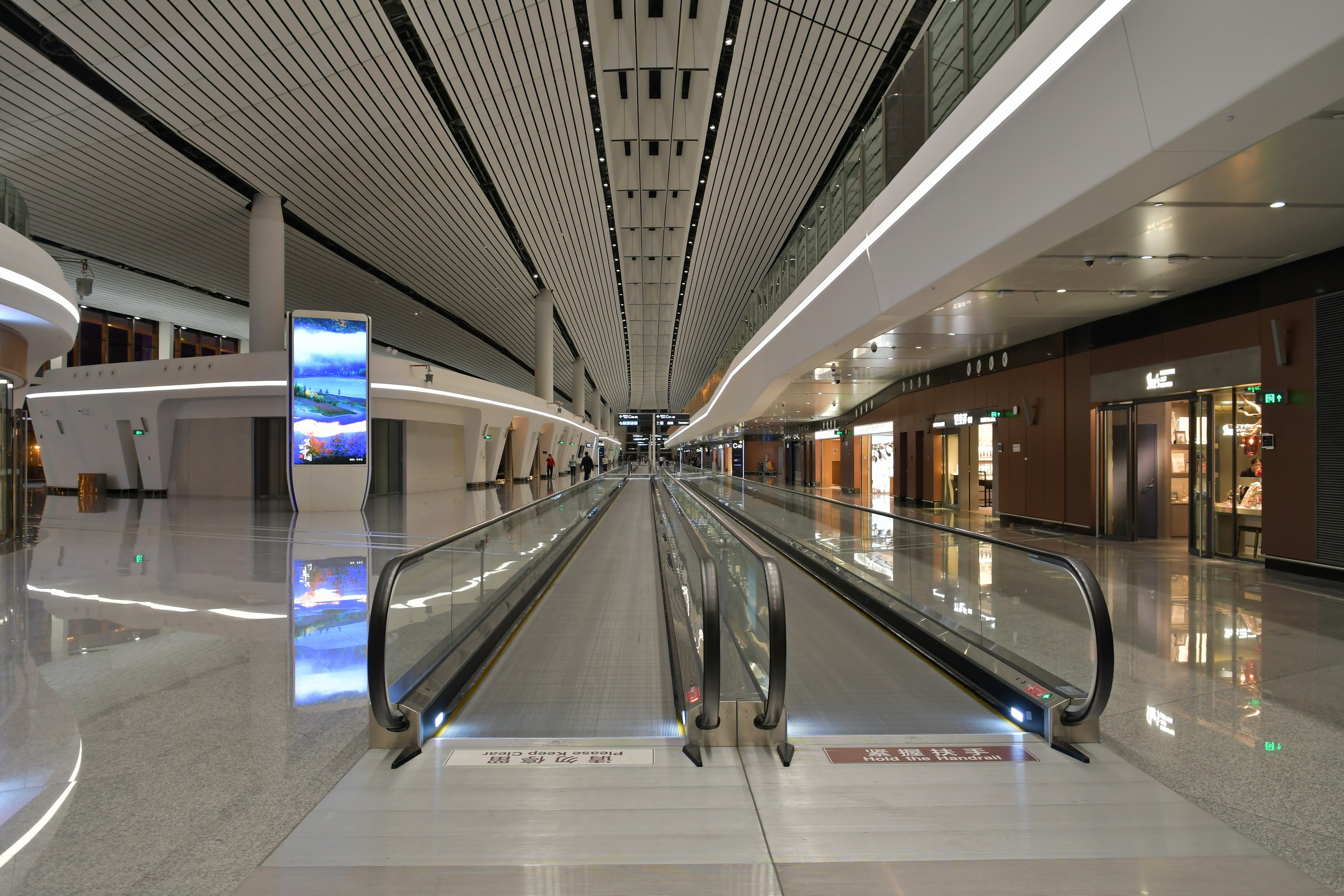 Beijing · Visa & ArrivalsArriving in Beijing: 240-Hour Visa-Free Transit, PEK vs PKX, and Getting Into the CityTwo airports, one ten-day visa-free clock, and a first ride that sets the tone — how to enter Beijing legally on a transit, choose between Capital and Daxing, and reach your hotel without the classic first-night mistakes.Reference ~
Sources and status
Prices, schedules and booking channels change. Recheck the details that matter before you travel.
- ChinaVisitGuide — Erenhot (Erlian) city guideReference ~Port, dinosaurs, gate and gauge change — checked 2026-11-07
- Kupi — Erenhot travel guide: dinosaur city and Gobi desertReference ~National Gate scenic area, Boundary Marker 815, Gigantoraptor — checked 2026-11-07
- Encyclopaedia Britannica — ErenhotReference ~Rail port status and town history — checked 2026-11-07
- Wikimedia Commons — Erenhot port (hero photograph)Reference ~Hero image, CC BY 2.0
Keep it in your favorites
Something changed? Email a correction ↗