
High-speed trains from Shanghai Hongqiao (and some from Shanghai Station) reach Suzhou in roughly 25–30 minutes, with services running frequently through the day — the rail leg is short enough that station time, not train time, dominates the trip
Checked 29 October 2026GUIDES / DAY TRIPS
Suzhou as a Day Trip from Shanghai: One Garden, One Canal, Home by Dinner
A garden, a canal street and one of China's great museums, twenty-seven minutes from Shanghai — if you book the three things that sell out and catch a specific train home.
City Suzhou17 min read13 facts labeledChecked 2026-10-29
01 · IN BRIEF
Twenty-seven minutes, five hundred years
The coffee was still warm when the train pulled in. Twenty-seven minutes earlier it had been bought from a kiosk inside Shanghai Hongqiao station; now the traveller holding it was standing in a different city, in a different dynasty's idea of beauty — canals, white walls, and a garden built by a retired official who named it after his own failure to get promoted.
Suzhou is the easiest ambitious day trip from Shanghai, but 'easy' hides the three decisions that make or break it: which garden, what time, and which train home. Get those right and the day feels unhurried. Get them wrong and you spend it in queues and on platforms.
02 · SEE IT
The day at a glance — plus every comparison table
- {'body': 'Shanghai Hongqiao → Suzhou Station by high-speed train, roughly 25–30 minutes on rails — and the smaller half of the real door-to-door transfer', 'title': 'Outbound'}
- {'body': "One great garden, done properly (Humble Administrator's Garden first choice; Lingering Garden the calmer substitute)", 'title': 'Morning'}
- {'body': 'Walk the Pingjiang Road canal lane south to north, lunch and one seated tea or noodle break in the old town', 'title': 'Midday'}
- {'body': 'Suzhou Museum (reserved, closed Mondays), the second garden, or a Guanqian souvenir stop — one, not all three', 'title': 'Afternoon'}
- {'body': 'A booked early-evening train, Suzhou Station → Shanghai Hongqiao, protected like an appointment', 'title': 'Return'}
- {'body': '1 to 2 days — a day trip covers one garden, one canal neighbourhood and one focused meal; an overnight adds the second garden, the evening lanes and craft time', 'title': 'Typical trip length'}
- {'body': 'March, April, October, November', 'title': 'Best months'}
- {'body': 'For Shanghai itineraries — historic depth added without redrawing the route', 'title': 'Best for'}
- {'body': 'Compact — a cluster or two of gardens and lanes satisfies more than ticking off every famous garden', 'title': 'Pace'}
- {'body': 'Rail-friendly — fast trains put Suzhou within easy reach for a day trip or a short stay from Shanghai', 'title': 'Transport'}
- {'body': "The Gusu historic district · Pingjiang Road's canal lanes · Shantang Street · the garden quarter around the Humble Administrator's Garden · Jinji Lake on the modern side", 'title': 'Where travellers focus'}
- {'body': "Xiangmen metro station, then in at Pingjiang Road's southern end — begin at the bottom of the lane, not halfway up it", 'title': 'Walk — start'}
- {'body': 'Dongbei Street — leave by a lawful street pickup, or walk the mapped route back to a metro station', 'title': 'Walk — finish'}
- {'body': '3–4 hours with one seated break', 'title': 'Walk — time allowance'}
- {'body': 'Narrow streets run beside the canal on stone paving, with short bridge climbs; rain-slick surfaces and crowds both slow the pace', 'title': 'Walk — surface and load'}
- {'body': "Xiangmen approach → Pingjiang Road's southern stretch → the canal-side lanes → Baita East Road → a Dongbei Street finish", 'title': 'Walk — main route'}
- {'body': 'Go for: gardens and historic streets · the route: a single garden, then Pingjiang Road or Shantang Street · on foot: medium · planning: low to medium', 'title': 'Day trip from Shanghai — Suzhou'}
- {'body': 'Go for: the short canal-town outing · the route: water lanes, bridges, then one garden or one boat · on foot: low · planning: low', 'title': 'Day trip from Shanghai — Zhujiajiao'}
- {'body': 'Go for: food and local atmosphere · the route: arrive, walk the old town or Yuehe, eat lunch, head back · on foot: low · planning: medium', 'title': 'Day trip from Shanghai — Jiaxing'}
- {'body': 'Go for: the polished, managed water town · the route: Xizha or Dongzha — pick one · on foot: low to medium · planning: medium to high', 'title': 'Day trip from Shanghai — Wuzhen'}
- {'body': 'Go for: water-town atmosphere · the sequence: canals, the Retreat & Reflection Garden, old lanes · getting there: a local transfer is required · pace: relaxed', 'title': 'Day trip from Suzhou — Tongli + gardens'}
- {'body': 'Go for: lake air, villages, a sunset · the sequence: Jinting first, one village or trail, then a lake viewpoint · getting there: best by car · pace: flexible', 'title': 'Day trip from Suzhou — Taihu Xishan Island'}
- {'body': 'Best for gardens, food and old town · core sequence: Huishan → Jichang Garden → old city · transport: high-speed rail possible · pace: full day', 'title': 'Day trip from Suzhou — Wuxi Huishan'}
- {'body': 'Go for: first visits and rainy-day insurance · the sequence: a single garden, Pingjiang Road, then Shiquan Street · getting there: the easiest of the four on your own · pace: the most reliable', 'title': 'Day trip from Suzhou — Suzhou old city'}
- {'body': 'Green tea from the Taihu shore, tied to Dongshan and Xishan — interrogate the origin printed on the pack itself, taste when you can, and buy no more than the recipient will brew', 'title': 'Souvenir — Biluochun tea'}
- {'body': "Zongzi candy with the sesame-style confections — sweets wearing a rice parcel's name; try the texture first, take the modest sealed pack, read the allergen line", 'title': 'Souvenir — Suzhou sweets'}
- {'body': 'Needlework versus material: embroidery is decoration stitched on, silk is what a cloth is made of — turn pieces over, check seams and finishing, read the fibre and care labels', 'title': 'Souvenir — silk and Suzhou embroidery'}
- {'body': 'Folding and round fans plus garden-inspired objects — choose by use: a light fan to carry, a piece for display, or garden illustration on stationery; open carefully and ask for a sleeve', 'title': 'Souvenir — fans and garden-inspired objects'}
03 · TRY IT YOURSELF
Set up before you leave Shanghai
Your ticks stay on this page only. No account or personal data is sent.
04 · THE PROOF
What the day trip rests on
Count the transfer, not the train. Which Shanghai station you leave from, where in Suzhou you are headed, how you cover the station-to-garden leg and the last walk in — together these swing the day further than the difference between a 25- and a 30-minute ride. Door to door is the only honest unit
Checked 29 October 2026Suzhou Museum's main branch is free to enter but requires a real-name reservation booked in advance, and it closes on Mondays — unreserved walk-ups are routinely turned away in busy periods
Checked 29 October 2026Suzhou's famous gardens use reserved, timed entry in busy seasons, and the Humble Administrator's Garden in particular can exhaust comfortable slots on peak weekends — buying the garden ticket is a before-you-go task, not an at-the-gate task
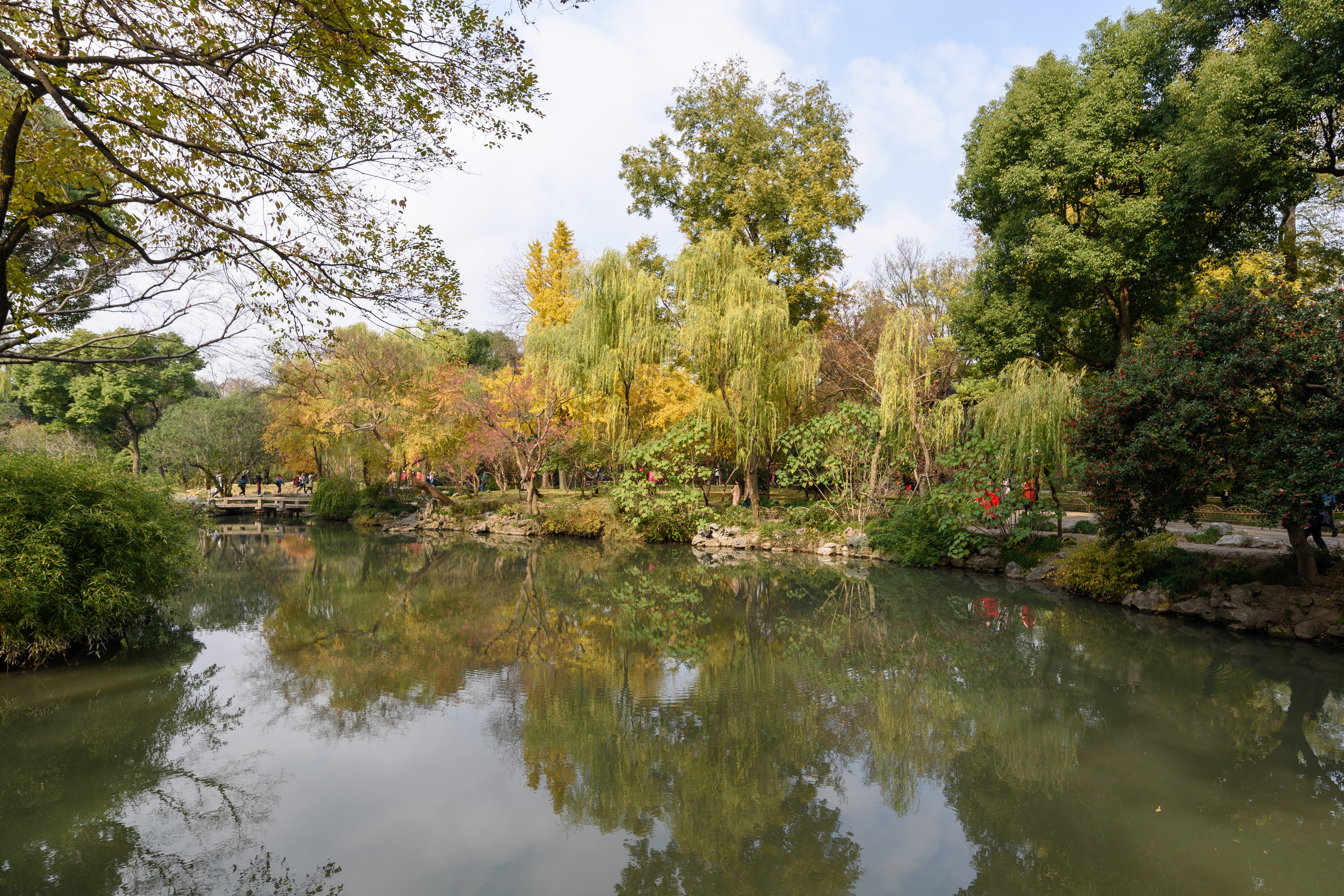
Checked 29 October 2026Classical gardens are built as sequences — framed views, thresholds, rockeries, water and planting arranged so sight lines keep changing as you walk. They reward moving slowly enough to notice the composition, and they punish being treated as identical squares on a map
Checked 29 October 2026The two classic gardens reward opposite strategies: the Humble Administrator's Garden is the large, famous one and fills first; the Lingering Garden is smaller, denser and usually calmer — one big garden plus the canal district beats two gardens at a sprint
Checked October 2026Go in March or April if you can, or October and November. On the ground, a short visit orbits five names: Jinji Lake for modern Suzhou, and the old-city set — the Humble Administrator's Garden area, Shantang Street, Pingjiang Road and the wider Gusu historic district
Checked 29 October 2026Budget three to four hours for Pingjiang Road with a single proper sit-down pause. You are walking narrow lanes laid in stone, with little bridges to climb — and treat any social itinerary that chains the lane to Shantang, Jinji Lake and several gardens as a different, much bigger day
Checked 29 October 2026Four Shanghai escapes, four different questions. Gardens and old streets at medium walking effort: Suzhou. The canal town with no railway in the equation: Zhujiajiao, low effort throughout. Local food and an unscripted old town: Jiaxing. The manicured, managed water town — at the price of the fussiest return: Wuzhen
Checked 29 October 2026From Suzhou itself, Tongli is the balanced water-town day (canals plus the Retreat & Reflection Garden), Taihu's Xishan Island is a dispersed lake-and-villages day that works best by car, and Wuxi's Huishan Ancient Town with Jichang Garden is a feasible cross-city rail alternative
Checked 29 October 2026Sort the souvenirs by what they actually are. Biluochun is a Taihu tea, grown around Dongshan and Xishan. Zongzi candy only looks like the rice parcel it is named for — it is a sweet. And Suzhou embroidery describes needlework, whereas silk describes a material; a shop that merges the three into one sales pitch is telling you something about the shop
Checked 29 October 2026Taking food home across a border runs on the destination's rules, not on the packaging: vacuum sealing confers no right of entry, many countries — the United States among them, via Customs and Border Protection — make you declare food and farm products, and the list of what is allowed is theirs, not the seller's
Checked 29 October 2026Pingjiang Road and Shantang Street are not the same product: both give canal atmosphere, but parts of Pingjiang remain active residential lanes while much of Shantang's frontage is restored commercial street — knowing which you are walking changes what you should expect from it
Checked 29 October 202605 · STEP BY STEP
Running the day
- First decision: shape the day before booking the train
Shape first, tickets second. The day-trip shape that works is narrow: a single classical garden, a single canal neighbourhood, one meal eaten sitting down. Want the second garden, the unhurried evening, the museum and the craft stops as well? That is the overnight shape, and forcing it into daylight hours is how Suzhou days fall apart. So pick the garden, the canal quarter and the cultural stop while you are still at the planning stage — the trains get booked around those choices, not the other way round.
- Leave Shanghai between 8 and 9 — and count door to door
Target a departure between roughly 08:00 and 09:00 from Hongqiao. Earlier beats garden crowds; later is fine if the museum — which is at its calmest near opening — is your anchor. Buy both directions on 12306 in advance, and screenshot the order details: station Wi-Fi and foreign passports make the return platform a bad place to improvise. And calculate the whole transfer, not the train segment: home to Hongqiao, the station buffer, the ride, then Suzhou Station to the garden. The 25–30 minutes on rails is the smallest part of your morning.
- Garden first, while it is still morning
Arriving at Suzhou Station (the old-city station, not Suzhou North), take the metro or a short taxi ride to the garden district. Do the Humble Administrator's Garden first if it is your pick — it is the one that fills. Ninety minutes is a full visit; gardens punish rushing. Walk it the way it was composed: a sequence of framed views, thresholds, rockeries and water, where the sight line changes every few steps. If the Humble Administrator's is already sold out or heaving, the Lingering Garden is the smaller, denser, calmer substitute — not a consolation prize.
- Midday: the Pingjiang walk, south to north
Walk the lane on foot, in the direction that makes it foolproof: south to north. Come in from Xiangmen station — the metro stop, not the bus stop of the same name — using Ganjiang East Road to get your bearings, and keep the Pingjiang canal itself as your handrail all the way up. Photograph from the wider stretches rather than planting yourself on every little bridge, and leave doorways and the water's edge passable; people live behind those doors. Allow yourself a single detour — one side lane, one courtyard interior, or a Pingtan performance you have actually checked for language, length and price — and let it eat browsing time instead of adding a new chapter. The lane ends at Baita East Road and Dongbei Street, beneath the museum-and-garden cluster. Travelling heavy, timed tightly or walking with difficulty? Do the southern and middle stretches, take the tea break, and head back toward Xiangmen content — a half-lane finished properly outranks a full lane endured.
- Lunch and the one seated break
Eat where the lane feeds you, not where the garden exits funnel you: noodles Suzhou-style or a bowl of the local wontons, with one genuinely seated pause — tea by the water counts — to offset a morning of dense, visual, on-your-feet hours. Two cautions from the route notes: a canal-side café table buys you coffee, not a boat ride or a performance, and menus and minimum spends deserve thirty seconds of reading before you sit.
- Afternoon: the museum, or the second garden
The museum is free, reserved and closed Mondays; its architecture alone justifies the visit. If you chose the Lingering Garden instead, this is its slot — smaller and usually calmer in the afternoon. Suzhou is a one-big-sight-per-half-day city; a second garden at this hour is a schedule, not a pleasure. Shantang Street belongs to the evening and is a separate transport decision from here, not a walk-on continuation of Pingjiang — take it only if you are staying over or your return train genuinely allows it.
- The souvenir stop, without the traps
If gifts are part of the day, walk into the shopping stop with the verdict already reached: eating, drinking, or keeping? Tea first — Biluochun rewards label-reading: the origin this pack claims, the producer, the date. A handsome tin and the word 'premium' are decoration, not data. For sweets, Guanqian Street is where comparison is practical, and Caizhizhai is the name locals point to for zongzi candy and the sesame-style confections — taste a small pack before the assortment box seduces you. For something that lasts, untangle the trio that shops blur: the fan you will carry (open it carefully, check the ribs, get the sleeve), the silk accessory (the fibre label is the truth of it), and embroidery proper (turn it over, look at the back and the seams, ask whose hands made it). Browsing is easy along Pingjiang and Shantang, but money of any size on textiles belongs in a specialist conversation.
- Be on a booked train home by early evening
Aim to be heading back by about 18:00–19:00 with a specific booked train, not 'the next one'. Trains thin out late in the evening and the last services are not the place to test luck. A seated return with an hour of slack converts a long day into a relaxed one.
06 · WHERE THIS BREAKS
When this plan breaks — and the questions everyone asks
Peak-season garden sell-outs
National holidays and blossom-season weekends can exhaust garden entry slots days ahead. If the Humble Administrator's Garden is full, switch to the Lingering Garden and the Master of the Nets Garden rather than buying from gate-side resellers.
The museum is closed on Mondays
If your day trip falls on a Monday, the museum is out. Rebuild the afternoon around the second garden and more canal time — do not arrive at the museum door hoping for an exception.
Last-train risk is real
Return services get sparse late at night, and a missed last train means a very expensive taxi or an unplanned hotel. Book the return before you leave Shanghai and protect the departure time.
Weekend crowd waves
Pingjiang Road and the main garden are at their most crowded from late morning to mid-afternoon on weekends. The same route run early and late is a different, calmer day.
One day is a taste, not the city
Suzhou deserves more than a day, and rain genuinely suits its gardens — but if your Shanghai plan is already tight, treat this as the day-3 option in the three-day Shanghai plan, not an additional squeeze.
Impulse-buy traps
Silk-printed is not silk, stitched is not hand-stitched, and green tea is not automatically Biluochun from Taihu's shores. Taste any confection yourself before you buy it in multiples on a stranger's enthusiasm.
Before you take gifts home
Travel with the paperwork: ingredients, maker, production date and storage notes stay with the gift, and so does the receipt. Buy only what survives the next leg uncrushed. And before any of it crosses a border, read your destination's customs and farm-product rules for food, seeds, plants, animal products and alcohol — a factory seal is packaging, not permission.
Wuzhen has a summit-week catch in November 2026
Choosing Wuzhen instead in early November 2026? The Wuzhen Summit (November 2–5, 2026) brought restricted opening at Xizha — verify access and how booking works before you build a day on it.
What is the sensible route for a Suzhou lane walk?
Run it in one direction: in at Xiangmen, up the south end of Pingjiang Road, along the canal-side lanes, out via Baita East Road to Dongbei Street. Stay on signed, open paths, and drop to the short version the moment weather, closures or tired legs argue for it.
How long does the Pingjiang walk take?
Plan on three to four hours, one seated break included. Read that as a planning allowance — nobody has timed your exact legs — and it promises entry to nothing ticketed along the way.
Can I make the Suzhou walk shorter?
Yes — the short version is a real version. Cover Pingjiang's southern and middle stretches, sit down somewhere for tea, then drift back toward Xiangmen and leave the museum-and-garden end for another day. Choose it up front when luggage, a departure clock or limited walking range is in play.
Which Suzhou specialties make the best gifts?
Begin with the two easy wins — Biluochun for the tea drinker, the city's sweets for everyone else — then shop for the person, not the shelf. Taste the small sample, read the label on the exact box, and settle the eat-drink-keep question before money moves: the three categories reward entirely different checks.
Su embroidery versus silk — what is the actual difference?
One word names a technique, the other a material. Embroidery is decoration worked in thread; silk is a fibre that a scarf might be woven from — printed, plain, or embroidered on top. Judge the stitching and the fibre content as two separate claims.
Where do I shop for Suzhou souvenirs?
Shop along the route you already have: Guanqian Street when sweets are the mission, Pingjiang or Shantang for an unhurried browse — always from sellers whose labels you can inspect, receipt in hand. What is in stock this week is a question only the shop can answer.
Can I do Suzhou without a private guide?
Comfortably, yes — one garden and one old-city quarter on your own is well within independent range, passport in pocket for the stations. Guides earn their fee at the edges: several gardens in a day, deep heritage interpretation, or a group that needs language and logistics carried for it.
Are water towns worth it in the rain?
Often, yes — wet stone and low cloud flatter canals and gardens. The costs are footing (lanes and bridges get slick) and boats, which may pause or change. Look at the forecast before you commit, and hold Suzhou Museum, or a Shanghai city day, as the dry alternative.
Which day trip gets me home with the least stress?
Zhujiajiao — it never involves an intercity train at all. Suzhou runs it close as the strongest full day out by rail, while Wuzhen's last road leg and onward connection are where return plans go to die.
Which day trip should a first-timer take from Shanghai?
Suzhou — no contest for a first-timer: classical gardens, working canals, an old city you can walk. Zhujiajiao is the gentler, shorter alternative, and Hangzhou should have a day of its own rather than the leftover half of somebody else's.
Can Suzhou and Hangzhou share one day?
They cannot, whatever the map suggests. Between station changes, passport checks, local transfers, meals and getting into anything, each city consumes a whole day by itself. Give one of them the day and the other a future trip.
Zhujiajiao or Wuzhen — which water town?
Zhujiajiao when you want the outing to be easy and close. Wuzhen when you want the staged, scenic version — one of Xizha or Dongzha, never both — and you are willing to guard the road leg and the journey home with real buffer.
Does Tongli draw smaller crowds than Zhouzhuang?
There is no honest permanent ranking — it swings with the date and the hour. Pick the town whose transport and entry you can actually verify, and if quiet matters, be there early.
Can Xishan Island be done by bus?
In principle — in practice the island spreads its villages, trails and viewpoints too widely for buses to stitch into a comfortable day. A car, or transfers you have planned stop by stop, is the reliable edition.
Which trip from Suzhou carries the least transport risk?
Staying in Suzhou's old city — nothing to connect to, nothing to miss. Tongli ranks next once you have confirmed the local transfer in and the day's entry arrangements.
What is Suzhou's best water-town day out?
Tongli, and it is not close: real canals, the Retreat & Reflection Garden, and lanes you can cover without hurrying — all inside one town. Resist the search-results urge to comparison-shop Zhouzhuang, Luzhi and Nanxun into the same day.
Can I combine Suzhou's gardens with Tongli in one day?
Technically you can; practically both become short photo stops. Give the day to Suzhou's gardens or to Tongli — one done properly beats two done as photo stops.
07 · KEEP READING
Keep the trip moving
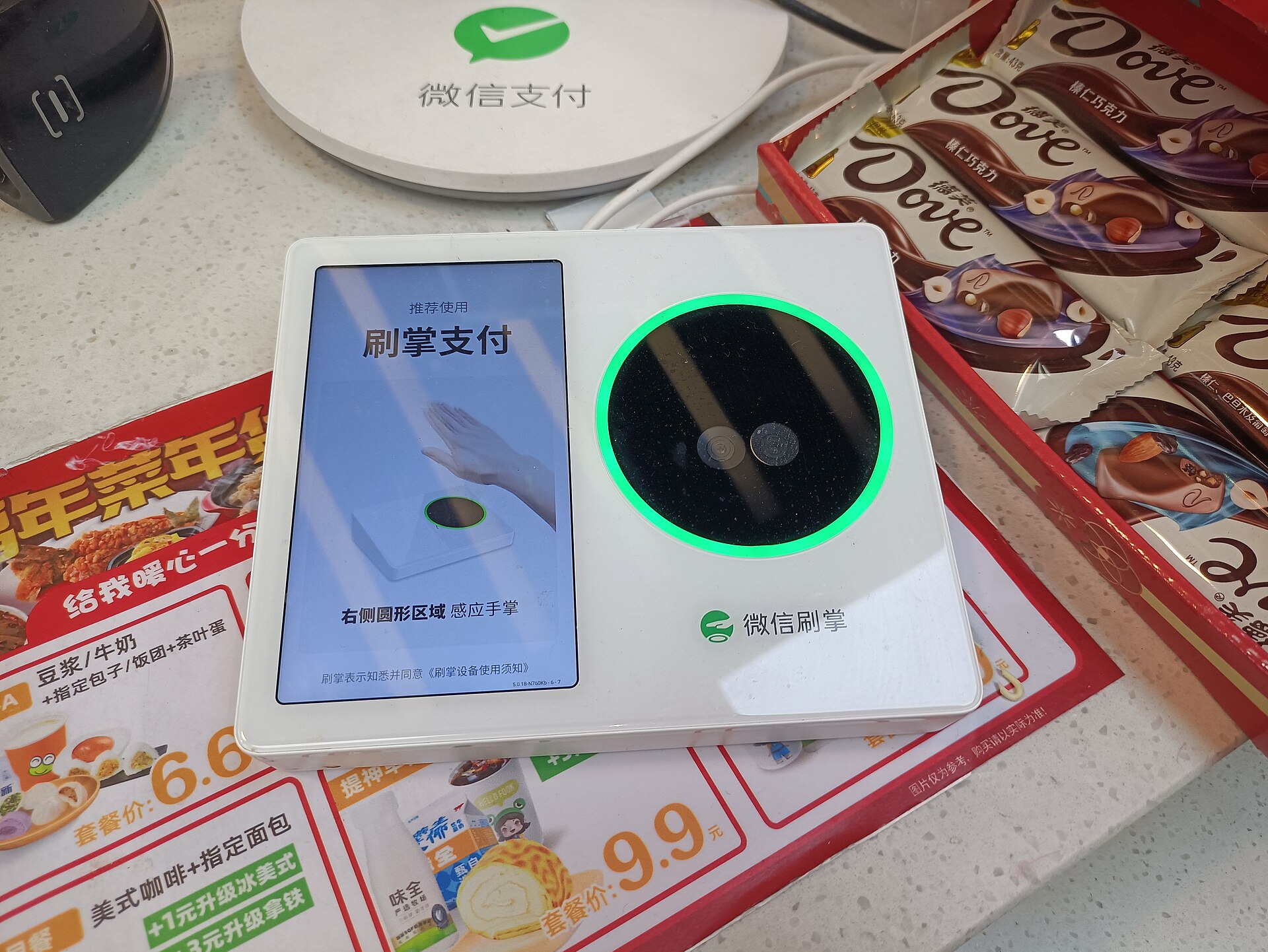 China · PrepareHow to Pay in China (2026): Alipay, WeChat Pay, TenPayGo, Cards and CashSet up one wallet before you fly, add a second as backup, and understand the two numbers that explain most payment confusion.Reference ~
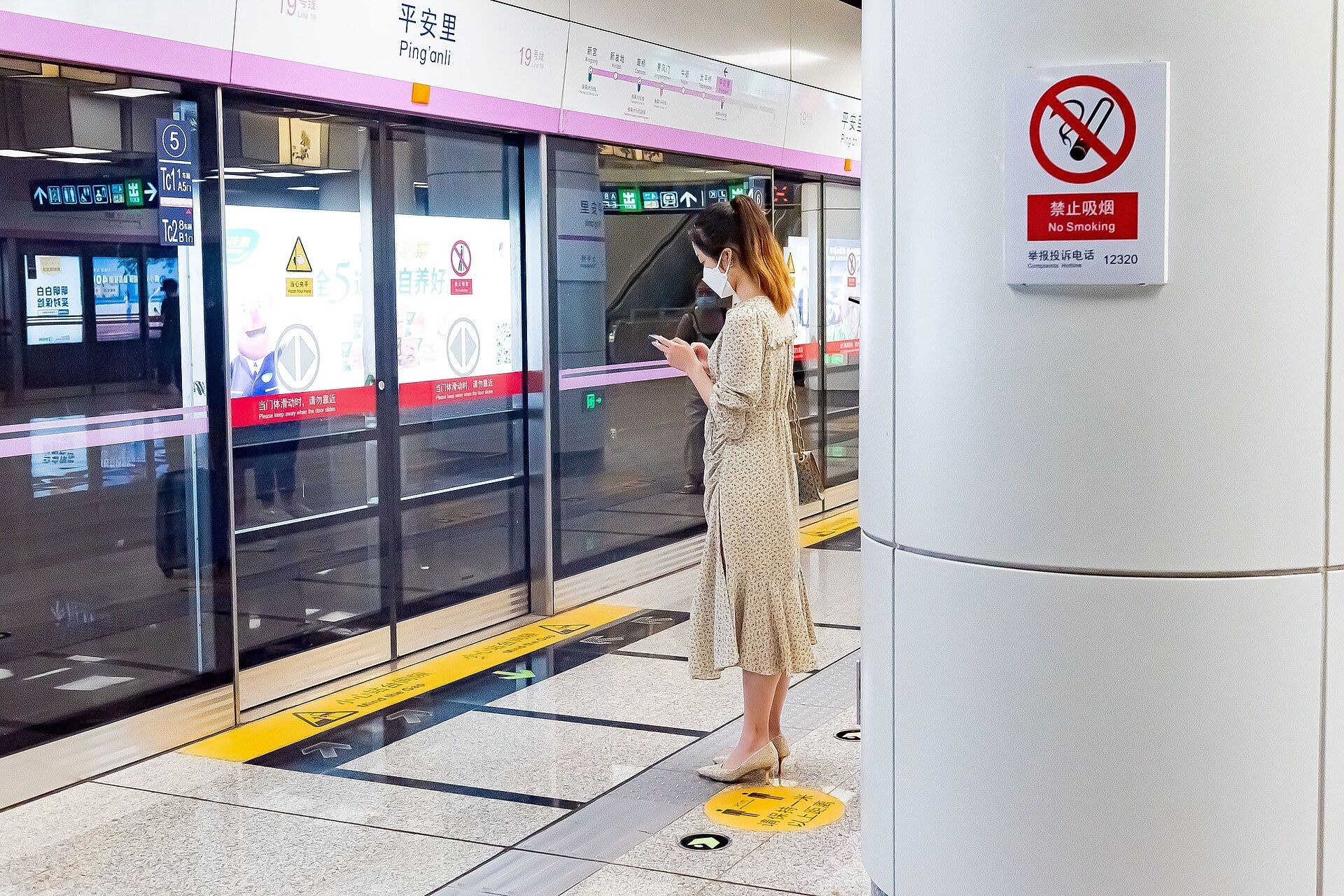 China · PrepareInternet & eSIM in China (2026): Roaming, Travel eSIM, Local SIM and Wi-Fi ComparedYour phone will work in China. The real question is which internet it connects to — every connectivity choice is a choice between two exits.Reference ~
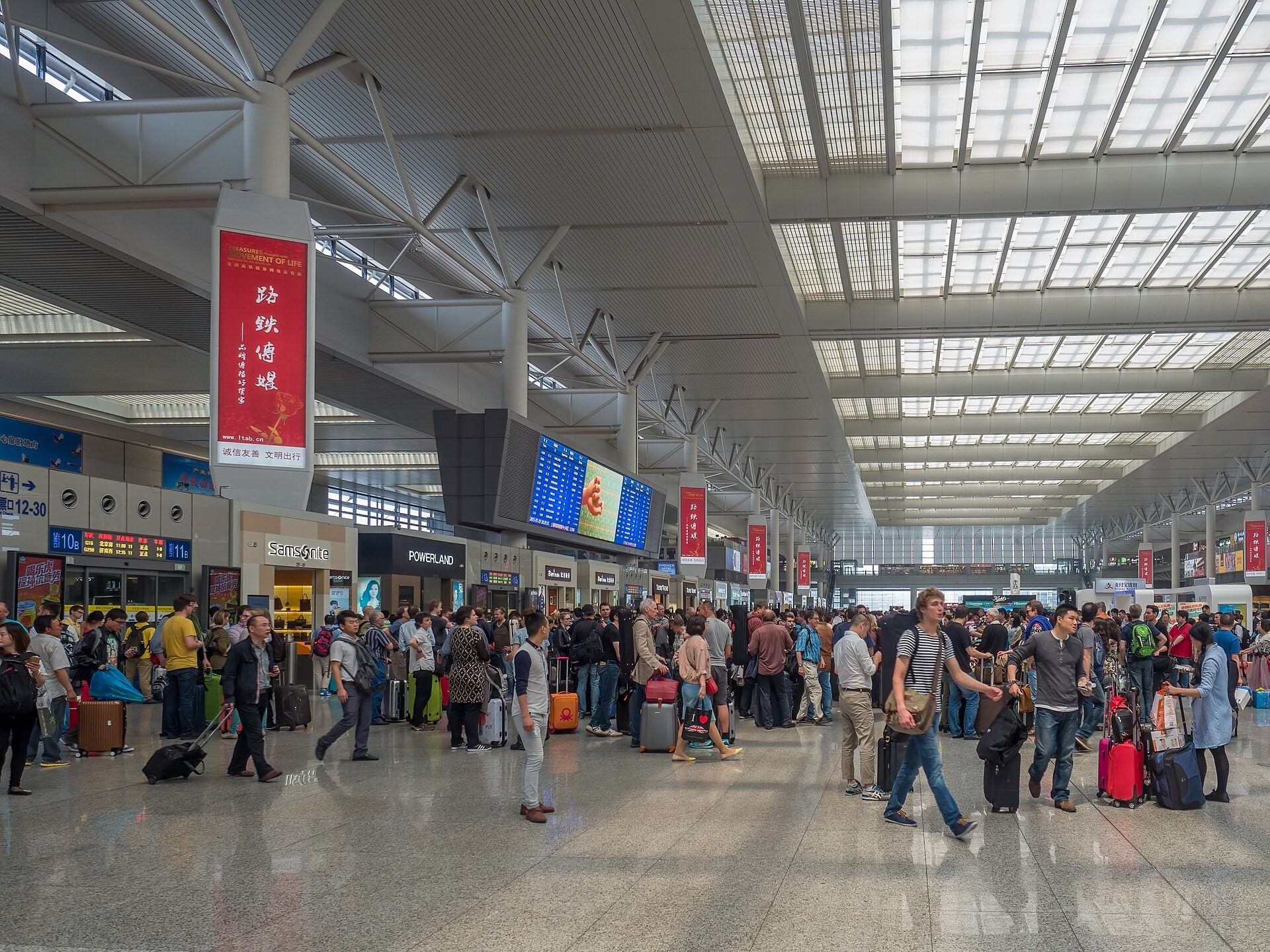 Shanghai · PrepareHongqiao Airport (SHA) Arrival Guide: Terminals, Metro Lines 2 and 10, Taxis, and the Train Station Next DoorShanghai's close-in airport hides inside a giant transport hub: the ride into town is the easiest of any big Chinese airport — the skill is picking the right terminal, line and corridor.Reference ~
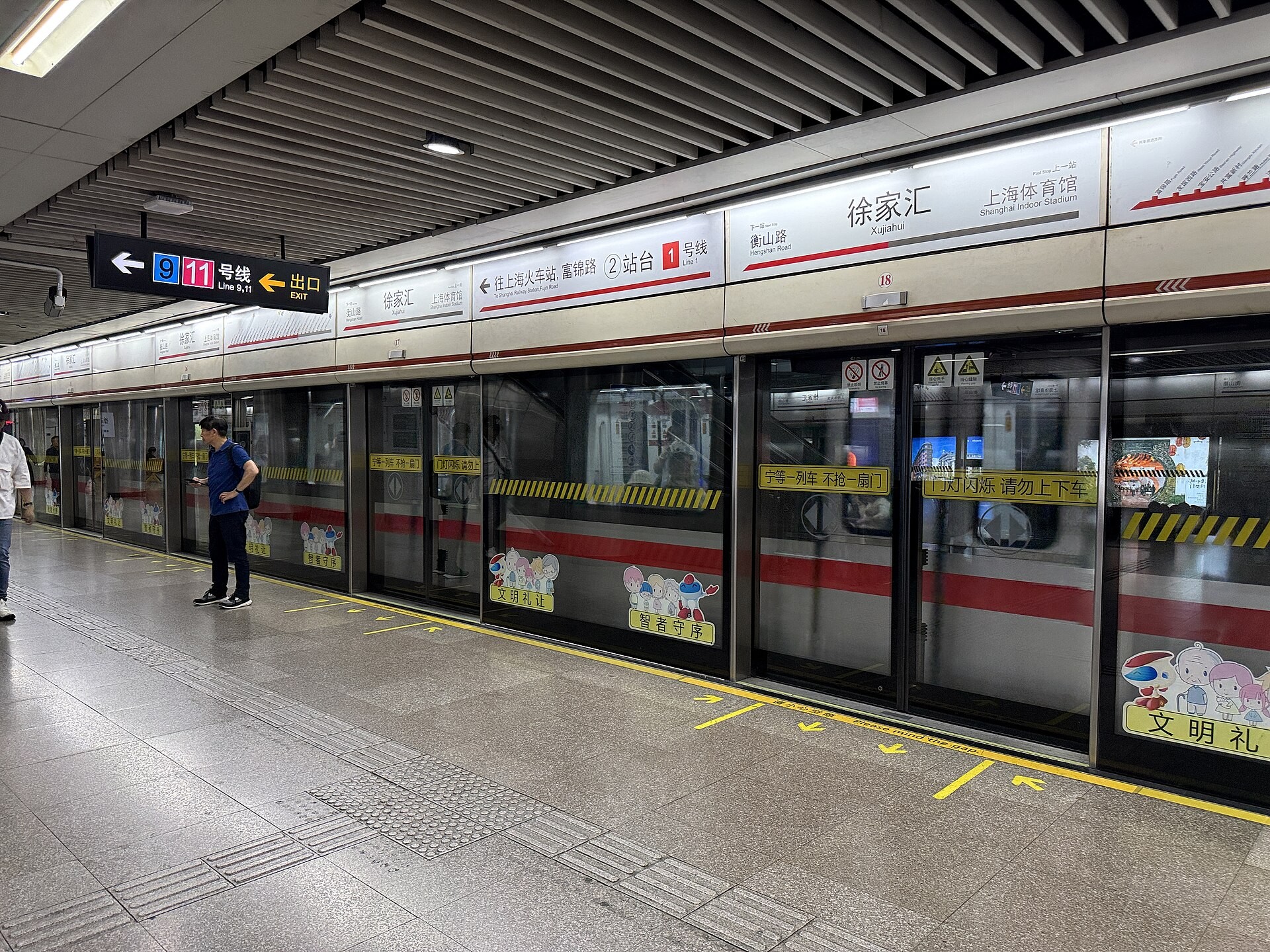 Shanghai · PrepareGetting Around Shanghai: Metro, DiDi, Taxis and Bikes Without the FrictionMetro for the corridors, DiDi for the awkward diagonals, a bike for the last kilometre — and the three small setups that make all of it painless.Reference ~
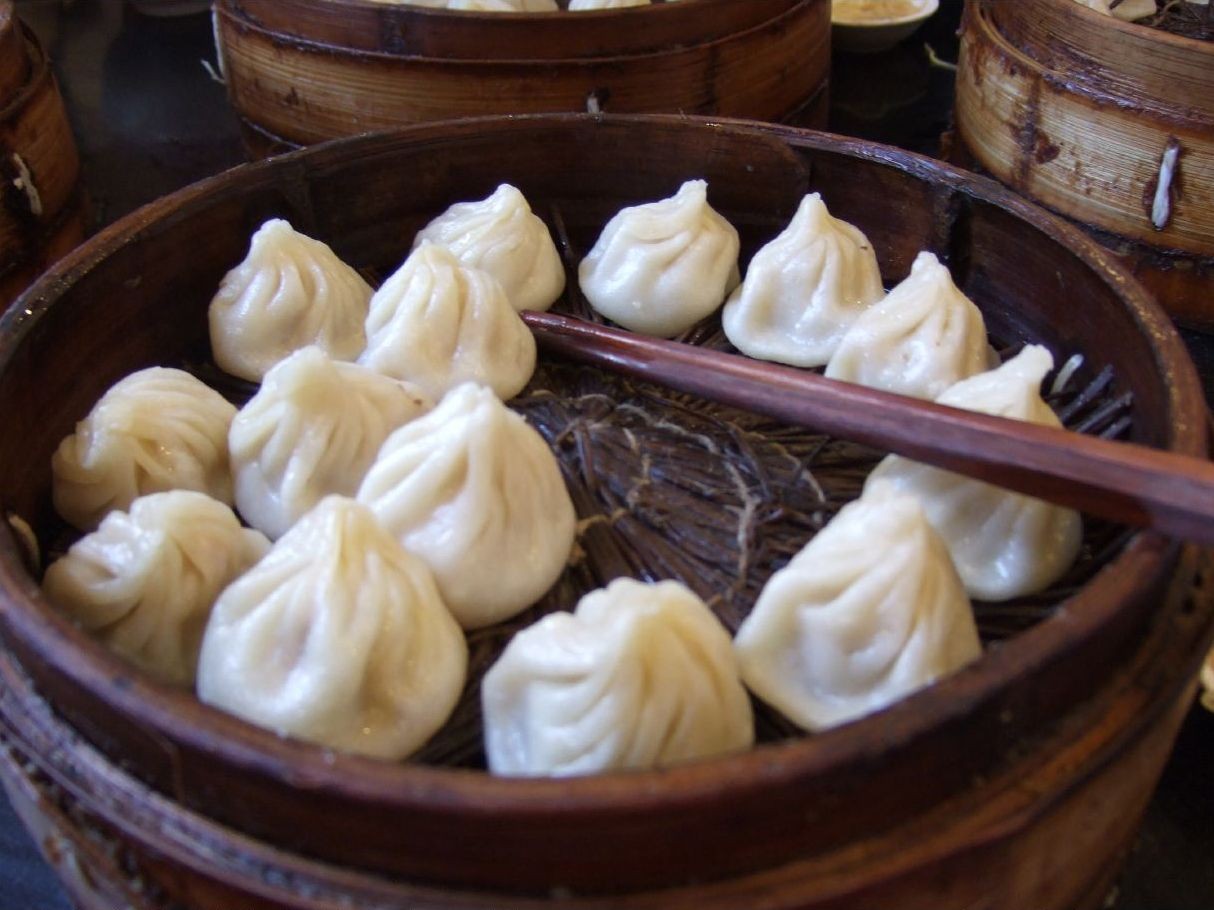 Shanghai · DoShanghai Food Guide: What Locals Actually Eat, and How to Eat ItSoup dumplings are the postcard. The real Shanghai table is pan-fried buns at dawn, dark glossy braises, river shrimp, a spring soup — and knowing the order to put them on the table.Reference ~
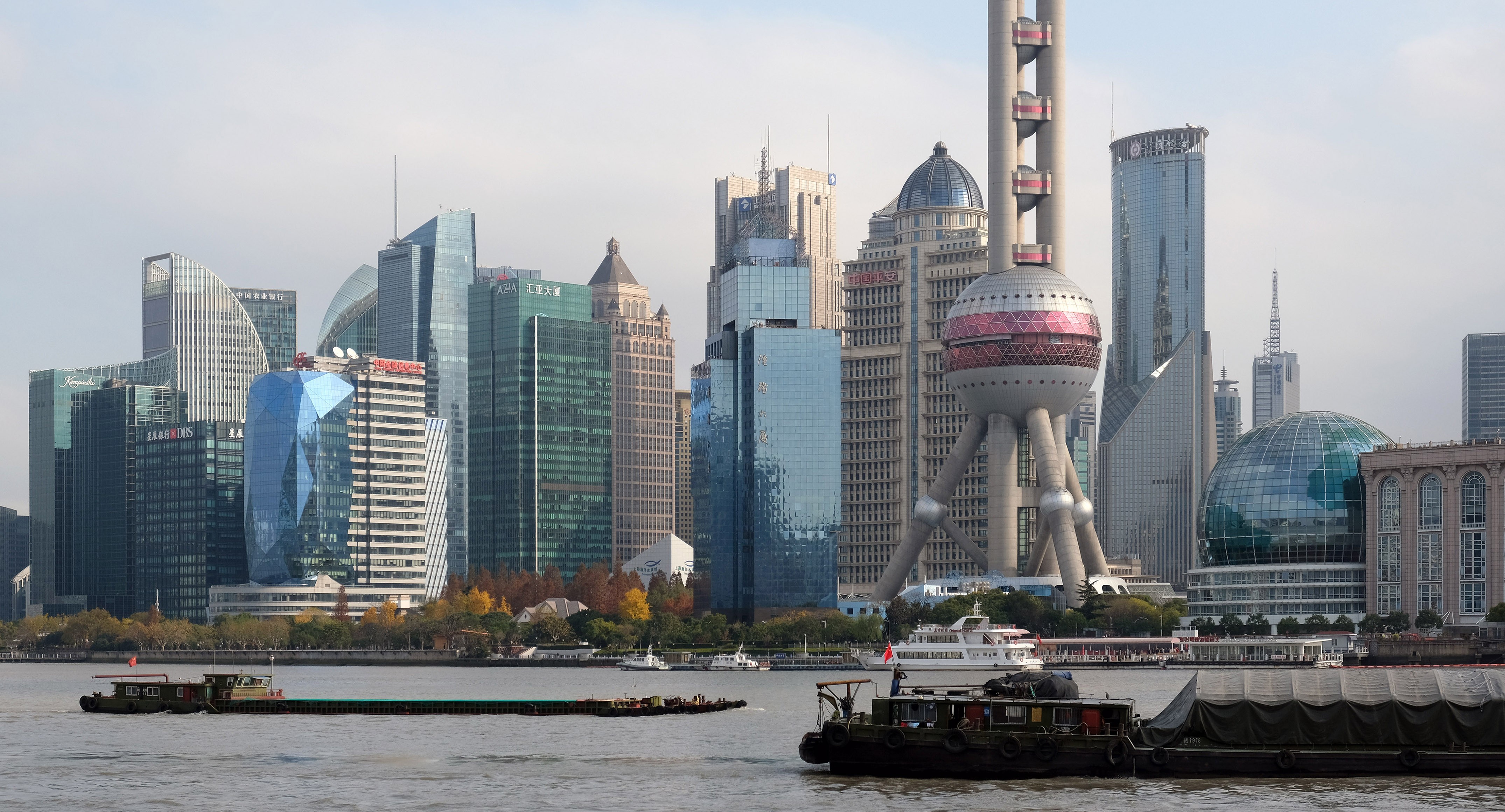 Shanghai · DoShanghai in 3 Days: Icons, Neighbourhoods, and One Day to Go DeepDay one for the postcard, day two for the streets people actually live on, day three for the one thing you care about most — with the bookings and buffers that keep it relaxed.Reference ~
08 · SOURCES
Sources and status
Prices, schedules and booking channels change. Recheck the details that matter before you travel.
- China Railway 12306 — official bookingReference ~Official rail booking and timetable source; exact services and last-train times must be verified on the travel date
- Suzhou Museum — official siteReference ~Official museum site; reservation rules, opening days and Monday closure to be rechecked before publishing