
The West Lake Cultural Landscape was inscribed on UNESCO's World Heritage List on 24 June 2011 under criteria (ii), (iii) and (vi); the listed property covers 3,322.88 hectares and explicitly includes the lake's causeways, gardens, temples and pagodas as components of one designed landscape
Checked 31 October 2026GUIDES / CITY WALK
Hangzhou City Walk: The Lake's West Side, Slowly
Behind the causeway the tour buses never take is the other West Lake: three quiet bays, one small borrowed-view garden, and a five-hour walk that ends back in the city.
City Hangzhou13 min read10 facts labeledChecked 2026-10-31
Twenty years old, five hundred deep
At half past six in the morning the only other person on Jihong Bridge is a man with a thermos, watching a night heron pick its way along the far bank of Yuhu Bay. No ticket gate brought him here, no queue is forming behind him, and ten minutes' walk away — across one causeway and one island — the east shore of the same lake is already warming up for the loudest daily crowd in Hangzhou. West Lake has two tempers, and they are separated by about a kilometre of water.
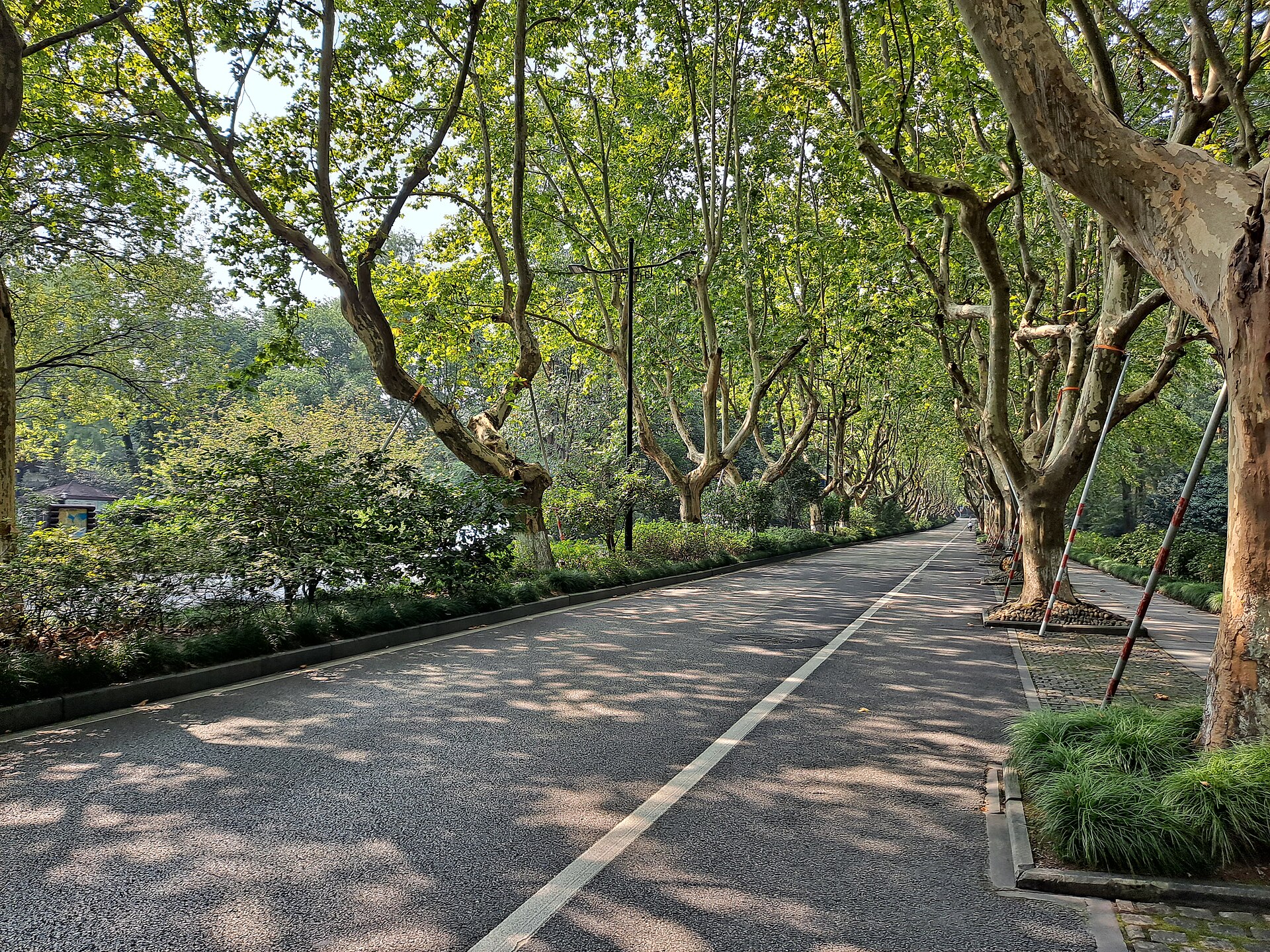
The quiet side is the western shore: a Ming-dynasty causeway under a tunnel of plane trees, and behind it a chain of bays — Yuhu Bay, Wuguitan, Maojiabu — that were farmland and fish ponds within living memory, re-flooded and replanted in 2003. This walk runs the whole line slowly, south to north, with one small garden as its only ticket and the city waiting at the end. It is not the famous West Lake. It is the one the famous one is photographed from.
The walk at a glance
| Route | Prince Bay and the causeway's south end → Yuhu Bay → Wuguitan → Maojiabu → Guozhuang → Flower Nursery → Quyuan Fenghe → North Hill Street |
|---|---|
| Walk | start: Prince Bay Park on Nanshan Road, then onto Yanggong Causeway at its Hupao Road end |
| Walk | finish: Quyuan Fenghe and North Hill Street, with buses, taxis and the Gushan museums at hand |
| Walk | distance: about 3.4 kilometres of causeway, six to seven kilometres on foot once the bay detours are counted (Estimate) |
| Walk | time allowance: three and a half to five hours, lunch included (Estimate) |
| Segment one | Yuhu Bay: the broad first inlet, Jihong Bridge floating on the water, herons in the shallows |
| Segment two | Wuguitan: the smallest, quietest pool, reed beds and Yu Qian's tomb a short path inland |
| Segment three | Maojiabu: wetland village shore, a night-heron island, farmhouse lunches and tea houses |
| Segment four | Guozhuang: the one ticket on the route (¥10), a 1907 private garden that borrows the lake as its scenery |
| Segment five | Flower Nursery to Quyuan Fenghe: the green last kilometre into lotus country and the city |
| Cost | nothing for the shore itself; Guozhuang's garden ticket is the only required spend |
| Best months | late March and April, June to August for lotus if you start early, late October and November |
| Best for | travellers who have done, or deliberately skip, the east shore's postcard circuit |
| Pace | deliberately slow: five segments, two seated pauses, one garden |
| Surface and load | level causeway paving and bay boardwalks; short bridge climbs; slick when wet |
| Bail-out points | every causeway bridge crossing is a taxi point, and buses run the causeway road |
| The other shore | Hubin and the east bank give the shops, piers and crowds; this side gives the lake |
Set up before you start walking
Your ticks stay on this page only. No account or personal data is sent.
Walking the west side, south to north
- First decision: walk it south to north, and start before nine
Direction is the whole strategy. Starting at the southern end puts the emptiest water first — Yuhu Bay at breakfast hour belongs to herons and dog-walkers — sets the walk's one lunch in the middle at Maojiabu, saves the ticketed garden for early afternoon when its tour groups have gone, and finishes on North Hill Street, where buses, taxis and the lakeside city are all within reach. Run it the other way and you end at the far southern tip with tired legs and the weakest transport on the lake. Aim to be walking by nine; on a summer day, by eight.
- Getting to the start: Prince Bay and the south end of the causeway
Make for Prince Bay Park on Nanshan Road — a short taxi or bus ride from anywhere on the south or east shore — and use its lawns and the Flower Harbour parkland beside it as the warm-up rather than the main event. The causeway proper begins where Yanggong Causeway meets the Hupao Road junction, a few minutes north. Top up water here: the west shore has almost no shops, and the next reliable drink may be a Maojiabu tea house an hour and a half away.
- Segment one: Yuhu Bay — the first, stillest water
Leave the causeway at its first westward opening and loop down into Yuhu Bay, the broad, marshy inlet that opens the Santai Yunshui country. The landmark is Jihong Bridge, a long, low, white-railed zigzag that seems to float a hand's breadth above the surface — cross it slowly, because this is the walk's best early photograph and its best birdwatching: herons and egrets work the shallows, and in lotus season the bay fills with flower. Then climb back to the causeway and continue north under the plane trees. If you do only one detour all day, this is the one that sets the west side's terms: space, water, quiet.
- Segment two: Wuguitan — the pool nobody markets
The next bay north is smaller and stranger. Wuguitan — Turtle Pool — is a reed-fringed backwater where the path drops off the causeway, threads between ponds and comes out at the water's edge with the hills close behind. There is no famous view here and almost never a crowd; what there is, is shade, frogsong in summer and the sense of a lake that has not been arranged for you. A short path inland leads to the tomb and shrine of Yu Qian, the Ming minister who saved the dynasty's capital and was executed anyway — Hangzhou buried its most loyal son beside its quietest pool. The shrine hall is small and usually empty, and its courtyard is the one place on the route where you can feel how recently this shore was countryside. Give the pair twenty unhurried minutes.
- Segment three: Maojiabu — wetland, egret island and the lunch stop
Maojiabu is the west shore's living village and the walk's natural midpoint. The shore path runs through reed beds and over small bridges, past a tiny island colonised by night herons — look for them standing motionless in the waterside trees at dusk and dawn. This was once the landing for the pilgrim path up to Lingyin Temple, and the village still feeds travellers: farmhouse restaurants and tea houses along the shore lanes serve Hangzhou dishes and local green tea at village, not scenic-area, prices. The hand-rowed boats that work the west-side channels also gather near the village piers, if the water is calling louder than lunch. Sit down properly here. The second half of the walk is shorter than the first, but it contains the garden, and you want an unhurried hour for it.
- Segment four: Guozhuang — the one ticket, and how to walk a borrowed view
Guozhuang stands at No. 28 on the causeway, just north of Maojiabu: a private garden begun in 1907, and the finest surviving example around the lake of a garden that borrows its scenery. Buy the ticket (¥10, 08:00–17:00) and walk it in its two intended halves. The inner half is enclosed — courtyards, halls, a still pond, rockwork — composed like a painting you stand inside. The outer half opens a wall of windows and a waterside pavilion straight onto West Lake itself, so the lake becomes the garden's largest feature and its cheapest: it was never owned, only framed. Forty-five minutes to an hour does it justice; the chrysanthemum and rose shows in season are worth slowing for.
- Segment five: Flower Nursery, Quyuan Fenghe and the exit into the city
North of Guozhuang the causeway runs its last green kilometre past the Hangzhou Flower Nursery — worth a wander when anything is in bloom — and delivers you to Quyuan Fenghe, the lotus park at the causeway's northern end, where in summer the water is a field of pink. You are now back in the city's orbit: North Hill Street runs east from here past the Gushan museums toward Broken Bridge, and buses and taxis are plentiful. Finish properly: a bowl of noodles or a pot of tea on North Hill Street, with the lake's noisy east shore ahead of you only if you actually want it. Every bridge crossing on the causeway behind you was also an exit — that is the route's built-in mercy, and the limits below explain how to use it.
What this walk rests on
Yanggong Causeway runs about 3.4 kilometres along the lake's western shore, from Lingyin Road in the north to Hupao Road in the south, and carries six bridges — Huanbi, Liujin, Wolong, Yinxiu, Jingxing and Junyuan from north to south — mirroring the six bridges of Su Causeway across the water
Checked 31 October 2026The causeway is a Ming-dynasty work: in 1508 the prefect Yang Mengying dredged a lake bed that had silted nearly to dry land and piled the spoil into this western embankment, which is why it carries his name — Governor Yang's causeway
Checked 31 October 2026The west shore a visitor walks today is young. Hangzhou's West Lake comprehensive protection project began in 2002, and the rebuilt Yanggong Causeway scenic area — with the Maojiabu, Wuguitan and Yuhu Bay wetlands restored and opened — dates from 2003; before that programme, much of the west side was farmland, fish ponds and silted shallows rather than public lakeshore
Checked 31 October 2026Guozhuang, at No. 28 Yanggong Causeway, is the route's one ticketed sight: a private garden begun in 1907, open 08:00–17:00, with adult admission of ¥10 — priced under the scenic area's published tariff and sold through its official booking channel
Checked 31 October 2026Maojiabu was the landing where pilgrims once started the old incense path up to Lingyin Temple, and its name remembers the thatch that covered the village wharf; today its reed beds and planted shallows hold the west shore's bird life, including a resident night-heron colony on a small island in the bay
Checked 31 October 2026The lakeshore itself charges nothing: there is no general admission to West Lake and no gate on this walk — the causeways, bays and parks along the west side are free public ground, and Guozhuang's garden ticket is the only payment the route requires
Checked 31 October 2026Allow roughly three and a half to five hours on foot for the full south-to-north line with its stops, and expect the walking itself — causeway plus the west-bank detours into Yuhu Bay, Wuguitan and Maojiabu — to total somewhere around six to seven kilometres
Checked October 2026The west side stays quieter than the east for a structural reason: the east shore is where the city's commercial waterfront, the tour-boat piers and the metro-fed promenades are, while the west shore is a road, a tree canopy and a chain of bays with almost no retail — the crowds thin because there is nothing to sell them
Checked October 2026The free shore is policy, not accident: through the protection-project years the lake's parks were progressively opened without general admission, and Hangzhou is still cited for giving its premier landscape back to the public while comparable scenic areas elsewhere charge at the gate
Checked 31 October 2026When this plan breaks — and the questions everyone asks
Holiday weeks fill even the west side
The west shore's quiet is a weekday-and-ordinary-weekend quiet. Across the National Day and May Day peaks, and on cherry-blossom and lotus-season weekends, Maojiabu and the causeway do fill — arrive at the start before nine, or shift the walk to the late afternoon, when day-trip crowds drain back to the east shore.
Summer heat is the real opponent
The causeway canopy helps, but July and August in Hangzhou are punishing by midday. Run the walk early, treat Maojiabu lunch as a long air-conditioned pause, carry water from the start — the west shore's lack of shops is its charm until you are thirsty — and do not be proud about bailing out at a bridge.
Guozhuang keeps garden hours
The garden closes at 17:00 and last entry is earlier; a slow start can strand you at its gate with the best stop unwalked. If your morning slips, swap the order: taxi up the causeway, do Guozhuang first, then walk the bays southbound back toward Prince Bay.
Rain changes the footing, not the verdict
Wet stone bridges and boardwalks around the bays get slick, and low cloud can flatten the lake views — but the west side in rain, mist on the water and empty paths, is the West Lake of the classical paintings. Walk it anyway, slower, in shoes with grip.
How long is the whole walk, honestly?
The causeway itself is about 3.4 kilometres; with the bay detours the day totals roughly six to seven kilometres on foot, and three and a half to five hours at a sightseeing pace with lunch inside that. Both figures are planning estimates — nobody has timed your legs.
Can I shorten it?
Yes, at any bridge. Every causeway bridge crossing is a road junction where a taxi can reach you, and public buses run the causeway road itself. The highest-value short version is Yuhu Bay plus Wuguitan from the south; the other is Guozhuang plus Maojiabu from the middle. Choose the cut before you are tired, not after.
Is this the best side for a first visit to West Lake?
It is the best second walk. A first-timer with one day should still see the postcard set — Broken Bridge, the Su Causeway, the island pagodas — from the east and centre. Come west when you want the lake itself rather than its fame, or on day two, or on the trip where you promised yourself a slower Hangzhou.
What about the boats on the west side?
Small hand-rowed boats work the west-side channels around Maojiabu and Yuhu Bay and give the one view walkers cannot get — the shore from the water, under the bridge arches. They are priced per boat by the operator on the day and gather at set piers; treat one as an optional hour inside the walk, not a replacement for it.
When is the west side at its best?
Late March into April for blossom along the causeway and Prince Bay's tulips at the start; June into August for the lotus at Quyuan Fenghe at the end, if you can stand the heat; late October into November for turning maples and empty paths. The bays reward every season except a holiday crowd.
Do I need to book anything in advance?
Almost nothing — that is the west side's gift. The shore is free and ungated, and Guozhuang's small ticket is sold through the scenic area's official booking channel and at the gate; only on peak holidays is booking it a day ahead worth the trouble.
Keep the trip moving
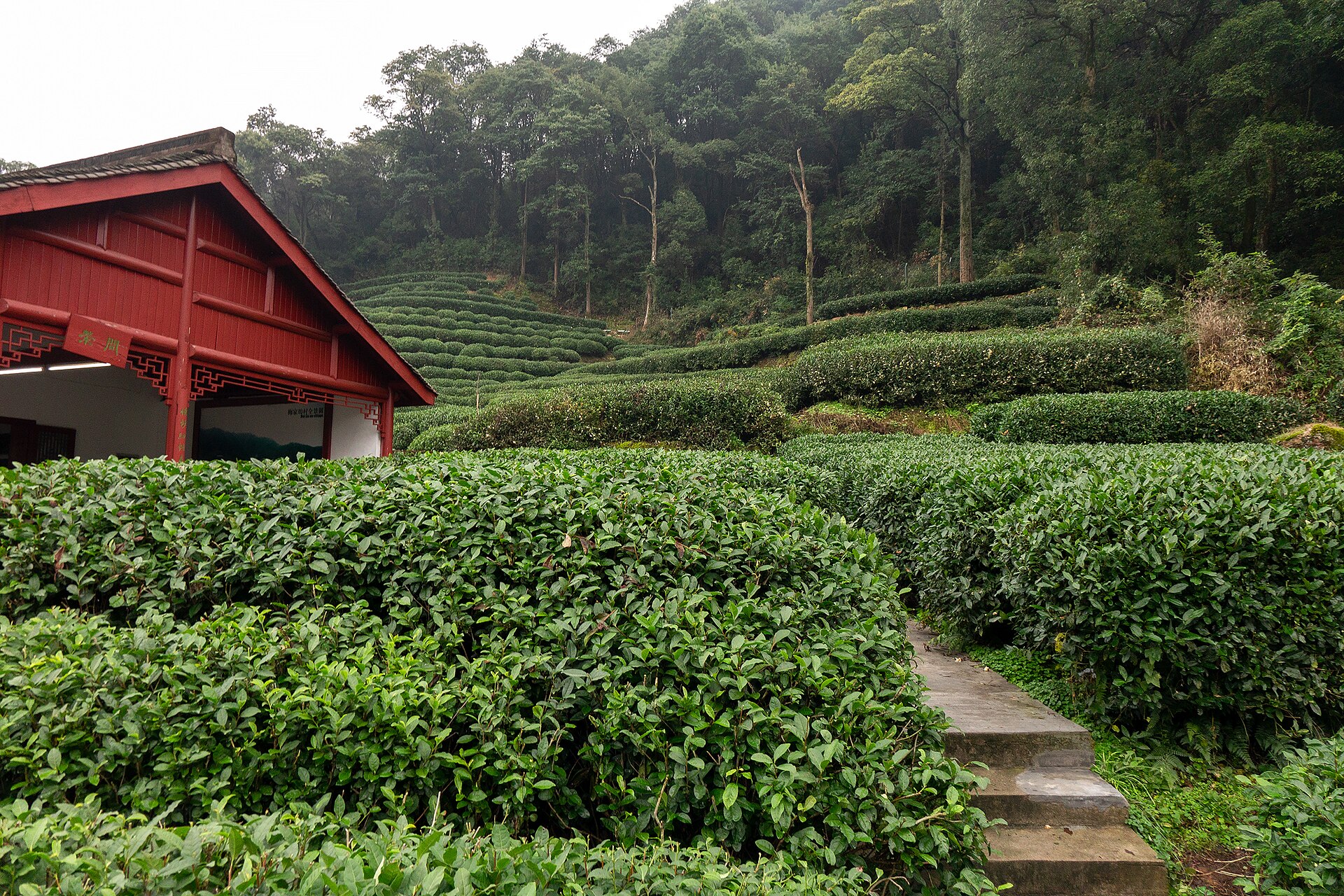 Hangzhou · DoHangzhou Souvenirs, Bought by Evidence: Longjing, Silk and the Folding FanTea whose origin you can actually state, silk whose fibre label you have read with your own eyes, and a folding fan carrying a maker's name — Hangzhou rewards shoppers who buy evidence rather than packaging.Verified
 China · PrepareHow to Pay in China (2026): Alipay, WeChat Pay, TenPayGo, Cards and CashSet up one wallet before you fly, add a second as backup, and understand the two numbers that explain most payment confusion.Reference ~
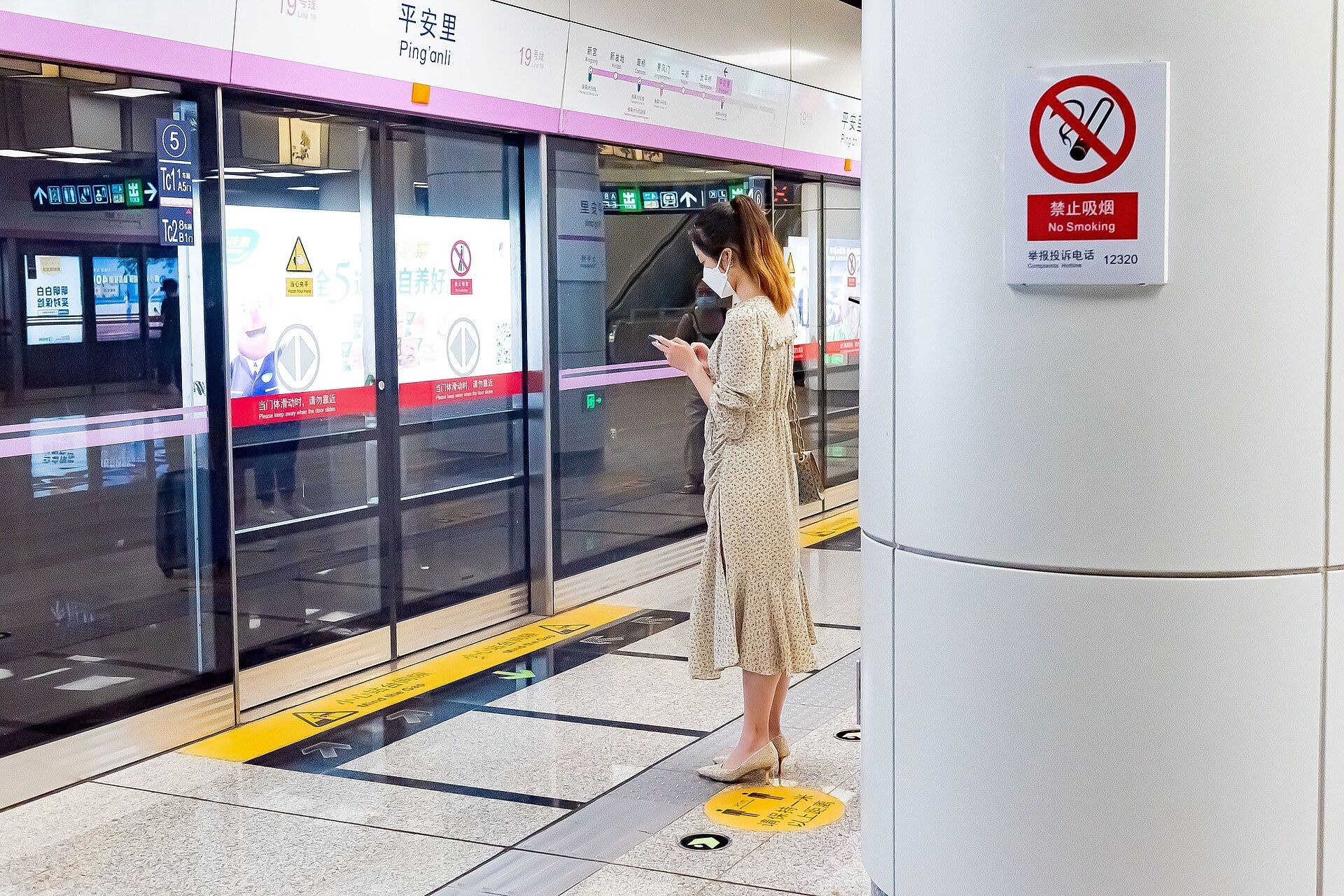 China · PrepareInternet & eSIM in China (2026): Roaming, Travel eSIM, Local SIM and Wi-Fi ComparedYour phone will work in China. The real question is which internet it connects to — every connectivity choice is a choice between two exits.Reference ~
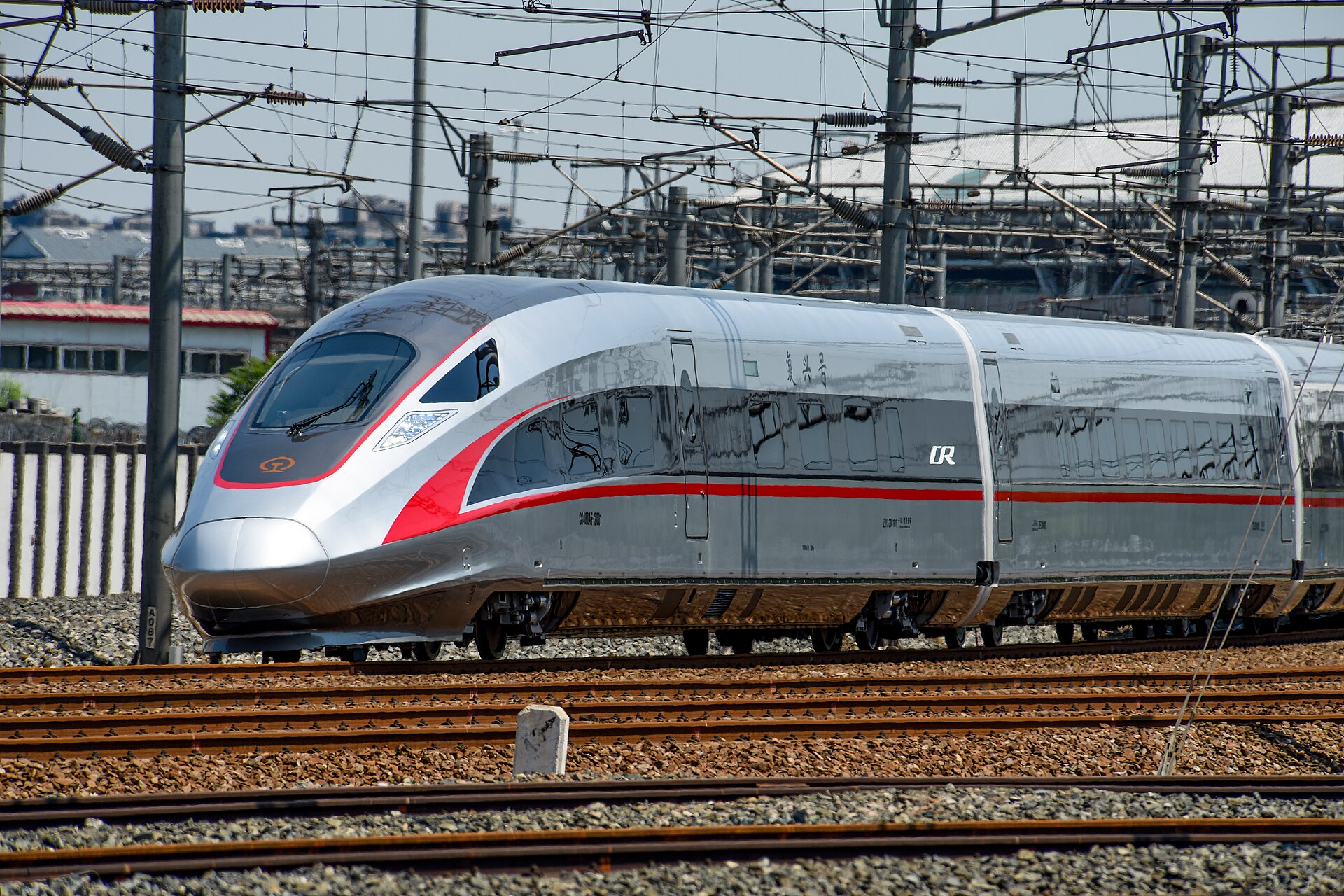 China · PrepareChina Trains: Your Passport Is the TicketNo paper, no ticket window — book on 12306, verify your identity once, and board on the document in your pocket. The system is simpler than the stations are big.Verified
Sources and status
Prices, schedules and booking channels change. Recheck the details that matter before you travel.
- UNESCO World Heritage — West Lake Cultural Landscape of HangzhouVerifiedThe listing behind the landscape: inscribed 24 June 2011, criteria (ii)(iii)(vi), 3,322.88 ha — the causeways and gardens are named components of the property
- West Lake destination portal — Yanggong Causeway entryReference ~The causeway's documented length (about 3.4 km), its six bridges and the sights it strings together along the west shore
- Hangzhou News — the three causeways of West LakeReference ~Municipal news portal history: Yang Mengying's 1508 dredging built the western causeway from the lake's own silt, with six bridges answering Su Causeway's six
- Hangzhou city portal — the West Lake protection project and the listingReference ~City portal retrospective: the comprehensive protection project from 2002, the rebuilt Yanggong Causeway scenic area opened in 2003, and the road to the 2011 listing
- Hangzhou Net — the west-side water route through Maojiabu and Yuhu BayReference ~The west-side water world in municipal coverage: the Maojiabu–Wuguitan–Yuhu Bay chain, its planted shallows and its waterbirds, including the night-heron island
- Hangzhou News — the old bridge hidden in West Lake's depthsReference ~Hangzhou News on the causeway's surviving old bridge and its 1508 origins — the deepest single read on why this shore looks the way it does