
Wuzhen admission is ¥150 for Xizha, ¥110 for Dongzha and ¥190 for the combined ticket; the combined ticket is valid on the day of purchase only, and tickets are single-use — once a day visitor leaves, the ticket is spent
Checked 31 October 2026GUIDES / DAY TRIPS
Day Trips from Hangzhou: Shaoxing, Wuzhen and the Tea Hills
One base, three escapes — a writer's canal city by fast train, a water town that runs on tickets and timing, and working tea hills close enough for lunch. How each day actually runs, and how it gets you home the same night.
City Hangzhou16 min read9 facts labeledChecked 2026-10-31
Hot iron, new leaves, first glass
At eight in the morning, Meijiawu already smells of a dry pan heating up. In a farmhouse doorway a man works a wok set into a brick stove, turning the morning's pickings with his bare palm — flat green leaves, gathered at dawn from the hedges behind the house, sighing as they lose their water. His wife sets a tall glass of last week's batch in front of whoever has just sat down on the terrace. No ticket, no turnstile, no queue: the tea hills above West Lake run on crop time, and visitors simply slot into it.
That is one of three very different days hiding inside the phrase 'a day trip from Hangzhou'. Shaoxing is a real city reached by fast train and read on foot, through the streets of China's most famous modern writer. Wuzhen is a water town run like a theatre set, where the ticket you buy quietly decides your whole schedule. The tea hills are barely a trip at all — a half-day that behaves like a full reset. Treat the three as interchangeable pins on a map and each one fails in its own way. Run them on their own terms and all three get you home for dinner.
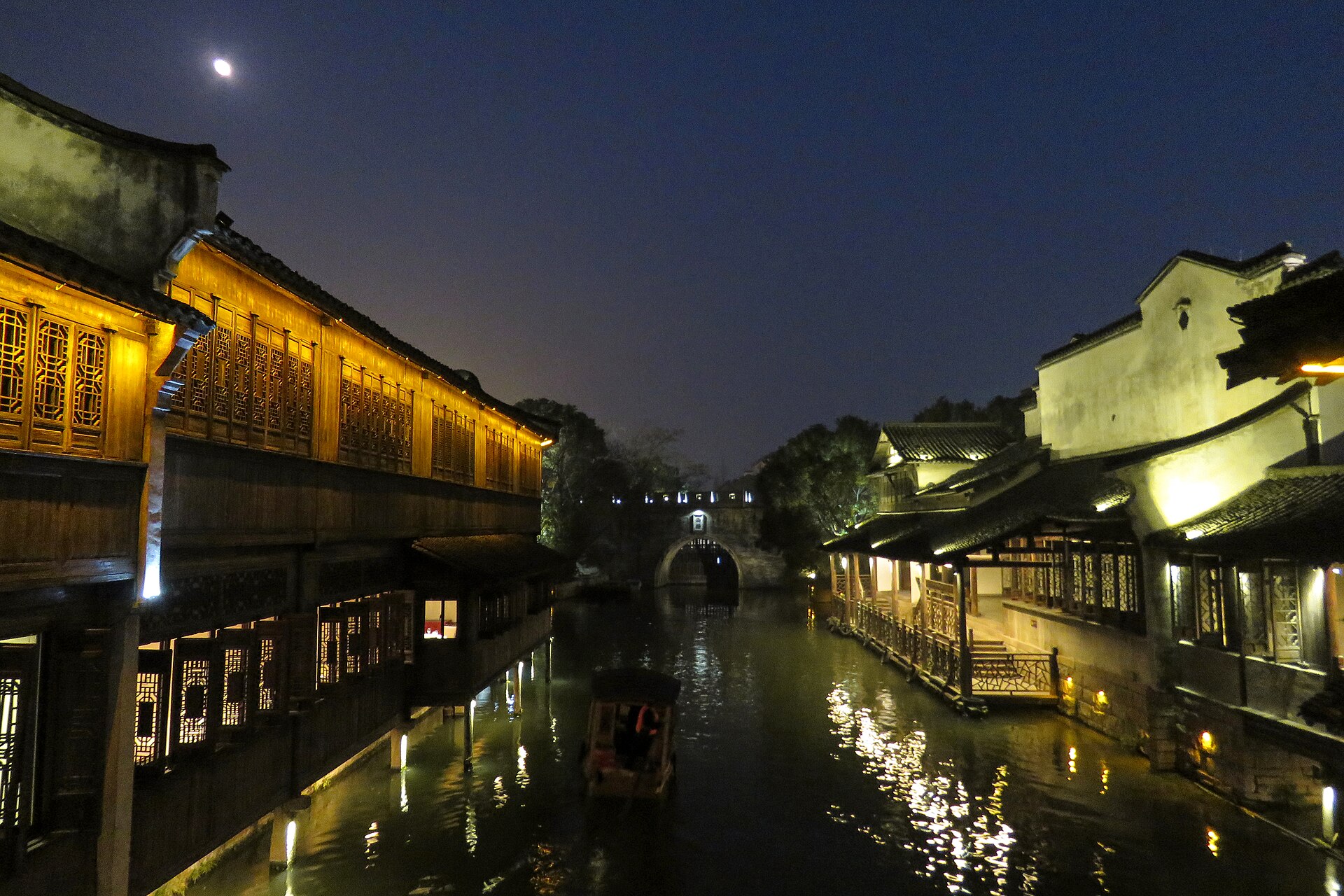
The three days at a glance
| Shaoxing outbound | high-speed trains from Hangzhou East reach Shaoxing North in roughly 20–35 minutes; a taxi or city bus then covers the last stretch into the old town in about twenty minutes more |
|---|---|
| Shaoxing core walk | Lu Xun Native Place first (free, but only inside a real-name booking), then Shen Garden, the Bazi Bridge quarter and Cangqiao Straight Street, all of it walkable in one unhurried line |
| Shaoxing ticket reality | the Lu Xun sights cost nothing and still turn away the unbooked; Shen Garden and East Lake each charge a separate admission of their own |
| Shaoxing best for | readers, slow walkers, and anyone who wants a working city rather than a stage set; a glass of yellow wine at lunch is part of the curriculum |
| Wuzhen outbound | Hangzhou East to Tongxiang by train in under half an hour, then the K282 bus to Wuzhen's coach station; or one direct intercity coach from Hangzhou of roughly an hour and a half |
| Wuzhen ticket reality | Xizha costs ¥150, Dongzha ¥110, and the combined ticket ¥190 lives for a single day; a day ticket works as one entry, so your visit starts when you pass the gate and ends when you leave |
| Wuzhen hours | Dongzha shuts early, at 18:00 in summer and 17:30 in winter, while Xizha stays lit until 22:00; choosing between them is mostly a decision about clocks |
| Wuzhen best for | the complete water-town picture: canals, stone bridges, a boat under the lanterns, and the celebrated night scene if your journey home can carry it |
| Tea hills outbound | a taxi from the West Lake shore climbs to Meijiawu or Longjing Village in roughly half an hour outside the worst traffic; city buses work the same two valleys more slowly and more cheaply |
| Tea hills core | pick one village, take a terrace table at a family tea house, drink the household's own leaves from a tall glass, and walk the trimmed rows between cups |
| Tea hills ticket reality | there is no gate and no admission; you pay for the tea in your glass, the dishes on the table, and whatever leaves you decide to carry home |
| Tea hills best for | a half-day reset, the spring picking season, and travellers who would rather taste a landscape slowly than photograph it quickly |
| Return risk, ranked | tea hills lowest, because a taxi solves everything; Shaoxing low, because trains run often and late; Wuzhen highest, because a bus leg and a rail leg both have to behave |
| Typical shape | Shaoxing and Wuzhen each deserve a full day; the tea hills want about four unhurried hours and pair naturally with a West Lake afternoon |
| Best months | late March to May for new tea and mild streets; October and November for clear light on the canals; high summer punishes all three around midday |
Set up before you leave Hangzhou
Your ticks stay on this page only. No account or personal data is sent.
Running the three days
- Start with the picker: three days, three appetites
Decide by appetite, not by fame. Want streets that were never rebuilt for you, and a city with its own errands going on? That is Shaoxing. Want the full water-town composition — canal, bridges, boat, lamplight — and accept that it is produced for visitors? That is Wuzhen. Want to slow down within sight of your hotel, drink something where it grew, and be back for a lakeside evening? That is the tea hills. Weather arbitrates too: rain flatters Shaoxing's lanes and Wuzhen's roofs but empties a tea terrace of its point, while a clear spring morning promotes the hills to first choice.
- Shaoxing by rail: the fast way in
Go from Hangzhou East, not from the metro. Fast trains cover the run to Shaoxing North in roughly 20–35 minutes depending on stops, and from the station a taxi needs about twenty minutes to set you down at the edge of the Lu Xun quarter. The cross-city metro does exist — Hangzhou Line 5, a same-station change at Guniangqiao, then Shaoxing Line 1 straight to a Lu Xun Native Place station — but it consumes the best part of two hours each way, which converts a day trip into a transit study. Take it only if you are starting deep in southern Hangzhou or the fare matters more than the morning.
- Shaoxing on foot: a writer's quarter, then the old town
Enter Lu Xun Native Place inside your booked slot and walk the quarter in story order: the ancestral house, the Baicao Garden where the boy played, the Sanwei Study where he carved a character into his desk to stop himself being late, and the memorial hall that ties the life together. Then drift south to Shen Garden, a separate ticket and a different register entirely — the walled garden where the poet Lu You kept meeting the wife he was forced to leave. Lunch is not a break from the curriculum here: order the yellow wine, the pork with preserved greens, the river fish, and let the meal take its hour. The afternoon offers one choice, not three: the canal lanes around Bazi Bridge and Cangqiao Straight Street, where washing still goes into the water and tourists are the minority, or a taxi out to East Lake for a black-awning boat poled through a drowned stone quarry. Either satisfies; stacking both frays the day.
- Wuzhen: buy the ticket that matches your clock
The pricing is a fork, not a ladder. Xizha alone costs ¥150 and is the right purchase for most day-trippers: it holds the long canal street, the museums, the boats and the whole night scene inside one fence. Dongzha alone, at ¥110, suits workshop-and-museum travellers who must leave by mid-afternoon anyway. The ¥190 combined ticket only earns its premium if you genuinely start at Dongzha in the morning and stay into Xizha's evening — and remember it dies at midnight, while each half still closes on its own schedule. Whichever you choose, a day ticket is spent the moment you walk out, so enter with everything you need and treat the gate as a point of no return. In peak weeks buy ahead through the official site or booking channel rather than testing the plaza.
- Wuzhen on the ground: deep first, drift back
The chain in is train, bus, gate: Hangzhou East to Tongxiang in under half an hour, the K282 bus from the station forecourt to Wuzhen's coach station, then a short local hop or walk to the Xizha visitor centre. (A direct coach from Hangzhou trades the changes for a longer single ride of about ninety minutes.) Inside, resist the entrance end, where every arrival compresses into the same first hundred metres. Walk or ride the shuttle boat deep toward the far end of the main street while the front is still thick, then drift back slowly as the day settles — workshops, the wine distillery, the indigo dye yard and the old post office all sit along that one waterside line. Charter a rowing boat in the later afternoon, when the light drops and the water goes dark; boats are priced per boat, so a group splits it sensibly. By about five, make the call the whole day hinges on: stay for the lanterns, which are the town's headline act, only if your bus-and-train chain home is booked and buffered — otherwise leave ahead of the exit crowd and give Hangzhou the evening.
- Tea hills: up the valley, into a farmhouse
Take a taxi and spend the saved hour at a table. The two villages are different instruments: Meijiawu, strung along its valley road, is the livelier and easier one — dozens of family tea houses, generous lunches, pickers crossing the road with baskets in season. Longjing Village, higher and smaller, is the connoisseur's stop, with the old Hugong temple and its eighteen famed imperial tea bushes in the ground behind it. The mechanics of a visit are the same in both and gloriously unproduced: you are waved toward a terrace table, a glass of the family's own tea appears, a menu of farmhouse dishes follows if you look hungry, and nobody presents a bill until you stand up. Walk between cups — lanes climb straight into the hedges, and ten minutes uphill buys you the whole valley pattern of terraces, woods and rooftops.
- Drinking and buying tea without the sting
Longjing is served in a tall glass for a reason: the flat leaves stand, sink and open where you can watch them, and the second pour is where the flavour settles. Prices are quoted by the jin — 500 grams — so do the conversion before you admire anything. Grades turn on two facts you can verify with your own senses: when it was picked (the pre-Qingming lots, picked before early April, sit at the top of the price tower) and which slope grew it, with Shifeng the prestige name. Taste the exact batch, watch it weighed, have it sealed in front of you. And know the house rules of the hills: if you buy nothing, you still pay for the glass you drank and the dishes you ate, which is fair, modest, and keeps the whole culture of the open farmhouse door alive. A 250-gram bag of a tea you actually tasted will make you happier at home than a kilo bought on ceremony.
- Getting home: protect the last leg
Each day has a different weak joint, so guard the right one. From Shaoxing, the risk is small and specific: trains from Shaoxing North run frequently into the evening, but the taxi from the old town must be summoned before the dinner rush, not during it. From Wuzhen, the risk is a chain — coach station bus, then a train at Tongxiang — and chains are protected with slack, not optimism; if the lanterns keep you late, a pre-booked car to Hangzhou is a legitimate purchase, not a defeat. From the tea hills, the only trap is traffic: come down before the lakeside dinner hour locks the shore roads, and the day ends as gently as it began. In all three cases, when the day runs long, cut the last sight. Never cut the transfer.
What these plans rest on
Xizha opens 9:00–22:00, while Dongzha closes at 18:00 in the summer season and 17:30 in winter — the two halves of Wuzhen run on different clocks
Checked 31 October 2026Lu Xun Native Place in Shaoxing is free to enter but operates on real-name, timed reservations made through the Shaoxing culture-and-tourism group's and the Lu Xun Memorial's official channels; visitors enter within their booked slot on ID
Checked 31 October 2026High-speed trains link Hangzhou East with Shaoxing North in roughly 20–35 minutes depending on the service, and with Tongxiang in under half an hour; frequencies are high through the day on both runs
Checked 31 October 2026The K282 bus between Tongxiang railway station and Wuzhen's coach station is the standard public-transport link for the town; a short local connection then serves the Xizha visitor centre
Checked 31 October 2026Hangzhou Metro Line 5 and Shaoxing Metro Line 1 connect at Guniangqiao, and Shaoxing Line 1 stops at Lu Xun Native Place — but the through journey from central Hangzhou takes the best part of two hours, several times the fast-train run
Checked 31 October 2026The protected heartland of West Lake Longjing covers the hills around Shifeng, Longjing, Yunqi, Hupao and Meijiawu; the earliest spring pickings, taken before the Qingming festival in early April, grade and price above everything that follows
Checked 31 October 2026In Meijiawu and Longjing Village the working unit is the family tea house rather than a gated attraction: there is no admission ticket, and visitors pay for the tea they drink, the food they order and any leaves they buy
Checked 31 October 2026When the Wuzhen Summit of the World Internet Conference is in session — a few days in most autumns — normal visiting at Xizha is restricted or suspended, and the operator posts the arrangements in advance
Checked 31 October 2026When these plans break — and the questions everyone asks
The summit shuts the set
If your Wuzhen date lands on the World Internet Conference's Wuzhen Summit, Xizha can close to ordinary visitors or run on restricted arrangements for days. Check the operator's announcements before paying for anything non-refundable around an autumn trip.
The Lu Xun slot is a real appointment
Miss your reserved window in Shaoxing and you rebook rather than plead; on holidays the free slots can be gone several days out. Treat the booking like a train time, and note that Monday runs shorter hours than the rest of the week.
Xizha does not do re-entry
A day ticket is one entry. Forgotten medication, a bag left at the coach station, a pharmacy run outside the fence — any of them ends the visit you paid for. Carry the day's essentials in with you.
The chain home from Wuzhen is the fragile part
Bus, then train, then metro: three links, each with a last departure. Leaving at the lanterns-out rush with everyone else is exactly how the chain breaks. Either book the whole chain with slack or pre-arrange a car.
Tea hills in heavy rain
Terraces, views and the walk between cups all collapse in a downpour, and the lanes run slick. Swap the days around: Shaoxing's lanes, halls and wine shops absorb bad weather far better.
Can I combine two of the three in one day?
Only the tea hills pair with anything, because they share a shoreline with West Lake itself. Shaoxing plus Wuzhen in a single day means two transfers, two gates and two half-visits — a logistics exercise wearing a holiday's clothes.
Which one works best with children?
Wuzhen, for boats and spectacle, provided you guard the return chain; the tea hills for a short, snack-paced morning with room to run; Shaoxing once they are old enough to enjoy spotting the stories they met in schoolbooks standing in real streets.
Is the cross-city metro to Shaoxing ever the right choice?
Yes, in two cases: when the fare matters much more than the morning, and when you are starting from southern Hangzhou near Line 5 anyway. From anywhere near Hangzhou East, the fast train wins so completely it is not a contest.
How much tea should I actually buy?
A 250-gram bag of a grade you tasted, from a batch you watched being weighed. Green tea stales across a season, not across years, so buy the spring you drank, seal it well, and keep the surplus cold and dark at home.
Is Dongzha worth it on a single-day trip?
As a morning paired with Xizha on the combined ticket, or alone for travellers who love workshops and small museums and must leave early. After lunch it is an attraction counting down to closing, and the money usually belongs in Xizha.
Do I need a car or a guide for any of these?
Neither, for logistics — rail, one bus and taxis cover all three days. Background reading earns more in Shaoxing than a hired voice does, and in the tea hills a car buys flexibility with lanes and parking, not access.
What is the honest best season?
Late March into April, when the new tea is being picked and fried in the hills and the canal towns are mild — with October the runner-up for light and air. Whoever goes in high summer should start at dawn and surrender the midday hours to lunch.
Keep the trip moving
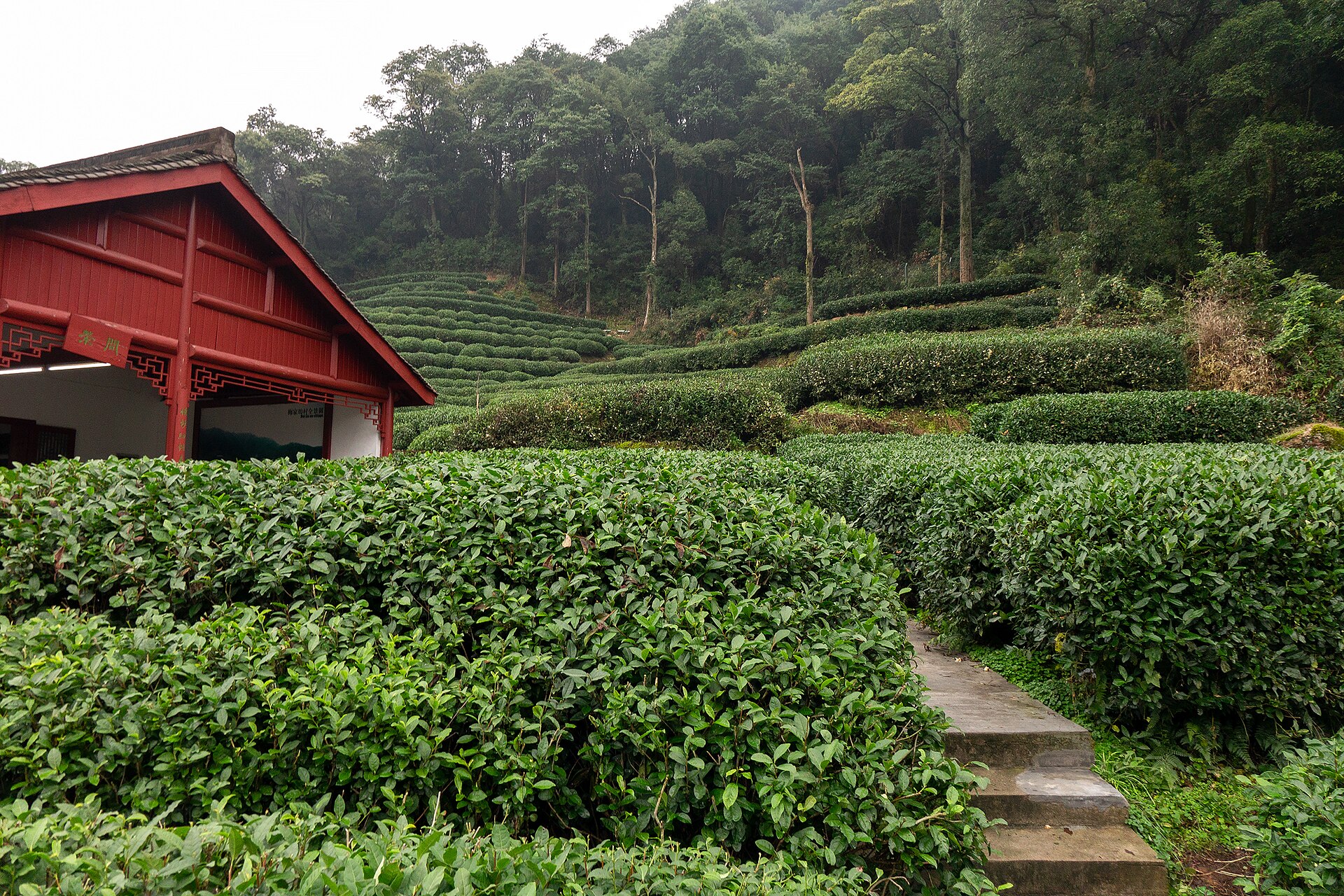 Hangzhou · DoHangzhou Souvenirs, Bought by Evidence: Longjing, Silk and the Folding FanTea whose origin you can actually state, silk whose fibre label you have read with your own eyes, and a folding fan carrying a maker's name — Hangzhou rewards shoppers who buy evidence rather than packaging.Verified
 China · PrepareChina Trains: Your Passport Is the TicketNo paper, no ticket window — book on 12306, verify your identity once, and board on the document in your pocket. The system is simpler than the stations are big.Verified
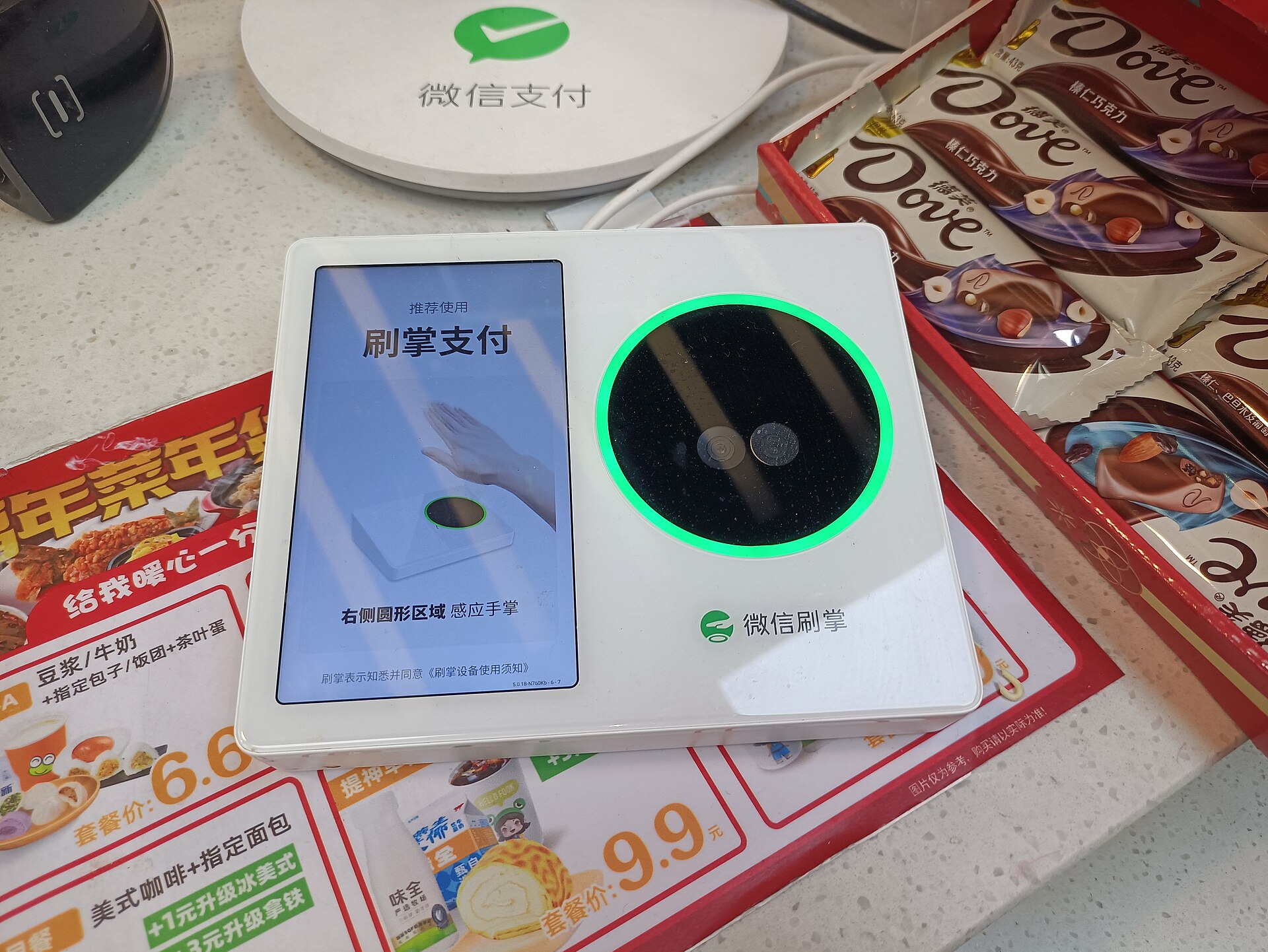 China · PrepareHow to Pay in China (2026): Alipay, WeChat Pay, TenPayGo, Cards and CashSet up one wallet before you fly, add a second as backup, and understand the two numbers that explain most payment confusion.Reference ~
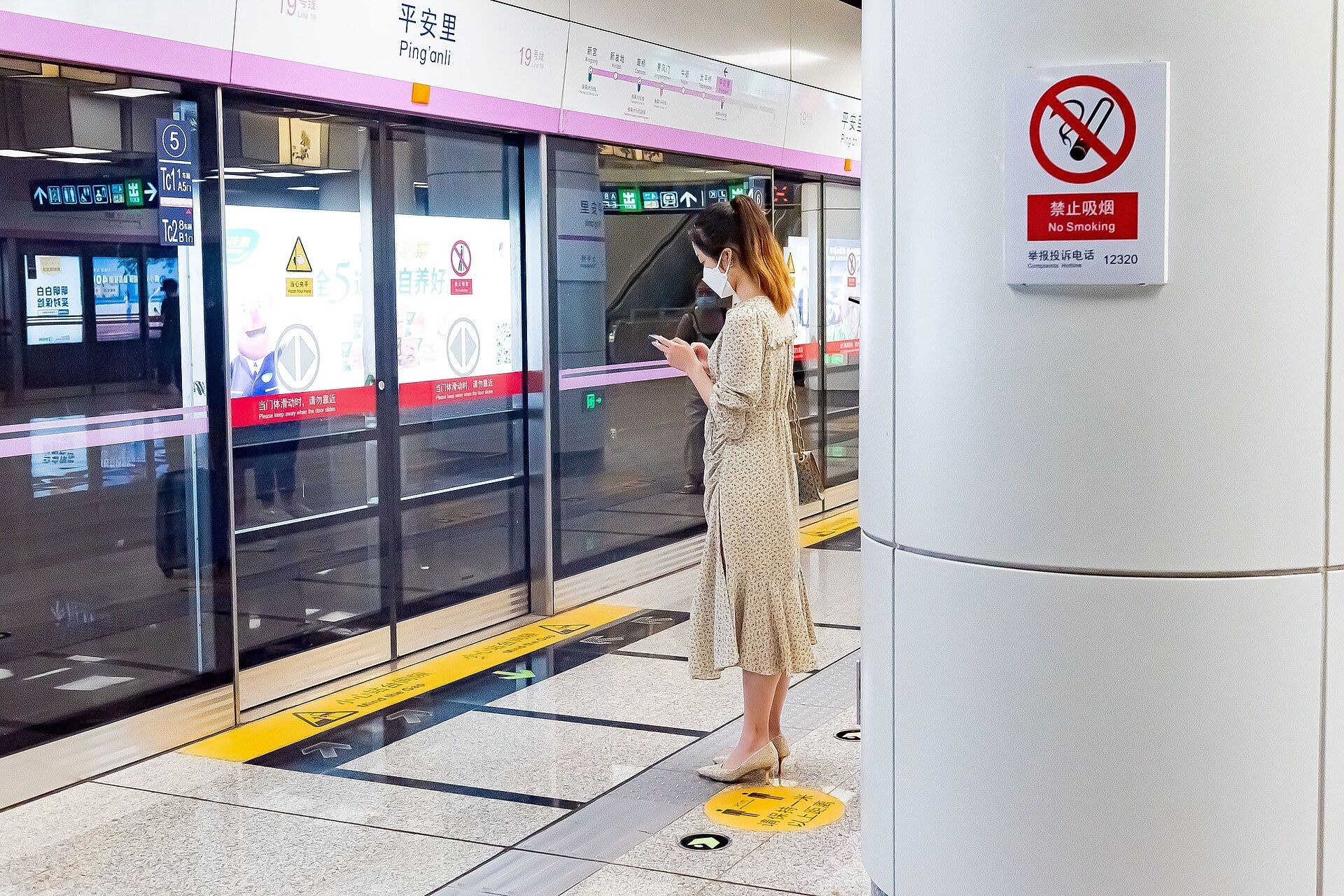 China · PrepareInternet & eSIM in China (2026): Roaming, Travel eSIM, Local SIM and Wi-Fi ComparedYour phone will work in China. The real question is which internet it connects to — every connectivity choice is a choice between two exits.Reference ~
Sources and status
Prices, schedules and booking channels change. Recheck the details that matter before you travel.
- China Railway 12306 — official booking and timetablesReference ~Rail times for Hangzhou East to Shaoxing North and Tongxiang; exact services and last trains must be checked for the travel date
- Wuzhen Tourism — official ticket policyVerifiedXizha, Dongzha and combined-ticket prices, same-day validity and entry rules, checked 2026-10-31; the site's HTTPS host does not answer from every network, the HTTP page is the operator's own
- Wuzhen Tourism — official booking siteReference ~Live ticket inventory and opening hours for both scenic areas (Xizha 9:00–22:00; Dongzha closing 17:30–18:00 by season)
- Shaoxing Lu Xun Memorial Hall — official siteReference ~Reservation rules and opening hours for Lu Xun Native Place; free entry runs on real-name timed booking through the memorial and the Shaoxing culture-and-tourism group's official channels
- West Lake Scenic Area administration — official siteReference ~Authority for the West Lake hills, the Longjing tea villages and scenic-area notices