
From 1 December 2025, the Lingyin Feilai Feng Scenic Area — including Lingyin Temple, Yongfu Temple and Taoguang Temple — is free to enter. The ticket price was replaced by a real-name, timed reservation system: book through the official 杭州灵隐飞来峰 mini-program on Alipay or WeChat, at least one day ahead and up to seven days ahead, choosing a morning session (7:30–12:00) or an afternoon session (12:00–17:00). Opening hours are 7:30–17:30 with last entry at 17:00
Checked 31 October 2026GUIDES / ITINERARIES
Hangzhou First Time: West Lake Without the Crowd Math
The lake has no gate and no entrance ticket — it has a ring, two crowded doors and one temple that now runs on reservations. Walk the ring against the flow, give Lingyin its own morning, and the crowd maths stops mattering.
City Hangzhou15 min read11 facts labeledChecked 2026-10-31
The bridge fills up by nine — the lake does not
At twenty past seven on an April morning, Broken Bridge already has people on it: a wedding-photo crew with the tripod planted, two grandmothers doing slow arm circles at the rail, a man flying a kite shaped like an eagle off the Bai Causeway. Nobody is queuing, because there is nothing to buy — no gate, no ticket window, no entrance at all. The lake simply starts where the city stops. By half past nine a tour flag will be planted at each end of this bridge and the same stones will be shoulder to shoulder.
West Lake is a ring of roughly ten kilometres of shoreline, and nearly every first-timer enters it through the same two doors — Hubin on the city side, Broken Bridge at the north — then walks the same direction at the same hours. The crowd at West Lake is not weather. It is a timetable, and a timetable can be beaten: enter where the groups exit, walk the causeways against the flow, and keep one whole morning in reserve for the temple in the hills, which since December 2025 costs nothing and still turns away anyone who forgot to book.
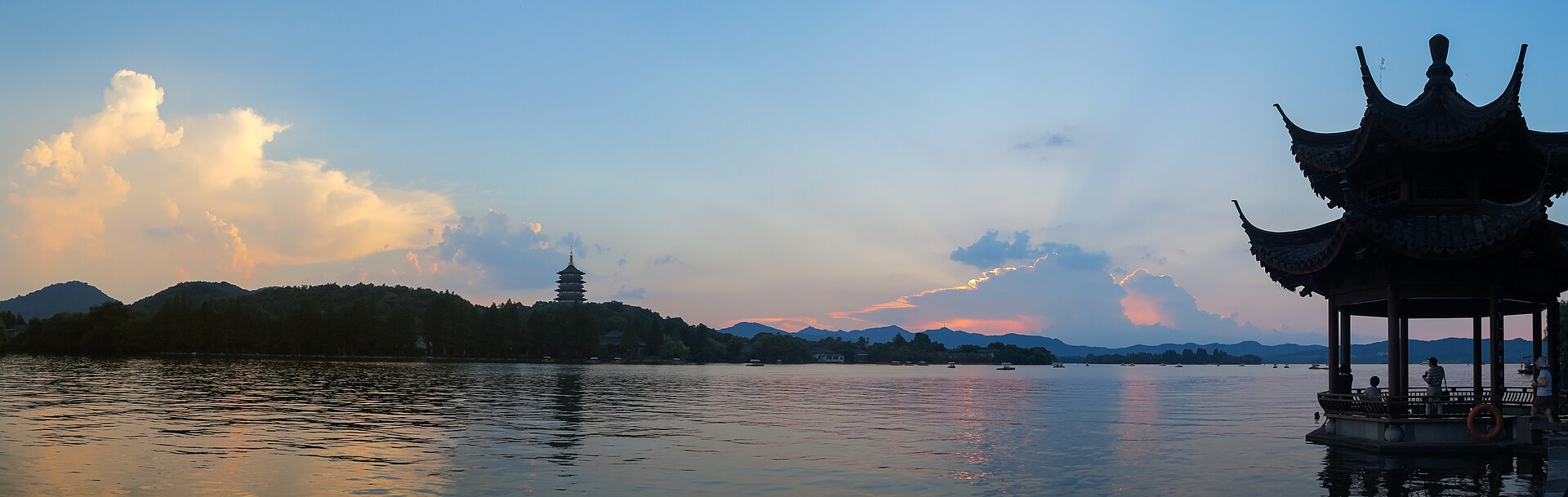
The first visit at a glance
| Arrival by rail | Hangzhou East is the station to book: a vast hub north-east of the lake, with Metro Line 1 in its basement running straight to the east shore |
|---|---|
| Arrival by air | Xiaoshan Airport is served by metro lines 1, 7 and 19 and the airport bus network; budget the better part of an hour to reach the lakeshore |
| The ring | About ten kilometres of shore path circle the water; the first-timer's skill is not walking all of it but choosing which third, at which hour |
| Morning | Broken Bridge and the Bai Causeway before the tour flags arrive, willows on one side, Solitary Hill waiting at the far end |
| Midday | The boat out to Three Pools Mirroring the Moon, the little island scene printed on the back of the one-yuan note |
| Afternoon | Su Causeway walked from its quiet southern end towards the city, six bridges and nearly three kilometres of open water |
| The quiet third | Yanggong Causeway and the west shore's inlets, Maojiabu and Wuguitan: the same lake with a fraction of the foot traffic |
| Evening | Hubin promenade and the music fountain after dark, once the day-trip crowds have drained back to the station |
| Lingyin Temple | A separate morning, never a lake add-on: free of charge since December 2025, but entry runs on a real-name reservation made at least a day ahead |
| Typical trip length | 1 to 2 days: one long day covers the ring's highlights, two days buy Lingyin at opening time and an afternoon in the tea hills |
| Best months | March to May for blossom and the new Longjing harvest; October and November for clear, dry walking weather |
| Best for | First visits, especially paired with Shanghai or Suzhou on the same fast-train line |
| Pace | One shore per half day; West Lake punishes anyone who treats it as a checklist of ten famous scenes |
| Transport | Metro and your own feet inside the centre; bus or taxi for the last leg to Lingyin, which no metro line reaches |
| Where travellers focus | Hubin and Broken Bridge, the two doors everyone uses, which is exactly why the west shore stays calm |
Set up before you arrive
Your ticks stay on this page only. No account or personal data is sent.
Running the first visit
- First decision: pick your station, then your shore
Most fast trains from Shanghai, Nanjing and beyond arrive at Hangzhou East, and that is the arrival to plan around — the station is enormous, so follow the signs down to the metro rather than drifting to a taxi rank. Coming from Shanghai, the ride takes about an hour and trains run through the day, frequent enough that you choose the departure that suits the lake rather than the other way round. Base yourself on the east shore, around Hubin and Longxiangqiao: it is the side the city touches, the metro is direct, and both of the ring's classic walks start within a few hundred metres of your hotel door.
- Ride in on the metro, not through the traffic
From Hangzhou East, Metro Line 1 drops you at Longxiangqiao, a short walk from the Hubin shore — roughly twenty minutes underground while the same trip by road swings wildly with traffic. Flying in, Xiaoshan Airport connects by metro lines 1, 7 and 19 and by airport bus; allow the better part of an hour to the lake and treat any late-night arrival as a plan of its own, because metro services wind down before the last flights do. Hangzhou's roads around the lake clog badly on fine weekends, so from here on the working rule is simple: metro and feet inside the centre, cars only for the hills.
- Morning: Broken Bridge before the flags
Start at the north-east corner, where Beishan Street meets the water. Cross Broken Bridge — famous far beyond its size as the meeting place in the Legend of the White Snake — and take the Bai Causeway west: a willow-hung ribbon of path with the lake on both sides, peach blossom in spring, and Solitary Hill at the end of it, where the old provincial museum buildings and Zhongshan Park sit in the shade. Run early, this whole stretch is a calm hour. Run it at eleven and it is the single most crowded walk in the city. The causeway is short — about a kilometre — so the difference between the two experiences is purely the hour you choose.
- Midday: let a boat do the crossing
From the Hubin piers, take the cruise boat out to Three Pools Mirroring the Moon. The island — Lesser Yingzhou — is the view on the one-yuan note: three small stone pagodas standing in the water, a causeway cross inside the island, and the city skyline framed across the lake. The boat is also a piece of crowd engineering: while the east shore is at its midday worst, you are sitting down, crossing the part of the ring nobody can walk. Buy at the official piers, keep the landing stage for the return in mind, and land back on the south shore if your ticket allows — that sets up the afternoon perfectly.
- Afternoon: Su Causeway, walked backwards
Most visitors start Su Causeway at its northern end, beside Yue Fei's temple, and walk south in a slow convoy. Do the reverse. Begin at the southern tip by Flower Harbor — arrive by boat landing, bus or a short taxi hop — and walk north: six arched bridges, willow and peach along both banks, open water on either side, nearly three kilometres of it. You will meet the convoy once, briefly, head-on, and otherwise have the causeway's rhythm to yourself. If the legs allow a detour, the west shore behind you holds the lake's quietest inlets — Maojiabu's village lanes and the reed beds of Wuguitan, where the herons outnumber the selfie sticks.
- Evening: the south shore light, then Hubin's
End the ring where it photographs best. Leifeng Pagoda stands over the south shore — the modern tower on the old pagoda's foundations is a paid ticket if you want the lift and the view, but the classic postcard of the tower at sunset is taken for free from Changqiao Park, across the road, with the pagoda reflected in the pond. Then walk or ride back up the east shore to Hubin for the music fountain's evening shows and dinner. Eat one street back from the promenade: the first row of lakeside restaurants charges for the view you have already had all day.
- Day two: Lingyin gets its own morning — booked yesterday
Lingyin Temple is not on the lake. It sits in the wooded hills west of it, inside the Feilai Feng scenic area, and the trip out — bus or taxi from the west shore, no metro line runs there — plus the temple's own scale make it a half-day expedition, not an add-on. Since 1 December 2025 the whole scenic area, Lingyin included, is free; what replaced the ticket price is a gate of a different kind: a real-name, timed reservation, booked through the official mini-program at least one day ahead, in a morning or afternoon session. Book the morning. Arrive inside your slot with the passport you booked on, walk the cliff carvings along the cold stream first — centuries of Buddhas cut into the rock of Feilai Feng — then climb through the temple halls while the incense is still thin. Two to three unhurried hours covers it; Yongfu and Taoguang temples share the same woods and the same reservation if you want the fuller version.
- Only one day? Cut like this, not like that
A single day can hold either the ring done properly or Lingyin plus a half-ring — not both at full size. If the lake is the point, run the route above and let Lingyin go without guilt; it will keep. If Lingyin is the point — for many travellers it is the reason Hangzhou is on the itinerary — take the earliest reserved morning slot, be at Feilai Feng when the gates open at 7:30, and spend the afternoon on Broken Bridge, the Bai Causeway and the boat, finishing at Hubin. What does not work is the spreadsheet version: temple at midday, whole ring at speed, station by sprint. Hangzhou forgives a short visit. It does not forgive a rushed one.
What this plan rests on
The reservation system runs on daily quotas — 35,000 visitors on weekdays, 50,000 on weekends and 65,000 on public holidays, per the scenic area's published plan — which is why morning slots on fine weekends are a book-early item, not a walk-up assumption
Checked 31 October 2026Anything written before December 2025 will tell you Lingyin costs ¥45 for the Feilai Feng area plus ¥30 for the temple's incense ticket — ¥75 in total. That two-ticket system ended on 30 November 2025; the money is gone, the booking is what remains
Checked 31 October 2026West Lake was inscribed on the UNESCO World Heritage List in 2011 as a cultural landscape — the listing covers the lake, its causeways and islands, and the temple landscape in the surrounding hills, which is why Lingyin belongs to the same story as the shore
Checked 31 October 2026The lakeshore itself carries no entrance fee and no gate: the causeways, shore paths and lakeside parks are open city space. What costs money at West Lake is specific — the island cruise boats, Leifeng Pagoda, and individual temples and museums around the shore
Checked 31 October 2026High-speed trains between Shanghai Hongqiao and Hangzhou East take about an hour and run frequently through the day, which is what makes Hangzhou a realistic bolt-on to a Shanghai trip — and what floods the lake with day-trippers from mid-morning
Checked 31 October 2026Metro Line 1 connects Hangzhou East station directly with the east shore at Longxiangqiao and Fengqi Road, and metro lines 1, 7 and 19 all serve Xiaoshan Airport — the whole arrival geometry of this guide runs on those lines
Checked 31 October 2026No metro line reaches Lingyin Temple. The scenic area sits in the hills west of the lake and the final leg is bus or taxi — one more reason the temple cannot be folded into a lakeside stroll and needs its own half day
Checked 31 October 2026A full circuit of the shoreline runs to roughly ten kilometres of path. It is walkable in a day with stops, but the ring's four shores differ so much in character and crowd load that choosing sections beats completing the loop
Checked October 2026Su Causeway runs just under three kilometres across the western lake on six bridges, built under Su Dongpo's governorship; the Bai Causeway on the north shore is much shorter, about a kilometre out to Solitary Hill
Checked 31 October 2026The crowd at West Lake has an address and a schedule: Broken Bridge, the Bai Causeway and the Hubin promenade peak from mid-morning to mid-afternoon, while Yanggong Causeway and the west-shore inlets stay markedly quieter at the same hours — the gap is wide enough to plan a whole day around
Checked October 2026When this plan breaks — and the questions everyone asks
The Lingyin reservation is the fragile point
Free entry made the temple more popular, not less. Morning slots on blossom weekends and holidays can exhaust soon after the seven-day window opens. If your slot is gone, do not buy 'help' from anyone reselling bookings — swap the days around, or give the morning to the west shore and the tea hills and take an afternoon session instead.
Old information is everywhere
Most English content about Lingyin still describes buying two tickets at the gate. That system ended in November 2025. Likewise, any source quoting a single 'West Lake entrance fee' is describing a ticket that has never existed for the shore itself.
Peak holidays compress everything
During Golden Week and the spring blossom peak, even the west shore fills and the counter-flow trick buys you elbow room, not solitude. On those dates the dawn start stops being a preference and becomes the plan.
Weather rewrites the lake
Summer brings real heat and the plum-rain weeks; boats can pause in high wind, and the music fountain's schedule changes and suspends without much notice. Check the pier and promenade notices on the day rather than trusting any printed timetable, this one included.
Late flights and the last metro
Xiaoshan's metro lines do not run all night. Land late and the honest options are the airport bus's late services or a taxi — settle which before you are standing at arrivals with a dead itinerary.
Passport friction at the reservation gate
The mini-program books against an identity document, and entry staff check the document, not a screenshot. Book with your passport details exactly as printed. If the app defeats you entirely, scenic-area staff have helped unbooked visitors register on site when the day's quota remained — a fallback to be grateful for, never a plan.
Is West Lake really free?
The shore, the causeways and the lakeside parks, yes — no ticket, no gate. The paid layer is specific: the island cruise, Leifeng Pagoda's tower, and a handful of temples and museums. Budget for those or skip them; neither choice diminishes the lake.
Can I do Hangzhou as a day trip from Shanghai?
Yes — about an hour each way by fast train, and the ring's highlights fit a long day. What a day trip cannot hold is Lingyin as well, unless you take the first reservation slot of the morning and accept a half-ring afterwards. Two days is the comfortable unit; one night in Hangzhou beats two station sprints.
Can I walk the entire lake in one day?
Physically, yes — roughly ten kilometres of flat shore path. Experientially, it is the wrong ambition for a first visit: the shores blur, the temples close while you are still walking, and the best hours get spent on the least interesting stretches. Walk two shores properly instead.
Does Lingyin really need its own half day?
Yes, and the reservation system now enforces what geography always did: the temple is in the hills, reached by bus or taxi, gated by a morning or afternoon session, and worth two to three hours inside. Bolted onto the end of a lake day it becomes a queue with a temple attached.
What if it rains?
Mist on the lake is one of its oldest postcards — Su Causeway in fine rain is a scene Chinese painters have chased for centuries. Go, with shoes that grip wet stone, and hold the boat and the pagoda tower as the flexible parts of the day.
Keep the trip moving
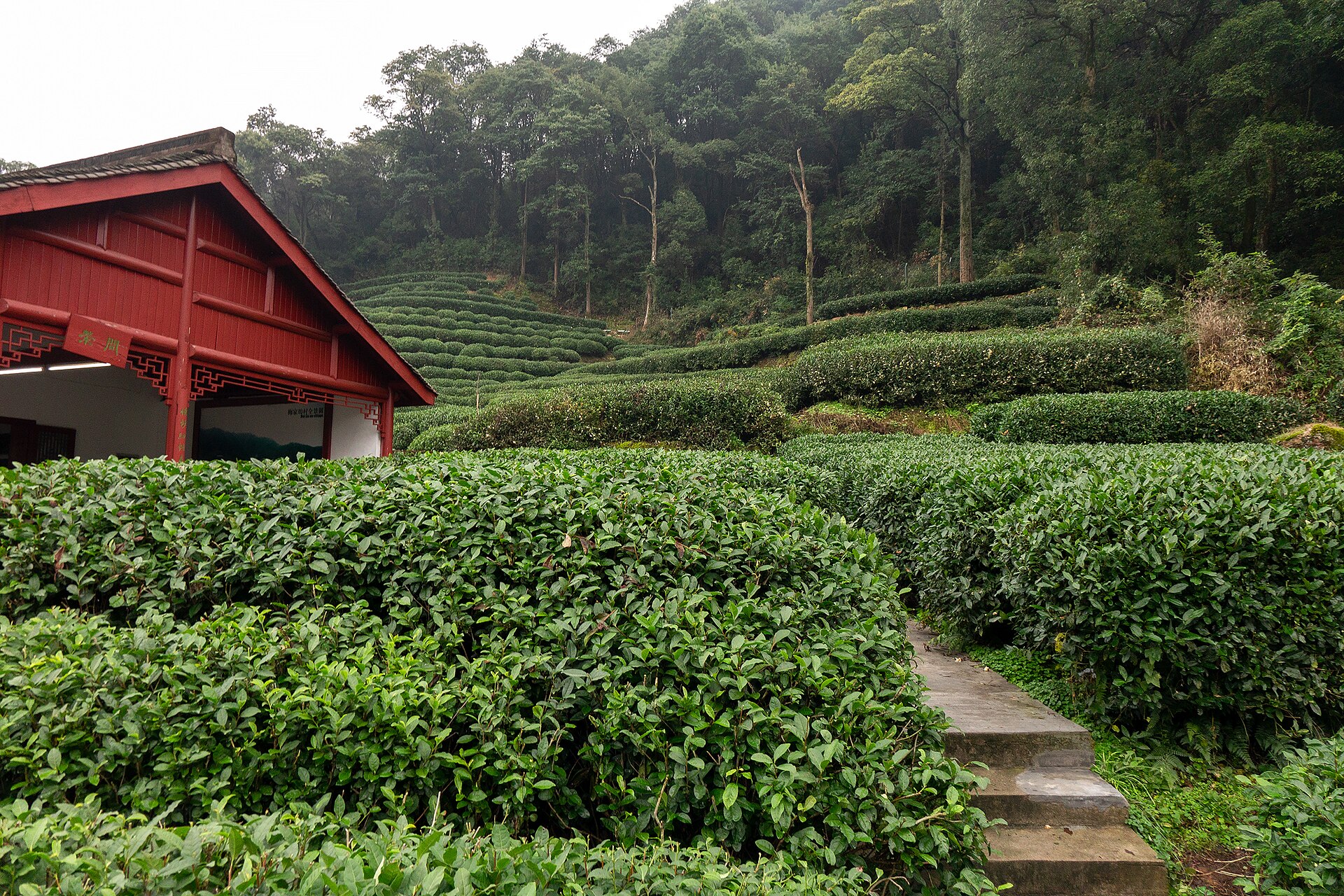 Hangzhou · DoHangzhou Souvenirs, Bought by Evidence: Longjing, Silk and the Folding FanTea whose origin you can actually state, silk whose fibre label you have read with your own eyes, and a folding fan carrying a maker's name — Hangzhou rewards shoppers who buy evidence rather than packaging.Verified
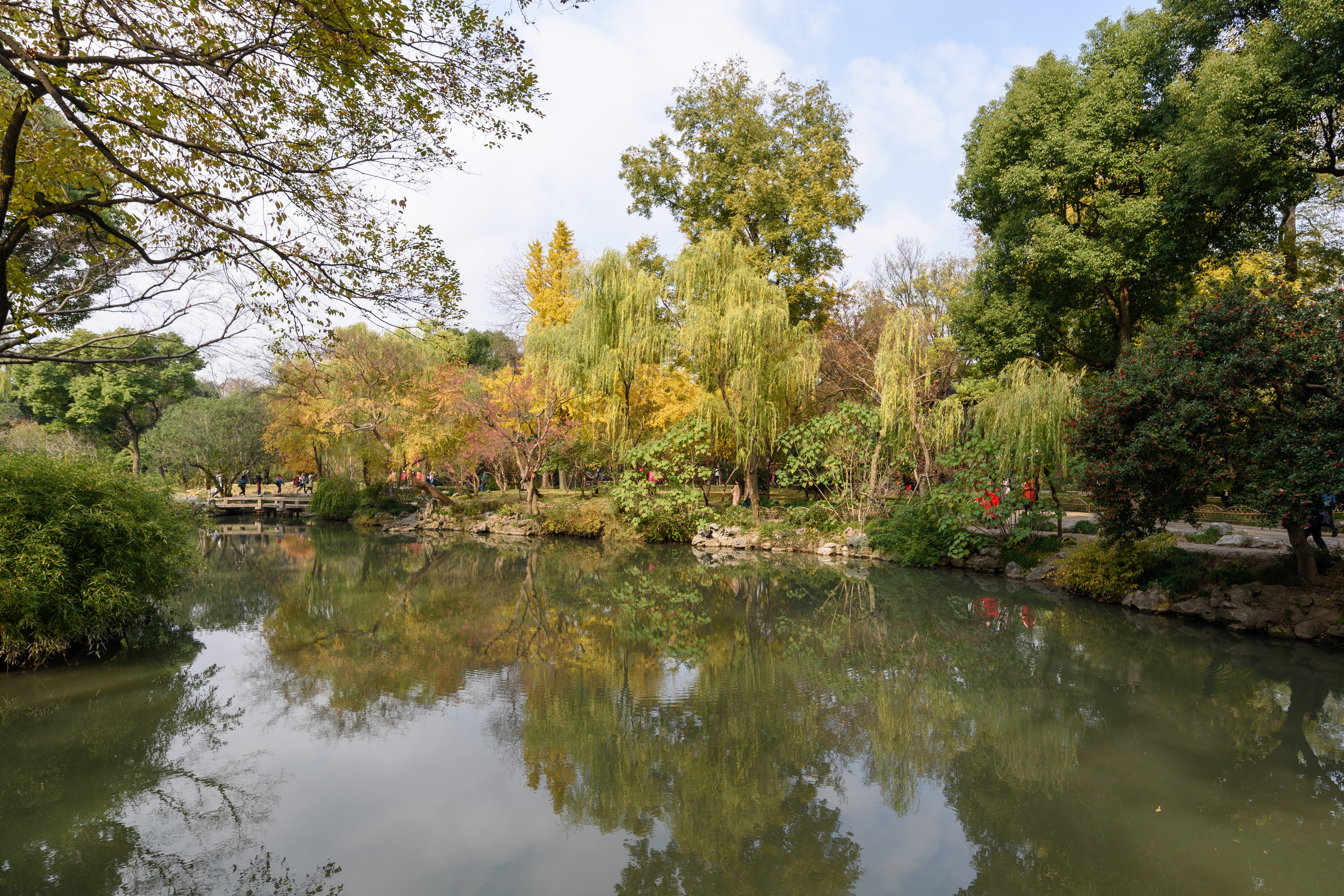 Suzhou · DoSuzhou as a Day Trip from Shanghai: One Garden, One Canal, Home by DinnerA garden, a canal street and one of China's great museums, twenty-seven minutes from Shanghai — if you book the three things that sell out and catch a specific train home.Reference ~
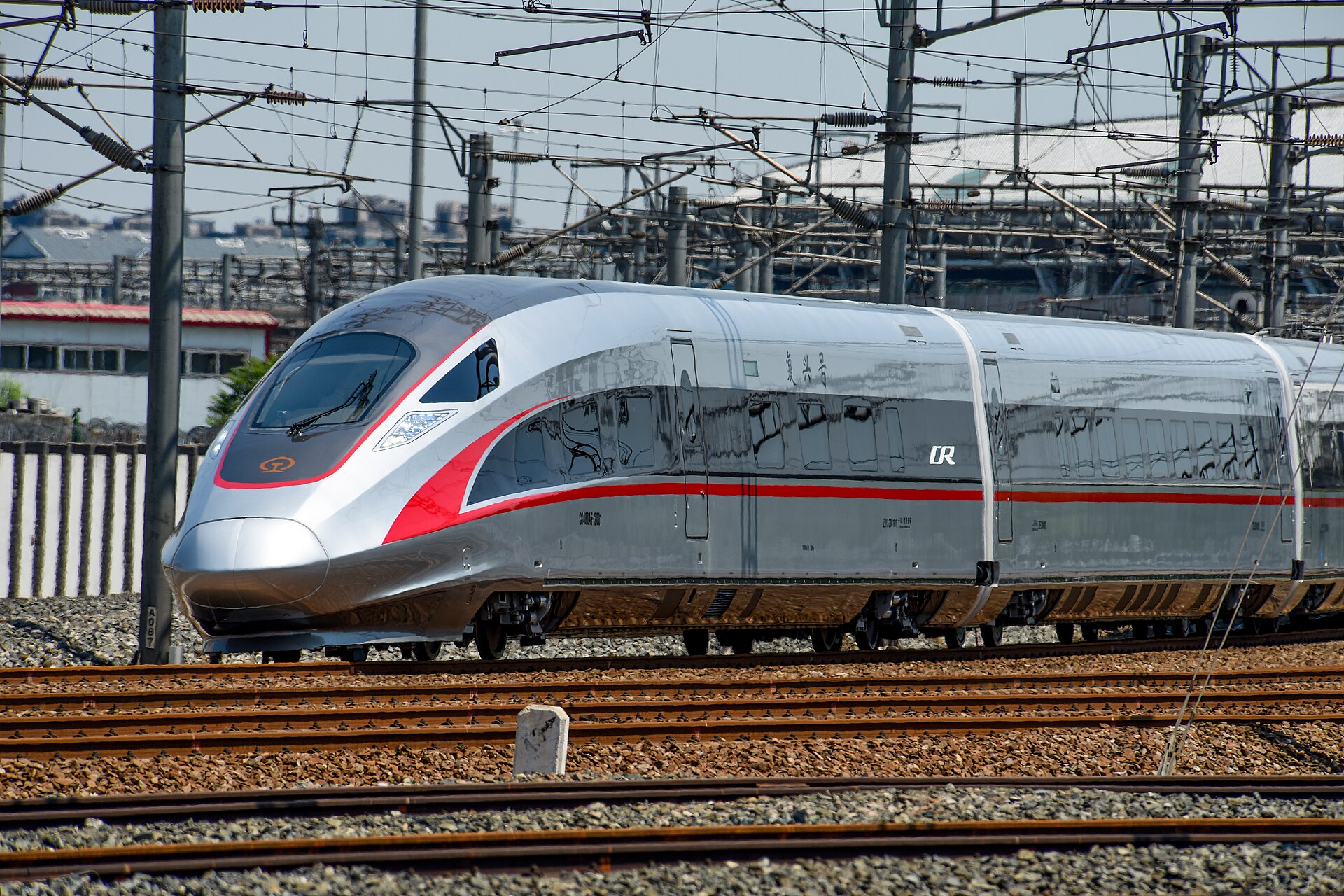 China · PrepareChina Trains: Your Passport Is the TicketNo paper, no ticket window — book on 12306, verify your identity once, and board on the document in your pocket. The system is simpler than the stations are big.Verified
 Shanghai · DoShanghai in 3 Days: Icons, Neighbourhoods, and One Day to Go DeepDay one for the postcard, day two for the streets people actually live on, day three for the one thing you care about most — with the bookings and buffers that keep it relaxed.Reference ~
 China · PrepareHow to Pay in China (2026): Alipay, WeChat Pay, TenPayGo, Cards and CashSet up one wallet before you fly, add a second as backup, and understand the two numbers that explain most payment confusion.Reference ~
 China · PrepareInternet & eSIM in China (2026): Roaming, Travel eSIM, Local SIM and Wi-Fi ComparedYour phone will work in China. The real question is which internet it connects to — every connectivity choice is a choice between two exits.Reference ~
Sources and status
Prices, schedules and booking channels change. Recheck the details that matter before you travel.
- Hangzhou West Lake Scenic Area Administration — official siteReference ~The scenic area authority for West Lake: shore access, piers, causeways and the sights it manages; recheck notices before travelling
- Official notice: Lingyin Feilai Feng Scenic Area free-entry and reservation system (West Lake Scenic Area Administration notice, republished by Hangzhou CPPCC)VerifiedThe December 2025 change in full: free entry from 1 December 2025, real-name timed reservations, opening hours and session rules
- Lingyin Temple — official siteReference ~The temple's own site; visit etiquette and announcements, to be read alongside the scenic area's reservation rules
- Hangzhou Metro — official siteReference ~Network maps and line information for the metro legs this guide relies on
- Hangzhou Xiaoshan International Airport — official siteReference ~Official airport ground-transport information: metro connections and the airport bus network
- China Railway 12306 — official bookingReference ~Official rail booking and timetables; exact services to Hangzhou East must be verified for the travel date
- UNESCO World Heritage — West Lake Cultural Landscape of Hangzhou (inscribed 2011)VerifiedThe listing behind the lake's protected status, including the causeways, islands and temple landscape